Supplements for Dogs and Cats: What Owners Should Know

The pet supplement aisle has exploded. Oils, powders, chews, pastes, drops and sprinkles all promise shinier coats, calmer dogs, better digestion and happier joints. For an owner who simply wants to do right by their animal, it is genuinely difficult to tell what is worth considering and what is marketing.
Here is the honest starting point: a complete and balanced pet food is, by design, formulated to meet a healthy animal's nutritional requirements on its own. If your pet is eating a complete and balanced diet appropriate to their life stage, they do not automatically need supplementation. Supplements are complements — additions to an already-sound routine, not corrections for a poor one.
That does not mean supplements are pointless. In specific circumstances, and in consultation with a veterinarian, some can have a role as part of a broader care plan. This guide explains where supplements genuinely fit, how to read a label critically, what questions to ask, and — importantly — why more is not better and why your veterinarian needs to know about everything your pet takes.
Important: This article shares general educational information for pet owners and is not a substitute for an in-person veterinary examination, diagnosis, or treatment. For any medical concern or emergency, contact your veterinarian promptly.
Start Here: The Diet Comes First
Before considering any supplement, look at the food. "Complete and balanced" on a pet food label is a meaningful statement: it indicates the food is formulated to supply the nutrients a healthy animal of that life stage requires, in appropriate proportions.
If your pet eats a complete and balanced diet, adding nutrients on top is at best unnecessary and at worst counterproductive. Nutrition works in balance — some nutrients compete with each other for absorption, and some are stored in the body rather than excreted, which means excess accumulates.
- Check the label for a statement of nutritional adequacy and the life stage it is formulated for.
- Feed the right life stage — puppy, kitten, adult, senior, or all life stages.
- Measure the portions and keep treats to a small proportion of daily intake.
- Talk to your vet before making significant dietary changes, especially if your pet has a health condition.
If your pet's coat is dull, their digestion is unsettled, or their energy is low, the first step is not a supplement. It is a veterinary examination, because those signs can reflect underlying conditions that no supplement will address.
Where Supplements Can Genuinely Have a Role
Supplements are most defensible when there is a specific reason for them, identified in conversation with a veterinary professional. Some common scenarios where a vet may discuss them include the following.
- Life-stage support: older pets sometimes benefit from additional support as part of a broader senior care plan, discussed with a vet.
- Specific conditions: some diagnosed conditions have supplement components within a wider veterinary management plan.
- Home-prepared diets: if you feed a home-cooked or non-commercial diet, supplementation is usually essential — and should be formulated by a veterinary nutritionist, not guessed at.
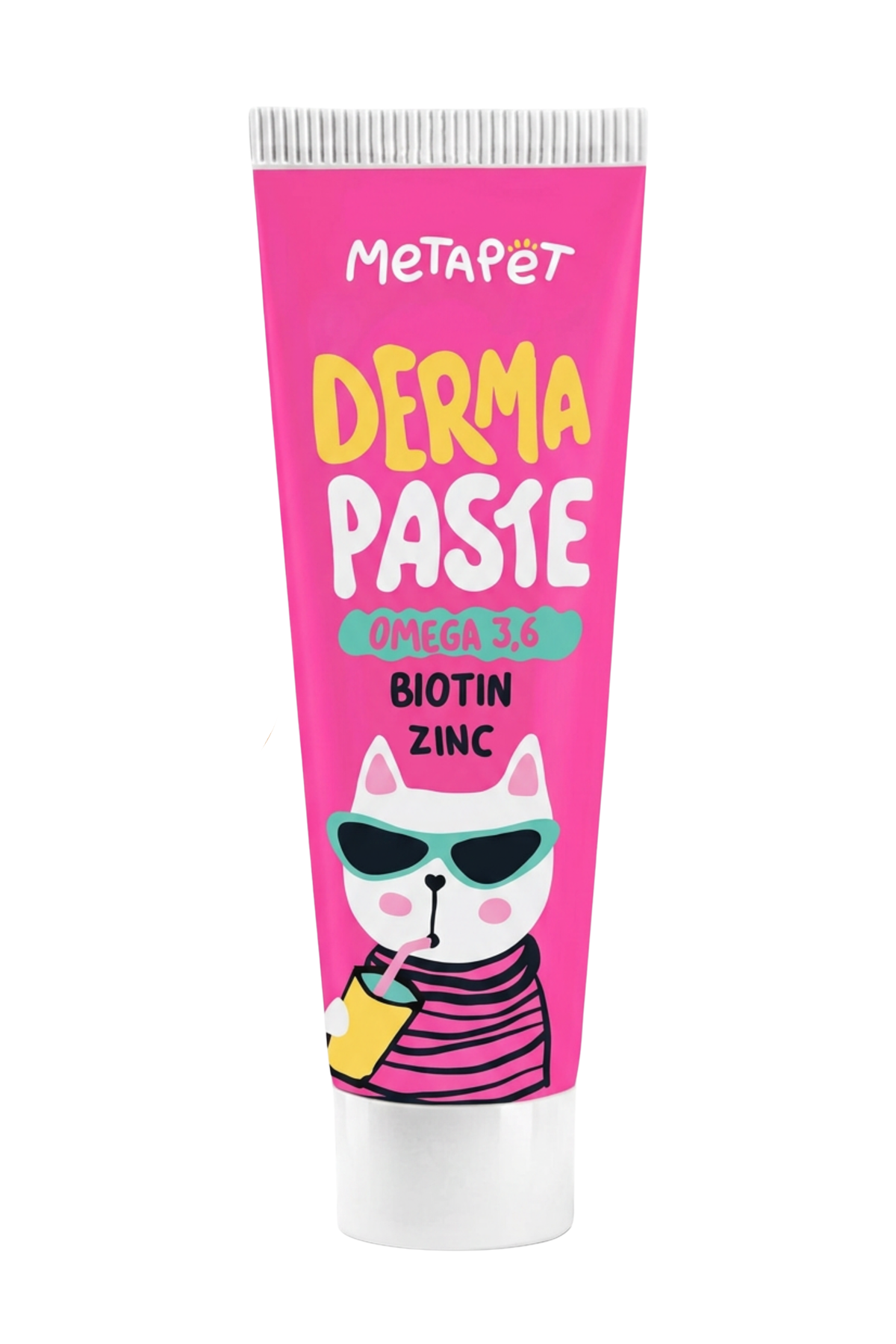
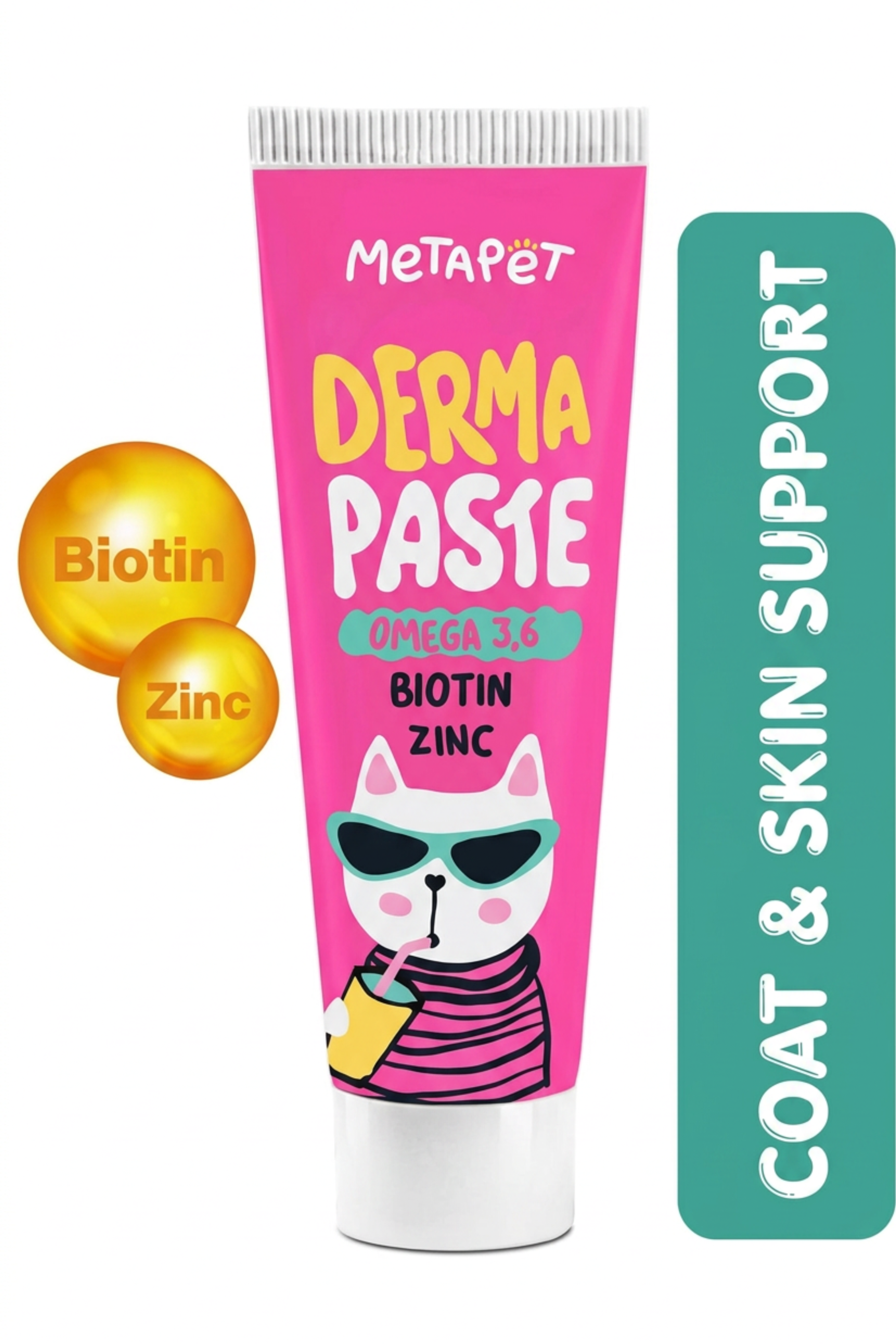
- Coat and skin routines: as part of a grooming and nutrition routine, some owners use products designed to support normal skin and coat condition.
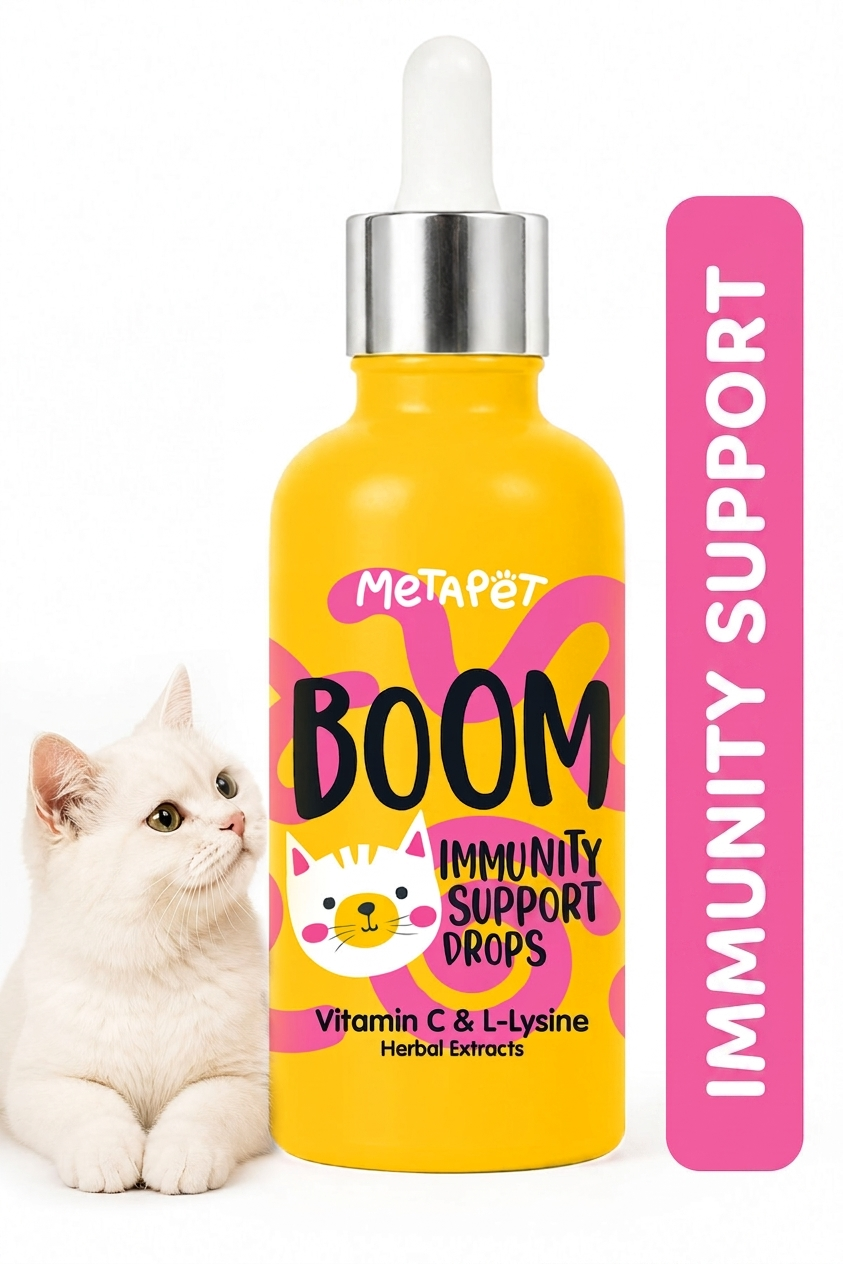
- Digestive routines: probiotic products are sometimes used to support normal digestive balance, particularly around dietary transitions or stressful periods.
- Stressful events: calming products designed to support relaxation during travel, fireworks or vet visits are sometimes used as one part of a broader plan.
Note the careful language, and note it deliberately. Supplements are not medicines. They do not diagnose, treat, cure or prevent disease, and any product that claims otherwise should be treated with real scepticism.
Reading a Supplement Label Critically
The label tells you far more than the marketing on the front. Turn the bottle around.
- Check the species and life stage. Products formulated for dogs are not necessarily appropriate for cats, whose nutritional requirements and metabolism differ significantly.
- Look for the actual ingredient list and the amounts of active ingredients, not just a vague "proprietary blend".
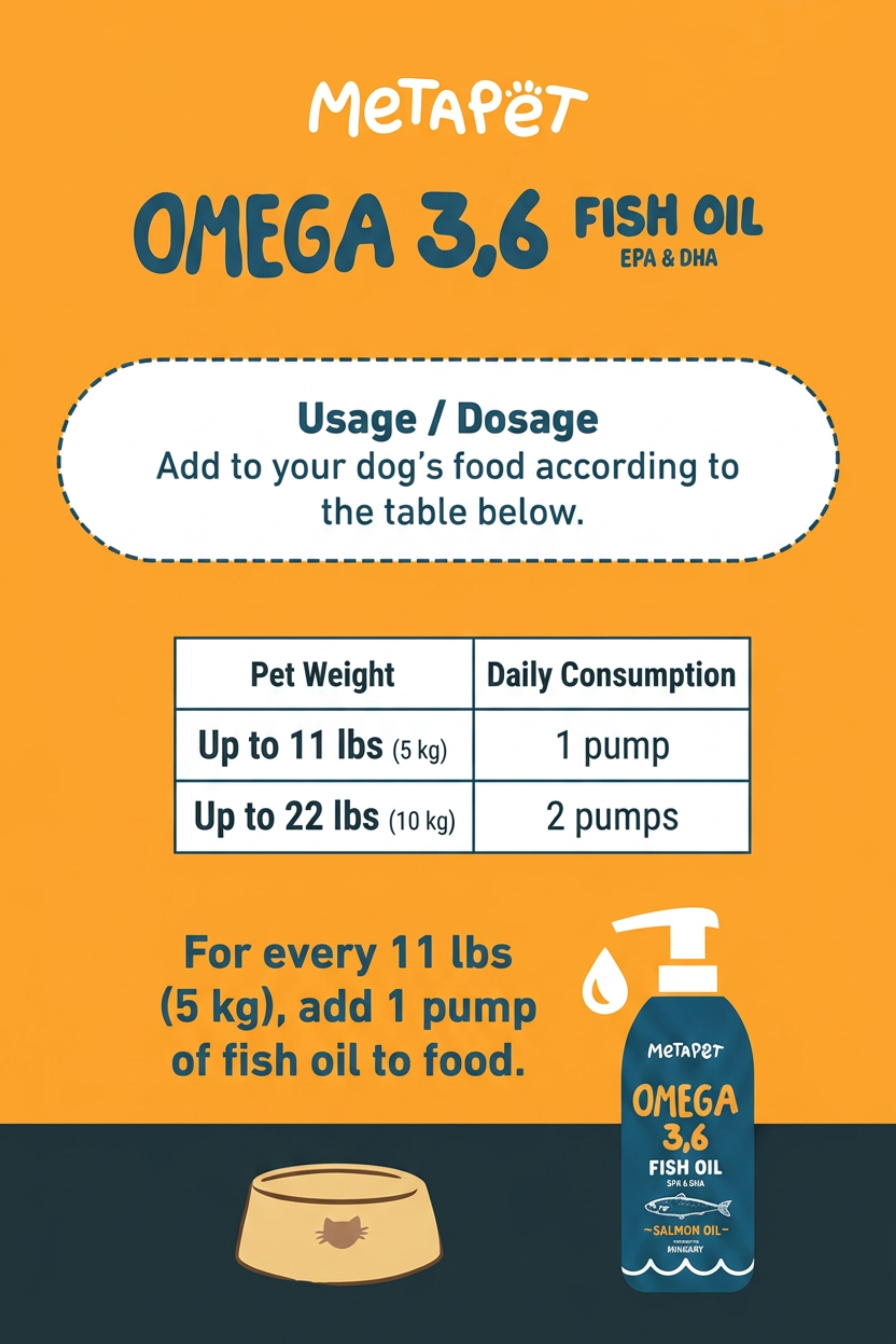
- Check the recommended amount for your pet's weight and follow it precisely. More is not better.
- Look at what claims are being made. Careful, hedged, structure-and-function language is a good sign. Bold disease claims are a red flag.
- Check the expiry date and storage requirements — oils in particular can go rancid.
Be especially wary of any product that promises to cure, treat, prevent or heal a disease, that claims to replace veterinary treatment, or that discourages you from seeking veterinary care. Those are not features; they are warnings.
The Categories You Will Encounter
Broadly, pet supplements cluster into a handful of familiar categories, and it helps to know what each is generally intended for.
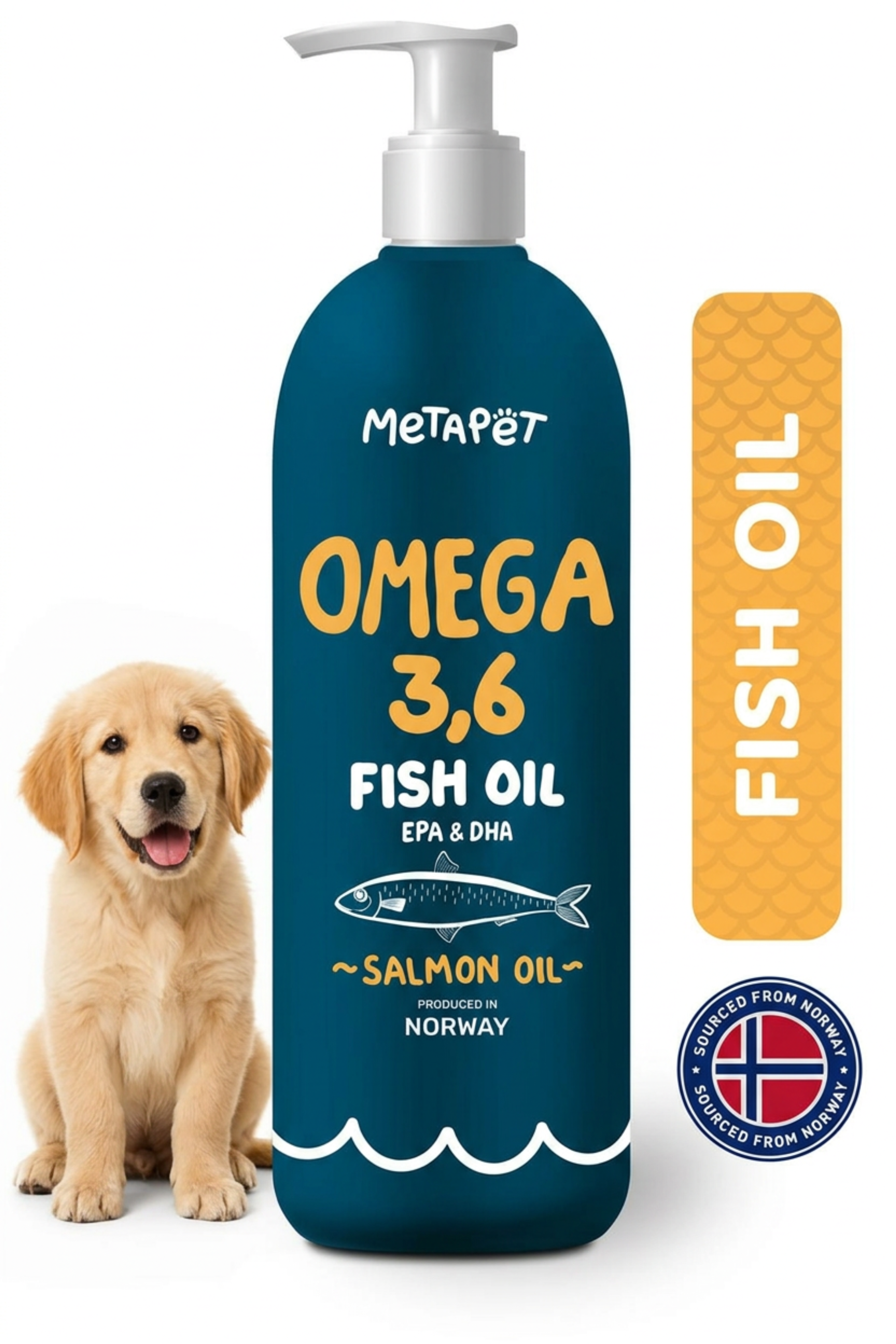
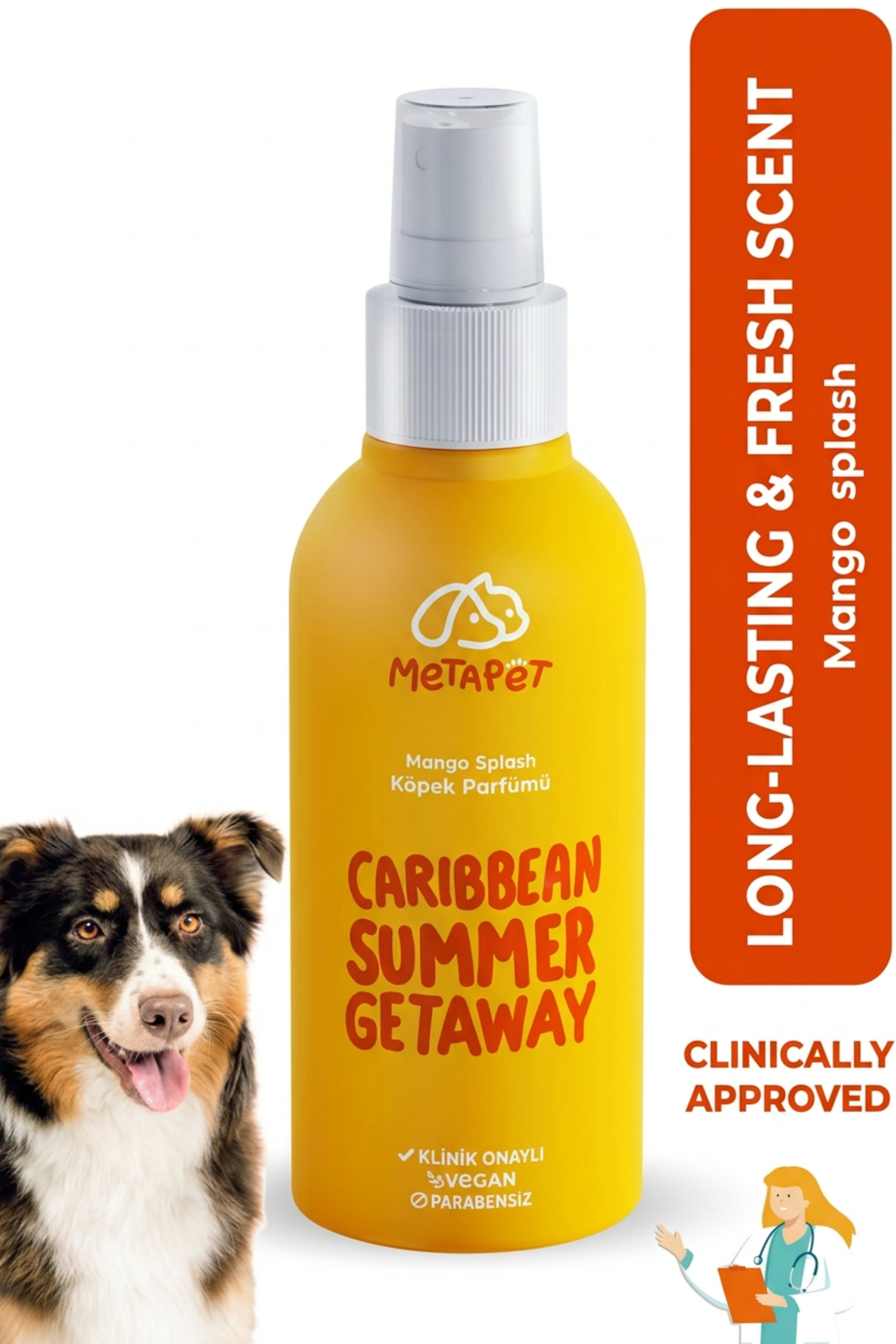
- Omega oils: fish and salmon oils are widely used as part of routines aimed at supporting normal skin and coat condition. MetaPet's Omega Salmon Oil for Dogs and for Cats sit in this category.
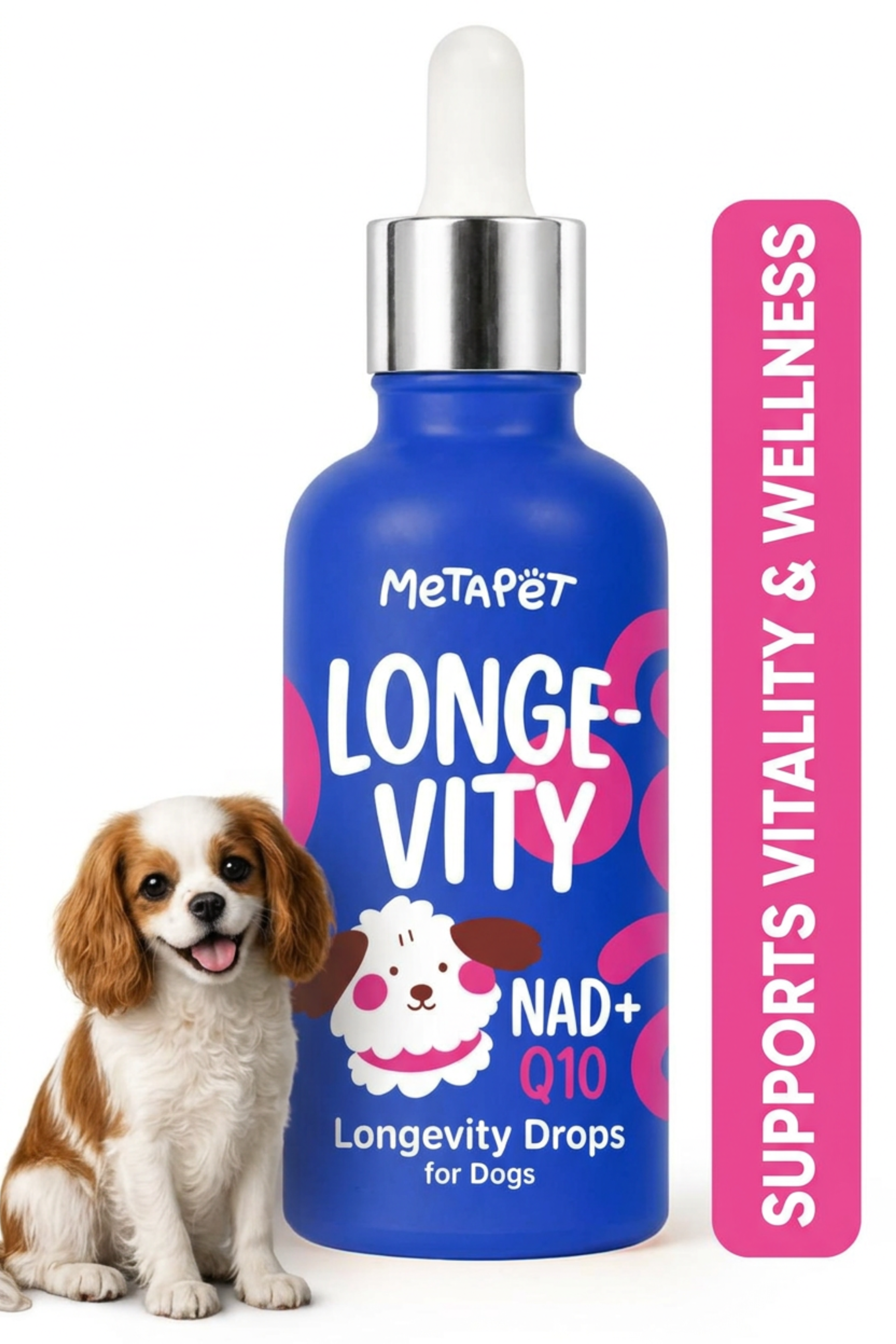
- Multivitamins: broad-spectrum products such as MetaPet's Multivitamin Drops with D3 for Dogs, designed as a general daily supplement alongside a balanced diet.
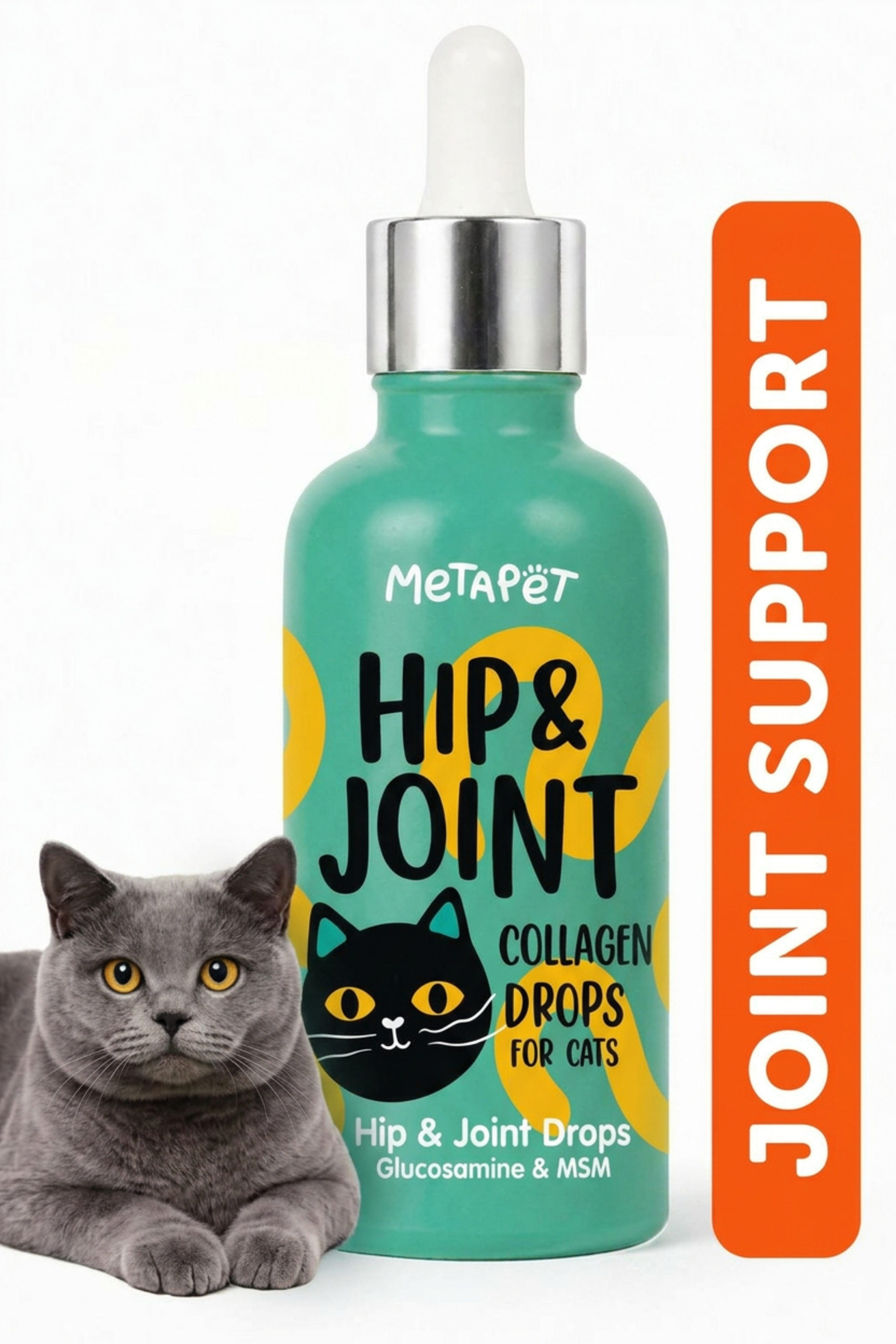
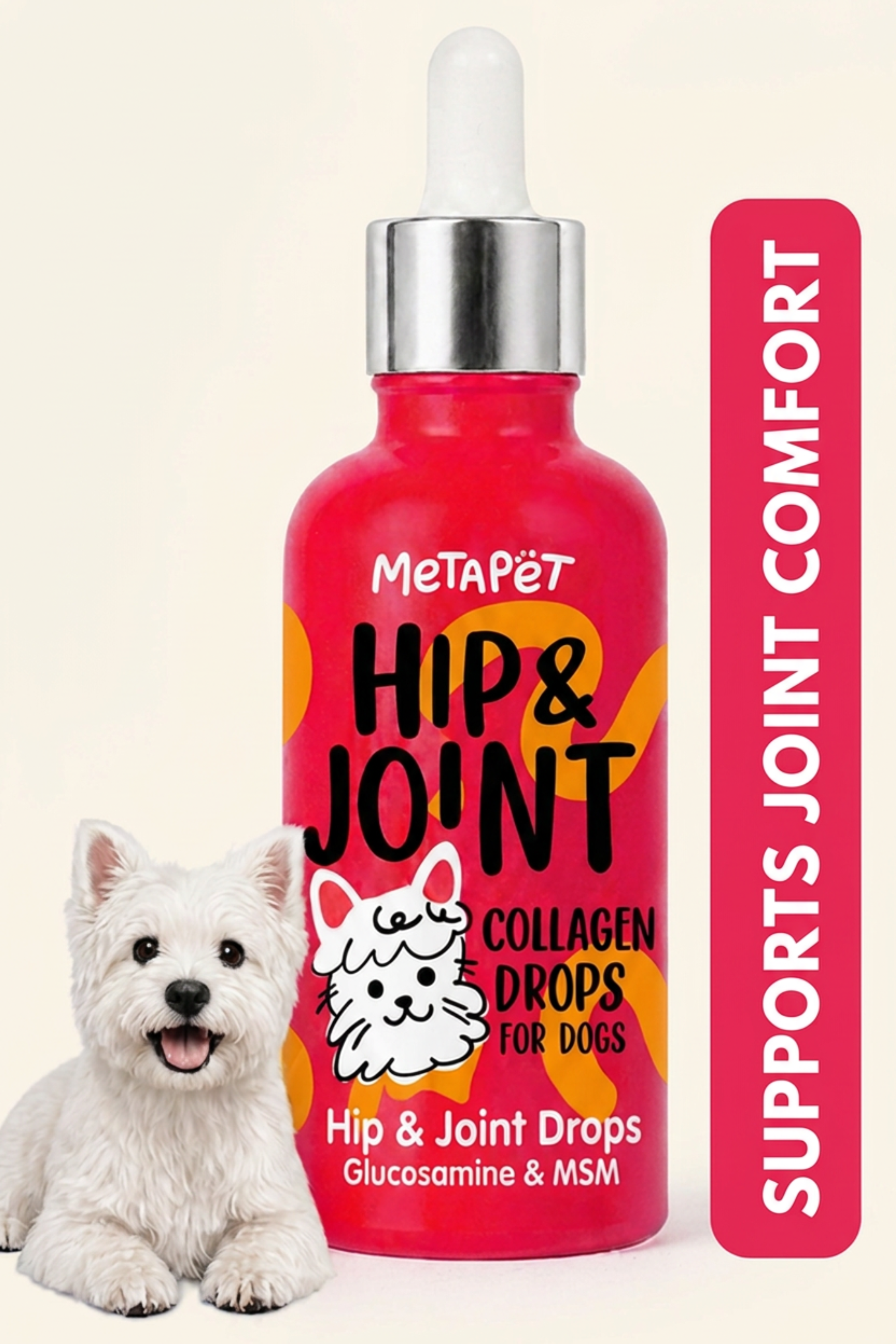
- Joint support: products formulated to support normal joint and mobility function, such as MetaPet's Hip & Joint Drops for Dogs.
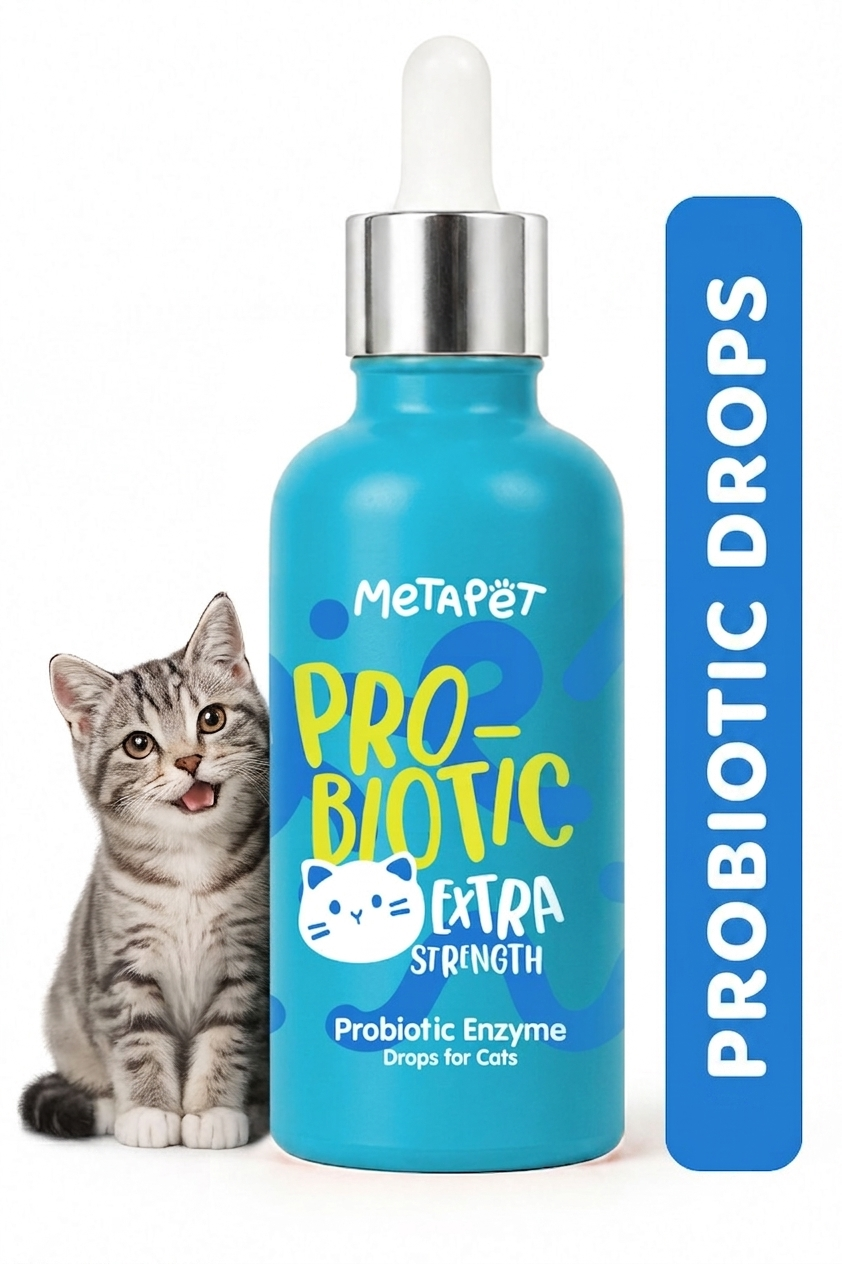
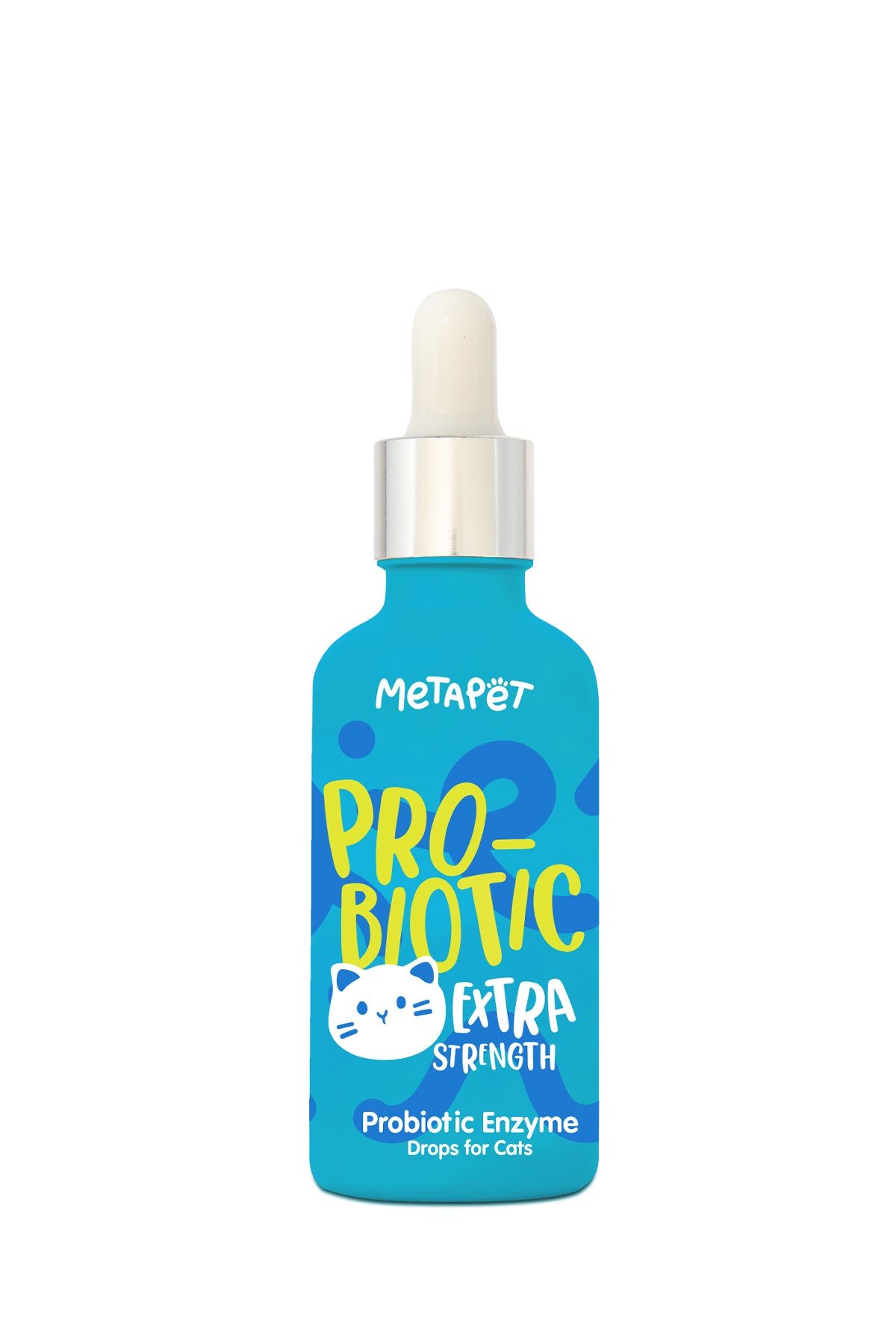
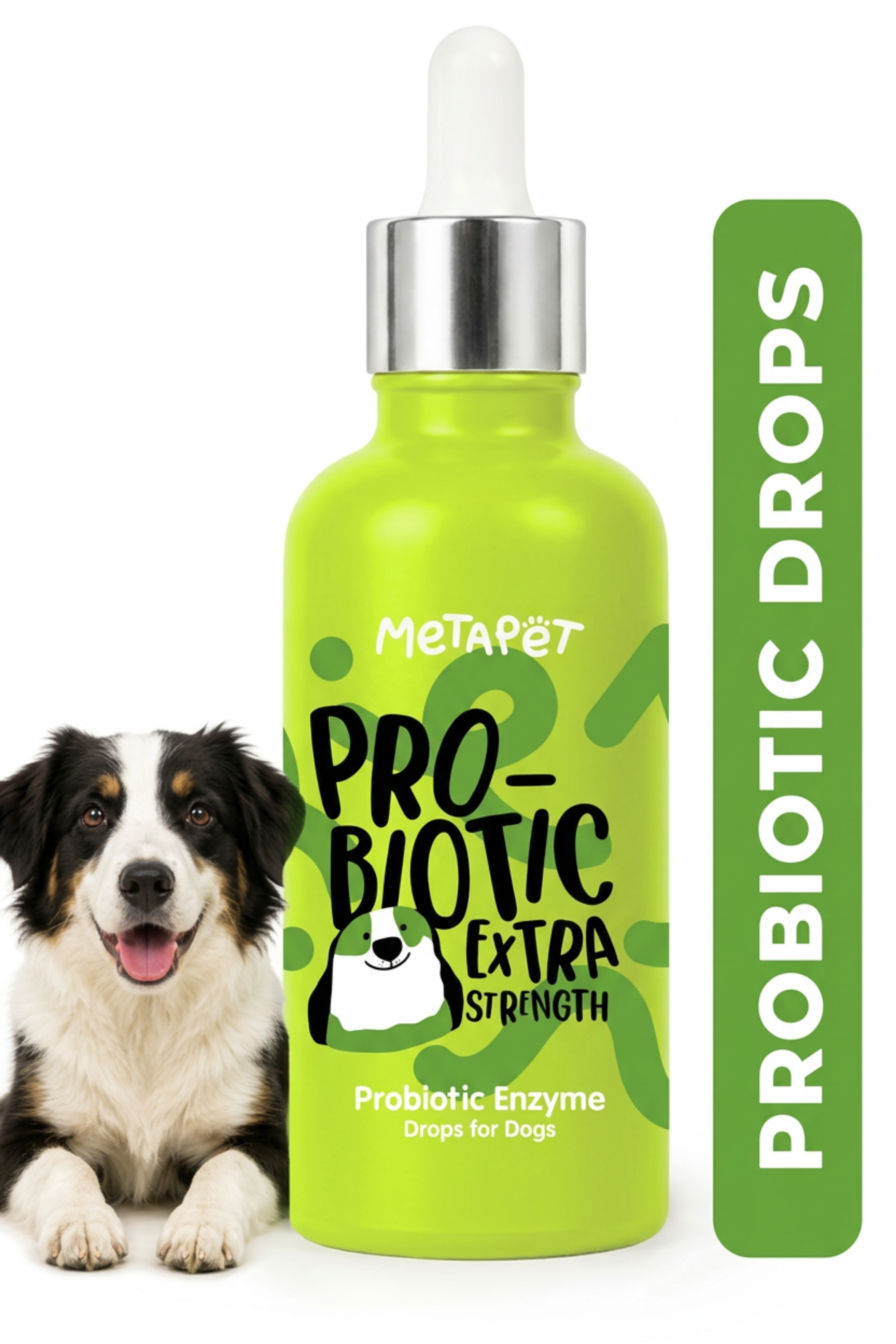
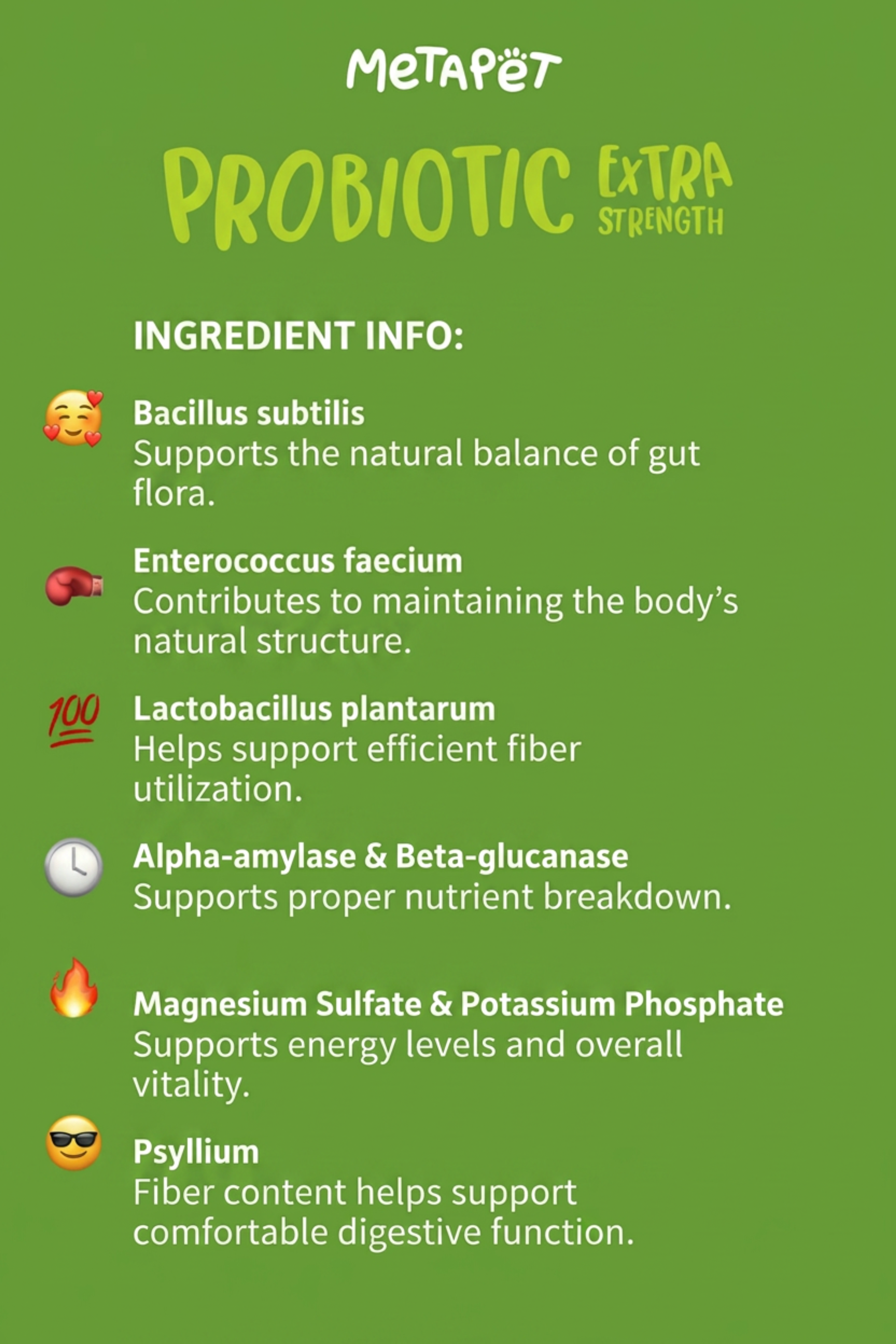
- Digestive support: probiotic products such as MetaPet's Probiotic Drops for Dogs, used to help support normal digestive balance.
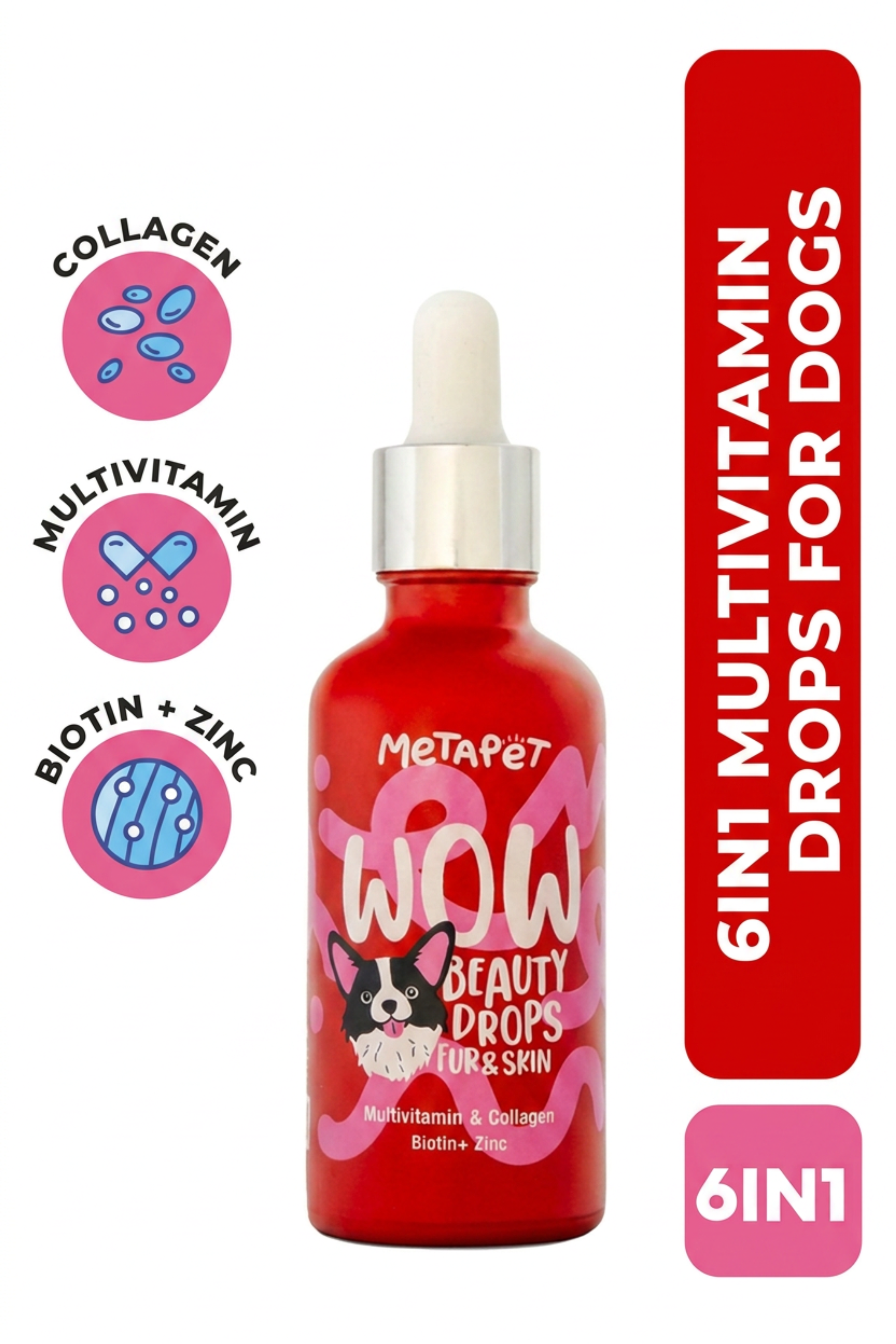
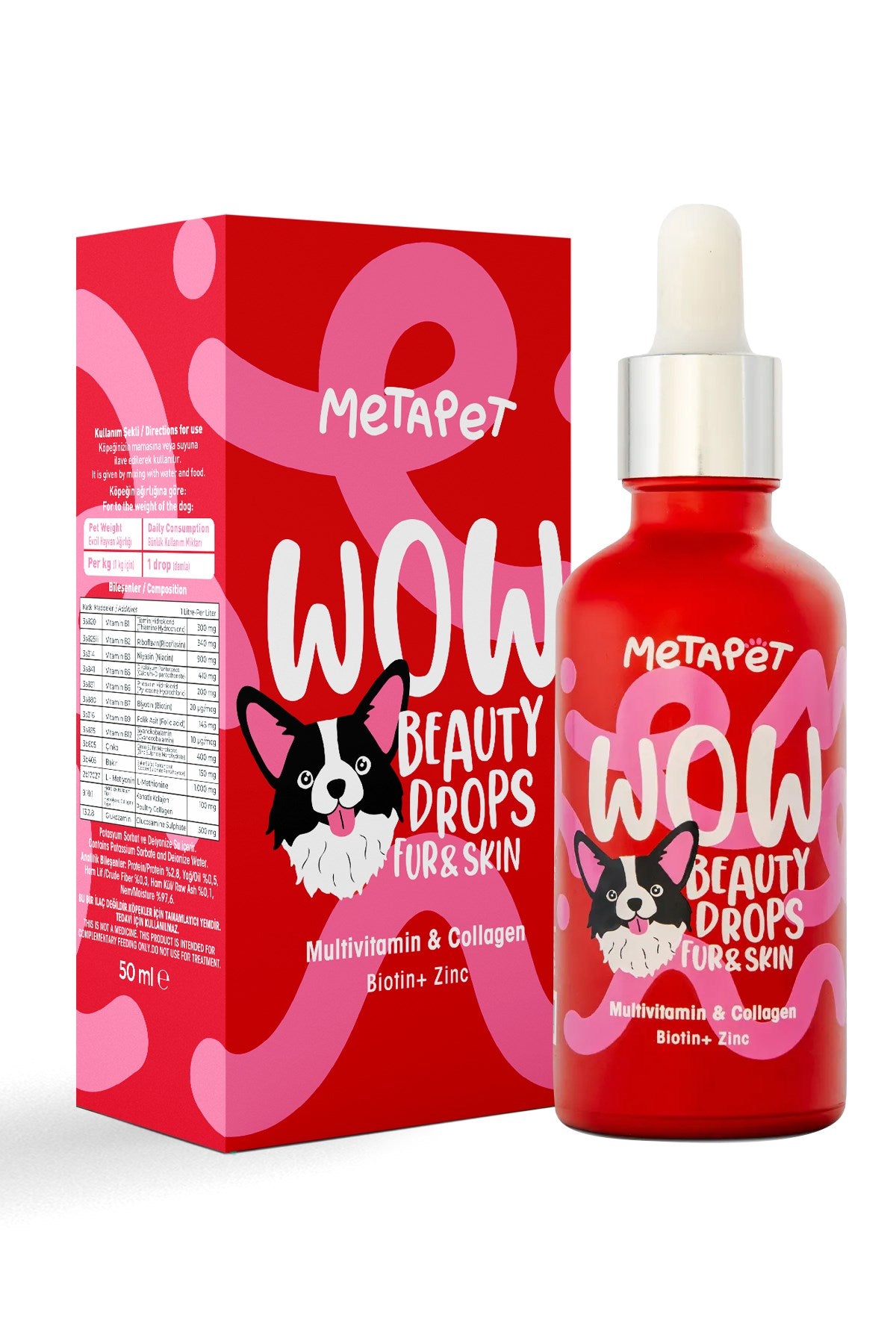
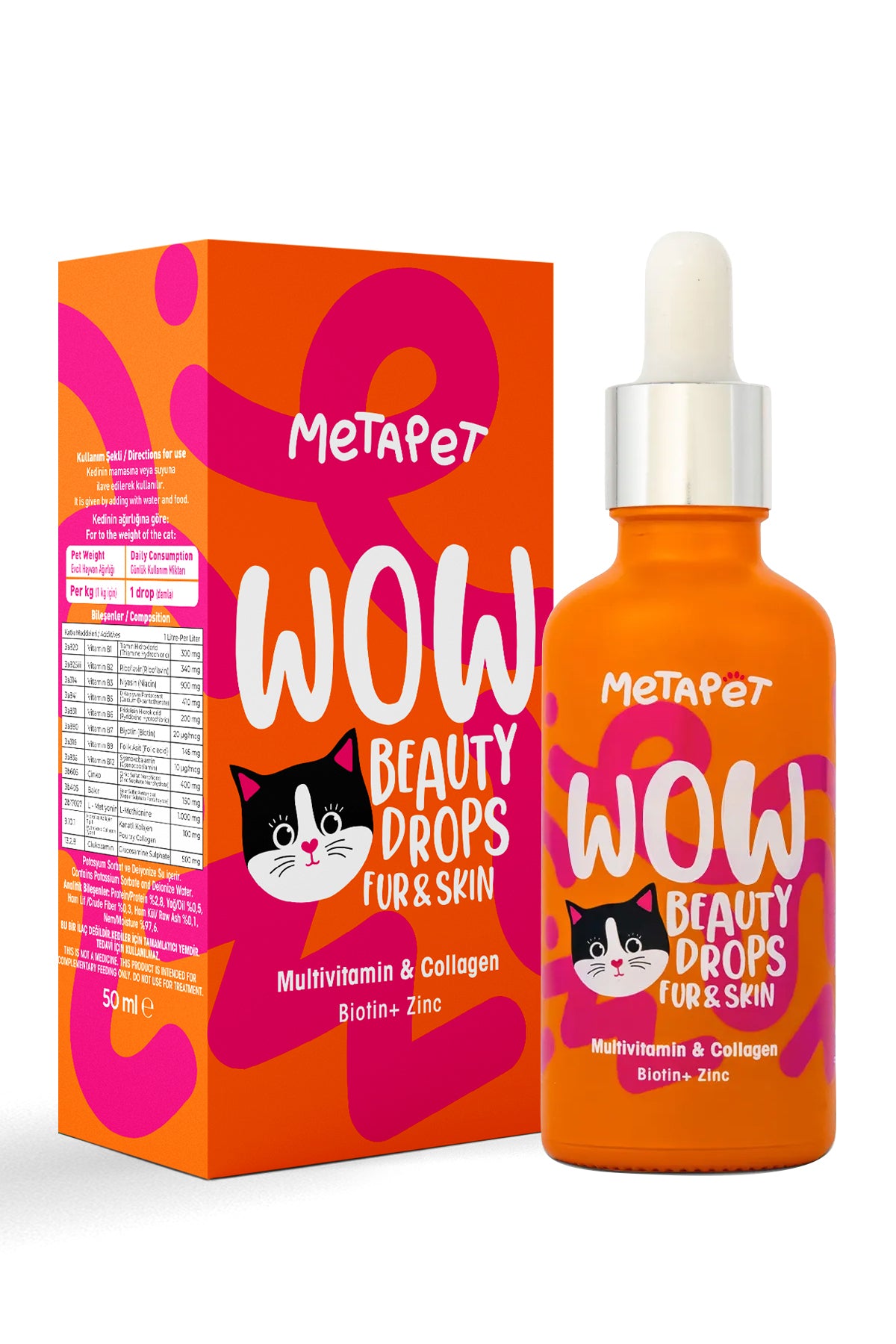
- Skin and coat: products like MetaPet's Wow Beauty Drops for Cats, formulated to support normal fur and skin condition.
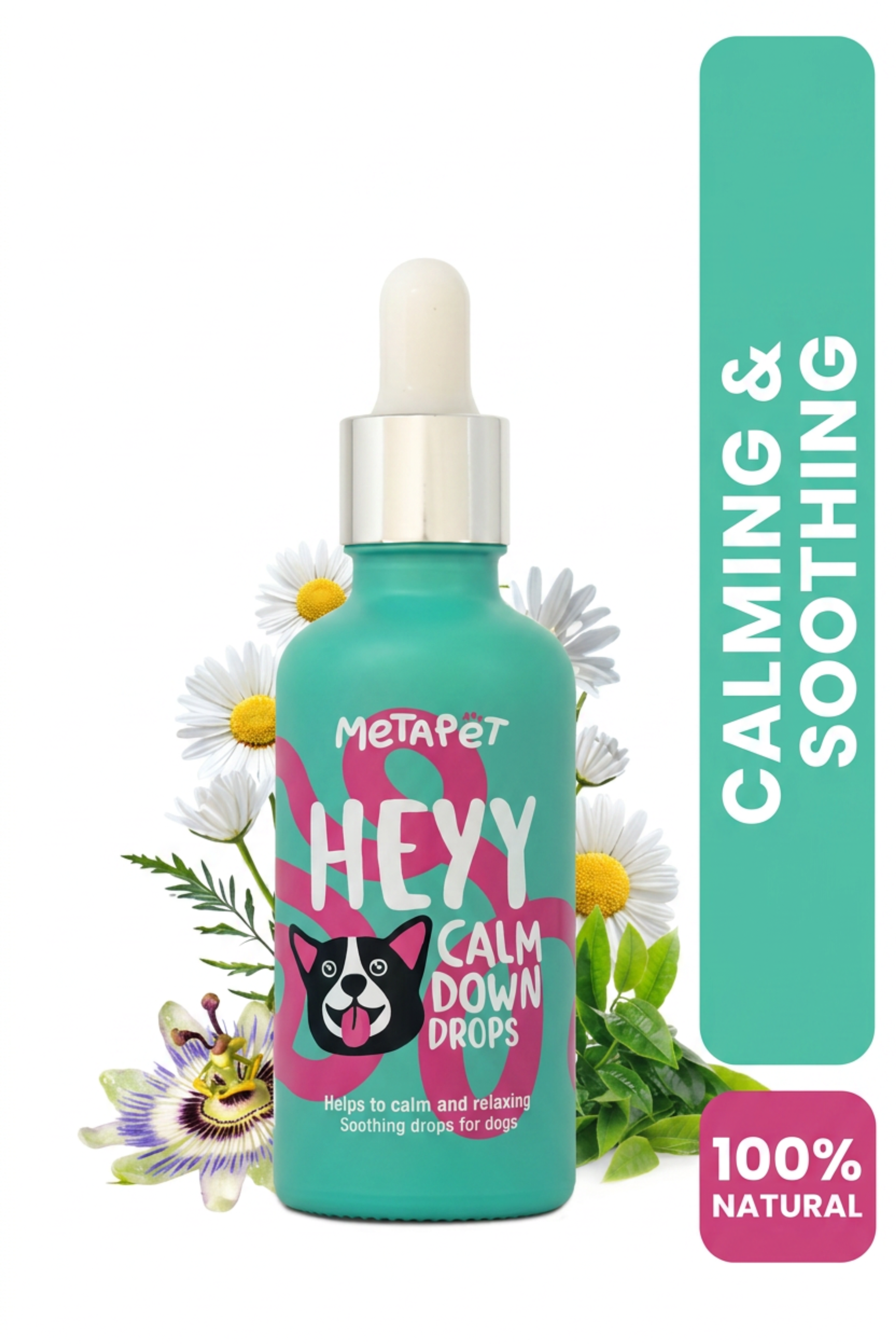
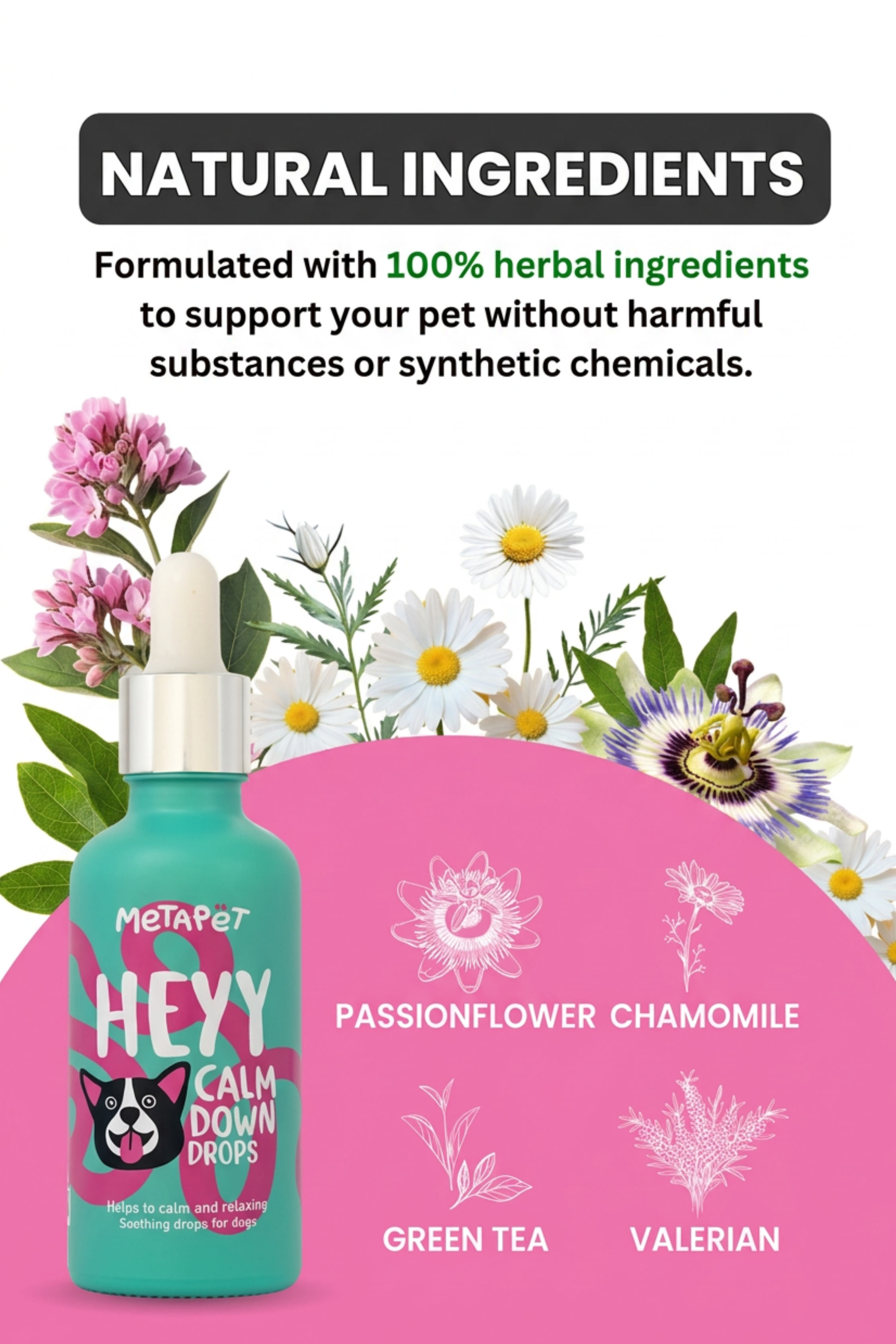
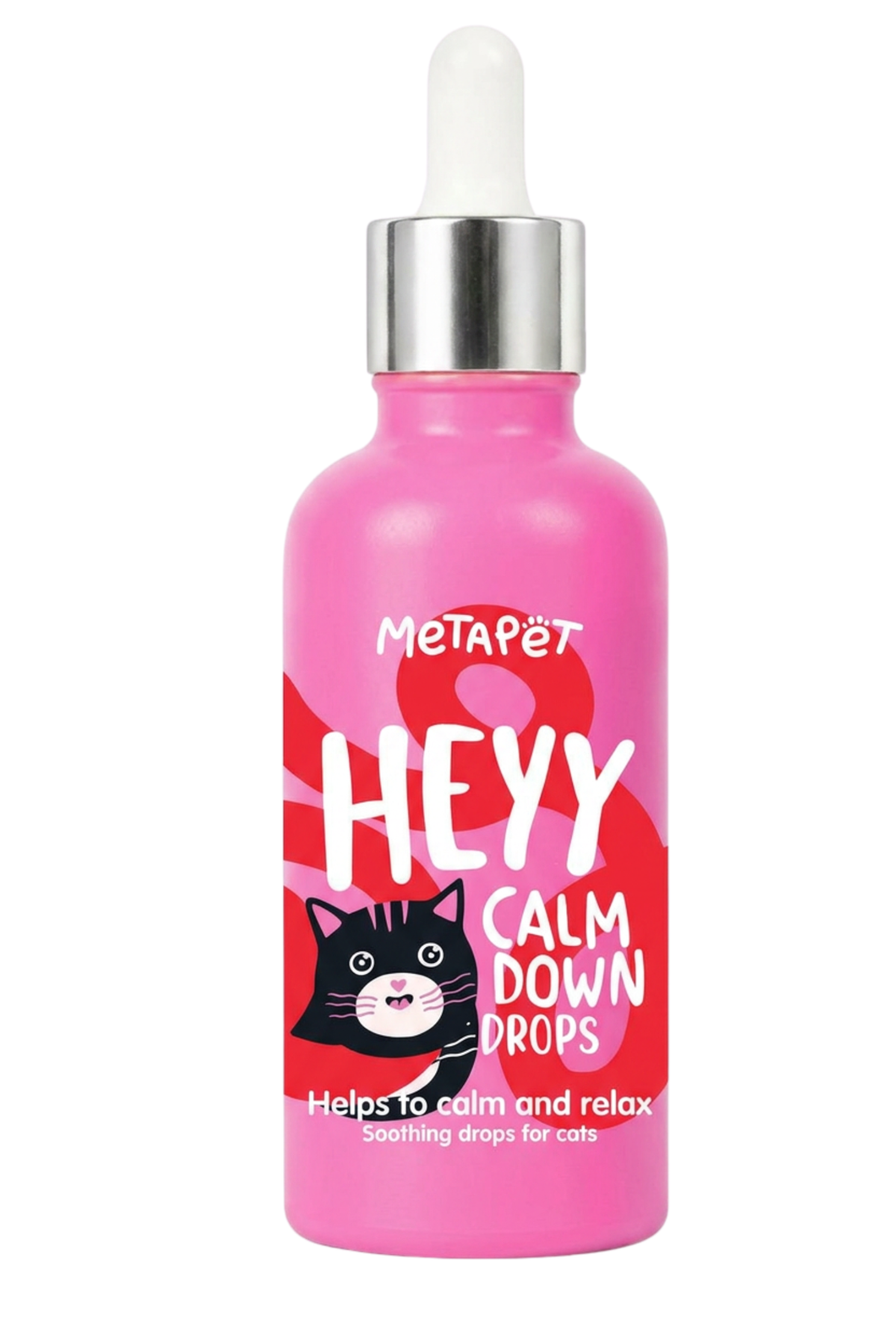
- Calming products: such as MetaPet's Heyy Calm Down calming drops, designed to help support relaxation during stressful moments.
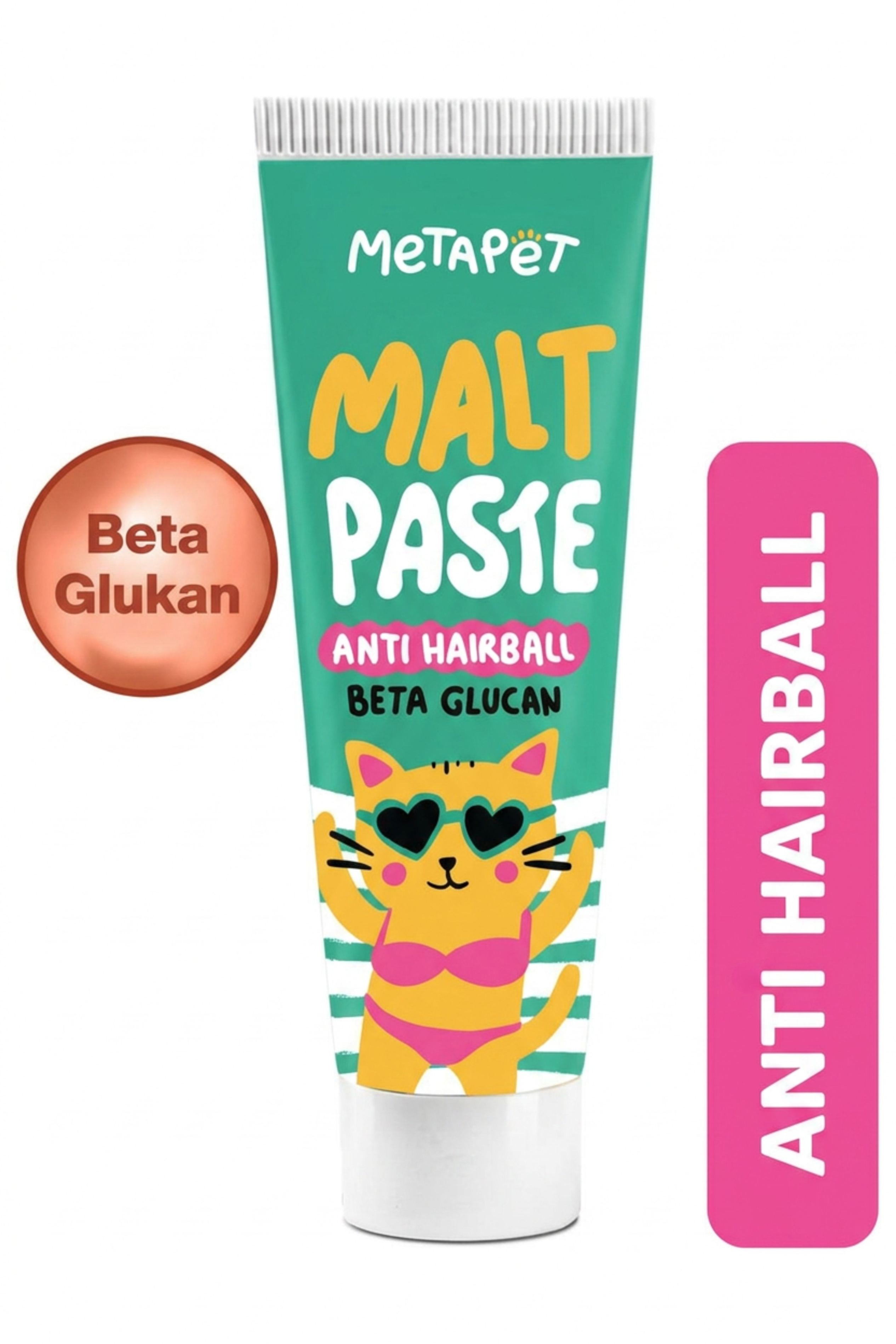
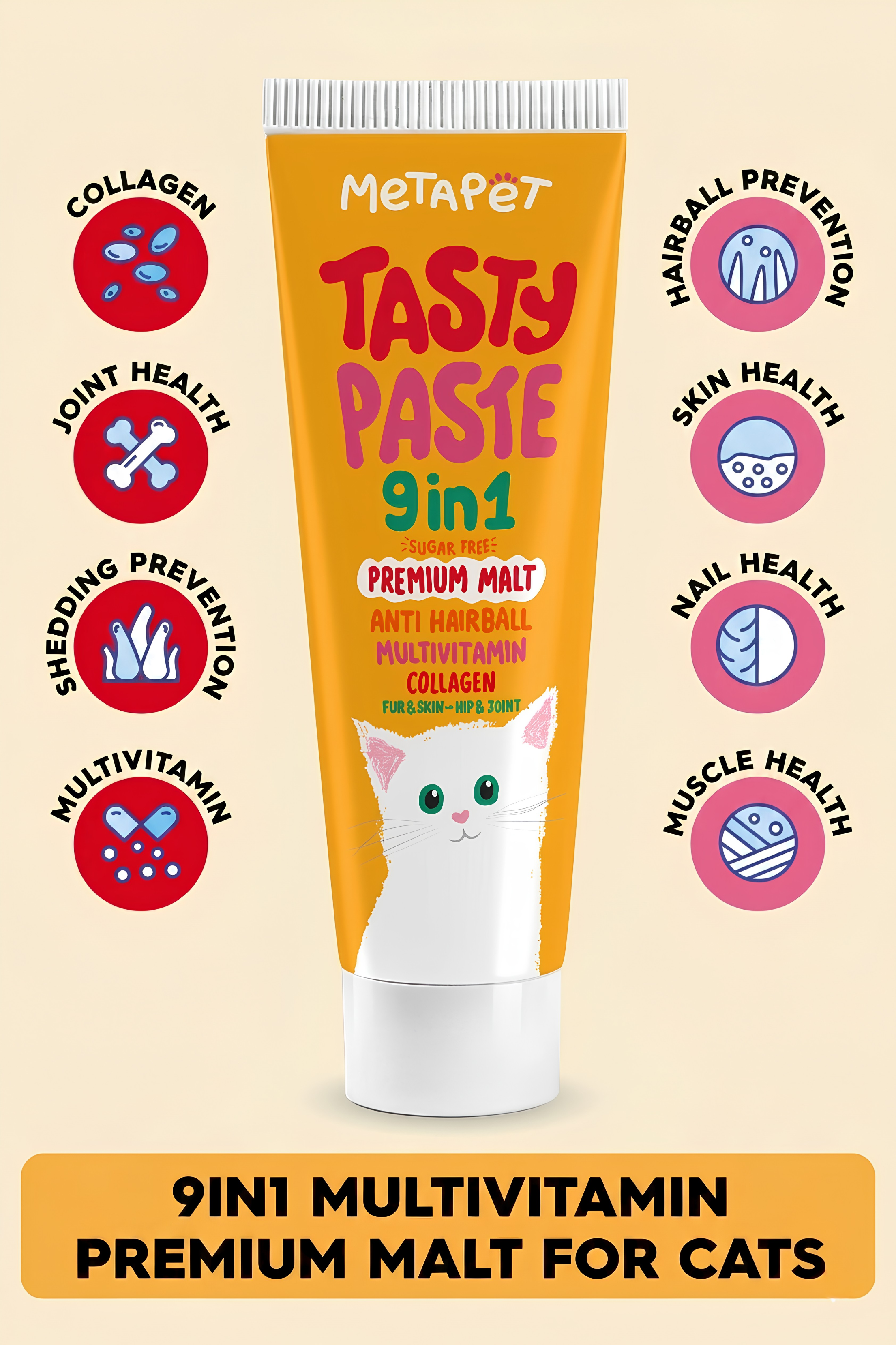
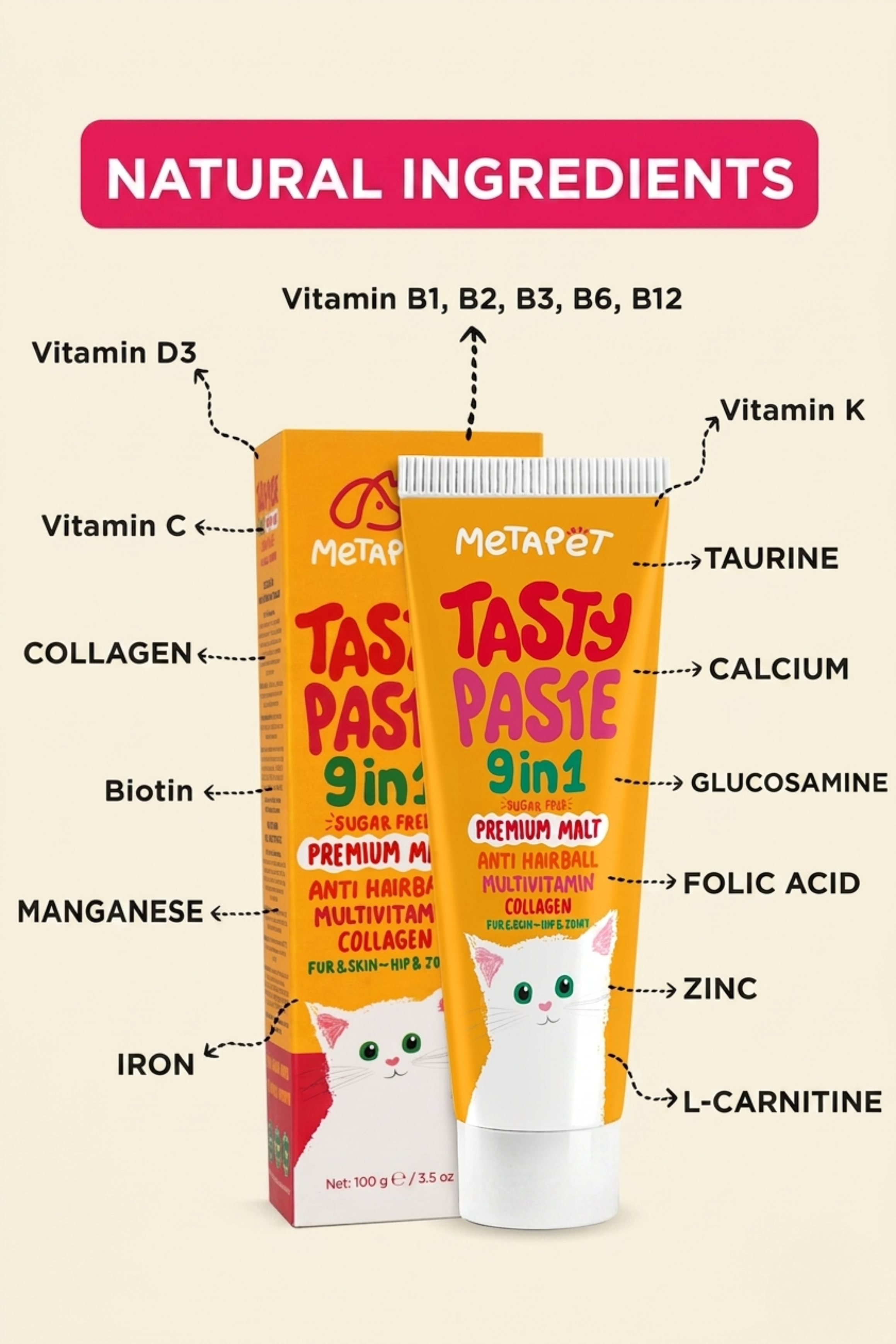
- Hairball pastes: lickable malt products like MetaPet's Anti-Hairball Malt Paste for Cats, used as part of a routine alongside regular brushing.
All of these are supplements. They are designed to complement a complete and balanced diet and appropriate veterinary care — they do not replace vaccination, parasite prevention, veterinary diagnosis or prescribed treatment, and they are not a substitute for seeing a vet when something is wrong.
Why More Is Not Better
There is a persistent intuition that supplements are harmless — that if a little is good, more must be better, and any excess simply passes through. This is not reliably true, and it is one of the most important things for owners to understand.
Some nutrients are fat-soluble and are stored in the body rather than excreted. Excessive intake can accumulate. Certain minerals compete with each other for absorption, so oversupplying one can create a relative shortfall in another. And some supplements can affect how the body handles medications.
- Do not stack multiple products supplying the same nutrient without veterinary advice.
- Do not double up because your pet "seems to need it".
- Do not use human supplements for pets. Doses, formulations and safety profiles differ, and some human products contain ingredients that are toxic to animals — xylitol being a notorious example.
- Do not exceed the label amount for a bigger effect.
If your pet is eating a complete and balanced diet and you are also giving a multivitamin, a joint product, an oil and a coat supplement, it is genuinely worth sitting down with your veterinarian and reviewing whether all of that is necessary or wise.
Supplements and Medication: Always Tell Your Vet
This is the point most likely to be skipped and most likely to matter. Owners frequently do not mention supplements to their veterinarian, either because they forget or because they assume that something "natural" cannot be relevant.
It can be. Some supplements can influence bleeding, sedation, or the way the body processes medication. That is directly relevant before surgery, before anesthesia, and whenever a new medication is prescribed.
- Keep a written list of everything your pet receives — food, treats, supplements, medications, topicals.
- Bring the actual bottles to appointments if you can. The label tells your vet more than a brand name will.
- Mention them before any procedure or anesthetic.
- Mention them whenever a new medication is started.
- Stop a supplement and speak to your vet if your pet has any adverse reaction — digestive upset, itching, lethargy, or anything unusual.
Special Considerations for Cats
Cats are not small dogs. They are obligate carnivores with distinct nutritional requirements and a liver that metabolises many substances differently. This is not a technicality — it has real safety consequences.
- Never give a cat a dog product unless the label explicitly says it is suitable for cats, or your veterinarian says so.
- Essential oils warrant particular caution around cats. Many are not appropriate, and some can be harmful. Always check with your vet before using anything of this kind near a cat.
- Cats hide illness exceptionally well, so a supplement should never be used as a way of avoiding investigation of a symptom.
- Palatability matters. A supplement your cat refuses is a supplement they do not receive. Lickable pastes and drops that mix into food are often more practical than tablets.
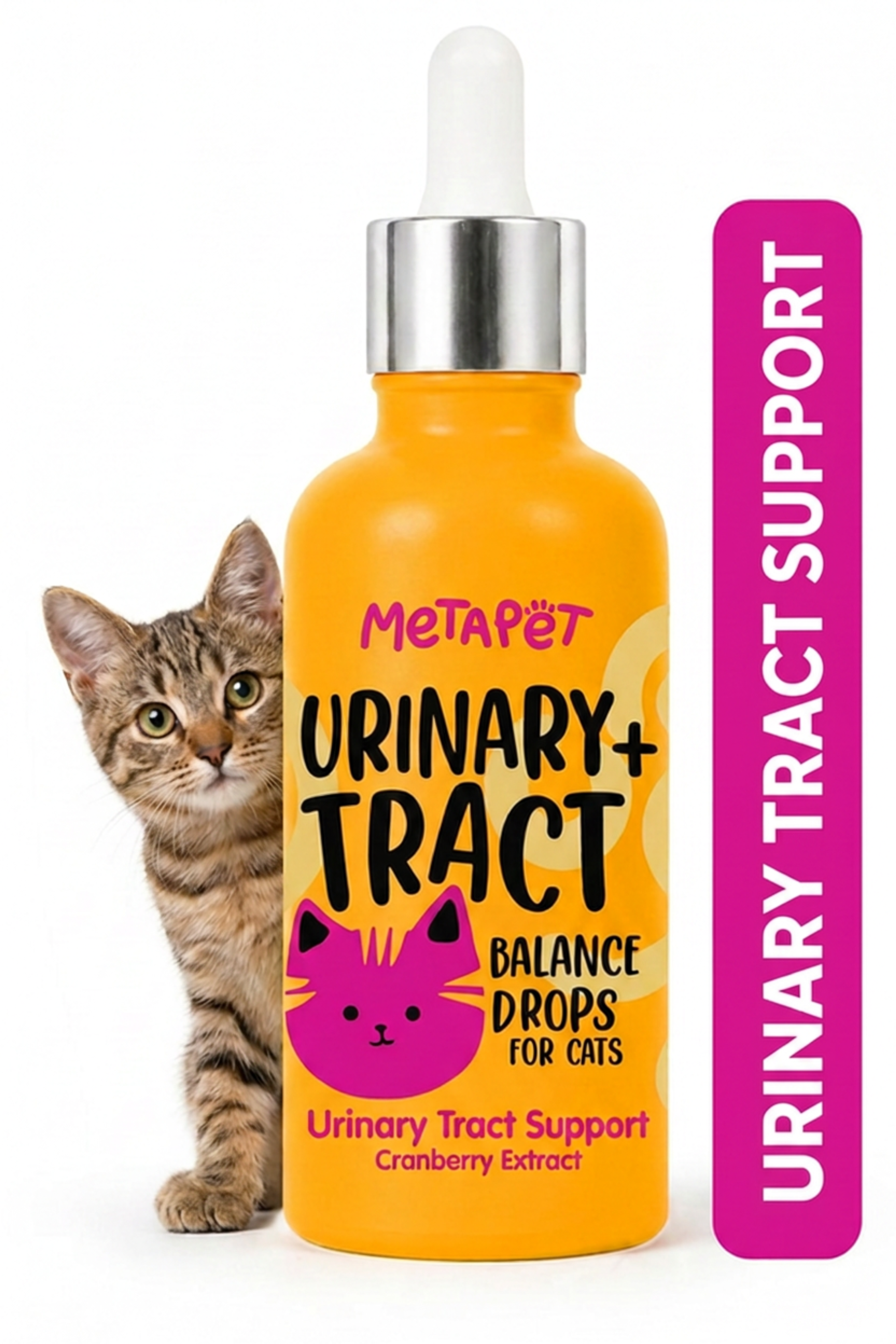
If your cat needs support with hairballs, coat condition, urinary health or anything else, the conversation should start with your veterinarian — because those signs sometimes reflect underlying conditions rather than a simple gap in the routine.
Signs a Supplement Is Not the Answer
Certain situations call for a veterinary appointment, not a purchase. If you find yourself reaching for a supplement in response to any of the following, please pick up the phone instead.
- Persistent itching, hair loss, or skin that is red, sore or smelly.
- Ongoing vomiting or diarrhoea, or any blood in either.
- Weight loss, appetite change, or increased thirst and urination.
- Limping, stiffness or reluctance to jump — particularly if it is new or worsening.
- Behavioural changes such as new aggression, hiding, or sudden anxiety, which can have medical causes.
- Bad breath, drooling, or difficulty eating — usually a dental problem, not a nutritional one.
A supplement given in place of a diagnosis delays the diagnosis. That is the real risk, and it is far more common than any risk from the supplement itself.
A Sensible Approach
Put simply: feed a complete and balanced diet appropriate to your pet's life stage, keep them at a healthy weight, keep up with veterinary care and parasite prevention, and treat supplements as an optional extra to be discussed with your veterinarian rather than a default.
- Ask your vet whether a supplement is genuinely indicated for your individual pet.
- If yes, choose a product formulated for the right species and life stage, from a manufacturer that is transparent about ingredients and amounts.
- Follow the label amount exactly. Do not stack overlapping products.
- Introduce one thing at a time so you can tell what is doing what.
- Tell your veterinarian about everything you give, and stop and call if anything seems off.
Used this way — modestly, deliberately, and with veterinary input — supplements can be a reasonable part of a well-run care routine. Used as a substitute for good food, good weight management, or a proper veterinary examination, they are simply an expensive way to delay the help your pet actually needs.