Separation Anxiety in Dogs: Signs and Gentle Solutions
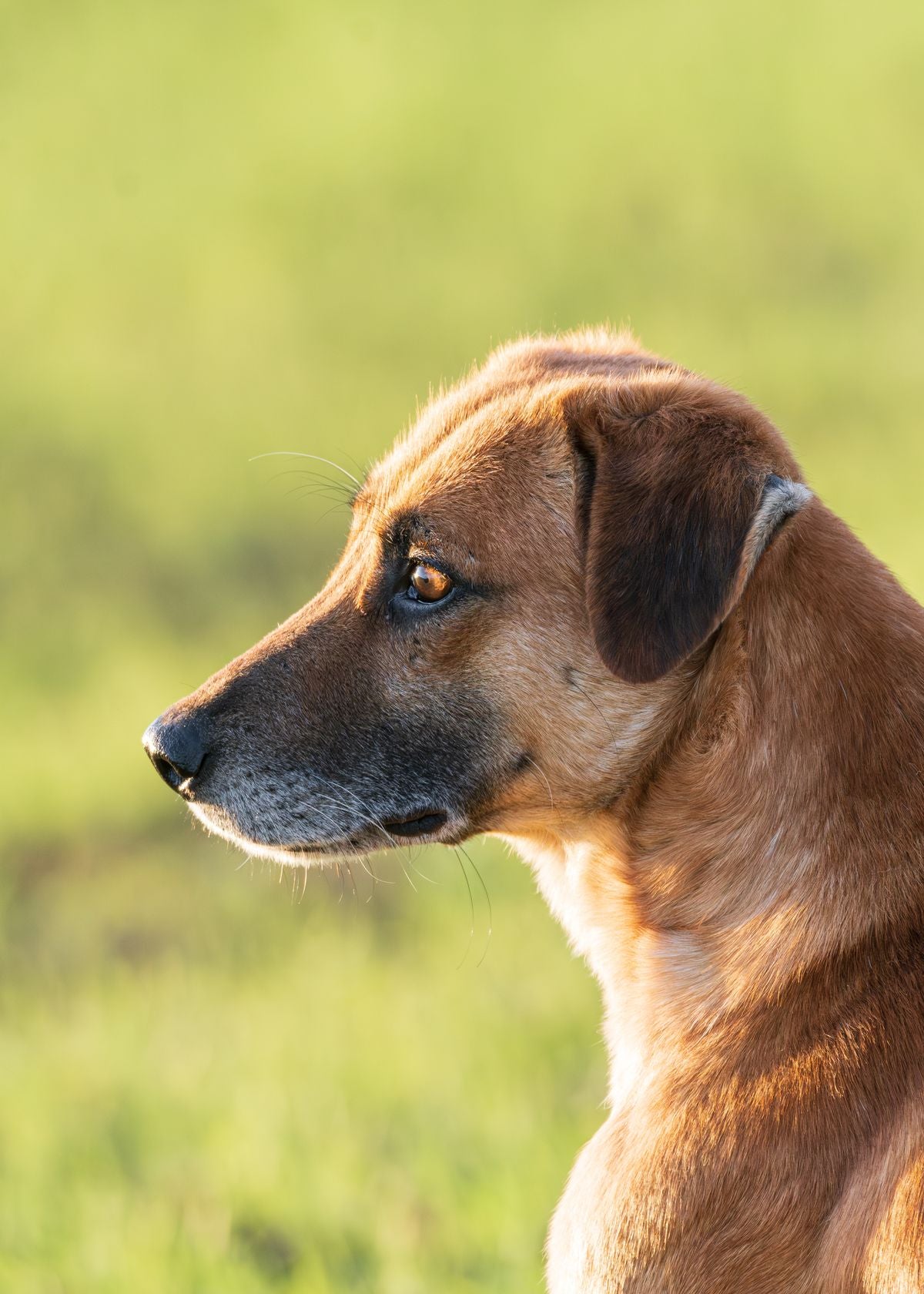
What is separation anxiety?
Separation anxiety is distress that some dogs feel when they are left alone or separated from the people they are bonded to. It is a genuine emotional response, not deliberate misbehavior, and the dog is not acting out of spite. Understanding it this way is the first step, because the most effective approaches are built on patience and reassurance rather than punishment.
For an anxious dog, being left alone can feel genuinely frightening, and the behaviors that result — barking, chewing, accidents — are symptoms of that fear rather than attempts to misbehave. Recognizing the difference changes how you respond and sets the stage for real, lasting improvement. It also helps you stay patient, because progress with anxiety is gradual and built on trust.
Important: This article is general educational information and is not a substitute for professional advice. Behavior signs can overlap with medical problems, and serious anxiety is best addressed with your veterinarian or a qualified, reward-based behavior professional.
Common signs to watch for
Separation-related distress usually appears soon after you leave, or even as you prepare to go. Signs can include:
- Vocalizing: persistent barking, howling, or whining when alone.
- Destructive behavior: chewing, digging, or scratching, often focused on doors and windows or exits.
- House soiling: accidents in a house-trained dog only when left alone.
- Pacing, drooling, or trembling, and frantic, over-the-top greetings when you return.
Because some of these signs can also stem from boredom, incomplete house training, or medical issues, it helps to confirm the cause before assuming anxiety. A useful clue is timing: separation anxiety behaviors typically begin shortly after departure and are tied specifically to being alone, rather than happening randomly throughout the day.
Rule out other causes first
A dog that chews when bored is different from one that panics when alone, and the solutions differ. Likewise, sudden changes in toileting or behavior can have medical roots. A conversation with your veterinarian helps distinguish true separation anxiety from boredom, insufficient exercise, or a health problem, and ensures you are addressing the real issue. If you are unsure what your dog does while you are out, a short video recording of its behavior after you leave can be very revealing and helpful for your vet or trainer, showing whether the dog settles or becomes distressed.
Why does it develop?
There is rarely a single cause. Some dogs are simply more prone to anxiety by temperament, while for others a trigger such as a change in routine, a house move, a new family schedule, time in a shelter, or the loss of a companion can set it off. A sudden shift — like an owner returning to the office after a long period at home — is a common trigger because the dog has come to expect constant company. Understanding what may have contributed can help you and a professional shape a plan, but the good news is that the cause does not have to be known for treatment to work. The focus is on gently teaching the dog that being alone is safe.
Helping puppies learn to be alone
Prevention is easier than treatment, and the puppy stage is the ideal time to build healthy independence. Gradually getting a young dog used to short periods alone — starting with just a few minutes and slowly extending them — teaches it that being by itself is normal and nothing to fear. Giving a puppy a comfortable, safe space of its own, providing engaging toys, and keeping departures and returns low-key all help. Avoid the temptation to keep a new puppy in constant company every waking moment, since a dog that never experiences brief, calm solitude may struggle more when alone-time becomes unavoidable. Building this skill early can spare both of you difficulty later on.
Helping a newly adopted dog settle in
Dogs adopted from shelters or rehomed later in life can be especially prone to separation-related distress, having already experienced upheaval and, sometimes, the loss of previous homes or people. When you welcome a new dog, give it time to settle and build trust before expecting long stretches alone. Establishing a predictable daily routine quickly helps a newcomer feel secure, and gentle, gradual practice with short absences — rather than leaving for a full day right away — teaches the dog that you always come back. Be patient with early anxiety, avoid scolding, and celebrate small signs of growing confidence. If a newly adopted dog shows severe distress, enlisting a reward-based trainer or your veterinarian early can make the transition smoother for everyone.
Building independence gradually
The core of helping an anxious dog is teaching it, in small steps, that being alone is safe and that you always return. This is done gently and gradually: practicing very short absences and slowly extending them, keeping departures and arrivals calm and low-key so they feel unremarkable, and helping the dog form positive associations with alone-time.
It also helps to soften the predictable cues that signal you are about to leave — picking up keys, putting on shoes — since anxious dogs often start to worry before you are even out the door. Practicing those actions without actually leaving can make them less alarming over time. Progress should move at the dog's pace; pushing too fast can set things back. For many dogs, this kind of structured, gradual training is most successful with guidance from a reward-based professional who can tailor the steps to your dog.
Helpful everyday strategies
- Meet daily needs: adequate exercise and mental stimulation before alone-time can reduce restlessness.
- Offer enrichment: safe food puzzles or long-lasting chews can make being alone more pleasant.
- Create a safe space: a comfortable, familiar area where the dog feels secure.
- Keep comings and goings calm rather than making a big emotional fuss.
A note on crates and confinement
Owners often ask whether a crate helps with separation anxiety. The answer depends entirely on the individual dog. For a dog that has been positively introduced to a crate and sees it as a cozy den, it can be a comforting safe space. For a truly anxious dog, however, being confined can intensify panic and even lead to self-injury as it tries to escape — so a crate should never be used to simply contain a distressed dog. If you want to use a crate, introduce it slowly and positively, never force your dog inside, and watch carefully for signs of distress rather than calm. When confinement increases anxiety, an open but secure room or a gated area may work better. A reward-based trainer or your veterinarian can help you decide what setup suits your particular dog.
What not to do
Avoid punishing a dog for anxiety-related behavior. Scolding or confining a frightened dog does not address the underlying fear and can deepen the distress, making the problem worse. The goal is to reduce anxiety, not to suppress its symptoms. Stay patient and consistent, and focus on rewarding calm, settled behavior. It is also important to manage your own frustration: cleaning up a mess or repairing damage calmly, without confronting the dog after the fact, keeps you from accidentally adding to its stress. Dogs do not connect a delayed scolding with something they did earlier, so punishment after the fact only adds confusion and fear.
Could medication or extra support help?
For some dogs, especially those with moderate to severe anxiety, behavior training alone may not be enough, and additional support can make a real difference. In these cases a veterinarian — sometimes a veterinary behavior specialist — may discuss options that support the dog's emotional state while training continues. Any such decision should always be made by a veterinarian, never with human medications or over-the-counter products chosen on your own, since some are ineffective or even dangerous for dogs. The key message is that you do not have to manage severe anxiety alone, and that professional help can complement — not replace — the gentle, gradual training that remains the foundation of recovery.
Managing while you train
Behavior change takes time, but your dog still has to get through each day in the meantime. Where possible, try to avoid leaving an anxious dog alone for long stretches while you work on training — options might include a trusted friend or family member, a dog sitter or daycare, or bringing the dog along when appropriate. Reducing the number of overwhelming alone experiences helps prevent setbacks and gives your training the best chance to stick, because each panicked episode can reinforce the fear you are trying to ease. Your trainer or veterinarian can help you build a realistic plan around your schedule.
Patience and realistic expectations
It is worth setting expectations from the start: helping a dog overcome separation anxiety is usually a gradual process measured in weeks or months, not days. There may be good days and setbacks, and that is normal. Celebrate small wins — a slightly longer calm absence, a relaxed departure — and avoid the temptation to rush ahead, which often backfires. Consistency from everyone in the household, using the same calm approach, makes a real difference. With steady effort and the right support, many dogs become noticeably more comfortable being alone over time.
When to seek professional help
If your dog's distress is severe, if it risks hurting itself trying to escape, or if home strategies are not helping, seek professional support. Your veterinarian can rule out medical causes, advise whether additional help is appropriate, and refer you to a qualified, reward-based trainer or veterinary behavior specialist who can build a tailored plan. There is no need to struggle alone — expert guidance often makes the difference for harder cases, and earlier help can prevent the problem from becoming more entrenched.
The bottom line
Separation anxiety is a real and manageable challenge. By recognizing the signs, ruling out other causes, and using gentle, gradual training alongside good daily routines, enrichment, and sensible day-to-day management, many dogs learn to feel calmer when alone. Patience, consistency, and professional guidance when needed give your dog the best chance at relaxed, confident independence.