Pyoderma in Dogs: Bacterial Skin Infection Signs and Care

Pyoderma is one of the most common reasons dogs end up at the veterinary clinic for their skin, and one of the most misunderstood. The word simply means a bacterial infection of the skin, but owners often meet it as a list of symptoms instead: bumps that look like pimples, circular scaly patches, a smell that will not wash out, hair that thins in odd places, and a dog who cannot stop scratching.
The part that frustrates owners most is recurrence. A course of veterinary treatment clears everything up, the coat looks wonderful for a month or two, and then the same red bumps appear in the same places. That pattern is not a sign that treatment failed. It is usually a sign that something underneath the infection — an allergy, a hormonal condition, a skin fold that stays damp, a parasite — has not yet been identified and addressed.
This guide explains what pyoderma actually is, how the different depths of infection behave, which signs owners can reasonably spot at home, why your veterinarian will often want to look for an underlying cause rather than simply repeating the same treatment, and what a sensible day-to-day coat routine looks like alongside professional care.
Important: This article shares general educational information for pet owners and is not a substitute for an in-person veterinary examination, diagnosis, or treatment. For any medical concern or emergency, contact your veterinarian promptly.
What Pyoderma Actually Means
Pyoderma is a general term for bacterial infection of the skin. It is not a single disease with a single cause, which is why two dogs with the same diagnosis can look completely different and need quite different plans.
Healthy dog skin is not sterile. It carries a normal population of bacteria that live there harmlessly, kept in balance by an intact skin barrier, normal oil production, and a functioning immune system. Pyoderma develops when that balance tips — usually because the barrier has been damaged by scratching, moisture, or inflammation, or because the skin environment has changed enough to let ordinary resident bacteria multiply beyond their usual numbers.
This is why veterinarians describe most canine pyoderma as secondary. The bacteria are opportunists taking advantage of a door that something else opened. Treating the bacteria closes the immediate problem; finding what opened the door is what stops the story repeating.
- A symptom as much as a diagnosis: pyoderma usually points to something else going on.
- Very common in dogs: far more common than in cats, partly because of coat and skin structure.
- Not usually contagious to people: most canine pyoderma involves bacteria adapted to dogs, though hygiene still matters.
- Highly treatable: but prone to returning if the underlying trigger is never found.
Surface, Superficial, and Deep Infections
Veterinarians classify pyoderma by how far into the skin the infection has reached, because that classification drives almost everything about the plan — how long treatment runs, whether topical care alone is enough, and how likely scarring becomes.
Surface pyoderma
The infection sits on the very top of the skin without invading it. Hot spots — those rapidly appearing, moist, angry patches that seem to arrive overnight — are the example most owners recognize. Skin fold dermatitis in facial, tail, or vulvar folds is another. These respond quickly once the area is clipped, cleaned, and kept dry, which is why prompt veterinary attention often prevents a small patch becoming a large one.
Superficial pyoderma
The infection involves the hair follicles and the upper layers of skin. This is the most common form. It produces small pustules that look like pimples, and as those break, they leave expanding circular rings of scale with a slightly reddened edge. Owners frequently mistake these rings for ringworm, which is a fungal problem entirely — the appearance overlaps but the cause and treatment do not.
Deep pyoderma
The infection has moved below the follicle into deeper tissue. The skin becomes thickened, painful, and may drain fluid or blood. Deep pyoderma is a serious condition that needs prolonged veterinary treatment, often guided by laboratory culture, and it can leave permanent scarring. It is not something to manage at home.
Signs Owners Notice at Home
Because pyoderma sits underneath a coat, much of it is felt rather than seen. Running your hands slowly over your dog during a normal cuddle is one of the more useful things an owner can do.
- Small raised bumps: pimple-like spots, sometimes with a hair emerging from the center.
- Circular scaly patches: expanding rings of flaking skin, often with a darker or redder rim.
- Patchy hair loss: a moth-eaten look rather than clean bald spots.
- Redness and warmth: particularly on the belly, groin, armpits, and between the toes.
- Odor: a distinctive smell that returns within a day or two of bathing.
- Itching and licking: scratching, chewing at the feet, or rubbing along furniture.
- Crusts and scabs: dried material that catches on the comb.
- Darkened, thickened skin: a sign the area has been inflamed for a long time.
Some dogs are surprisingly comfortable despite obvious lesions, while others are miserable with very little to see. Comfort level alone is not a reliable measure of how significant the problem is.
Photographs help enormously. Skin changes day to day, and a clear photo taken when a flare is at its worst gives your veterinary team information that a description from memory cannot.
What Lies Underneath
Because most pyoderma is secondary, the productive question is rarely just how to clear it, but what allowed it. Your veterinarian will be building a picture from history, distribution of lesions, age, breed, and season.
- Allergic skin disease: environmental allergies, flea allergy, and food-responsive skin disease are the most common backdrops.
- Parasites: fleas and mites damage the skin barrier and set the stage for bacterial overgrowth.
- Hormonal conditions: thyroid and adrenal disorders change skin quality and immune function; these are more typical in adult and older dogs.
- Anatomy: deep facial, tail, or body folds trap moisture and warmth.
- Moisture and grooming habits: coats that never dry fully, especially in thick-coated breeds.
- Trauma: persistent licking or rubbing at one spot.
- Immune suppression: from illness or from medication given for another condition.
There is often more than one factor. A dog with mild seasonal allergies and a heavy undercoat that stays damp after swimming has two overlapping problems, and addressing only one of them tends to produce only partial results.
This is also why a pyoderma that returns quickly after treatment is worth investigating rather than simply re-treating. Repeated short courses without a diagnosis are an expensive way to stand still.
How Veterinarians Diagnose It
Diagnosis starts with a full physical examination — not just of the obvious lesion but of the whole dog, since distribution patterns are informative. A rash concentrated over the rump suggests something different from one confined to the feet and face.
Skin cytology is the workhorse test. A sample is taken with tape, a swab, or a glass slide pressed to the skin, stained, and examined under the microscope. It shows whether bacteria are present, whether yeast is also involved, and what the inflammatory cells look like. It is quick, inexpensive, and often done during the same visit.
Where infection is deep, recurrent, or has not responded as expected, your veterinarian may recommend bacterial culture and sensitivity testing. This identifies the specific organism and which medications it responds to — important information given that resistant skin bacteria have become a genuine concern in veterinary medicine.
Depending on the picture, further testing may be suggested to look for the underlying cause: skin scrapings for mites, fungal testing, blood work for hormonal disease, or a structured investigation of allergies. Skin biopsy is occasionally needed for unusual or non-responsive cases.
- Bring to the appointment: photos of the skin at its worst, a list of every product used on the coat, and the dates of the last parasite prevention dose.
- Be ready to describe: when it started, whether it is seasonal, which areas came first, and how quickly it returns after treatment.
- Mention: diet and any recent changes, swimming or bathing habits, other pets in the home, and any medication your dog is taking.
What Treatment Usually Involves
Treatment for a diagnosed bacterial skin infection is prescribed by your veterinarian and matched to the depth of infection, the organism involved, and your dog's overall health. Topical therapy, systemic medication, or a combination may be recommended.
Two points matter more than owners expect. The first is duration: skin infections typically need treatment to continue well past the point where the skin looks normal, because bacteria persist in follicles after the visible signs settle. Stopping early is one of the most common reasons an infection rebounds. The second is the recheck: your veterinarian will usually want to see the skin again before declaring the course finished, and that appointment is genuinely useful rather than a formality.
Medicated topical products used for infection are veterinary products with specific active ingredients, chosen for the situation. They are not interchangeable with cosmetic grooming products, and leftover medication from a previous episode — or from another pet — is not a safe substitute for a current prescription.
Alongside treatment of the infection, your veterinarian will usually be working on the underlying trigger in parallel. That part often takes longer and may involve a staged plan over several months.
Coat Care at Home Between Veterinary Visits
Everyday grooming does not treat an infection, and nothing in a home routine substitutes for a veterinary diagnosis. What a sensible routine can do is keep the coat clean and free of debris, help you spot changes early, and make the skin easier for your veterinary team to examine.
The basics matter most: brush regularly to prevent mats that trap moisture against the skin, dry your dog thoroughly after swimming or rain rather than letting a thick coat stay damp, keep bedding laundered, and stay consistent with the parasite prevention your veterinarian recommends. Check skin folds, armpits, groin, and between the toes every week.
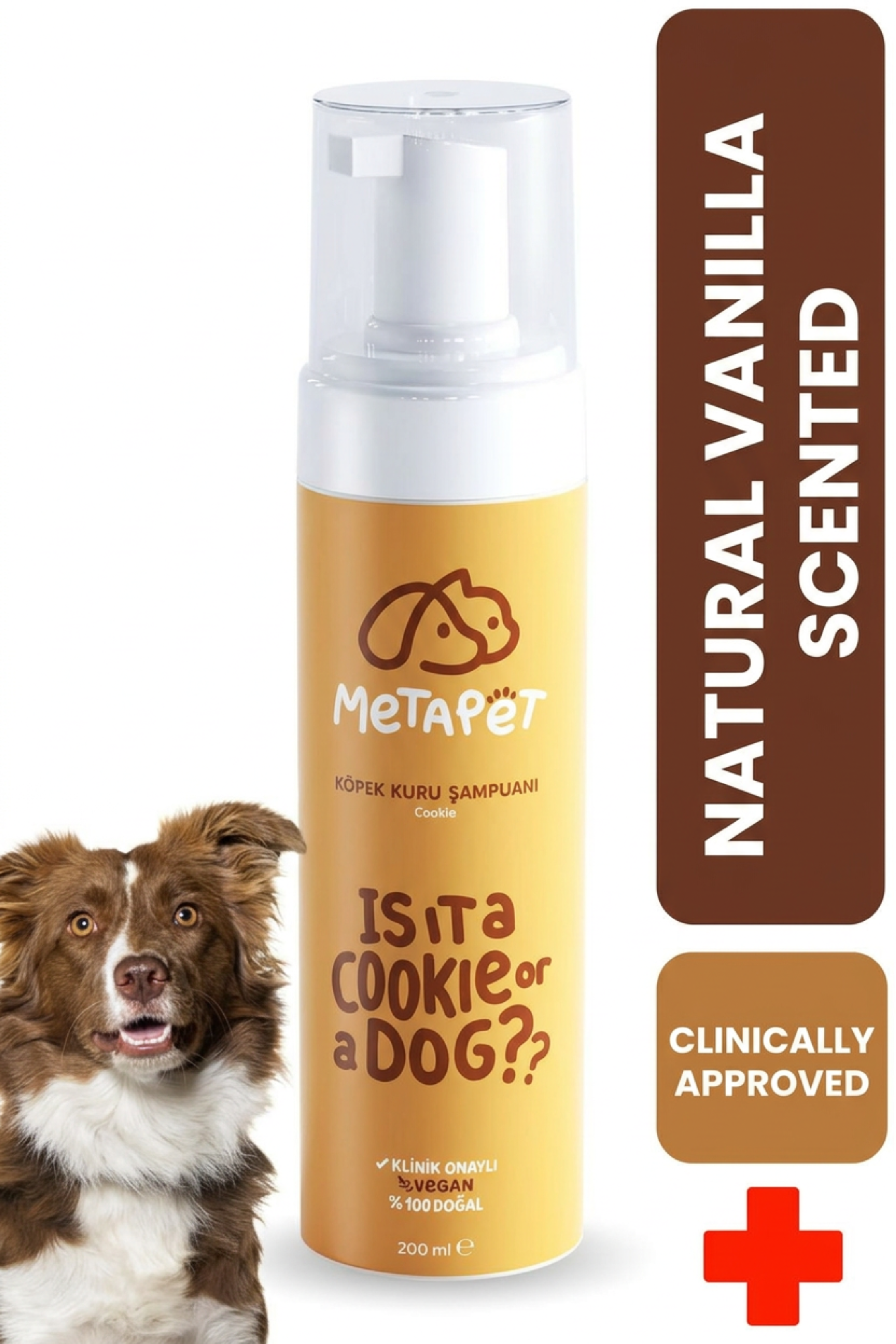
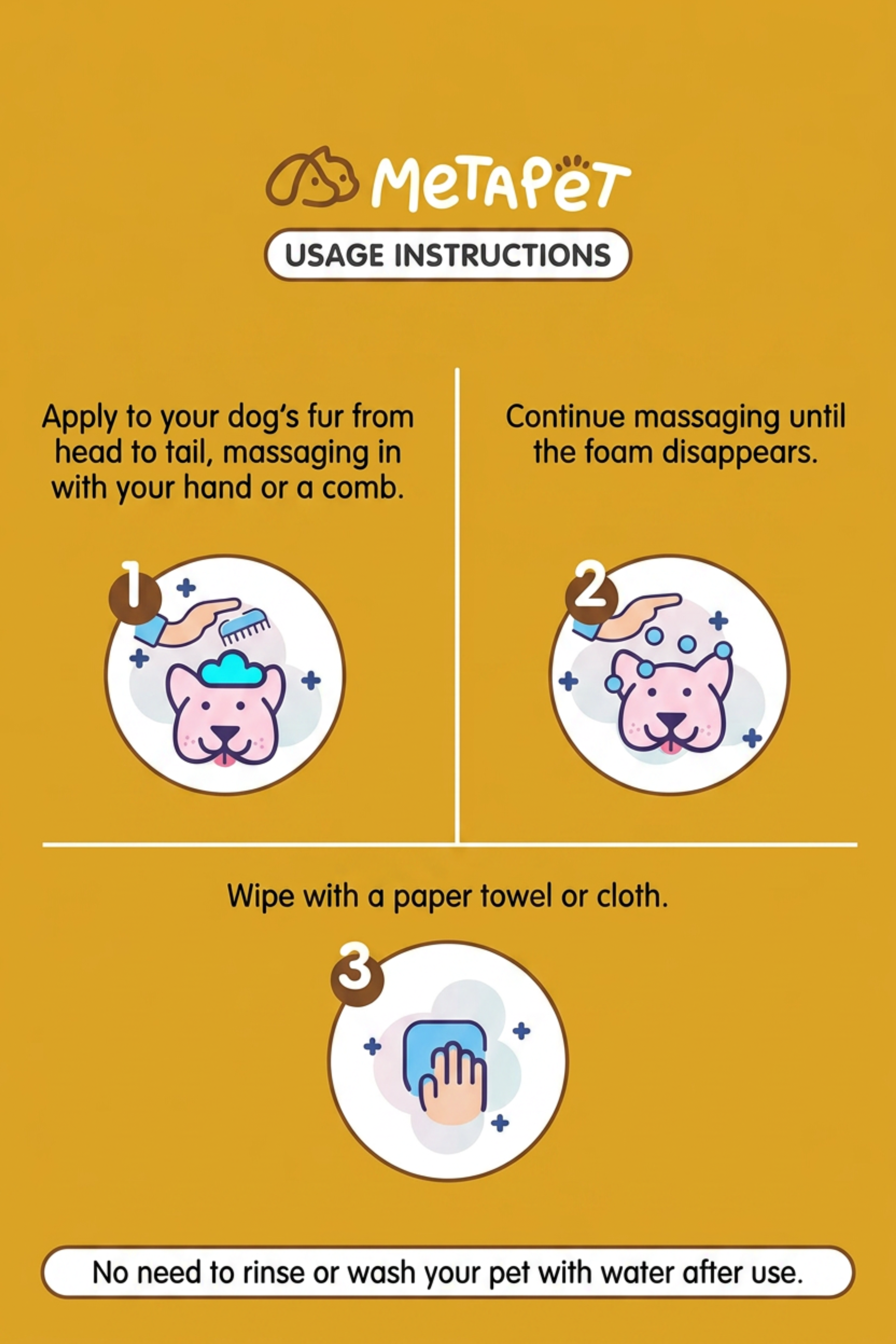
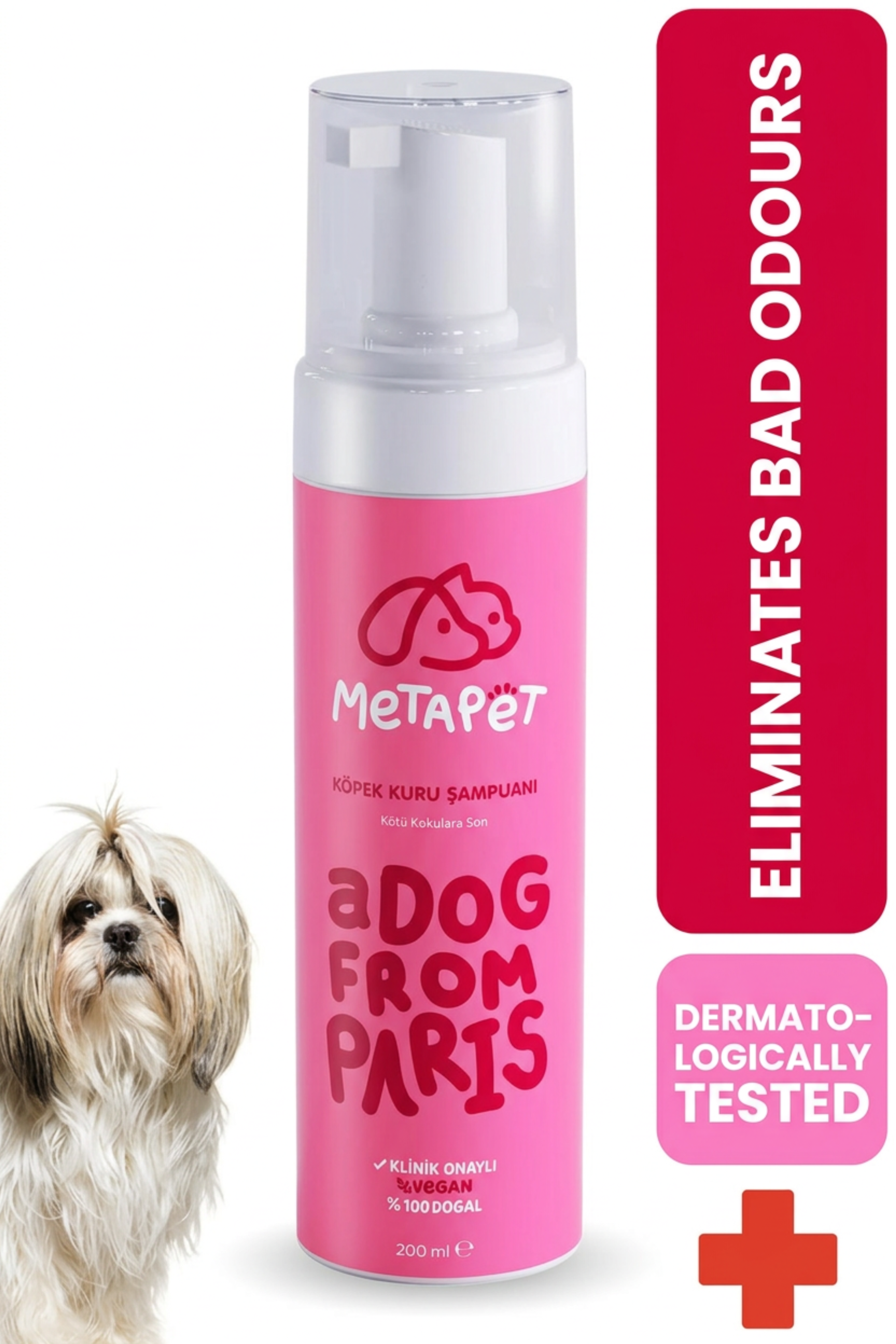
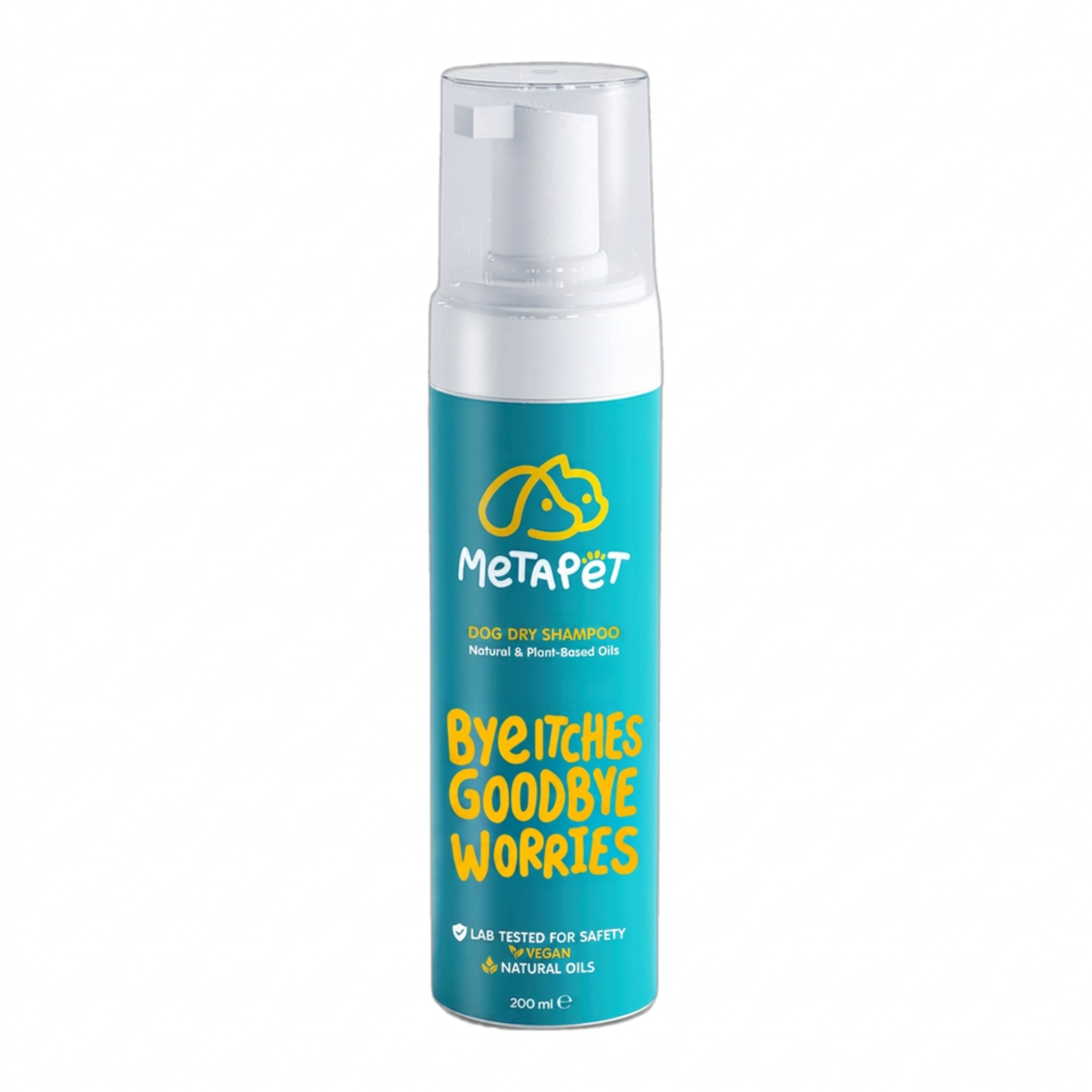
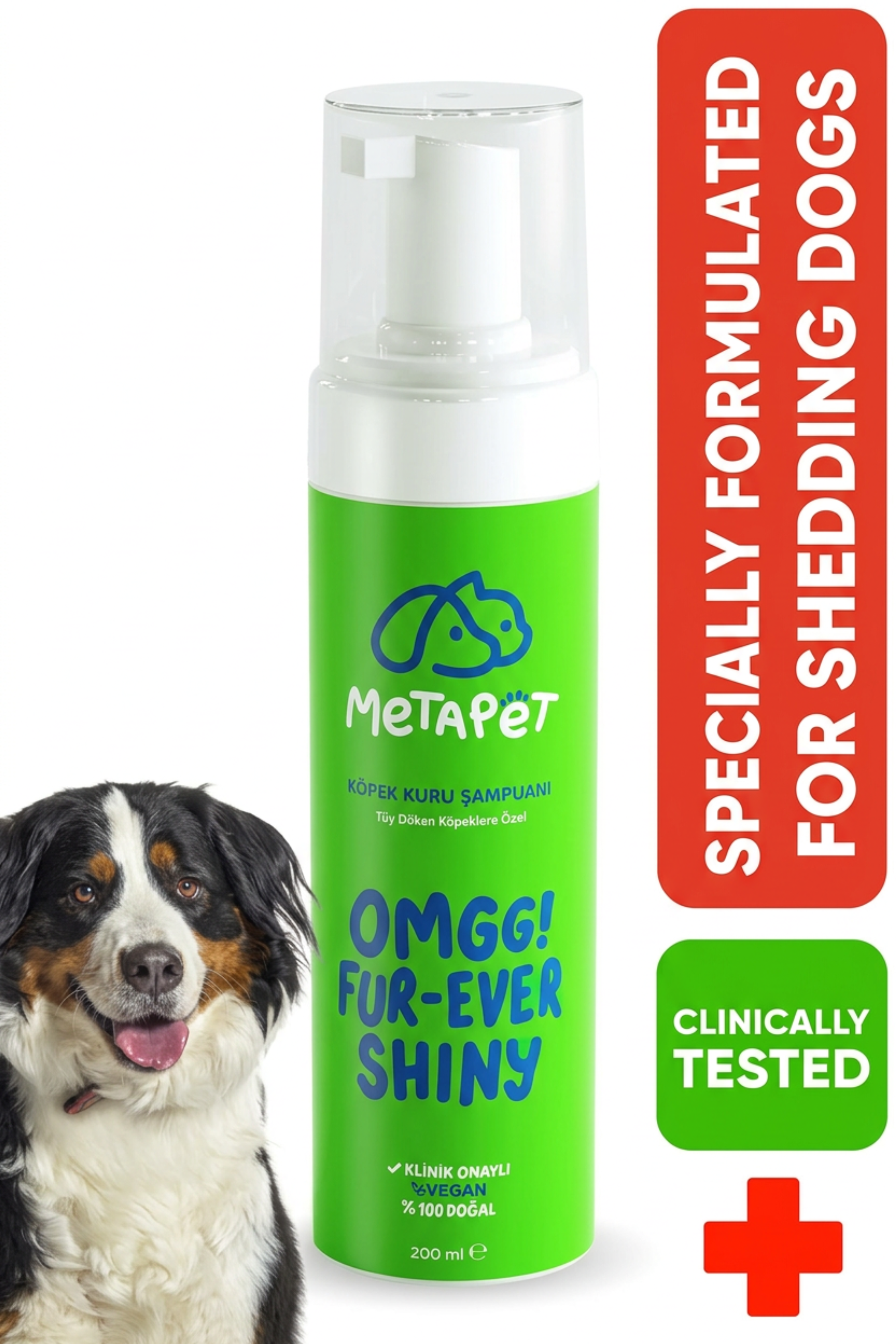
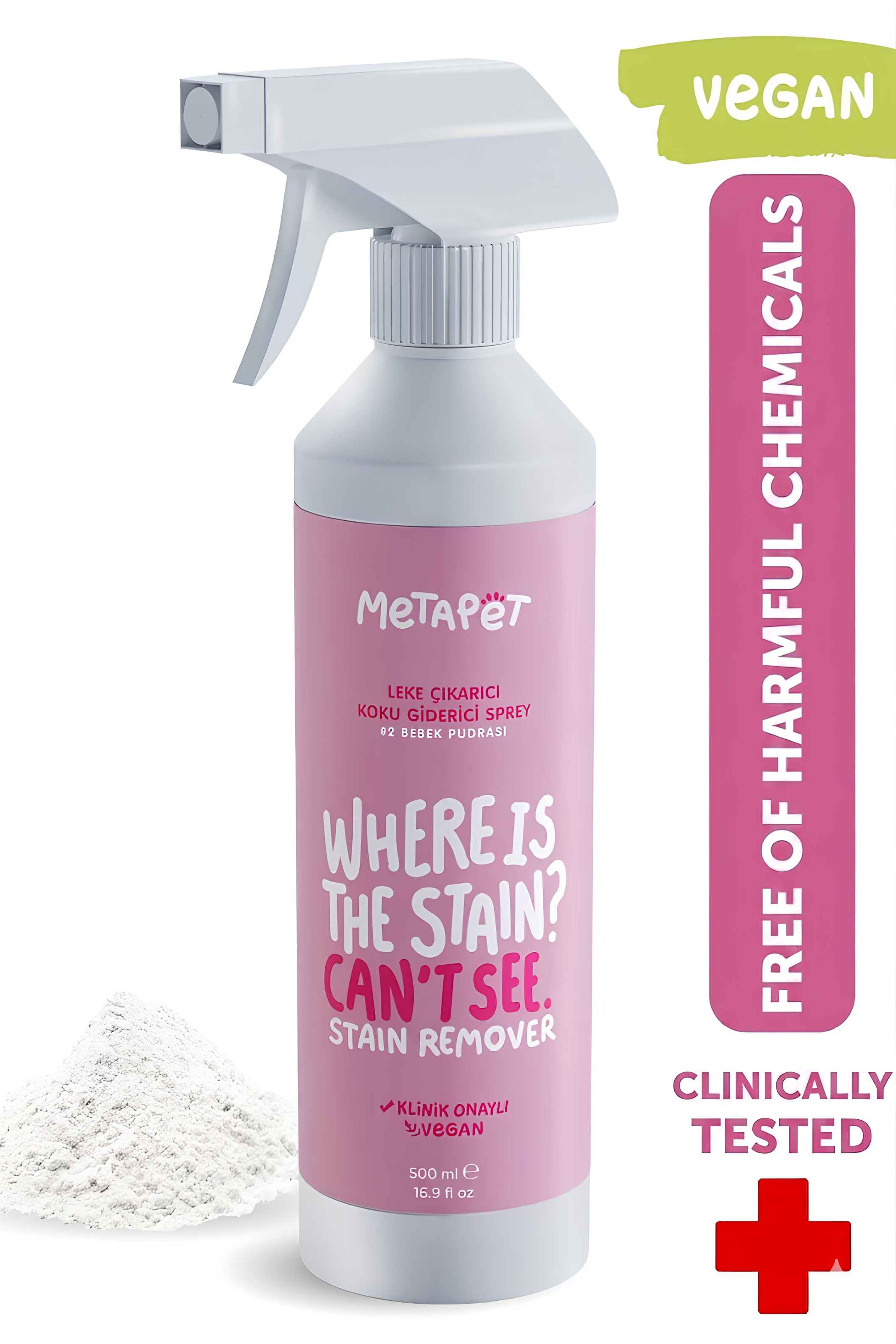
When it comes to washing, follow your veterinarian's guidance on frequency and on which product to use — over-bathing with the wrong product can dry the skin and make matters worse. For routine, non-medicated washing between veterinary visits, a gentle pH-appropriate product formulated for dogs is designed to clean the coat without stripping it; the MetaPet pH-Balanced Bath Shampoo for Dogs is one such option. On days when a full bath is not practical, a waterless option such as the MetaPet A Dog From Paris Waterless Dry Foam Shampoo can help keep the coat fresh between washes.
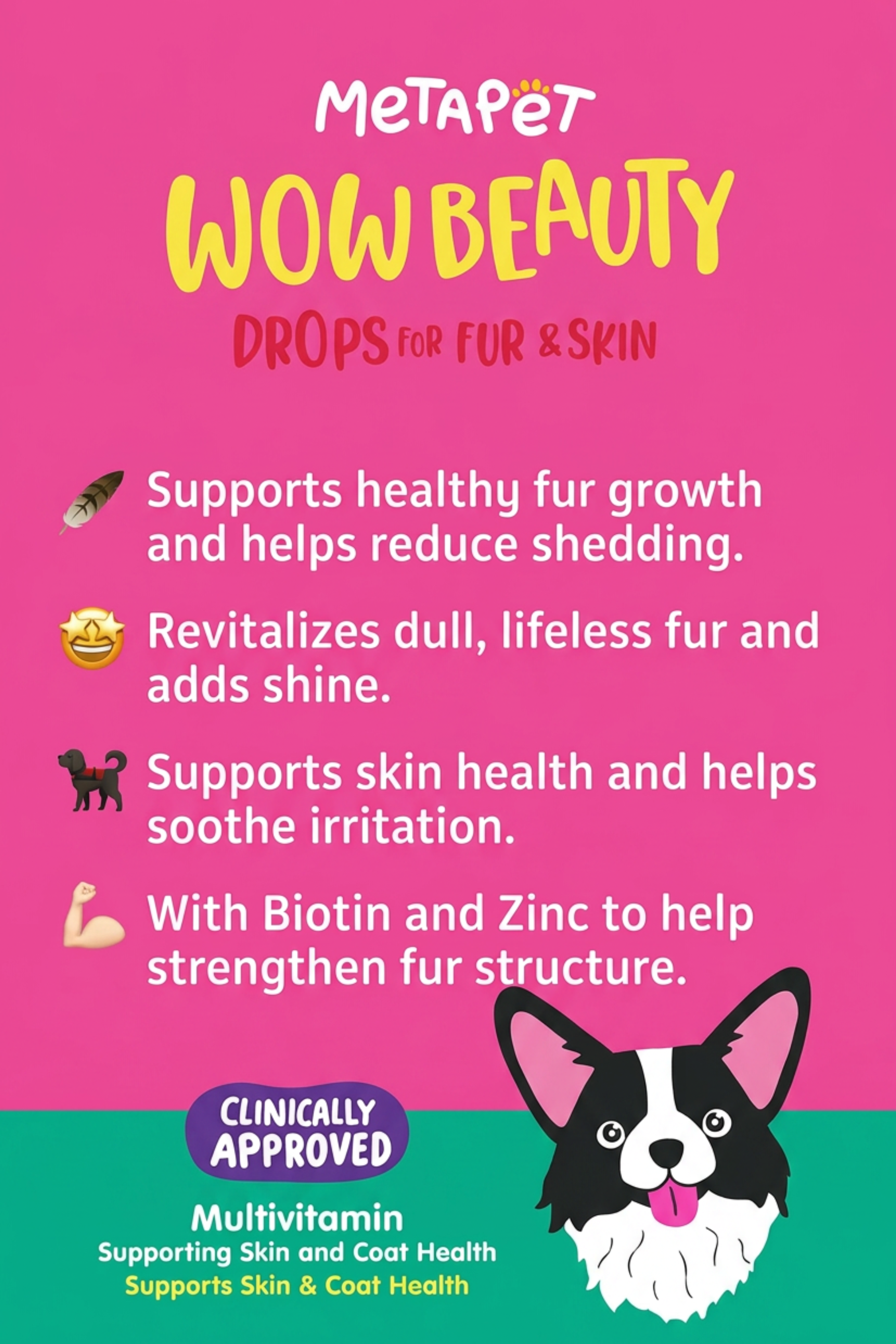
For general coat and skin upkeep, some owners like a light grooming mist such as the MetaPet Nano-Series Skin & Coat Soothing Care Spray as part of a regular routine. Products like these are cosmetic grooming aids designed to support a clean, well-kept coat. They are a complement to veterinary care, not a substitute for it, and they should never replace a prescribed medicated product, parasite prevention, or a proper diagnosis. If your dog's skin is broken, painful, or infected, speak with your veterinarian before applying anything new.
Reducing the Chance of a Repeat
Prevention in pyoderma is really management of whatever sits underneath it, combined with a few habits that keep the skin barrier in decent shape.
- Work with your veterinarian on the underlying cause rather than treating each flare in isolation — this is the single change that makes the biggest difference.
- Keep parasite prevention completely uninterrupted; a single missed month can restart an allergic cycle.
- Dry the coat properly after swimming, baths, and wet walks, paying particular attention to dense undercoat and skin folds.
- Brush often enough that mats never form, since matted hair holds moisture and hides early lesions.
- Do a weekly hands-on check of belly, armpits, groin, feet, and folds, and photograph anything new.
- Wash bedding regularly and keep the resting areas dry.
- Report early signs promptly instead of waiting to see whether they settle — small lesions are far easier to resolve than large ones.
For dogs with deep folds or a history of fold dermatitis, your veterinarian may suggest a specific cleaning routine for those areas. Follow it as given, including the frequency, since these areas re-dampen quickly.
Keep a simple record of flares: date, location, what the skin looked like, what was prescribed, and how long it took to settle. Patterns emerge from records that memory alone will not reveal, and seasonal trends in particular become obvious over a year or two.
Pyoderma and Antibiotic Stewardship
Skin infections are one of the main reasons dogs receive antibiotics, and resistant skin bacteria have become a real and growing problem in veterinary practice. That reality shapes how modern veterinarians approach pyoderma.
You may notice your veterinarian leaning more heavily on topical therapy than owners expect, taking cytology or culture samples before prescribing, or declining to dispense medication over the phone without examining the skin. These are deliberate choices that protect your dog's future options as much as they address the current problem.
Owners contribute meaningfully here too. Completing every prescribed dose, never using leftover medication from a previous course, not sharing medication between pets, and attending recheck appointments all reduce the chance of resistance developing.
Myths and Facts
- Myth: circular scaly rings mean ringworm. Expanding rings are far more often bacterial in dogs; only testing can distinguish them.
- Myth: a smelly dog just needs a bath. Odor that returns within a day or two of washing usually reflects an active skin problem, not dirt.
- Myth: you can stop medication once the skin looks clear. Bacteria persist in follicles after visible signs resolve; early stopping is a leading cause of relapse.
- Myth: recurring infections mean the medication does not work. Recurrence usually means an underlying trigger has not been found.
- Myth: human skin products are fine for dogs. Canine skin differs in structure and pH; use products intended for dogs and check with your veterinarian first.
- Fact: cytology is quick and informative. A simple in-clinic slide often changes the plan entirely.
- Fact: parasite prevention is part of skin care. Uninterrupted prevention removes one of the most common triggers.
When to Contact Your Veterinarian
Skin problems rarely improve by being left alone, and small lesions are considerably easier to resolve than established ones.
- Book an appointment for: new bumps, scaly rings, patchy hair loss, persistent odor, or itching that has not settled within a few days.
- Call promptly for: a rapidly enlarging moist patch, skin that is painful to touch, draining sores, swelling, or a dog who has become withdrawn or off food.
- Seek urgent care for: widespread skin breakdown, fever with skin lesions, marked lethargy, facial swelling, or difficulty breathing alongside skin signs.
For any medical emergency, contact your veterinarian or your nearest emergency veterinary hospital immediately rather than waiting to see how things look in the morning.
The Practical Takeaway
Pyoderma is common, treatable, and almost always a signpost rather than a destination. The infection itself usually responds well to veterinary treatment; the question that determines whether your dog spends the next few years comfortable or itchy is what allowed the bacteria to take hold in the first place.
Owners who get the best long-term results tend to do three things consistently: they get skin looked at early rather than waiting, they complete treatment courses fully including the recheck, and they pursue the underlying cause with their veterinarian instead of accepting recurrence as normal.
Everything else — brushing, thorough drying, clean bedding, weekly hands-on checks, uninterrupted parasite prevention — is ordinary maintenance that quietly makes flares less frequent and easier to catch. None of it replaces veterinary care, but combined with it, most dogs with pyoderma do very well.