Pet Odor at Home: A Practical Guide to a Fresher House

Every pet owner has had the moment: you return from a few days away, open the front door, and realize your home has a smell you had stopped noticing. Living with dogs and cats does not have to mean living with odor, but it does mean understanding where smells actually come from — and cleaning in a way that removes them rather than covering them up.
This guide walks through the real sources of household pet odor, the cleaning approach that works on organic messes, room-by-room habits, grooming's role in keeping pets themselves fresh, and — importantly — the odors that are a health signal rather than a housekeeping problem.
Important: This article shares general educational information for pet owners and is not a substitute for an in-person veterinary examination, diagnosis, or treatment. For any medical concern or emergency, contact your veterinarian promptly.
Where Pet Odor Actually Comes From
Masking a smell with fragrance rarely works for long because the source keeps producing it. Identifying the source is most of the battle.
- Skin and coat oils: natural sebum builds up on fur and transfers to bedding, sofas and carpets.
- Saliva: dogs and cats groom constantly, and dried saliva on fur contributes a surprising amount of the classic pet smell.
- Litter boxes: the leading odor source in cat households, and highly responsive to good management.
- Accidents: urine soaked into carpet, padding or subfloor is the most stubborn odor of all.
- Bedding and soft furnishings: fabrics act as sponges for oils, dander and moisture.
- Paws: dogs' paws pick up whatever is outdoors and carry a distinctive yeasty smell when damp.
- Ears and mouth: persistent odor from either usually means a health issue rather than a cleaning issue.
Why Enzymatic Cleaning Works
Ordinary household cleaners can lift a visible stain while leaving the odor-causing compounds behind. Urine in particular contains components that bind to fibers, and the smell often returns on humid days as those compounds reactivate.
Cleaners formulated for pet messes work by breaking down the organic material itself rather than merely diluting it. To get the best result, the cleaner needs contact time and it needs to reach as far as the mess did — which is usually deeper than the visible mark.
- Blot, do not rub. Press with paper towels or a clean cloth to lift as much liquid as possible; rubbing pushes it deeper into the fibers.
- Apply generously. Use enough cleaner to penetrate as far as the urine soaked, including the carpet padding beneath.
- Let it sit. Follow the product's directions for dwell time — this is the step most people skip and the reason cleaning fails.
- Blot again and let it air dry fully. Resist the urge to add fragrance on top of a still-damp area.
- Repeat if needed. Deep or old stains often need a second full treatment.
Two cautions. Avoid ammonia-based cleaners on pet accidents, since ammonia is a component of urine and can actually signal to a pet that this is an appropriate toilet spot. And always test any cleaner on a hidden area of fabric or flooring first.
The Litter Box: Biggest Win in a Cat Home
Nothing improves a cat household's air quality faster than litter box management, and the benefits go beyond smell — cats are far more likely to use a clean box reliably.
- Scoop at least once daily, twice if you can. This single habit outperforms every product.
- One box per cat plus one, placed in separate, quiet, accessible locations.
- Wash boxes regularly with mild soap and water; plastic absorbs odor over time and boxes need replacing every so often.
- Use enough litter: a depth of roughly two to three inches lets clumps form properly.
- Skip heavy perfumes: strongly scented litters put many cats off; unscented litter with diligent scooping usually smells better in practice.
- Consider placement: avoid cramped closets with no airflow, but also avoid noisy, high-traffic corners that discourage use.
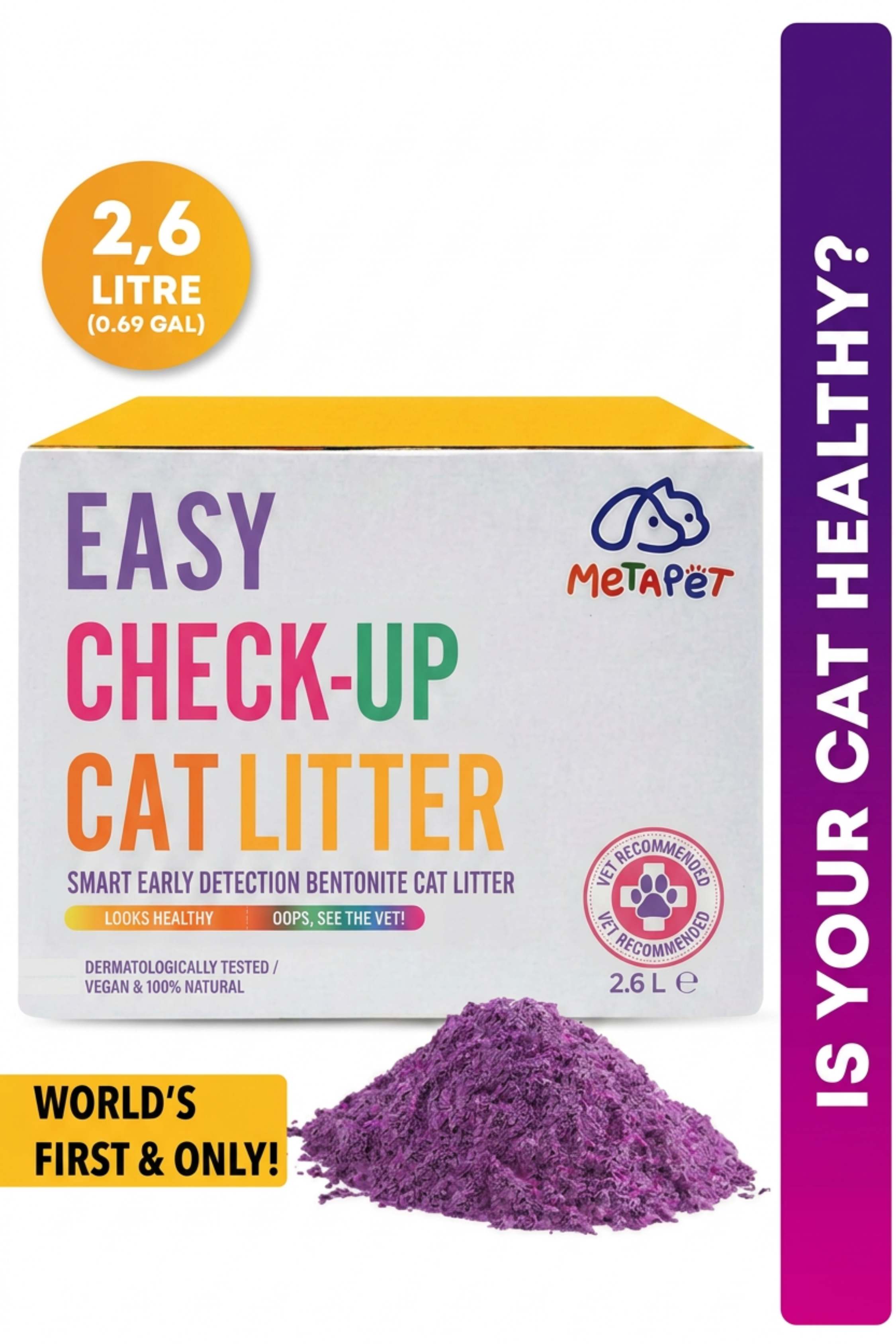
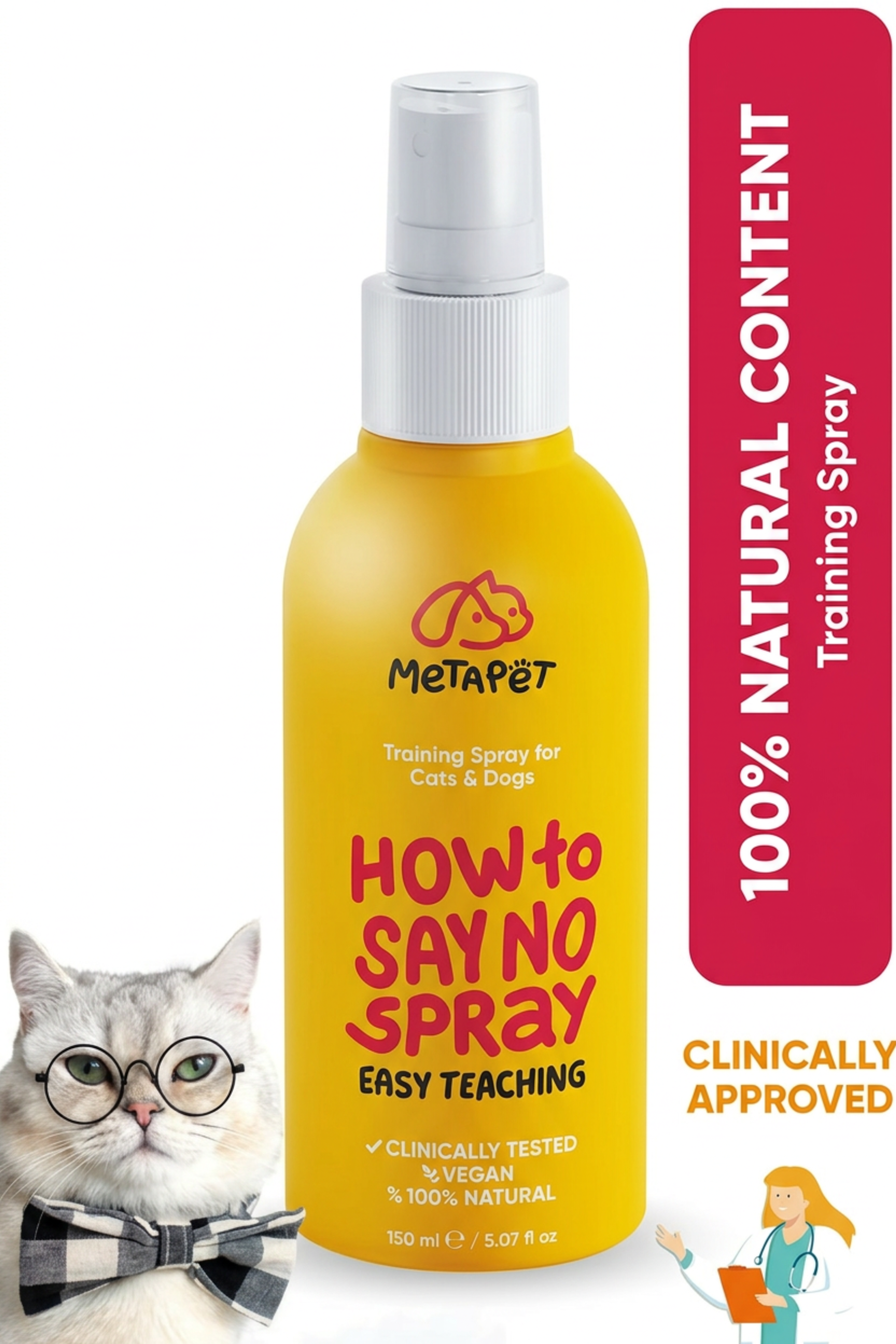
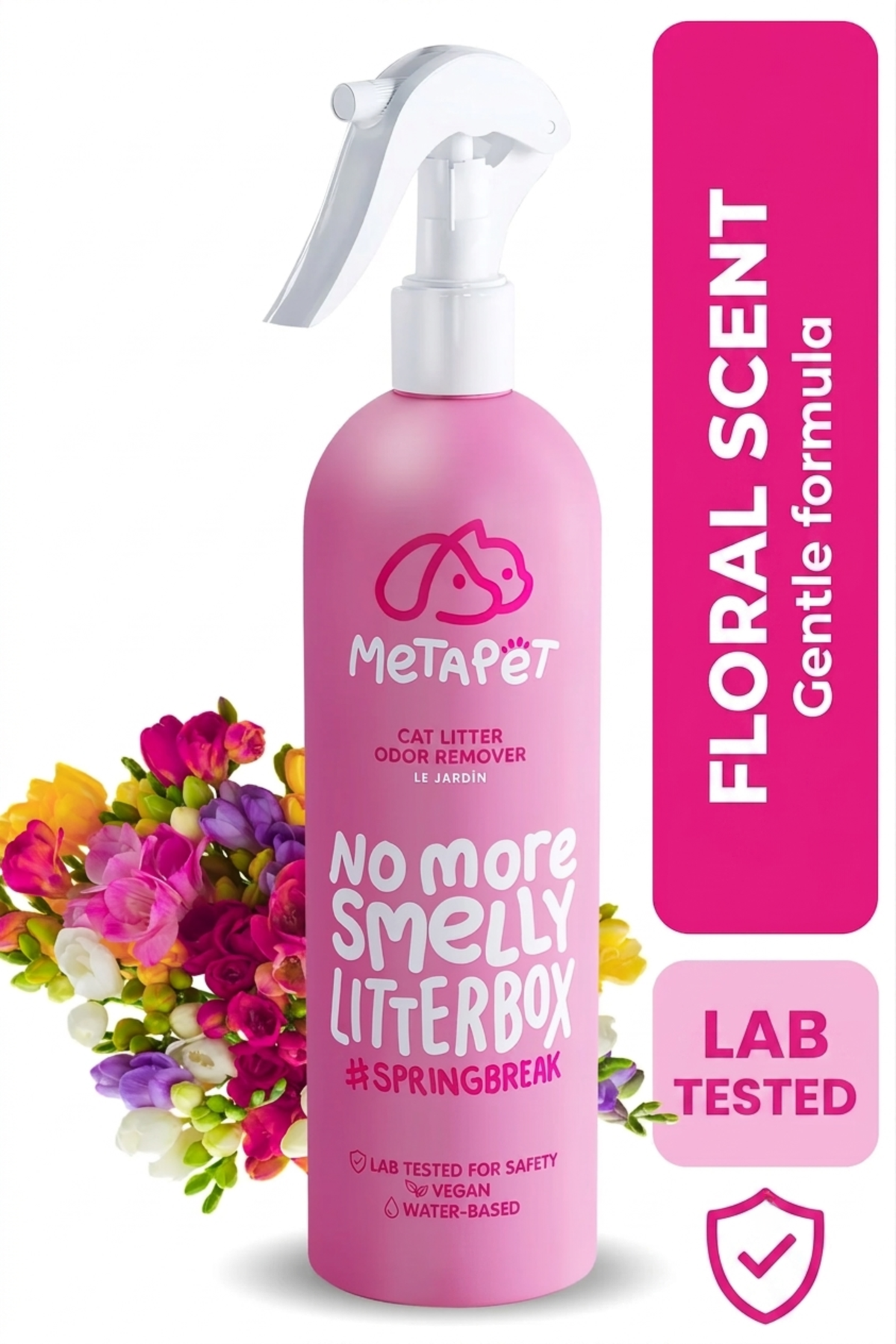
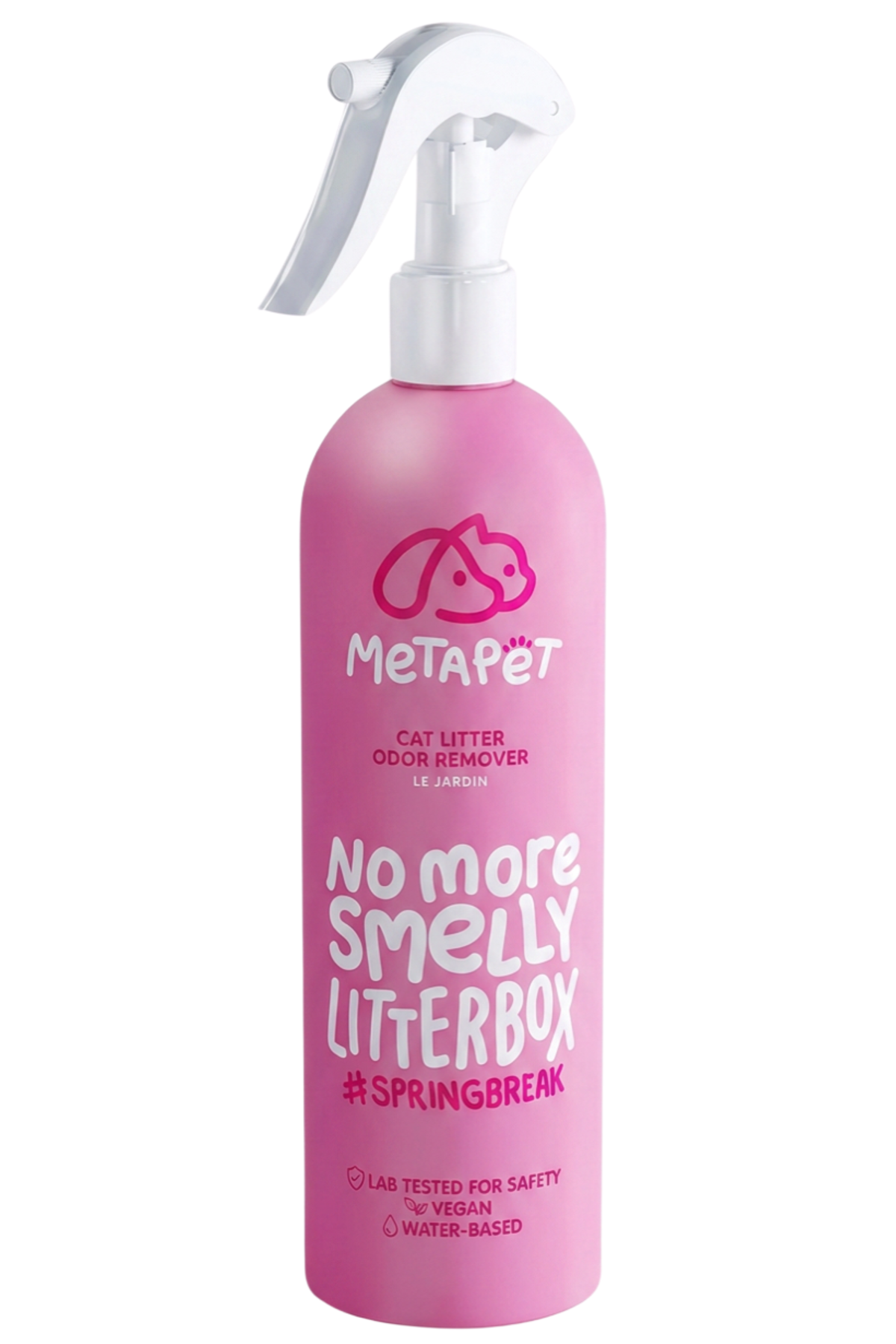
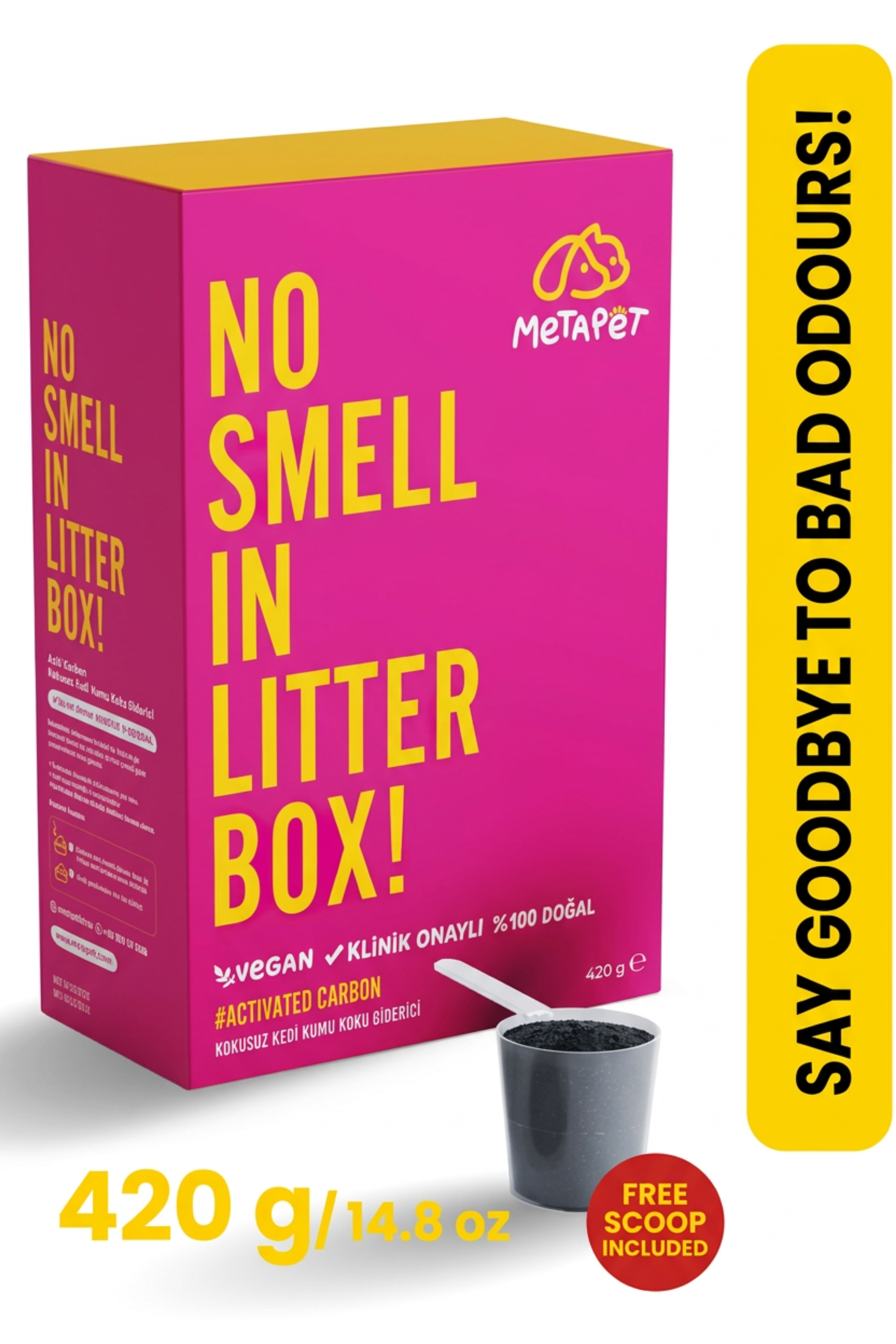
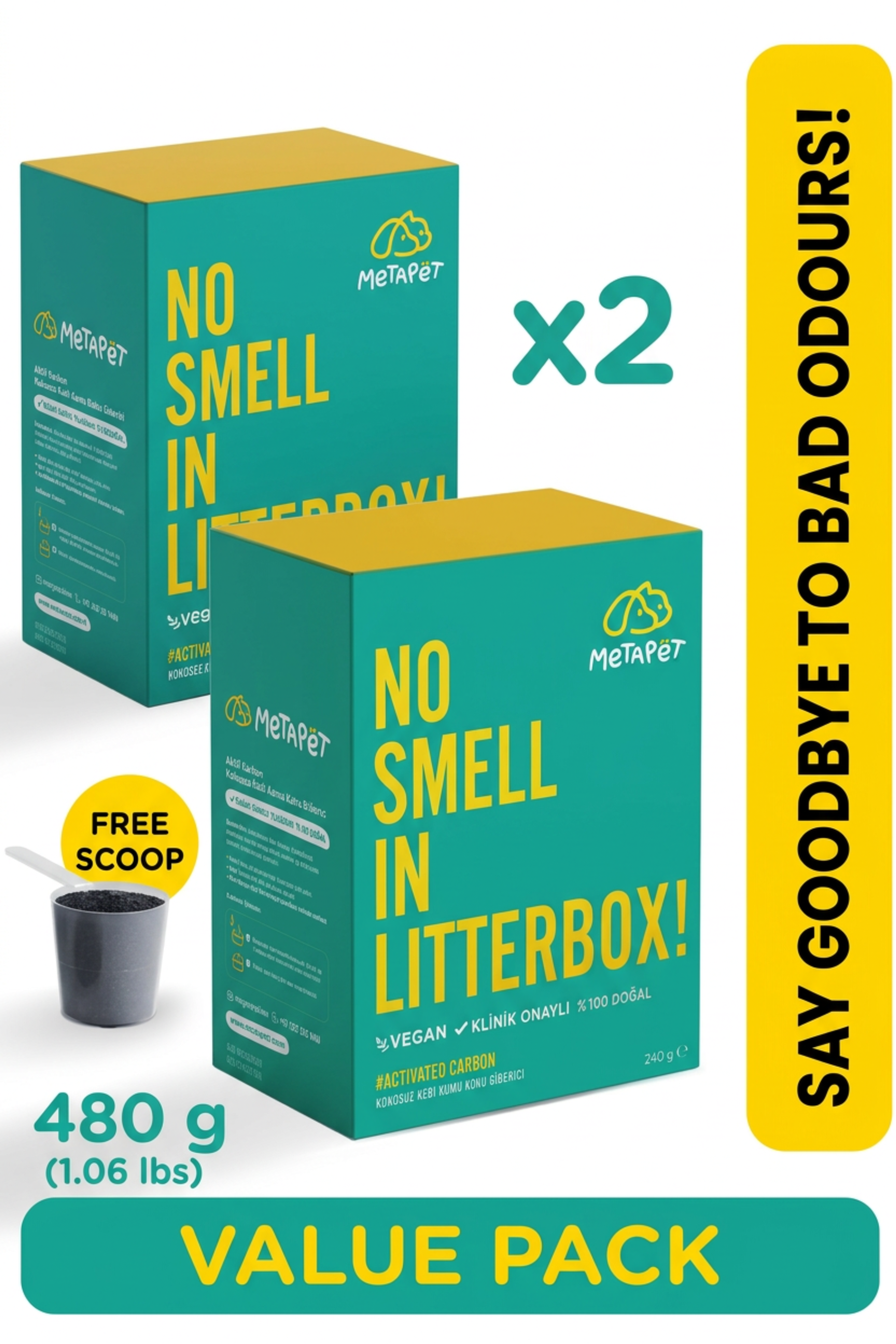
MetaPet's No Smell in Litterbox activated carbon deodorizer is made from 100% natural coconut-shell activated carbon with no additives, designed to help absorb and trap litter-box odors and to work with every type of litter. The No More Smelly Litterbox deodorizer spray is designed to help neutralize litter-box odors without overwhelming sensitive noses. Both are intended to support a clean routine rather than replace scooping — and neither is a substitute for veterinary attention if a cat's litter habits or urine odor change.
Accidents on Carpet, Upholstery and Hard Floors
Speed matters enormously. Fresh messes are far easier to remove completely than dried ones, so keep supplies where you can reach them quickly rather than in a distant cupboard.
For hard floors, wipe up promptly and check the seams and grout lines, where liquid travels and lingers. For carpet, remember that the visible spot is usually smaller than the affected area underneath. For upholstery, check whether cushion covers are removable and washable, and whether liquid reached the foam inside.
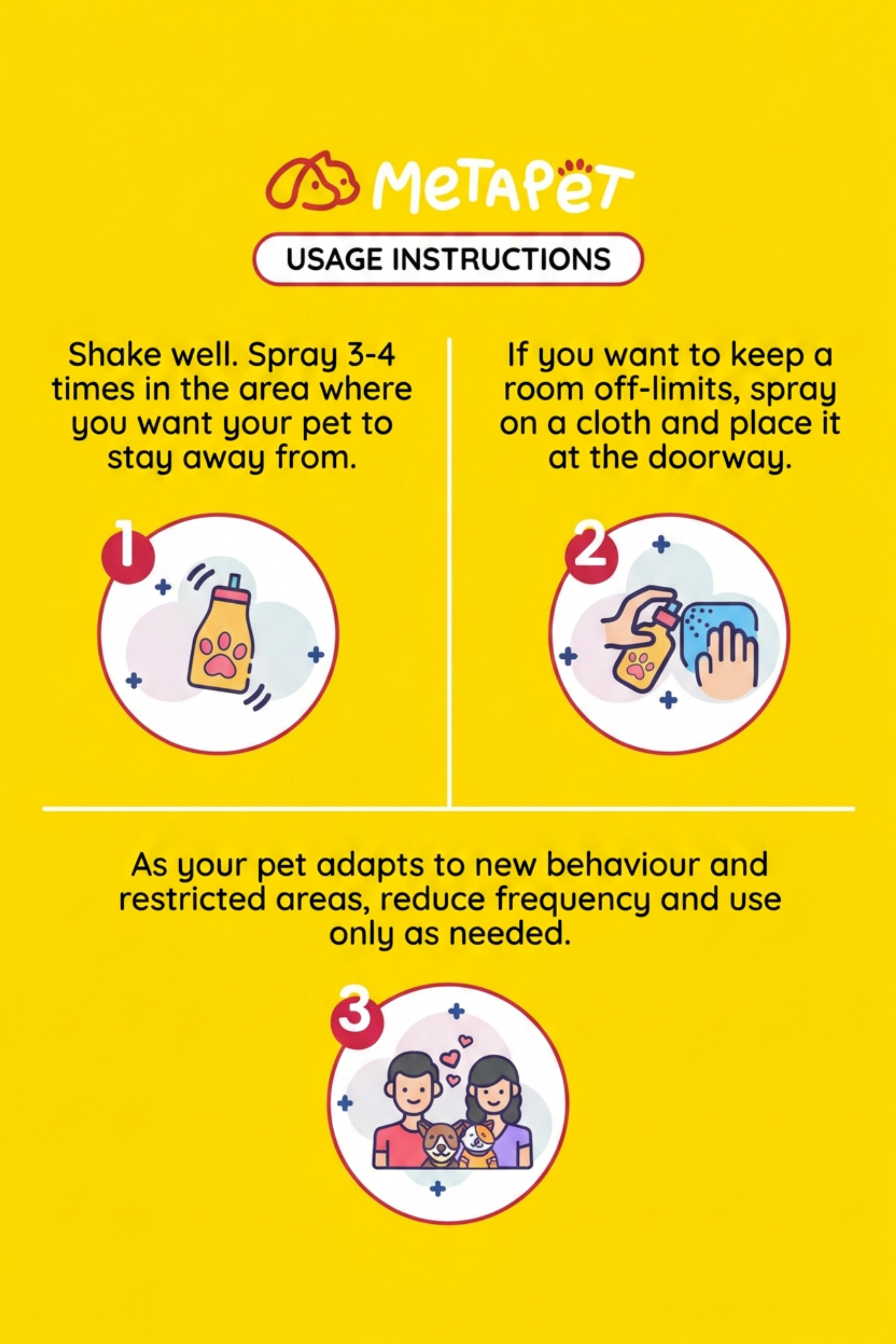
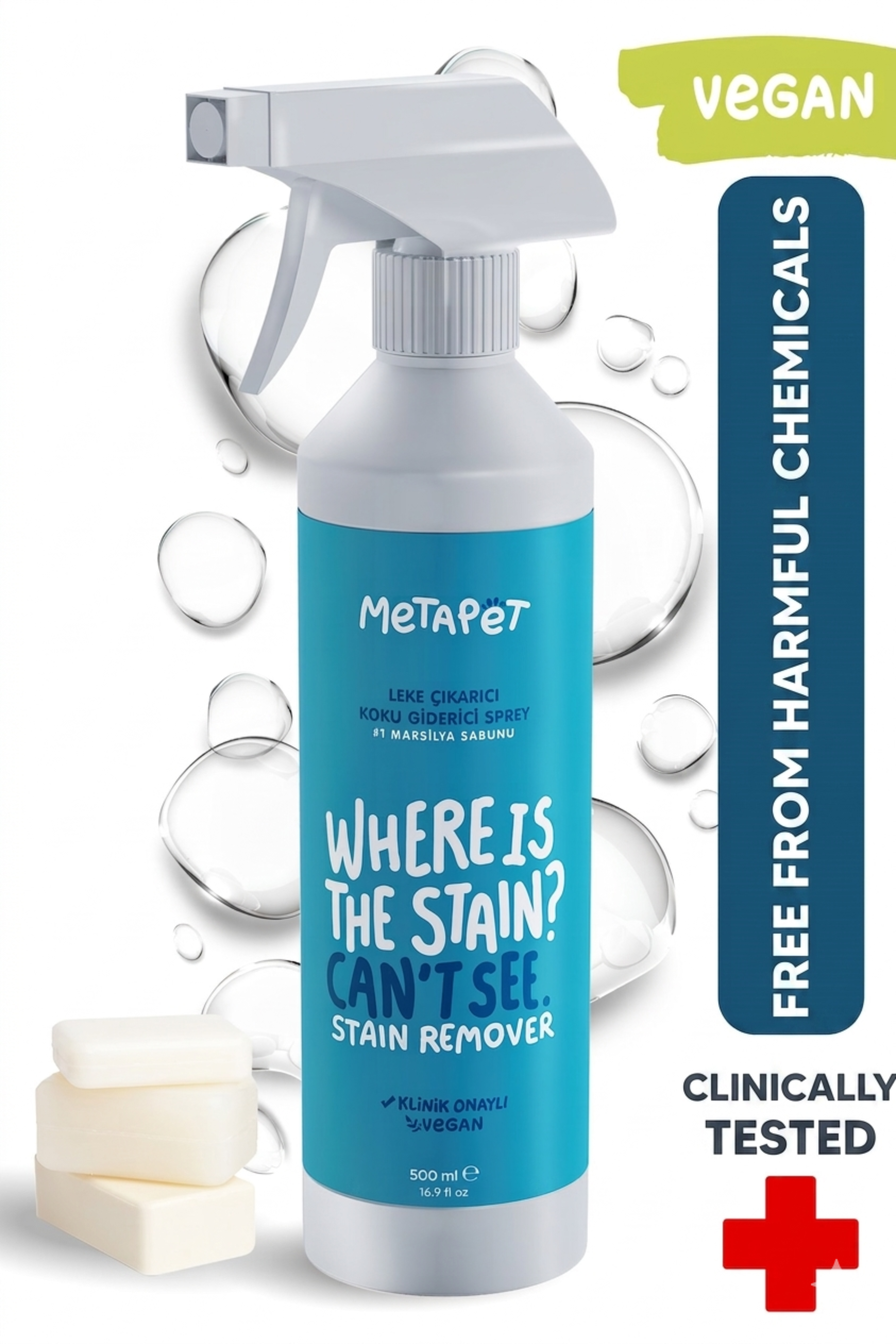
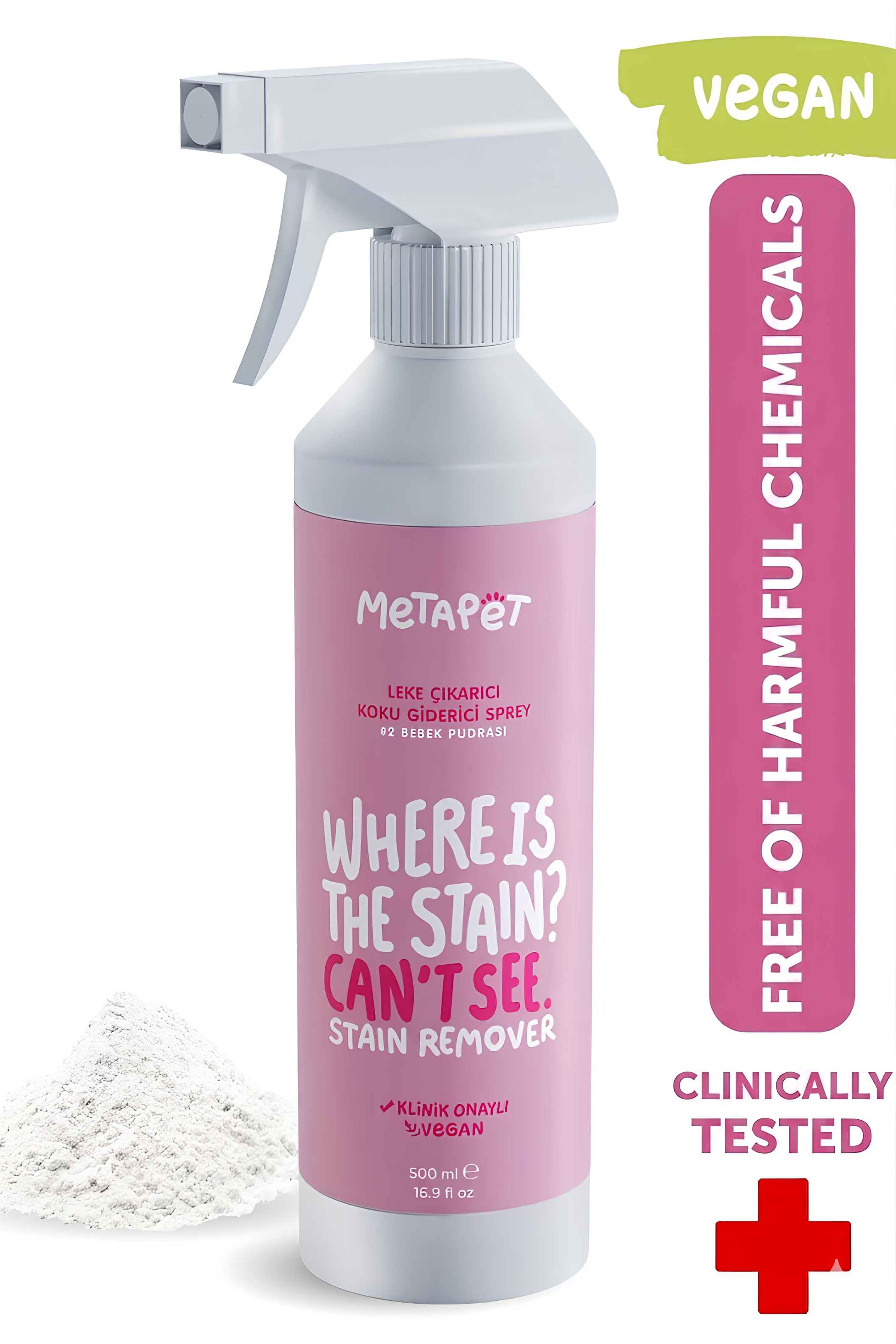
MetaPet's Where Is The Stain I Can't See? pet stain remover and deodorizer spray is formulated for carpets, sofas, clothing, furniture, wood floors, tile and other washable surfaces, and is designed to tackle marks from urine, vomit, feces and muddy paw prints while absorbing odors. As with any cleaner, test on a hidden area first and follow the label directions.
Bedding, Fabrics and Soft Surfaces
- Wash pet bedding weekly in hot water where the fabric allows; choose beds with removable, machine-washable covers.
- Add a washable blanket to favorite sofa and chair spots — far easier to launder than the furniture itself.
- Vacuum thoroughly and often, including under furniture and along baseboards where dander and hair collect.
- Do not forget vertical surfaces: curtains and fabric chairs hold odor too.
- Wash soft toys periodically; they absorb saliva and get surprisingly grubby.
- Change vacuum filters on schedule, or a vacuum simply redistributes the smell.
Keeping the Pet Itself Fresh
A clean home with a grimy pet is a losing battle. Regular grooming reduces the oils, loose hair and dander that transfer to everything your pet touches.
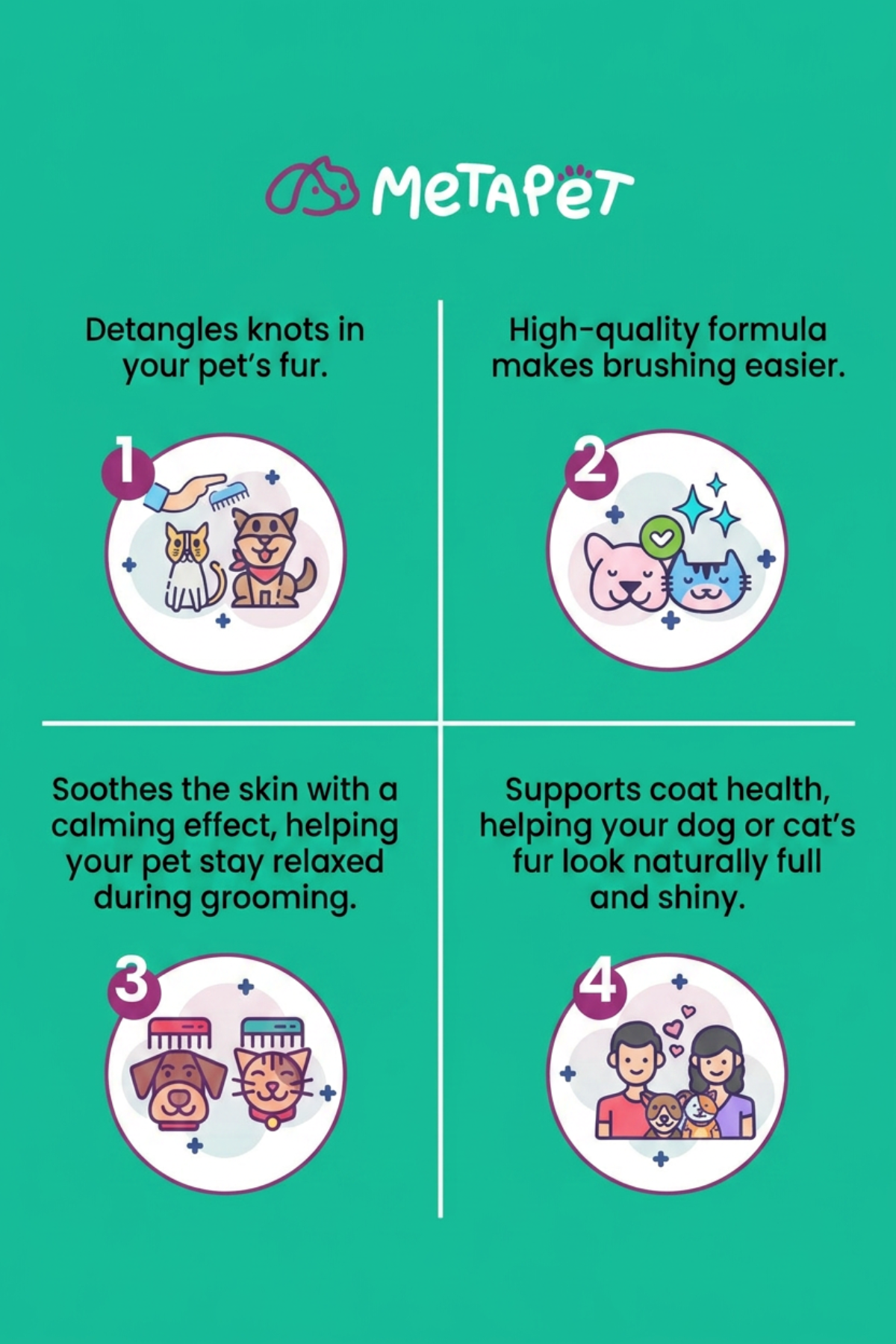
- Brush regularly: removes loose coat and distributes oils; frequency depends on coat type but most pets benefit from several sessions a week.
- Bathe appropriately: over-bathing dries skin, while never bathing lets oils build up. Ask your veterinarian or groomer what suits your pet's coat.
- Clean paws after outings, especially in wet weather when damp paws smell strongest.
- Keep the rear end tidy: trimming fur around the hindquarters on long-coated pets prevents a great deal of odor.
- Dry thoroughly: a damp coat is the classic source of that wet-dog smell; towel and dry fully after baths and rain.
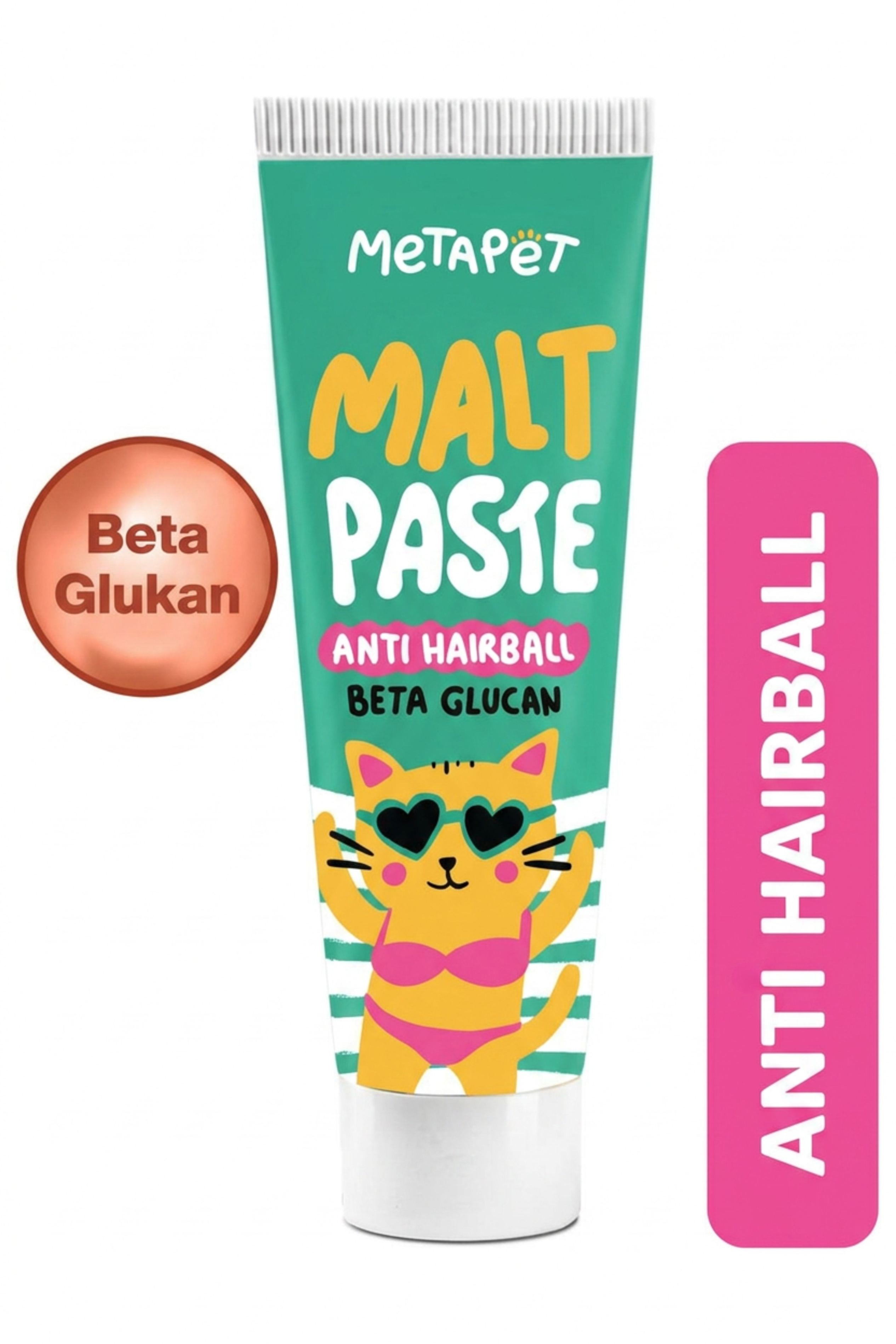
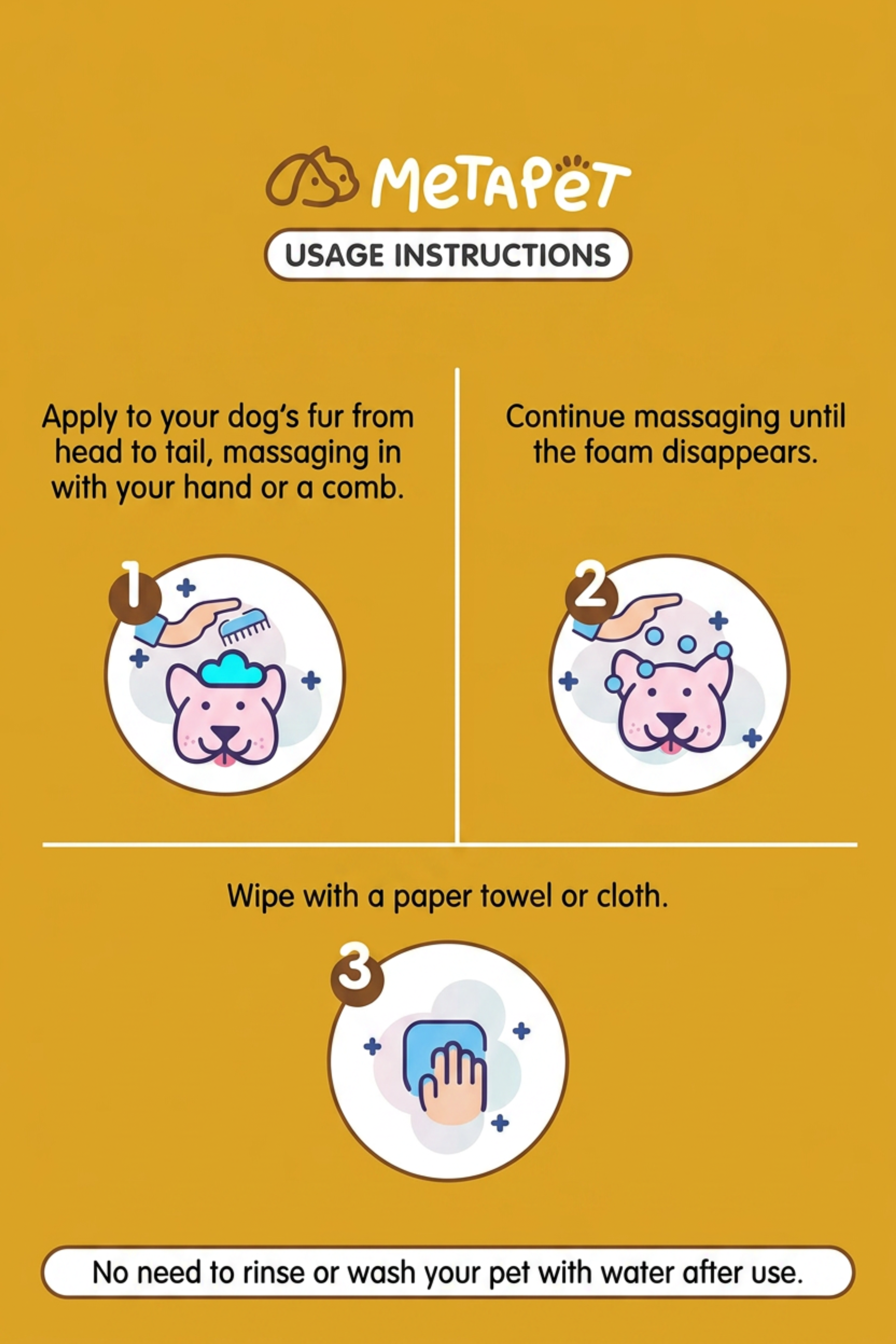
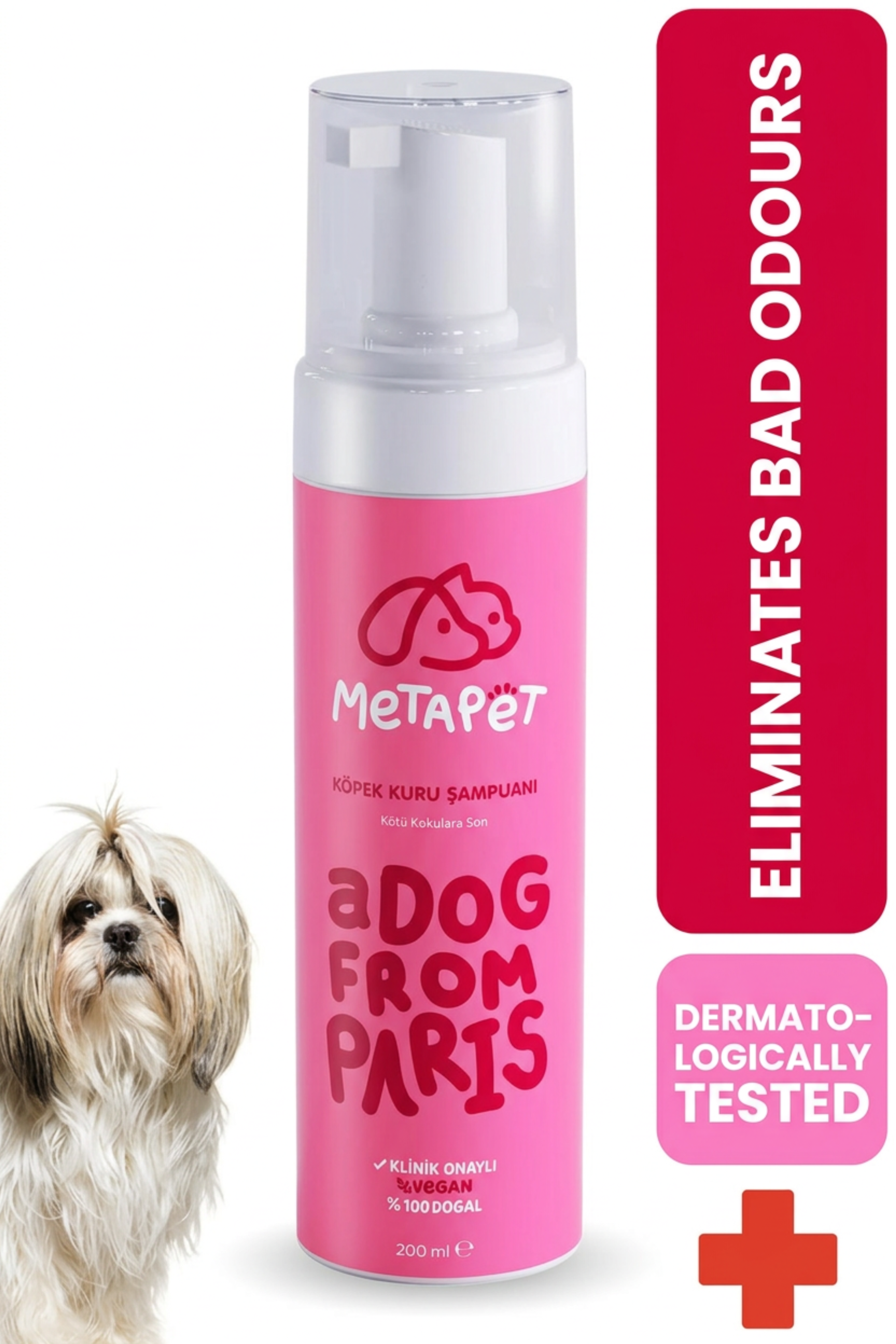
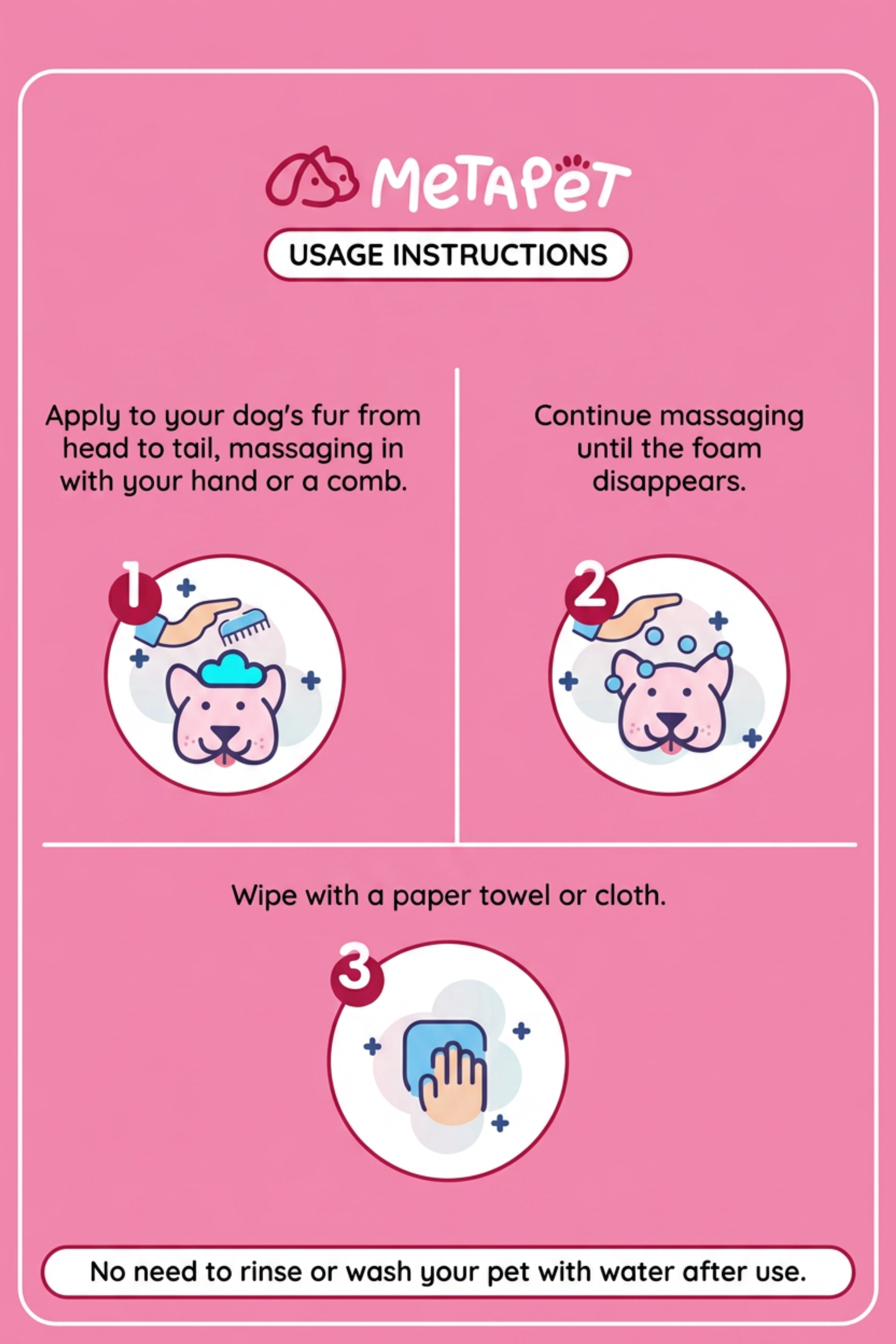
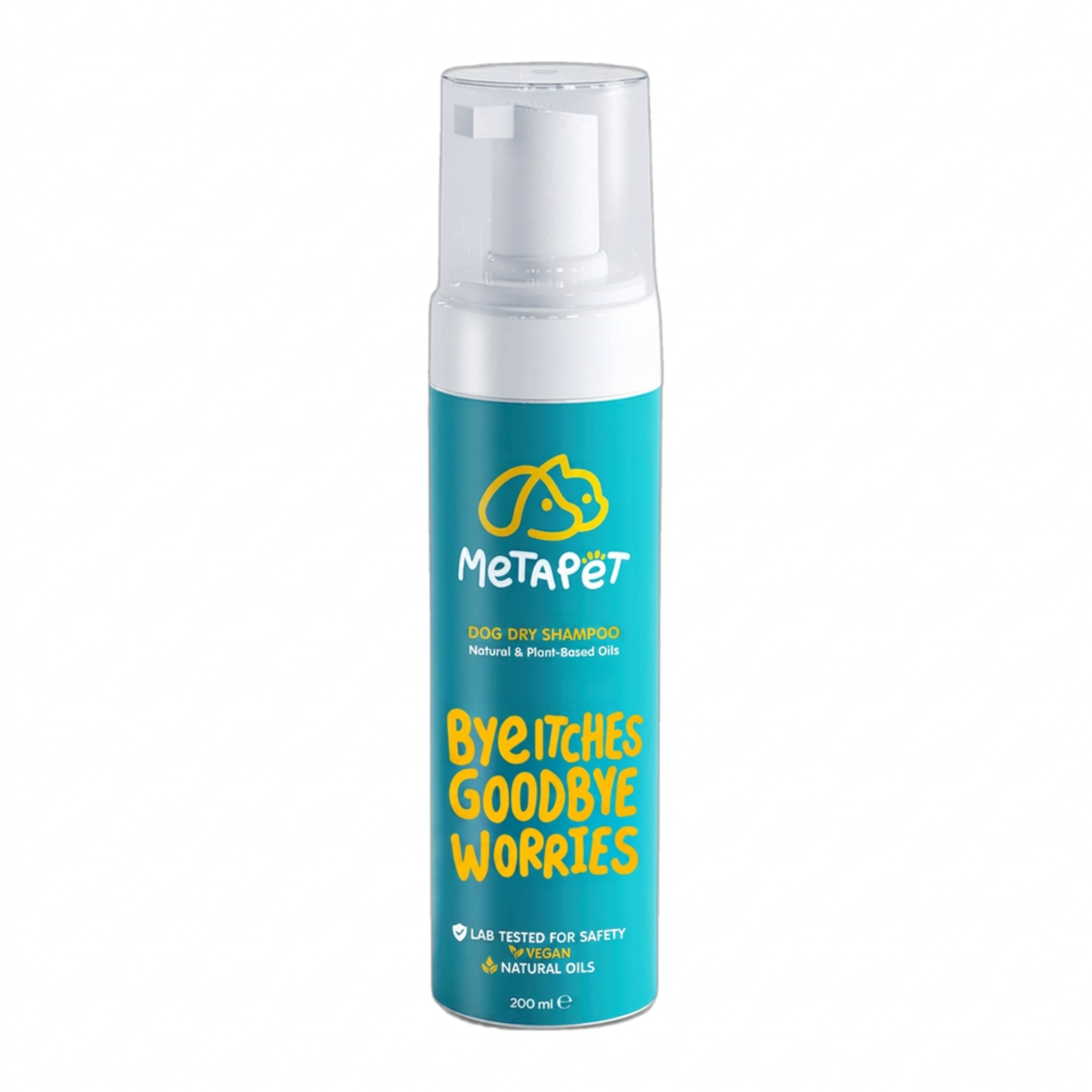
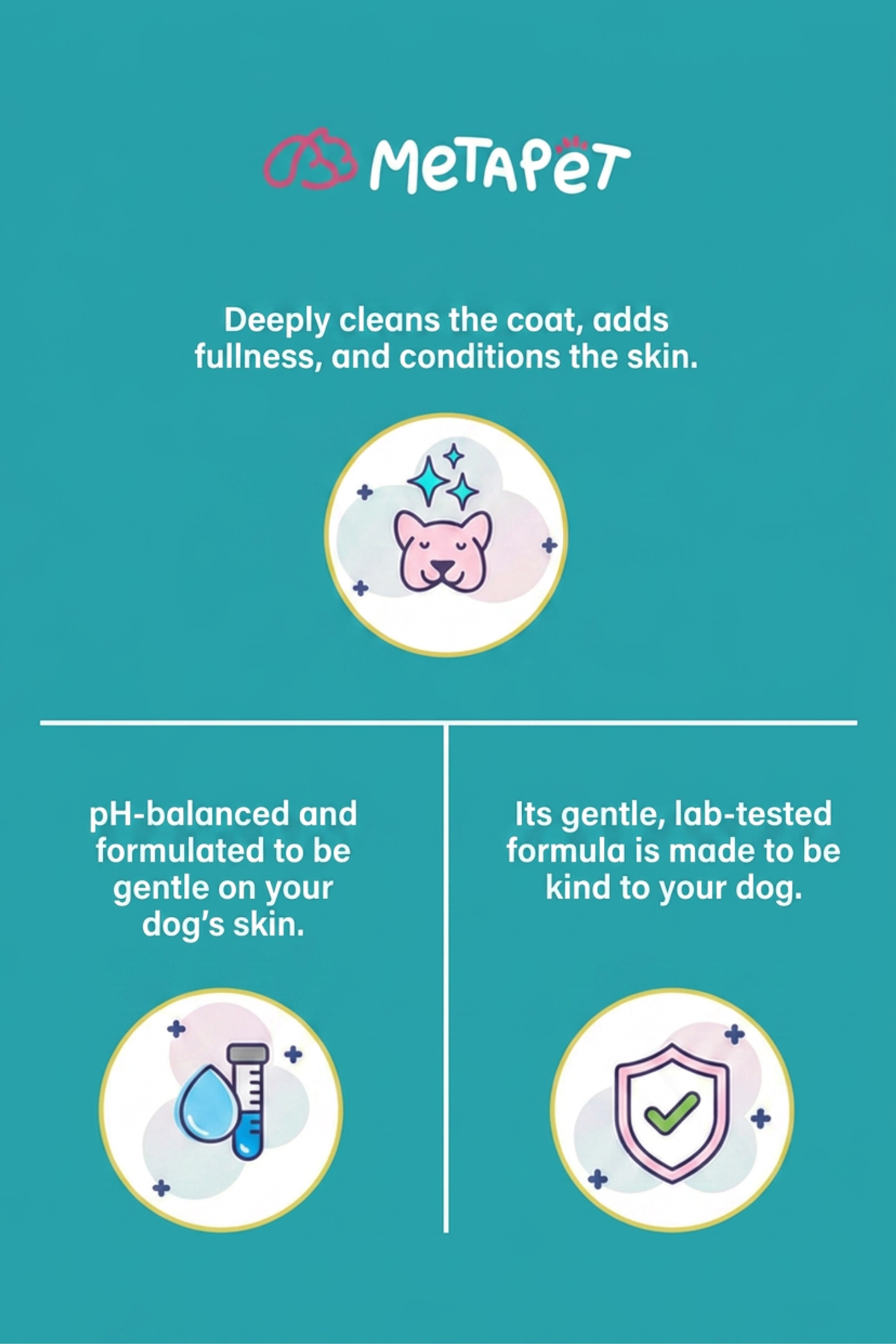
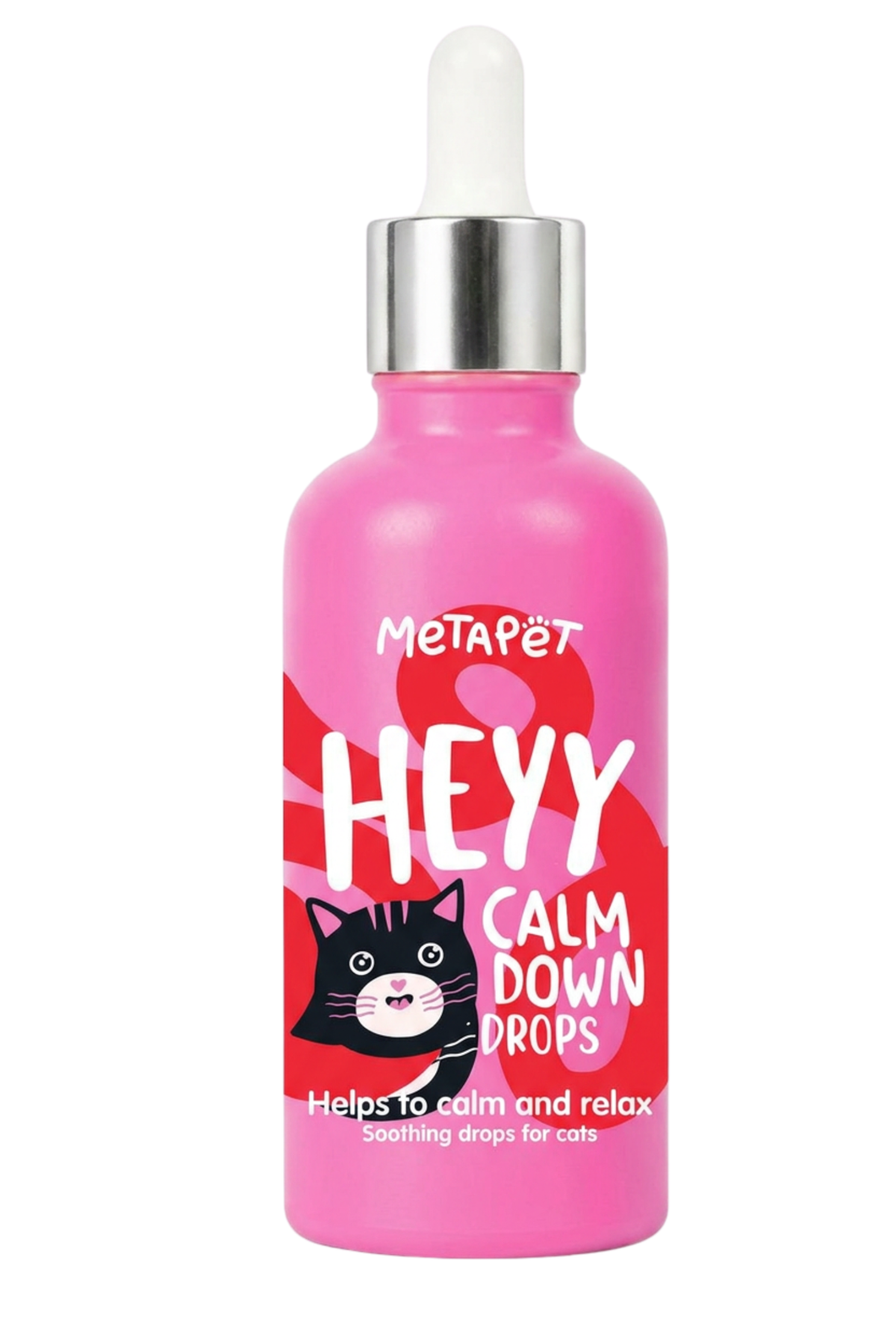
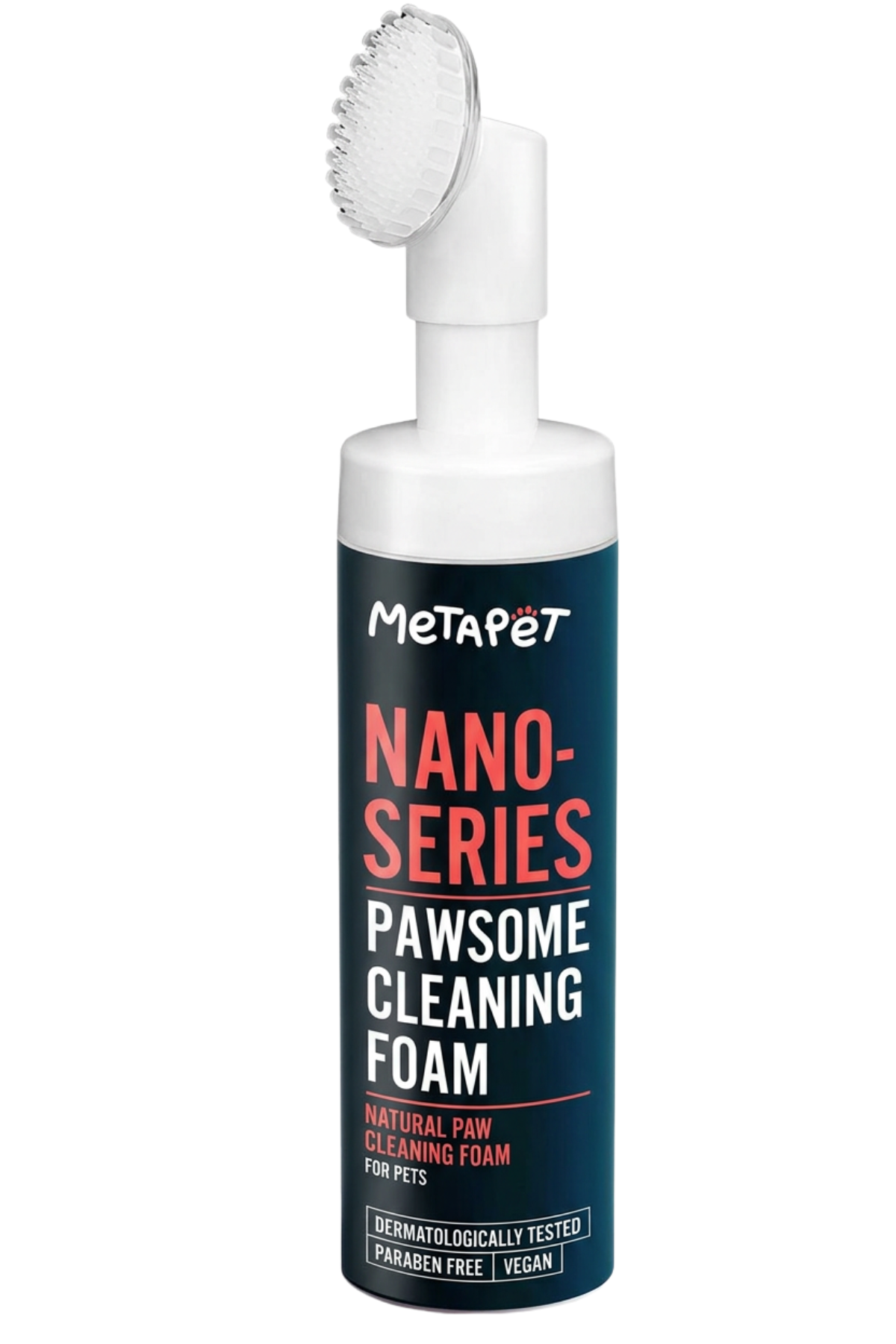
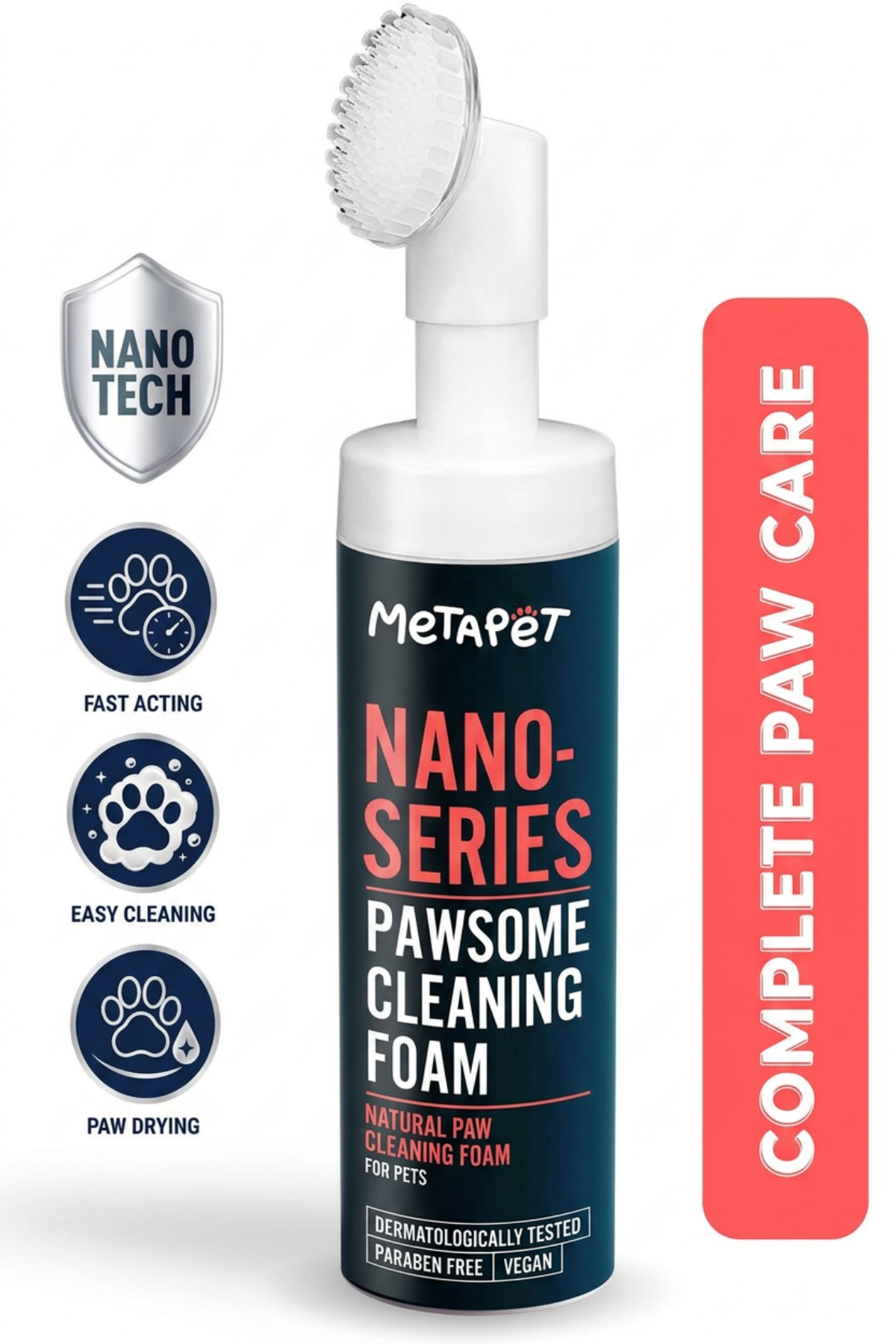
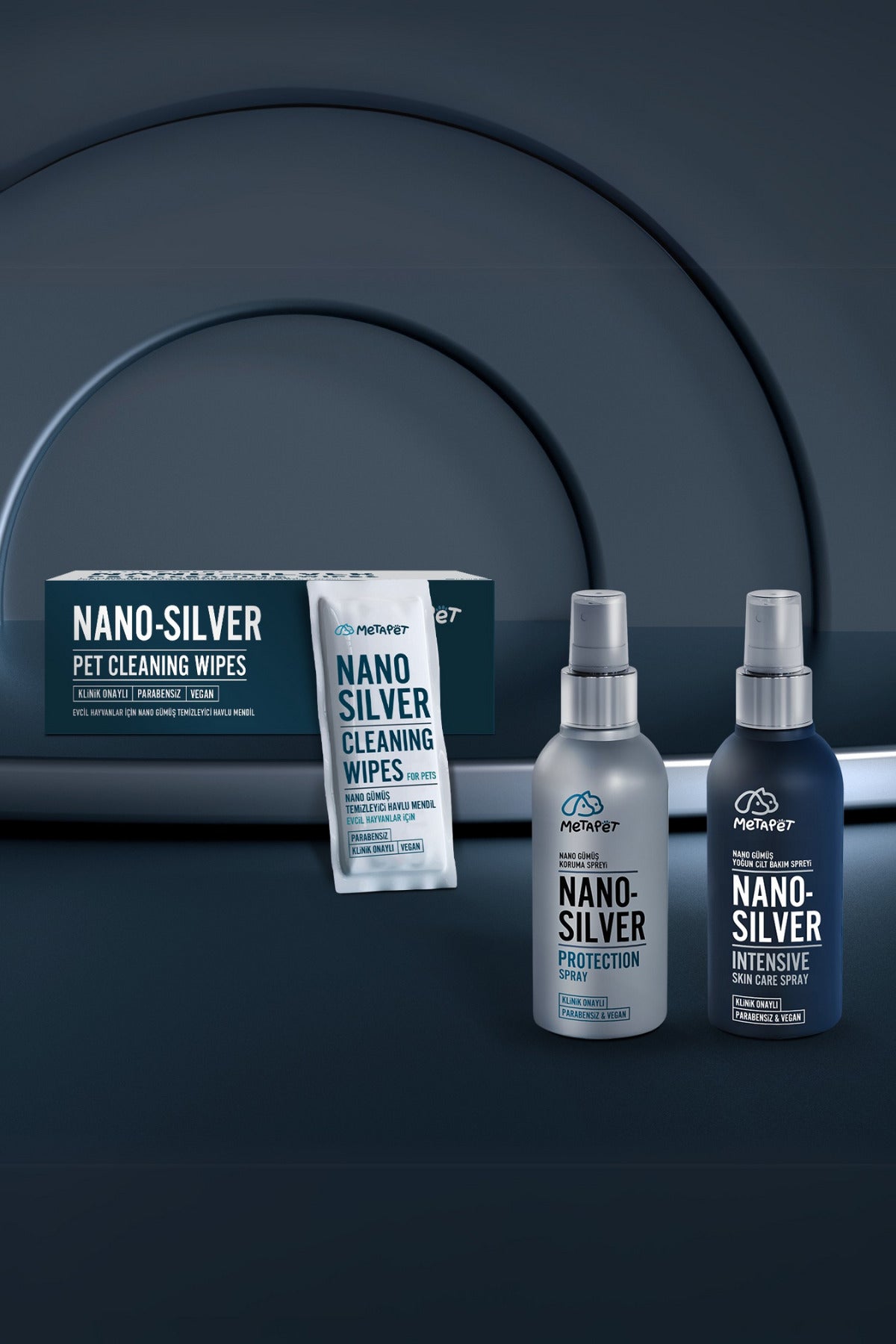
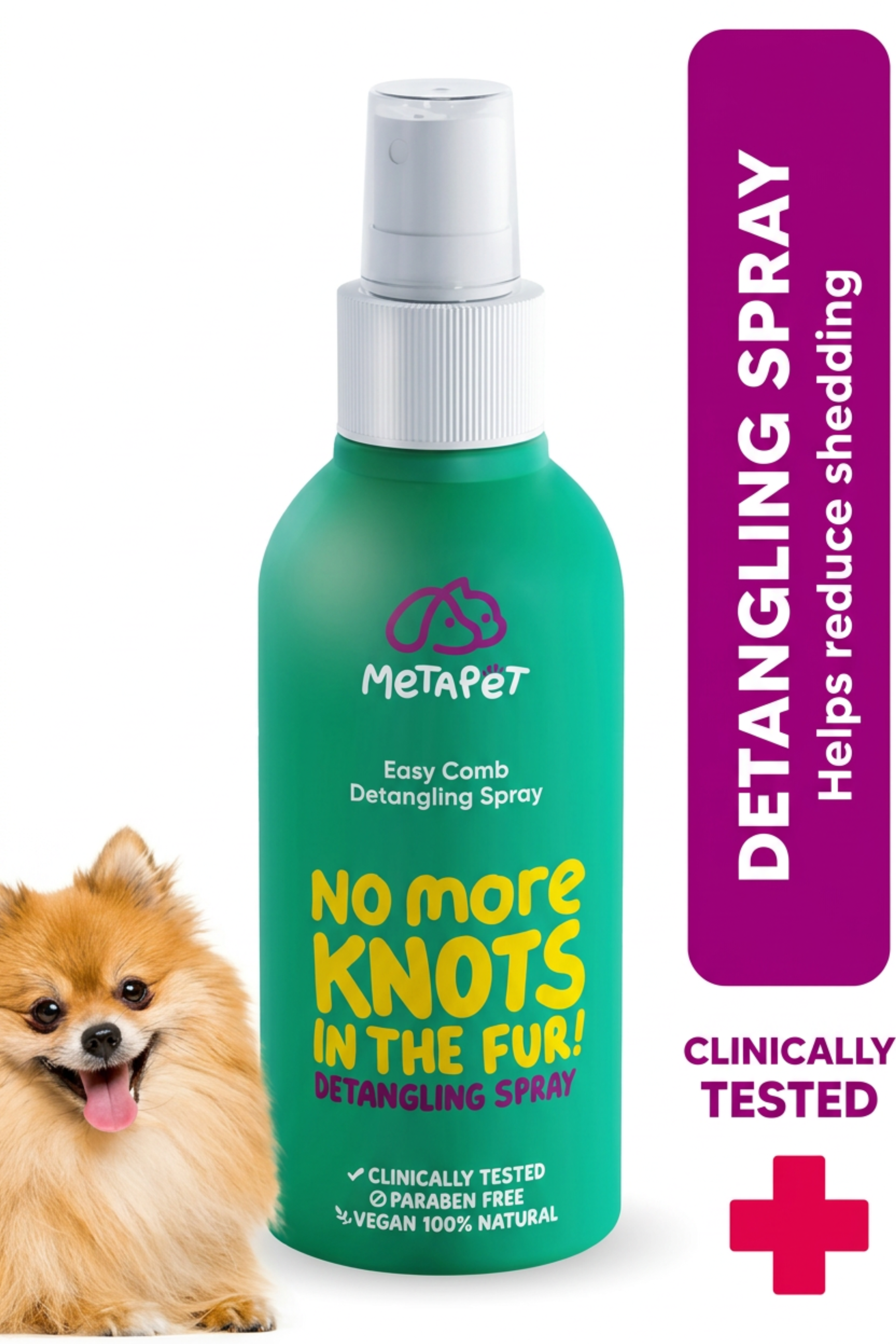
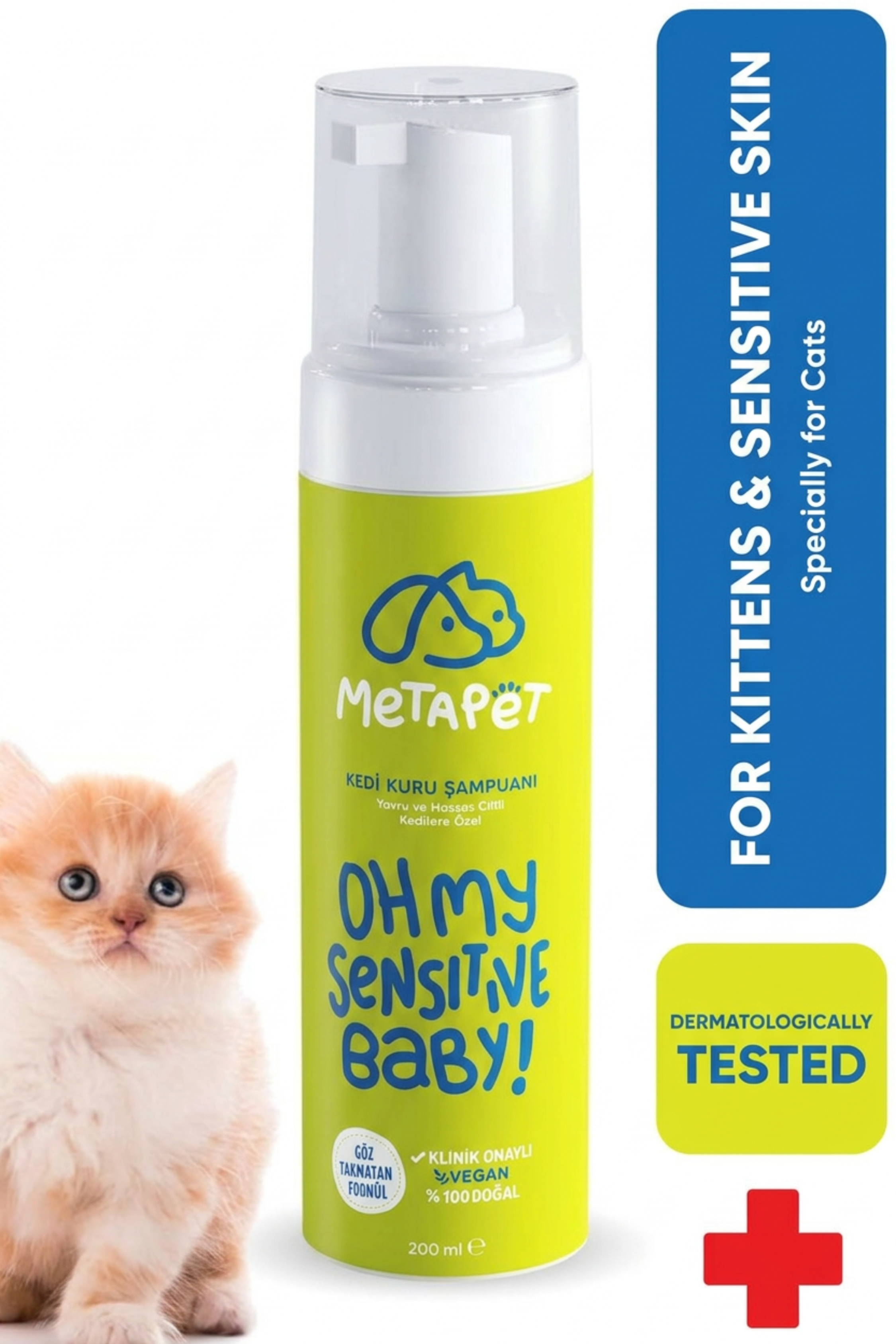
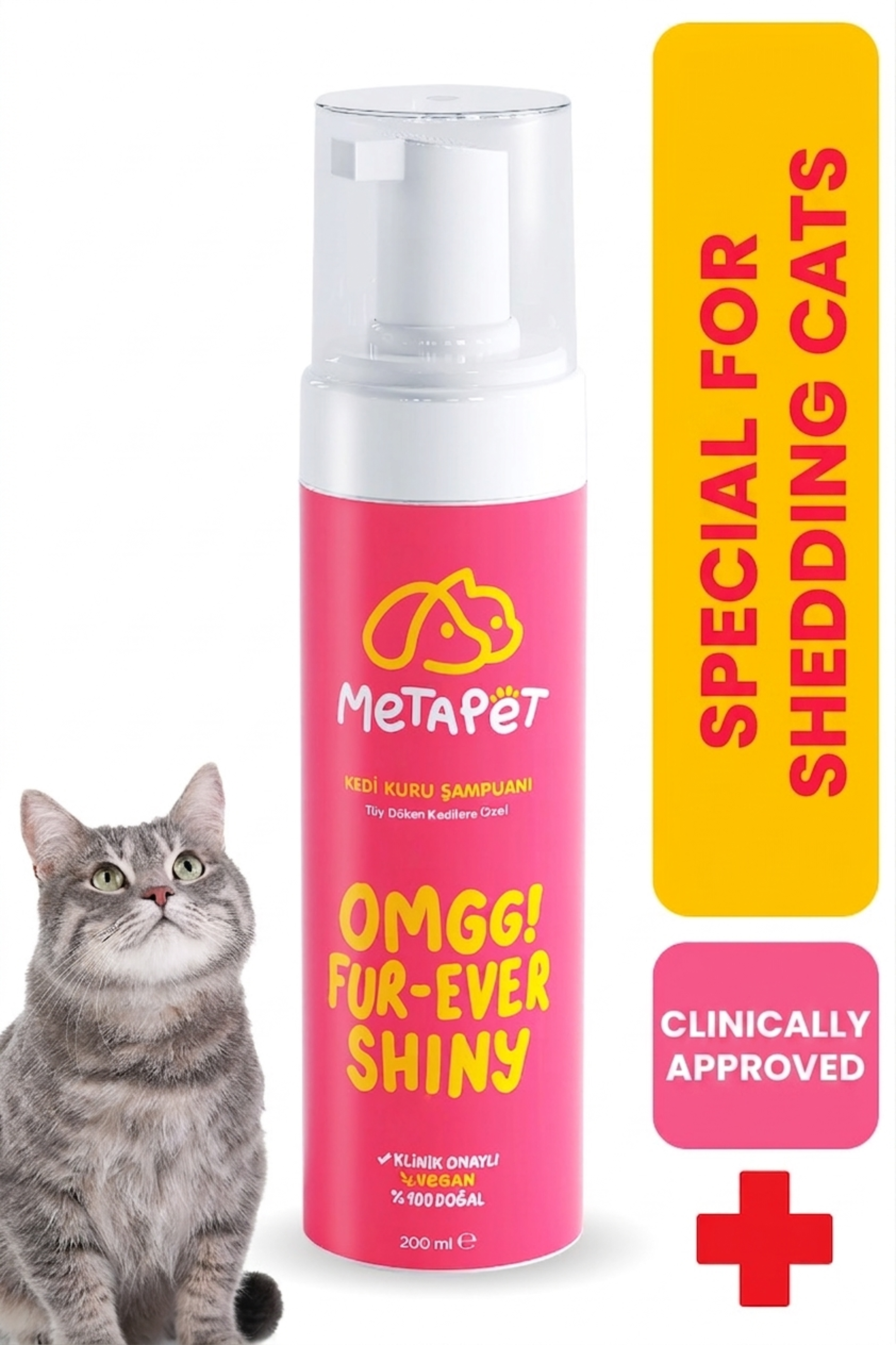
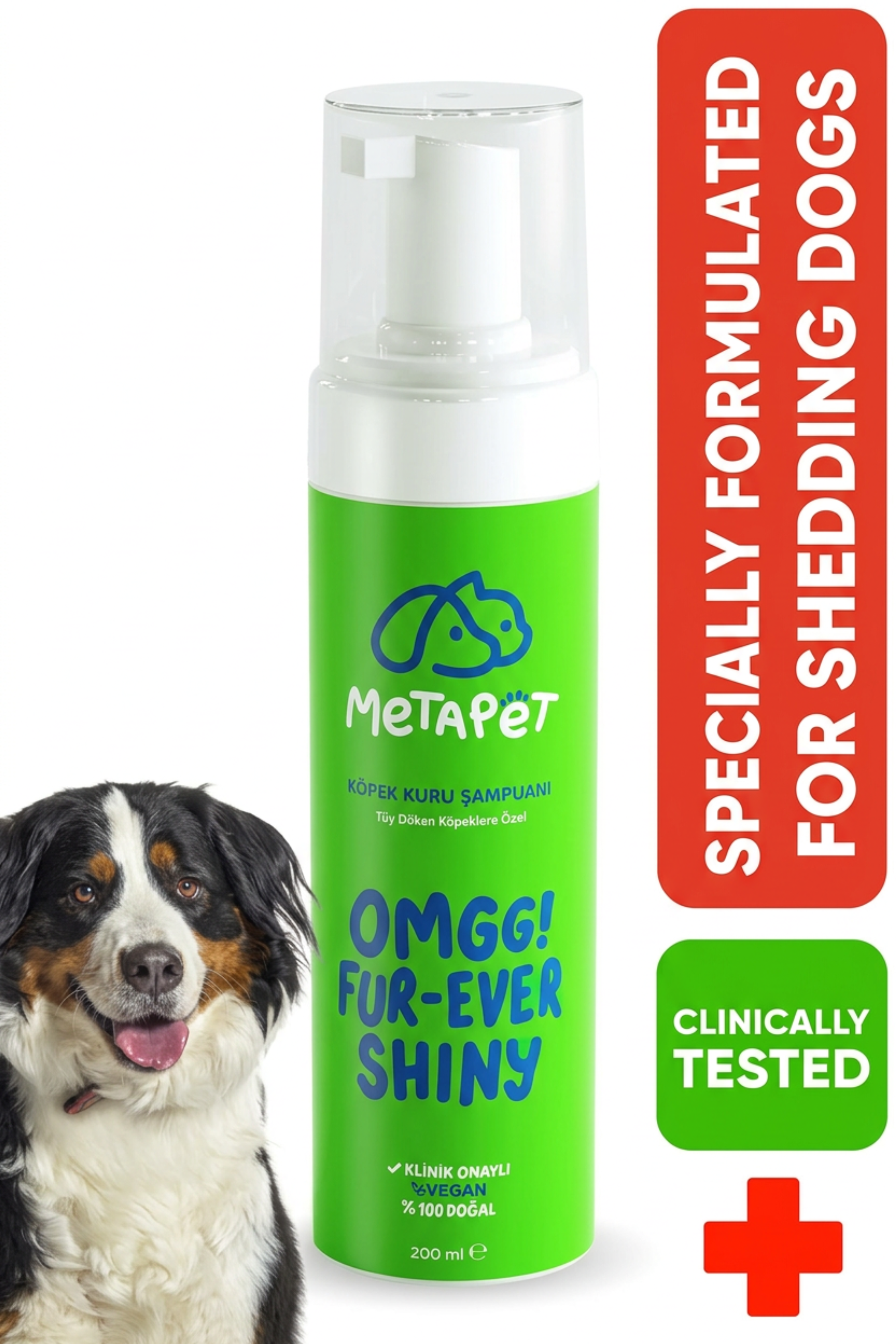
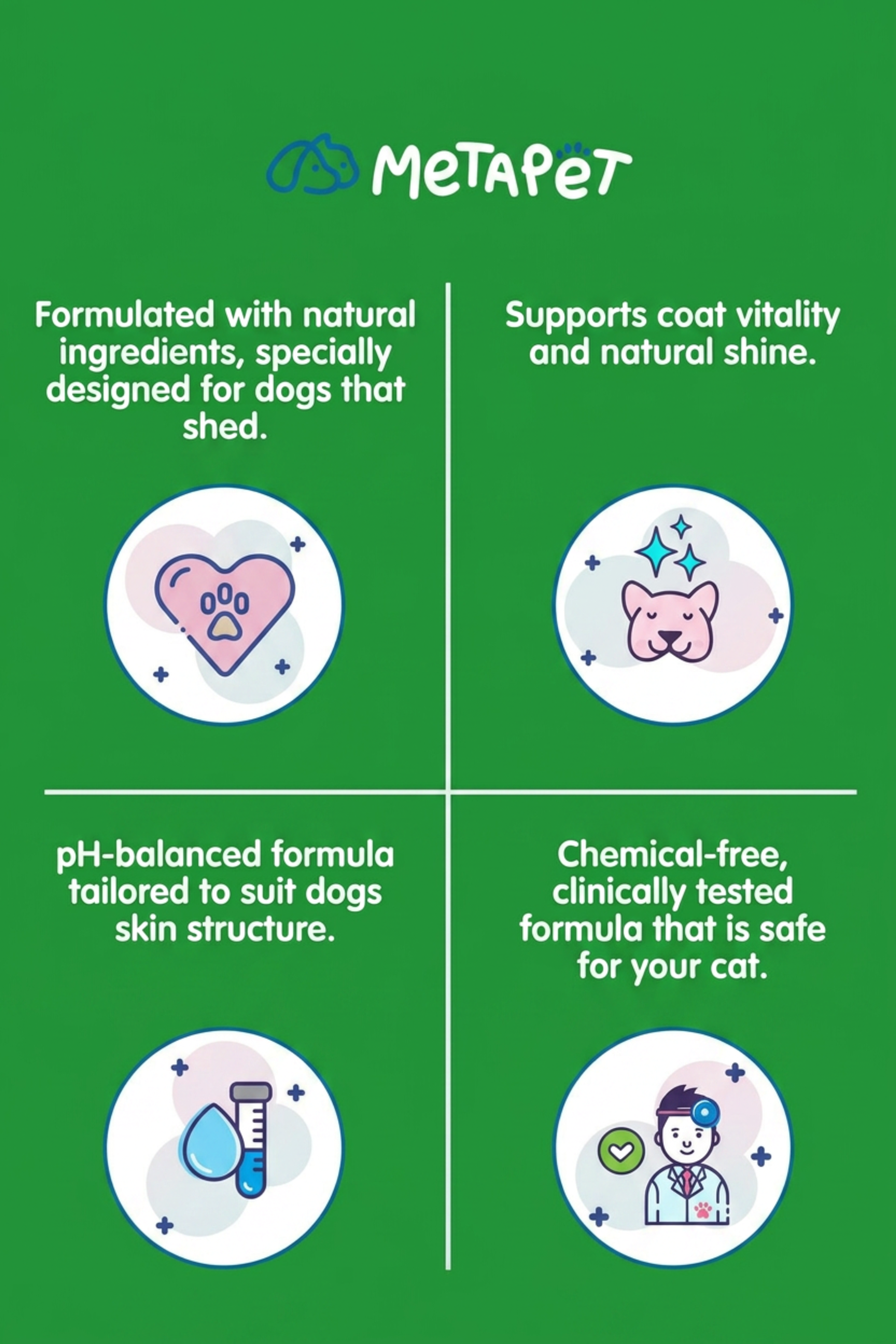
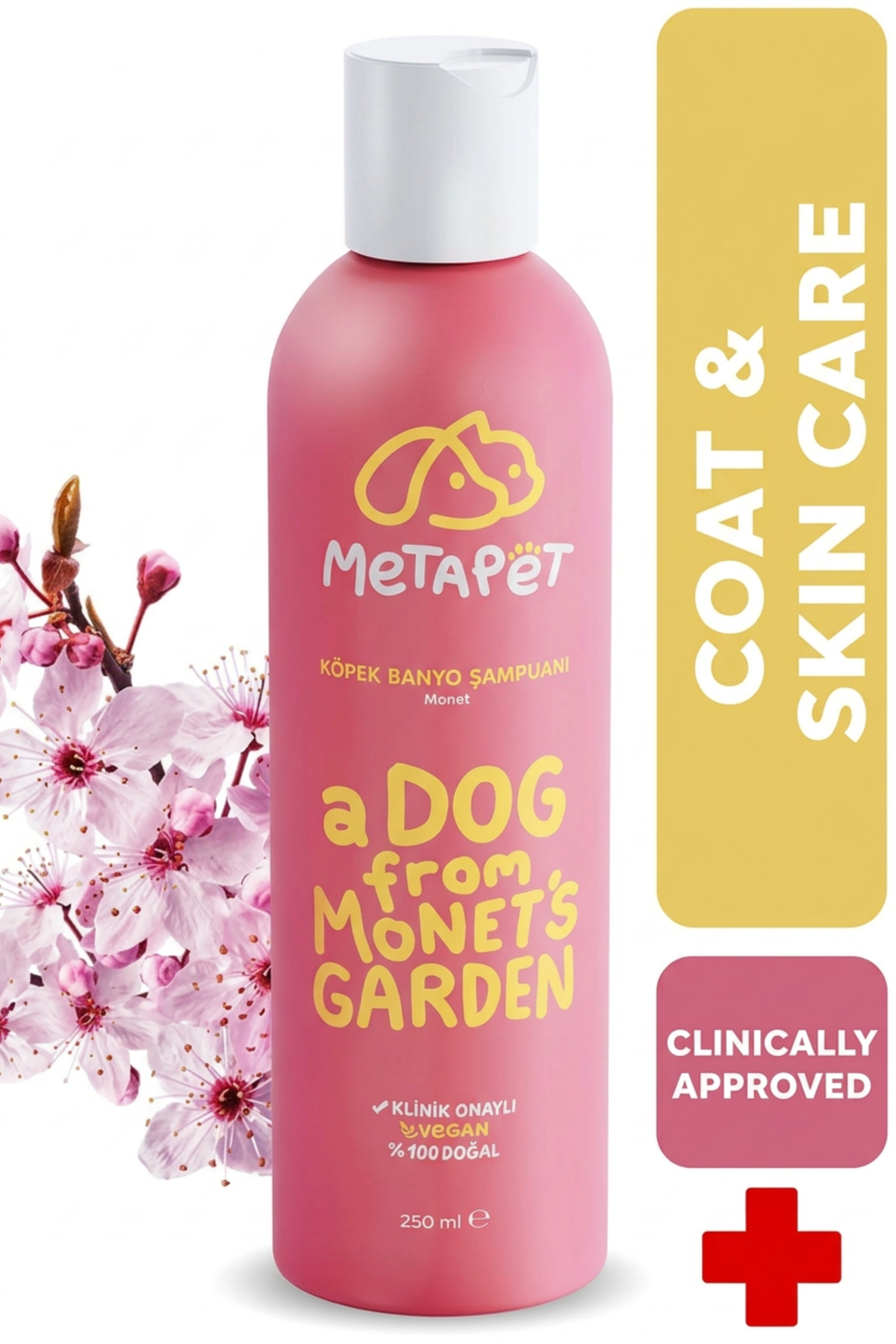
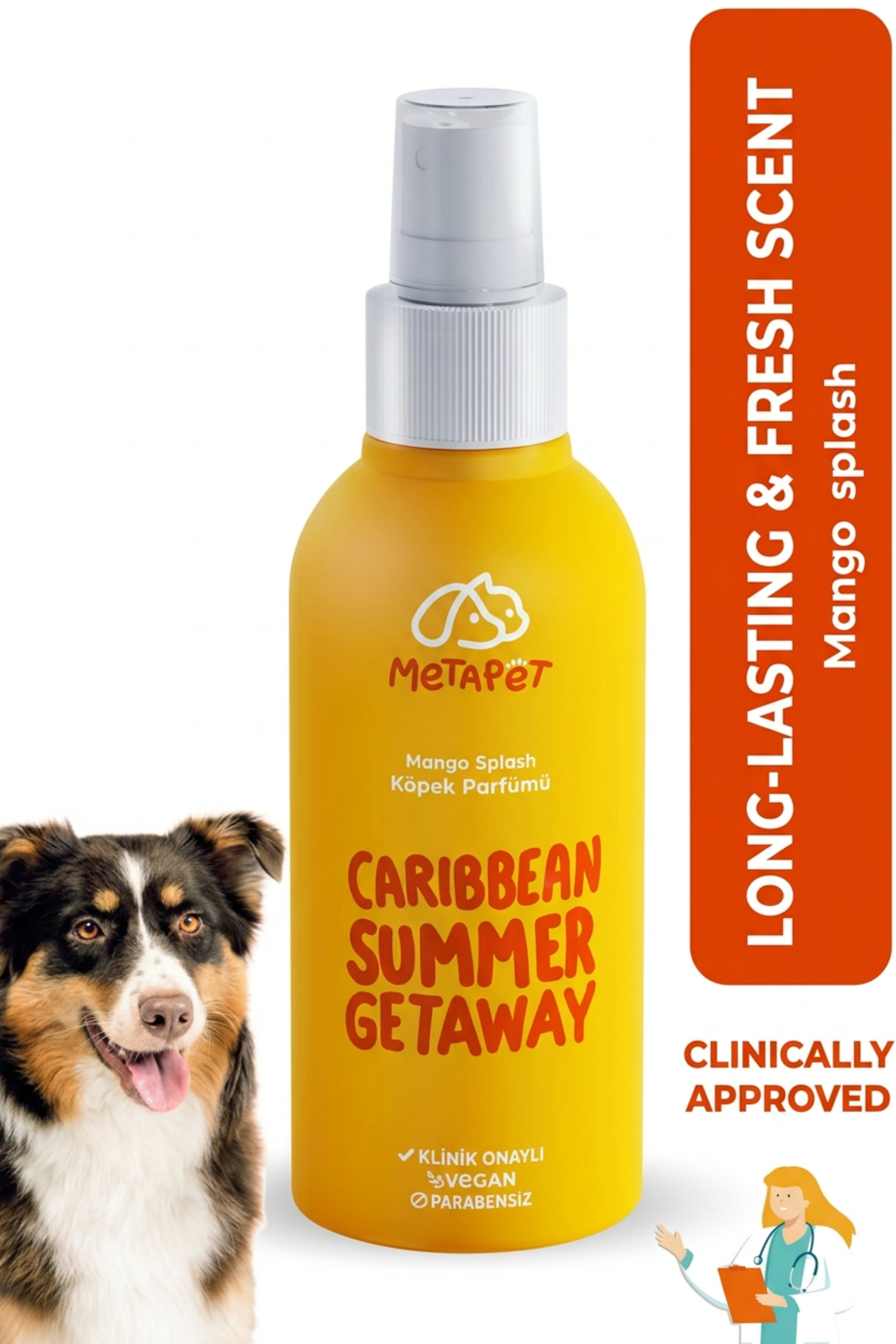
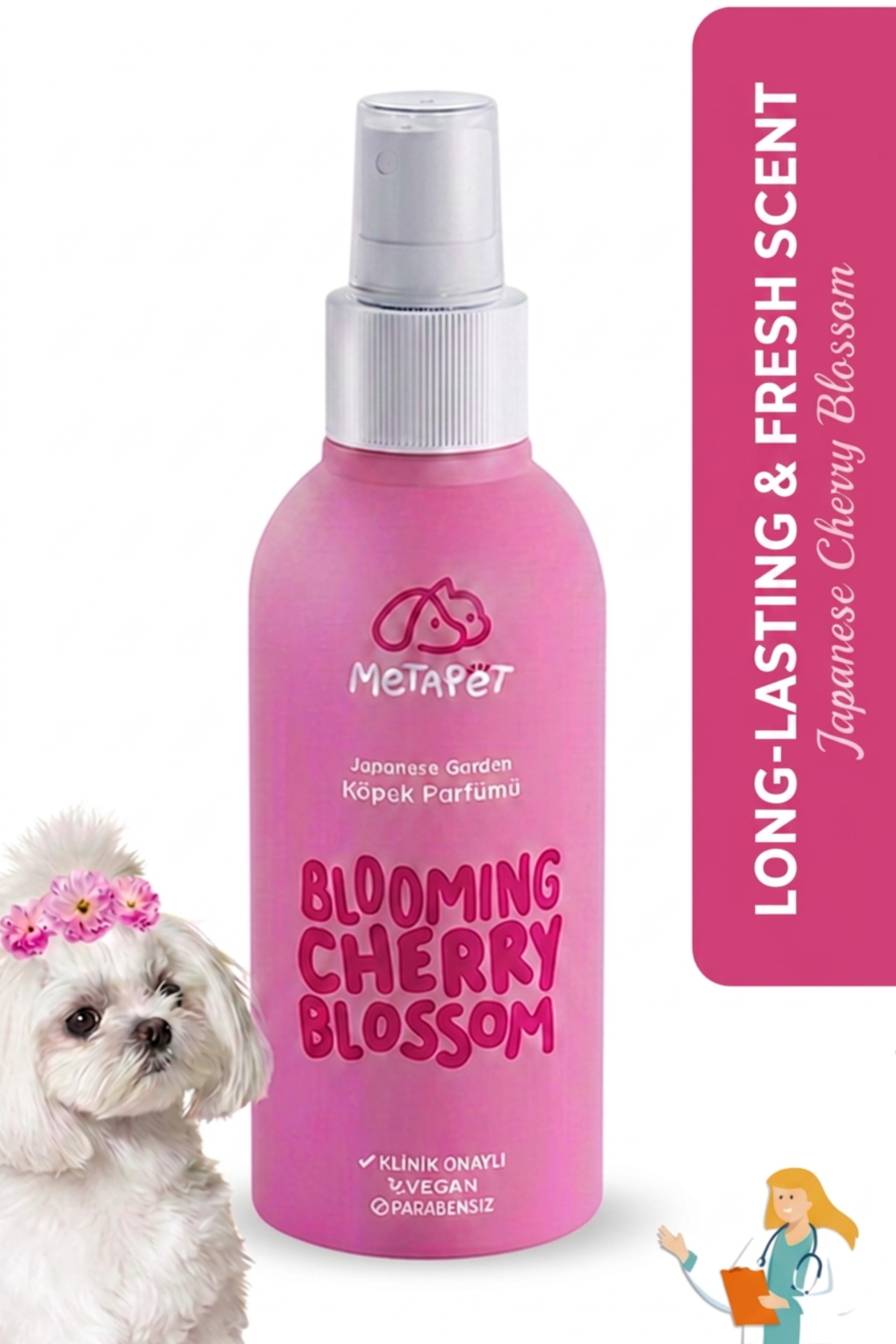
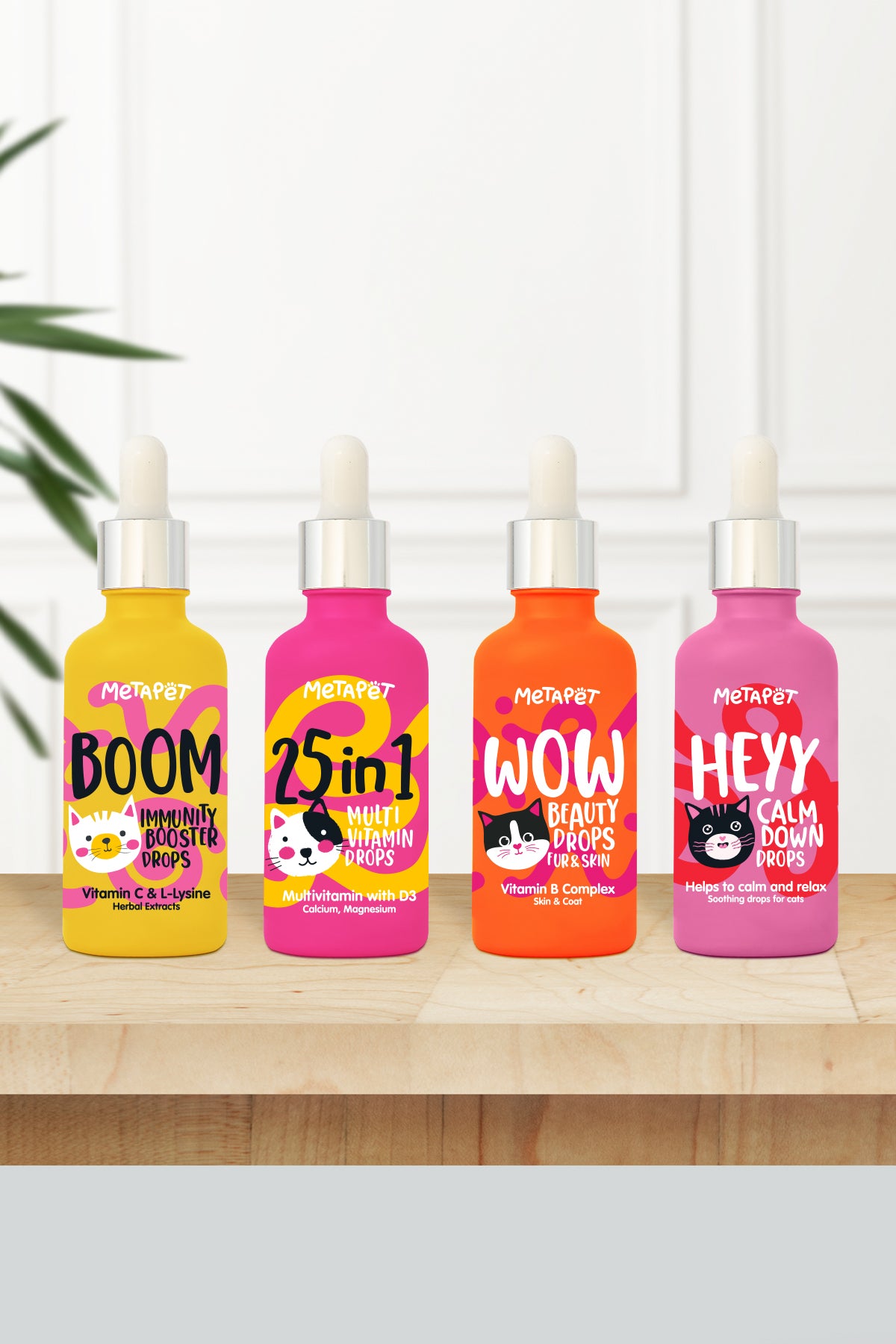
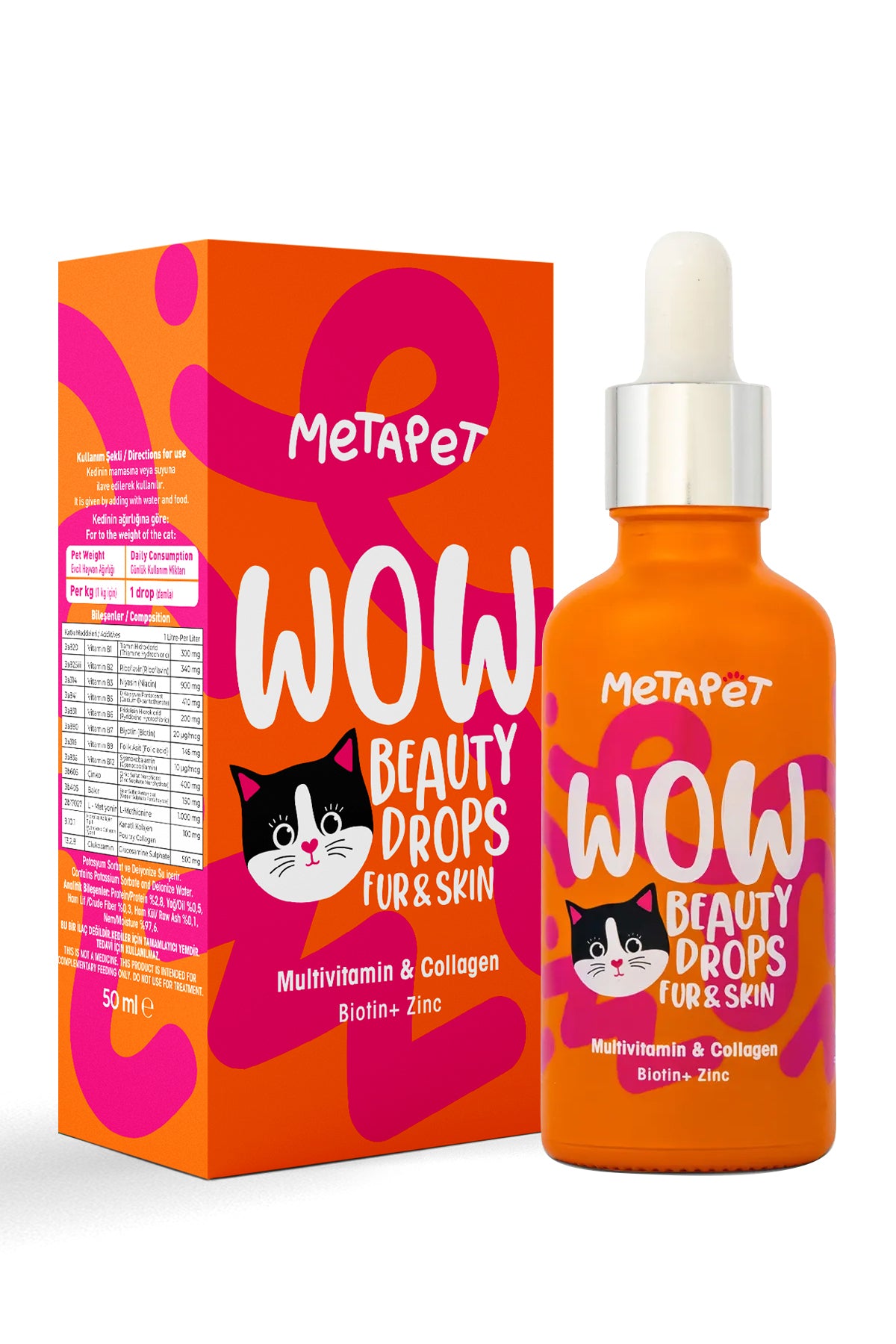
Between baths, MetaPet offers a range of grooming aids for freshening the coat: waterless dry foam shampoos for cats and dogs designed to clean and refresh without water, Nano-Series hygiene and care towel wipes for quick cleaning of coat, paws and sensitive areas, the Pawsome paw-cleaning foam with a built-in brush cap, and pH-balanced pet perfume designed to help neutralize unwanted odors and leave a fresh scent with no sticky residue. These are cosmetic grooming products for external use and everyday freshness — they complement, and never replace, proper veterinary care.
Air Quality and Ventilation
Once sources are handled, moving and filtering air does the rest. Open windows daily where practical, even briefly, since fresh air exchange is more effective than any spray. Change HVAC filters on schedule — homes with pets typically need this more often than the packaging suggests — and consider a HEPA air purifier in the rooms where pets spend the most time.
Manage humidity too. Damp air holds odor and encourages mold, so a dehumidifier can transform a basement or a home in a humid climate. Baking soda left in an open container in a problem area quietly absorbs odor, and works well as a background measure while you address sources.
When an Odor Is a Health Signal
This is the section worth reading twice. Some smells are not housekeeping problems at all, and reaching for a deodorizer instead of a veterinarian delays care your pet needs.
- Bad breath: persistent foul breath most often reflects dental disease, and an unusual sweet or ammonia-like smell can point to metabolic problems.
- Ear odor: a yeasty or sour smell from the ears typically indicates infection, often alongside head shaking or scratching.
- Skin odor: a strong, musty or greasy smell can accompany skin infections or allergies.
- Anal area smell: a fishy odor often relates to anal gland problems, frequently with scooting.
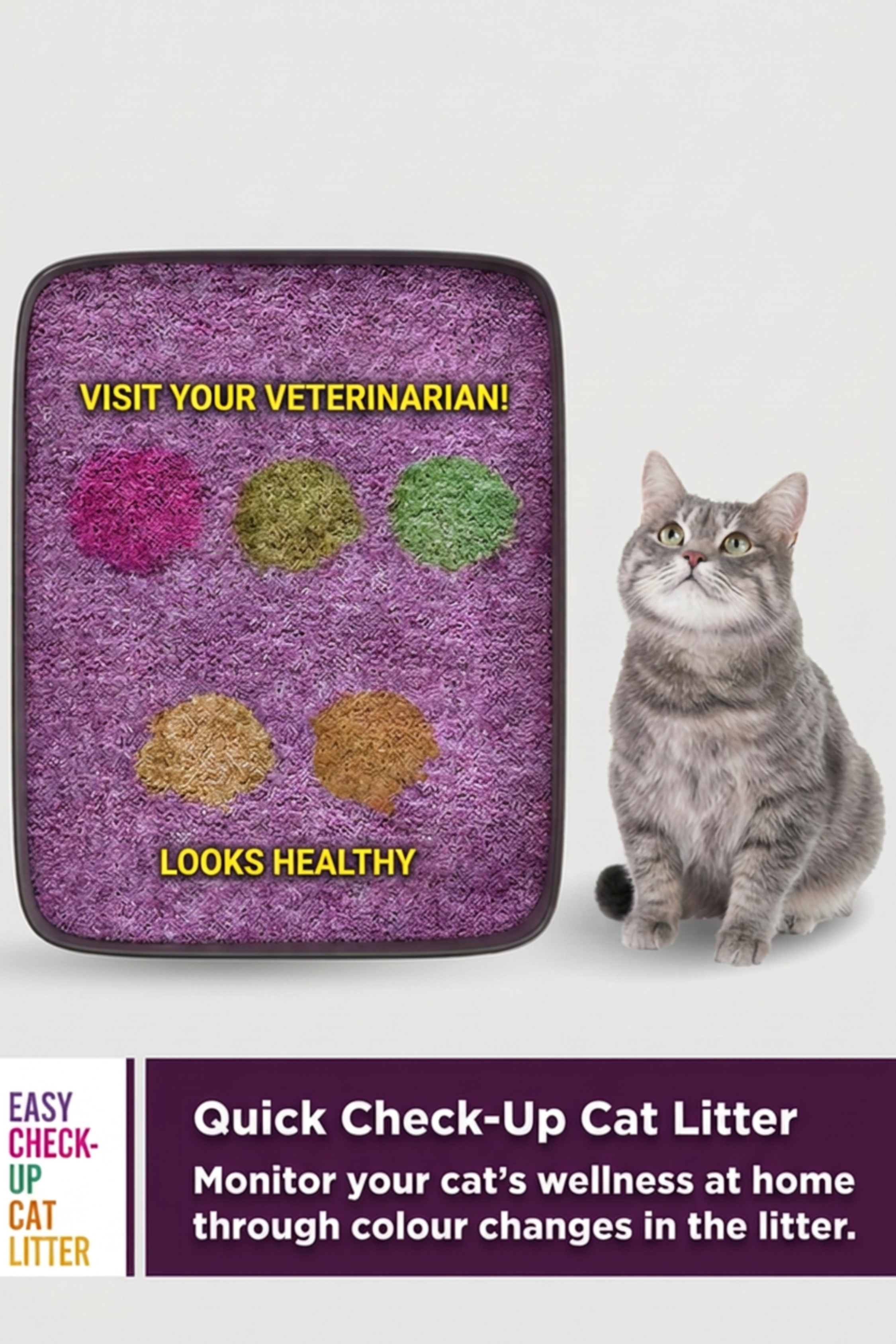
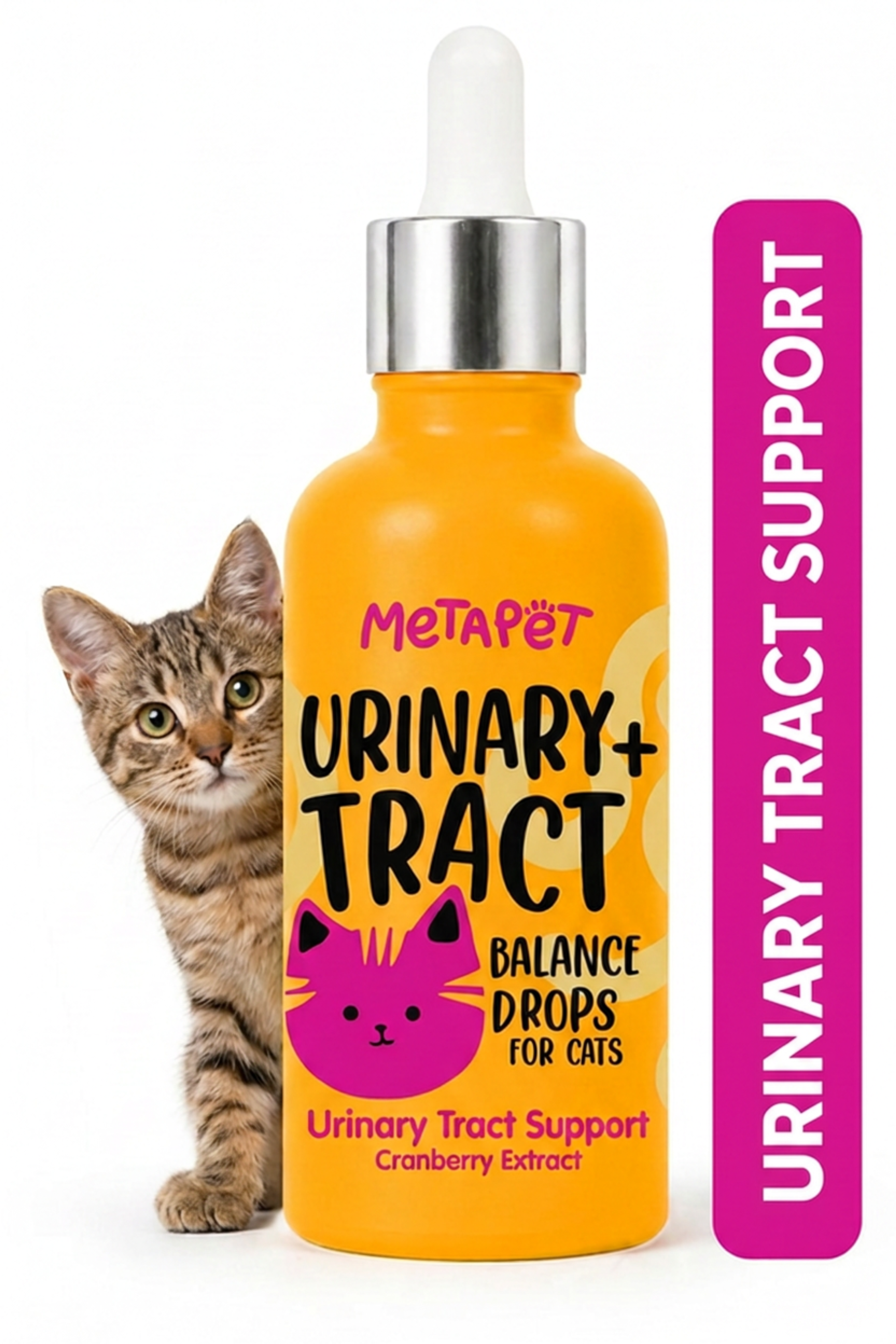
- Sudden change in urine odor or new accidents in a house-trained pet deserve a urine test.
- Any new, strong odor with other changes in appetite, energy, drinking or behavior.
If your pet develops any of these, book a veterinary appointment rather than adding more cleaning. Cleaning products address the environment; a persistent odor coming from your pet's body is a message about their health.
A Realistic Weekly Routine
Odor control works best as small consistent habits rather than occasional deep cleans. Daily: scoop litter boxes, wash food and water bowls, wipe paws after wet outings, and deal with any accident immediately. Weekly: wash pet bedding and throw blankets, vacuum thoroughly including under furniture, brush your pet several times, and wipe down high-contact surfaces.
Monthly: wash or replace litter boxes as needed, launder soft toys, check and change filters, and do a deeper clean of favorite resting spots. Seasonally: deep-clean carpets and upholstery, wash curtains, and reassess whether any lingering smell has a source you have not yet found. Homes that stay fresh are not cleaned harder — they are cleaned a little, often, in the right places.
Finding a Smell You Cannot Locate
Sometimes a home has a persistent odor with no obvious source. Old accidents are the usual explanation, and they can be surprisingly hard to find by eye — especially on patterned carpet or in a home you have recently moved into.
- Search systematically rather than randomly. Work room by room, low to the ground, checking corners, edges of rooms, the base of furniture legs and the areas behind doors.
- Follow your pet's preferences. Pets often re-mark the same spots, so wherever you have found one accident, check the surrounding area thoroughly.
- Check vertical surfaces too. Male dogs and cats may mark walls, furniture legs and curtain hems, not just floors.
- Feel for stiffness or discoloration in carpet fibers, which often marks a dried accident.
- Consider what is underneath. If carpet keeps smelling after thorough treatment, liquid may have reached the padding or subfloor, which sometimes needs professional attention or replacement of the affected section.
- Do not forget non-pet sources. Damp, mold, a forgotten litter of stored items or a plumbing issue can masquerade as pet odor.
If you find repeated accidents in the same area from a house-trained pet, treat it as two problems at once: clean the spot completely so the scent does not invite repeat visits, and book a veterinary appointment. House-soiling in a previously reliable pet very often has a medical explanation — urinary problems, digestive disease, arthritis making the litter box hard to enter, or age-related cognitive change. Cleaning alone will not solve a problem whose root cause is medical.