Keeping Indoor Cats Happy: A Complete Enrichment Guide

Keeping a cat indoors is, for many owners, the safest choice available. Indoor cats avoid traffic, fights, poisoning, predators, and many infectious diseases, and they generally live longer than cats with unrestricted outdoor access. The trade-off is that the world they live in is one you design entirely — and a home built for human convenience rarely satisfies a small predator whose instincts were shaped by hunting, climbing, and patrolling territory.
That gap is where indoor behavior problems come from. A great many of the issues owners describe — furniture scratching, night-time yowling, over-grooming, attention-seeking, inter-cat tension, and unwanted attention to houseplants — trace back not to a difficult cat but to an environment that gives an active, intelligent animal too little to do. Boredom in cats is quiet and easy to miss, because a bored cat often just sleeps more.
The good news is that enrichment is inexpensive and rewarding, and it works. This guide walks through the core environmental needs of an indoor cat, how to build vertical territory, how to play in a way that satisfies the hunting sequence, feeding as an activity rather than an event, scratching and resting provision, safe outdoor access options, the special case of multi-cat homes, and the signs that your cat's environment needs more.
Important: This article shares general educational information for pet owners and is not a substitute for an in-person veterinary examination, diagnosis, or treatment. For any medical concern or emergency, contact your veterinarian promptly.
What an Indoor Cat Actually Needs
Feline environmental needs are now well described in veterinary behaviour guidance, and they extend well beyond food, water, and a litter box. A cat needs a safe place to retreat to; multiple, separated key resources; opportunity for play and predatory behaviour; positive, predictable, consistent human interaction; and an environment that respects its acute sense of smell.
Read that list again with your own home in mind. Is there a genuinely undisturbed hiding place your cat can reach and where no one will follow? Are food, water, litter, resting places, and scratching posts spread out, or clustered in one corner of the kitchen? Does your cat get to chase, pounce and catch something most days? Is your handling on the cat's terms?
Most homes fall short in one or two of these areas rather than all of them, and improvements are usually cheap and quick. Working through them systematically is more effective than buying another toy.
Building Vertical Territory
Cats do not experience territory as floor area. They think in three dimensions, and height matters enormously — elevated positions offer safety, a vantage point, warmth, and status in a multi-cat household. A room that seems small at floor level can be spacious once the walls are in play.
- Cat trees. At least one tall enough for the cat to survey the room from above human head height.
- Wall shelves. Staggered shelves create a route around the room; add a non-slip surface for confident landings.
- Window perches. The single most-used enrichment item in many homes; the view is genuinely absorbing.
- Cleared surfaces. Designate a shelf or the top of a cupboard as the cat's, and it becomes a favourite spot.
- Escape routes. In multi-cat homes, ensure high places have two ways out so a cat cannot be cornered.
For older or arthritic cats, keep the height but change the route: steps, ramps, and intermediate platforms let a stiff cat reach the same favourite spot without a jump. A senior cat that has stopped using a favourite high place has usually not lost interest — it has lost the ability to get there comfortably, which is worth mentioning to your veterinarian.
Play That Satisfies the Hunting Sequence
Cat play is predatory behaviour, and it follows a sequence: stare, stalk, chase, pounce, catch, kill, and eat. Play that ends without a catch leaves the sequence unfinished, which is why some cats become frustrated or over-aroused after chasing a laser dot they can never physically hold.
Wand toys are the most effective tool because they let you move the target like prey — darting, hiding behind furniture, pausing, then fleeing — while keeping your hands out of the game. Move the toy away from the cat rather than toward it; prey flees, and a toy shoved into a cat's face triggers avoidance rather than interest.
- Start slow: small movements at the edge of the cat's vision spark the stalking phase.
- Let the cat stalk and stare. Do not rush it; the anticipation is part of the experience.
- Give a chase — several seconds of movement, then let the toy hide behind something.
- Allow catches at intervals. A cat that never catches gives up or becomes frustrated.
- Finish with a definitive catch, then serve a small meal or treat to complete the sequence.
- Expect grooming and sleep afterwards. That is the natural end of the cycle.
Two short sessions a day of ten to fifteen minutes beats a single long one, and timing them before meals and before bedtime pays dividends. If you use a laser pointer, always finish by landing the dot on a physical toy or a treat the cat can actually catch, so the sequence completes.
Making Feeding an Activity
A bowl of food, eaten in ninety seconds, uses none of the abilities a cat evolved for. In the wild, a cat would make many small hunts across the day, and each one would involve searching, stalking, and effort. Puzzle feeding restores some of that structure and is one of the most powerful enrichment changes available to indoor cats.
Start easy so the cat succeeds — a simple rolling ball feeder or a muffin tin with kibble in a few cups — and progress to more complex puzzles once the idea is established. Scatter feeding, where a portion of the daily ration is spread across a room or hidden in several small dishes, requires no equipment at all and is remarkably effective.
Puzzle feeding also slows eating, which suits cats who bolt their food, and it helps with weight management by turning calories into work. Use part of the measured daily allowance rather than adding extra food. Cats on prescription diets or with medical conditions should have any change discussed with the veterinary team first, and any cat that seems unable to work the puzzle should be given an easier version rather than left hungry.
Scratching, Resting, and Territory Furniture
Scratching is not optional behaviour that can be trained away. It maintains claw condition, stretches the body, and leaves both visible and scent marks. A cat that scratches furniture is almost always telling you that the scratching provision is wrong in location, texture, or stability rather than that it wants to annoy you.
Provide a mixture of vertical and horizontal options, tall enough for a full stretch and heavy or well-anchored enough not to wobble. Sisal, cardboard, and rough wood are popular textures. Location matters most: cats scratch on waking, on greeting, and at territory boundaries, so posts belong beside sleeping spots, near doorways, and in the rooms where the family gathers — not tucked away in a spare bedroom.
Resting places deserve the same thought. Cats sleep a great deal and use different spots for different purposes: warm and exposed for daytime dozing, dark and enclosed for deep sleep, high for surveillance. Offering a variety — a covered bed, a cardboard box, a sunny window shelf, a soft blanket on the sofa arm — lets a cat choose according to mood and season. Every cat should also have at least one hiding spot no one disturbs, because the ability to retreat is a core welfare need rather than an anti-social habit.
Windows, Catios, and Safe Outdoor Access
Windows are the indoor cat's television. A perch beside a window with something happening outside — a garden, a bird feeder positioned safely beyond the glass, a street, moving leaves — provides hours of genuine engagement. If your view is limited, rotating the accessible windows and keeping blinds partly open extends the entertainment.
A secure outdoor enclosure, often called a catio, is the gold-standard upgrade for indoor cats where space and circumstances permit. It can be as modest as a window box enclosure or as elaborate as a fully enclosed patio, and it delivers fresh air, sunshine, real scents and weather with none of the traffic and disease risks of free roaming.
Harness walking suits some cats and horrifies others. If you want to try it, introduce the harness indoors over weeks with treats, never force it, and accept a refusal gracefully. Always keep first outings brief, quiet, and close to home, and never tether a cat unattended. Whatever the arrangement, keep vaccinations, parasite prevention, and identification up to date once a cat has any outdoor exposure, and take your veterinarian's advice on what is appropriate for your region.
Multi-Cat Homes: Space, Resources, and Peace
Cats are territorial and are not obligately social in the way dogs are. Many share homes contentedly, but conflict in multi-cat households is common and frequently invisible to owners because feline tension is subtle — staring, blocking corridors, guarding the litter box, and one cat quietly using less and less of the house.
The standard guidance is to provide one of each key resource per cat plus one spare, distributed around the home rather than lined up together. That means separate feeding stations, multiple water sources, litter boxes in different rooms, several scratching posts, and plenty of resting places at different heights.
- Separate the feeding stations. Cats prefer to eat alone; side-by-side bowls create tension.
- Litter boxes: one per cat plus one. In different, quiet locations, never all in one room.
- Multiply the high places. Vertical territory reduces conflict by letting cats avoid each other.
- Watch for the quiet cat. The bullied cat in a household is usually the one that stopped using the living room, not the one that hisses.
- Keep scents familiar. Sudden deep cleaning of everything at once removes the shared scent profile that helps cats feel settled.
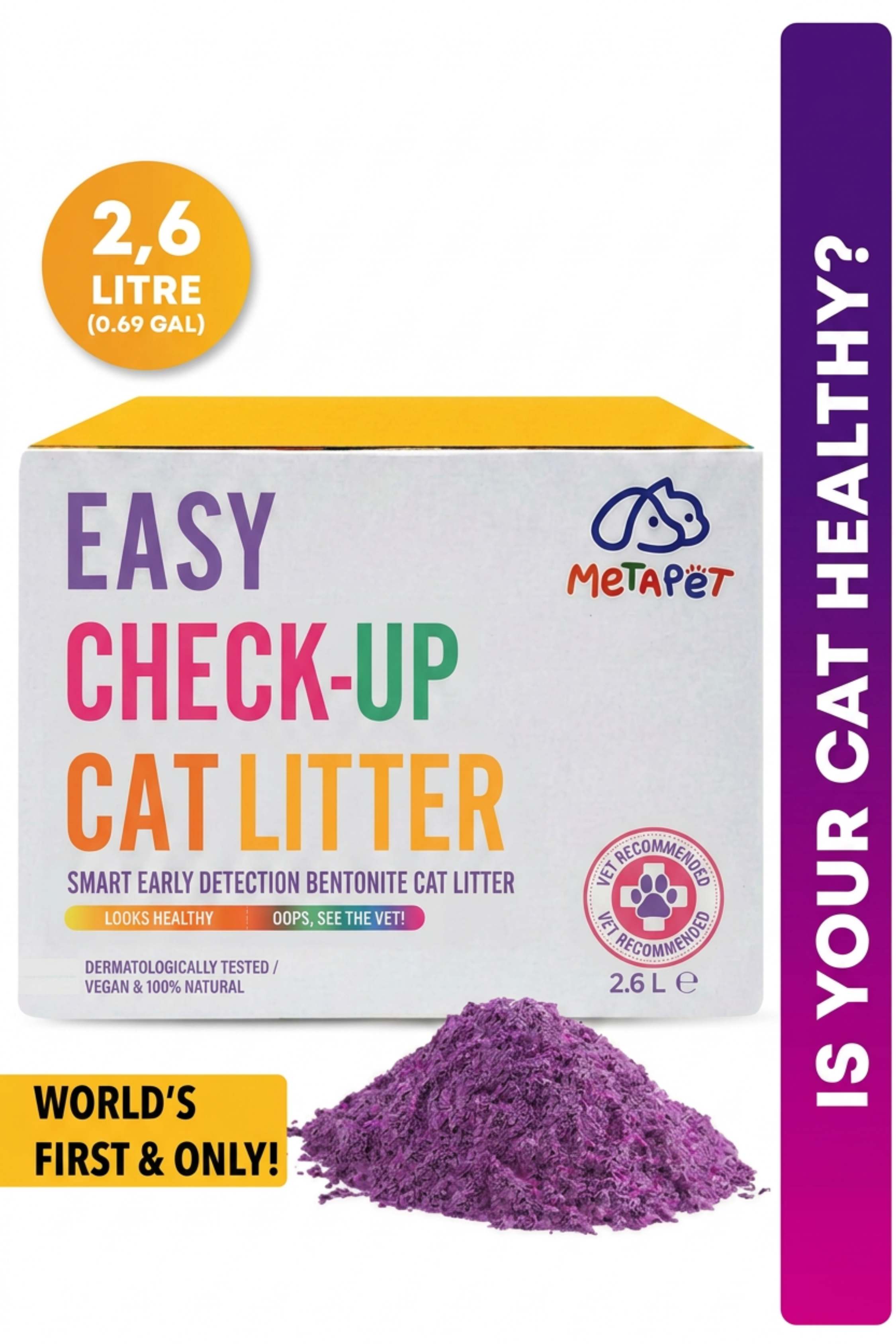
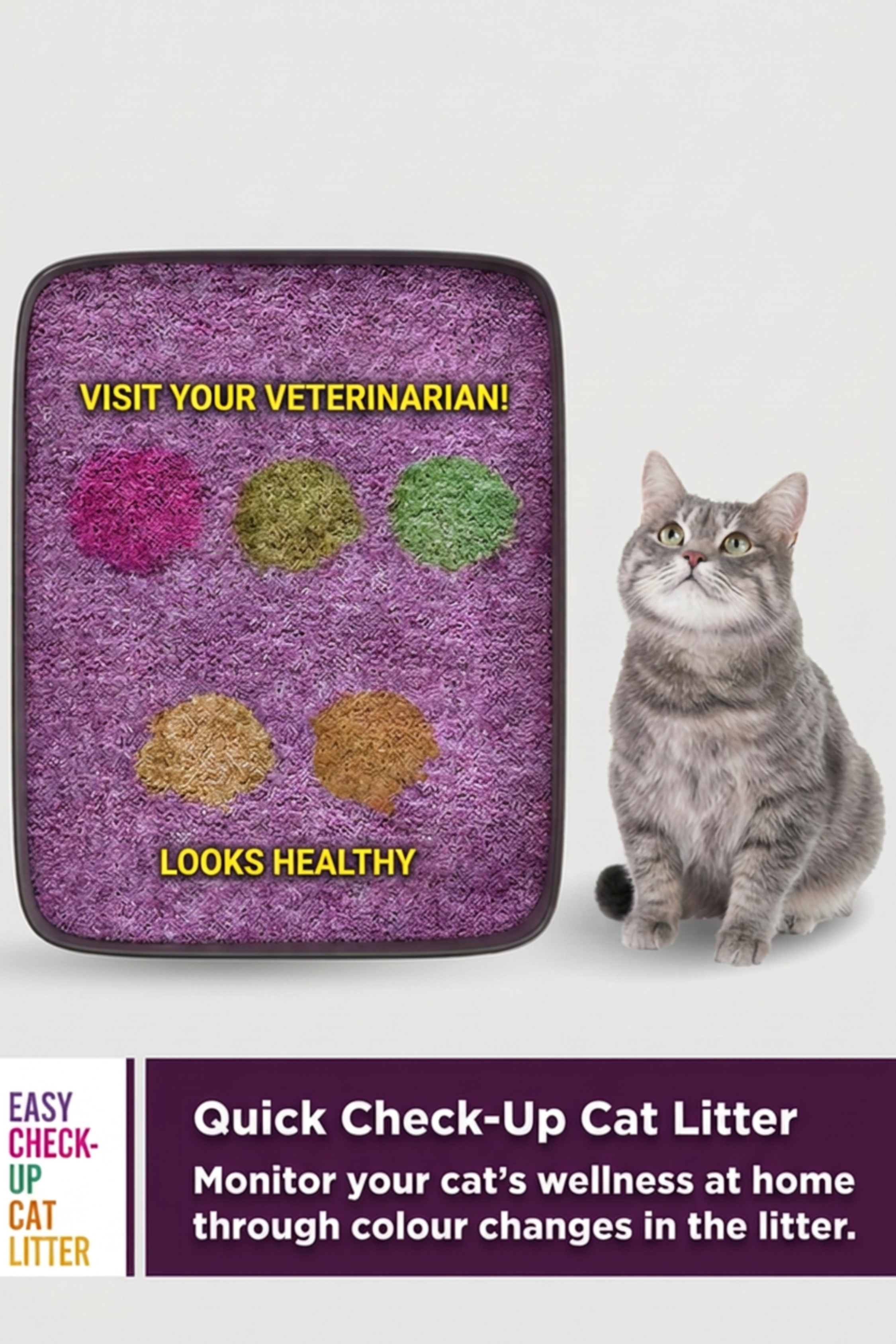
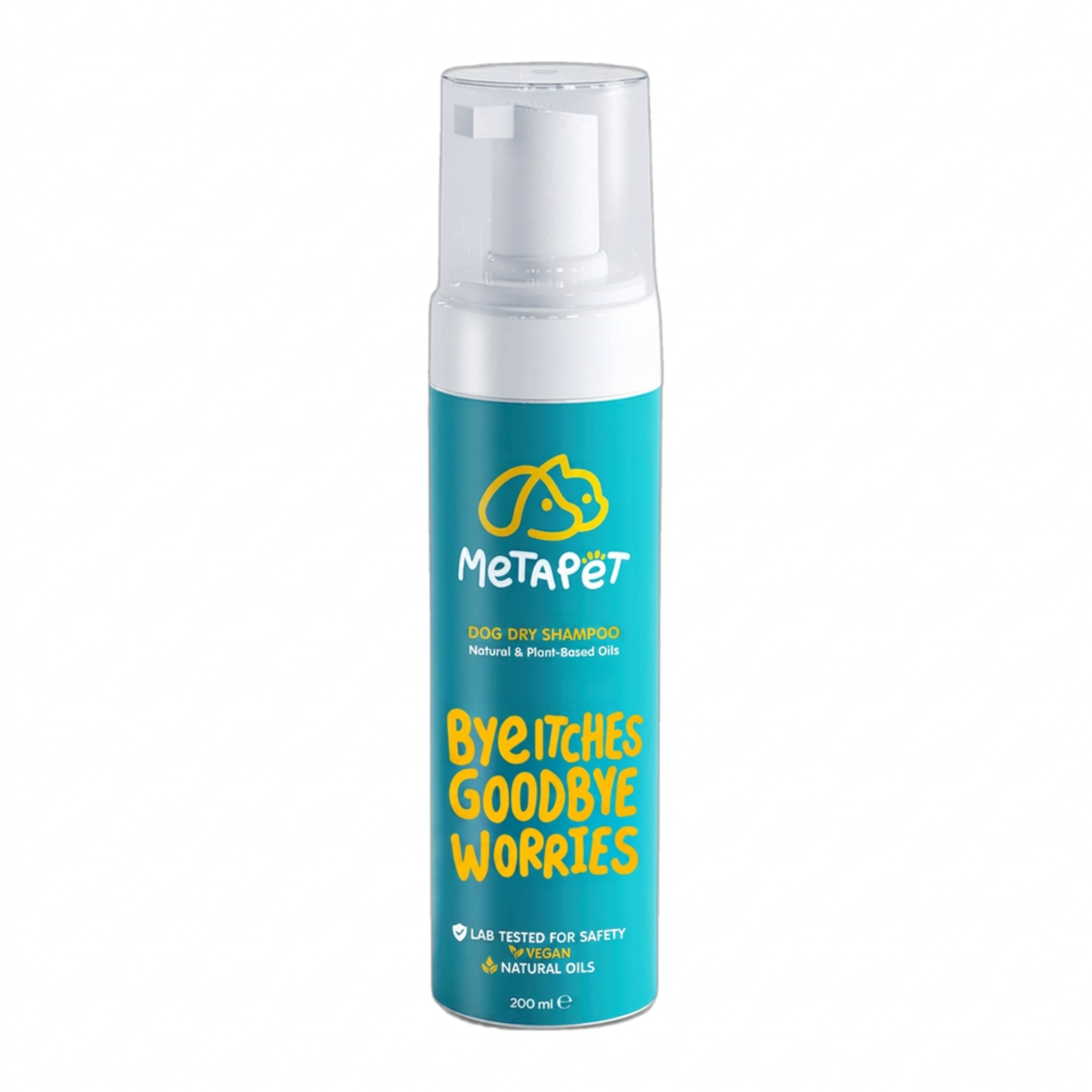
Odour management deserves a practical note, since litter areas often drive owners to place boxes in unsuitable corners. Keeping the box area fresh with regular scooping and a suitable deodorising product — for example MetaPet No Smell in Litterbox activated carbon litter deodorizer — can help make it easier to keep boxes in the accessible, well-distributed locations cats prefer, rather than banishing them to a basement. Products like this support litter hygiene routines and are not a substitute for regular cleaning or for veterinary advice if a cat's toileting habits change.
Signs Your Cat's Environment Needs More
Bored, under-stimulated cats do not usually look dramatic. The signals are behavioural and easy to misread as personality or ageing, which is why it is worth knowing what to look for.
- Sleeping far more than usual with little interest in anything. Cats sleep a lot, but total disengagement is different from resting.
- Overeating and weight gain. Food becomes the only interesting event of the day.
- Over-grooming or bald patches. Repetitive self-grooming can be a coping behaviour, though skin disease and pain must be ruled out first.
- Attention-seeking at antisocial hours. Night activity often reflects an under-used day.
- Furniture scratching and destructive behaviour. Usually a provision problem rather than a discipline problem.
- Increased tension between cats. Competition intensifies when resources and space are tight.
An important caveat: every one of these signs can also be caused by illness or pain. Increased sleeping, appetite change, over-grooming, and altered litter habits appear on the list of things to mention to a veterinarian. The correct order is to have your cat examined first, then adjust the environment — not the reverse.
A Realistic Weekly Enrichment Plan
Enrichment fails when it depends on enthusiasm. A simple, repeatable routine that fits real life beats an ambitious plan abandoned after ten days.
- Daily. Two short interactive play sessions; one meal served in a puzzle or scattered; litter boxes scooped.
- Every few days. Rotate the toy selection so a small number feel new; move a cardboard box or tunnel to a different room.
- Weekly. Introduce one novel item — a paper bag, a new texture, a box with holes cut in it; check scratching posts for wear.
- Monthly. Reassess the layout: are resources still spread out, is the cat still using its high places, has anything been blocked off?
- Seasonally. Move beds to follow the sun, adjust window access, and review weight and body condition.
Novelty does not have to cost anything. Cardboard boxes, paper bags with the handles removed, crumpled paper balls, and a cardboard tube are famously as popular as expensive toys. Keep string, ribbon, elastic bands, and hair ties strictly out of reach, however — swallowed string-like objects are a genuine emergency in cats and one of the more common causes of surgical intervention.
When to Contact Your Veterinarian
Book an appointment if your cat's activity level, appetite, weight, sleep, grooming, or litter box habits change noticeably; if it stops jumping to places it used to reach; if over-grooming produces bald areas; if inter-cat conflict escalates; or if night-time vocalising begins in an older cat. These are medical questions before they are environmental ones.
Once health has been assessed, your veterinary team can also help with a behaviour plan or refer you to a qualified feline behaviourist for persistent problems. This article offers general educational information and cannot assess your individual cat; an in-person veterinary examination is always the appropriate next step for anything sudden or worsening.