Hip Dysplasia in Dogs: Signs, Care & Support

Hip dysplasia is one of the most common orthopedic conditions in dogs, especially larger breeds, and it is a frequent source of worry for owners who notice their dog slowing down, limping, or struggling to rise. It develops when the hip joint does not form or fit together smoothly, which over time can lead to looseness, wear, and discomfort.
While hip dysplasia cannot be wished away, a great deal can be done to keep affected dogs active and comfortable for years. This guide explains what the condition is, how to recognize it early, how veterinarians approach it, and the everyday habits, from weight management to gentle exercise, that make the biggest difference in a dog's quality of life.
Important: This article shares general educational information for pet owners and is not a substitute for an in-person veterinary examination, diagnosis, or treatment. For any medical concern or emergency, contact your veterinarian promptly.
What Hip Dysplasia Is
The hip is a ball-and-socket joint, where the top of the thigh bone fits into a cup in the pelvis. In a healthy hip, the two surfaces glide together smoothly. In hip dysplasia, the joint develops abnormally so that the fit is loose or shallow, and the surfaces do not move against each other the way they should.
Over time, this poor fit causes the joint to work inefficiently. The body responds with changes that can include wear on the cartilage and the gradual development of degenerative joint disease, a form of arthritis. This is why a young dog may show looseness while an older dog shows stiffness and reduced range of motion.
Understanding that hip dysplasia is a structural problem, not simply old age, helps explain why supportive care focuses on protecting the joint and managing comfort rather than expecting the hip itself to return to normal.
Which Dogs Are Most at Risk
Hip dysplasia has a strong genetic component, which is why it runs in certain breeds and family lines. It is most often associated with large and giant breeds, though it can occur in dogs of any size, including smaller breeds and mixes.
- Genetics the single biggest factor, inherited from the parents.
- Rapid growth excessive early growth in large-breed puppies can stress developing joints.
- Excess body weight extra pounds increase load on the hips throughout life.
- Over-exercise while young high-impact activity before the skeleton matures may contribute.
- Nutrition during growth unbalanced feeding of large-breed puppies can play a role.
Because genetics leads the list, responsible breeding that screens for hip health is the most powerful form of prevention. For individual owners, managing weight, growth, and exercise offers the most influence over how the condition unfolds.
Early Signs to Watch For
Signs can appear in young dogs or not until middle age or later, and they often develop gradually. Because dogs are stoic, subtle changes in movement are easy to miss until they become pronounced, so it helps to know what to look for.
- Reluctance to rise hesitation or difficulty getting up, especially after rest.
- A bunny-hopping gait using both back legs together when running.
- Stiffness after activity or after sleeping, that eases as the dog warms up.
- Reduced activity less interest in stairs, jumping, or long walks.
- A narrow stance or swaying in the hindquarters.
- Audible clicking from the hip joints in some dogs.
Any persistent change in how your dog moves warrants a veterinary exam. Early recognition allows earlier support, which can slow the progression of joint wear and keep your dog more comfortable.
How Veterinarians Diagnose It
Your veterinarian will begin with a physical examination, feeling the hips for looseness, pain, grinding, and range of motion. The history you provide, when the signs started and what makes them better or worse, is a valuable part of the picture.
X-rays are the standard way to visualize the joint and assess how well the ball sits in the socket, along with any arthritic changes. Sedation is often used so the hips can be positioned properly for clear images. In some cases specialized radiographic techniques are used to measure joint looseness.
A clear diagnosis matters because it guides the plan. Two dogs with hip dysplasia may need very different approaches depending on their age, severity, weight, and lifestyle, so an accurate assessment is the starting point for effective care.
Weight Management: The Most Powerful Tool
If there is one thing owners can do that has an outsized effect, it is keeping a dog lean. Every extra pound adds load to already-compromised joints, accelerating wear and worsening discomfort. Conversely, a lean body dramatically reduces the strain on the hips.
Work with your veterinarian to determine your dog's ideal body condition and a feeding plan to reach it. Measure meals rather than free-feeding, account for treats in the daily total, and reassess regularly. Weight loss in an overweight dysplastic dog often produces a visible improvement in mobility.
Keeping a dog slim is not a cosmetic goal, it is one of the most evidence-supported ways to protect joints and extend comfortable, active years. It costs nothing and is entirely within your control.
The Right Kind of Exercise
Movement is medicine for joints, but the type matters. The aim is to maintain muscle that supports the hip and preserve range of motion, without the high-impact jarring that aggravates a bad joint. Consistent, moderate activity beats occasional intense exertion.
- Favor regular, moderate walks over sporadic long or strenuous outings.
- Consider swimming or controlled water exercise, which builds muscle with minimal impact.
- Warm up gently before activity and avoid sudden sprinting or jumping.
- Provide good traction indoors, since slippery floors are hard on unstable hips.
- Adjust the amount on flare-up days, doing less when your dog is stiff or sore.
Strong hindquarter muscles act like a natural brace for the joint. A tailored, consistent exercise routine, ideally guided by your veterinarian, keeps that muscle mass working for your dog.
Comfort at Home
Small environmental changes ease daily life for a dog with hip trouble. Because getting up and moving around is where the discomfort shows most, making the home joint-friendly reduces strain throughout the day.
- Orthopedic bedding supportive, cushioned beds relieve pressure on sore joints.
- Ramps or steps help dogs reach couches or cars without jumping.
- Non-slip rugs or runners give secure footing on hard floors.
- Raised food and water bowls can be more comfortable for some dogs.
- Warmth a warm, draft-free resting spot often eases stiffness.
These adjustments are inexpensive and immediately helpful. They let a dog conserve energy and move with confidence, which supports both physical comfort and mood.
Medical and Surgical Options
Veterinarians have a range of tools for managing hip dysplasia, and the right choice depends on the individual dog. Many dogs do well with conservative management built around weight control, exercise, and comfort measures, sometimes combined with pain-relief medication prescribed and monitored by the vet.
For dogs with severe disease or those that do not respond adequately to conservative care, surgical options exist and can be highly effective. These range from procedures that reshape the joint to total hip replacement in appropriate candidates. Your veterinarian, sometimes with a surgical specialist, can explain whether surgery is worth considering for your dog.
Because pain management should always be directed by a veterinarian, never give human pain relievers to a dog. Many are toxic to dogs, and dosing that is safe for people can be dangerous or fatal for pets.
Where Joint Supplements Fit
Many owners of dogs with joint concerns ask about supplements. These are best understood as supportive additions to a complete care plan rather than treatments that fix the underlying joint. Used alongside weight control, exercise, and veterinary guidance, they can be part of a daily routine that supports overall joint comfort and mobility.
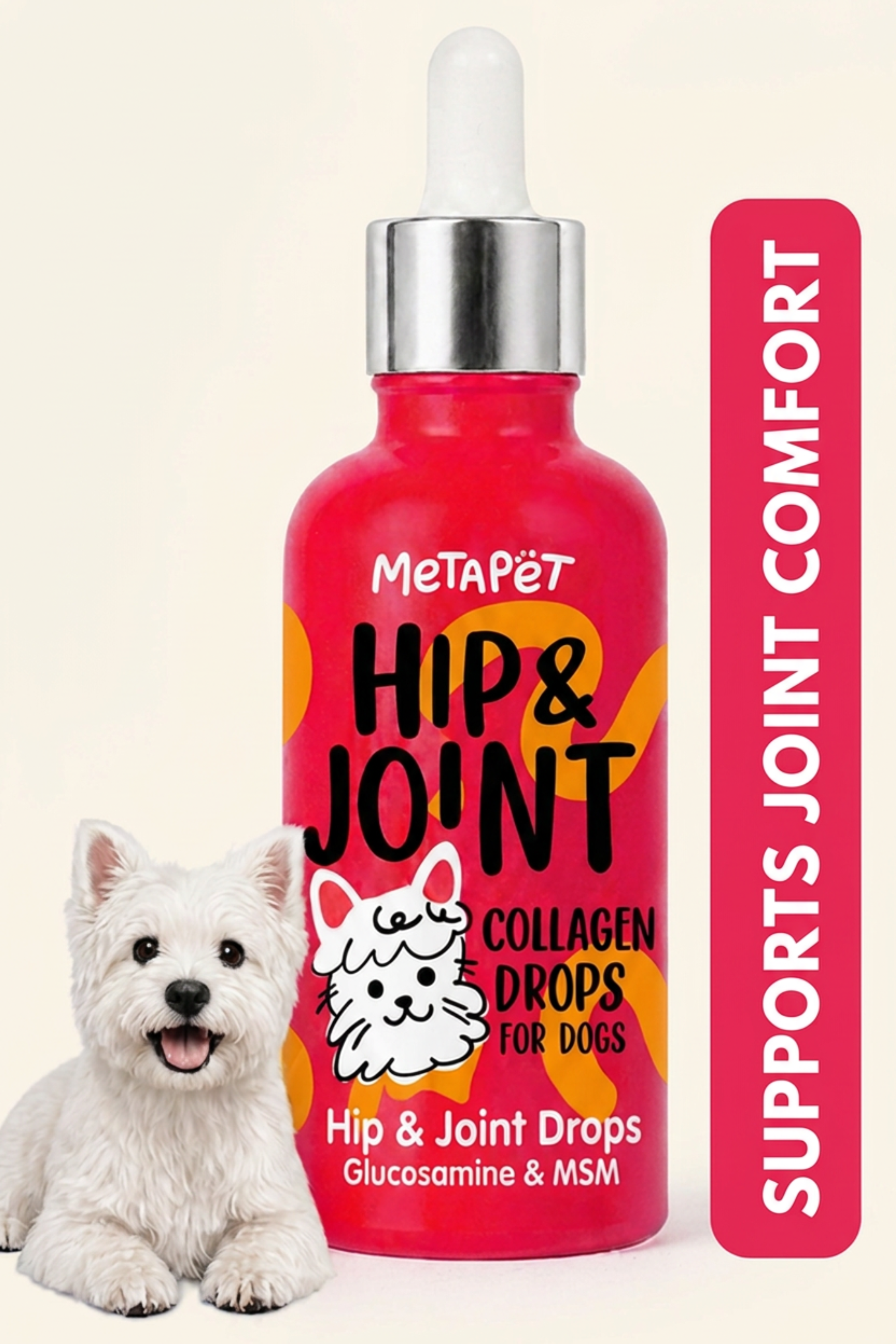
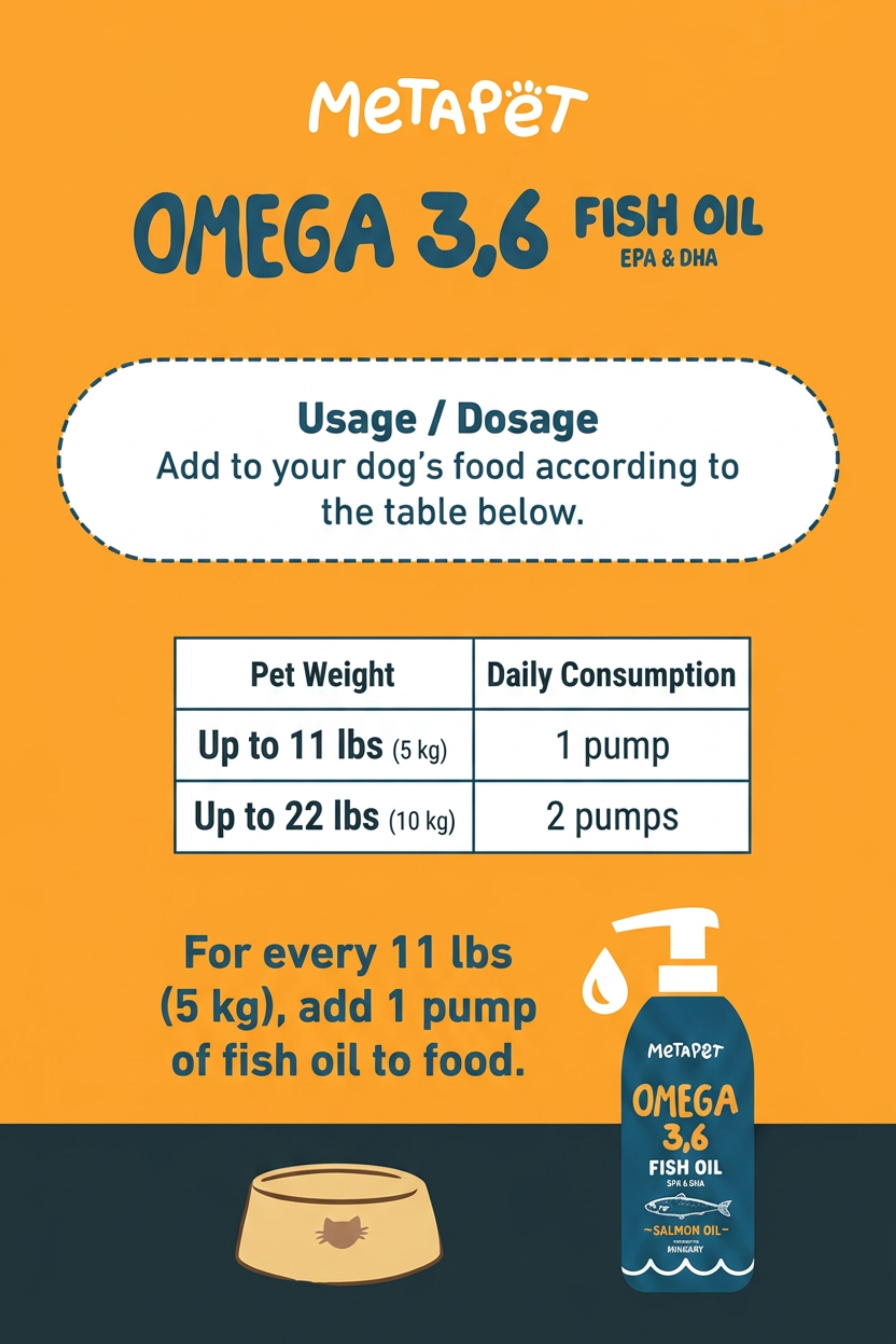
MetaPet offers options such as Hip and Joint Drops for dogs and Omega Salmon Oil for dogs, which are designed to support normal joint function and healthy mobility as part of everyday care. These are complements to, not substitutes for, proper veterinary diagnosis and treatment, and they should never replace prescribed pain management or a vet-directed plan.
Before adding any supplement, talk with your veterinarian so it fits safely with your dog's overall program and any medications. Your vet can also help you set realistic expectations for what supportive products can and cannot do.
Living Well With Hip Dysplasia
A diagnosis of hip dysplasia is not the end of an active life. With attentive management, most affected dogs stay comfortable and engaged for years. The combination of a lean body, sensible exercise, a supportive home, and regular veterinary check-ins is remarkably effective.
Watch for changes over time and keep in touch with your veterinary team, since needs shift as a dog ages. A plan that works well now may need adjusting later, and staying proactive keeps your dog ahead of discomfort rather than chasing it.
Above all, focus on quality of life. Dogs live in the moment, and with your support, a dog with hip dysplasia can still enjoy walks, play, companionship, and comfort. Your steady care is what makes that possible.
Frequently Asked Questions About Hip Dysplasia
At what age does hip dysplasia appear?
It varies. Some dogs show signs as young puppies, when joint looseness causes an abnormal gait, while others do not show obvious problems until middle age or later, when arthritis develops in the affected joint. Because the timing differs so much, any persistent change in how your dog moves, at any age, is worth a veterinary exam.
Can hip dysplasia be prevented?
The condition has a strong genetic basis, so it cannot always be prevented, and responsible breeding that screens for hip health is the most powerful safeguard. For an individual dog, keeping it lean, managing growth in large-breed puppies, and avoiding excessive high-impact exercise while young can reduce strain on developing joints and influence how the condition unfolds.
Is surgery always necessary?
No. Many dogs do very well with conservative management built around weight control, appropriate exercise, home comfort measures, and, when needed, pain relief prescribed by a veterinarian. Surgery is reserved for dogs with severe disease or those that do not respond adequately to conservative care, and your veterinarian can help you weigh the options.
What is the most important thing I can do at home?
Keep your dog lean. Every extra pound adds load to already-compromised joints, so maintaining a healthy body condition is one of the most effective, evidence-supported ways to protect the hips and preserve comfortable, active years. Pair it with sensible, consistent exercise and a joint-friendly home.