Flea, Tick, and Worm Prevention for Dogs and Cats

Why parasite prevention matters
Fleas, ticks, and worms are among the most common health challenges for dogs and cats. Beyond the itching and irritation they cause, parasites can transmit disease, lead to anemia, and in some cases affect people in the household. A heavy flea burden can make a small pet seriously ill, ticks can carry infections that take weeks to show up, and intestinal worms can quietly drain a pet's nutrition. The good news is that nearly all of these problems are preventable with a consistent routine guided by your veterinarian.
Prevention is also far easier and cheaper than dealing with an established infestation or illness. Once fleas take hold in a home, for example, clearing them can take weeks of diligent effort across both the pet and the environment. Staying ahead of parasites year-round spares your pet discomfort and saves you a great deal of trouble, while protecting the people you live with too.
Important: This article is general educational information and is not a substitute for professional veterinary advice. Parasite products must be chosen for the correct species and weight — never use a dog product on a cat — and your veterinarian should guide your prevention plan.
Fleas: small pests, big problems
Fleas are tiny wingless insects that feed on blood and reproduce rapidly, so a few can quickly become an infestation in your home. Signs to watch for include:
- Frequent scratching, biting, or licking, especially around the back, tail base, and belly.
- “Flea dirt” — small black specks in the coat that turn reddish-brown on a damp paper towel.
- Hair loss, scabs, or red, irritated skin, particularly in pets allergic to flea bites.
Because most of the flea life cycle happens in the environment rather than on your pet, controlling fleas means treating the animal and cleaning the home thoroughly. Eggs and larvae hide in carpets, bedding, and cracks in the floor, so vacuuming frequently, washing bedding in hot water, and treating all pets in the household at once are key to breaking the cycle. Skipping the environment is a common reason infestations linger despite treating the pet.
Ticks and the diseases they carry
Ticks attach to the skin to feed and can transmit serious illnesses to pets and people. They are most often picked up in grassy, wooded, or brushy areas, but can appear in many environments and in many seasons. After walks in tick-prone areas, run your hands over your pet to check common hiding spots: the head and ears, neck, armpits, between the toes, and under the collar.
If you find an attached tick, remove it promptly and carefully with fine-tipped tweezers, grasping close to the skin and pulling straight out with steady pressure — avoid twisting or squeezing the body — or ask your veterinarian to show you the proper technique. Clean the area afterward and watch the spot. Because tick-borne illnesses can take time to appear, contact your vet if your pet later seems lethargic, lame, feverish, or off its food in the weeks after a bite. Prompt, consistent tick prevention is the best way to reduce these risks in the first place.
Worms: intestinal and beyond
Several types of worms can affect dogs and cats. Common intestinal worms include roundworms, hookworms, tapeworms, and whipworms; pets can pick them up from contaminated soil, prey, or — in the case of tapeworms — by swallowing infected fleas, which is one reason flea and worm control go hand in hand. Possible signs include a dull coat, weight loss despite a normal appetite, a pot-bellied appearance (especially in puppies and kittens), diarrhea, or visible worm segments near the tail or in the stool.
Many infected pets, however, show no obvious signs at all, which is why routine fecal testing and regular deworming matter even for pets that look perfectly healthy. Your veterinarian can recommend an appropriate deworming schedule based on your pet's age and lifestyle.
Heartworm: prevention is everything
Heartworm is a separate and potentially life-threatening parasite spread by mosquito bites. The worms can affect the heart, lungs, and blood vessels, and by the time signs such as coughing, tiredness, or reduced tolerance for activity appear, significant harm may already have occurred. What makes heartworm different from intestinal worms is that established infection is difficult, lengthy, and risky to treat — so prevention is overwhelmingly the better path. Veterinarians offer preventive products and recommend periodic testing, with the right approach depending on where you live and your pet's lifestyle. Because mosquitoes can be hard to avoid entirely, year-round prevention is often advised.
Special care for puppies and kittens
Young animals deserve particular attention, because intestinal worms are very common in puppies and kittens — they can be passed from the mother before birth or through nursing. A heavy worm burden is more dangerous in a small, growing animal and can interfere with healthy development, sometimes causing the classic pot-bellied look, poor growth, or digestive upset. For these reasons, veterinarians typically recommend a deworming routine for puppies and kittens, followed by ongoing prevention as they mature. Starting flea, tick, and worm prevention early, with products and doses appropriate for a young animal's size, sets a healthy foundation. Always confirm with your vet which products are safe for a pet of your puppy or kitten's age and weight.
Dogs and cats face different risks
While fleas, ticks, and worms affect both species, the details differ. Cats are exquisitely sensitive to certain ingredients found in some dog flea and tick products, and exposure to these can be very dangerous — which is why a product must never be shared between species. Outdoor cats that hunt are more likely to pick up tapeworms and other parasites from prey, while dogs that frequent parks, trails, and water may face different exposures. Lifestyle matters enormously: an indoor cat and an outdoor working dog need different prevention plans. Your veterinarian can recommend the right products and schedule for each individual animal in your home, taking these species and lifestyle differences into account.
Some parasites can affect people too
A number of pet parasites are zoonotic, meaning they can also affect humans — certain intestinal worms, for example, can occasionally infect people, particularly children, through contact with contaminated soil or stool. This is another reason consistent prevention, prompt clean-up of waste, and good hand-washing habits matter for the whole household. Keeping your pet parasite-free is, in part, a way of protecting your family. Your veterinarian and physician can offer guidance if you have specific concerns about household risk.
Grooming as a parasite check
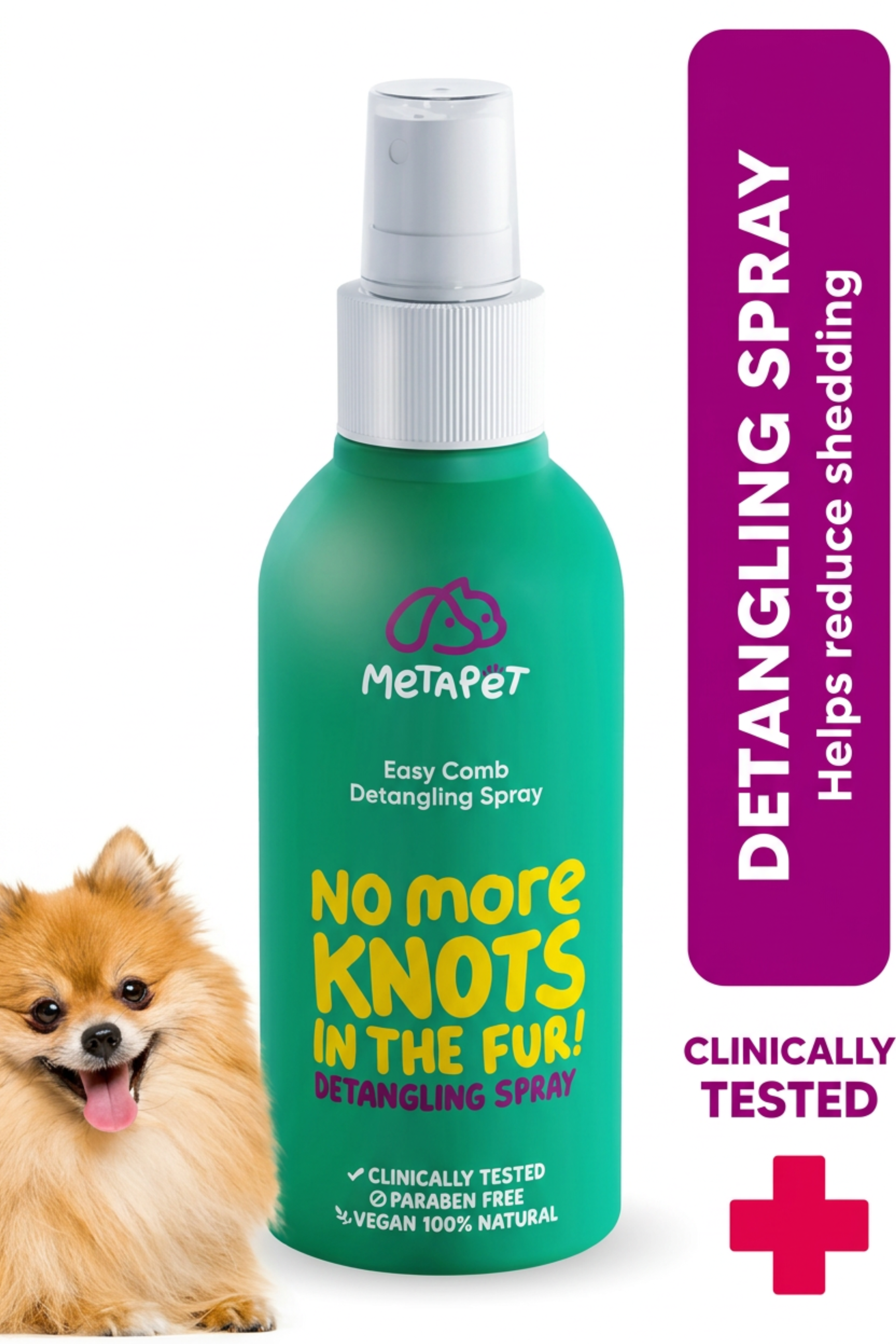
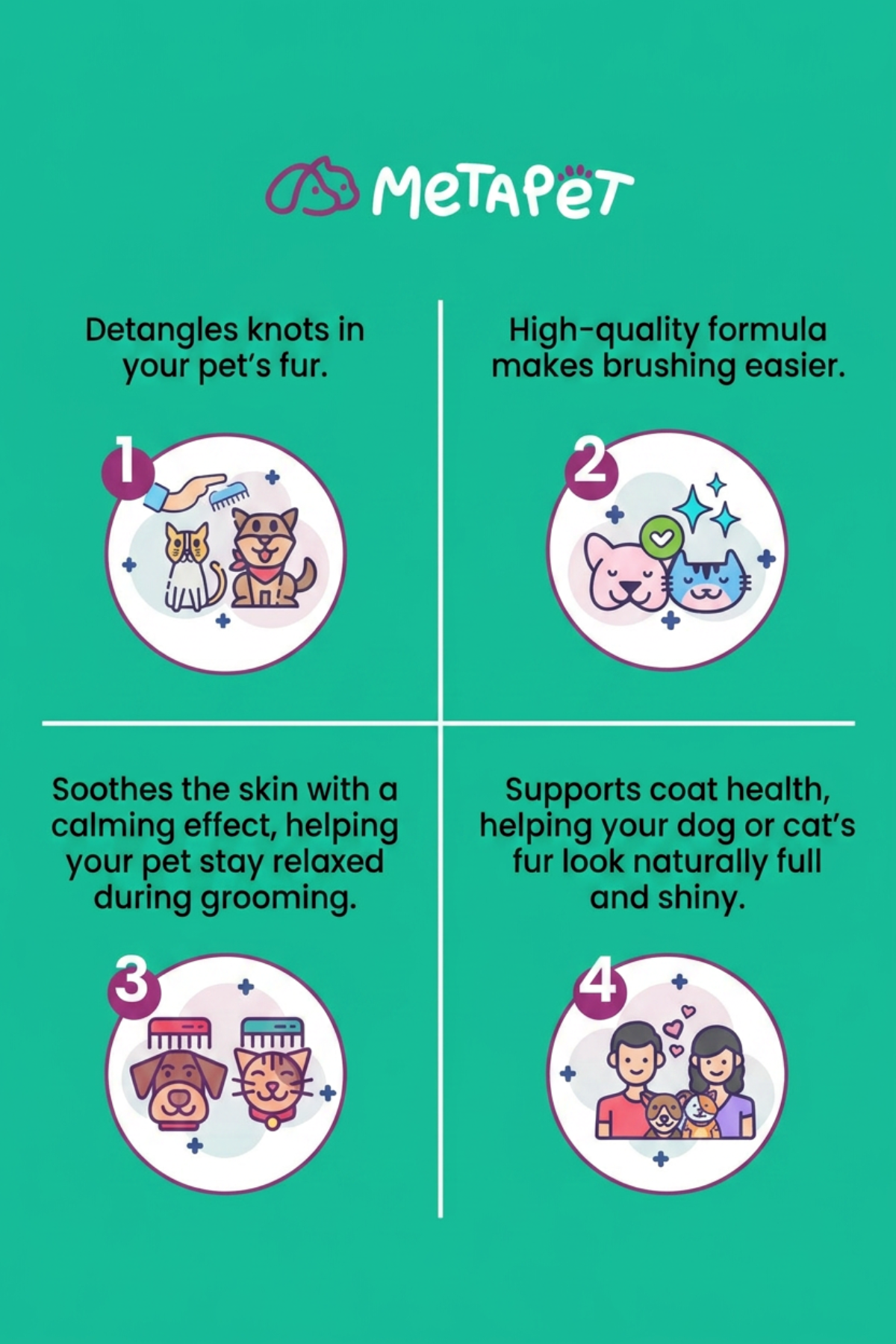
Regular grooming is not just about a tidy coat — it is one of the best opportunities to catch parasites early. Running a comb or your hands through your pet's fur lets you feel for attached ticks, spot flea dirt, and notice patches of irritated or thinning skin before a problem grows. A fine-toothed flea comb is especially useful for short, careful checks, particularly after time outdoors. Grooming sessions also let you monitor your pet's overall condition: changes in the coat, new lumps, or sore spots are all worth noting. Building a brief check into your routine — daily in tick season, regularly the rest of the year — turns grooming into an early-warning system that complements the preventives your vet recommends.
Keeping your home and yard less inviting
The environment plays a big role in parasite control, so making your home and yard less hospitable to pests pays off. Indoors, vacuum regularly — including under furniture and along baseboards — wash pet bedding often in hot water, and keep clutter down so there are fewer places for flea eggs and larvae to hide. Outdoors, keeping grass trimmed, clearing leaf litter and brush, and discouraging wildlife from nesting near the home can reduce tick and flea habitat. Removing standing water helps limit the mosquitoes that spread heartworm. None of this replaces the preventives your veterinarian recommends, but a cleaner environment works hand in hand with them to keep parasite pressure low.
A note on safety and product choice
Parasite products are medicines, and using them incorrectly can be harmful. Always match the product to the right species and weight range, follow label directions exactly, and never apply a dog-specific product to a cat, as some ingredients that are safe for dogs are toxic to cats. Be cautious about combining multiple products at once without veterinary advice, and store all preventives out of reach of children and pets. If your pet seems unwell after a treatment, or you are unsure which product to choose, call your veterinarian — they can match the safest, most effective option to your pet.
Building a prevention routine
- Use vet-recommended preventives chosen for your pet's species and weight, and give them consistently — many work best year-round.
- Keep the environment clean: wash bedding regularly, vacuum often, and clean up the yard and litter areas.
- Schedule routine fecal checks so your vet can catch parasites you cannot see.
- Check after outdoor time, especially for ticks, and groom regularly to spot problems early.
- Treat all pets in the home together, since parasites spread easily between animals.
Year-round versus seasonal prevention
Owners often ask whether prevention can be paused in cooler months. While parasite activity can drop when it is cold, fleas can survive indoors year-round, ticks can be active on milder days outside of summer, and mosquitoes that spread heartworm are not strictly seasonal everywhere. For these reasons, many veterinarians recommend continuous, year-round prevention rather than stopping and starting, which also removes the risk of forgetting to restart at the right time. Your vet can tell you what makes sense for your climate and your pet.
When to see your veterinarian
Reach out to your vet if you find fleas or ticks you cannot control, notice signs of worms, or see persistent scratching, skin problems, weight loss, coughing, or changes in your pet's energy or appetite. Your veterinarian can confirm the cause, treat it correctly, and design a prevention plan tailored to where you live and how your pet spends its time. Routine wellness visits are also a good opportunity to review whether your current prevention still fits your pet's needs.
The bottom line
Fleas, ticks, and worms are common but largely preventable. A steady, vet-guided routine — the right preventives, a clean environment, regular checks, routine fecal testing, and year-round heartworm prevention where appropriate — keeps your dog or cat comfortable and protects the whole household. Prevention is far easier than treating an established problem, so make it a consistent part of your year-round care.