Dog and Cat Dental Care: How to Prevent Periodontal Disease at Home

Why dental health matters for dogs and cats
Periodontal (gum) disease is one of the most commonly diagnosed conditions in adult dogs and cats. It begins when plaque — a sticky film of bacteria — builds up on the teeth and along the gumline. If it is not removed, plaque hardens into tartar (calculus), which irritates the gums and can lead to inflammation, infection, pain, and eventually tooth loss. Because pets rarely show obvious discomfort until the disease is advanced, prevention and regular checks are the most effective tools an owner has.
Dental disease is not just a problem of the mouth. The mouth is a gateway to the rest of the body, and chronic infection and inflammation under the gumline are believed to place additional strain on a pet's overall health. Bad breath, difficulty eating, and a reluctance to play with toys are easy to dismiss as quirks of getting older, but they are often early signals that something in the mouth needs attention. Treating dental care as a routine part of wellness — rather than something to deal with only when there is a visible problem — keeps small issues from becoming painful, expensive ones.
Important: This article is general educational information and is not a substitute for professional veterinary advice. Always consult your veterinarian before starting a dental routine, and have any concerning symptoms examined in person.
How periodontal disease develops
The process generally follows a predictable path, and understanding it makes prevention much easier:
- Plaque forms within hours of eating as bacteria collect on the tooth surface, creating a soft, sticky film.
- Gingivitis (reversible gum inflammation) develops when plaque irritates the gumline. Gums may look red or slightly swollen, and may bleed a little.
- Tartar builds up as plaque mineralizes into a hard deposit, creating a rough surface that traps even more bacteria and is impossible to brush away.
- Periodontitis sets in when infection spreads below the gumline and damages the structures that hold teeth in place. This stage is not reversible, though it can be managed with veterinary care.
The key takeaway is that the early stage — plaque and gingivitis — is the point where home care makes the biggest difference. Once tartar has formed and disease has moved below the gumline, professional intervention becomes necessary, which is why consistent daily habits are so valuable.
Warning signs to watch for
Contact your veterinarian if you notice any of the following in your dog or cat:
- Persistent bad breath (one of the earliest and most common signs)
- Red, swollen, or bleeding gums
- Yellow or brown buildup on the teeth, especially near the gumline
- Reluctance to eat hard food, dropping food, or chewing on one side
- Drooling, pawing at the mouth, or facial swelling
- Loose or missing teeth, or a change in how your pet plays with toys
Cats can be especially good at hiding oral pain, so subtle changes — such as eating more slowly, preferring softer food, or grooming less — are worth taking seriously. Dogs may simply seem less enthusiastic about chewing. When in doubt, a quick look from your veterinarian can catch problems you cannot see.
What persistent bad breath really means
Many owners assume that strong “dog breath” or “cat breath” is just a normal part of having a pet, but persistently foul breath is usually a red flag rather than something to shrug off. The odor typically comes from the bacteria associated with plaque, tartar, and gum infection, so a noticeable change in your pet's breath often signals that dental disease is developing. Occasionally, bad breath can also point to problems elsewhere in the body, which is another reason to mention it to your veterinarian rather than ignore it. Paying attention to your pet's breath is one of the simplest at-home checks you can do: a fresh-smelling mouth is reassuring, while a sudden or worsening odor is a cue to book a dental assessment.
The foundation: brushing your pet's teeth
Toothbrushing is widely regarded by veterinary dentists as the single most effective at-home measure for reducing plaque. It physically removes the soft film before it can mineralize into tartar. Daily brushing is ideal; brushing several times a week still provides meaningful benefit, and any brushing is better than none.
What you need
- A pet-specific toothbrush, a finger brush sized for your pet, or even a piece of soft gauze for beginners.
- Pet-formulated toothpaste only. Never use human toothpaste — it can contain ingredients that are not meant to be swallowed, and the sweetener xylitol is toxic to dogs. Pet toothpastes are safe to swallow and come in flavors pets enjoy.
How to introduce brushing
- Start slowly. Let your pet lick a small amount of the pet toothpaste so they associate it with something positive.
- For the first few days, gently touch the gums and teeth with your finger so your pet gets used to the sensation.
- Introduce the brush at the gumline at roughly a 45-degree angle and use small, gentle motions.
- Focus on the outer surfaces of the teeth, where plaque accumulates most.
- Keep sessions short and positive, and reward calm behavior. Stop if your pet becomes distressed and try again later.
Patience matters: many pets need several weeks of gradual introduction before they accept brushing comfortably. Building the habit while a pet is young is easiest, but adult dogs and cats can learn too with consistency and gentle, positive sessions.
Helpful additions to a dental routine
Brushing is the core of home care, but other tools can support it. When choosing products, look for those that have been evaluated for effectiveness by an independent veterinary dental authority such as the Veterinary Oral Health Council (VOHC), and ask your veterinarian for recommendations suited to your pet.
- Dental chews and treats: Some are designed to mechanically reduce plaque and tartar as the pet chews. Choose an appropriate size and texture, and supervise your pet to reduce choking or fracture risk.
- Dental diets: Certain therapeutic foods are formulated with kibble textures that help clean teeth as the pet chews.
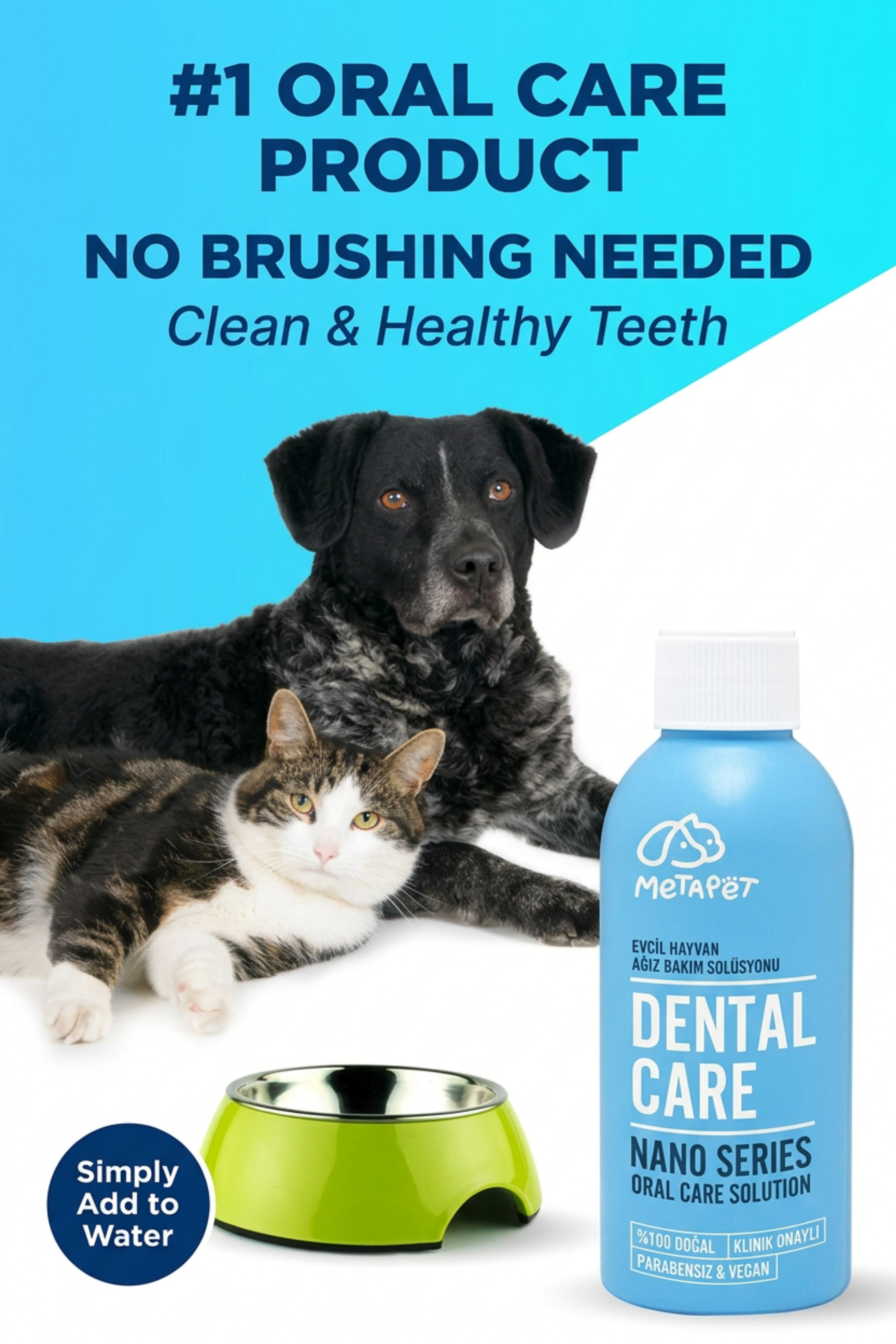
- Water and food additives: Some products are designed to reduce plaque-forming bacteria. Effectiveness varies, so seek vet guidance.
- Safe chew toys: appropriate chew toys can help, but avoid very hard objects that can crack teeth, such as bones, antlers, or hard nylon items.
No single product replaces brushing or professional care; these are best used as part of a combined approach rather than a substitute for it.
Why professional cleanings still matter
Even with excellent home care, tartar below the gumline cannot be removed by brushing. Veterinarians perform professional dental cleanings that typically include scaling above and below the gumline, polishing, and a full oral examination. Because a thorough cleaning and assessment require the patient to be still and pain-free, these procedures are commonly performed under general anesthesia, which also allows for dental X-rays when needed to reveal problems hidden beneath the gumline.
Many owners feel understandably nervous about anesthesia, but modern veterinary practices use pre-anesthetic assessments and monitoring to manage risk, and the ability to clean below the gumline and take X-rays is what makes the procedure genuinely effective. Your veterinarian will advise how often your individual pet needs a professional cleaning based on breed, age, and oral health, and will discuss any questions you have about the process.
Dental care through the life stages
A pet's dental needs evolve as it grows. Puppies and kittens lose their baby teeth and develop adult ones, and this early period is the ideal time to get them comfortable with having their mouth handled and their teeth brushed — a habit that pays off for life. Young adults benefit from a consistent home routine to keep plaque under control before it ever becomes tartar. As pets reach middle age and beyond, the cumulative effects of years of plaque make problems more likely, so regular veterinary checks and, when recommended, professional cleanings become increasingly important. Senior pets in particular should have their mouths assessed regularly, since dental pain can quietly affect their appetite and quality of life. Adjusting your approach to your pet's life stage keeps its mouth healthy from puppyhood or kittenhood through the senior years.
Risk factors to keep in mind
- Small and toy-breed dogs are often more prone to dental crowding and periodontal disease because many teeth are packed into a small mouth.
- Older pets have had more years for plaque and tartar to accumulate, so they often need closer monitoring.
- Brachycephalic (flat-faced) breeds may have crowded or misaligned teeth that trap debris and are harder to keep clean.
- Diet and chewing habits also play a role, as does whether a pet allows regular home care.
Knowing your pet's risk profile helps you and your veterinarian set the right care schedule and decide how aggressively to pursue prevention.
Special notes for cats
Cats face some dental issues of their own. In addition to the plaque-and-tartar cycle dogs experience, cats are prone to painful conditions affecting the teeth and gums that may not be visible from the outside. Because cats are masters at masking discomfort, a cat with significant dental pain may simply eat a little less or become quieter rather than show obvious signs. This makes routine veterinary oral exams especially valuable for cats. Many cats will accept tooth brushing if introduced slowly and gently in kittenhood, and your veterinarian can recommend the safest home-care approach for your individual cat.
Common myths about pet dental care
A few persistent beliefs can get in the way of good care. One is that bad breath is just normal “dog breath” or “cat breath” — in reality, persistently foul breath is usually a sign of dental disease, not something to ignore. Another is that dry food alone keeps teeth clean; while texture can help slightly, regular kibble does not replace brushing. Some owners also believe that a pet who is still eating must have a healthy mouth, but many pets continue eating despite significant dental pain simply because they have to. Recognizing these myths helps owners take dental care as seriously as it deserves.
A simple weekly routine
- Daily (ideal): brush teeth with pet-safe toothpaste.
- Weekly: lift the lips and check for redness, buildup, or bad breath.
- Routinely: attend veterinary checkups and follow your vet's advice on professional cleanings.
When to call your veterinarian
Reach out to your vet if you notice persistent bad breath, bleeding or swollen gums, visible tartar, loose teeth, difficulty eating, drooling, or any sign of mouth pain. These warrant an in-person exam, since dental disease is progressive and more comfortable to treat the earlier it is caught. Routine wellness visits are also the ideal time to have your pet's mouth assessed and to plan any professional cleaning your pet may need.
The bottom line
Dental disease is common, but it is also largely preventable. A consistent home routine — led by regular toothbrushing and supported by vet-recommended products — combined with professional veterinary care can keep your dog's or cat's mouth healthier and more comfortable for life. Start early if you can, stay consistent, and watch for the warning signs. If you are unsure where to begin, your veterinarian can demonstrate proper technique and recommend the right tools for your pet, turning dental care into an easy, rewarding part of your routine.