Dental Care for Dogs and Cats: A Complete Home Guide

Dental health is one of the most overlooked aspects of pet care, yet the mouth plays a major role in a dog's or cat's overall comfort and wellbeing. Plaque and tartar build up over time, and without regular attention, many pets develop dental problems that can affect their daily lives. The encouraging news is that a consistent home routine, combined with professional veterinary care, can make a meaningful difference.
This guide explains how to build a practical home dental-care routine, how to recognize early warning signs, what to expect from professional cleanings, and which supportive habits help keep your pet's mouth in good shape. As always, your veterinarian is the best source of advice for your individual pet, especially if you notice any signs of discomfort.
Important: This article is general educational information and is not a substitute for an in-person veterinary examination. If your pet shows signs of mouth pain or dental disease, consult your veterinarian. Home care supports, but does not replace, professional veterinary dental assessment and treatment.
Why Dental Care Matters
A pet's mouth is in near-constant use for eating, grooming, and exploring the world. Over time, a sticky film of plaque forms on the teeth. If it is not removed, plaque can mineralize into hardened tartar, which is more difficult to address and can contribute to gum irritation. Left unattended, dental issues can become uncomfortable and may affect a pet's willingness to eat or play.
Because dogs and cats are skilled at hiding discomfort, dental problems often progress quietly. Many owners are surprised to learn how common dental issues are once their veterinarian takes a close look. Building a routine early, and keeping up with regular checkups, helps you stay ahead of problems rather than reacting to them after they become advanced.
Recognizing Signs of Dental Trouble
Knowing what to watch for helps you catch concerns early and seek veterinary care when needed. While only a veterinarian can diagnose dental disease, the following signs are worth noting and discussing.
- Bad breath: Persistent strong odor is one of the most common early signals owners notice.
- Visible tartar: Yellow or brown buildup along the gum line.
- Red or swollen gums: Irritation or bleeding, especially near the teeth.
- Eating changes: Chewing on one side, dropping food, or reduced appetite.
- Pawing at the mouth or drooling: Possible signs of discomfort.
If you notice any of these signs, schedule a veterinary visit. Your vet can examine the mouth, identify the cause, and recommend appropriate care. Mouth pain can significantly affect a pet's quality of life, so it is worth addressing promptly.
Brushing: The Foundation of Home Care
Toothbrushing is widely regarded as the single most effective home dental-care practice for pets, because it physically removes plaque before it hardens. It takes patience to introduce, but most dogs and many cats can learn to accept it with a gradual, positive approach.
How to introduce brushing
- Start slow: Let your pet lick a pet-safe toothpaste from your finger so they associate it with something pleasant.
- Touch the mouth: Over a few days, gently lift the lips and touch the teeth and gums.
- Add the brush: Introduce a pet toothbrush or finger brush, brushing just a few teeth at first.
- Build up: Gradually work toward brushing more of the mouth, focusing on the outer surfaces along the gum line.
- Keep it positive: End each session with praise so your pet looks forward to the routine.
Use only toothpaste formulated for pets, never human toothpaste, which can contain ingredients unsuitable for dogs and cats. Aim for a consistent routine; daily brushing is ideal, but even several times a week is beneficial.
Supportive Home-Care Options
Brushing works best when paired with other supportive habits. While these do not replace brushing or professional care, they can complement a well-rounded routine.
- Dental chews and toys: Appropriate chews and chew toys can help with mechanical cleaning during normal chewing. Choose options suited to your pet's size and chewing style, and supervise use.
- Diet considerations: Some diets are designed with dental support in mind. Ask your veterinarian whether any are appropriate for your pet.
- Water and rinse aids: Certain products are designed to be part of a daily freshening routine.
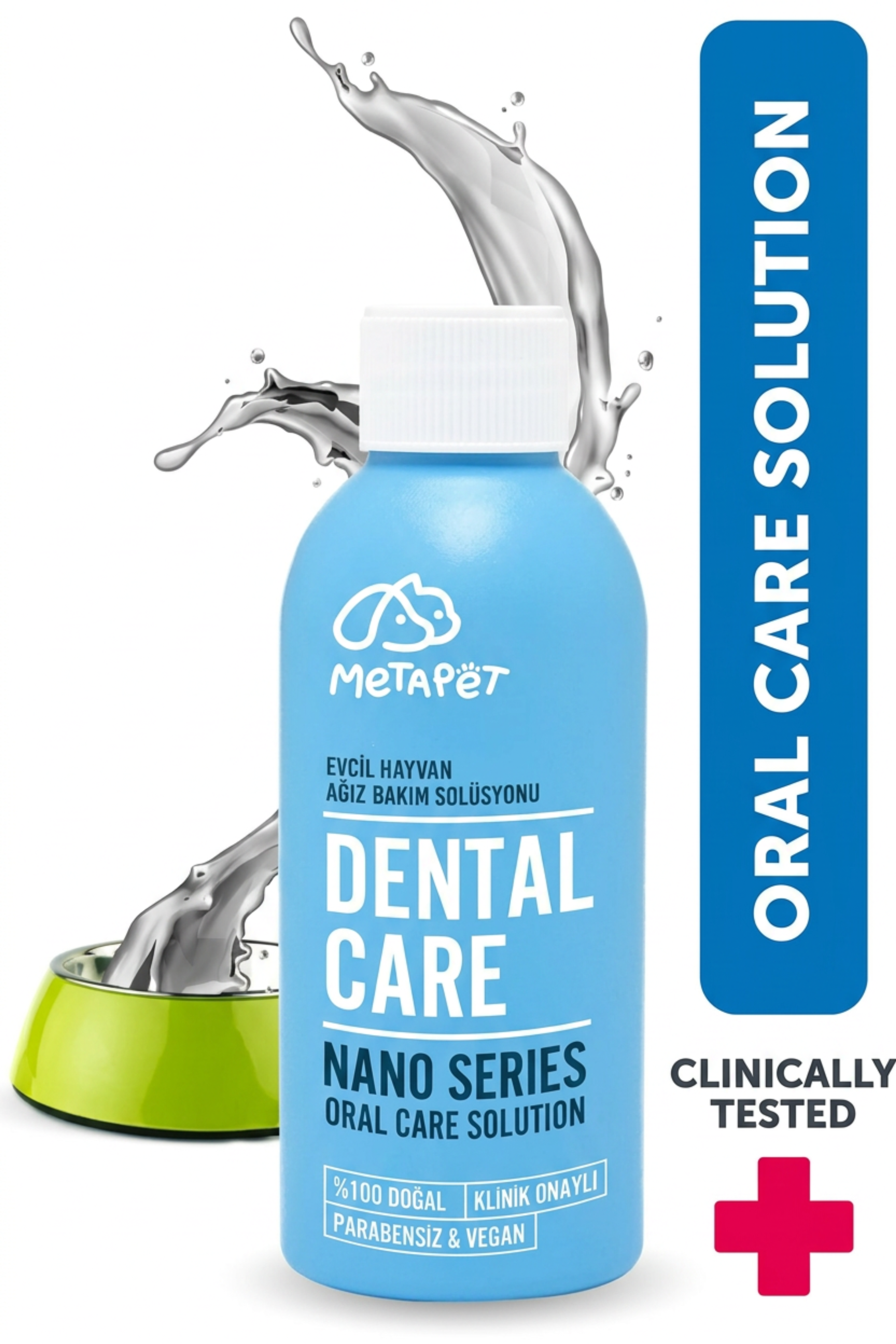
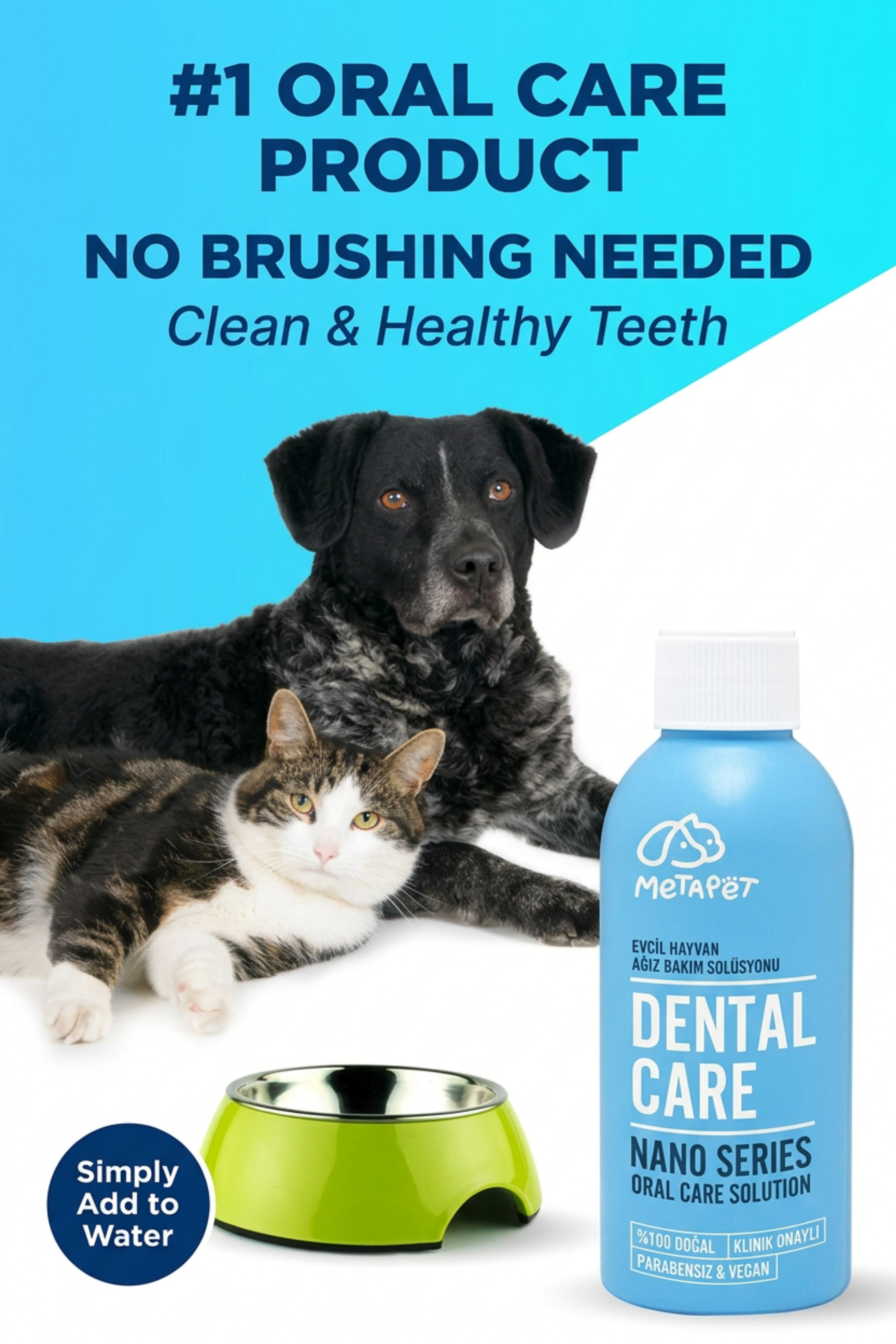
As one optional part of a home routine, some owners use a dental rinse such as the MetaPet Nano-Series Dental Care Mouthwash Solution for Cats & Dogs, which is formulated to help support everyday mouth freshness and can be incorporated alongside brushing. Products like this are meant to complement, not replace, toothbrushing and professional veterinary dental care. Always follow label directions and check with your veterinarian before adding any new product to your pet's routine.
Professional Veterinary Dental Cleanings
Even with excellent home care, most pets benefit from periodic professional dental cleanings. A professional cleaning allows a veterinary team to address tartar below and along the gum line, areas that brushing cannot fully reach, and to examine each tooth closely.
Professional cleanings in pets are typically performed under anesthesia, which allows a thorough, safe, and pain-free assessment, including cleaning beneath the gum line and dental imaging when needed. Your veterinarian will discuss pre-procedure evaluation and what to expect. The frequency of cleanings varies from pet to pet, so follow your vet's individualized recommendation rather than a fixed schedule.
Special Considerations for Cats
Cats have their own dental needs and can be more resistant to having their mouths handled. Introducing oral care slowly and gently is especially important. Many cats accept a finger brush more readily than a traditional toothbrush, and very short, frequent sessions tend to work better than long ones.
Cats can also experience specific dental conditions that only a veterinarian can diagnose and manage. If your cat shows signs such as reluctance to eat, pawing at the mouth, or noticeable mouth odor, a veterinary visit is warranted. Patience and consistency are key to building a routine your cat will tolerate over time.
Dental Care Across Life Stages
Dental needs change as pets age, and tailoring your approach to each stage helps maintain comfort throughout life.
- Puppies and kittens: Early, gentle handling of the mouth builds lifelong acceptance of brushing. This is also a good time to learn what is normal for your pet.
- Adults: Consistent brushing and regular checkups help keep plaque and tartar under control during the prime years.
- Seniors: Older pets may need closer monitoring, as dental issues can accumulate over time. Comfort-focused care becomes especially important.
At every stage, your veterinarian can advise on what is appropriate. Regular wellness exams include a look at the mouth, which helps catch changes before they become significant.
Building a Sustainable Routine
The best dental-care routine is one you can actually keep up with. Consistency matters more than perfection, so design a plan that fits your schedule and your pet's temperament.
- Pick a regular time: Link brushing to an existing daily habit, such as before an evening cuddle.
- Keep sessions short: A minute or two is plenty, especially at first.
- Reward generously: Praise and positive associations make your pet a willing participant.
- Stay observant: Note any changes in the mouth and mention them at vet visits.
Over time, these small daily actions add up to meaningful support for your pet's oral comfort. Pair them with professional care for the most complete approach.
Common Myths About Pet Dental Care
Several misconceptions can lead owners to underestimate dental care. Here are a few clarifications.
- Myth: "Bad breath is normal for pets." Persistent strong odor is often a sign worth discussing with your veterinarian, not something to ignore.
- Myth: "Dry food alone keeps teeth clean." Diet can play a supporting role, but it does not replace brushing or professional care.
- Myth: "My pet would show me if its mouth hurt." Dogs and cats often hide discomfort, so problems can progress quietly.
When in doubt, ask your veterinarian. They can separate fact from fiction for your individual pet and recommend a sensible routine.
When to See the Veterinarian
Home care is powerful, but it has limits. Contact your veterinarian if you notice persistent bad breath, visible tartar, red or bleeding gums, changes in eating, drooling, facial swelling, or any sign of mouth pain. These warrant a professional assessment.
For any sudden or severe issue, such as a pet that cannot eat, has significant facial swelling, or appears to be in distress, contact your veterinarian or an emergency clinic promptly. Early attention to dental concerns supports both comfort and overall wellbeing, and your veterinarian is your partner in keeping your pet's mouth healthy.
Tools and Products That Make It Easier
Having the right supplies on hand removes friction from your routine and makes daily care more likely to stick. You do not need much to get started, and most items are inexpensive and long-lasting.
- Pet toothbrush or finger brush: Choose a size suited to your pet's mouth; finger brushes often work well for beginners and for cats.
- Pet-formulated toothpaste: Available in flavors pets tend to enjoy, which makes the process more pleasant. Never use human toothpaste.
- Appropriate chews: Select options matched to your pet's size and chewing strength, and supervise their use.
- Optional rinse or freshening aids: These can be incorporated as a complement to brushing when your veterinarian agrees they are appropriate.
Keep your supplies together in one spot so the routine is easy to follow. When a new product is involved, introduce it gradually and watch how your pet responds, discontinuing use and consulting your veterinarian if you notice any irritation or reluctance.
Frequently Asked Questions
How often should I brush my pet's teeth?
Daily brushing is the ideal goal, but brushing several times a week still provides meaningful benefit. Consistency is more important than any single session.
My pet won't let me brush. What can I do?
Go slower and break the process into small, rewarding steps over days or weeks. Ask your veterinarian for tips, and consider supportive options like appropriate chews while you build tolerance.
Are dental chews enough on their own?
Chews can be a helpful complement, but they generally do not replace brushing or professional cleanings. Think of them as one part of a complete routine.
Is anesthesia necessary for cleanings?
Professional cleanings are typically performed under anesthesia so the veterinary team can clean safely and thoroughly, including below the gum line. Your veterinarian will discuss the approach and safety steps for your pet.