Chronic Kidney Disease in Cats: Signs & Care

Chronic kidney disease is one of the most common health conditions veterinarians see in older cats, and it is a diagnosis that understandably worries owners. The kidneys perform vital jobs, filtering waste, balancing fluids, and supporting many body functions, and when they gradually lose capacity over time, it affects a cat's whole system.
While chronic kidney disease, often called CKD, cannot be reversed, it can very often be managed, and many cats live comfortable, happy lives for a long time after diagnosis with the right care. This guide explains what CKD is, the early signs owners should watch for, how veterinarians diagnose and stage it, and the daily habits that support a cat's quality of life. As always, this is general information, not a substitute for your veterinarian's individualized advice.
Important: This article shares general educational information for pet owners and is not a substitute for an in-person veterinary examination, diagnosis, or treatment. For any medical concern or emergency, contact your veterinarian promptly.
What the Kidneys Do
To understand kidney disease, it helps to appreciate how much the kidneys handle. They filter waste products from the blood, regulate hydration and electrolyte balance, help control blood pressure, and contribute to other essential processes. They are among the body's most important behind-the-scenes organs.
In chronic kidney disease, the kidneys gradually lose their ability to perform these jobs efficiently. Because cats' kidneys have a reserve capacity, signs often do not appear until a significant amount of function has already been affected, which is why the disease can seem to appear suddenly even though it developed slowly.
This gradual, progressive nature shapes everything about how CKD is managed. The focus is on supporting the remaining kidney function, easing symptoms, and slowing progression, rather than curing the condition.
Why It Is So Common in Older Cats
Chronic kidney disease is strongly associated with aging, and it is one of the leading health concerns in senior and geriatric cats. As cats live longer, thanks to better nutrition and veterinary care, age-related kidney decline has become increasingly common to encounter.
While age is the biggest factor, other elements can contribute, including certain underlying conditions and individual variation. In many cats, however, no single cause is identified, and the disease simply reflects the gradual wear of the kidneys over a long life.
Because it is so common in older cats, routine wellness screening as cats age is one of the most valuable tools for catching CKD early, when supportive care can do the most good.
Early Signs to Watch For
The earliest signs of kidney disease are often subtle and easy to attribute to normal aging, which is why attentive observation matters so much. Two of the most classic early changes involve thirst and urination.
- Increased thirst drinking noticeably more water than usual.
- Increased urination larger or more frequent clumps in the litter box.
- Weight loss gradual thinning that may be masked by a fluffy coat.
- Reduced appetite eating less or becoming pickier.
- Lethargy less activity and engagement than normal.
- A dull coat or poor grooming which can signal that a cat feels unwell.
Because these signs develop slowly, they are easy to miss day to day. Noticing that the water bowl empties faster or that litter clumps are larger can be an early clue worth mentioning to your veterinarian.
How It Is Diagnosed and Staged
Veterinarians diagnose chronic kidney disease using a combination of blood tests, urine tests, and blood pressure measurement, along with the cat's history and physical exam. These tests assess how well the kidneys are filtering and concentrating, and they help distinguish CKD from other conditions with similar signs.
Once diagnosed, CKD is typically staged based on established guidelines, which help the veterinary team gauge how advanced the disease is and tailor a management plan. Staging also provides a baseline, so future tests can show whether the condition is stable or progressing.
This is why periodic monitoring is such a central part of care. Regular rechecks let your veterinarian adjust the plan over time, responding to changes before they become crises.
The Role of Diet
Diet is one of the most important elements of managing chronic kidney disease. Veterinarians often recommend a therapeutic kidney diet formulated specifically to support cats with CKD, and these diets are designed to reduce the workload on the kidneys and support quality of life.
Because these are specially formulated therapeutic foods, they should be used under veterinary guidance rather than chosen independently. Your veterinarian will help you decide whether and when a kidney diet is appropriate for your cat's stage and situation.
Transitioning a cat to a new diet can take patience, especially since cats with CKD may already have a reduced appetite. Making the switch gradually, warming food slightly, and offering it in a calm setting can all help encourage acceptance.
Hydration Is Central
Because the kidneys are so involved in fluid balance, supporting hydration is a key part of daily CKD care. Cats with kidney disease lose more water through their urine, so helping them take in more fluid supports their comfort and their remaining kidney function.
- Offer multiple fresh water sources throughout the home.
- Consider a pet water fountain, which many cats prefer.
- Incorporate wet food to boost moisture intake.
- Place water away from food and litter, where cats often prefer to drink.
- Keep bowls clean and topped up with fresh water daily.
In more advanced cases, veterinarians sometimes teach owners to give supplemental fluids at home under the skin, which can make a real difference to a cat's wellbeing. Your veterinary team will guide you if this becomes appropriate.
Working With Your Veterinary Team
Managing chronic kidney disease is a partnership between you and your veterinarian, and it typically evolves over time. Because CKD is progressive, the plan that fits your cat now may need adjusting later, which is why ongoing communication and monitoring matter so much.
Your veterinarian may recommend periodic bloodwork, urine tests, and blood pressure checks to track the disease, and may adjust diet, hydration support, or other treatments accordingly. Some cats need help managing secondary issues that can accompany CKD, all directed by the veterinary team.
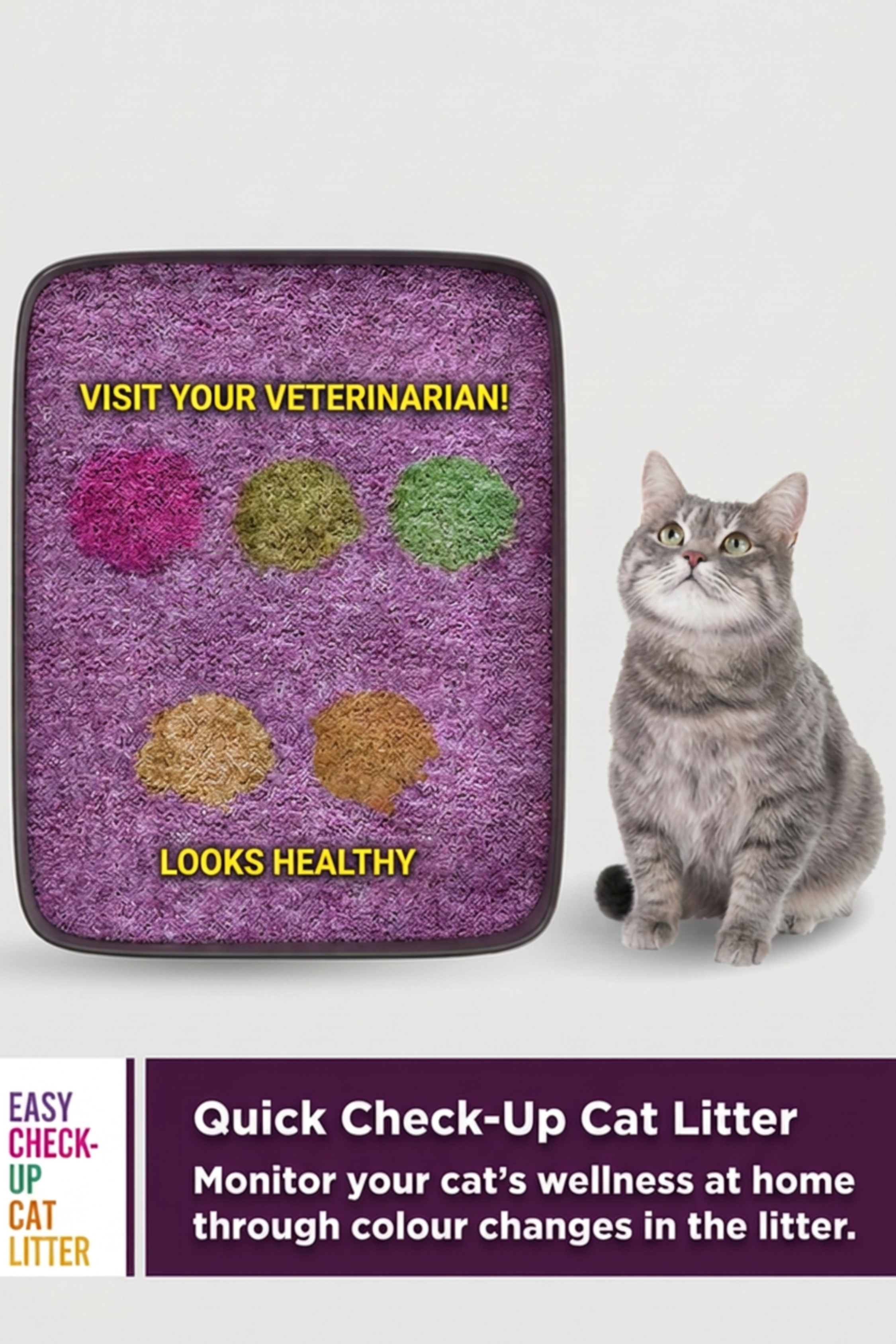
Keeping notes at home, on appetite, water intake, litter box output, weight, and energy, gives your vet valuable information at each visit and helps catch changes early. You are the eyes and ears between appointments.
Supporting Comfort and Appetite
A cat's day-to-day comfort is at the heart of CKD care. Cats with kidney disease may feel less like eating, so gentle strategies to support appetite and comfort can meaningfully improve quality of life.
- Offer food in a calm, quiet place away from stress and competition.
- Warm food slightly to enhance aroma and appeal.
- Provide easy access to food, water, litter, and warm resting spots.
- Maintain gentle routines since predictability comforts unwell cats.
- Keep litter boxes very accessible especially for older cats with mobility changes.
If your cat's appetite drops significantly or it stops eating, contact your veterinarian promptly rather than waiting, since sustained appetite loss in any cat is a concern that needs attention.
Where Supplements Fit
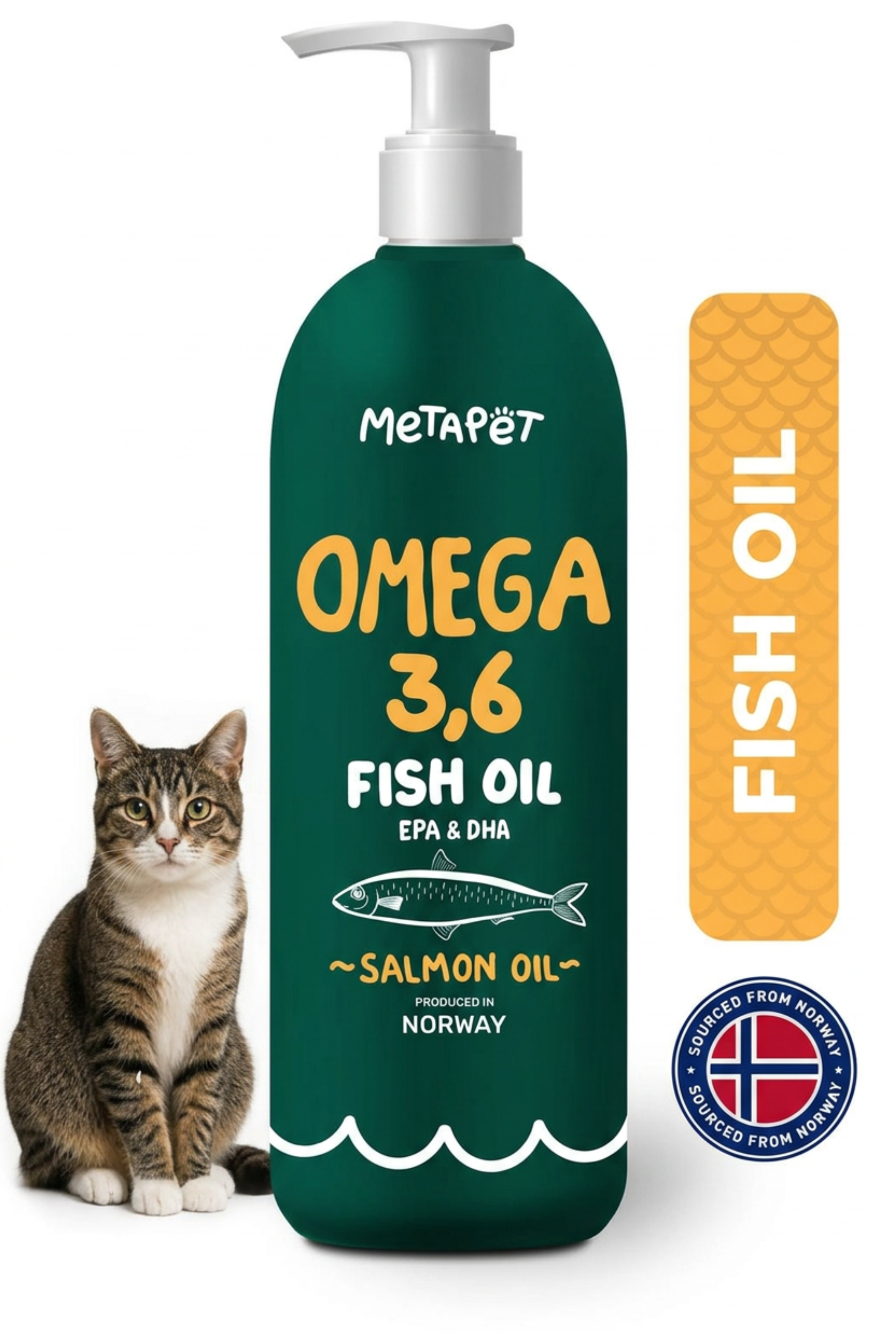
Owners often ask about supplements for cats with kidney disease. The most important point is that any addition to a CKD cat's regimen should be discussed with your veterinarian first, because the kidneys process much of what enters the body and the diet is carefully balanced for a reason.
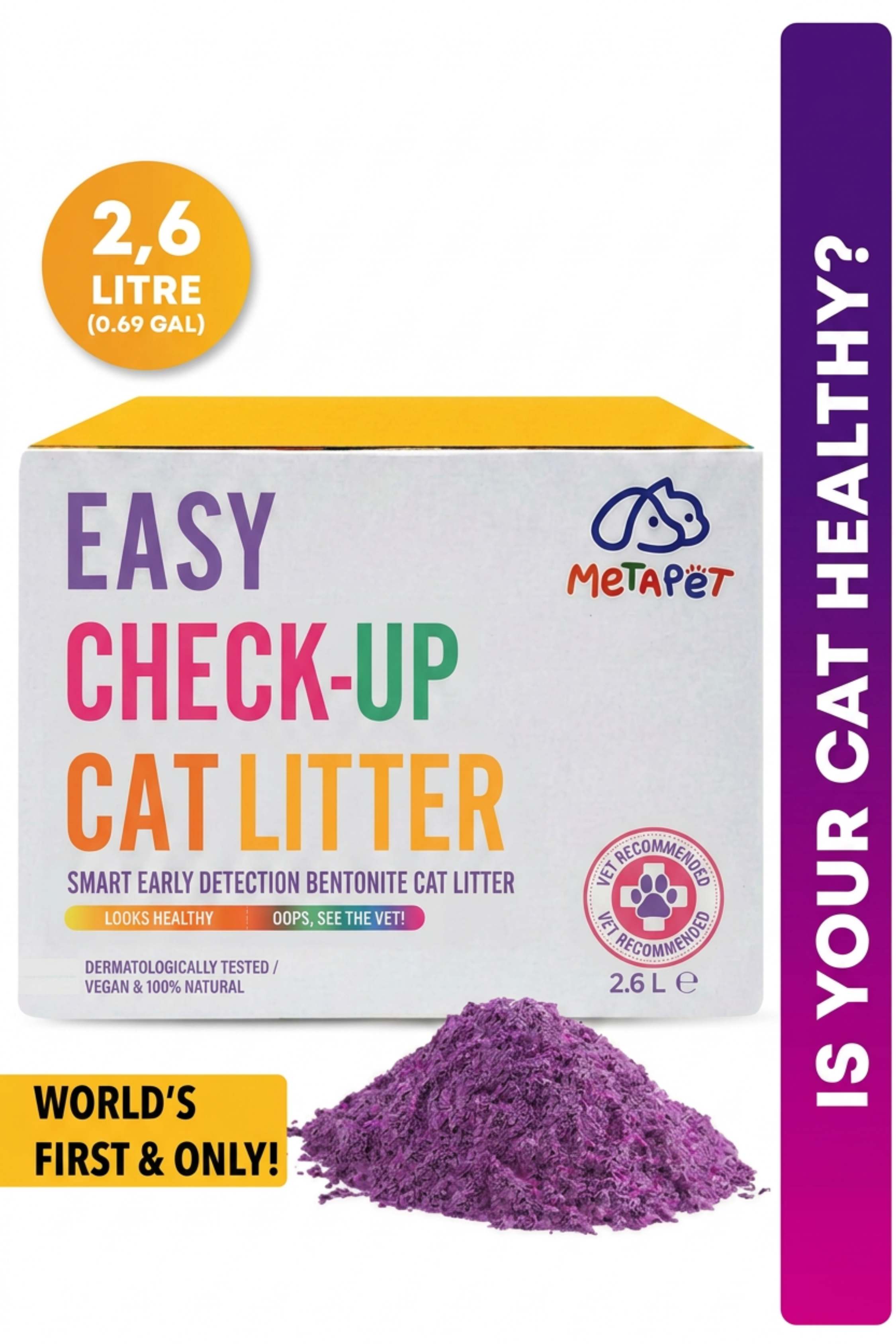
General wellness products are not treatments for kidney disease and should never replace the therapeutic diet, hydration support, monitoring, or other care your veterinarian recommends. If a supportive product is appropriate, your vet can advise whether and how it fits safely into your cat's individual plan.
The safest approach is always to let your veterinarian coordinate every part of the plan, so that diet, hydration, monitoring, and any supportive products work together rather than at cross purposes.
Quality of Life and Hope
A diagnosis of chronic kidney disease is not an immediate crisis, and it is far from a hopeless one. Many cats, particularly those diagnosed early and managed attentively, enjoy a good quality of life for a considerable time, continuing to purr, play gently, and share affection.
The keys are early detection through routine senior wellness screening, a consistent management plan built with your veterinarian, and attentive daily care at home. Together these support your cat's comfort and can help slow the progression of the disease.
Above all, focus on your cat's comfort and happiness, and lean on your veterinary team for guidance at every stage. With informed, loving care, a cat with kidney disease can continue to enjoy a rich and comfortable life by your side.
Frequently Asked Questions About Feline CKD
Is a diagnosis of kidney disease a death sentence?
No. While chronic kidney disease cannot be reversed, it can very often be managed, and many cats, especially those diagnosed early and cared for attentively, enjoy a good quality of life for a considerable time. The focus is on supporting remaining kidney function, easing symptoms, and slowing progression rather than curing the condition.
What are the earliest signs I might notice?
Two of the most classic early changes are increased thirst and increased urination, so you might notice the water bowl emptying faster or larger clumps in the litter box. Gradual weight loss, reduced appetite, lethargy, and a duller coat can also appear. Because these develop slowly, they are easy to attribute to normal aging, which is why they are worth mentioning to your vet.
Why is hydration emphasized so much?
The kidneys are central to fluid balance, and cats with CKD lose more water through their urine. Supporting hydration, through multiple water sources, a fountain, and wet food, helps their comfort and supports remaining kidney function. In more advanced cases, veterinarians sometimes teach owners to give supplemental fluids under the skin at home.
Can I give my CKD cat supplements?
Always discuss any addition with your veterinarian first, because the kidneys process much of what enters the body and a therapeutic diet is carefully balanced. General wellness products are not treatments for kidney disease and should never replace the diet, hydration support, and monitoring your vet recommends. Let your veterinarian coordinate every part of the plan.