Choosing a Professional Groomer for Your Dog or Cat

A good groomer is more than someone who makes your dog look tidy. They spend an hour or more with their hands on your pet's skin, ears, feet and coat — often noticing lumps, hot spots, ear odour or sore joints before anyone else does. A poor fit, on the other hand, can leave an animal frightened of handling for years.
Grooming is an unregulated profession in many places, which means standards vary enormously between salons. Skilled, careful professionals work alongside people with almost no training, and the price list will not tell you which is which. Owners have to do a little homework, and the good news is that it is not complicated.
This guide covers how to find candidates, what to look for on a visit, the questions worth asking, the red flags that justify walking away, and how a simple home routine between appointments keeps coats manageable and visits shorter and calmer.
Important: This article shares general educational information for pet owners and is not a substitute for an in-person veterinary examination, diagnosis, or treatment. For any medical concern or emergency, contact your veterinarian promptly.
What Professional Grooming Actually Involves
A full groom typically includes brushing and de-matting, bathing, drying, haircut or trim where relevant, nail trimming, ear cleaning and sanitary tidying. For double-coated dogs it may include a de-shedding treatment; for long-haired cats it may mean careful detangling or, in severe cases, a clip performed with veterinary involvement.
The work is physically demanding and requires real skill in handling. A competent groomer reads body language continuously, adapts pace to the animal, and knows when to stop. That judgement — not the finished haircut — is the difference between a pet who trots happily into the salon and one who trembles in the parking lot.
Start With Recommendations
Word of mouth remains the best filter. Ask your veterinary practice, since clinic staff hear about both excellent and problematic grooming outcomes. Ask neighbours whose dogs look well maintained, breed clubs for coat-specific expertise, and rescue organisations, who often know which local groomers handle nervous animals patiently.
Online reviews are worth scanning for patterns rather than individual complaints. Look for repeated mentions of gentleness, communication and consistency. Photographs posted by the salon can show technical skill, but pay just as much attention to whether the animals in those photos look relaxed.
Training, Certification and Experience
Because licensing requirements differ by region and are often absent altogether, credentials vary. Some groomers complete formal programmes or hold certifications from professional grooming associations; many learn through structured apprenticeship. Neither route guarantees quality on its own, but a willingness to describe their training openly is a good sign.
Ask about experience with your specific situation: a particular coat type, a nervous rescue, a senior with arthritis, a cat that has never been groomed professionally. Experience with double coats, hand-stripping, or feline handling is specialised, and a groomer who honestly says a job is outside their skill set is more trustworthy than one who says yes to everything.
Visit Before You Book
Most reputable salons will show you around outside peak hours. Use your senses. The space should be clean and reasonably organised, waste managed, and equipment in good repair. Some noise is normal; constant distressed barking, raised voices, or animals struggling on tables is not.
- Cleanliness: tables, tubs, cages and floors visibly maintained through the day, not just first thing in the morning.
- Drying methods: ask directly. Heated cage dryers left unattended have caused serious injuries; hand drying or closely monitored cool-air drying is safer.
- Restraint: grooming loops should be used with supervision and never left on an unattended animal.
- Separation: cats and small dogs should not be housed beside large barking dogs.
- Staff manner: calm handling, quiet voices, and time taken with each animal.
- Emergency plan: ask what happens if an animal becomes unwell and which veterinary practice they contact.
Questions Worth Asking
A short set of questions tells you a great deal about how a business operates. None of them should feel awkward to a professional who takes their work seriously.
- Timing: how long will my pet be at the salon, and are animals crated between stages?
- Handling: what happens if my pet becomes frightened or refuses part of the groom?
- Communication: will you call me if you find matting, skin changes, lumps or ear problems?
- Vaccination policy: what do you require, and how do you manage health screening?
- Products: what shampoos and finishing products do you use, and can you avoid a specific one if my pet has sensitive skin?
- Insurance: do you carry professional liability cover?
- Pricing: how is the quote calculated, and what extra charges may apply for matting or de-shedding?
Red Flags That Justify Walking Away
Trust your instincts. Refusal to let you see the working area at any time, evasiveness about drying methods, animals left in cages for many hours, or pressure to shave a matted coat without discussing options are all reasons to keep looking.
Behavioural signs matter too. If your pet returns consistently shut down, refuses to enter the building, or comes home with unexplained nicks, redness or lameness, take it seriously and discuss it with your veterinarian. Occasional clipper irritation happens even in good salons, but a pattern is information.
Salon, Mobile or House-Call Grooming
Traditional salons offer full equipment and a team, which suits most dogs. Mobile grooming vans bring the service to your driveway and can be far less stressful for anxious animals or those who struggle with car travel and waiting areas. House-call groomers work inside your home, which many cats tolerate better than any other option.
Mobile and in-home services usually cost more and may have limited capacity for large or heavily matted dogs. For cats particularly, the reduced travel and unfamiliar-smell exposure can be worth the difference. Whichever format you choose, the same standards of handling, cleanliness and communication apply.
Preparing Your Pet for a Successful Visit
Preparation makes a measurable difference. Brush thoroughly at home in the days before an appointment, since matted coats take longer, hurt more to work through, and often force a shorter clip than you wanted. Take dogs for a walk and a toilet break beforehand so they arrive settled rather than bursting with energy.
Introduce handling early in life. Puppies and kittens who are regularly touched around the paws, ears, tail and muzzle at home find grooming far less alarming. Many salons offer short introductory puppy sessions that involve little more than a bath, a cuddle and treats — a small investment that pays off for a decade.
Matting, Clipping and Honest Conversations
Severe matting is a welfare issue, not a cosmetic one. Mats pull constantly on the skin, trap moisture and debris, hide skin problems and can restrict movement. Attempting to brush out a tightly matted coat is painful, and a responsible groomer will explain when clipping is the kinder option even though the result looks drastic.
If matting is close to the skin or the animal is distressed, the groomer may recommend that clipping be done at a veterinary practice, sometimes with sedation, so that skin can be examined safely. That recommendation is a sign of good judgement. After a short clip, protect the pet from sunburn and cold, and rebuild a brushing routine to prevent a repeat.
Cats Deserve a Specialist Approach
Cats are not small dogs. They have thin, mobile skin that is easy to nick, and they rarely tolerate lengthy restraint. Not every dog groomer is comfortable or skilled with cats, and it is entirely reasonable to ask specifically about feline experience, handling technique and whether cats are scheduled separately from dogs.
Many cats do best with short, calm sessions focused on the essentials — nails, sanitary areas, mat removal and brushing — rather than full spa treatments. If your cat becomes highly distressed, stop rather than pushing through, and discuss with your veterinarian whether a medically supervised approach would be safer.
Home Care Between Appointments
What happens between grooms determines how easy the next appointment is. Regular brushing appropriate to the coat type prevents mats before they form, distributes natural oils, and gives you a weekly opportunity to check skin, ears and paws. Aim for short, frequent sessions rather than occasional marathon ones.
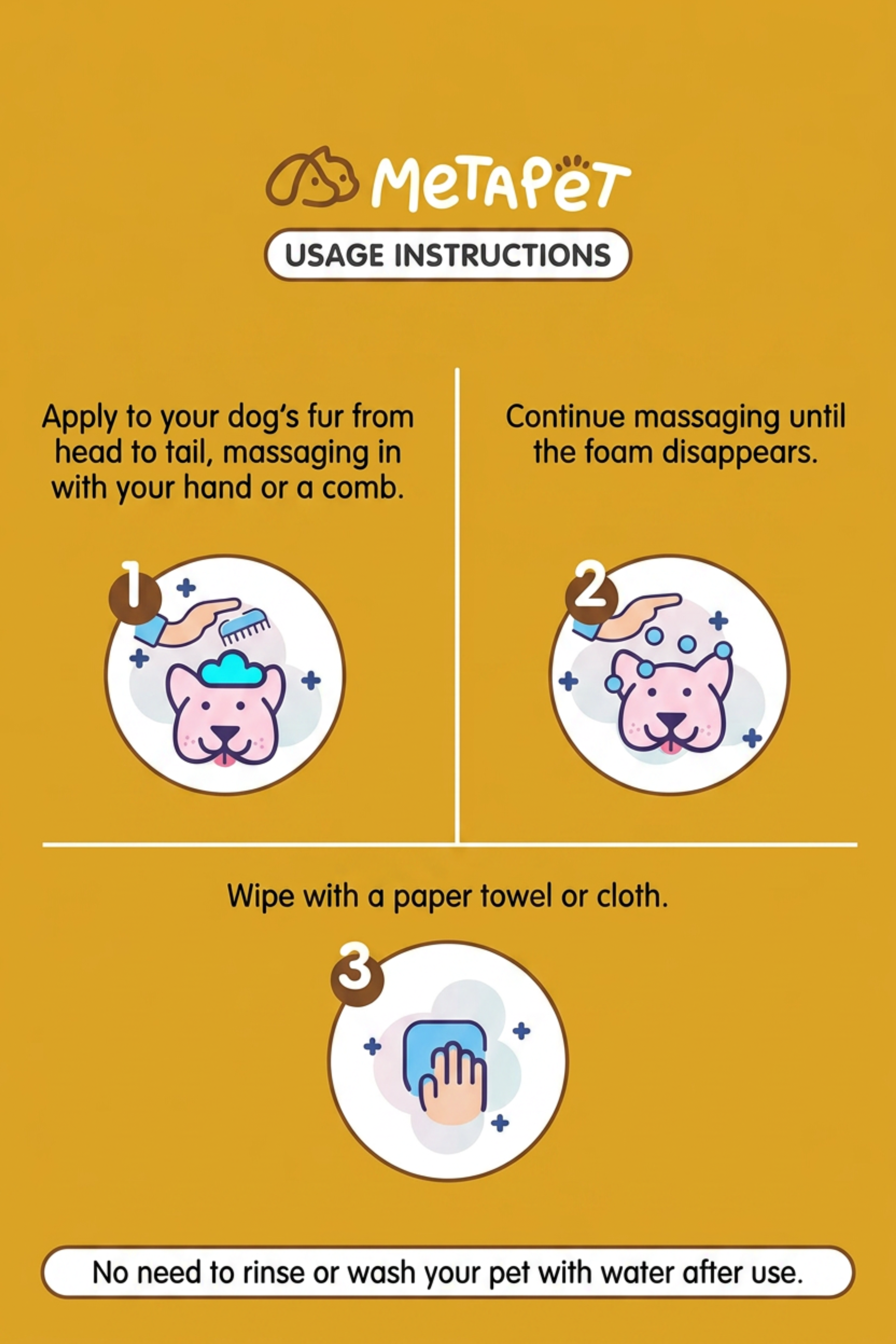
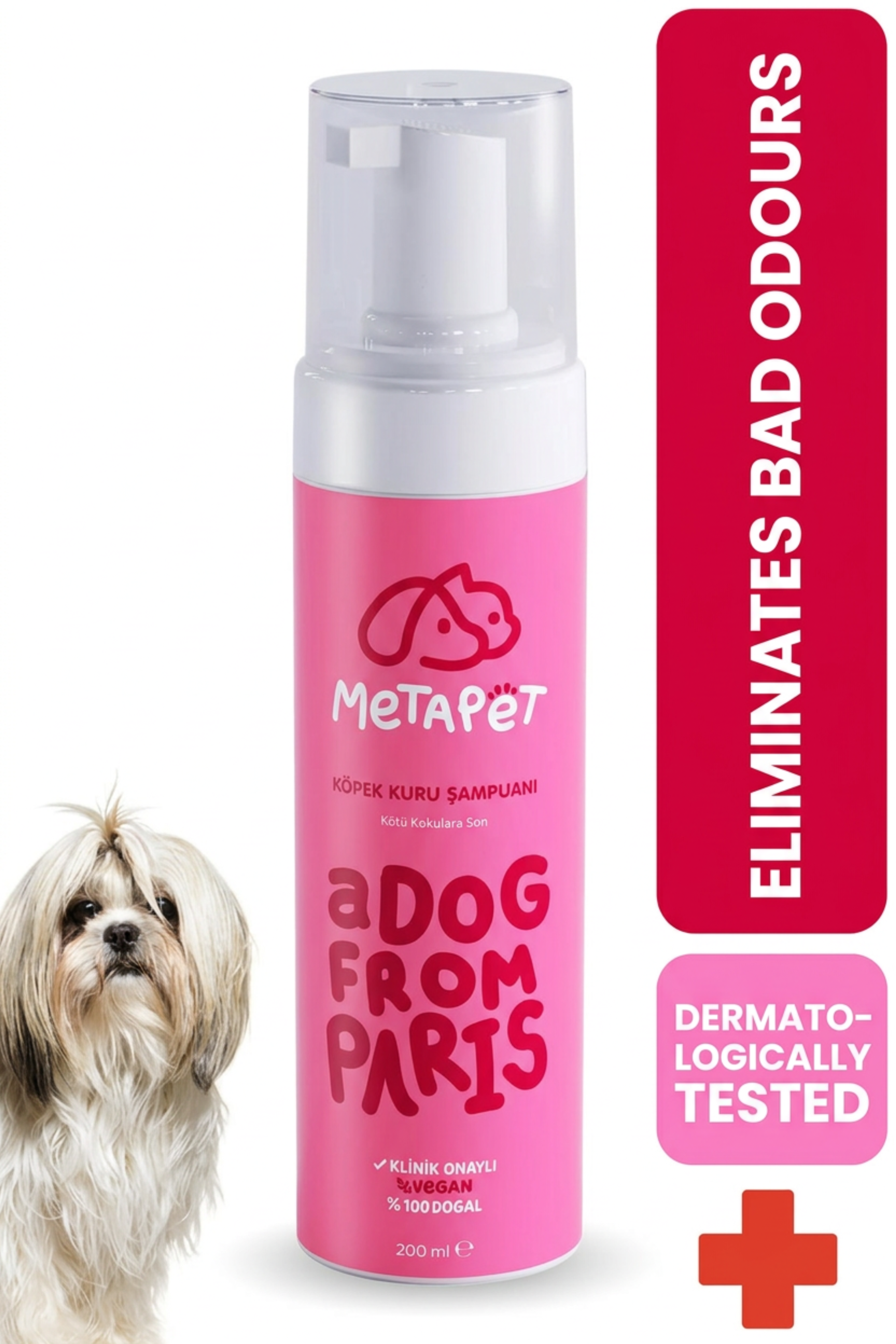
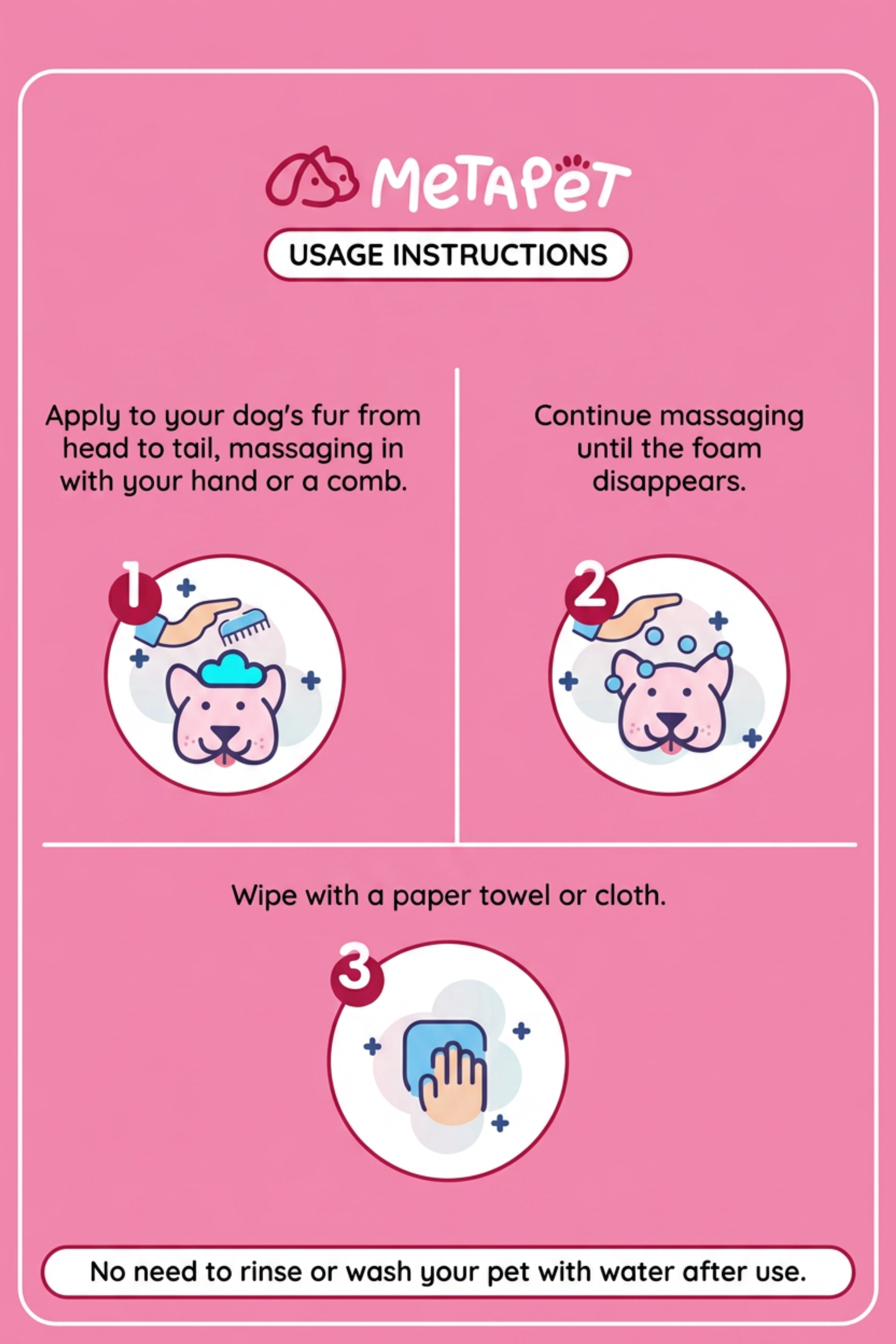
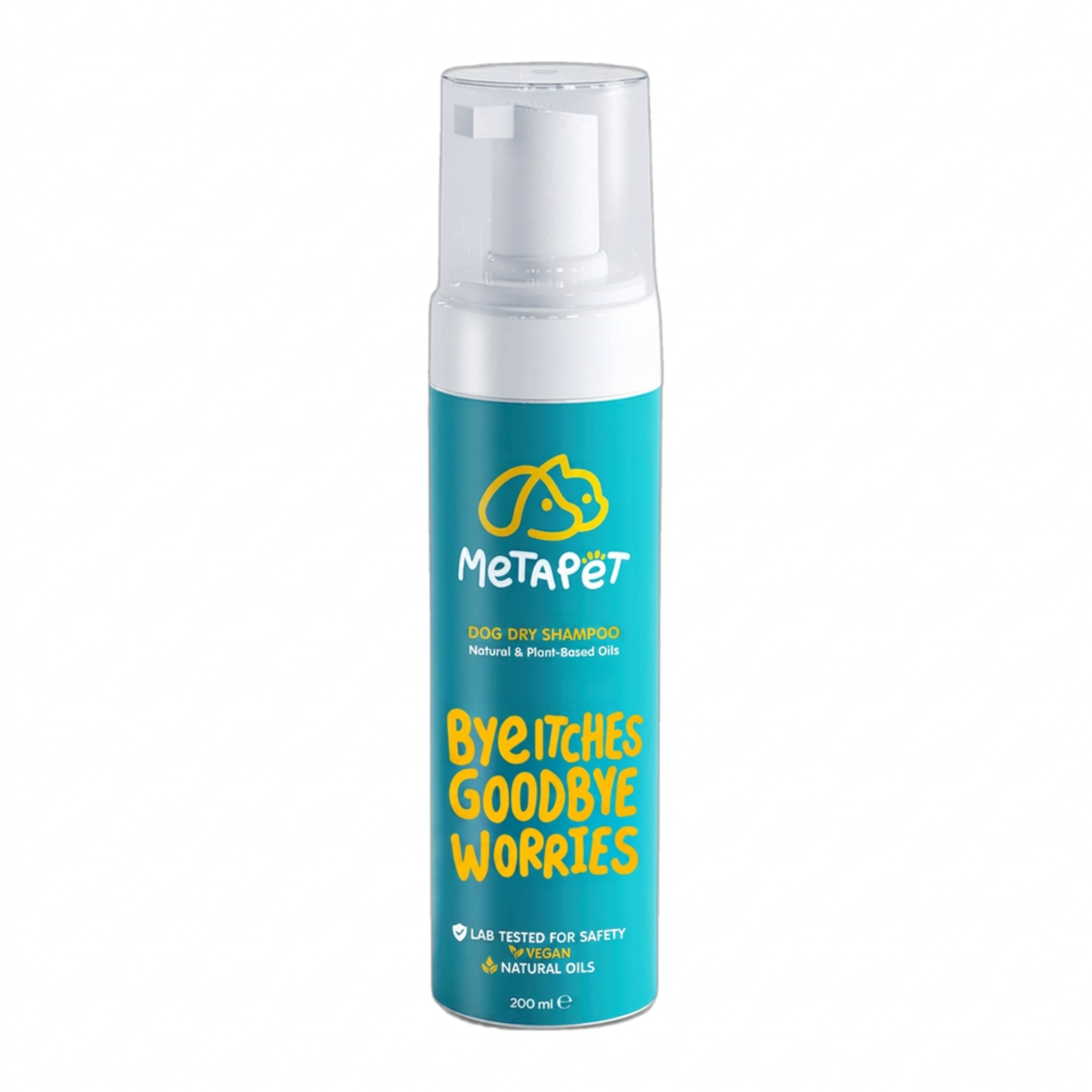
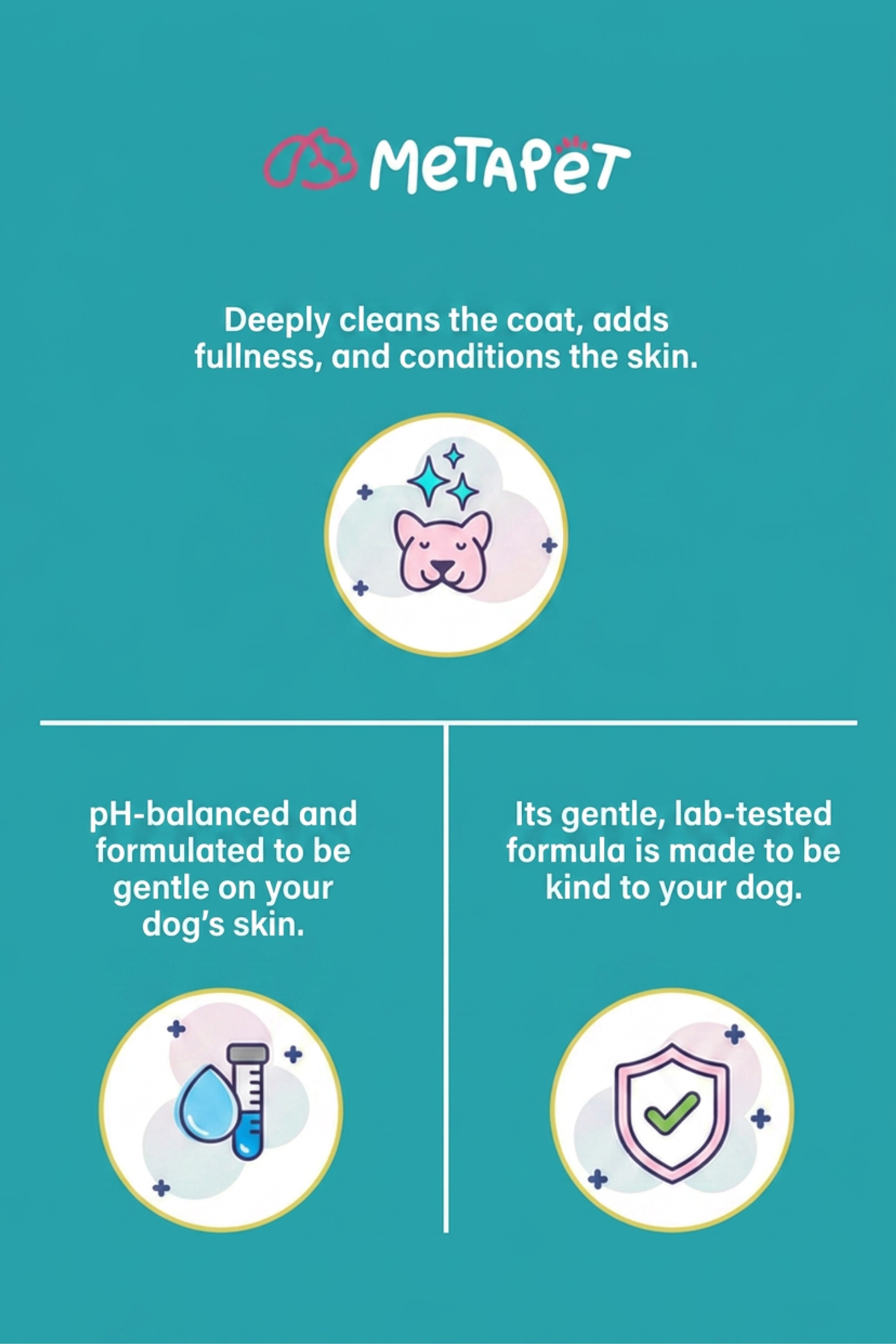
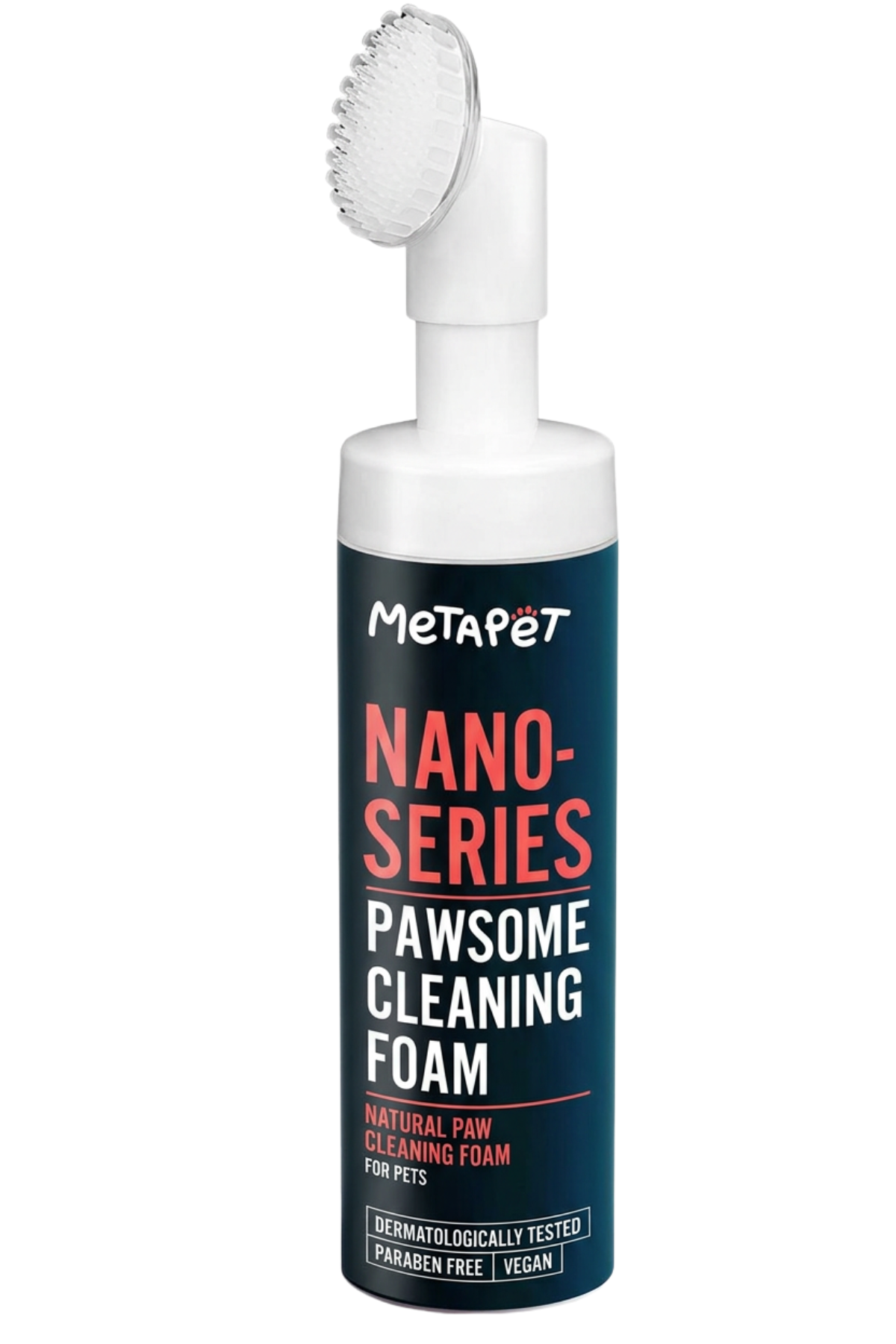
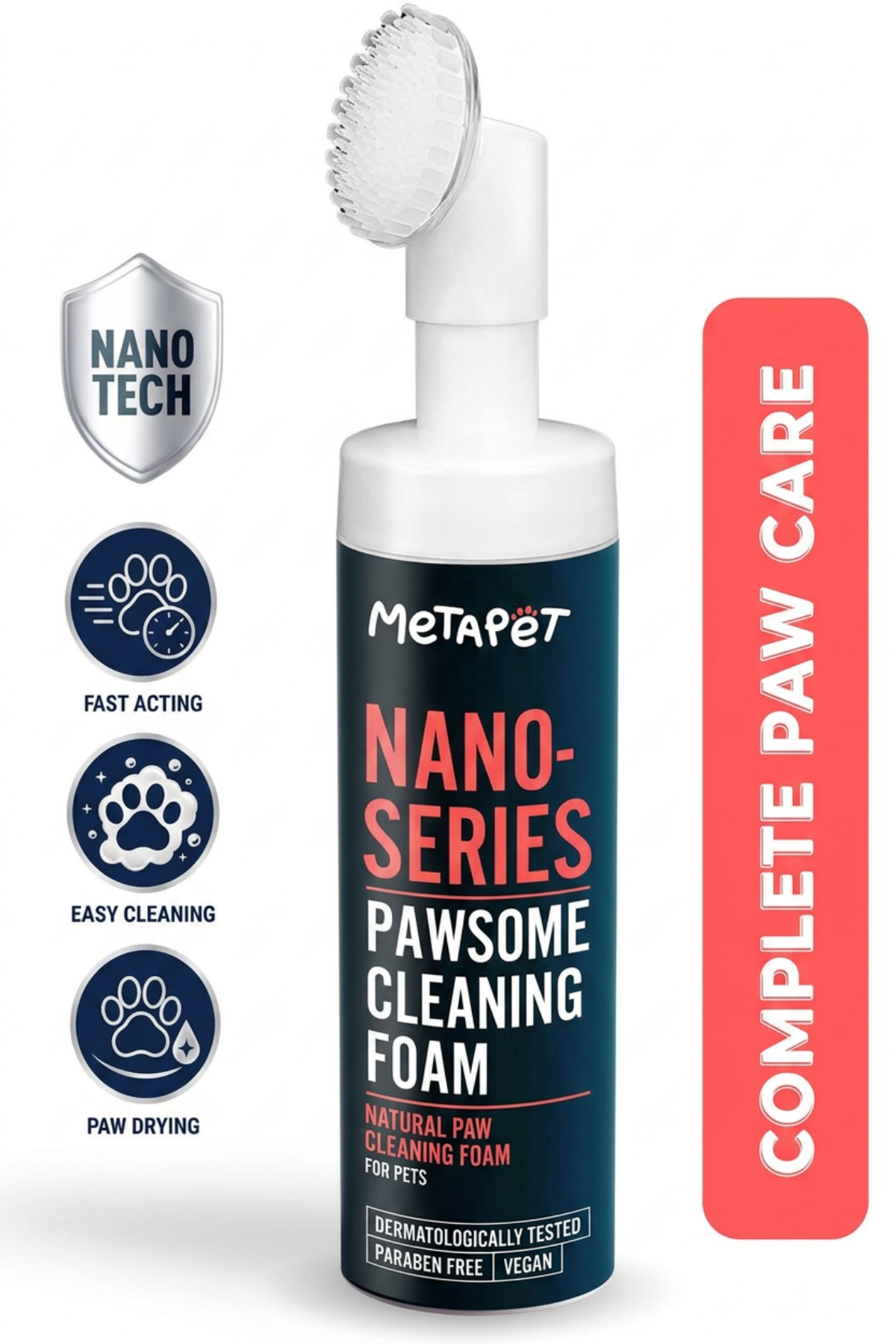
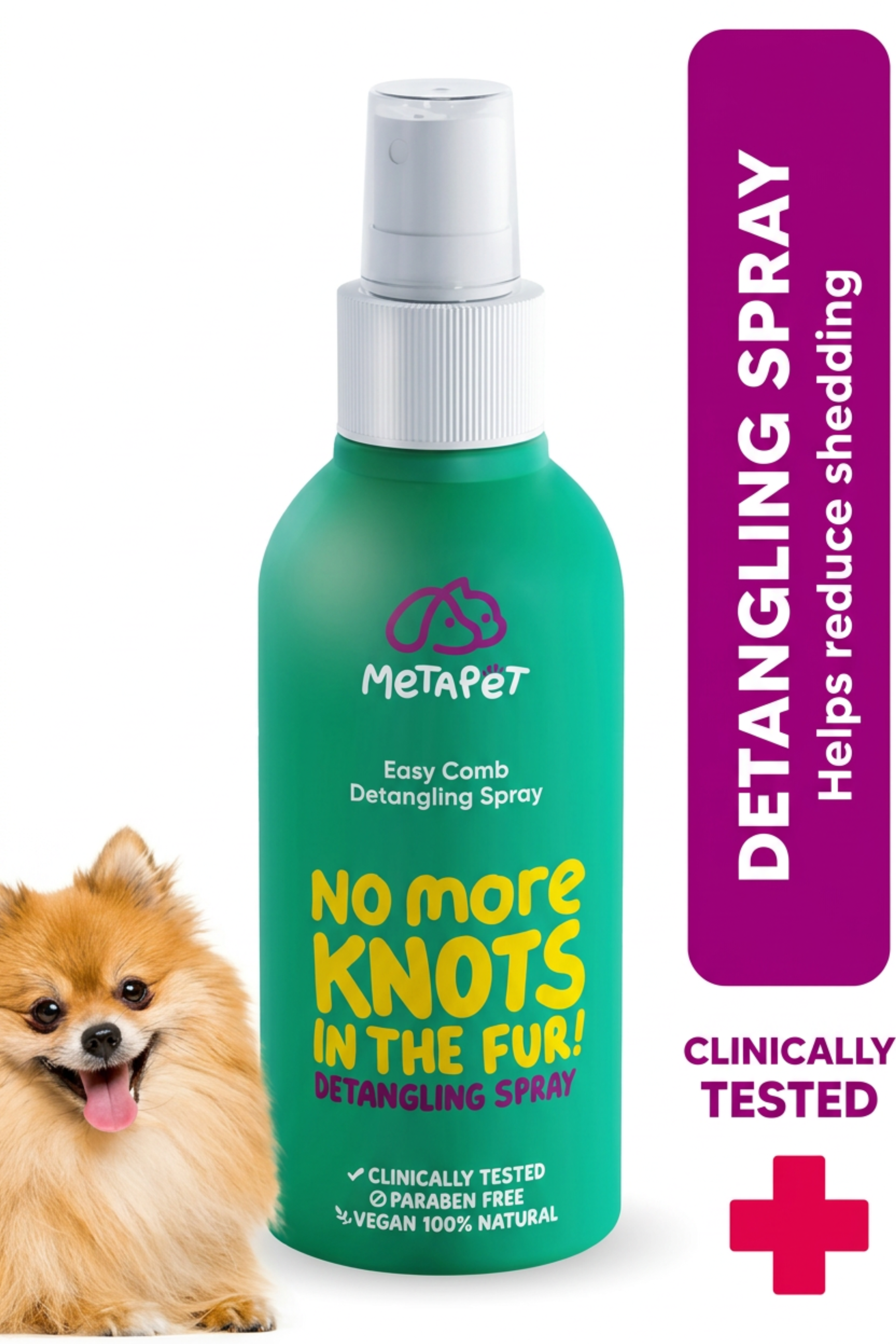
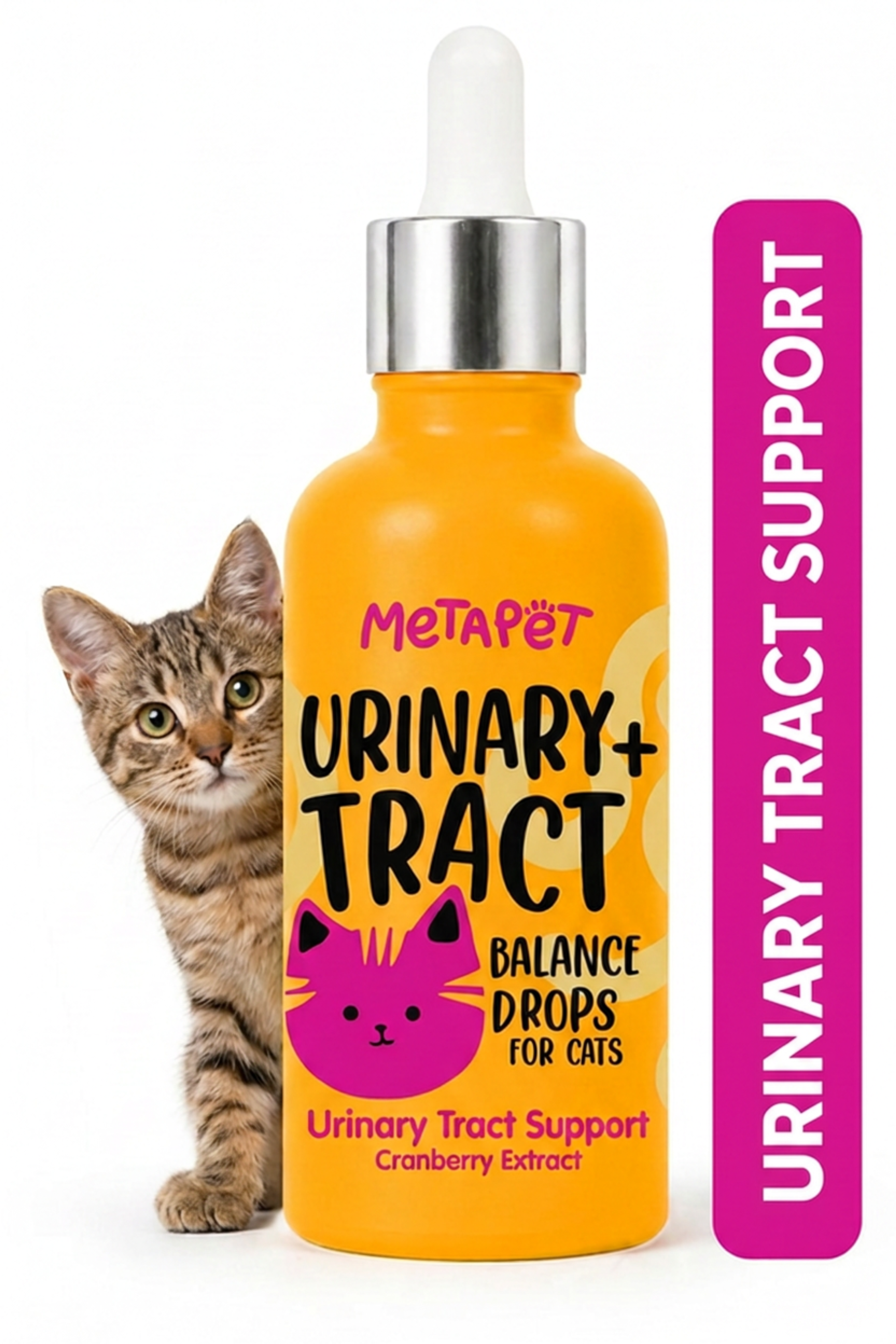
Waterless products are useful for freshening between baths, especially for cats and for dogs who find full baths stressful. MetaPet's waterless dry foam shampoos — including Oh My Sensitive Baby! for cats and A Dog From Paris for dogs — are no-rinse foams designed to clean and freshen the coat between baths without water. For tangles, a detangling and easy-combing spray helps loosen knots so brushing is more comfortable, and Pawsome paw cleaning foam with brush makes quick work of muddy paws after walks.
Grooming products are part of a routine, not a health treatment. They are designed for everyday cosmetic care and are a complement to — never a replacement for — veterinary examination, parasite prevention and treatment of any skin or coat problem. If you notice persistent itching, hair loss, redness, odour or sore areas, book a veterinary appointment rather than reaching for another product.
After the Groom: What to Check
Give your pet a calm welcome home and run your hands over the whole body. Check for clipper irritation in sensitive areas, look at nail length, glance in the ears, and note whether your pet is moving normally. Mild redness in the sanitary area sometimes settles within a day; anything more should be reported to the salon and, if needed, to your veterinarian.
Share feedback with your groomer, positive and constructive. Groomers cannot fix what they do not hear about, and a professional relationship built on clear communication produces better results year after year. Book the next appointment before you leave — most coat problems come from stretching the interval too far.
Frequently Asked Questions
How often should my dog be groomed?
It depends entirely on coat type and lifestyle. Some coats need professional attention every four to six weeks, others a few times a year with regular home brushing. Your groomer and veterinarian can suggest a realistic interval.
Should I stay and watch?
Many salons prefer owners not to stay, because pets often behave more calmly without them and safety around equipment matters. A brief tour outside working hours is a reasonable compromise.
Is shaving a double-coated dog a good idea?
It is generally discouraged, since the double coat provides insulation in both heat and cold and may regrow differently. Discuss de-shedding alternatives with an experienced groomer and your veterinarian.
My cat hates being brushed. What can I do?
Start with very short sessions in a calm spot, pair them with treats, use a comb your cat tolerates, and stop before frustration builds. A detangling spray can make combing more comfortable, and a groomer experienced with cats can demonstrate technique.