Cat Grooming Yourself: How to Brush a Cat That Hates It

Some cats melt into a brush the moment it appears. Others treat the same brush as a personal insult, flattening their ears, twisting away, and delivering a warning nip before the second stroke. If you own the second kind of cat, you already know that willpower is not the answer — a cat that has decided grooming is unpleasant will not be talked around, and forcing the issue makes every future attempt harder.
Regular grooming genuinely matters, though, which is why it is worth solving rather than abandoning. Brushing removes loose hair that would otherwise be swallowed during self-grooming, helps prevent the mats that pull painfully at the skin in long-haired cats, distributes natural skin oils through the coat, and gives you a weekly opportunity to notice lumps, scabs, fleas, or sore spots early. For older cats who can no longer twist to reach their back end, your help is not a luxury but a necessity.
This guide takes the resistant cat seriously. It covers why cats object, how to choose tools that reduce friction, how to rebuild the association from scratch, session structure that works with feline attention spans, safe handling of mats, and the point at which professional or veterinary help is the right answer rather than another home attempt.
Important: This article shares general educational information for pet owners and is not a substitute for an in-person veterinary examination, diagnosis, or treatment. For any medical concern or emergency, contact your veterinarian promptly.
Why Cats Object to Being Brushed
Understanding the objection points you at the fix. Cats are not being difficult for the sake of it; grooming resistance almost always traces to one of a handful of causes, and they respond to different solutions.
- Discomfort. The wrong brush on a sensitive coat, or a slicker used with too much pressure, can genuinely hurt. Cats have thinner skin than dogs.
- Overstimulation. Many cats enjoy a few strokes and then abruptly reach a threshold where touch becomes irritating. The bite often arrives without much warning.
- Bad history. A single painful mat-pulling session can poison the brush for years.
- Restraint. Being held still is more objectionable to most cats than the brushing itself.
- Pain. Arthritic hips, a sore back, or a skin condition make handling in specific areas genuinely unpleasant.
That last point deserves emphasis. A cat that has always tolerated brushing and suddenly objects, particularly around the lower back, hips, or belly, may be telling you something hurts. Sudden grooming intolerance is worth a veterinary examination before it is treated as a behavior problem.
Choosing Tools That Work With the Coat
Tool choice does more of the work than technique. A cat that dislikes one brush will often accept another entirely, so it is worth owning two or three options and letting your cat's reaction pick the winner.
- Soft rubber curry brush or grooming glove. Excellent starting point for suspicious cats — the sensation resembles stroking, and short-haired cats often love it.
- Fine-toothed metal comb. The most useful single tool for long-haired cats; it finds tangles before they become mats and pulls far less than a slicker when used slowly.
- Slicker brush. Effective for volume but easy to overdo. Use a light touch, never repeated strokes on the same spot, and avoid bony areas.
- Deshedding tool. Useful in shedding season for thick undercoats, but strictly in moderation; overuse irritates skin.
- Blunt-tipped scissors or clippers. For mat work only, and only with the cautions described later.
Whatever you choose, run the tool over your own inner forearm first. If the pressure is uncomfortable on thin human skin, it is too much for a cat. Keep the tool clean, and replace slickers whose pins have lost their protective tips.
Rebuilding the Association From Zero
With a cat that already dislikes brushing, the productive path is desensitization: rebuild the association so slowly that the cat never has a chance to object. This takes days to weeks, not minutes, and every session should end while the cat is still comfortable — which usually means far sooner than you think.
Start by leaving the brush on the floor near the cat's favorite resting place with a treat beside it, so the object itself predicts good things. Once the cat ignores or investigates it calmly, pick it up and simply hold it while stroking the cat with your other hand, then put it away. Next session, one single stroke with the back of the brush along the shoulder, treat, done.
Build from there: one stroke, then two, then three, always stopping before any sign of tension. The cat sets the pace. If a session produces a tail flick, skin twitch, ear turn, or a pause in purring, you have already gone one stroke too far — end there, cheerfully, and do less next time. Progress is measured in weeks, and cats that took years to become brush-averse frequently accept a comb within a month of this approach.
Timing, Location, and Session Length
When you brush matters nearly as much as how. Aim for the drowsy window after a meal or after play, when a cat is already inclined to settle, rather than during an alert or playful mood. A cat in a hunting frame of mind treats a moving brush as prey and your hand as a legitimate target.
Work where the cat already relaxes — its own cushion, the sofa arm, your lap if that is its habit — rather than lifting it onto a table. Grooming tables suit dogs and professional settings; at home, most cats do better on their own territory, unrestrained, free to walk away. Paradoxically, a cat that knows it can leave is far more likely to stay.
- Two minutes is a session. Short and frequent beats long and occasional, every time.
- Daily beats weekly for long coats. Two or three minutes a day prevents the tangles that make a thirty-minute session necessary.
- Follow the direction of the fur. Against the grain is uncomfortable for most cats.
- Start where they like being touched. Cheeks, chin, and shoulders first; belly, tail base, and hind legs last, if at all.
- Finish on a good note. Always end with something the cat enjoys — a favorite stroke, a treat, a game.
Keep a mental map of the sensitive zones. The belly, the base of the tail, and the back legs are the most commonly protected areas, and they are also where mats form most often in long-haired cats — which is precisely why a slow, patient buildup pays off there.
Reading the Warning Signs Before the Bite
Cats rarely bite without notice; the notice is just quiet. Learning the early signals lets you stop before the cat has to escalate, and stopping voluntarily is what teaches the cat that objecting works without teeth.
- Tail. A flicking or thumping tail is the clearest early stop sign.
- Ears. Rotating sideways or flattening back means the tolerance window is closing.
- Skin. Rippling or twitching along the back indicates overstimulation.
- Eyes and pupils. Widening pupils and a hard stare signal rising arousal.
- Body. Tensing, a lowered head, or turning toward your hand precedes a nip.
- Sound. A stopped purr, a low growl, or a sudden silence is a message.
When you see any of these, finish the stroke you are on, say something calm, and put the brush down. Never punish a growl or a swipe — those are the cat's polite version of the message, and punishing them simply removes the warning while leaving the objection intact.
Handling Mats Safely
Mats are tangles that have tightened into dense pads of fur, typically behind the ears, under the arms, along the belly, around the tail base, and on the trousers of long-haired cats. They matter because they pull constantly on the skin, trap moisture and debris, and can cause genuine pain and skin irritation underneath.
Small, loose tangles can often be teased apart with fingers and a fine comb, working from the outer tip of the tangle inward in tiny sections while holding the fur at the base so the pull is on your hand rather than the skin. Patience and short sessions are essential; a mat that resists five minutes of work is a job for another day or another person.
Never cut a mat out with scissors. Mats sit tight against skin that tents up into them, and scissor injuries to cats during home mat removal are common and serious. If a mat must be removed, electric clippers used by someone experienced are the safe method — and for tight, large, or numerous mats, the genuinely correct answer is a professional groomer or your veterinary clinic, where sedation is available if the cat's comfort requires it.
Prevention beats removal. Daily one-minute combing of the mat-prone zones, especially in long-haired cats and in seniors who have stopped grooming their back ends, keeps mats from ever forming. A detangling aid can make combing easier on a tangle-prone coat; products such as MetaPet No More Knots in the Fur detangling and easy-combing spray are designed to help the comb glide through the coat and may reduce pulling during routine grooming. Use any grooming product as part of a gentle routine rather than as a way to force through a serious mat, and ask your veterinarian if your cat has broken or irritated skin.
Cats Who Truly Cannot Be Brushed
Some cats, particularly those with difficult early histories, do not get there. That is not a failure. The goal is a comfortable, healthy cat, and there is more than one route to that outcome.
Grooming gloves let some intolerant cats accept what is essentially petting that removes hair. Others accept a comb only during a specific ritual — while eating a lickable treat, for instance, which occupies attention and creates a positive association. Some owners split the job across the day: a few strokes at breakfast, a few at bedtime, never a full session.
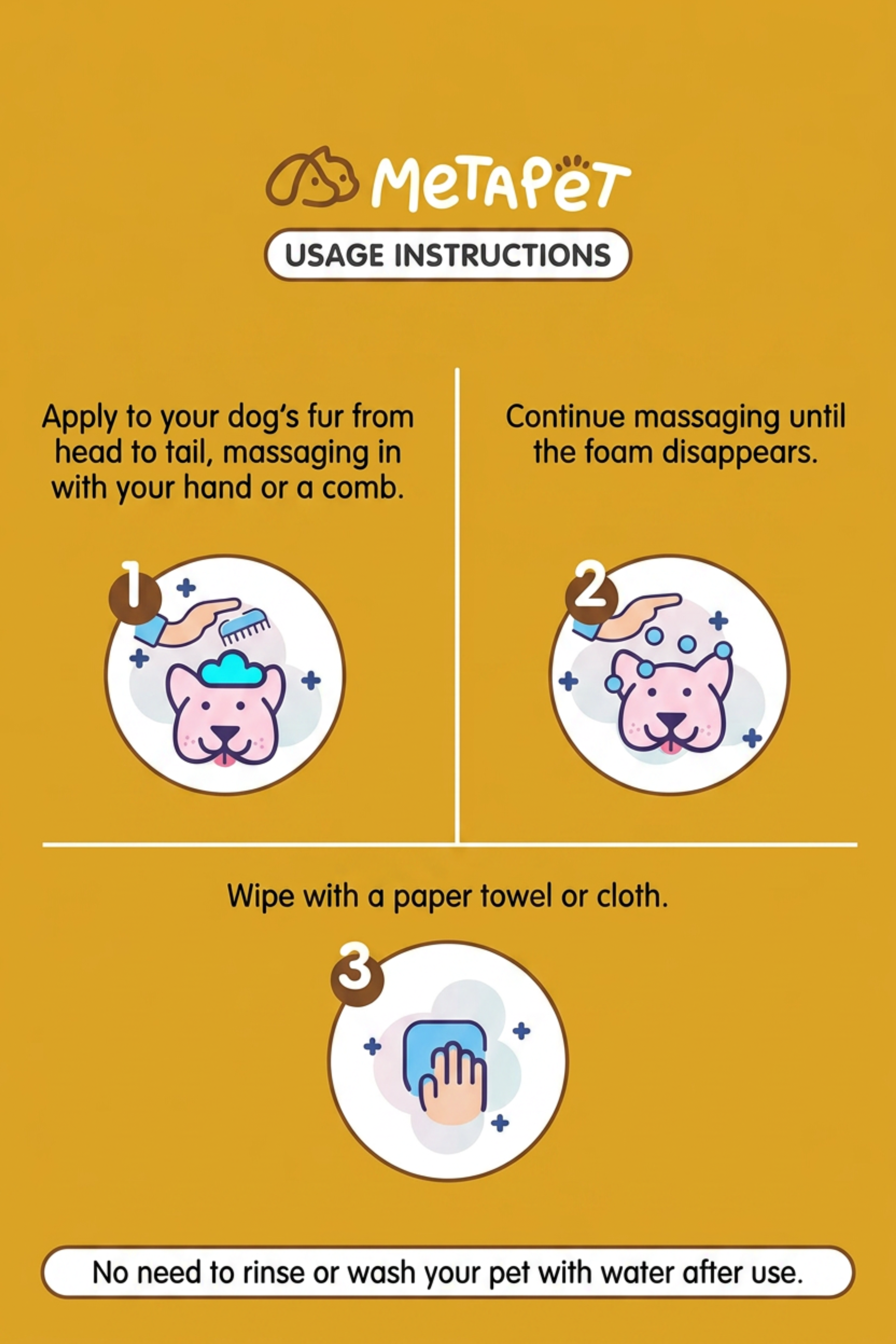
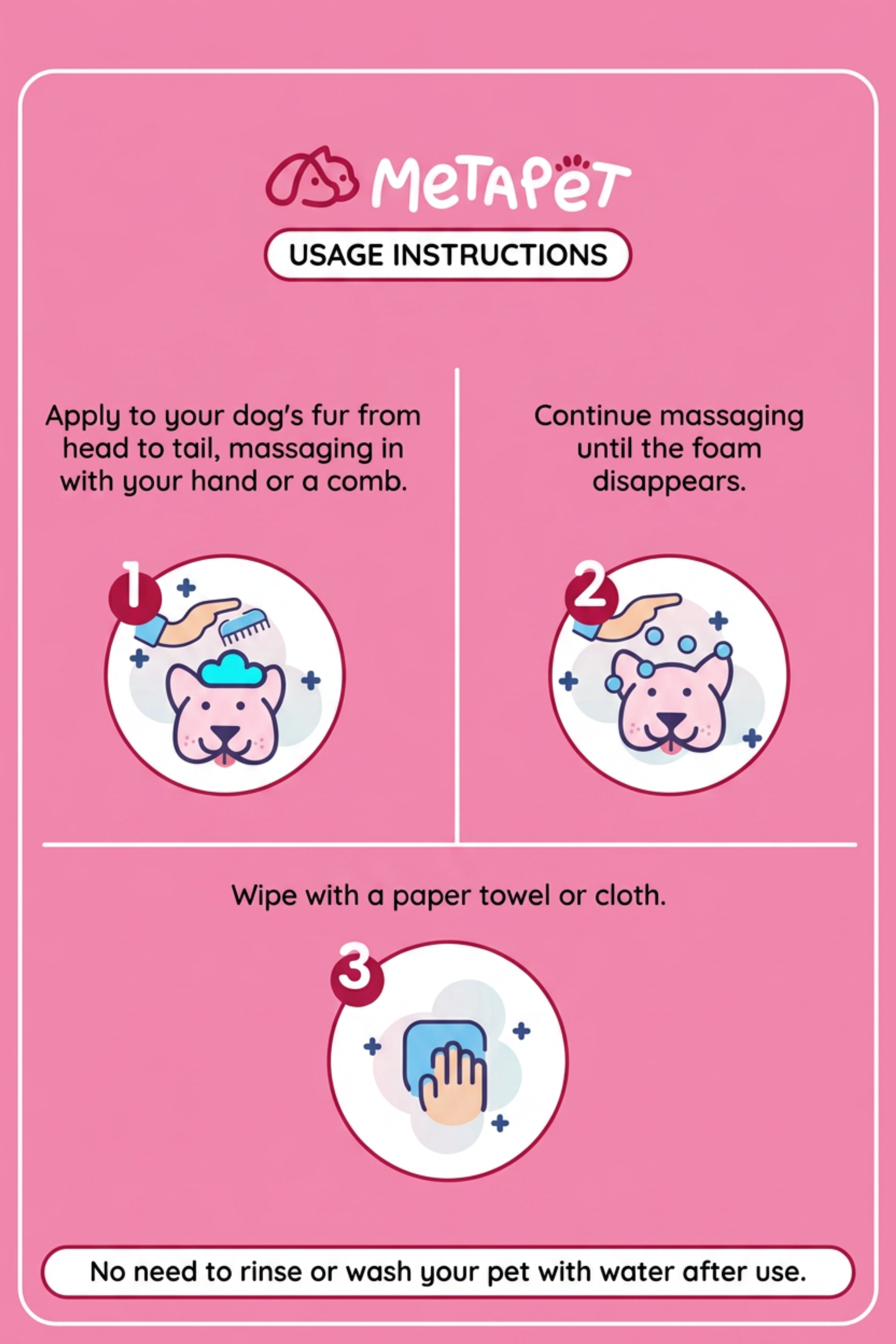
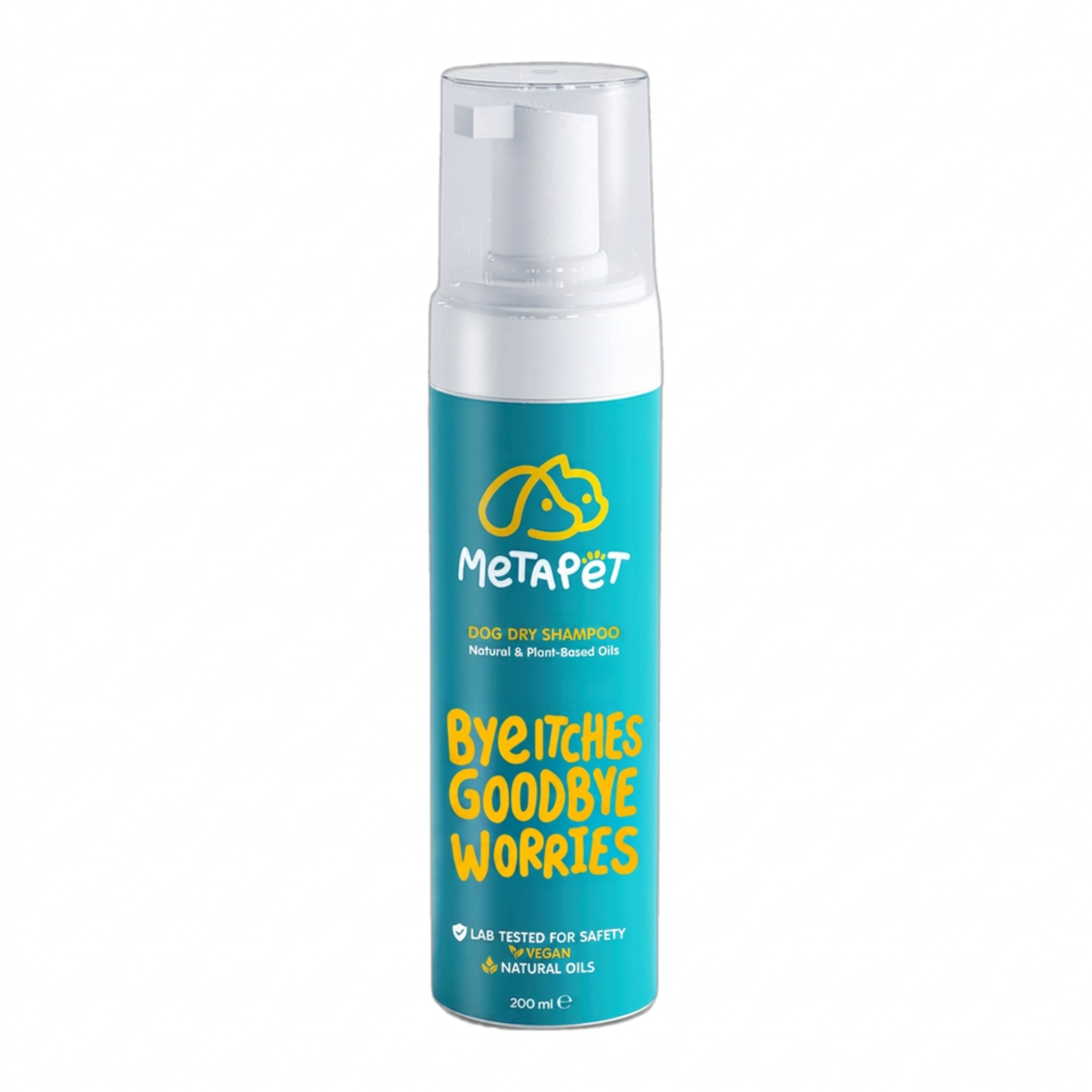
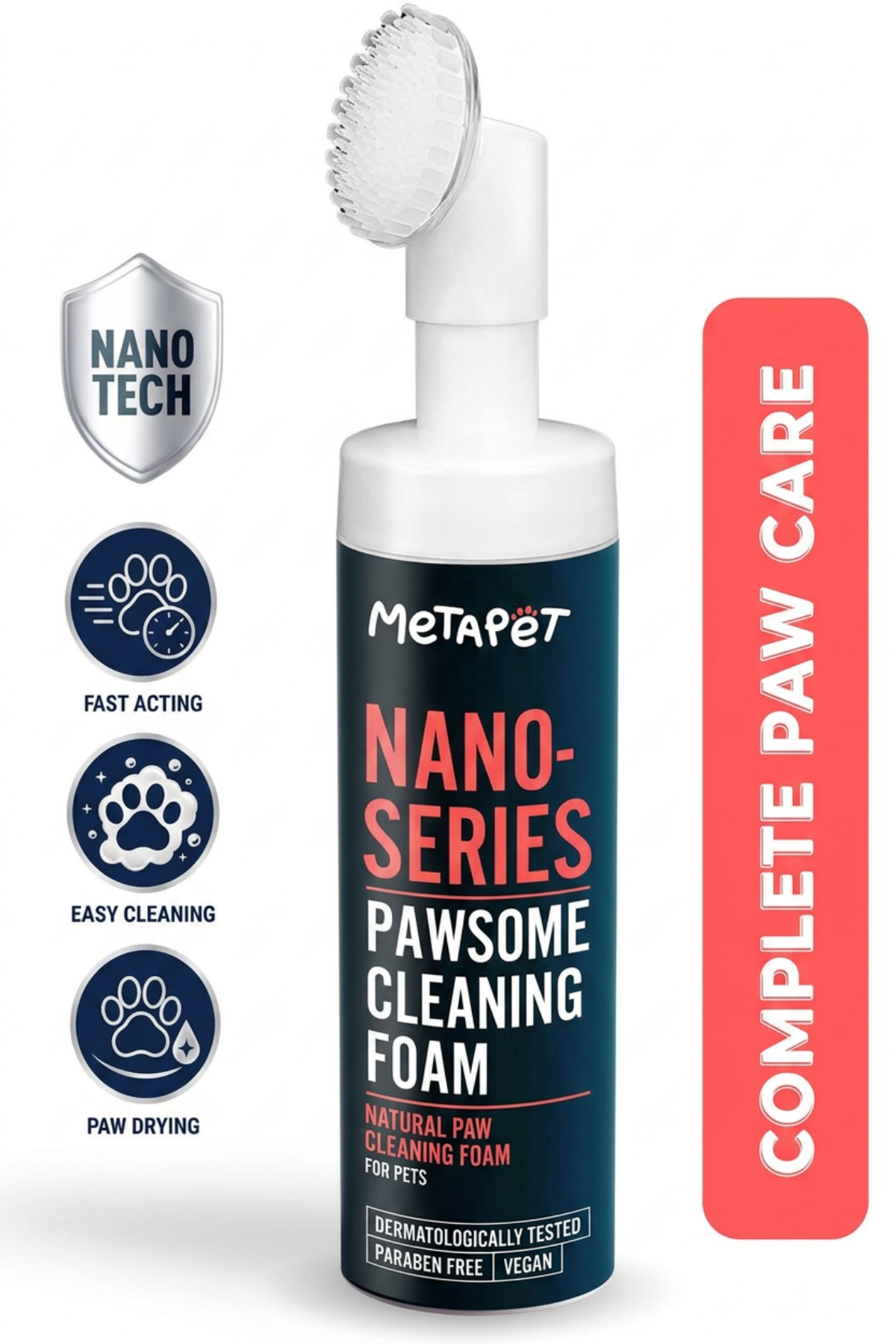
For cats who dislike water and bathing but need coat freshening between grooms, waterless foam products designed for cats — for example MetaPet Oh My Sensitive Baby! waterless dry foam shampoo for cats — offer a lower-stress way to help keep the coat clean without a full bath. Products like these support routine coat care and are not a substitute for veterinary attention if your cat has a skin problem, and any new product is best introduced on a small area first.
When home care simply cannot keep the coat in good condition, book a professional groomer experienced with cats or speak to your veterinary practice. Regular short professional visits are far kinder than an annual emergency de-matting, and many clinics will schedule grooming alongside a routine health check.
Grooming Needs by Coat Type and Age
Short-haired cats generally need a weekly once-over, rising to two or three times a week during heavy shedding seasons. The aim is mostly loose-hair removal, and a rubber curry or glove usually does the job in a couple of minutes.
Long-haired cats — Persians, Maine Coons, ragdolls, and the many long-coated mixed breeds — need something close to daily attention, because their coats mat faster than anyone expects. Focusing on the friction zones daily and doing a fuller comb-through a couple of times a week is a realistic, sustainable pattern.
Seniors and overweight cats deserve special mention. Both often lose the flexibility to groom their lower back, hindquarters, and tail base, and the coat there becomes greasy, flaky, or matted while the front half looks immaculate. Gentle, frequent, short sessions targeting exactly those areas make a real difference to comfort. If an older cat has become dramatically less able or willing to groom itself, mention it at the next veterinary visit — reduced self-grooming is a recognised signal of pain or illness in cats.
What Grooming Sessions Can Tell You
A brushing routine doubles as a weekly health check, which is one of the strongest arguments for persevering. Run your hands over the whole body as you groom and note anything new: lumps, scabs, flaky or greasy patches, thinning fur, redness, or sore spots the cat reacts to.
Watch the coat's overall condition as well. A dull, dry, or unusually greasy coat, sudden dandruff, or bald patches from overgrooming are all worth mentioning to your veterinarian, since coat quality often reflects general health. Black specks that turn reddish-brown on a damp tissue suggest flea dirt and call for a conversation about parasite prevention.
Do the same for the extremities while the cat is settled — a quick look at claws, ear openings, and eyes costs seconds and catches problems early. None of this replaces routine veterinary examinations, but attentive owners often notice changes weeks before a scheduled visit.
When to Involve Your Veterinarian
Contact your veterinary clinic if your cat suddenly refuses grooming it previously accepted, reacts painfully to touch in a specific area, has extensive or tight matting, shows skin that is red, weeping, smelly, or broken beneath a mat, is grooming itself far less or far more than usual, or has developed bald patches, scabs, or persistent dandruff.
Also raise the topic if handling your cat at all has become dangerous for you. Veterinary teams and cat-experienced groomers have handling skills, and in some cases sedation, that make necessary coat care possible without a fight — and a cat that needs that level of help is not a badly behaved cat, just one whose limits deserve respect.
This article provides general educational guidance and cannot assess your individual cat. For anything painful, sudden, or worsening, an in-person veterinary examination is the right next step.