Bladder Stones in Dogs and Cats: Signs, Diet, Care

Bladder stones, known medically as uroliths, are firm mineral deposits that form inside the urinary bladder of dogs and cats. They range from a single large stone to dozens of tiny sand-like grains, and they can cause discomfort, recurring infections, and, in some cases, a life-threatening blockage. Because the early signs overlap with ordinary urinary tract irritation, many owners do not realize a stone is present until their pet is clearly struggling.
This guide explains how bladder stones develop, the most common types, the signs that should prompt a veterinary visit, and the everyday habits that support long-term urinary health. Understanding the basics helps you act quickly, because a urinary blockage, especially in male cats, is one of the true emergencies in companion-animal medicine.
Important: This article shares general educational information for pet owners and is not a substitute for an in-person veterinary examination, diagnosis, or treatment. For any medical concern or emergency, contact your veterinarian promptly.
What Bladder Stones Actually Are
Urine carries dissolved minerals such as magnesium, phosphate, calcium, and ammonium. When these minerals become too concentrated, or when the urine pH shifts, the minerals can crystallize. Over days to weeks, crystals clump together and harden into stones. The process is influenced by diet, water intake, urine acidity, genetics, and whether infection is present.
Stones can sit quietly in the bladder for a long time, gradually rubbing against the bladder wall and causing inflammation. Small stones are especially dangerous in males because the urethra narrows as it exits the body, and a stone lodged there can partially or fully block the flow of urine.
Stones are not the same as a simple bladder infection, although the two often occur together. Some stones encourage infection, and some infections change the urine chemistry in ways that encourage stones. This chicken-and-egg relationship is one reason your veterinarian looks at the whole picture rather than treating a single symptom.
Common Types of Stones
The two most common stone types in dogs and cats are struvite and calcium oxalate, though several less frequent types exist. Identifying the type matters because it guides both treatment and prevention.
- Struvite stones: often linked with urinary tract infections in dogs, and sometimes forming without infection in cats. Certain struvite stones can be dissolved with a veterinary therapeutic diet under close monitoring.
- Calcium oxalate stones: cannot be dissolved by diet and usually must be removed; prevention focuses on dilute urine and dietary management.
- Urate stones: seen more in certain breeds, such as Dalmatians, and in pets with particular liver conditions.
- Cystine stones: an inherited metabolic issue in some breeds, requiring lifelong management.
Because these types look similar on imaging, the only reliable way to know for certain is laboratory analysis of a stone after it is passed or removed. That analysis shapes the prevention plan your veterinarian recommends.
Warning Signs to Watch For
Bladder stone signs can be subtle at first and then escalate. Any change in normal bathroom habits deserves attention, and repeated straining is never normal.
- Frequent urination: small amounts, often with visible effort or discomfort.
- Blood in the urine: a pink, red, or rusty tint.
- Straining or crying: posturing to urinate but producing little or nothing.
- Accidents in the house: a previously trained pet suddenly having lapses.
- Excessive licking: focused grooming of the genital area.
- Cloudy or strong-smelling urine: a possible sign of accompanying infection.
If a pet, particularly a male cat, is straining repeatedly and cannot pass urine, treat it as an emergency and contact your veterinarian or an emergency clinic immediately. A complete blockage can become fatal within a day or two.
Why Male Cats Are Especially at Risk
Male cats have a long, narrow urethra that tapers near the tip. Even a few grit-sized crystals combined with inflammation and mucus can form a plug that stops urine flow entirely. When urine cannot leave the body, waste products build up in the bloodstream and pressure damages the kidneys.
This is why feline urinary distress is treated so urgently. A cat that visits the litter box again and again, vocalizes, or hides while straining needs prompt veterinary evaluation rather than a wait-and-see approach.
How Veterinarians Diagnose Stones
Diagnosis usually begins with a physical exam and a urinalysis, which checks urine concentration, pH, crystals, blood, and signs of infection. Imaging then locates and measures the stones.
- Urinalysis to assess crystals, pH, and infection markers.
- X-rays, which show many but not all stone types.
- Ultrasound, useful for stones that do not appear well on X-ray.
- Urine culture to identify bacteria when infection is suspected.
- Stone analysis after removal to confirm the exact mineral type.
Your veterinarian may also run bloodwork to evaluate kidney function and rule out related conditions, especially if a blockage is suspected.
Treatment Options
Treatment depends on the stone type, size, number, and whether a blockage exists. Options range from dietary dissolution to surgery, and your veterinarian will explain the trade-offs for your pet.
- Therapeutic diet dissolution: for certain struvite stones, a veterinary prescription diet can gradually dissolve them over weeks while urine is monitored.
- Surgical removal (cystotomy): the most reliable option for larger stones or calcium oxalate, which cannot be dissolved.
- Non-surgical retrieval: some clinics use specialized techniques to flush or retrieve small stones.
- Emergency relief of blockage: a blocked pet needs immediate catheterization and stabilization before any long-term plan.
Never attempt to manage a suspected blockage at home. Prescription diets are powerful tools, but they should only be used under veterinary guidance because the wrong diet for the wrong stone type can make matters worse.
The Role of Water and Hydration
Dilute urine is one of the best defenses against many stone types because it keeps minerals from concentrating. Encouraging water intake is a simple, everyday habit that supports urinary health.
- Offer fresh water daily: clean bowls and refill often to keep water appealing.
- Add water bowls: place several around the home so a drink is always nearby.
- Consider a pet fountain: many cats prefer moving water and drink more from one.
- Include moisture in meals: canned or moistened food adds water to the diet when appropriate for your pet.
- Watch intake changes: a sudden rise or drop in drinking can signal a problem worth discussing with your vet.
If your veterinarian has recommended a specific diet, follow it consistently, since switching foods can undo the careful mineral balance designed to keep urine within a healthy range.
Diet and Long-Term Prevention
After a stone is identified, prevention is tailored to its type. For some pets that means a lifelong therapeutic diet; for others it means periodic urine checks and steady hydration. The goal is to keep urine dilute and to maintain a pH that discourages the specific mineral involved.
Regular rechecks matter because stones can recur. Many veterinarians schedule follow-up urinalysis and imaging at set intervals so that new crystals or small stones are caught early, before they grow or cause a blockage. Consistency with feeding, water, and rechecks is the foundation of a good long-term plan.
Home Monitoring Tips
You are the first line of observation between veterinary visits. Simple monitoring habits help you notice trouble early.
- Track litter box or potty patterns: note frequency, effort, and volume.
- Watch urine color: report pink, red, or cloudy urine to your veterinarian.
- Scoop and observe: clumping litter makes it easier to gauge how much a cat is producing.
- Note behavior changes: hiding, restlessness, or vocalizing during urination is meaningful.
- Keep rechecks: attend scheduled follow-ups even when your pet seems fine.
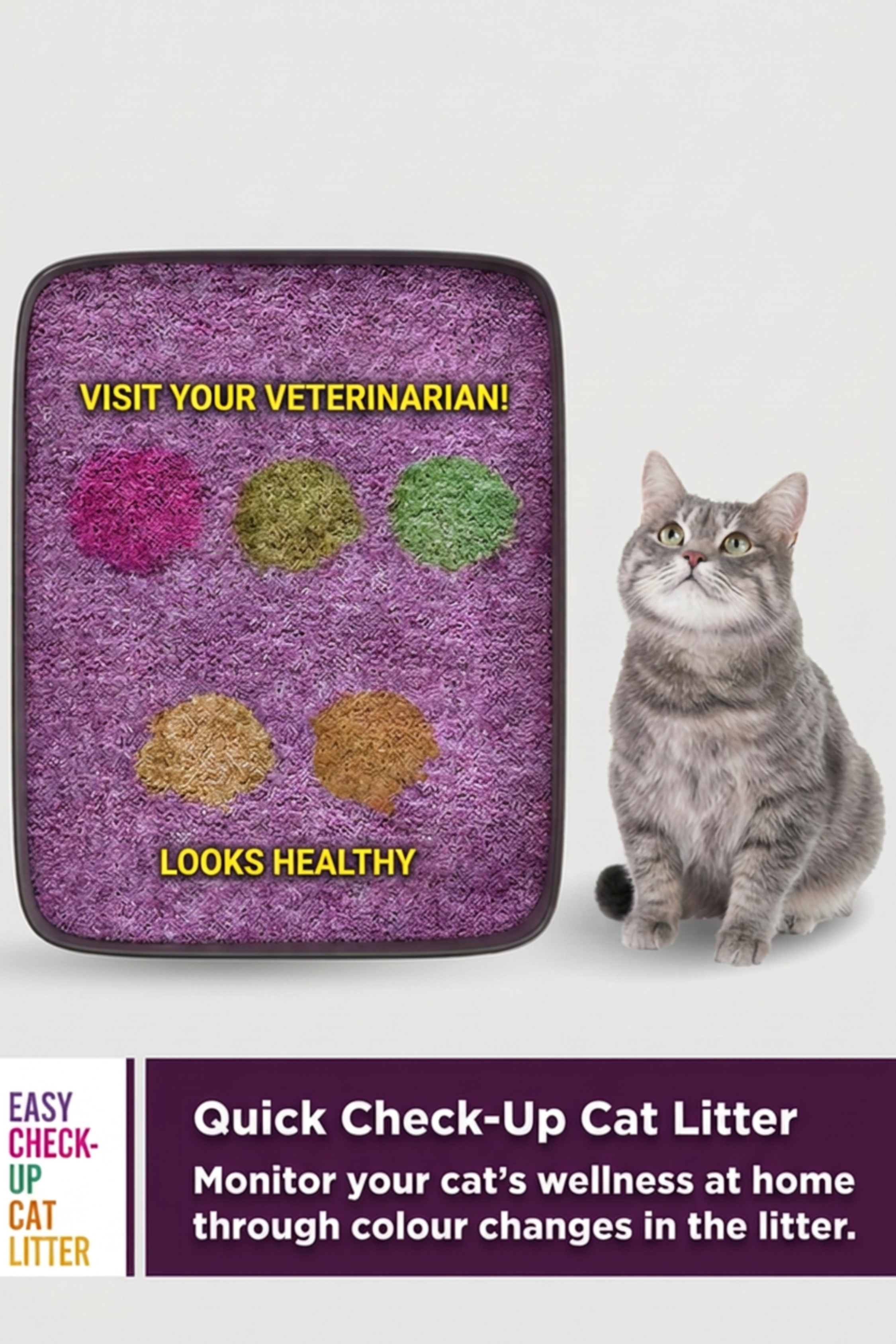
Wellness-monitoring litter products that change color in response to certain urine characteristics can offer an extra at-home cue, but they are a prompt to seek veterinary care rather than a diagnosis. Any concerning change still needs a professional evaluation.
When to Call the Veterinarian
Some situations warrant a same-day or emergency call. When in doubt, it is always safer to check.
- Cannot urinate: repeated straining with little or no output, especially in male cats, is an emergency.
- Visible blood: persistent or heavy blood in the urine.
- Pain or distress: crying, hiding, or a tense, painful belly.
- Vomiting or lethargy: possible signs that a blockage is affecting the whole body.
- Recurrent infections: frequent urinary infections may point to an underlying stone.
Bladder stones are common and manageable when addressed early. With prompt diagnosis, an appropriate treatment plan, steady hydration, and regular rechecks, most dogs and cats return to comfortable, normal lives.
Frequently Asked Questions
Can bladder stones go away on their own?
Some struvite stones can be dissolved with a veterinary therapeutic diet, but this must be done under close supervision with regular urine checks. Calcium oxalate and several other stone types cannot dissolve and usually require removal. Stones do not simply disappear without a targeted plan, so a wait-and-see approach risks a painful blockage.
Are certain pets more prone to stones?
Yes. Some dog breeds and cats are predisposed to particular stone types because of their genetics, urine chemistry, or metabolism. Pets with repeated urinary infections and those that drink very little water are also at higher risk. Your veterinarian can help identify your pet's individual risk profile after a stone is analyzed.
Will my pet get stones again after treatment?
Recurrence is possible, which is why prevention and rechecks matter. Following the recommended diet, keeping urine dilute with steady water intake, and attending scheduled urinalysis and imaging appointments greatly reduce the chance that new stones grow unnoticed.
Is a special diet always needed?
Not always, but for many stone types a therapeutic diet is the cornerstone of prevention. The right diet depends entirely on the stone's mineral makeup, so it should only be chosen with your veterinarian, since the wrong diet can worsen the wrong stone.
Key Takeaways
Bladder stones are common and manageable, but they can turn into an emergency quickly, especially in male cats. Keep these essentials in mind:
- Know the emergency sign: a pet straining but unable to urinate needs immediate care.
- Hydration is protective: dilute urine helps prevent many stone types from forming.
- Type guides treatment: stone analysis determines whether diet or surgery is appropriate.
- Rechecks catch recurrence: follow-up testing finds new crystals before they grow.
- Never self-treat a blockage: home remedies delay the urgent care a blocked pet needs.
With prompt diagnosis, the right prevention plan, and consistent hydration, most pets with bladder stones return to comfortable, normal lives.
Common Myths and Facts
Misunderstandings about urinary stones can delay care. Separating myth from fact helps owners respond sensibly when a pet shows urinary signs.
- Myth: a little straining is normal. Fact: repeated straining is never normal, and a pet that cannot pass urine is a medical emergency, especially a male cat.
- Myth: stones only affect older pets. Fact: stones can form at many ages depending on diet, genetics, and urine chemistry, so signs should be checked at any age.
- Myth: more water cannot really help. Fact: dilute urine is one of the most effective defenses against several stone types, so steady water intake genuinely matters.
- Myth: any urinary diet will do. Fact: the right diet depends on the exact stone type; the wrong one can worsen the problem, so diet must be chosen with your veterinarian.
- Myth: once treated, stones are gone for good. Fact: recurrence is possible, which is why prevention and scheduled rechecks are part of long-term care.
When you understand what is true, you are far more likely to act quickly and follow a plan that keeps your pet comfortable and safe.