Winter Paw Care for Dogs and Cats: A Cold-Weather Guide

Paw pads are tougher than they look — thick, cushioned, and built for a lifetime of contact with the ground. But they are not armor, and winter tests them in ways the other seasons do not. Ice, frozen ground, road salt, chemical de-icers, and the endless cycle of cold-outdoor to warm-indoor all conspire against those hardworking pads, and the results show up as cracks, redness, limping, and frantic licking.
Most winter paw trouble is quietly preventable with a few habits: knowing what the hazards actually are, protecting pads before walks, cleaning them afterward, and checking regularly for early damage. None of it is complicated, and it turns cold-weather walks from a source of sore feet back into the highlight of a dog's day.
This guide covers the real winter hazards to paws, how to protect them with balms and boots, the post-walk routine that prevents most problems, how to recognize damage and frostbite, and the indoor comfort measures that keep pads healthy until spring.
Important: This article shares general educational information for pet owners and is not a substitute for an in-person veterinary examination, diagnosis, or treatment. For any medical concern or emergency, contact your veterinarian promptly.
Why Winter Is Hard on Paws
Cold weather attacks paws from several directions at once. Frozen ground and ice are abrasive and unforgiving, and sharp ice edges or frozen crusts can nick pads directly. Prolonged cold can also chill the tissues, and in extreme conditions the extremities — paws, ear tips, tails — are where frostbite strikes first, because the body prioritizes keeping the core warm.
Then there are the chemicals. Road salt and de-icing products coat winter sidewalks and roads, and they are rough on paws in two ways: the crystals irritate and dry the skin, working into any small crack, and pets lick the residue off their feet afterward, which can cause mouth irritation and stomach upset. Add the humble mechanics of ice balls — snow that clumps and freezes between the toes and pads, especially in furry-footed breeds — and you have a season purpose-built to make paws sore. Understanding these four hazards — abrasion, cold, chemicals, and ice balls — is what makes the prevention steps make sense.
Before the Walk: Protection Strategies
- Paw balm or wax. A protective balm applied before walks creates a barrier against salt and moisture and helps keep pads supple; reapply as directed, especially in heavy conditions.
- Trim paw fur. Neatly trimming the hair between the pads reduces ice-ball formation and keeps de-icer from lodging in the fur — leave enough for warmth, just tidy the tufts.
- Keep nails in check. Well-trimmed nails improve grip and posture on slippery ground, reducing slips and strain.
- Consider booties. Well-fitted dog boots are the most complete protection — against cold, salt, and abrasion at once — for dogs that tolerate them.
- Shorten walks in extreme cold. When temperatures plunge, several short outings beat one long one; frostbite risk climbs with exposure time.
- Choose your route. Favor cleared paths and untreated snow over heavily salted pavement where you can.
Dog Boots: Getting Them to Work
Boots are the gold standard for paw protection, but the internet is full of videos of dogs high-stepping like circus ponies the moment they go on — a sign of poor fit or rushed introduction rather than a hopeless dog. The two keys are proper sizing and patient training. Measure the paw to the manufacturer's guide, choose a snug but not tight fit with a secure closure so they stay on, and check for rubbing after early wears.
Introduce them like any new experience: indoors first, one or two at a time, paired with treats and short, upbeat sessions, gradually building to all four and then to brief indoor walks before hitting the street. Most dogs accept boots within a week or two of positive practice. For dogs that genuinely refuse despite fair effort, balms plus a diligent post-walk routine are a perfectly good plan B. Cats, for the record, almost universally decline footwear — for them, prevention is about limiting cold exposure and keeping indoor paws healthy.
After the Walk: The Cleaning Routine
The single most valuable winter paw habit takes ninety seconds at the door. Every time your dog comes in from a salted or slushy environment, clean the paws — this removes irritating salt and de-icer before it dries into the skin or gets licked off, and it lets you inspect for damage while you are down there anyway.
- Wipe thoroughly. Use a damp cloth or pet-safe wipe over the pads, between the toes, and around the nails to lift salt and chemical residue.
- Rinse when needed. After heavy de-icer exposure, a quick lukewarm rinse of the feet is worthwhile; dry completely afterward, since damp between the toes invites irritation.
- Check as you clean. Look for cracks, redness, cuts, or lodged ice and grit — early problems are easy to miss without this habit.
- Discourage pre-clean licking. Keep your pet from licking salty paws before you have wiped them; distract with the cleaning routine itself.
- Dry between the toes. Trapped moisture softens skin and encourages irritation and infection over a long winter.
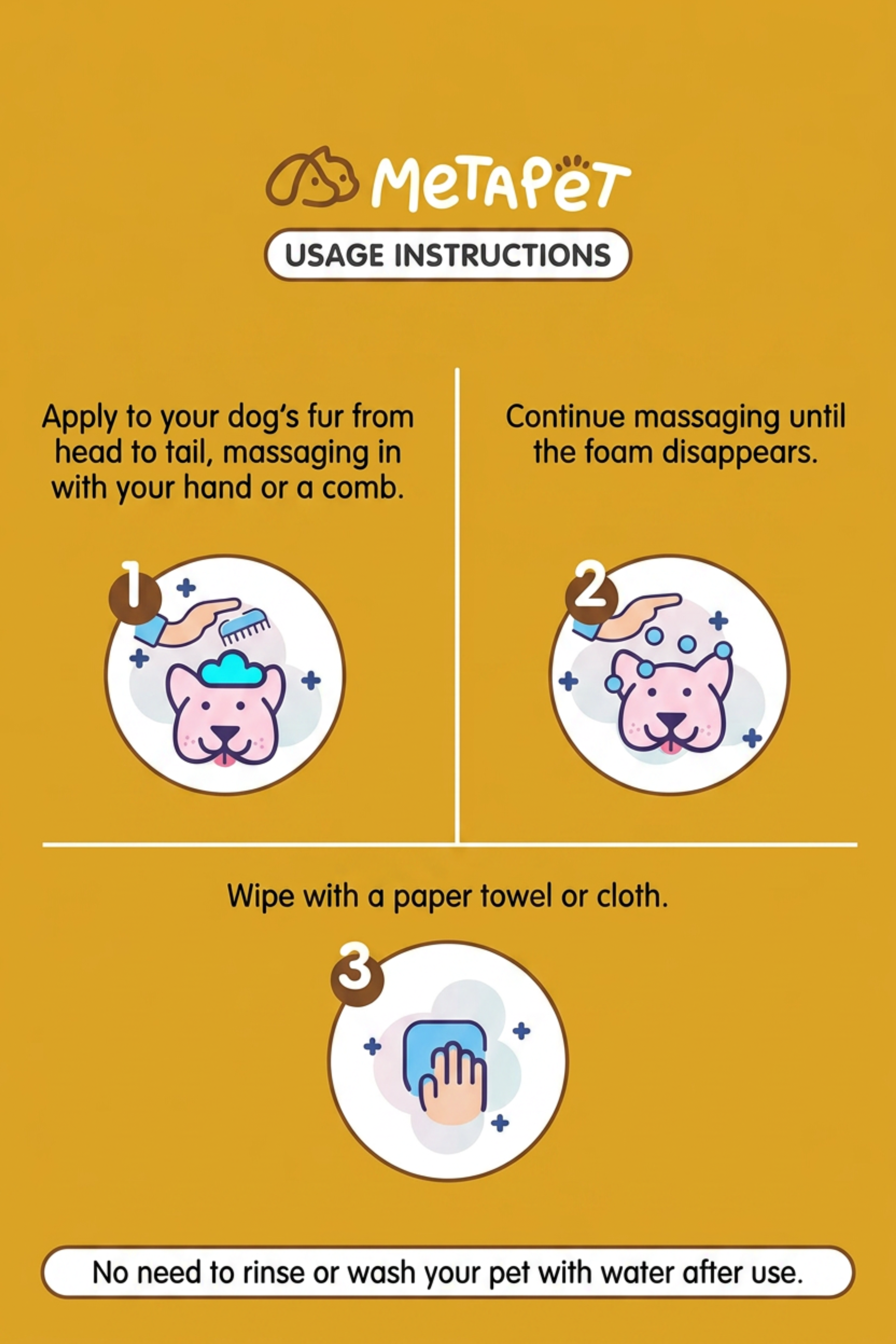
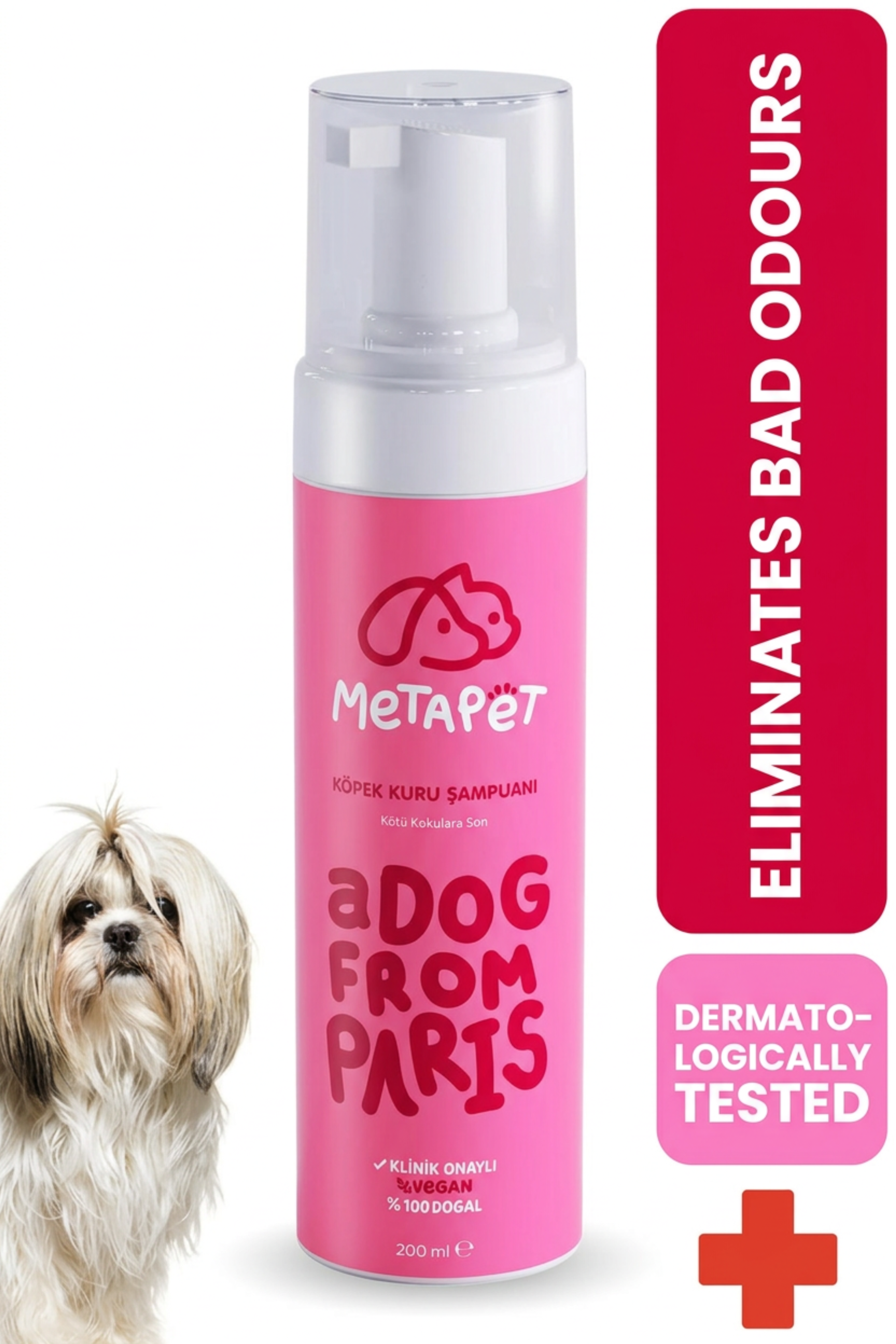
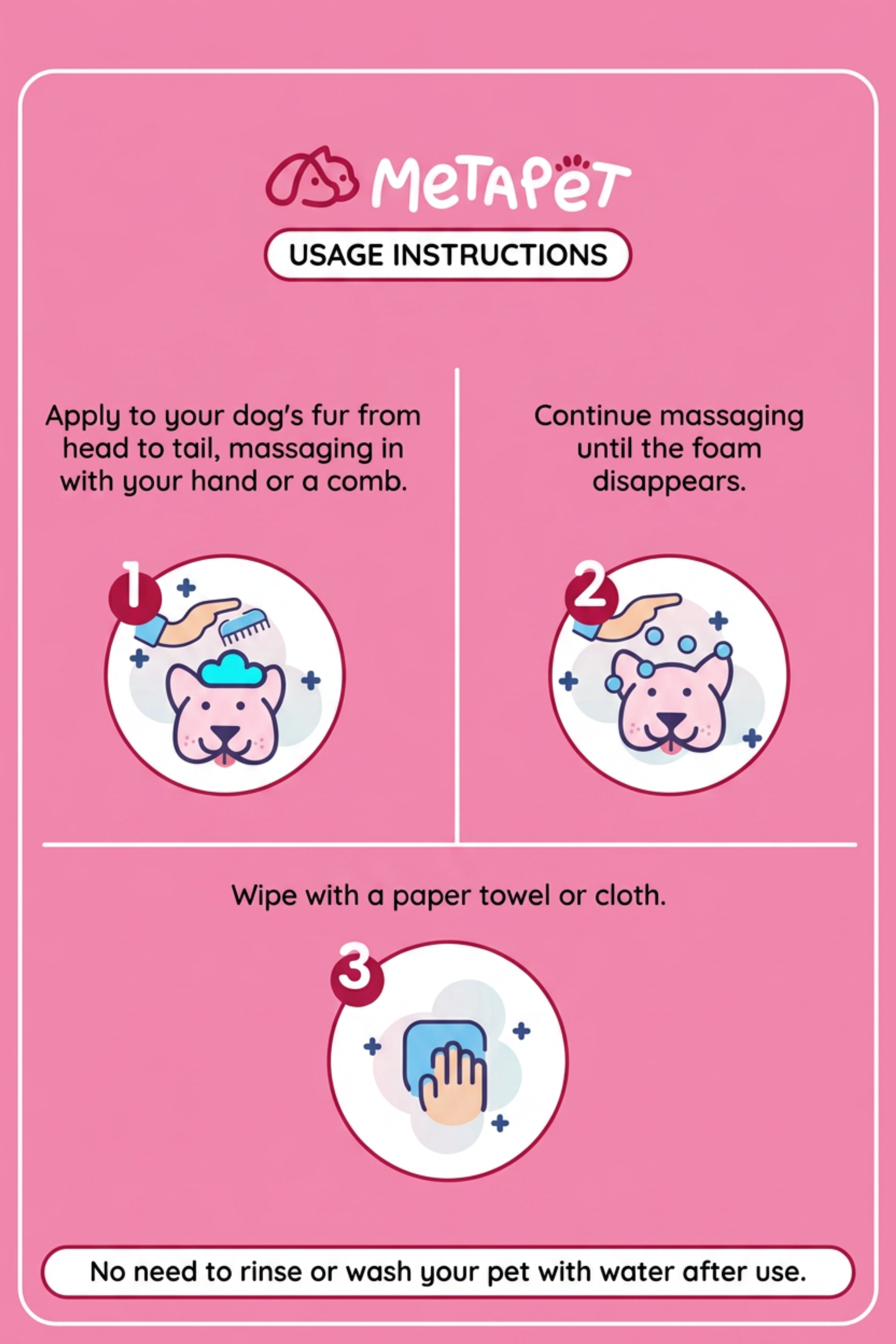
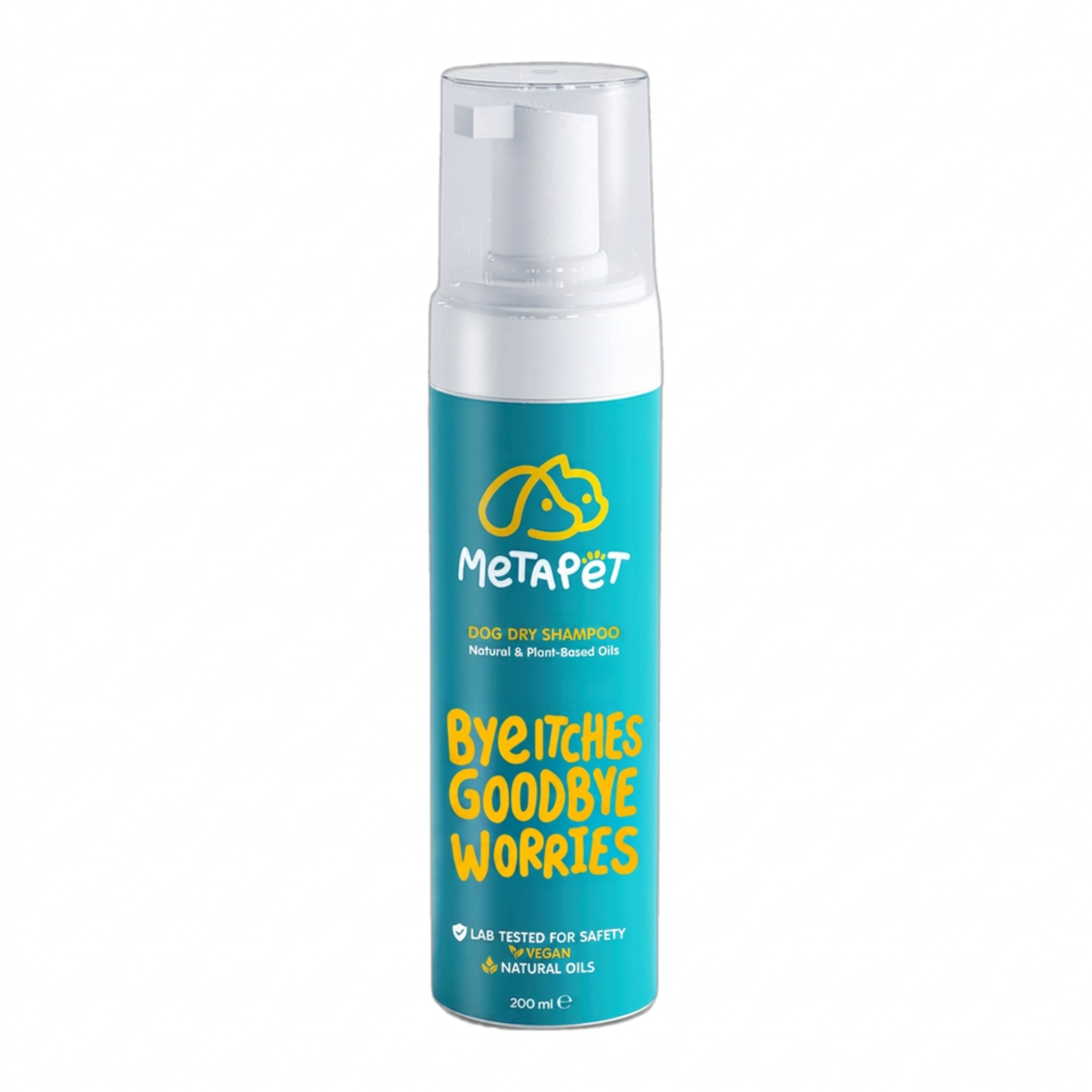
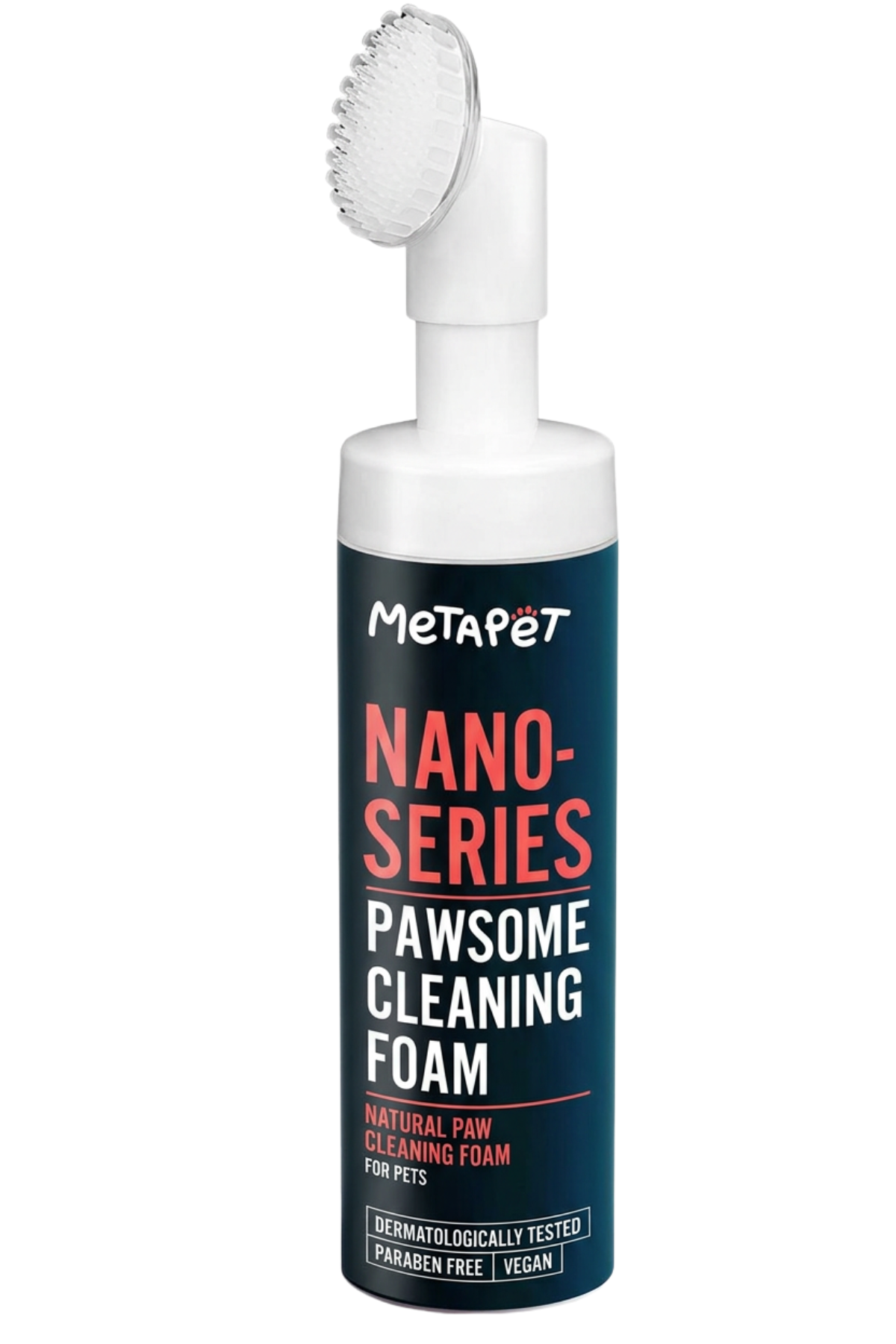
A convenient way to fold cleaning and skin care together is a paw-cleaning foam used at the door — for example, MetaPet Nano-Series Pawsome is a paw cleaning foam with a built-in brush for cats and dogs, designed to help lift dirt and residue from paws as part of a regular hygiene routine; product details are at metapet.care. Whatever you use, the point is consistency: the daily wipe is what prevents most winter paw problems.
Spotting Paw Damage Early
Winter-damaged pads announce themselves if you know the signs. Watch for and act on:
- Cracks and dryness. Rough, flaky, or fissured pads are the most common winter complaint — uncomfortable and prone to deepening if ignored.
- Redness and irritation. Inflamed skin between the toes or on the pads often follows salt and chemical exposure.
- Limping or favoring a foot. A pet that suddenly walks gingerly may have a cut, a cracked pad, or lodged ice or grit.
- Persistent licking or chewing. Excessive attention to one foot signals discomfort worth investigating — and the licking itself worsens irritation.
- Cuts and bleeding. Sharp ice can slice pads; small wounds may need cleaning and monitoring, deeper ones veterinary care.
- Swelling or a warm, painful foot. Possible infection, especially if a small crack or cut has been exposed to grime.
Minor dryness and small cracks often respond to diligent cleaning, drying, and a soothing pad balm along with reduced exposure. Anything that is bleeding heavily, clearly painful, swollen, infected-looking, or not improving deserves a call to your veterinarian.
Frostbite and Cold Injury
In genuinely cold conditions, frostbite is a real risk to paws, ear tips, and tails. Affected skin may look pale, grayish, or bluish at first, feel cold and hard, and later become red, swollen, and painful as it warms — sometimes with blistering or, in severe cases, tissue that darkens and dies. Small dogs, short-coated breeds, seniors, and pets with circulation-affecting conditions are especially vulnerable, and wet paws chill far faster than dry ones.
If you suspect frostbite, get the pet indoors and warm the area gradually with lukewarm — never hot — water or warm compresses; do not rub the tissue, which can worsen damage, and do not use direct heat like a hair dryer on high. Then contact your veterinarian, because frostbite damage can be deeper than it first appears and needs professional assessment. Prevention is far kinder than treatment: know your pet's cold tolerance honestly, keep vulnerable pets' outings short in extreme cold, dry paws promptly, and when it is genuinely dangerous outside, a quick supervised bathroom trip beats a long walk.
Indoor Paw Care Through Winter
Winter dries paws even indoors. Heated homes pull moisture from the air, and the constant transition between cold outside and warm inside stresses pad skin over months. Keep up a light maintenance routine on days you are not battling salt: a pet-safe moisturizing pad balm on dry or rough pads, continued fur trimming between the toes, and regular nail trims to maintain good foot posture on slippery floors.
Traction indoors matters more than owners realize in winter, when pets spend more time on hard floors. Runners and rugs on slick surfaces help seniors and arthritic pets keep their footing, reducing the paw and joint strain of scrabbling for grip. And resist the urge to over-bathe in winter — frequent full baths can dry the skin and coat further; spot-clean paws and problem areas instead, and space out full baths unless your pet genuinely needs one, using lukewarm water and thorough drying when you do.
Winter Walk Safety Beyond Paws
Paws are the headline, but a few companion habits round out cold-weather safety. Antifreeze deserves a serious mention: it is sweet-tasting and highly poisonous, winter puddles and garage spills are common exposure sources, and even small amounts are a dire emergency — clean spills immediately and contact a veterinarian at once if ingestion is even suspected. Keep dogs leashed near frozen ponds and streams, where ice can give way. Provide warmth for pets that feel the cold — coats for short-coated and small dogs, and never leaving any pet in a cold parked car, which becomes dangerously cold just as summer cars become dangerously hot.
Visibility also drops in winter's long dark hours; reflective gear or a light on the collar keeps evening walks safer for both of you. And remember hydration does not stop in the cold — pets still need constant access to fresh, unfrozen water, indoors and out. These are small habits, but together they make the season safe from nose to tail, not just paw to paw.
When to See the Veterinarian
Handle minor winter dryness and small cracks at home with cleaning, drying, balm, and reduced exposure. Contact your veterinarian for pads that are bleeding heavily, deep cracks or cuts, a foot that is swollen, hot, or clearly painful, limping that does not resolve, signs of infection, suspected frostbite, or persistent licking and irritation that will not settle despite good home care. Any suspected antifreeze exposure is an immediate emergency — do not wait for signs.
Also mention recurring winter paw problems at routine visits; your vet can check for underlying skin conditions, recommend specific balms or protective gear, and rule out allergies or infections that cold weather is aggravating. With a little preparation, even the snowiest winter stays comfortable underfoot — and spring arrives with four healthy paws ready for mud season.
- Quick recap: winter hazards are abrasion, cold, salt and de-icer chemicals, and ice balls between the toes.
- Protect: balm or boots before walks, trimmed paw fur and nails, shorter outings in extreme cold.
- Clean: wipe or rinse paws at the door every time, dry between the toes, and inspect as you go.
- See the vet for: deep cracks, infection, non-healing limps, suspected frostbite, and any antifreeze exposure.