Why Dogs Circle Before Lying Down: Comfort and Health Clues
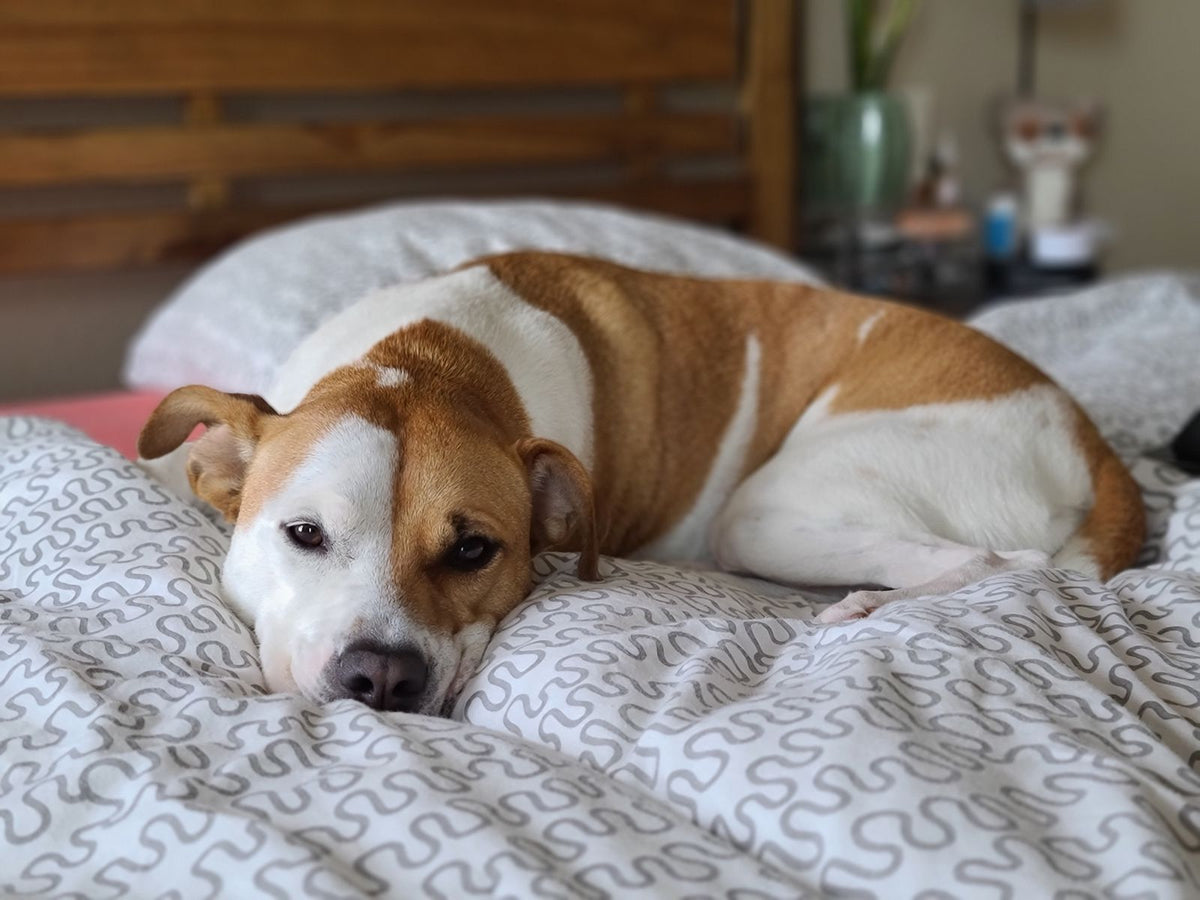
Most dog owners have watched it happen: your dog walks to the bed, turns around once, twice, maybe three times, paws at the blanket, and finally flops down with a sigh. Circling before lying down is one of the most familiar dog habits, and in most cases it is completely normal. It is an instinct many dogs share, and it helps them arrange a comfortable resting spot, check their surroundings, and settle in. Sometimes, though, a change in this routine can be an early clue that something is off. This guide explains why dogs circle, what normal looks like, which changes deserve a veterinary exam, and how to set up a bed that makes settling down easier.
Important: This article shares general educational information for pet owners and is not a substitute for an in-person veterinary examination, diagnosis, or treatment. For any medical concern or emergency, contact your veterinarian promptly.
Circling Is an Instinct Many Dogs Share
Puppies often circle on their own, and dogs of every size and coat type show some version of the habit. It is best understood as a built-in settling routine, a short series of movements that prepares the body and the space for rest.
The exact pattern varies. Some dogs turn once and drop; others make several slow loops and add a bit of digging. What matters most is what is normal for your dog, because a change from that baseline is often more meaningful than the behavior itself.
Arranging a Comfortable Resting Spot
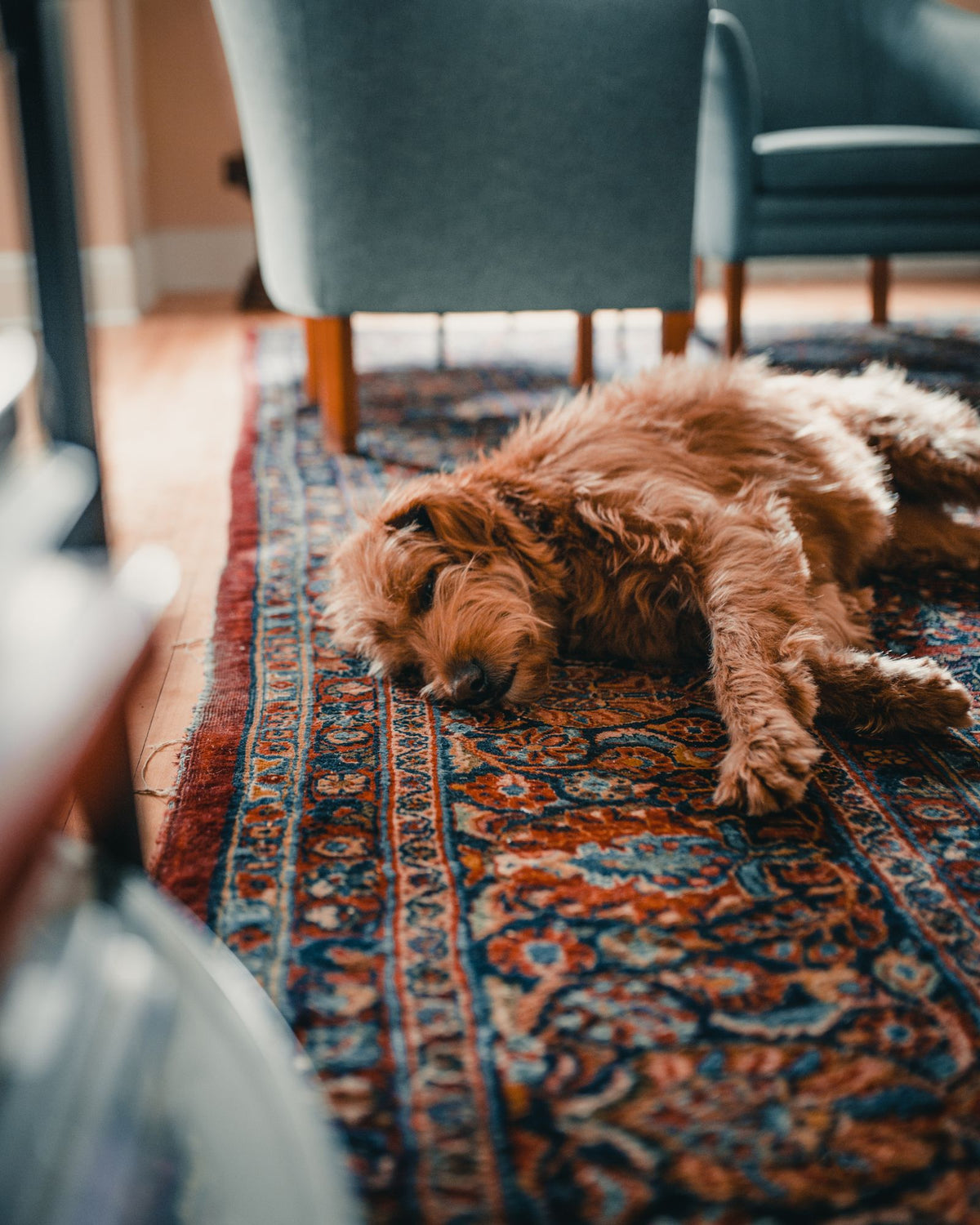
The most practical explanation is comfort. Turning in a tight loop flattens and shapes whatever is underfoot, whether that is a blanket, a cushion, a patch of carpet, or grass outside. Lumps get smoothed out, and the dog creates a shallow hollow that fits a curled body.
Digging and scratching at the bed
Pawing at bedding before circling is part of the same routine. It bunches up fabric, moves pillows around, and tests how soft the surface is.
Finding the right position
Circling also helps a dog line up the body in the position it prefers. A dog who wants to curl tightly will circle until the shape feels right, while a dog who likes to stretch out may only turn once.
Checking the Surroundings and Feeling Secure
Lying down is a vulnerable moment. A few turns give a dog a quick look around the room, and time to pick a direction to face. Many dogs prefer to settle with their back against a wall or the side of a bed, facing an open doorway, which lets them keep an eye on activity while they rest.
This is one reason why dogs often circle more in new places. The extra checking can be a normal way of getting comfortable in an unfamiliar setting, and it usually fades as the dog settles in.
Temperature, Scent, and Other Reasons
Staying warm or cool
Body position affects temperature. Curling into a tight ball with the tail or paws tucked near the nose helps a dog conserve warmth, and circling is part of getting into that shape. On warm days, a dog may circle and paw at bedding to push it aside and reach a cooler surface underneath, then lie flat and stretched out instead.
Leaving a personal scent
Dogs have sweat glands in their paw pads that leave their scent. Scratching and treading on a bed may leave a little of the dog's own scent behind, which may help the spot feel familiar. This is a normal part of how dogs relate to their space.
Habit and routine
For many dogs, circling is simply part of a predictable bedtime ritual. As long as the routine stays the same and the dog settles easily, there is usually nothing to worry about.
When Circling Can Be a Health Clue
Normal circling is short, relaxed, and ends with the dog lying down comfortably. Changes in the pattern can sometimes reflect discomfort or a medical problem. These are not diagnoses, but they are signs that warrant a veterinary exam.
Joint or back discomfort
Dogs with stiff or sore joints, including arthritis, may circle many more times than usual because they are searching for a position that feels comfortable. You might see a dog start to lie down, pause halfway, stand back up, and circle again. Some lower themselves very slowly or drop the last few inches with a thump. Back pain can look similar. Our guide to arthritis in dogs and cats describes other subtle signs of joint discomfort.
Restlessness and general discomfort
A dog who circles, lies down, gets up, pants, and moves to another spot over and over may be uncomfortable for many reasons, including pain, nausea, or abdominal discomfort. Mild or occasional new restlessness warrants a veterinary exam. A dog who cannot get comfortable at all, cries out when moving, or seems to be in severe pain needs your veterinarian or an emergency clinic right away. If restlessness comes with a swollen or tight belly or retching without bringing anything up, contact your veterinarian or an emergency clinic right away.
Changes in senior dogs
Older dogs can develop cognitive dysfunction, an age-related change in brain function. Some affected dogs pace or circle aimlessly, seem confused about where to lie down, get stuck in corners, or are restless at night. Our article on cognitive dysfunction in senior dogs and cats explains this condition in more detail.
Balance problems
Circling that comes with a head tilt, loss of balance, stumbling, falling to one side, or rapid flicking eye movements can point to a problem with the vestibular system, which controls balance, or with the brain. When these signs appear suddenly, or with rapid flicking eye movements, collapse or a seizure, contact your veterinarian or an emergency clinic right away. Learn more in our guide to vestibular disease in dogs and cats.
Normal Circling vs. Signs Worth a Closer Look
It can help to compare what you see with your dog's usual routine. A short video gives your veterinarian useful information.
- Usually normal: a few relaxed turns, some pawing at bedding, and then settling comfortably.
- Worth an exam: circling many more times than usual, or repeatedly getting up and lying back down.
- Worth an exam: hesitating, groaning, or struggling to lower the body or to get back up.
- Worth an exam: circling or pacing that seems aimless, compulsive, or hard to interrupt.
- Urgent: circling with a sudden head tilt, loss of balance, or falling, or circling together with collapse or a seizure, needs a veterinarian right away.
When to Call Your Veterinarian
Schedule a veterinary exam if you notice gradual or ongoing changes such as:
- Circling far more than usual before lying down, or taking longer than usual to settle
- Slowness, stiffness, or reluctance when lying down or standing up
- Repeated, aimless, or compulsive circling or pacing
- New nighttime restlessness, confusion, or changes in sleep patterns
- Licking or chewing at a leg or joint, or reluctance to use stairs or jump
Contact your veterinarian or an emergency clinic right away if your dog
- Suddenly circles with a head tilt, stumbles, falls over, or cannot stand
- Collapses, faints, or has a seizure
- Shows rapid flicking eye movements together with loss of balance
- Seems to be in severe pain, cries out when moving, or cannot get comfortable at all
- Is restless with a swollen or tight belly and is retching without bringing anything up
- Has trouble breathing
Your veterinarian may perform a physical and orthopedic exam, a neurological exam, and tests such as bloodwork or imaging to look for the cause. If pain is found, any medication should be given only as prescribed by your veterinarian.
Setting Up a Bed That Makes Settling Easier
A comfortable, well-placed bed supports healthy rest for every dog and can make a real difference for older dogs or those with stiff joints. For a deeper look at bed styles, see our guide to choosing the right bed for your dog or cat.
- Choose supportive padding: orthopedic-style beds with thick, firm foam spread body weight evenly and are often easier for older dogs to get on and off.
- Size it generously: the bed should let your dog curl up and also stretch out fully without hanging off the edge.
- Keep the entry low: a low front edge or a ramp helps dogs who find stepping up difficult.
- Pick a quiet location: place the bed away from heavy foot traffic but near the family, ideally with a wall behind it.
- Avoid drafts and heat sources: keep the bed away from cold doorways, vents, and direct heaters.
- Add traction nearby: a rug or non-slip mat around the bed helps dogs who slip on smooth floors when lying down or rising.
- Keep bedding clean and dry: wash covers regularly so the bed stays fresh and inviting.
Common Mistakes and Myths
Myth: Circling always means something is wrong.
Fact: brief circling before lying down is a normal settling routine for many dogs. It is changes in the pattern, not the habit itself, that deserve attention.
Mistake: Trying to discourage a dog from circling.
Fact: normal circling does not need to be corrected. Interrupting it can leave a dog less comfortable and less relaxed when settling.
Mistake: Assuming an older dog is just slowing down.
Fact: stiffness, hesitation, and extra circling in a senior dog are often signs of discomfort that a veterinarian can help address. Age is not a reason to skip an exam.
Myth: A dog in pain will cry or limp.
Fact: many dogs show discomfort quietly, through restlessness, extra circling, reluctance to lie down, or changes in sleep. Subtle changes are worth mentioning to your veterinarian.
Mistake: Waiting to see if sudden balance problems pass.
Fact: circling with a sudden head tilt, stumbling, or falling needs a veterinarian right away.
Frequently Asked Questions
How many times is it normal for a dog to circle?
There is no set number. Some dogs turn once, others several times. What matters is whether the routine is consistent for your dog and whether your dog settles comfortably afterward.
Why does my dog circle in the same direction every time?
Many dogs have a preferred direction, much like people have a dominant hand. A consistent direction is usually just habit. A sudden, strong pull to one side, especially with a head tilt or unsteadiness, needs a veterinarian right away.
Why does my dog dig at the bed before lying down?
Digging is part of arranging the bedding and testing the surface. Brief digging followed by settling is normal.
My senior dog circles for a long time before lying down. Should I worry?
It is worth a veterinary exam. Extended circling in an older dog can be linked to joint or back discomfort, cognitive changes, or other issues, and many of these can be managed to help your dog rest more easily.
Can a better bed help a dog who circles a lot?
A supportive, well-sized bed in a quiet spot can make settling easier, but it does not replace an exam if the circling is new or excessive. Your veterinarian can help find the underlying reason.
Key Takeaways
Circling before lying down is an instinct many dogs share. It helps them shape a comfortable resting spot, check their surroundings, adjust for temperature, and settle into a familiar routine. Brief, relaxed circling followed by comfortable rest is normal. Excessive circling, repeated getting up and lying down, slowness or struggling to lie down, aimless pacing, and new nighttime restlessness are signs that warrant a veterinary exam, since they can be linked to joint or back discomfort, cognitive changes in senior dogs, or other problems. Circling with a sudden head tilt, loss of balance, collapse, or a seizure needs a veterinarian or emergency clinic right away, as do severe pain and restlessness with a swollen belly and unproductive retching. A supportive, well-placed bed can make resting easier, alongside the care your veterinarian recommends.