Urinary Incontinence in Dogs: Causes and Home Care

Few discoveries are more confusing for a devoted owner than a damp patch on the bed of a dog who has been reliably house-trained for years. The first instinct is often to assume a behavior problem — but a dog who leaks urine while relaxed or asleep is usually not misbehaving at all. True urinary incontinence is an involuntary loss of bladder control, and the dog is frequently as surprised by the puddle as you are.
Incontinence is common, particularly in middle-aged and senior female dogs, and the good news is that most affected dogs can be helped once a veterinarian identifies the cause. Punishment has no place here: a dog cannot learn to control something that is happening without her awareness, and scolding only adds anxiety to a medical situation.
This guide explains how incontinence differs from house-training lapses, the most common causes veterinarians look for, what the diagnostic visit involves, and the many practical ways to keep your home fresh and your dog comfortable while the underlying issue is addressed.
Important: This article shares general educational information for pet owners and is not a substitute for an in-person veterinary examination, diagnosis, or treatment. For any medical concern or emergency, contact your veterinarian promptly.
Incontinence or a House-Training Problem?
The distinction matters because the solutions are completely different. A dog with a behavioral or training issue typically urinates consciously: she squats or lifts a leg, often in response to a schedule change, stress, a new pet, or simply being left too long between outings. A dog with true incontinence leaks without posturing — most classically while lying down or sleeping, leaving a wet spot where she rested.
Other clues point toward a medical cause: damp fur around the vulva or prepuce, frequent licking of that area, urine odor on bedding, red or irritated skin from urine scald, and dribbling while walking. If your previously reliable dog suddenly seems to have accidents, treat it as a medical question first and a training question second. Your veterinarian can help you sort one from the other far faster than guesswork at home.
How Normal Bladder Control Works
Understanding the plumbing makes the causes easier to follow. The bladder stores urine behind a muscular valve — the urethral sphincter — which stays closed at rest. Nerves running between the bladder, the spinal cord, and the brain coordinate the system: they tell the sphincter to hold tight while the bladder fills, and to relax when the dog consciously decides to urinate.
Incontinence appears when any part of this system weakens: the sphincter loses tone, the bladder becomes overactive or overfilled, the nerves are damaged, or something physically blocks or bypasses the valve. Because the possible failure points are so different, the treatment for one type of incontinence can be useless — or counterproductive — for another. That is why an accurate diagnosis matters more than any home remedy.
The Most Common Cause: Weak Sphincter Tone
In adult female dogs, the leading cause of leaking is a condition veterinarians call urethral sphincter mechanism incompetence — in plain language, a valve that no longer seals firmly. It is especially common in spayed, middle-aged, medium-to-large females, and the classic picture is a healthy, happy dog who leaks small to moderate amounts while deeply relaxed or asleep.
The condition is related to hormonal changes and individual anatomy, and it typically develops gradually. The encouraging news is that veterinarians have several well-established prescription options that improve sphincter tone in the majority of affected dogs. These are ongoing management tools rather than one-time fixes, and your veterinarian will tailor the choice and monitoring to your individual dog. Many owners are amazed at how quickly dry bedding returns once the right plan is in place.
Other Medical Causes Your Vet Will Consider
- Urinary tract infections. A bladder infection irritates the bladder wall and creates urgency; some dogs dribble or have accidents until it is treated. Infections are common and very treatable, which is why urine testing comes first.
- Bladder stones and crystals. Stones irritate the bladder and can partially obstruct outflow, producing dribbling, straining, or blood-tinged urine.
- Excessive drinking. Conditions that increase thirst — kidney disease, diabetes, hormonal disorders — keep the bladder overfilled, and an overfull bladder overwhelms even a healthy valve.
- Nerve and spinal problems. Disc disease, injuries, and age-related nerve changes can interrupt the signals that keep the sphincter closed.
- Anatomical differences. Some puppies are born with a ureter that bypasses the bladder valve entirely; suspect this in a young dog who has dribbled since birth.
- Senior cognitive changes. Older dogs with cognitive dysfunction may lose track of house-training habits — a different problem from leaking, but one that also deserves veterinary attention.
What to Expect at the Veterinary Visit
Come prepared to describe when the leaking happens — awake or asleep, small dribbles or full puddles, constant or occasional — plus any changes in thirst, appetite, or mobility. A short video of the behavior and a note of how much water your dog drinks in a day are genuinely useful.
Your veterinarian will usually start with a physical exam and a urinalysis, often with a urine culture to rule infection in or out. Blood work screens for conditions that increase drinking, and imaging — X-rays or ultrasound — looks for stones and anatomical issues when the picture warrants it. This stepwise approach usually finds the cause without exotic testing, and it prevents the classic mistake of treating a presumed weak sphincter while an infection or stone goes unnoticed.
Why You Should Never Restrict Water
It is tempting to think that less water in means less urine out, but restricting water in an incontinent dog is genuinely risky. Dogs with medical causes of increased thirst need that water to stay hydrated, and concentrated urine is more irritating to the bladder and more likely to promote crystal formation. Dehydration also strains the kidneys — the last thing a senior dog needs.
Keep fresh water available at all times unless your veterinarian specifically instructs otherwise for a diagnosed reason. Focus your energy instead on more frequent bathroom breaks: a bladder emptied regularly has far less opportunity to leak. Many owners find that a final late-evening outing dramatically reduces overnight accidents.
Practical Home Management That Actually Helps
- Schedule more outings. Take your dog out first thing, last thing, and after meals, naps, and play. Frequent emptying is the single most effective free measure.
- Protect resting spots. Washable waterproof covers over beds and favorite couch corners save endless laundry and keep skin drier.
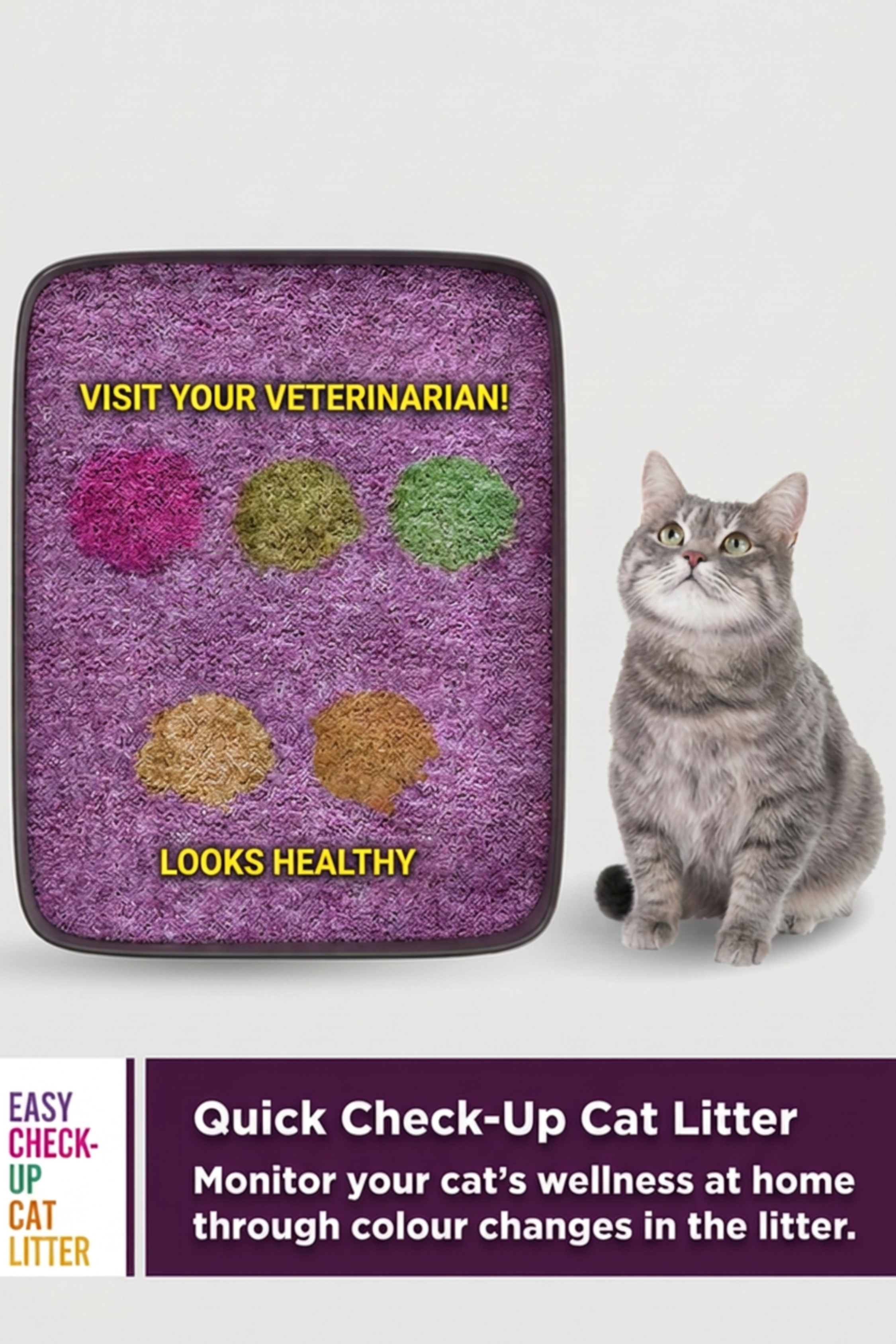
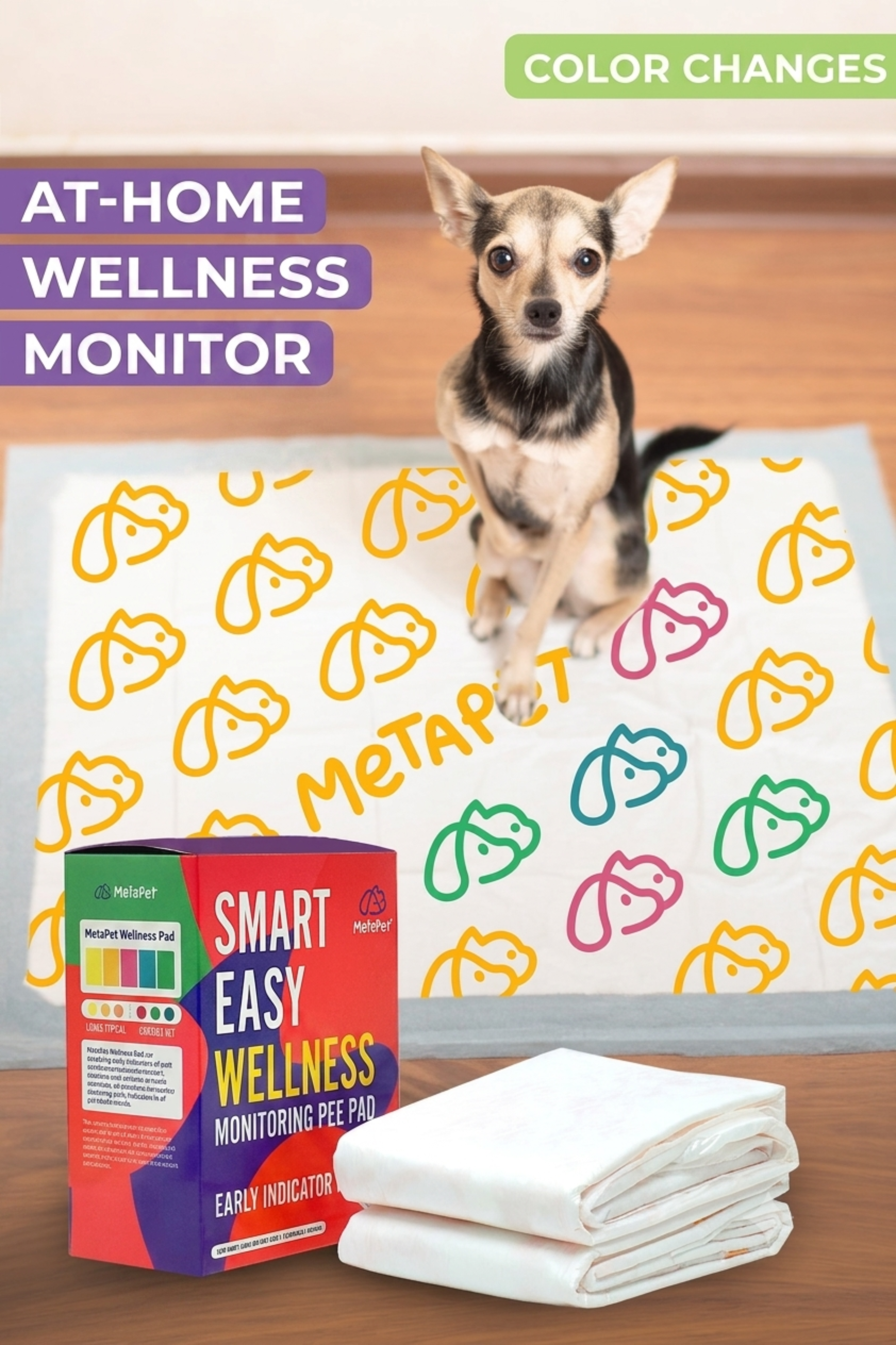
- Use absorbent pads. Quality pee pads under bedding or in the sleeping area catch overnight dribbles. MetaPet's Smart Easy Check-Up Pee Pad (https://metapet.care/products/smart-easy-check-up-pee-pad-color-changing-health-monitor-2-pieces-60-90-cm) is a practical option here — its color-changing indicator area reacts to urine so you can more easily notice day-to-day changes worth mentioning to your veterinarian. It is a home-monitoring convenience, not a diagnostic test, and never a substitute for veterinary evaluation.
- Keep skin clean and dry. Gently clean the area after accidents and check daily for redness. Persistent urine contact scalds skin quickly; your vet can recommend a barrier product if irritation appears.
- Consider washable dog diapers. For dogs with ongoing leaking, well-fitted diapers or belly bands protect the home — change them frequently to protect the skin underneath.
Keeping Your Home Fresh While You Sort It Out
Urine accidents that soak into carpet or upholstery leave odors that ordinary cleaners often fail to remove — and lingering smell can encourage repeat accidents in the same spot. Blot fresh accidents promptly with paper towels, working from the outside of the stain inward, then clean with a product designed for pet messes.
For fabric, carpet, and washable surfaces, an enzymatic or pet-specific stain and odor remover does the heavy lifting. MetaPet's Where Is The Stain I Can't See? spray (https://metapet.care/products/where-is-the-stain-i-cant-see-pet-stain-remover-deodorizer-spray-500-ml) is formulated to help lift urine marks and neutralize odors on carpets, sofas, wood floors, and other washable surfaces — a helpful part of the cleanup routine while the medical cause is being addressed. As with any cleaner, test a small hidden area first and keep pets away until the surface is dry.
Myths and Facts About Leaky Dogs
- Myth: she's doing it out of spite. Fact: dogs leaking during sleep have no awareness of it. Spite is a human story we tell about a medical event.
- Myth: incontinence is just old age and nothing helps. Fact: most causes are manageable, and many dogs return to consistently dry nights with the right veterinary plan.
- Myth: cutting water solves the problem. Fact: restriction risks dehydration and more irritated urine — it can make things worse.
- Myth: only old female dogs are affected. Fact: males and young dogs can be incontinent too, particularly with anatomical or nerve-related causes.
- Myth: diapers fix incontinence. Fact: diapers manage the mess; they do not address the cause. Use them alongside, not instead of, a veterinary work-up.
Frequently Asked Questions
My spayed dog leaks only at night. Is that typical?
Leaking during deep relaxation or sleep is the classic pattern of weak sphincter tone, the most common form in spayed females. It is very much worth a veterinary visit — this is among the most treatable forms of incontinence.
Can puppies be incontinent?
A puppy who has dribbled constantly since birth may have an anatomical difference such as an abnormally placed ureter. Mention it early: imaging can identify the issue, and some forms can be corrected.
Is occasional excitement urination the same thing?
No. Young dogs who piddle when greeting people are showing an involuntary but normal developmental behavior that most outgrow with calm greetings and confidence-building — different from true incontinence, though your vet can help distinguish them.
When to See the Veterinarian
Book an appointment promptly for any new leaking, dribbling, or loss of house-training, especially if you also notice increased thirst, straining, blood-tinged urine, frequent small urinations, weakness in the hind legs, or skin irritation around the urinary opening. Seek urgent care if your dog is straining and producing little or no urine — inability to urinate is an emergency.
- Quick recap: leaking while relaxed or asleep points to a medical cause, not misbehavior — never punish.
- See the vet first: urinalysis, blood work, and imaging find the cause; most forms are very manageable.
- Never restrict water: offer frequent outings instead, including one late in the evening.
- Protect home and skin: waterproof covers, absorbent pads, prompt cleanup, and daily skin checks keep everyone comfortable.