Tetanus in Dogs and Cats: Signs, Wound Risks, and Care

Most owners know tetanus as a human illness linked to dirty wounds, and are surprised to learn that dogs and cats can develop it too. It is uncommon in both, because they are naturally far more resistant to the toxin than people are, and cats are more resistant still. When it does occur, though, it can be serious and slow to resolve. This guide explains how a wound can lead to tetanus, the signs that warrant a veterinary exam, how veterinarians generally approach care, and the everyday wound habits that keep small injuries from becoming bigger problems.
Important: This article shares general educational information for pet owners and is not a substitute for an in-person veterinary examination, diagnosis, or treatment. For any medical concern or emergency, contact your veterinarian promptly.
What Is Tetanus?
Tetanus is a disease of the nervous system caused by a toxin made by the bacterium Clostridium tetani. The bacteria form tough spores that survive for long periods in soil, dust, and dirt. The spores themselves do nothing on intact skin. Trouble starts only when they are carried into a wound where there is very little oxygen.
In that low-oxygen environment the spores can become active and release toxin. The toxin travels along nerves toward the spinal cord and brain, where it blocks the signals that normally tell muscles to relax. Muscles then stay tight and overreact to ordinary stimulation. Tetanus is therefore a toxin problem rather than an infection spreading through the body, and it is not passed from one pet to another or from a pet to a person.
How Wounds Lead to Tetanus
Any break in the skin can let spores in, but some wounds create better conditions for the bacteria than others. The classic example is a deep, narrow puncture that seals over at the surface while contamination stays trapped beneath.
- Deep punctures: stepping on a nail, thorn, splinter, or sharp piece of wire.
- Bite wounds: small on the outside and deep underneath, like those described in our guide to cat bite abscesses.
- Wounds with damaged tissue: crushing injuries, ragged tears, or wounds packed with dirt or debris.
- Nail and foot injuries: a torn or broken nail or a cut between the toes that picks up soil.
- Mouth wounds: occasionally reported in young dogs around the time of teething.
- Surgical sites: rarely, if one becomes contaminated during recovery.
Signs do not appear right away. They usually develop days to weeks after the injury, and by then the original wound may have closed or be too small to find. That delay is one reason a wound history is so useful to your veterinarian.
Why Dogs and Cats Are Less Susceptible
Species differ widely in how sensitive they are to tetanus toxin. People are highly sensitive. Dogs are much more resistant, and cats are more resistant again, so the disease is seen only occasionally in dogs and rarely in cats.
Resistant does not mean immune. A dog or cat with a contaminated wound can still be affected, and signs may take longer to appear and sometimes in a more limited form.
Localized and Generalized Tetanus
Veterinarians describe two broad forms, and one can progress to the other.
Localized tetanus
Stiffness is limited to the muscles nearest the wound, most often a single leg that is held rigid and will not bend normally. This form is the more typical one in cats and is also seen in dogs. It may stay local or spread over the following days.
Generalized tetanus
Muscles throughout the body are affected. The pet walks stiffly or stands with all four legs braced, and the muscles of the face, jaw, and throat become involved. This is the more serious form and is more often seen in dogs. Severe cases can interfere with swallowing and breathing.
Classic Signs to Watch For
None of these signs proves tetanus on its own, and several other conditions can cause stiffness or spasms. Any of them, especially after a recent wound, warrants a prompt veterinary exam.
- Stiff gait: short, stilted steps, a rigid leg, or reluctance to walk, turn, or lie down.
- Braced stance: legs held straight and wide, with the tail carried stiffly out or up.
- Erect ears and wrinkled forehead: the ears are pulled up and toward each other, tightening the skin between them.
- A "grinning" expression: the lips are drawn back by tight facial muscles.
- Lockjaw: difficulty opening the mouth, picking up food, or swallowing, often with drooling.
- Third eyelid protrusion: the pale inner eyelid slides partway across one or both eyes.
- Sensitivity to noise, light, and touch: ordinary stimulation triggers a startle or a wave of muscle spasm.
- Later signs: inability to stand, labored breathing, or a high body temperature from constant muscle activity.
Many affected pets stay alert and aware, which sets tetanus apart from some other neurological problems such as seizures.
Why Prompt Wound Care Matters
Spores need a dirty, closed, low-oxygen space to become active. Thorough cleaning removes dirt and damaged tissue and lets air and normal blood supply reach the area, which makes the wound a much poorer home for the bacteria.
Shallow scrapes and small clean cuts can often be managed with the steps in our guide to minor wound care at home. Deep punctures and bites are different. They look minor from the outside, and rinsing the surface cannot reach the bottom of the track. Have these examined by a veterinarian rather than treating them at home, and never seal a puncture with glue or a tight covering.
How Veterinarians Approach Tetanus
There is no quick, routine test that confirms tetanus. Veterinarians generally reach the diagnosis from the characteristic signs, the history of a wound, and tests that help rule out other causes of stiffness. Tell the clinic about any injury in recent weeks, even one that has healed.
Care depends on how severely the pet is affected, and every decision about medication belongs to the veterinarian. In general terms, it may include:
- Finding and cleaning the wound: opening, flushing, and removing damaged tissue, often under sedation or anesthesia.
- Antibiotics: chosen by the veterinarian to stop the bacteria from producing more toxin.
- Antitoxin: sometimes given to neutralize toxin that has not yet attached to nerves. It cannot reverse toxin that is already bound, and the veterinarian weighs its benefits against the risk of a reaction.
- Sedatives and muscle relaxants: to ease rigidity and spasms and keep the pet comfortable.
- A quiet, dark room: low light, little noise, and minimal handling, because stimulation sets off spasms.
- Supportive nursing: fluids, soft padded bedding, regular turning, help with urination and bowel movements, and assisted feeding, sometimes through a feeding tube if the pet cannot swallow safely.
Mild cases may be managed with frequent rechecks, while generalized cases often need hospitalization.
Recovery and Home Nursing
Recovery is slow. Toxin that has already bound to nerve endings stays there, and the body has to rebuild those connections before the muscles relax fully. Improvement is usually gradual over weeks, and some stiffness can linger for longer. Your veterinarian can give you a realistic outlook for your own pet, which depends heavily on severity and on how well breathing and swallowing are holding up.
Once your pet is stable enough to come home, follow the discharge plan exactly. Home nursing commonly involves:
- Set up a quiet, dim room away from children, other pets, the television, and the doorbell.
- Provide thick, soft bedding and change your pet's position as often as your veterinarian advises to protect the skin.
- Offer food and water only in the form and position the clinic recommends, since a stiff jaw and throat raise the risk of choking or inhaling food.
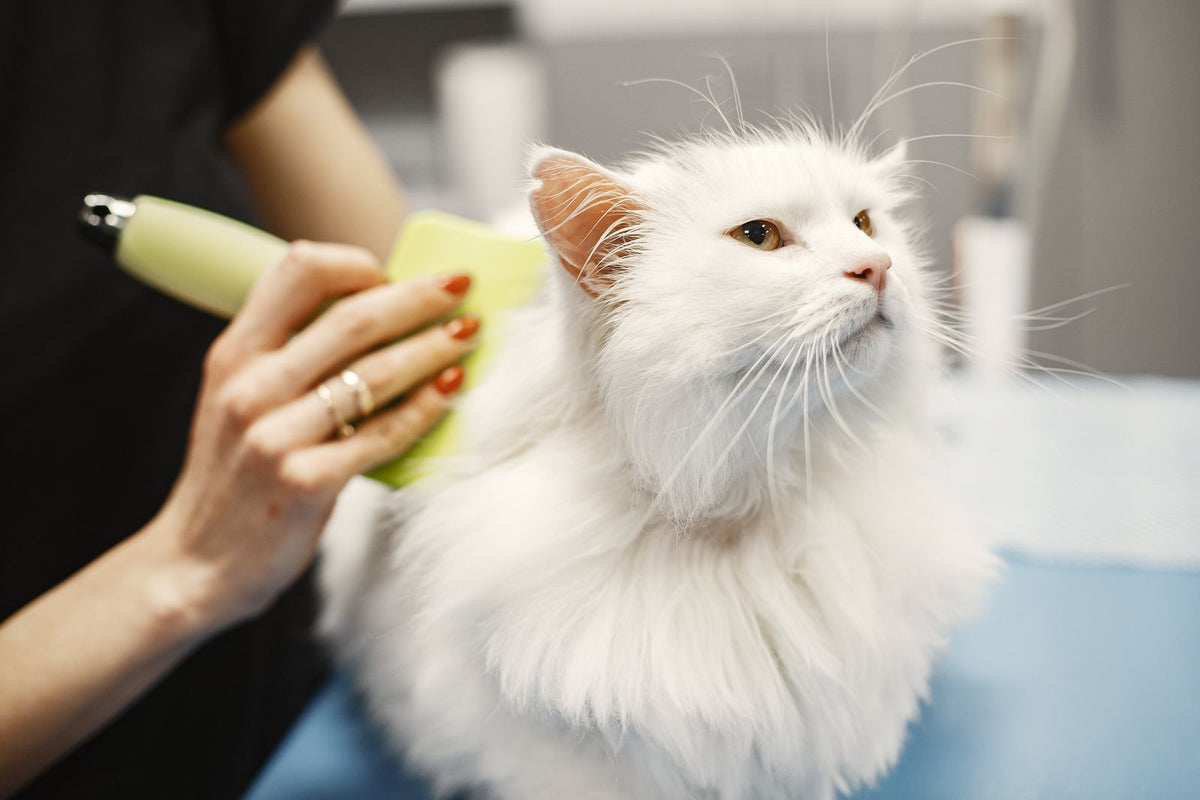
- Keep your pet clean and dry, checking the skin and coat daily for urine or stool soiling. Our guide to gentle coat care for a recovering pet has practical tips.
- Give every medication on schedule, and ask before stopping or changing anything.
- Handle slowly and calmly, speak softly before touching, and keep handling sessions short.
- Keep a daily log of eating, drinking, urination, bowel movements, and stiffness to share at rechecks.
If you cannot manage home nursing safely, tell the clinic early so the plan can be adjusted.
When to Call Your Veterinarian
Contact your veterinarian the same day for any deep puncture, bite wound, wound containing dirt or a foreign object, or wound that is swollen, painful, or draining. Call promptly as well if your pet becomes stiff in one leg or has an unusual facial expression in the days or weeks after an injury.
Go to your veterinarian or an emergency clinic immediately if you see any of these red flags:
- Difficulty breathing, noisy breathing, or blue or pale gums.
- Inability to open the mouth, swallow, eat, or drink.
- Whole-body rigidity, inability to stand, or repeated muscle spasms.
- Spasms set off by sound, light, or touch.
- Collapse, extreme weakness, or a body that feels very hot.
Do not try to force the mouth open or give anything by mouth.
Common Myths and Mistakes
- Myth: Only rusty metal causes tetanus. Rust is not the cause. The spores live in soil and dirt, so a clean-looking thorn or splinter can carry them just as a nail can.
- Myth: Dogs and cats cannot get tetanus. They are resistant, not immune.
- Myth: A small wound is a safe wound. Narrow, deep punctures are the higher-risk type precisely because they close over quickly.
- Mistake: Assuming a stiff pet just pulled a muscle. Stiffness that follows a wound or comes with facial changes needs an exam.
- Mistake: Using leftover or human medication. Antibiotics and other drugs must be selected by your veterinarian for your pet.
- Mistake: Comforting with lots of touch. Stroking and talking can trigger spasms in an affected pet. Quiet and calm are kinder.
Wound Prevention, Checks, and FAQs
A few habits lower the chance of a contaminated wound going unnoticed:
- Clear yards, garages, and sheds of nails, wire, broken glass, and splintered wood.
- Run your hands over your pet after hikes, yard time, and rough play, parting the coat to look at the skin.
- Check between the toes and around the nails, as described in our year-round paw care guide.
- Supervise outdoor time and reduce fights by keeping cats indoors or in a secure enclosure.
- Watch your pet's movement for a few weeks after any wound.
Do dogs and cats get tetanus shots?
Tetanus vaccination is not part of routine dog or cat vaccine programs in the US, because the disease is uncommon in both; prevention relies on prompt wound care. Ask your veterinarian if you have questions about your own pet.
Can I catch tetanus from my pet?
Tetanus does not spread from animal to person. People are exposed through their own contaminated wounds. Ask your doctor about your own tetanus vaccination after any bite or scratch.
Will my pet fully recover?
Many pets with mild or localized signs do well with timely care, while severe generalized cases are more uncertain and need intensive support. Your veterinarian is the right person to discuss the outlook.
Key Takeaways
- Tetanus is caused by a bacterial toxin that enters through wounds, especially deep punctures and bites.
- Dogs are relatively resistant and cats even more so, so the disease is uncommon but still possible.
- Stiffness, erect ears, a wrinkled forehead, a "grinning" face, lockjaw, and a visible third eyelid after a wound warrant a prompt exam.
- Breathing or swallowing difficulty and whole-body spasms are emergencies.
- Veterinary care centers on wound cleaning, medications chosen by the veterinarian, a quiet dark space, and patient nursing.
- Recovery takes weeks, and careful home nursing is a large part of it.
- Prompt cleaning and veterinary assessment of deep wounds is the most practical safeguard.