Teaching Basic Cues: Sit, Down, Stay, and Leave It

Four simple cues, sit, down, stay, and leave it, form the backbone of a well-mannered dog and a calmer household. They are not tricks for show: sit replaces jumping on guests, down settles a dog at the cafe, stay keeps paws off the road while you unload groceries, and leave it can quite literally save a life when something dangerous hits the sidewalk.
Modern training is built on a friendly deal: behaviors that pay off get repeated. No yelling, no leash jerks, no dominance theater, just clear communication, good timing, and rewards worth working for. This guide takes each cue step by step, shows you how to build reliability around distractions, and troubleshoots the sticking points that stall most beginners. Ten minutes a day, split into tiny sessions, is genuinely all it takes.
Important: This article shares general educational information for pet owners and is not a substitute for an in-person veterinary examination, diagnosis, or treatment. For any medical concern or emergency, contact your veterinarian promptly.
Before You Start: Setting Up for Success
- Pick your marker: a cheerful yes or a clicker, delivered the instant the dog does the right thing, followed by a treat within a second or two.
- Stock real currency: pea-sized soft treats your dog loves; kibble works at home, higher-value pay for harder challenges.
- Keep sessions tiny: two to five minutes, two or three times a day, ending while the dog is still eager.
- Start boring: first sessions happen in a quiet room, not the park; distractions come later, on purpose.
- One trainer, one standard: agree as a household on cue words and rules so the dog is not solving a different puzzle for each person.
A hungry-ish, exercised dog learns best. Right before dinner is prime time; right after a rowdy play session, let the brain settle first. And remember that every interaction trains something: a dog who gets attention for jumping is being taught to jump, no formal session required.
Teaching Sit
- Hold a treat at your dog's nose and lift it slowly up and slightly back over the head.
- As the nose follows, the rear folds toward the floor; the instant it touches, mark and treat.
- Repeat until the dog offers the fold easily, then start saying sit just as the rear begins to drop.
- Fade the food lure: make the same hand motion with an empty hand, mark, and pay from your pocket.
- Shrink the gesture over a week until the word alone works, then practice in new rooms, on leash, and outdoors.
Avoid pushing the hindquarters down; dogs push back against pressure and learn nothing about offering the position themselves. If your dog backs up instead of sitting, practice with a wall a step behind them, and check that you are lifting the treat rather than pulling it forward.
Teaching Down
- From a sit, hold a treat at the nose and draw it straight down between the front paws, then slowly along the floor away from the dog.
- Mark and treat the instant elbows and rear are all on the floor; at first, reward even partial folds toward the ground.
- When the fold is smooth, add the word down just as the dog commits to lowering.
- Fade the lure to a downward hand signal with an empty hand, then to a smaller gesture and the word.
- Practice on different surfaces, since many dogs hesitate on cold or slick floors; a mat helps early on.
Down is a vulnerable position, so shy dogs may need extra patience. Never force a dog down by pressing or pulling; instead reward small increments toward the floor, keep your body language relaxed and sideways rather than looming, and let confidence build repetition by repetition.
Teaching Stay: Duration First
Stay is really three separate skills, duration, distance, and distraction, and the golden rule is to train only one at a time. Duration comes first.
- Cue sit or down, say stay with a flat open palm, wait one second, then mark, treat, and release with an upbeat okay or free.
- Gradually stretch the quiet second to three, five, ten, and beyond, mixing easy short stays among longer ones so the dog keeps winning.
- Feed several treats in a row during longer stays, delivering them at chest level to anchor the position.
- If the dog breaks, no drama: just reset calmly and make the next repetition easier.
- Only when a calm thirty-second stay is easy do you begin adding your own movement.
The release word matters as much as the stay itself: it teaches the dog that the exercise has a clear beginning and end, and that only the release, not fidgeting or a passing squirrel, finishes the job.
Stay: Adding Distance and Distraction
Once duration is solid, add distance in tiny slices, and temporarily shorten the time so the dog is only solving one puzzle. Take a single step back, return immediately, mark and pay while the dog is still in position. Build to two steps, then five, then a lap around the dog, always returning to reward rather than calling the dog to you, which keeps the stay anchored where it started.
- Distraction ladder: start with you doing jumping jacks at a distance, then a tossed toy the dog can see, then practicing near a quiet street, then the park at off-hours.
- Pay the hard reps generously: holding a stay while a jogger passes is advanced work and deserves a jackpot of several treats.
- Fail forward: two failures in a row means the step was too big; split it in half rather than repeating the failure.
- Real-life stays: door-opening, food-bowl placement, and car-exit stays turn practice into daily safety.
Teaching Leave It
- Hold a treat inside your closed fist and let your dog sniff, lick, and nudge; say nothing and wait.
- The instant the dog pulls back or looks away, mark and reward from your other hand, never with the item they left.
- Repeat until the dog withdraws immediately, then add the words leave it as you present the fist.
- Progress to a treat on the floor covered by your hand, then uncovered with your hand hovering, then in the open while the dog is on leash.
- Level up to real-world items, a dropped piece of bread, an interesting wrapper on a walk, always paying with something better from your pocket.
The deal your dog learns is elegant: giving something up makes better things happen. Never chase or pry; if the dog grabs the item, the setup was too hard, so back up a level. For chronic scavengers, practicing daily on walks builds a reflex that one day outruns your reaction time, exactly when it matters most.
A Simple Two-Week Practice Plan
- Days 1-3: sit and down with lures, five repetitions each, three tiny sessions daily in a quiet room.
- Days 4-6: fade lures to hand signals; introduce the closed-fist leave it game; begin one-second stays.
- Days 7-9: add cue words everywhere; stays to ten seconds; leave it with the treat covered on the floor.
- Days 10-12: practice in every room and the yard; first single-step distance stays; leave it uncovered on leash.
- Days 13-14: short sessions on walks and in the driveway; mix all four cues in random order and celebrate wins.
Randomizing the order matters: dogs pattern-learn quickly, and mixing cues keeps them listening to the word rather than predicting the routine. Keep a scorecard if you enjoy data; watching eight-out-of-ten become ten-out-of-ten is genuinely satisfying.
Troubleshooting Common Sticking Points
- The dog only works when food is visible: treats have become a bribe; keep them in a pocket or pouch, mark first, then reach for payment.
- Sits at home, not outside: normal; the world is louder than your kitchen. Return to lure-level easy reps in each new place, and pay better outdoors.
- Breaks stay when you return: practice returning and leaving again several times per stay so your return stops predicting the end.
- Grabs the leave it item: distance and difficulty jumped too fast; rebuild from the fist game with tastier pocket pay.
- Loses interest mid-session: sessions are too long or pay is too dull; end sooner, upgrade treats, and quit while eager.
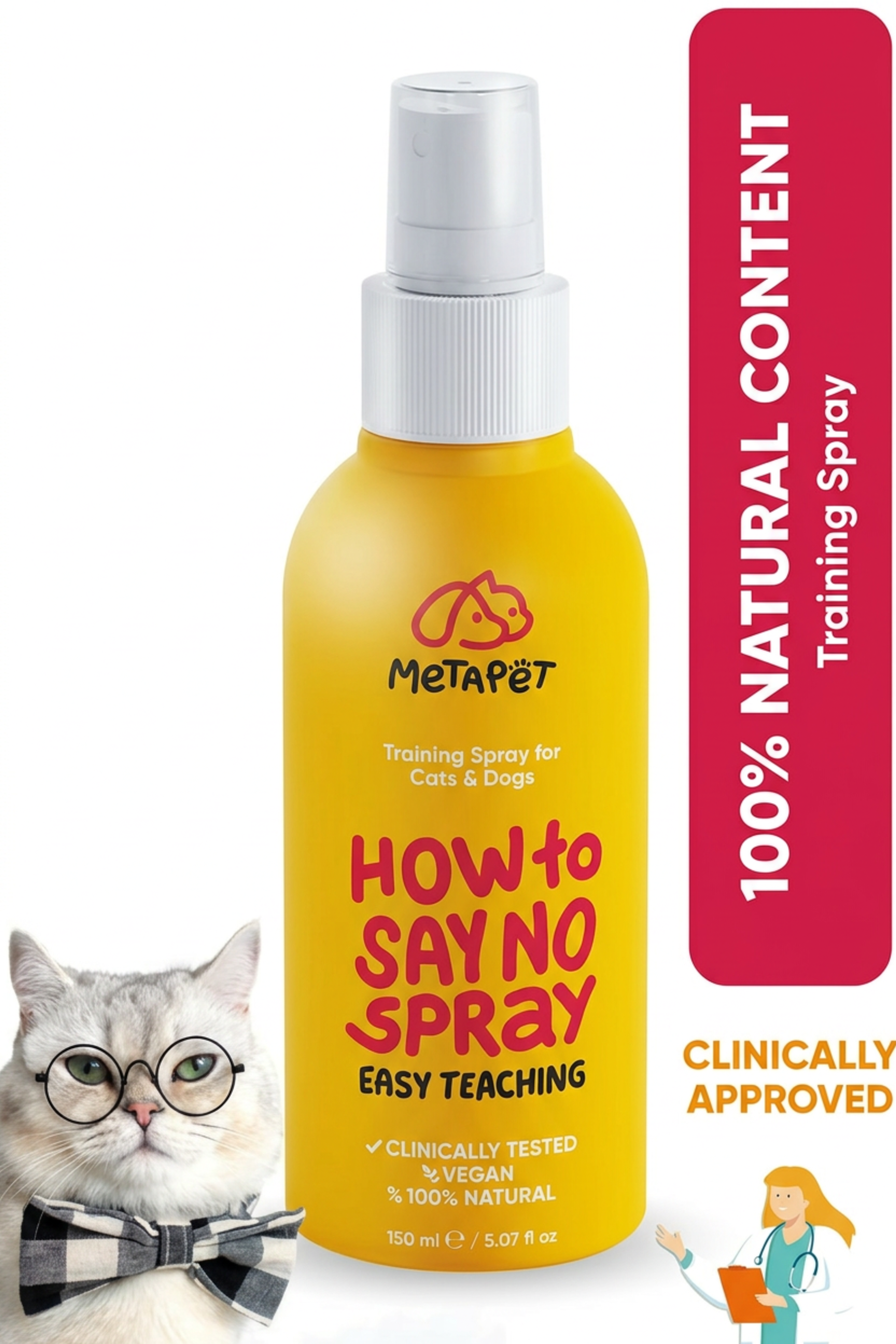
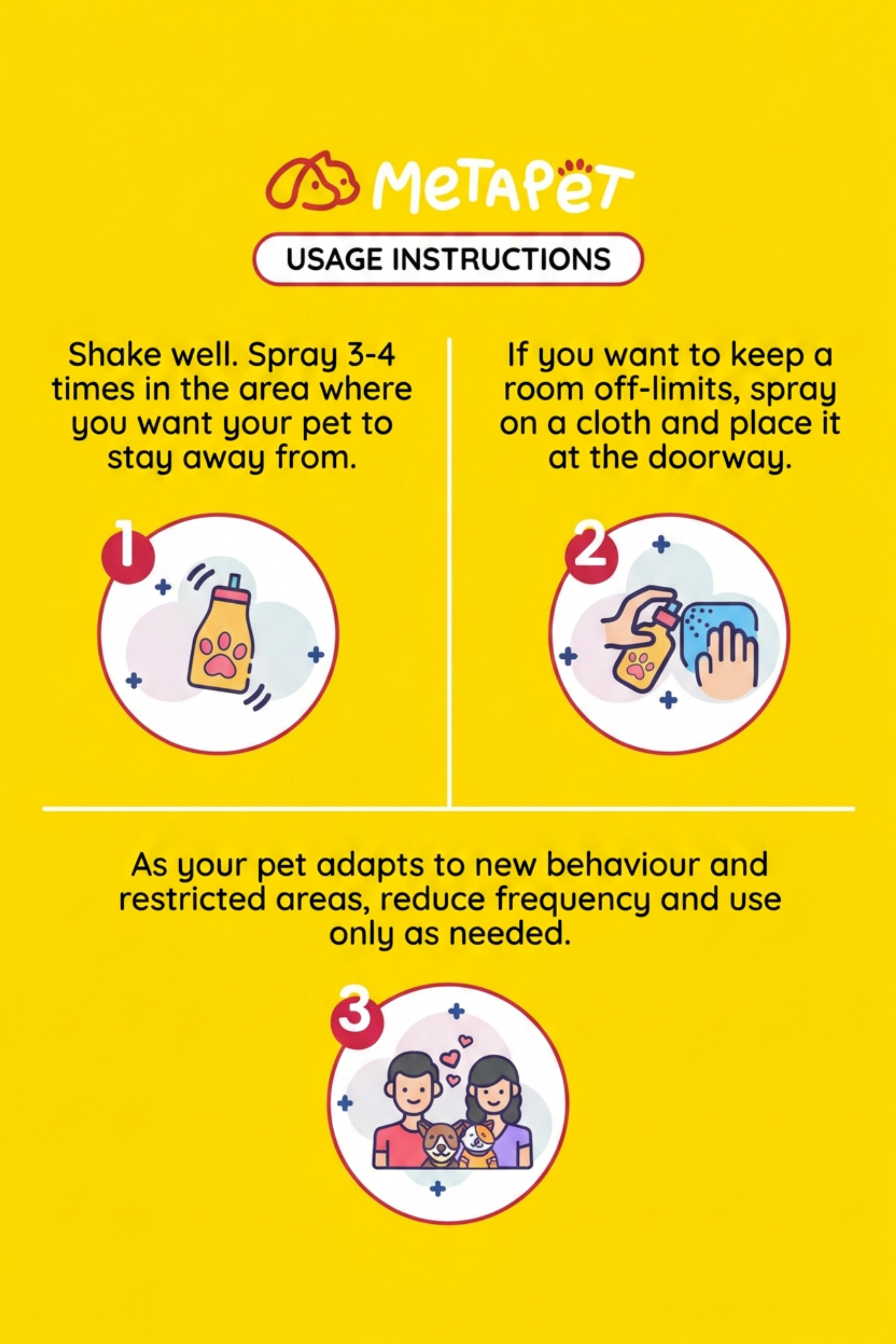
Some households also keep a training deterrent on hand for furniture chewing or counter zones, for example a bitter-tasting deterrent spray such as MetaPet's How to Say No training spray, designed to help discourage licking and chewing on treated spots. Used as a backdrop, it can support your leave it work around fixed temptations, though it complements rather than replaces actual training and supervision.
Keeping It Kind: Why Methods Matter
Reward-based training is not merely pleasant; it is how reliable behavior is built. Punishment-heavy methods can suppress behavior in the moment while quietly teaching the dog that training, or the trainer, is unsafe, which corrodes exactly the attention and trust these cues depend on. A dog who volunteers eye contact and offers sits unprompted is showing you the training relationship is healthy.
Watch your dog's body language during sessions: a loose wiggly body, ears forward, and quick reorientation to you mean the game is working. Lip licking, yawning, turned heads, and slow responses mean stress or confusion, so lighten the criteria, brighten your tone, and shorten the session. Training should look, from the outside, like a game both parties are enjoying, because when done well, that is exactly what it is.
When to Get Extra Help
A group basics class is worthwhile for almost every dog: distractions are built in, and a good instructor catches timing errors you cannot see in yourself. Look for trainers who describe their methods as positive reinforcement or force-free, and walk away from anyone recommending pain, intimidation, or equipment designed to hurt.
Consult your veterinarian if your dog seems unable to focus despite easy setups, shows fear or aggression during handling, or suddenly loses previously solid skills, since pain and medical issues sometimes masquerade as stubbornness. For growling over food or items, guarding, or biting, ask your veterinarian for a referral to a qualified behavior professional rather than working it alone; these situations deserve expert, humane guidance from the start.
Frequently Asked Questions
How long until the cues are reliable?
Most dogs perform all four cues in quiet settings within two to three weeks of short daily sessions. Real-world reliability around distractions typically takes two to three months of gradually harder practice. Reliability is built, not installed; every successful repetition in a new place is a deposit.
Is my older dog too old to learn these?
No. Healthy seniors learn readily, often faster than puppies because they focus longer. Adjust for the body rather than the brain: use a padded mat for down, keep sessions gentle for stiff joints, and let your veterinarian know if sitting or lying seems physically uncomfortable, since reluctance is sometimes arthritis talking.
Should cats learn these cues too?
Cats absolutely can learn sit, place, and even leave it with the same marker-and-reward approach, and carrier or mat training pays off handsomely at vet time. Sessions must be shorter, rewards must be genuinely valuable, and patience must be feline-grade, but the learning rules are identical.