Prostate Problems in Male Dogs: Signs and Care

The prostate is not a gland most dog owners think about, and it produces some of the least obvious warning signs in canine medicine. A dog strains a little in the garden and it looks like constipation. His stools become flattened and it looks like diet. He walks a bit stiffly behind and it looks like arthritis. Each of these gets explained away individually, and the actual cause sits quietly in the middle of all of them.
Prostate disease is common in intact male dogs, and the most frequent form — benign enlargement — affects a substantial majority of unneutered males as they age. Other prostate conditions range from readily treatable infections to serious tumours, and while they all involve the same small gland, they behave very differently.
This guide explains what the prostate does, the four main conditions that affect it, the signs owners can realistically notice at home, how veterinarians investigate them, and what treatment involves — including the single most effective preventive measure available.
Important: This article shares general educational information for pet owners and is not a substitute for an in-person veterinary examination, diagnosis, or treatment. For any medical concern or emergency, contact your veterinarian promptly.
What the Prostate Does and Where It Sits
The prostate is a small gland that surrounds the urethra just behind the bladder in male dogs. Its function is reproductive: it produces fluid that forms part of the ejaculate, supporting sperm during transport.
Its position explains almost every sign of prostate disease. The urethra passes directly through it, so an enlarged prostate can interfere with urination. The rectum lies immediately above it, so an enlarged prostate presses upward and makes passing stool difficult. And it sits within the pelvic canal, so significant enlargement can cause discomfort that changes how a dog moves.
This anatomical sandwich is why prostate problems produce such a confusing mixture of urinary, digestive, and mobility signs at the same time. A dog straining at both ends and walking oddly is a classic combination, and it is much more suggestive of a prostate problem than any of those signs would be alone.
- Hormone-dependent: prostate size and activity are driven largely by testosterone.
- Intact males mostly affected: neutered dogs get prostate disease far less often.
- Multiple conditions: enlargement, infection, cysts, and tumours each behave differently.
- Signs overlap heavily: which is why a veterinary examination rather than guesswork is needed.
Benign Prostatic Hyperplasia
Benign prostatic hyperplasia, usually abbreviated to BPH, is by far the most common prostate condition in dogs. It is a non-cancerous enlargement driven by lifelong exposure to testosterone, and it develops gradually in most intact males as they age.
Because it develops slowly, many dogs show no signs at all for a long time and the enlargement is discovered incidentally during an examination for something else. As it progresses, the physical bulk of the gland begins to cause problems.
The most characteristic early sign owners report is a bloody or straw-coloured discharge from the prepuce, sometimes noticed as spots on bedding, appearing independently of urination. This is a common and specific enough finding that it should prompt a veterinary visit in any intact male dog.
Other signs include straining to pass stool, stools that become flattened or ribbon-like as they are squeezed past the enlarged gland, straining to urinate, and a stilted or stiff hindlimb gait. Some dogs also become reluctant to jump or to be lifted around the hindquarters.
BPH responds well to treatment, and neutering is the most direct approach — the gland shrinks substantially once testosterone is removed, usually within weeks. Medical options exist for dogs where neutering is not appropriate, including valuable breeding dogs, and your veterinarian will discuss these where relevant.
Prostatitis: Infection of the Prostate
Prostatitis is inflammation of the prostate, most often caused by bacterial infection tracking up the urinary tract. An enlarged prostate is more susceptible to infection, so BPH and prostatitis frequently occur together in the same dog.
Acute prostatitis makes a dog obviously unwell. Fever, lethargy, loss of appetite, evident pain in the abdomen or hind end, a hunched posture, reluctance to move, and difficulty urinating or defecating are typical. A dog with acute prostatitis usually looks sick enough that owners seek help quickly.
Chronic prostatitis is much sneakier. The dog may seem largely well, with only intermittent signs — occasional discharge, recurring urinary tract infections, mild discomfort, or reduced fertility in a breeding dog. It is frequently discovered when a urinary infection keeps returning after apparently successful treatment.
Treatment is veterinary and typically involves a prolonged course of appropriate medication, because the prostate is a difficult site for many drugs to penetrate effectively. Courses are often considerably longer than owners expect, and completing them fully is essential — stopping early is one of the main reasons chronic prostatitis persists. Neutering is usually recommended as part of the plan, since it addresses the underlying enlargement that predisposed the dog in the first place.
Prostatic Cysts and Abscesses
Fluid-filled cavities can develop within or alongside the prostate. Small cysts may cause no signs and be found incidentally on imaging. Larger ones can become substantial, occupying significant space in the abdomen and causing pressure signs similar to marked enlargement.
A prostatic abscess is a cyst that has become infected, and it is a serious condition. Dogs are usually very unwell — feverish, painful, lethargic, and off food. If an abscess ruptures, infected material escapes into the abdomen and causes peritonitis, which is life-threatening and requires emergency surgery.
Diagnosis relies on imaging, usually ultrasound, which distinguishes a fluid-filled structure from solid enlargement and assesses its size and relationship to surrounding organs. Treatment depends on the size and nature of the lesion and may involve drainage, surgery, prolonged medication, and neutering.
The practical point for owners is that a sudden deterioration in an intact male dog with known prostate enlargement — particularly a painful abdomen, fever, or collapse — is an emergency rather than something to reassess in the morning.
Prostatic Tumours
Prostate cancer in dogs is uncommon but important, and it differs from the human disease in a significant way: unlike in men, canine prostatic carcinoma is not hormone-driven, which means neutering does not protect against it. In fact prostatic tumours are diagnosed in neutered dogs at least as often as in intact ones.
This has a practical consequence. When a neutered male dog develops prostate signs, the situation is treated with more concern than the same signs in an intact dog, because the most common benign explanation — testosterone-driven enlargement — has already been removed from the picture.
Signs overlap with the other prostate conditions: straining to urinate or defecate, blood in urine, a stiff gait, and progressive weight loss. Dogs with prostatic tumours are often older and may show hind limb weakness or lameness, since these tumours can spread to nearby bone and lymph nodes.
Diagnosis requires imaging and usually a tissue or cell sample. Treatment options are discussed individually with your veterinarian and often involve referral, since the approach depends heavily on the extent of disease at diagnosis. Early investigation of signs gives the widest range of options.
Signs Owners Notice at Home
Because prostate signs masquerade as several unrelated everyday problems, it helps to know the whole cluster rather than any single item.
- Discharge from the prepuce: bloody or straw-coloured, unrelated to urination, sometimes seen on bedding.
- Straining to defecate: effort, prolonged posturing, or an unproductive attempt.
- Flattened or ribbon-like stools: a distinctive and quite specific sign.
- Straining to urinate: or producing a weak, interrupted, or dribbling stream.
- Blood in the urine: particularly at the beginning or end of urination.
- Stiff or stilted hind gait: short, careful steps behind, sometimes mistaken for arthritis.
- Reluctance to jump or sit: or discomfort when lifted around the hindquarters.
- Repeated urinary infections: especially ones that return after treatment.
- Fever and lethargy: suggesting infection rather than simple enlargement.
- Weight loss: a sign that always warrants prompt investigation.
A single one of these on its own may well be something else entirely. Two or three together in an intact male dog, or any of them in a neutered male dog, is worth an appointment.
How Veterinarians Investigate
Assessment starts with a full physical examination including a rectal examination, which allows the veterinarian to feel the prostate directly and assess its size, symmetry, texture, and whether it is painful. This is quick, well tolerated by most dogs, and remarkably informative.
Urine testing is routine, checking for blood, inflammatory cells, and bacteria. Where infection is suspected, a sample collected directly from the bladder gives the most reliable result, and culture identifies which organism is involved and which medications it responds to.
Imaging is central. Ultrasound assesses size, internal structure, whether cavities are present, and the appearance of nearby lymph nodes, and it also allows guided sampling if needed. Radiographs may be taken to assess the size and position of the gland and to look at the pelvis and spine, which is useful when a tumour is a concern.
Where a definitive answer is needed, sampling the prostate — by fine needle aspirate, biopsy, or by examining prostatic fluid — provides cells or tissue for laboratory examination. Blood work assesses general health and provides a baseline before treatment.
- Bring to the appointment: a photo of the stool shape if it looks abnormal, and a note of when signs began.
- Be ready to describe: whether your dog is neutered and at what age, any discharge and its colour, urinary and defecation habits, and any change in gait.
- Mention: previous urinary infections, current medications, and whether he has been used for breeding.
Treatment and the Role of Neutering
Treatment is always determined by which condition is present, so an accurate diagnosis comes first. What follows is general context rather than a recommendation for any individual dog.
For benign enlargement, neutering is the most effective and most durable approach. Removing the testosterone source causes the gland to shrink substantially, usually resolving the pressure signs within a few weeks. For dogs where neutering is genuinely not appropriate, medical options can be discussed with your veterinarian, though these generally require ongoing administration and monitoring.
For prostatitis, a prolonged prescribed course of appropriate medication is standard, and neutering is usually advised alongside it to remove the predisposing enlargement. For abscesses and large cysts, drainage or surgery may be needed. For tumours, the approach is individualised and often involves specialist input.
It is worth stating clearly that no over-the-counter supplement, food, or wellness product treats prostate disease in dogs. General health products may have a place in a normal daily routine, but they do not shrink a prostate, resolve an infection, or influence a tumour, and relying on them delays treatment that works.
Prevention is unusually straightforward here compared with most conditions. Neutering, at a timing discussed with your veterinarian for your individual dog and breed, prevents benign prostatic hyperplasia and the infections and cysts that follow from it. It does not protect against prostatic tumours, which is why any prostate sign in a neutered dog still warrants investigation.
Home Care and Comfort
Home care supports veterinary treatment rather than replacing any part of it. What owners can do is keep their dog comfortable and make problems easier to spot.
Provide frequent, unhurried opportunities to toilet, since a dog who is straining benefits from time and privacy rather than a rushed trip. Keep to the diet your veterinarian recommends; where difficulty passing stool is a feature, dietary adjustment is sometimes advised, but changes should be discussed rather than improvised. Maintain a healthy weight, keep gentle regular exercise going within whatever limits your veterinarian sets, and provide soft bedding for a dog who is uncomfortable behind.
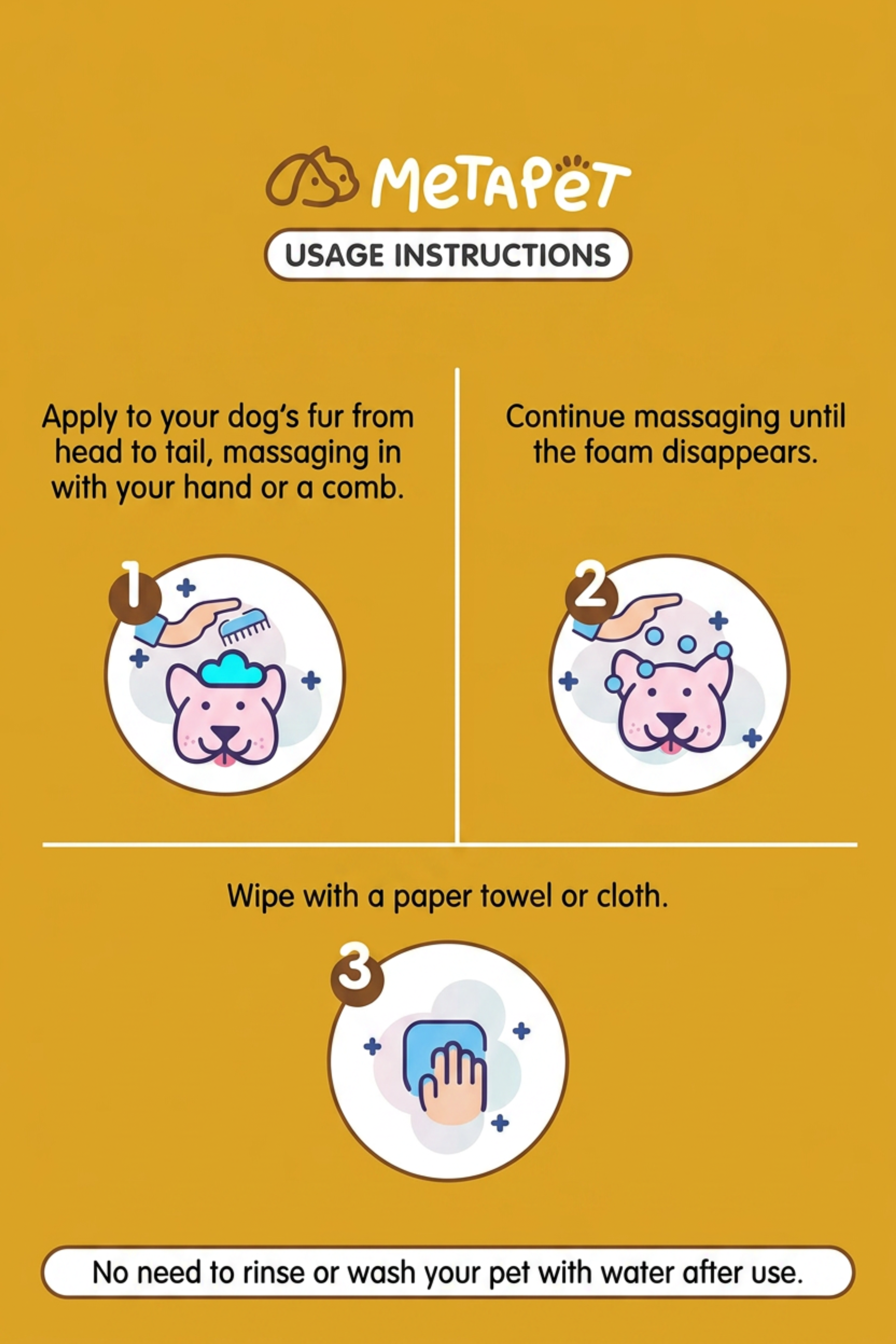
Hygiene around the prepuce is worth attention where there is discharge. Gentle cleaning with a soft, damp cloth or a plain unscented wipe keeps the area and the coat tidy and stops discharge drying into the fur. Products such as the MetaPet Nano-Series Hygiene & Care Towel Wipes are cosmetic grooming aids designed to help keep a dog clean and comfortable; they are a complement to veterinary care rather than a substitute for it, they do not treat any condition, and you should ask your veterinarian before using anything new on irritated or broken skin.
Keep a simple record of urination and defecation — frequency, effort, stool shape, any blood, and any discharge. In a condition where progress is measured in subtle changes, a written log is far more reliable than recollection.
Myths and Facts
- Myth: straining always means constipation. In an intact male dog, an enlarged prostate is a leading alternative explanation.
- Myth: a stiff back end is just arthritis. Prostate enlargement produces a very similar gait change and is easily missed.
- Myth: neutering prevents all prostate disease. It prevents benign enlargement and its complications, but not prostatic tumours.
- Myth: blood from the prepuce means an injury. In intact males it is a classic sign of benign prostatic hyperplasia.
- Myth: a supplement can shrink the prostate. No over-the-counter product treats prostate disease in dogs.
- Fact: a rectal examination is quick and informative. It often gives more useful information in a minute than any other single test.
- Fact: prostate signs in a neutered dog need investigation. The common benign cause has already been removed from the equation.
When to Contact Your Veterinarian
Prostate disease usually announces itself gradually, but a few presentations need same-day attention.
- Book an appointment for: any discharge from the prepuce, flattened stools, straining at either end, a new stiff hind gait, or repeated urinary infections.
- Call the same day for: blood in the urine, obvious pain in the abdomen or hind end, fever, or refusal to eat.
- Seek emergency care for: complete inability to urinate, collapse, a distended painful abdomen, or sudden severe deterioration.
A dog who is straining to urinate and producing nothing is a genuine emergency regardless of the underlying cause. For any medical emergency, contact your veterinarian or your nearest emergency veterinary hospital immediately.
The Practical Takeaway
The prostate causes more trouble than its size suggests, and it does so by pressing on the two structures either side of it. That is the whole story behind why a dog with a prostate problem strains to poo, strains to wee, and walks like an old man — often all in the same week, and often explained away as three separate minor issues.
For owners of intact male dogs, the useful habits are simple: look at the shape of the stools, notice any discharge or spotting on bedding, watch the hind end gait, and mention any of it at the next appointment. For owners of neutered dogs, the message is different — prostate signs are less likely but more concerning, and they deserve prompt investigation.
Most prostate disease in dogs is benign, treatable, and preventable. What determines how well it goes is largely how early it is recognised, and that recognition usually starts with an owner noticing something small and mentioning it rather than assuming it is age.