Mastitis in Nursing Dogs and Cats: What to Watch For

The days after a litter arrives are busy, tiring, and easy to lose track of. Everyone is watching the puppies or kittens, counting them, weighing them, worrying about the small one. The mother, meanwhile, is doing all the work and is often the last one anybody looks at properly.
Mastitis — inflammation and usually infection of one or more mammary glands — is one of the conditions where that imbalance of attention causes real harm. It can develop within hours, it makes the mother genuinely unwell, and because the affected milk becomes unsuitable, it puts the entire litter at risk at the same time. A litter of neonates without adequate milk deteriorates faster than almost any other patient group in veterinary medicine.
The good news is that mastitis caught early responds well to prompt veterinary treatment, and the signs are perfectly recognisable to an owner who knows to look. This guide covers what happens, how to check a nursing mother properly, what the warning signs are, when a situation becomes an emergency, and how to support both mother and litter through treatment.
Important: This article shares general educational information for pet owners and is not a substitute for an in-person veterinary examination, diagnosis, or treatment. For any medical concern or emergency, contact your veterinarian promptly.
What Mastitis Is
Mastitis is inflammation of the mammary tissue, in most cases caused by bacterial infection. Bacteria typically enter through the teat opening or through small breaks in the skin, and the warm, milk-rich environment inside a lactating gland is an ideal place for them to multiply.
One gland may be affected, or several. The condition ranges from mild inflammation confined to a single gland through to severe illness where the mother becomes systemically sick and the tissue itself begins to break down.
There is an important variation on the theme. Galactostasis — sometimes called caked breast — occurs when milk accumulates in a gland that is not being drained, causing swelling and firmness without infection. It is not the same condition, it can occur when a litter favours particular teats or when weaning happens abruptly, and it can progress to true mastitis if the stagnant milk becomes infected. Only a veterinarian can distinguish reliably between the two.
- Common in dogs, less so in cats: but recognised and serious in both.
- Can develop rapidly: a mother who was fine at breakfast can be unwell by evening.
- Affects the litter too: through reduced milk supply and unsuitable milk.
- Not confined to nursing mothers: it occasionally occurs during false pregnancy or after weaning.
- Treatable with prompt care: early cases usually respond well.
Why It Happens
Several factors raise the risk, and most of them are things owners can influence.
- Unhygienic bedding: soiled or damp whelping or kittening areas allow bacteria to reach the teats.
- Trauma from nails: sharp neonatal claws scratching the skin of the glands during nursing.
- Incomplete drainage: glands not being used, common with small litters or when a mother has favourite feeding positions.
- Abrupt weaning: milk continuing to be produced with nowhere to go.
- Loss of a litter: a mother still producing milk after her offspring have died or been removed.
- General poor condition: a mother in low body condition or with concurrent illness.
- Previous mastitis: a history of it raises the likelihood of recurrence.
Two of these are worth flagging particularly. Small litters are a genuine risk factor because the unused glands never drain properly, and owners often do not realise a quiet, easy litter can be the higher-risk situation. And weaning done abruptly rather than gradually is a preventable trigger.
The other preventable factor is simple hygiene. Whelping and kittening areas need bedding changed frequently — more often than feels necessary — because the environment is inevitably damp and soiled and the mother's underside is in constant contact with it.
Signs in the Mother
The changes are physical and behavioural, and they usually appear together.
- A hot, swollen gland: noticeably warmer and firmer than the glands beside it.
- Discoloration: red, purple, dark, or in severe cases black skin over the gland.
- Pain: flinching, moving away, growling or hissing when the area is touched.
- Abnormal milk: thick, discoloured, yellow, brown, or blood-tinged, or containing visible material.
- Reluctance to nurse: moving away from the litter, lying on her front to block access, or leaving the nest.
- Fever: a mother who feels hot and is behaving abnormally.
- Lethargy: unusual quietness, weakness, or lack of interest in her offspring.
- Reduced appetite: a significant sign in a nursing mother, who should be eating a great deal.
- Vomiting or diarrhoea: suggesting she is systemically unwell.
- Neglecting the litter: failing to clean or settle them.
The single most useful habit is a daily hands-on check. Once a day, in good light, run your hands gently over every mammary gland and compare each one against its neighbours. Warmth, firmness, and asymmetry are what you are feeling for. This takes under a minute and is the reason most early cases get caught.
A mother who does not want to feed her litter is telling you something important. It is easy to interpret as her being tired or overwhelmed, but reluctance to nurse in an otherwise attentive mother frequently means it hurts.
Signs in the Litter
Sometimes the puppies or kittens show the problem before the mother does, which is why weighing matters so much.
- Failure to gain weight: neonates should gain steadily every single day.
- Constant crying: hungry neonates are noisy and restless.
- Restlessness at the nest: moving between teats without settling to feed.
- Weakness or lethargy: quiet, floppy neonates are in trouble and need urgent attention.
- Cold to the touch: neonates cannot regulate their own temperature and chill quickly when not thriving.
- Diarrhoea or vomiting: possible if they have taken affected milk.
- Sudden deterioration: neonates decline extremely fast once they stop feeding well.
Daily weighing is the most valuable monitoring tool available to anyone raising a litter. A set of kitchen scales and a notebook will tell you within twenty-four hours that something is wrong, long before it becomes visible. Any neonate who fails to gain, or who loses weight, needs veterinary attention the same day.
Neonatal puppies and kittens have almost no physiological reserve. A puppy who is merely quiet in the morning can be critically unwell by evening. There is no useful version of waiting to see with a neonate.
Why This Is Urgent
Mastitis moves quickly. What starts as a slightly firm gland can progress within a day or two to severe infection, and in the worst cases to tissue breakdown and a body-wide inflammatory response that is life-threatening for the mother.
Simultaneously, the litter is exposed to two problems: less milk overall, and milk from affected glands that is unsuitable for them. A litter that cannot feed adequately declines rapidly, and dehydration, low blood sugar, and chilling develop within hours rather than days.
This combination — a mother who can deteriorate fast and a litter with no reserves — is why mastitis is treated as a same-day problem rather than something to review at the next convenient appointment. It is one of the situations where the phrase 'we'll see how she is tomorrow' genuinely costs lives.
There is also a diagnostic reason not to delay. Several conditions can affect a nursing mother in the days after birth, some of which look superficially similar and need entirely different treatment. Distinguishing between them requires examination, not guesswork.
What Veterinary Care Involves
Diagnosis is usually made on physical examination, with the appearance and feel of the affected glands being characteristic. Your veterinarian will examine the whole mother rather than just the glands, since assessing whether she is systemically unwell changes the urgency and the plan.
Examination of a milk sample under the microscope helps confirm infection, and culture may be recommended to identify the organism and guide medication choice. Blood work assesses how sick the mother is and provides a baseline. Ultrasound may be used where an abscess is suspected.
Treatment is prescribed by your veterinarian and is typically built around appropriate antimicrobial medication chosen with the nursing litter in mind, alongside pain relief — which matters both for the mother's welfare and because a comfortable mother will keep feeding. Supportive care including fluids may be needed for a mother who is significantly unwell. Where a gland has abscessed or the tissue has broken down, surgical treatment may be required.
Whether the litter should continue nursing is a decision for your veterinarian and depends on the severity, which glands are affected, and the medication being used. In many mild cases continued nursing from unaffected glands is encouraged, since drainage helps. In severe cases the litter may need to be removed from the affected glands or hand-reared temporarily, which is demanding but sometimes necessary.
Supporting Mother and Litter at Home
Home care runs alongside veterinary treatment and follows whatever instructions your veterinary team gives, which always take precedence over general advice.
- Give every prescribed medication on time, including pain relief, and complete the full course even after the gland looks better.
- Apply warm compresses to affected glands only if your veterinarian has advised it, and exactly as instructed.
- Keep the bedding scrupulously clean and dry, changing it far more often than usual during treatment.
- Keep the nesting area warm and draught-free — neonates chill rapidly and cannot warm themselves.
- Weigh every puppy or kitten at the same time each day and write the numbers down.
- Follow your veterinarian's guidance on whether and how the litter should nurse, and on supplementary feeding if it is needed.
- Keep the mother's food and water within easy reach of the nest, since a nursing mother needs substantially more calories than usual.
- Keep her nails and the neonates' nails trimmed appropriately to reduce trauma to the glands.
- Check every gland by hand once daily and report any new warmth, firmness, or change in colour.
If the litter needs supplementary feeding, use a proper commercial milk replacer formulated for the species and follow your veterinarian's guidance on amounts and frequency. Cow's milk is not suitable for puppies or kittens. Never feed a neonate who is cold — chilled neonates cannot digest, and warming comes first.
Look after the mother's general condition too. She needs to be eating well, drinking freely, and resting comfortably. A quiet, warm space where she is not disturbed by visitors makes a substantial difference during recovery.
Reducing the Risk Next Time
Mastitis is one of the more preventable postpartum problems, and most of the prevention is unglamorous.
Prepare a clean whelping or kittening area in advance and commit to changing bedding frequently once the litter arrives. Keep the neonates' nails trimmed as they grow, since scratches to the glands are a common entry point. Check every mammary gland by hand daily throughout lactation, not just when something seems wrong. Where a litter is small, watch the unused glands particularly closely, and speak to your veterinarian about managing them.
Wean gradually rather than abruptly whenever circumstances allow, so milk production tapers rather than stopping while the glands are still full. If a litter is lost, contact your veterinarian for advice on managing lactation rather than leaving it to resolve on its own.
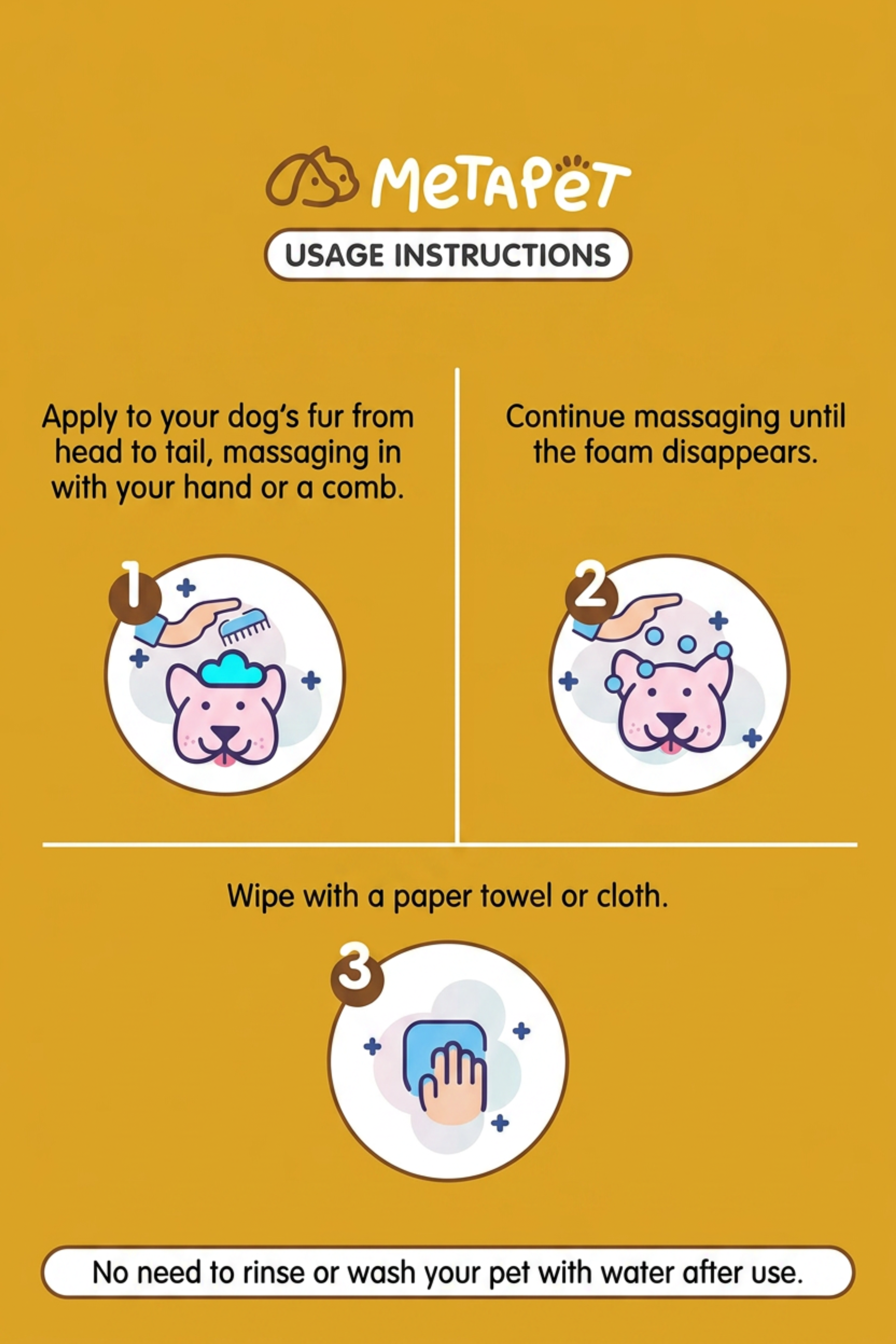
General coat and skin hygiene supports all of this. Keeping a nursing mother's underside clean is helpful, and gentle wiping with a soft damp cloth or a plain unscented wipe is usually enough. If you use a grooming product such as the MetaPet Nano-Series Hygiene & Care Towel Wipes, remember these are cosmetic grooming aids for general cleanliness — they are a complement to veterinary care rather than a substitute for it, they do not treat or prevent infection, and anything used on a nursing mother's mammary area should be checked with your veterinarian first because neonates will be in direct contact with it.
Myths and Facts
- Myth: a firm gland just means plenty of milk. Warmth, firmness, and asymmetry compared with neighbouring glands need examination.
- Myth: she will feed them if she is hungry enough. A mother avoiding her litter is usually in pain, not being difficult.
- Myth: you can wait and see overnight. Both mastitis and neonatal decline progress within hours.
- Myth: any leftover antibiotics will do. Medication for a nursing mother must be chosen with the litter in mind.
- Myth: cow's milk will tide the puppies over. It is not nutritionally appropriate and commonly causes digestive upset.
- Fact: daily weighing catches problems earliest. Weight loss precedes visible illness in neonates.
- Fact: hygiene genuinely prevents cases. Frequent bedding changes are among the most effective preventive measures available.
When to Contact Your Veterinarian
With a nursing mother and a young litter, the threshold for calling should be deliberately low.
- Call the same day for: any hot, firm, swollen, or discoloured gland, abnormal-looking milk, a mother reluctant to nurse, or any neonate failing to gain weight.
- Seek emergency care for: a mother who is collapsed, feverish, refusing food, vomiting, or has a gland that is dark, cold, or breaking down; or any neonate who is cold, limp, or crying constantly.
- Call for advice if: a litter is lost, weaning needs to happen suddenly, or you are unsure whether nursing should continue during treatment.
For any medical emergency involving a nursing mother or a neonatal litter, contact your veterinarian or your nearest emergency veterinary hospital immediately. This is one of the situations where hours genuinely matter.
The Practical Takeaway
Mastitis is a condition where the outcome is decided almost entirely by how early it is found, and finding it early costs one minute a day. Hands on every gland, in good light, comparing each against its neighbour. Warmth, firmness, and asymmetry are the whole examination.
The second minute is the scales. Every puppy or kitten, at the same time each day, written down. Neonates cannot tell you they are hungry in any way you can rely on, but the numbers will tell you within a day.
Everything else — clean bedding changed often, trimmed nails, gradual weaning, a well-fed mother in a warm quiet space — reduces the chance of ever needing the treatment. And if mastitis does appear, it is treatable, and mothers who get seen promptly generally do well and raise their litters successfully. What it does not tolerate is waiting.