Pica in Dogs and Cats: Why Pets Eat Non-Food Items

Every pet owner knows the occasional weird snack attempt — a puppy testing a stick, a cat licking a plastic bag. But some pets go far beyond curiosity: they persistently chew and actually swallow things that are not food. Socks, rocks, dirt, wool blankets, plastic wrap, cat litter, drywall, hair ties — the list from veterinary waiting rooms is long and occasionally astonishing.
This behavior has a name: pica, the persistent eating of non-nutritive items. It sits at the intersection of behavior and medicine, because the causes range from boredom and anxiety to genuine digestive disease and dietary problems — and because the consequences can be serious. Swallowed objects are a leading cause of intestinal obstruction, one of the more common surgical emergencies in dogs and cats.
This guide explains what pica looks like, why it happens, which medical causes your veterinarian will want to rule out, and a practical, layered plan — management, training, and enrichment — for keeping a determined item-eater safe.
Important: This article shares general educational information for pet owners and is not a substitute for an in-person veterinary examination, diagnosis, or treatment. For any medical concern or emergency, contact your veterinarian promptly.
What Counts as Pica?
Pica is defined by persistence and swallowing. A puppy that mouths everything during teething, a dog that shreds a toy without eating it, or a cat that bats a bottle cap around the kitchen is displaying normal exploration and play. Pica is different: the pet repeatedly seeks out a particular non-food material — fabric, plastic, wood, soil, paper, rubber — chews it, and swallows it, often with clear intent and sometimes with strong preference for one specific texture.
The distinction matters because the risks and the responses differ. Normal chewing is managed with appropriate outlets and puppy-proofing, and most youngsters grow out of the indiscriminate phase. True pica tends to persist, focuses on specific targets, and frequently signals something underneath — stress, under-stimulation, digestive discomfort, or dietary insufficiency — that deserves investigation rather than just tidier housekeeping. Grass eating deserves its own note: occasional grass nibbling is common and usually considered normal in both dogs and cats, but frantic daily consumption belongs in the pica conversation with your vet.
Common Targets: What Pets Eat and Why It Matters
- Fabric and wool. Wool sucking and fabric eating are classically described in cats — particularly Oriental breeds like Siamese — and swallowed fabric readily causes obstructions.
- Plastic and rubber. Bags, wrappers, and toy fragments; cats often lick or chew plastic bags, and dogs swallow chunks of chew toys.
- Rocks, dirt, and sand. More a dog specialty; rocks damage teeth and can lodge in the stomach, while large sand or soil meals can cause impaction.
- String, thread, and hair ties. Especially dangerous for cats — linear objects can anchor and saw through the intestine, a life-threatening emergency.
- Paper, cardboard, and wood. Sticks splinter and pierce; wads of paper can obstruct smaller pets.
- Litter and feces. Eating cat litter can indicate illness in cats; stool eating in dogs is a related but distinct habit with its own causes.
Whatever the material, two dangers dominate: obstruction of the digestive tract and toxicity from the item itself — batteries, coins, treated wood, and chemical-soaked materials add poisoning to the mechanical risk.
Behavioral Causes: Boredom, Stress, and Habit
In many otherwise healthy pets, pica grows out of unmet behavioral needs. Chewing is deeply soothing to dogs — it is a normal stress outlet — and a dog left under-exercised and under-occupied for long days may settle on the laundry basket as a hobby that works every time. Anxiety amplifies the drive: separation distress, household changes, new pets, or chronic tension in multi-pet homes all correlate with destructive and ingestive chewing.
In cats, fabric chewing and wool sucking are thought to have roots in early weaning and genetics, with certain breeds notably overrepresented, and stress often triggering flare-ups. For both species, the behavior can also become a self-reinforcing habit: the act itself is comforting, attention from an alarmed owner is a bonus reward, and a well-practiced routine forms. This is why effective plans combine removal of the material, alternative outlets, and reduced stress — rather than punishment, which adds anxiety and typically makes ingestive behaviors worse.
Medical Causes Your Veterinarian Will Consider
Pica is not only a behavior problem — it can be a symptom. A veterinary work-up is especially important when pica appears suddenly in an adult pet, escalates, or comes with any other signs. Conditions your vet may explore include:
- Digestive disease. Inflammatory bowel conditions, parasites, and other GI disorders can drive pets to eat odd materials, possibly in response to nausea or discomfort.
- Nutritional deficiencies. Anemia and certain deficiencies have been associated with pica — one reason blood work is a standard early step.
- Endocrine and metabolic issues. Conditions that increase hunger can push pets toward eating anything available.
- Dental discomfort. Sore mouths sometimes seek chewing pressure, particularly in young pets during teething.
- Medication effects. Some medicines increase appetite; mention all medications and supplements to your vet.
- Cognitive changes. Senior pets with cognitive decline may mouth and swallow items they would previously have ignored.
The Emergency You Are Trying to Prevent
Owners of pica pets should know obstruction signs cold, because early recognition changes outcomes. Suspect trouble and call your veterinarian promptly if a known item-eater shows repeated vomiting, retching, refusal of food, a painful or tense belly, straining without producing stool, marked lethargy, or drooling with gulping. A visible thread or string under the tongue or protruding from any end is an emergency: never pull it — pulling can cut the intestine — go straight to the clinic.
If you witness the swallowing, calling for advice immediately is far better than waiting: depending on the object, timing, and your pet, the veterinary team may advise prompt evaluation while options beyond surgery still exist. Never induce vomiting at home without direct veterinary instruction — with sharp objects, batteries, caustic materials, and in cats generally, home vomiting attempts can turn a bad situation into a disaster.
Step One: Manage the Environment
While causes are being investigated, management buys safety. The goal is simple to state and demanding to execute: the pet and the target material stop meeting unsupervised.
- Remove and contain. Laundry in lidded hampers, socks behind closed doors, hair ties in drawers, trash in latching bins, plastic bags out of reach.
- Protect the unmovable. Cord protectors for cables, closed doors or barriers for rooms that cannot be cleared, furniture covers where fabric is the target.
- Supervise strategically. Use crates, pens, or pet-proofed rooms during unsupervised hours — freedom can expand as the habit fades.
- Basket muzzles for extreme cases. For dogs that ingest dangerous items outdoors, a well-fitted, positively trained basket muzzle allows panting and drinking while blocking swallowing — a humane safety tool, not a punishment.
- Audit regularly. New risks arrive constantly — children's toys, holiday decorations, gardening supplies; make a monthly sweep a routine.
Deterrents and Training Alternatives
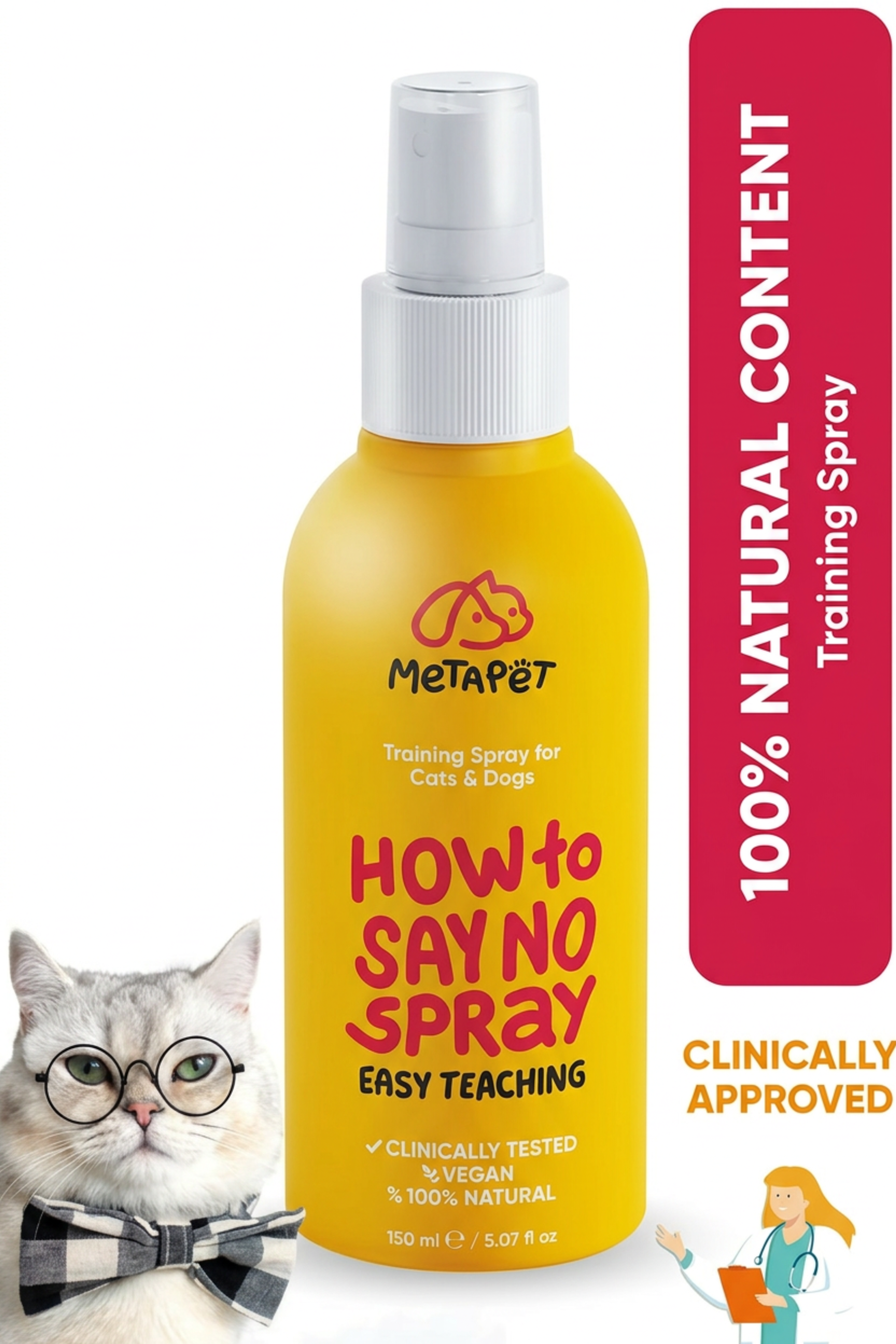
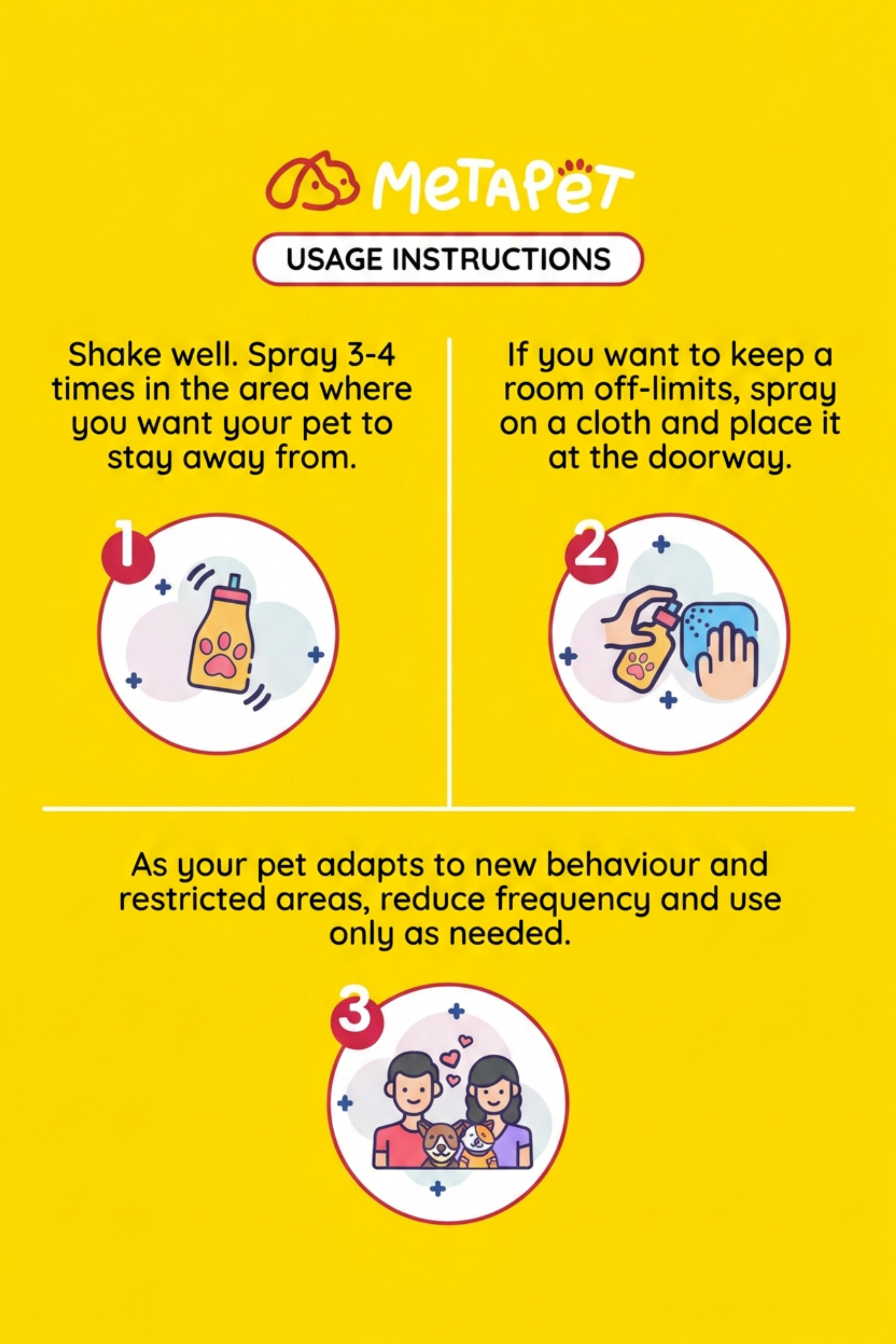
Alongside removal, two tools redirect the habit. The first is taste and scent deterrence on items that cannot be removed. Products designed for this purpose can make target surfaces less appealing to chew — for example, MetaPet How to Say No, a no-scratch, no-chew training spray for cats and dogs, is formulated to help discourage chewing and scratching on treated surfaces as part of a training routine; details and directions are on the product page at metapet.care. Deterrent sprays work best as one layer of a plan — always paired with attractive alternatives — and results vary between individual pets.
The second tool is teaching what to chew instead. Keep a rotation of appropriate chew items matched to your dog's size and chewing power, reward the pet generously for choosing them, and train a solid trade cue — swap the contraband for a treat — so that giving things up becomes profitable rather than a chase game. For cats, offer legal alternatives that satisfy the texture preference safely, such as cat grass for plant chewers, and food puzzles that occupy the mouth with actual food. Never chase or punish after a swallow; pets learn to gulp faster and hide better.
Enrichment: Filling the Need That Feeds the Habit
A busy, satisfied pet has less appetite for the laundry. Build daily structure that exercises body and brain: walks with generous sniffing time for dogs, interactive hunting play for cats, training sessions that earn meals, and puzzle feeders that turn dinner into a project. For dogs, licking and chewing on appropriate items are naturally calming activities — schedule them deliberately, especially around the times pica usually strikes, such as when the household leaves for work.
Address stress directly where it exists: predictable routines, safe retreat spaces, gradual departures for separation-distressed dogs, and resource abundance in multi-cat homes. For entrenched cases, a veterinary behaviorist can build a structured behavior-modification plan; persistent compulsive-type pica sometimes benefits from professional behavioral treatment alongside management, and that is a veterinary conversation worth having early rather than after the second surgery.
Working With Your Veterinarian
Bring data to the appointment: what materials, how often, when it started, what changed in the household, a diet history including treats, and photos or samples of chewed items. Expect a physical examination, dental check, and commonly blood work and fecal testing; imaging may follow if swallowing is suspected. If medical causes surface, treating them is the fastest route to improvement — pica driven by digestive disease or deficiency rarely yields to training alone.
Diet questions belong in this conversation too: your vet can confirm the current food is complete and appropriate for life stage, discuss whether a diet change merits a trial, and advise on safe chew items for your individual pet. Keep expectations realistic — most pica improves substantially with a combined medical-management-enrichment approach, but supervision and smart housekeeping often remain part of life with a committed sock connoisseur.
- Quick recap: pica is persistent eating of non-food items — part behavior, part potential medical signal.
- Rule out: digestive disease, deficiencies, and other medical drivers with your vet before assuming boredom.
- Protect: remove targets, use cord protectors and deterrent sprays, supervise, and know obstruction signs.
- Redirect: legal chews, trade games, puzzle feeders, exercise, and stress reduction do the long-term work.