Human Medications That Are Dangerous to Dogs and Cats

Every year, human medications rank among the most common causes of pet poisoning reported to animal poison control centers — often at the very top of the list. The typical story is mundane: a pill bottle knocked off the nightstand, a tablet dropped on the kitchen floor and swallowed before anyone can react, or a well-meaning owner giving a pet a little something from the medicine cabinet for pain.
Dogs and cats are not small humans. They process drugs with different enzymes, at different speeds, and sometimes not at all. A dose that is trivial for an adult person can be life-threatening for a cat or a small dog. This guide walks through the medication classes that cause the most trouble, the signs of poisoning, what to do if the worst happens, and the storage habits that prevent nearly all of these emergencies.
Important: This article shares general educational information for pet owners and is not a substitute for an in-person veterinary examination, diagnosis, or treatment. For any medical concern or emergency, contact your veterinarian promptly.
Why Pets and Human Medications Don't Mix
The core problem is metabolism. Cats in particular are missing efficient versions of certain liver enzyme pathways, which means some drugs that humans clear easily build up to toxic levels in feline bodies. Dogs have their own weak points, and both species are simply smaller than we are — dose scales with body weight, and a 10-pound cat is roughly one-fifteenth the size of an average adult.
Flavor coatings make things worse. Many tablets are sweetened or coated to go down easily, and dogs will happily gobble a dropped pill off the floor before you finish saying no. Some pets even learn to raid purses, backpacks, and weekly pill organizers, which concentrate a whole week of doses in one chewable plastic case.
The safe rule has no exceptions: never give any human medication to a pet unless your veterinarian has specifically told you to, with the exact product and dose. And when in doubt after an accidental exposure, call your veterinarian or an animal poison control hotline immediately.
NSAIDs: Ibuprofen, Naproxen, and Aspirin
Nonsteroidal anti-inflammatory drugs — ibuprofen, naproxen, and friends — are the classic pet poisoning. They are in every household, they are coated and palatable, and owners sometimes give them deliberately for a limping dog. In dogs and cats, these drugs can cause stomach ulcers, vomiting (sometimes with blood), kidney damage, and at higher doses neurological signs.
Cats are notably more sensitive than dogs, and naproxen is dangerous in remarkably small amounts for both species. Even veterinary NSAIDs, which are formulated and dosed for animals, require a prescription and monitoring — a strong hint about how narrow the safety margin is.
- Common signs: vomiting, diarrhea, black tarry stool, appetite loss, lethargy, increased thirst, and belly pain.
- The mistake to avoid: giving a leftover human anti-inflammatory to a stiff or limping pet. Call your veterinarian instead — there are much safer options designed for animals.
Acetaminophen: A Special Danger for Cats
Acetaminophen (paracetamol) deserves its own section because of how uniquely dangerous it is to cats. Felines lack efficient enzymes to detoxify it, and even a fraction of a single regular-strength tablet can trigger a life-threatening crisis in which red blood cells lose the ability to carry oxygen. Affected cats may develop brown or muddy gums, facial and paw swelling, labored breathing, and severe lethargy.
Dogs tolerate slightly more but are far from safe: overdoses cause liver damage that may not show up for days. Combination cold-and-flu products are a stealth source, pairing acetaminophen with decongestants and antihistamines in a single tablet.
Never give acetaminophen to a cat under any circumstances, and never to a dog without explicit veterinary direction. If a cat may have ingested any amount, treat it as an emergency and go to a clinic immediately — early treatment matters enormously.
Antidepressants and Anti-Anxiety Medications
SSRIs, SNRIs, tricyclics, and related medications are everywhere, and pets encounter them constantly — poison control centers field these calls daily. Ironically, some of these drugs are used in veterinary behavior medicine at carefully chosen doses, but an accidental grab of a human's supply is a different story entirely.
Overdose can cause serotonin syndrome: agitation or profound sedation, tremors, racing heart, elevated body temperature, vocalizing, wobbliness, and seizures. Signs can start quickly and escalate. Extended-release formulations are particularly tricky because signs persist and peak late.
- High-risk scenario: pills stored in bags, purses, or nightstands at pet level, or a dropped dose during the morning routine.
- What to do: call a veterinary professional immediately with the drug name, strength, and estimated number of tablets missing.
ADHD Stimulants and Heart Medications
Stimulant medications for ADHD — amphetamine-based and methylphenidate-based products — are among the most dangerous accidental ingestions for pets. Small amounts can cause severe agitation, pacing, tremors, dangerously elevated heart rate and body temperature, and seizures. Households with children or teens on these medications should treat every tablet like a hazard, because doses are often handled daily and dropped occasionally.
Heart and blood pressure medications — beta blockers, calcium channel blockers, and ACE inhibitors — vary in danger. Some cause relatively mild effects in accidental exposures, while others, particularly certain calcium channel blockers and beta blockers, can cause life-threatening drops in heart rate and blood pressure. There is no way for an owner to know which category applies, so every ingestion warrants an immediate call to poison control or your veterinarian with the exact product name.
Sleep Aids, Decongestants, and Cold Medicine
Cold and allergy season fills homes with products that are risky for pets. Pseudoephedrine and phenylephrine, common decongestants, act like stimulants in dogs and cats — agitation, panting, racing heart, tremors, and hyperthermia. Combination products multiply the problem by stacking a decongestant with acetaminophen and an antihistamine in one tablet.
Sleep aids and benzodiazepines produce unpredictable effects: profound sedation and wobbliness in some pets, paradoxical agitation in others, and liver concerns in cats with certain drugs. Nicotine replacement gums and lozenges add another hazard, and some gums also contain xylitol, a sweetener that is separately toxic to dogs.
- Watch for: sudden agitation or sedation, drooling, vomiting, panting, stumbling, tremors, or unusual vocalization after any possible exposure.
- Remember: childproof does not mean dog-proof. Determined teeth open blister packs and bottles with ease.
Vitamins and Supplements Count Too
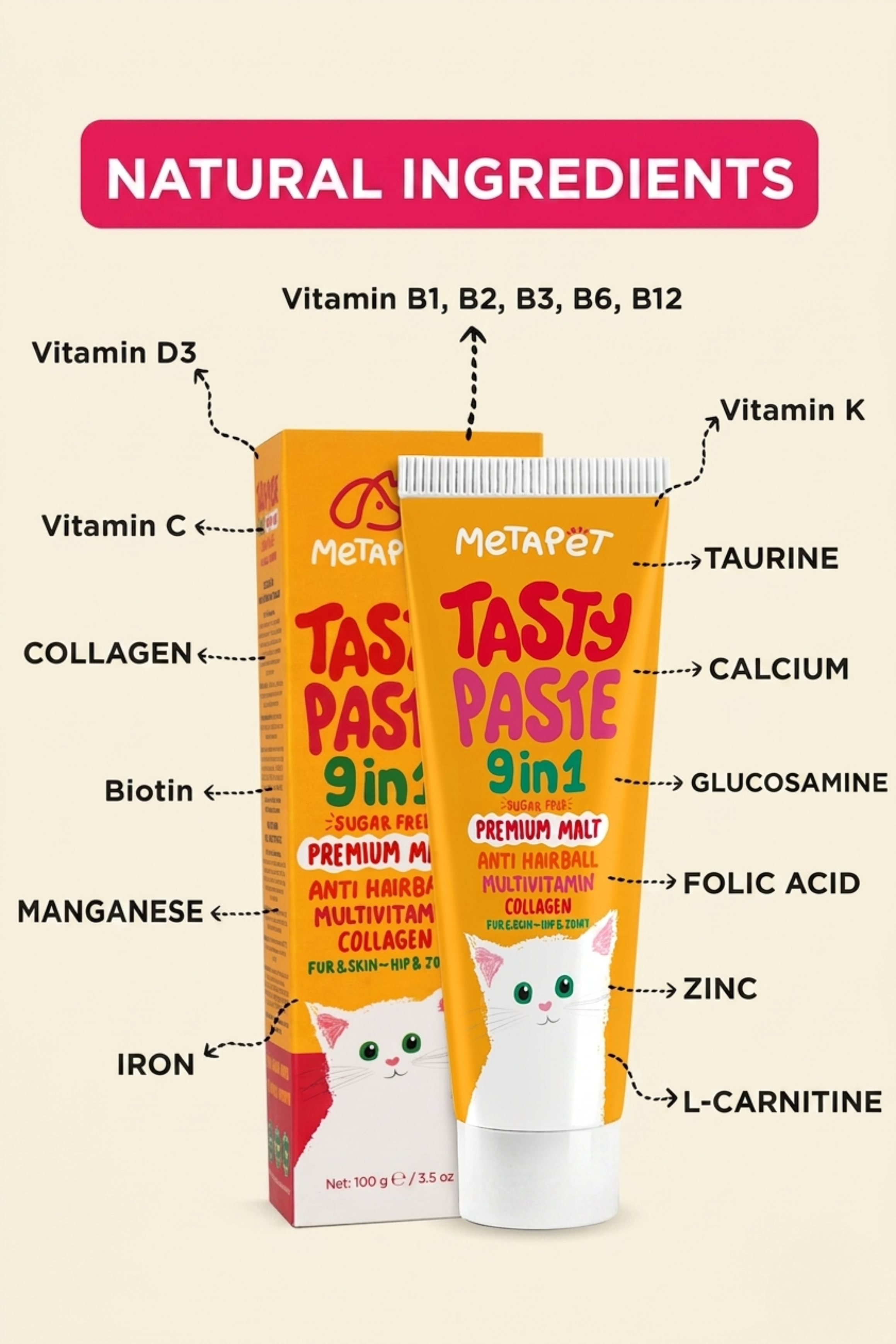
Owners often underestimate supplements because they feel gentle. Several are genuinely dangerous to pets in quantity. High-dose vitamin D supplements can drive blood calcium to organ-damaging levels, much like cholecalciferol rodenticides. Iron supplements can injure the gut, liver, and cardiovascular system. Alpha lipoic acid is notably toxic to cats. Gummy vitamins are flavored, chewable, and sometimes sweetened with xylitol — a triple threat for dogs.
Even seemingly benign products — fish oil, melatonin, herbal blends — deserve a call to your veterinarian before sharing, both for dosing and for ingredient interactions. Store supplements with the same care as prescription drugs, and never assume natural means harmless. Supplements intended for pets should be used as directed on the label and as a complement to, not a substitute for, veterinary care.
One more sneaky category: topical creams. Hormone creams, pain-relief gels, and psoriasis treatments containing vitamin D analogs can poison pets that lick treated skin or chew the tube. Apply creams where pets cannot lick, wash hands, and store tubes securely.
What to Do If Your Pet Eats Your Medication
- Secure your pet away from the spill and collect the evidence: bottle, blister pack, or your best count of missing tablets, plus the drug name and strength.
- Call your veterinarian, an emergency clinic, or an animal poison control hotline immediately. Time matters — decontamination works best early.
- Provide your pet's weight, the product name and strength, the maximum number of tablets possibly eaten, and the time of exposure.
- Do not induce vomiting unless specifically instructed by a veterinary professional. With some drugs and some symptoms, vomiting at home is dangerous.
- Follow through on clinic care if advised: activated charcoal, IV fluids, monitoring, and specific treatments depend entirely on the drug involved.
- Watch for delayed signs afterward and report anything unusual — some medications, especially extended-release products and acetaminophen in dogs, show effects late.
Keep the poison control number saved in your phone next to your veterinarian's. In a real event you should be dialing within a minute, not searching the internet.
Prevention: Medication Habits for Pet Homes
- Store high and closed: keep all medications — human and pet — in a closed cabinet well above counter height, never on nightstands, counters, or in open bags.
- Take pills over a counter: swallow your own medications standing at a counter, so a dropped tablet lands where you can see it, not on the floor for a floor-cleaning dog.
- Separate pet and human meds: mix-ups where a pet receives the owner's medication (or vice versa) are common poison-control calls. Different shelves, different containers.
- Beware pill organizers: weekly organizers are easily chewed treasure chests. Store them like medication, not like kitchenware.
- Guests and visits: ask houseguests to keep luggage zipped and medications out of reach, and check floors of hotel rooms and rentals before letting pets explore.
- Dispose properly: use drug take-back programs rather than trash cans that pets can raid.
These habits take a week to build and prevent the overwhelming majority of medication poisonings.
Frequently Asked Questions
Can I give my dog aspirin for pain?
Not without veterinary guidance. Aspirin causes stomach ulceration and bleeding problems in pets, and it interferes with safer prescription options your veterinarian may want to use. Call the clinic instead.
My pet seems fine after eating a pill. Are we safe?
Not necessarily. Several major drug classes — acetaminophen in dogs, extended-release products, some heart medications — cause delayed effects. Call poison control or your veterinarian regardless of how your pet looks.
Are any human medications ever OK for pets?
A few are used in veterinary medicine at specific doses, but only your veterinarian can tell you which, when, and how much for your individual animal. Never extrapolate from a human label.
Which pets are at highest risk?
Cats for certain drugs (especially acetaminophen), small dogs because of body weight, puppies because they chew everything, and food-motivated breeds that patrol floors for dropped snacks.
The Bottom Line
Human medications poison pets constantly, quietly, and preventably. The fixes are unglamorous — high cabinets, counters at pill time, zipped bags, fast phone calls — but they work. Treat every tablet in your home as if a determined Labrador were watching, because one probably is.
- Never medicate a pet with human products without explicit veterinary direction.
- Every exposure gets a call to your veterinarian or an animal poison control hotline, symptoms or not.
- Bring the packaging — drug name and strength drive the entire treatment plan.
- Prevention wins: closed cabinets, careful pill-taking habits, and secured bags stop most poisonings before they start.