Grooming a Sick or Recovering Pet: Gentle Coat Care

When a dog or cat is unwell, grooming tends to be the first thing that slides — for the pet and for the owner. The pet stops maintaining their own coat because it hurts or takes energy they do not have, and the owner quite reasonably prioritizes medication and eating over brushing.
But coat and skin care matters more during illness, not less. A matted, soiled coat is uncomfortable, traps moisture against skin, hides developing sores, and adds a layer of misery to an already difficult time. The trick is doing it gently, in small pieces, and in a way that respects a fragile patient. This guide covers exactly how.
Important: This article shares general educational information for pet owners and is not a substitute for an in-person veterinary examination, diagnosis, or treatment. For any medical concern or emergency, contact your veterinarian promptly.
Why Coat Care Matters During Illness
A healthy cat spends a substantial part of the day grooming, and a healthy dog distributes coat oils through movement and self-scratching. Take that away and changes appear within days rather than weeks: the coat clumps, oils build up, debris sticks, and the skin underneath stops getting air.
- Mats pull on skin: a tight mat is genuinely painful and restricts movement.
- Trapped moisture irritates skin: particularly around the rear, mouth, and any area in contact with bedding.
- Soiling causes skin damage: urine and feces against skin cause irritation quickly in an animal who cannot move away.
- Hidden problems stay hidden: wounds, lumps, pressure sores, and parasites all get missed under a neglected coat.
- Comfort affects recovery: a pet who feels clean rests better, and rest matters.
- Handling maintains connection: gentle touch is reassuring for most pets, and it lets you monitor them daily.
Check With Your Veterinary Team First
Before starting any grooming routine with a recovering or unwell pet, clarify the boundaries with the people managing the case. A two-minute question saves a complication.
- Is there any area I must not touch, wet, or brush — and for how long?
- Can this incision get damp, or must it stay completely dry?
- Is a full bath allowed yet, and if not, when?
- Are there restrictions on positioning, lifting, or how long my pet can be handled?
- Which products are safe given the current medications and skin condition?
- What should I do if I find a mat, a sore, or discharge?
Never wet, cover, or apply anything to a surgical incision unless your veterinarian has specifically told you to. Incision care instructions exist for good reasons and vary between procedures.
Set Up for Short, Calm Sessions
The single biggest change from normal grooming is duration. A well pet might tolerate twenty minutes; an unwell pet may manage two. Plan for that rather than fighting it.
- Go to your pet: work where they are lying rather than moving them to a table.
- Aim for two to five minutes: one area per session, several sessions a day if needed.
- Prepare everything first: so you are not leaving mid-session to find a comb.
- Keep the room warm and quiet: unwell animals lose heat faster and startle more easily.
- Support the body: a rolled towel under a limb or against the back reduces strain.
- Stop at the first sign of distress: tension, a turned head, a flicking tail, a low growl or hiss. Ending early keeps the next session possible.
Never restrain a painful animal to finish a grooming task. If it cannot be done gently, it needs to be done by your veterinary team, potentially with sedation — which is a completely reasonable option for a badly matted, unwell pet.
Waterless Cleaning: The Workhorse Technique
Full baths are usually off the table for a recovering pet — they are stressful, chilling, and often incompatible with wound care. Waterless cleaning covers most of what is actually needed.
- Comb the area gently first to lift loose hair and debris.
- Apply a small amount of a no-rinse foam or a pet wipe to your hands or a cloth, not directly onto a sensitive area.
- Work it through the coat in the direction of hair growth with your fingertips.
- Wipe away residue with a clean, slightly damp cloth.
- Dry the area thoroughly with a soft towel — never leave damp fur against skin.
- Comb through once more and check the skin underneath while you are there.
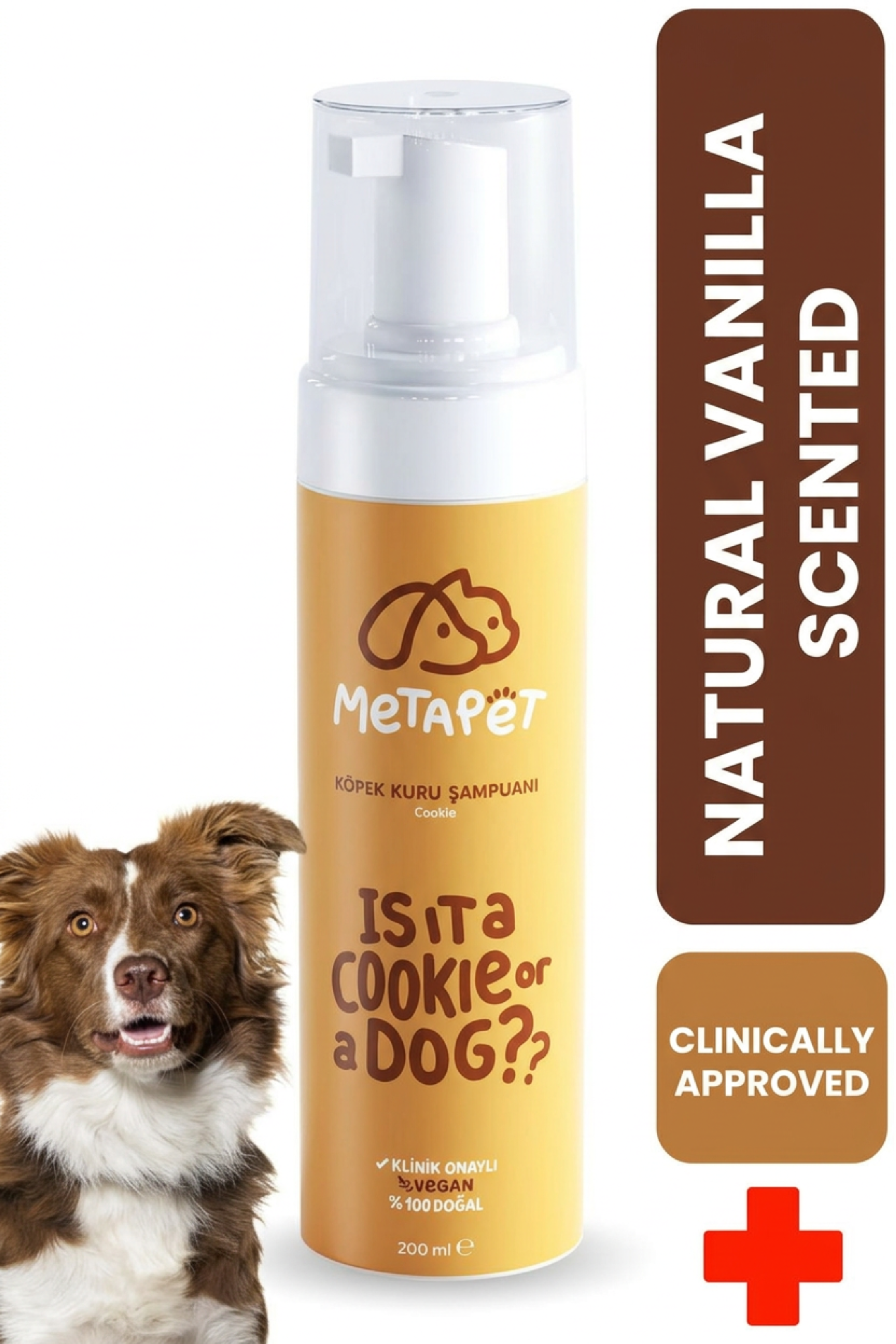
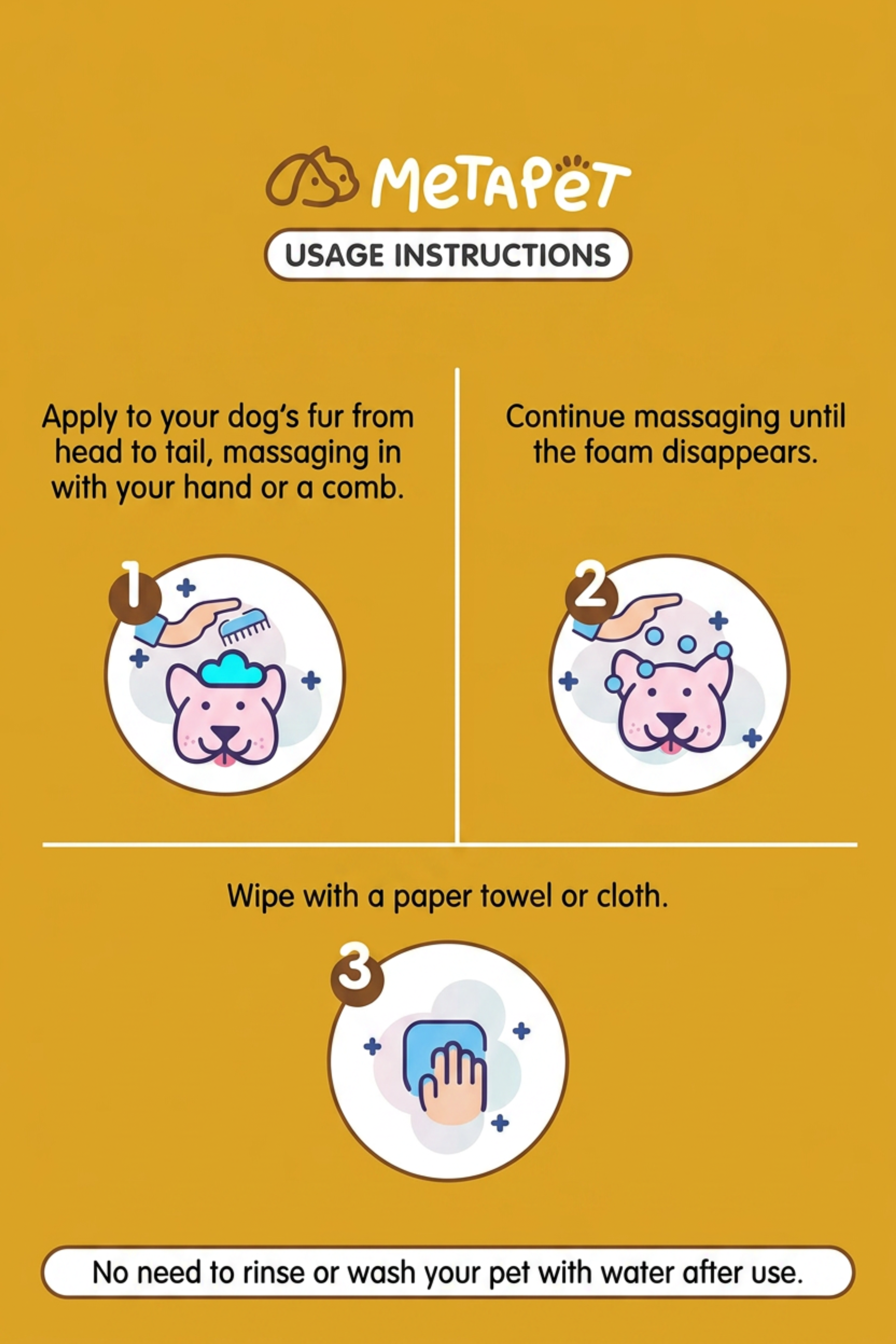
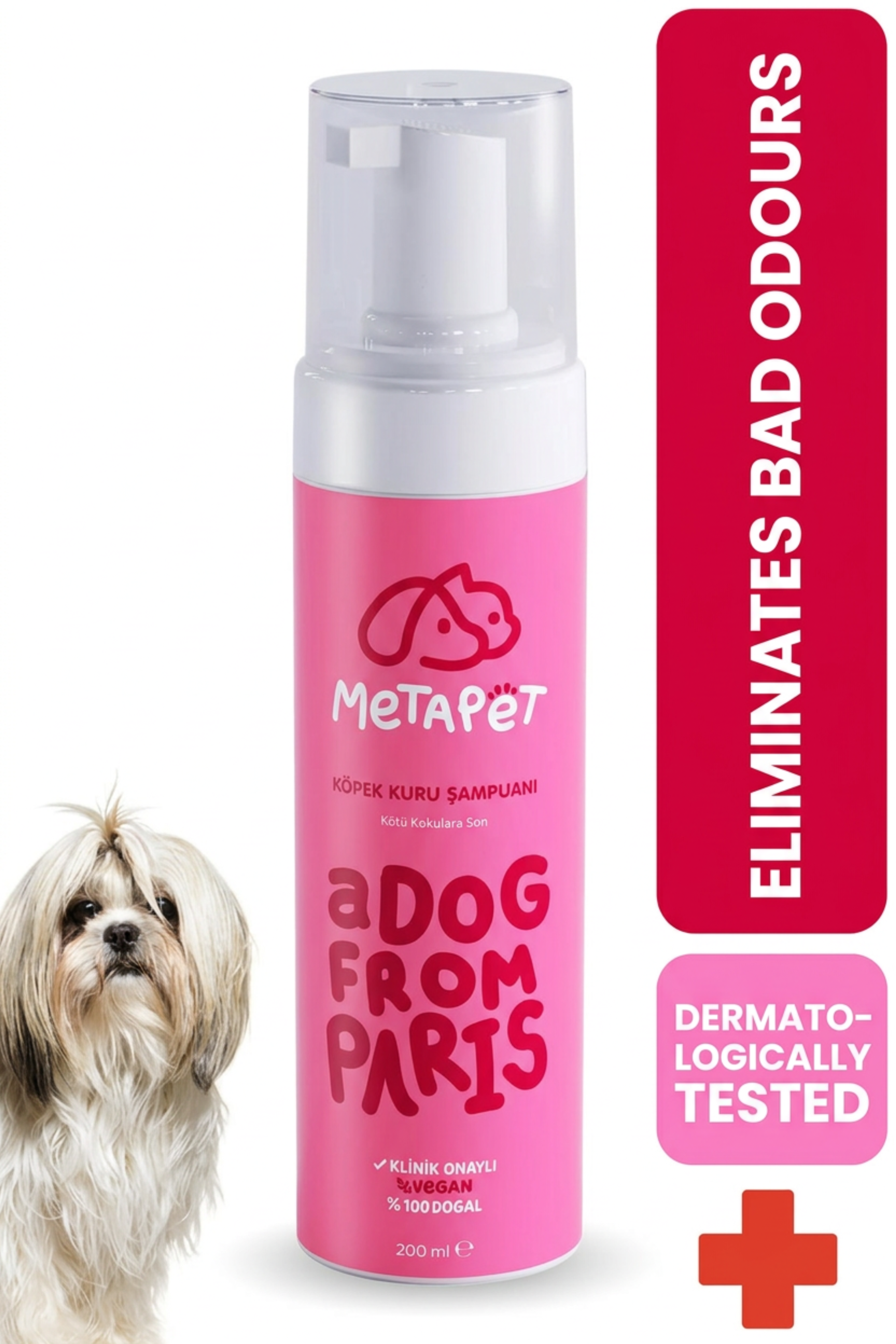
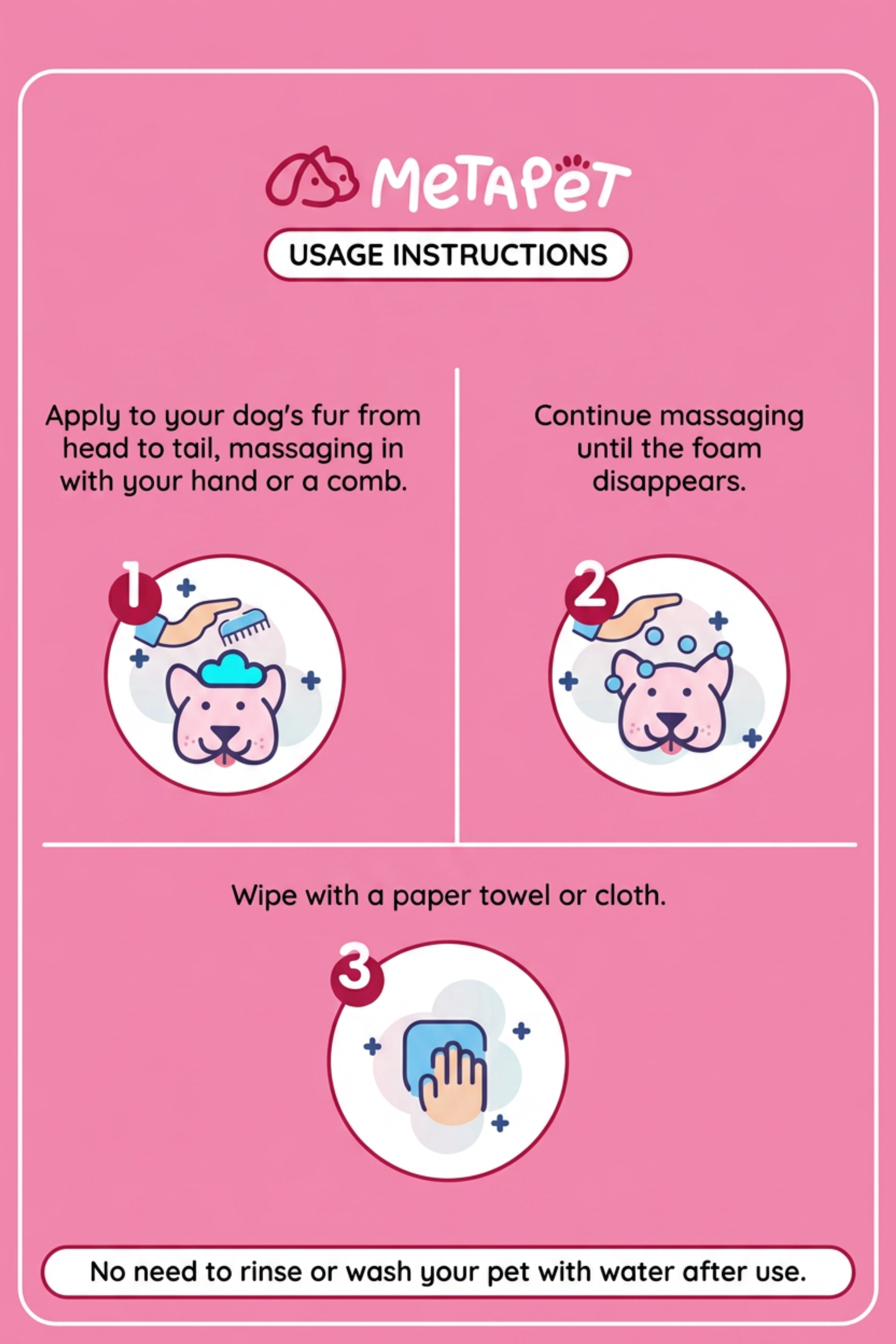
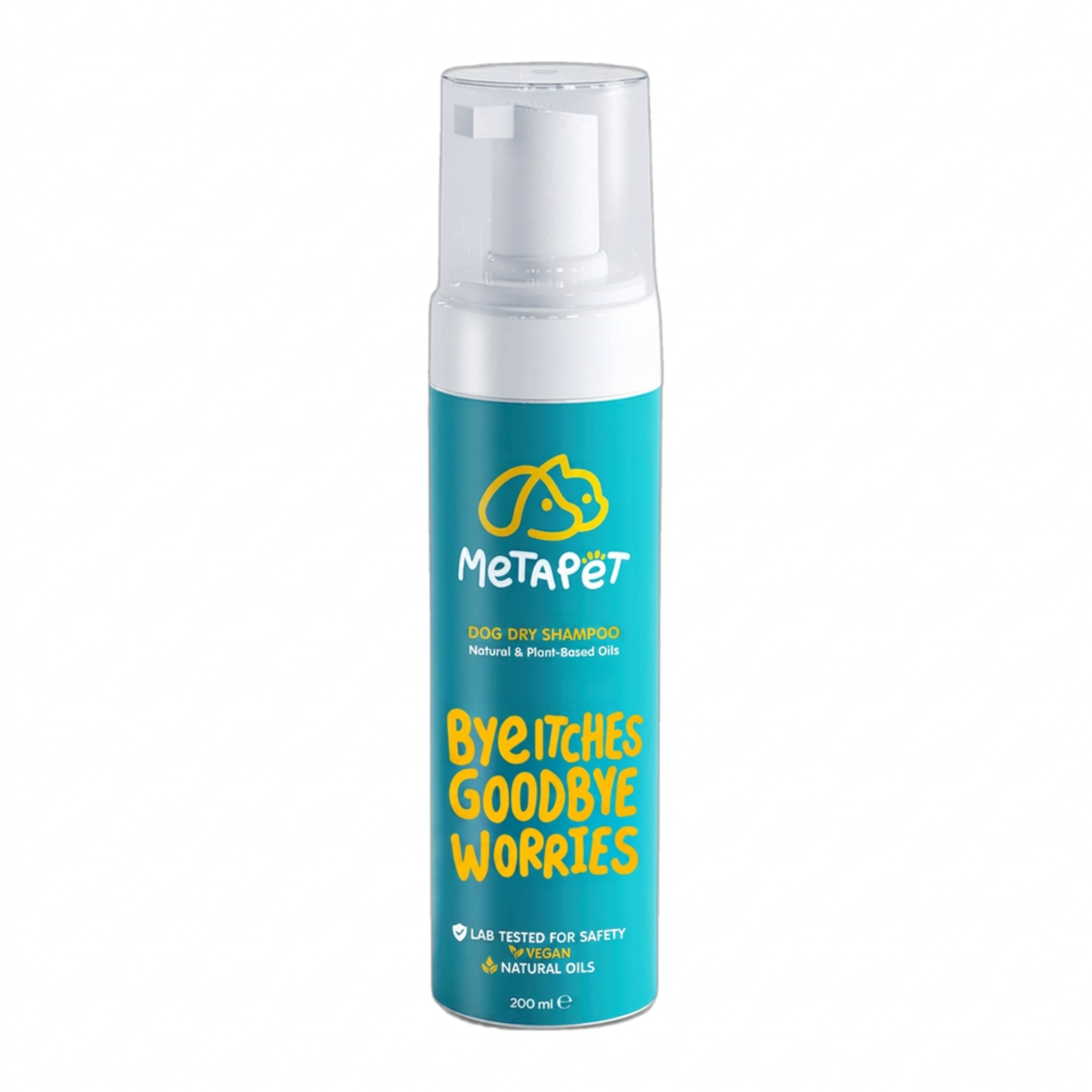
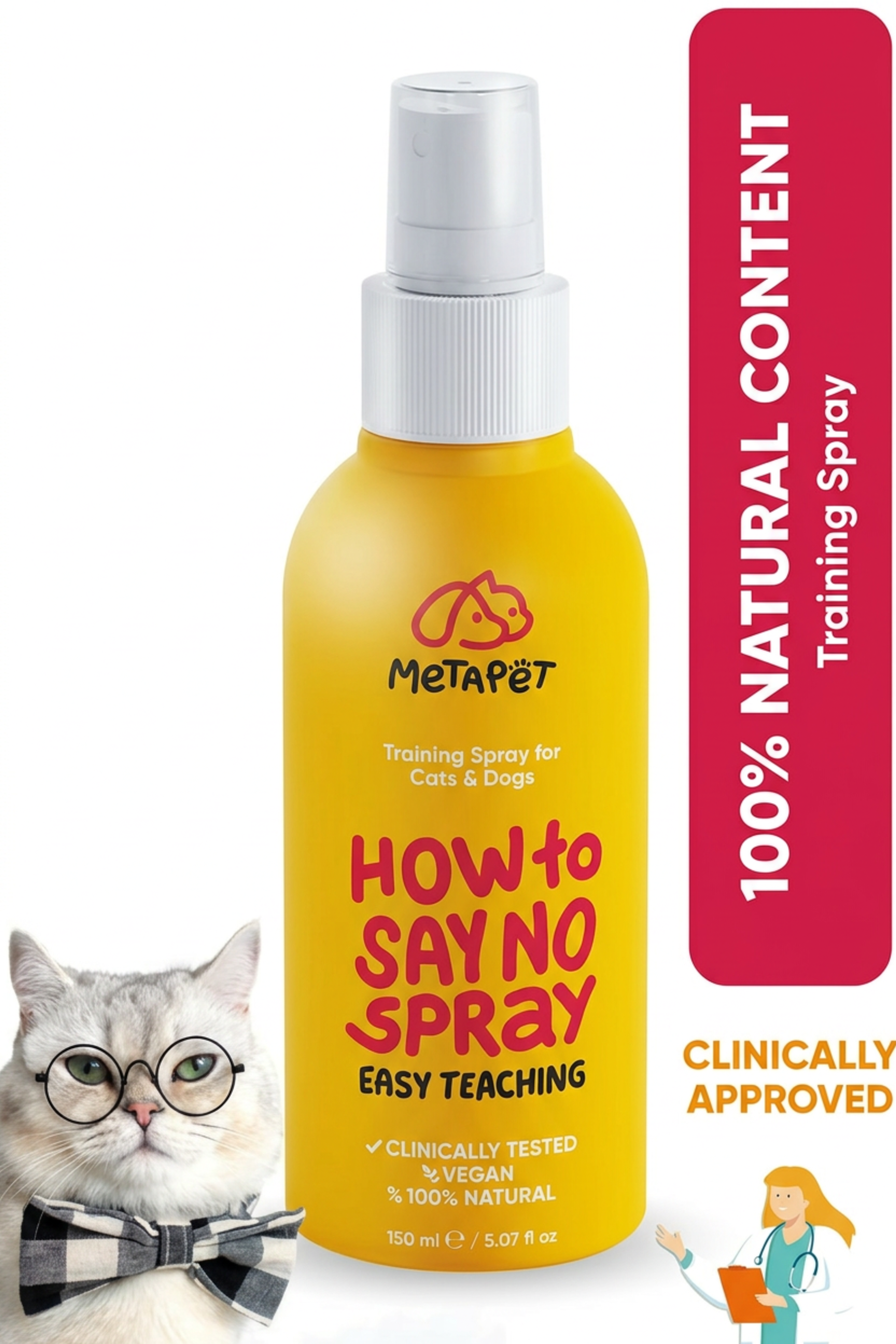
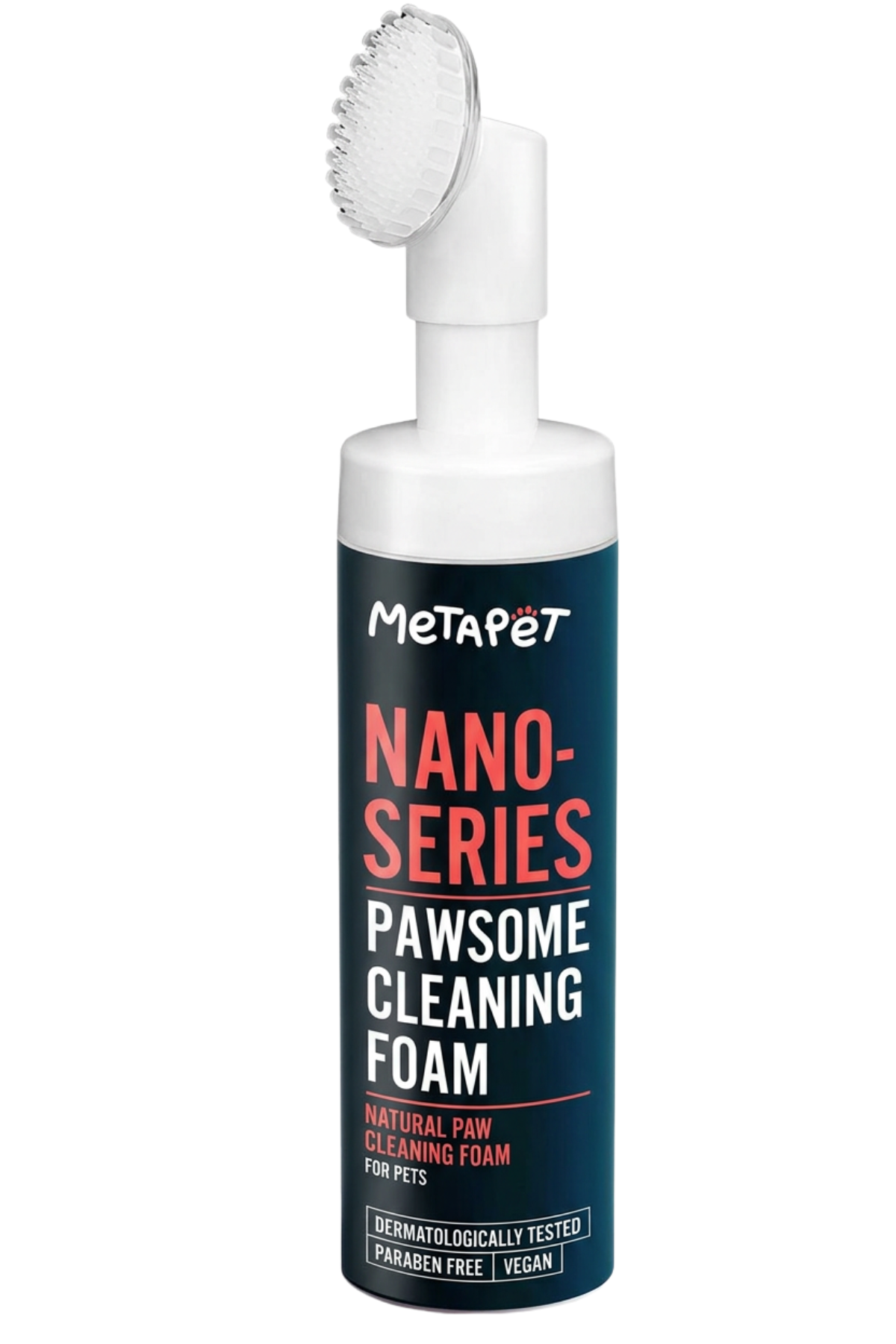
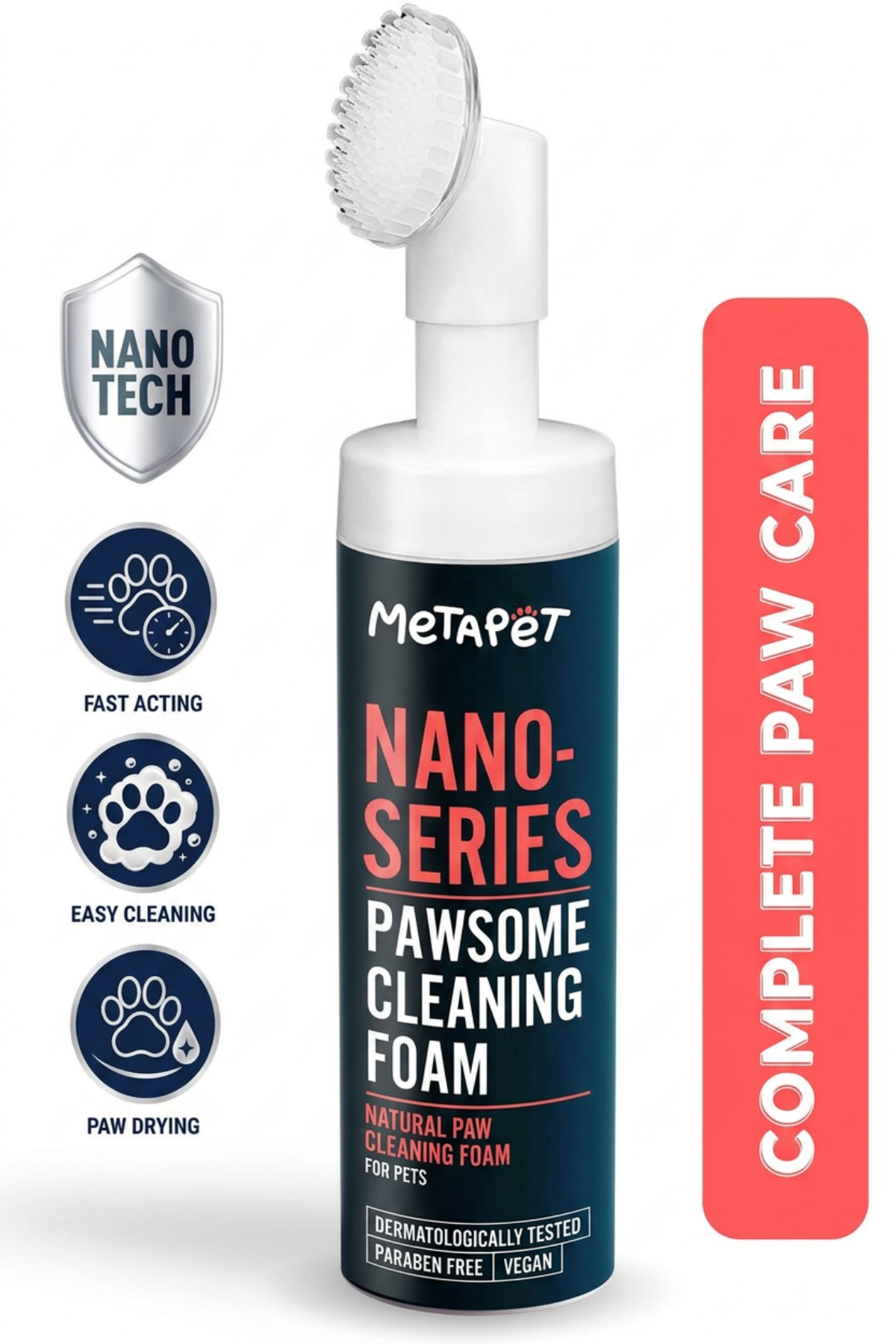
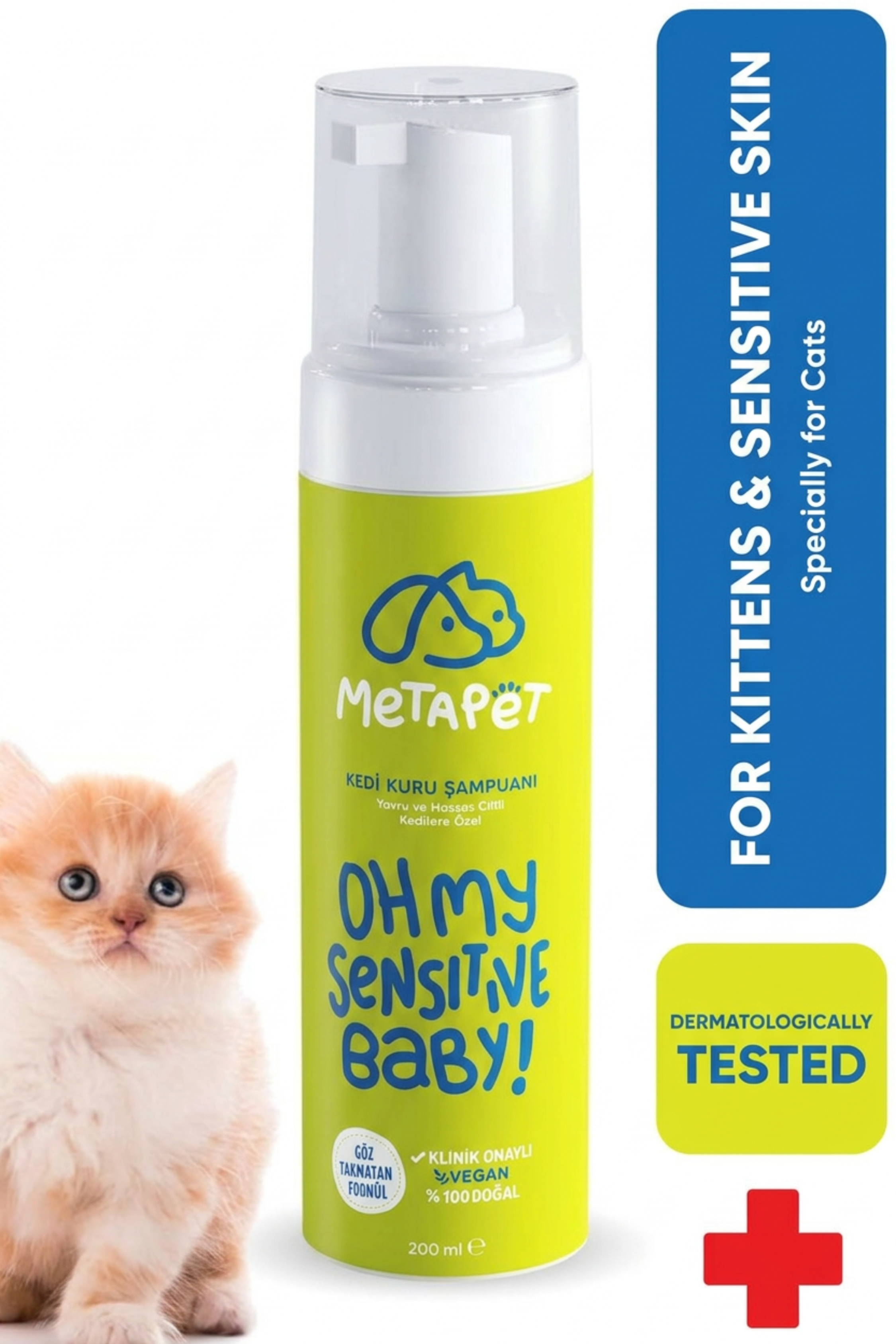
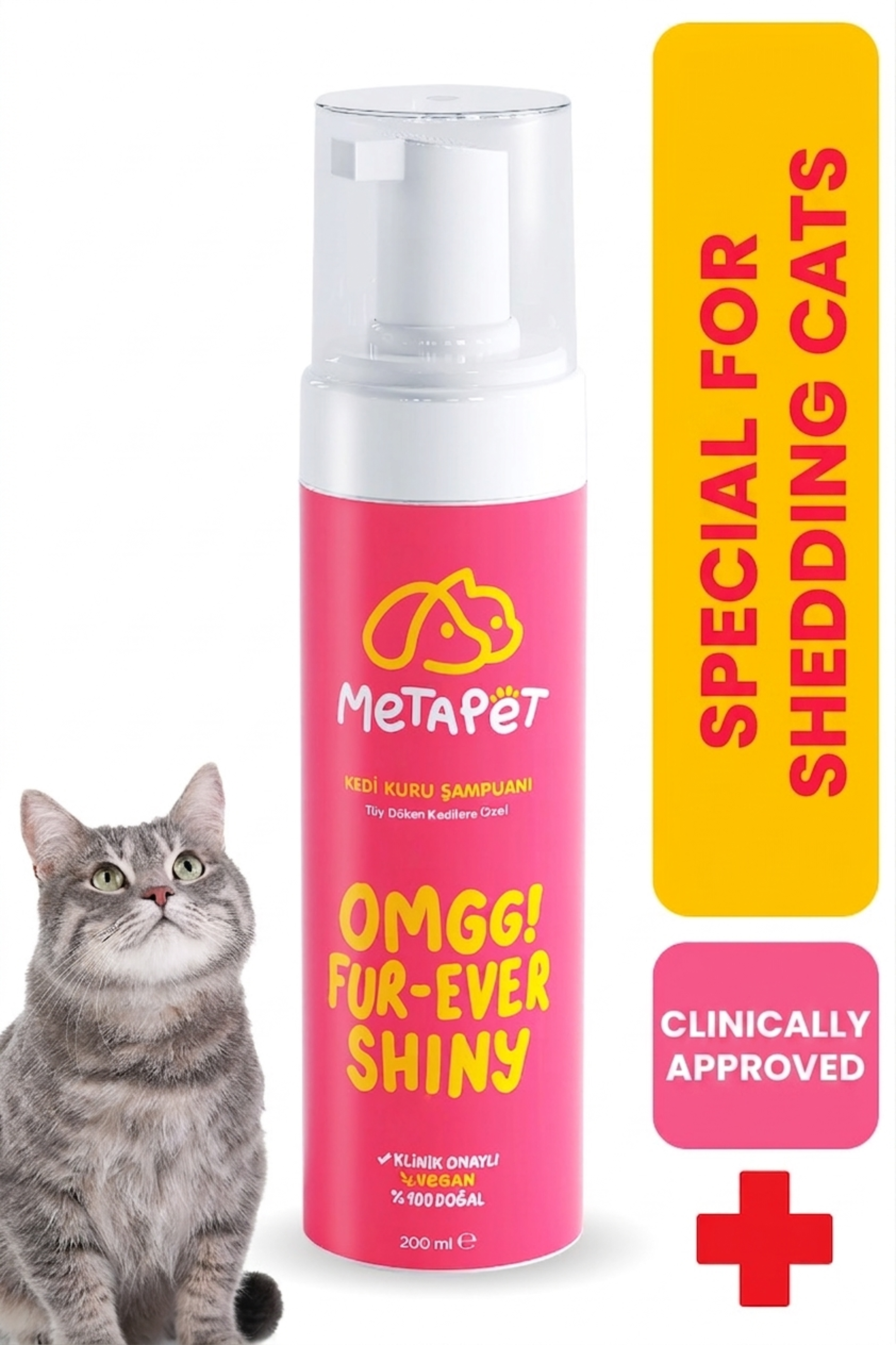
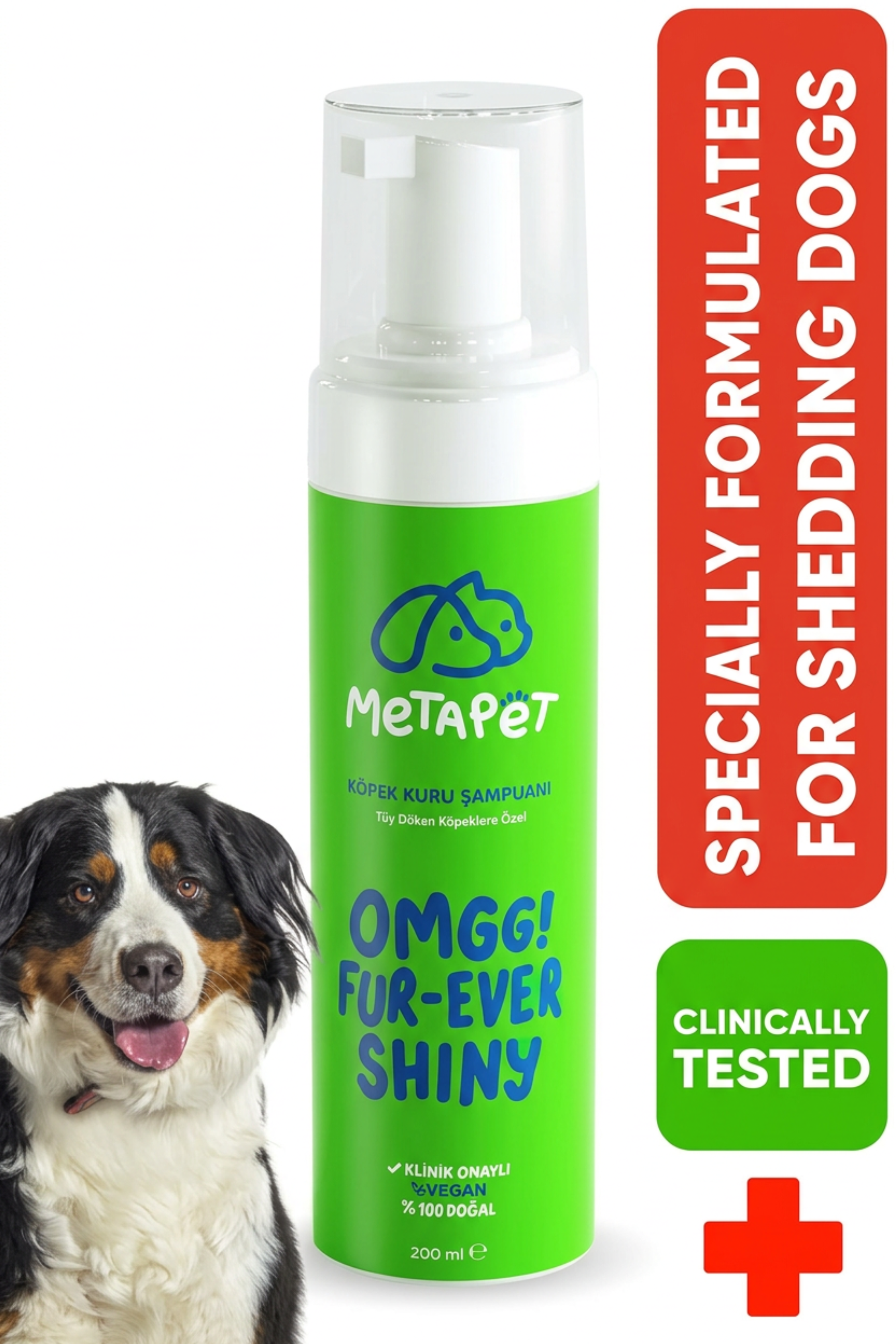
MetaPet's waterless range is built for this kind of low-stress cleaning: the Oh My Sensitive Baby! dry foam shampoo for cats and the A Dog From Paris dry foam shampoo for dogs are no-rinse formulas, and the Nano-Series hygiene and care towel wipes suit quick spot cleaning. For muddy or soiled paws in a dog who still goes outside briefly, the Nano-Series Pawsome paw cleaning foam avoids a full foot bath. These are cosmetic grooming products for cleaning and freshening the coat — they are not medicated, are not intended for use on wounds or incisions, and do not replace any part of the care your veterinarian has prescribed. Check with your veterinary team before using any product on a pet who is unwell or recovering from surgery.
Handling Mats Safely
Mats form fast in a pet who has stopped grooming, and they are one of the most common sources of hidden discomfort in unwell animals. They are also where owners most often cause accidental injury.
- Never use scissors: skin tents up into the base of a mat and is cut far more easily than owners believe. This causes serious wounds every year.
- Work small mats with fingers first: teasing them apart from the outer edge inward.
- Use a detangling product: it reduces pulling considerably and makes the process kinder.
- Support the skin: hold the hair at the base, between mat and skin, so you are not tugging the skin itself.
- Stop if your pet reacts: and come back later, or hand it over to a professional.
- Get large or close mats clipped: by your veterinary team or an experienced groomer with clippers, never with scissors or a razor.
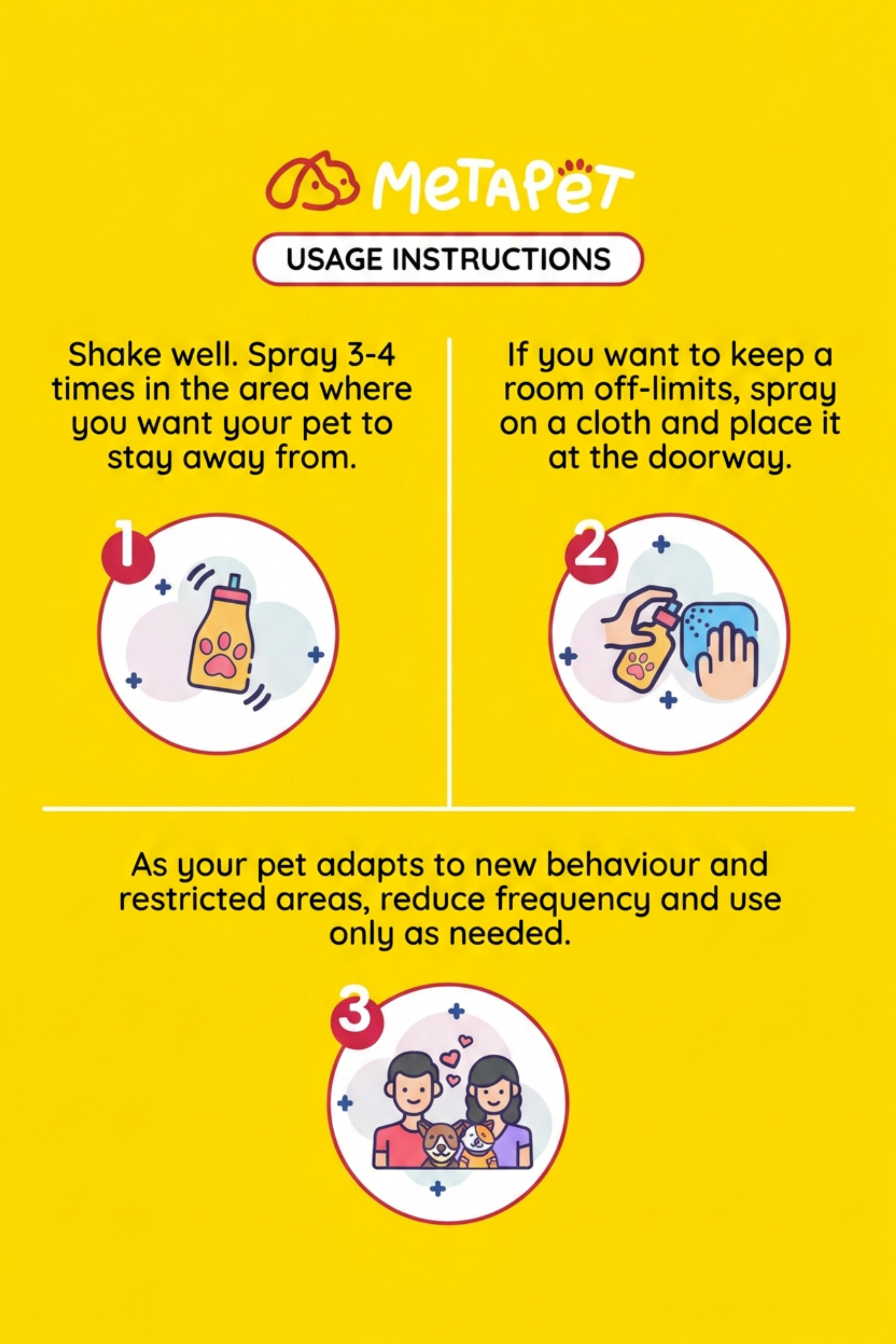
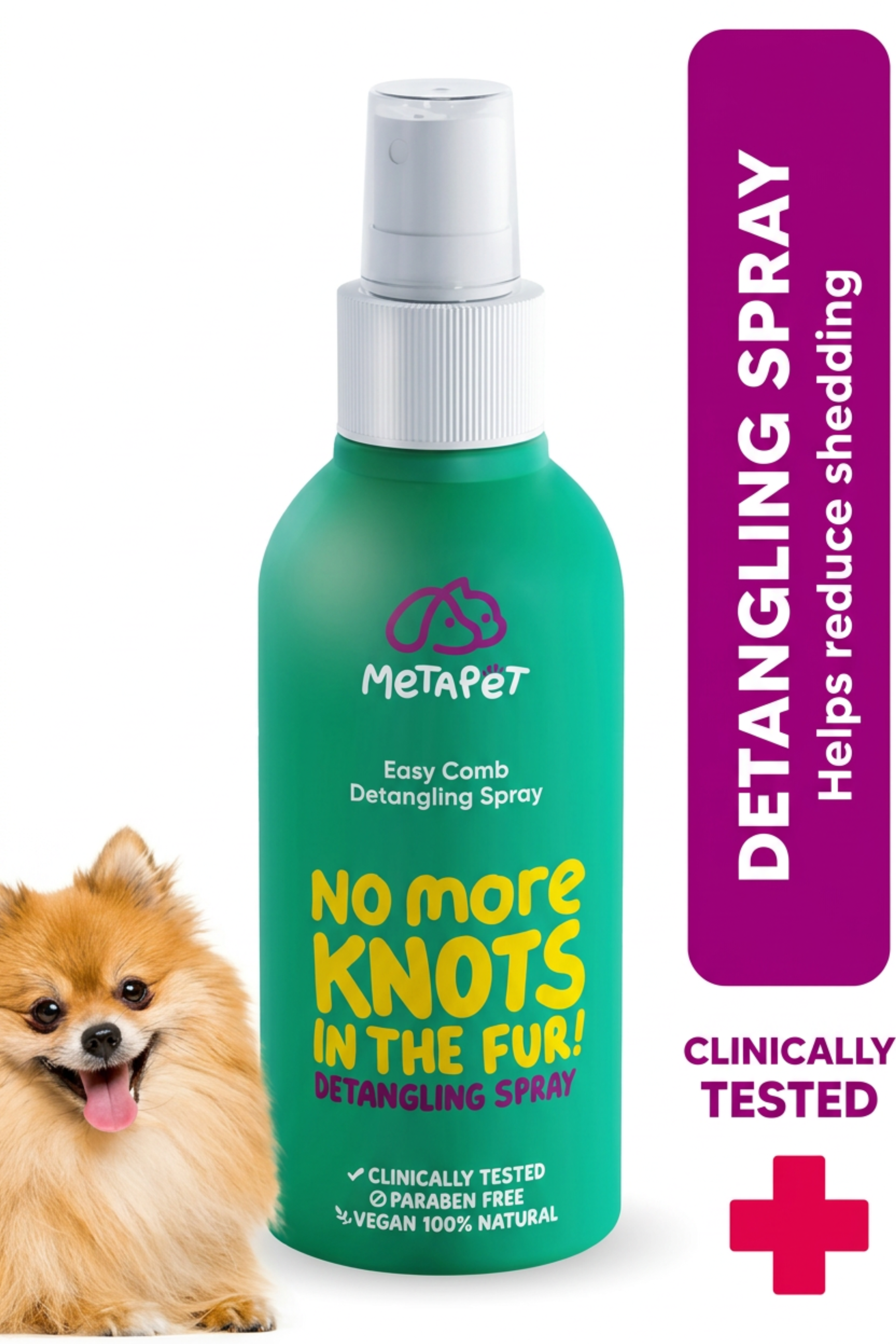
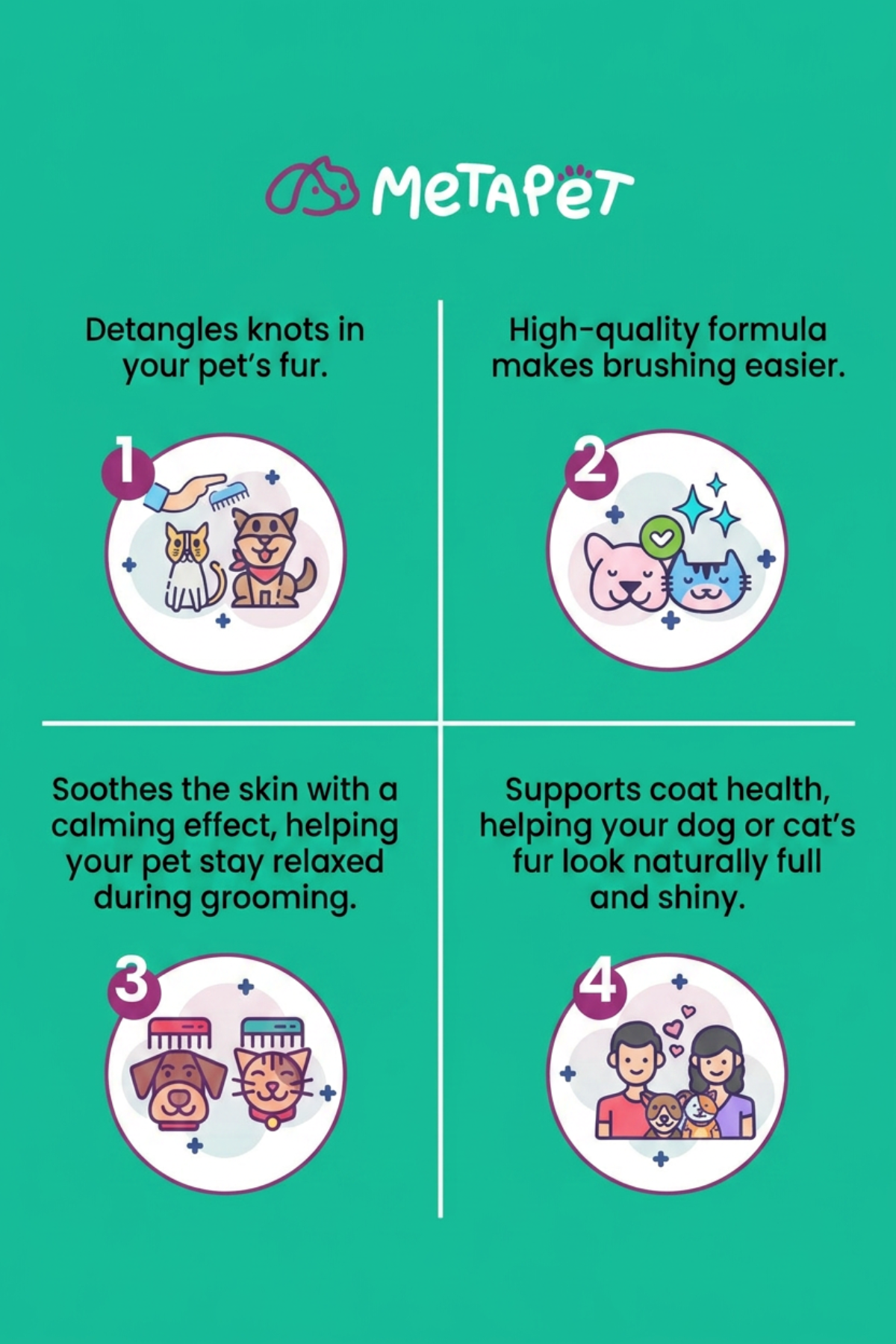
For coats that tangle easily, MetaPet's No More Knots detangling and easy-combing spray is formulated to make combing easier, which matters most when your pet has little patience to spare. Avoid spraying anything near wounds, eyes, or an incision site. Detangling products are cosmetic grooming aids and complement rather than replace the care your veterinarian has prescribed.
Priority Areas for a Recumbent or Very Weak Pet
If your pet can only tolerate a little, spend it where it counts. These areas cause the most trouble the fastest.
- Around the rear and under the tail: check and clean at least twice daily; soiling here damages skin quickly.
- Chin, lips, and chest: drool, food, and medication residue collect and mat.
- Between the toes and pads: debris and moisture accumulate in a pet who is not walking.
- Pressure points: elbows, hips, hocks, and the shoulder — inspect the skin daily for redness or thinning hair.
- Eyes and eye corners: wipe discharge away from the eye with a soft damp cloth, never toward it.
- Any area in contact with bedding: check underneath, where you cannot see from above.
For a pet who cannot reposition themselves, ask your veterinary team how often to turn them and how to pad pressure points. Pressure sores develop faster than most owners expect and are much easier to prevent than to heal.
Around Incisions, Bandages, and Collars
The area near a surgical site needs the most caution and the most observation.
- Keep incisions dry: unless instructed otherwise, and never apply grooming products to or near them.
- Groom around, not over: work the surrounding coat while leaving a clear margin.
- Keep the protective collar on: even during grooming sessions, unless you are actively supervising every second.
- Keep bandages completely dry: and contact your clinic if one becomes wet, slipped, smelly, or tight.
- Inspect the incision daily: and report increasing redness, swelling, gaping, discharge, or odor.
- Do not remove crusts or scabs: leave healing tissue alone.
When a Cat Stops Grooming Altogether
A cat who stops grooming is telling you something. Cats are meticulous by nature, and a scruffy, greasy, or clumped coat in a cat who was previously immaculate is a recognized sign of illness, pain, or reduced mobility.
Contact your veterinarian if you notice this change, even if your cat seems otherwise reasonable. Dental pain, arthritis, kidney disease, hyperthyroidism, and many other conditions can present this way, and the coat change is often the first thing owners notice.
In the meantime, take over the job in small sessions. Regular combing prevents the mats that would otherwise need clipping under sedation later, and it makes an unwell cat markedly more comfortable.
Bathing a Recovering Pet, If It Is Allowed
Sometimes a proper wash genuinely is needed — a pet who has been badly soiled, or a coat that waterless cleaning cannot rescue. If your veterinarian has confirmed it is safe, plan it carefully rather than improvising.
- Confirm timing with your vet: particularly around incisions, bandages, and any skin medication schedule.
- Warm the room first: and have towels ready before your pet is wet.
- Wash only what needs washing: a partial wash of the rear or the chest is usually enough and is far less taxing.
- Use a non-slip surface: a rubber mat in the tub or sink prevents scrambling, which is exhausting and frightening for a weak animal.
- Keep it brief: and keep the water comfortably warm rather than hot.
- Dry thoroughly: towel first, then a low, cool dryer setting held at a distance if your pet tolerates it — never hot air, and never left unattended.
If at any point your pet becomes distressed, cold, or exhausted, stop and dry them. A half-finished bath on a calm animal is a better outcome than a complete one on a frightened, shivering patient.
Practical Comfort Extras
Beyond the coat itself, a handful of small changes make daily nursing easier for both of you.
- Washable, absorbent bedding: several sets so one is always clean and dry.
- Non-slip flooring: rugs or mats on smooth floors give a weak pet confidence.
- Everything within reach: food, water, and litter box close to the resting spot.
- A low-sided litter box: for a cat who struggles to step over a lip.
- Keep the room warm: unwell animals lose body heat more easily.
- Nails trimmed short: long nails catch on bedding and cause self-injury in a pet who cannot reposition well.
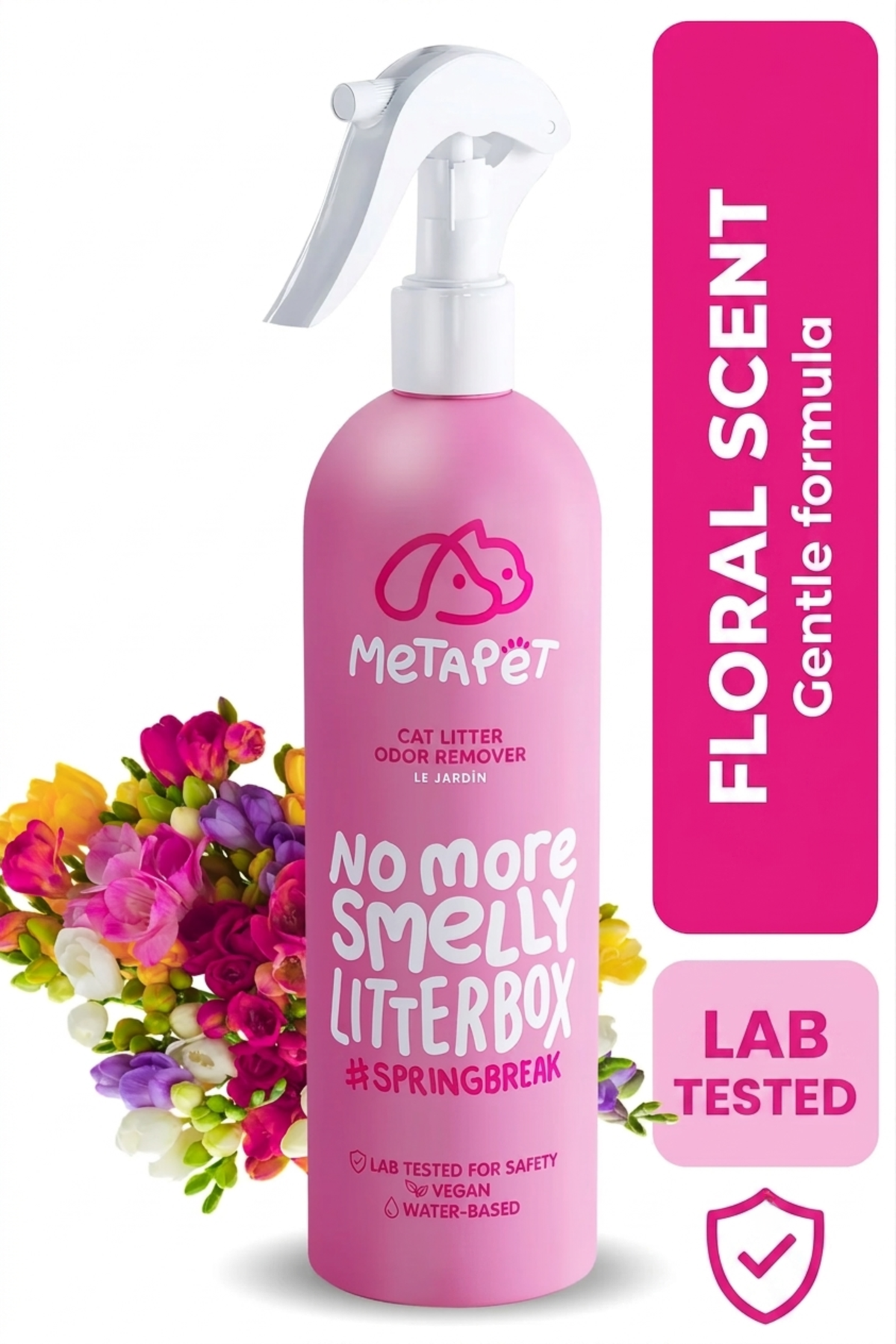
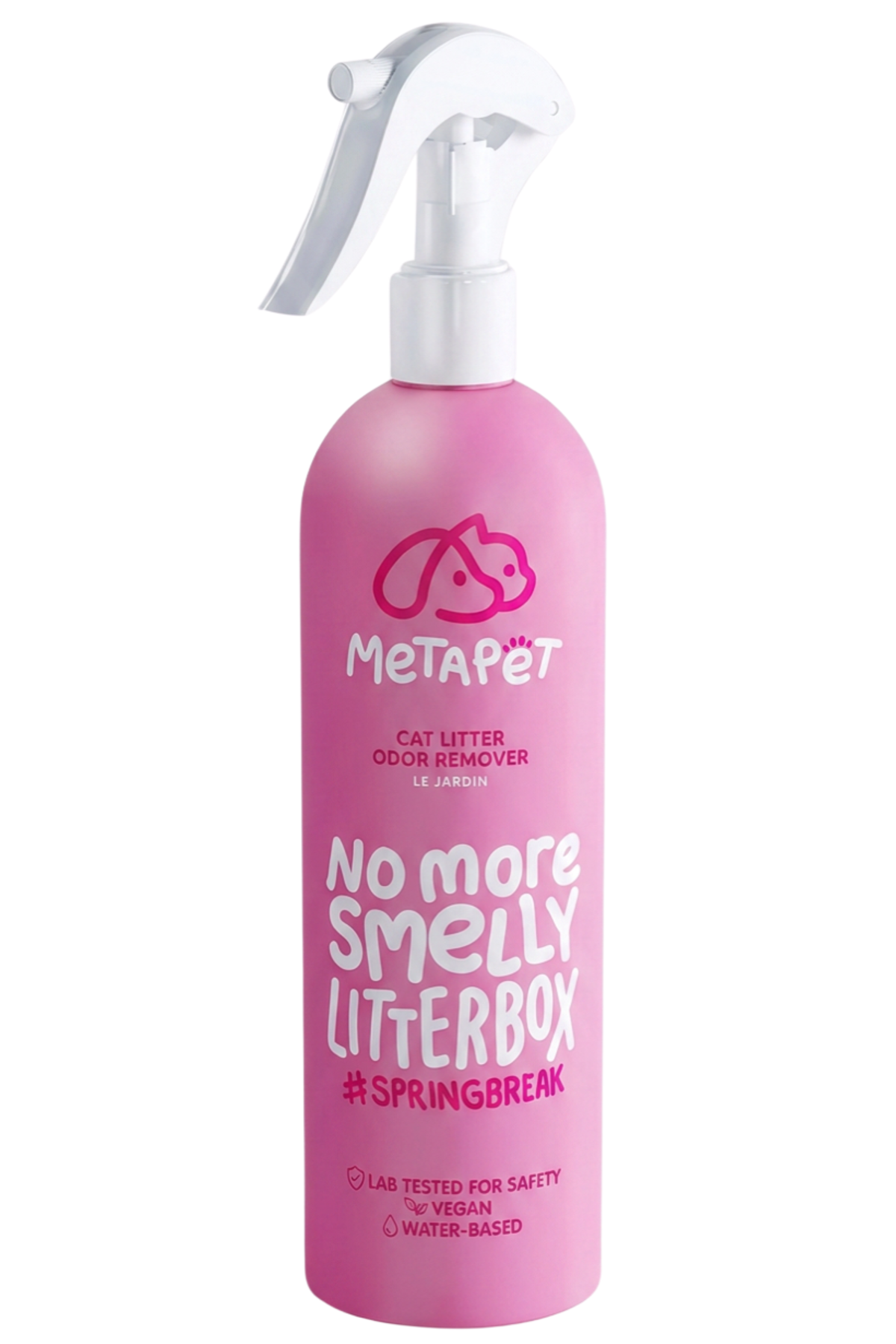
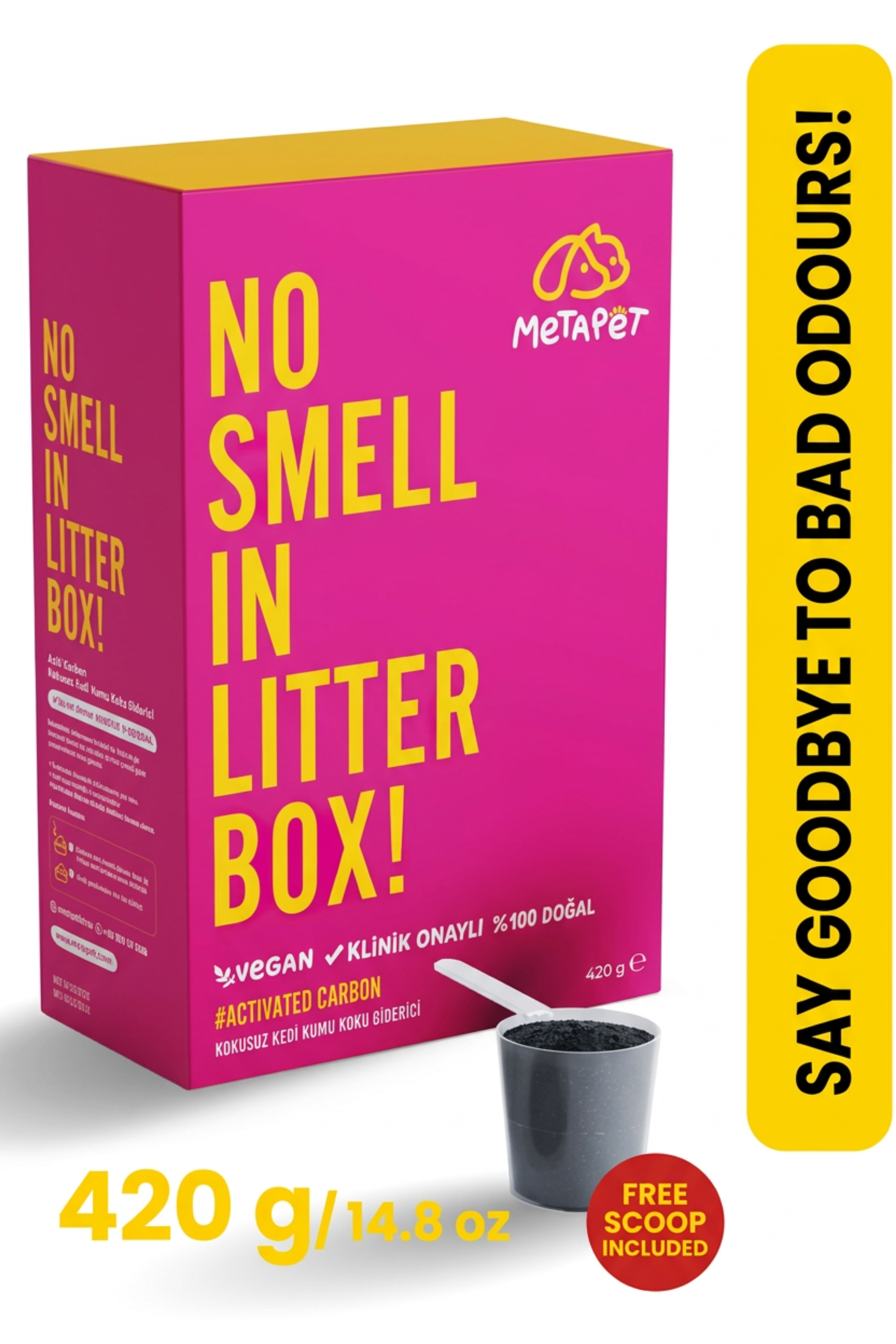
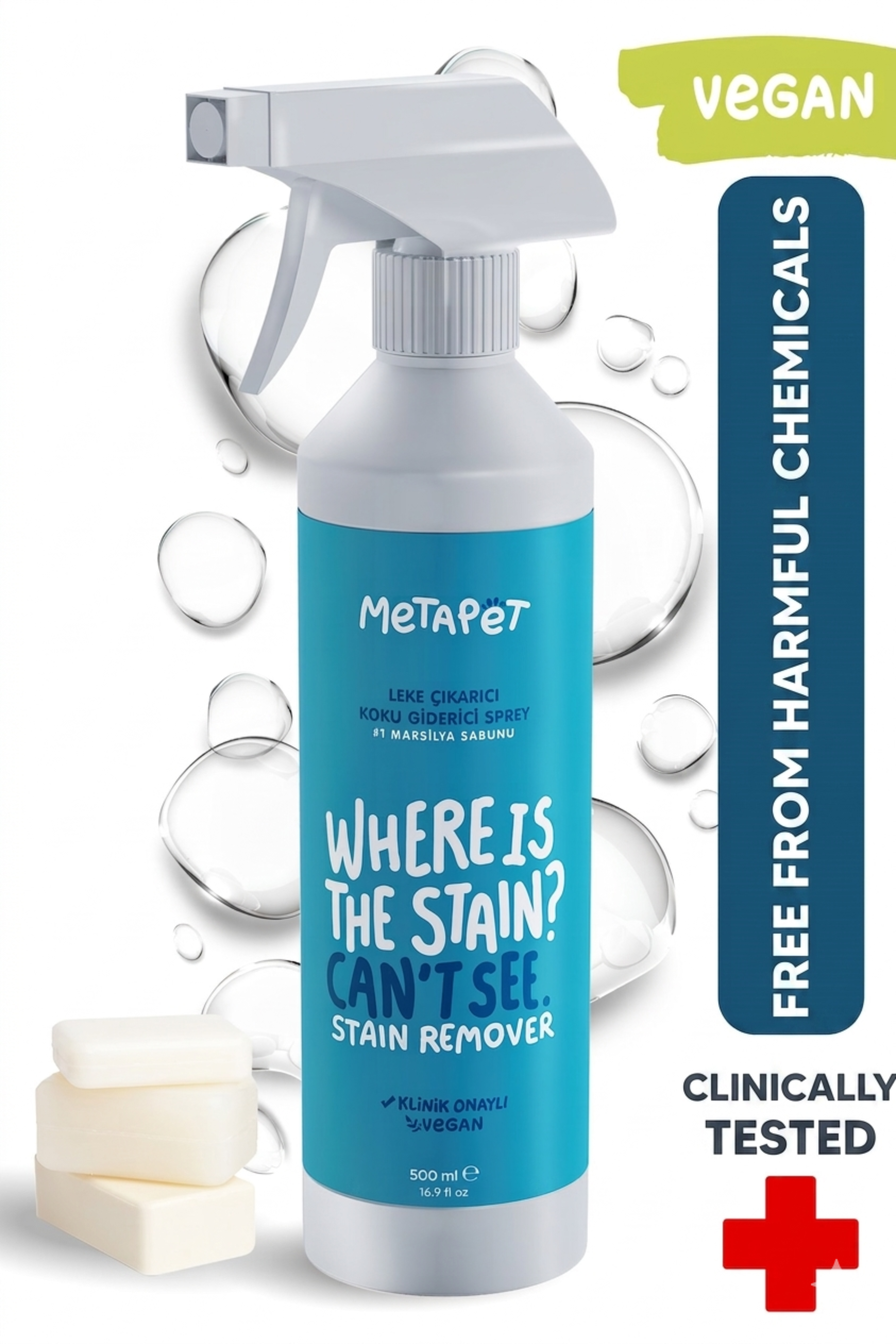
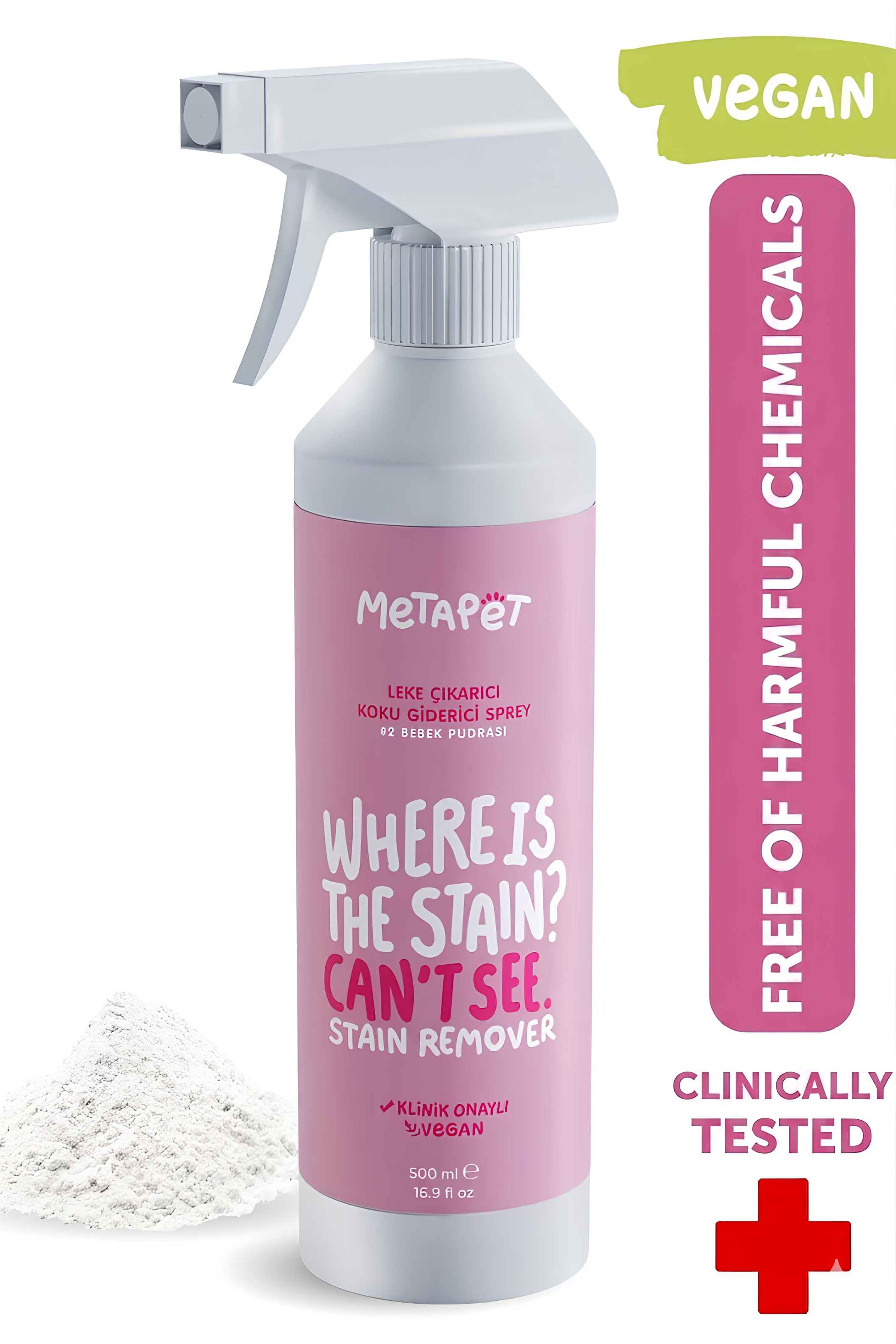
For household odors during a period of intensive nursing, cleaning products formulated for pet homes — such as MetaPet's pet stain remover and deodorizer spray — are designed for use on surfaces and bedding rather than on the animal. Always check the label, use them on the environment as directed, and keep your pet away from treated areas until dry. They are household cleaning products and are no part of your pet's medical care, which stays with your veterinarian.
Signs That Mean Stop and Call the Vet
- Any incision that is opening, oozing, or smells: contact the clinic the same day.
- Skin that is red, raw, or breaking down: particularly over pressure points.
- A wound you find under a mat: do not attempt to clean it yourself.
- Pain on gentle handling: when there was none before.
- A pet who becomes distressed by grooming they used to accept: something has changed.
- Any sudden decline: reduced appetite, labored breathing, collapse, or a pet who will not settle at all.
Grooming an unwell pet is nursing care, not vanity. Done gently and in small pieces, it keeps skin healthy, catches problems early, and gives a pet who feels rough one reliable source of comfort. Keep the sessions short, follow your veterinary team's instructions on wounds and restrictions, and pass anything that needs force or scissors to a professional.