Cone Care: Helping Your Pet Heal Comfortably in an E-Collar

The plastic cone — officially an Elizabethan collar, affectionately the 'cone of shame' — exists for one excellent reason: tongues and teeth are the enemies of healing. A few seconds of determined licking can open a surgical incision, infect a hot spot, or undo an eye treatment, and pets are spectacularly fast opportunists. Yet many owners give up on the cone within a day because the pet crashes into walls, refuses dinner, and stares at them with theatrical despair.
The good news: almost every pet can learn to live comfortably in a cone within a day or two, and modern alternatives cover most of the rest. This guide explains why protection matters, how to fit and introduce a cone properly, how to solve eating, drinking and sleeping problems, which alternatives work for which situations, and when the drama signals a real problem.
Important: This article shares general educational information for pet owners and is not a substitute for an in-person veterinary examination, diagnosis, or treatment. For any medical concern or emergency, contact your veterinarian promptly.
Why the Cone Matters More Than It Seems
Licking feels like cleaning, and owners often assume a little is harmless or even helpful. It is neither. A pet's mouth is full of bacteria; tongues are abrasive; and the moist environment licking creates is ideal for infection. Veterinary teams see the consequences weekly: incisions reopened days before healing finished, dissolvable stitches chewed out overnight, small hot spots licked into large infected wounds, and eye medications wiped away by a well-aimed paw.
A reopened incision usually means another anesthesia, another procedure, and another bill — all to save a pet from ten days of mild inconvenience. The cone is not a punishment; it is the cheapest insurance in veterinary medicine. The goal of good cone care is simply making those days easy for everyone.
Getting the Fit Right
Most cone misery is fit misery. A properly fitted cone follows two rules:
- Length: the cone should extend a few centimeters past the tip of the nose. Too short, and a flexible pet can still reach the wound — especially paws and hindquarters. Too long, and the pet cannot reach food or the floor.
- Snugness: you should fit two fingers between the collar and the neck. Looser, and the pet hooks a paw in and drags it off; tighter, and it chafes and restricts.
- Attachment: many cones thread through a regular collar or come with gauze ties — secured this way they rotate less and cannot be backed out of.
- Padding: if the rim presses on the neck or shoulders, foam tape on the inner edge prevents pressure sores during a long recovery.
Ask the clinic team to fit the cone before you leave and to show you removal and refitting. Two minutes of demonstration saves days of fumbling.
The First 24 Hours: Training, Not Enduring
- Reward the cone itself. Before worrying about walls, feed a few treats through the cone opening so the strange object predicts good things.
- Guide, do not laugh (much). Walk beside your pet through doorways the first few times; a hand on the shoulder steers them past frames they misjudge.
- Protect the map. Pets navigate partly by whisker and peripheral cues the cone blocks. Clear clutter from main routes and lift dangling cables the cone can hook.
- Ignore the statue act. Many pets initially freeze dramatically. Do not rush to remove the cone — sit nearby, scatter a few treats, and let them discover they can move. Most unfreeze within hours.
- Keep it on. Consistency teaches acceptance fastest. On-off-on-off cycles reset the protest each time and teach the pet that complaining works.
The overwhelming majority of dogs and cats are functionally normal in a cone by day two — eating, sleeping, and navigating with the resigned competence of a creature wearing a lampshade.
Solving Eating and Drinking Problems
- Raise the bowls. A bowl elevated a few centimeters lets the cone rim clear the floor around it — the most common eating fix.
- Switch to a smaller, shallower dish. Narrow bowls fit inside the cone's reach; saucers work well for cats.
- Hand-feed the first meal. It rebuilds confidence quickly and confirms the problem is geometry, not appetite.
- Pull the bowl away from walls. Pets need approach room to align the cone over the dish.
- Brief supervised meal breaks — only if your vet agrees. Some pets simply will not eat coned; if so, remove the cone for meals while you actively watch, then replace it immediately. 'Actively watch' means hands free and eyes on the pet, not glancing over from the stove.
- Monitor water intake. Refill more often; some pets drink less out of awkwardness, and hydration matters during healing.
Sleep, Walks, and Daily Life in the Cone
Pets sleep fine in cones — they figure out a position, usually with the rim flattened against a cushion. Provide a big pillow or rolled blanket to prop against, and expect a night or two of repositioning noises. Cats often sleep curled with the cone as a strange halo; it looks uncomfortable and is not.
Walks continue as normal for dogs unless your vet restricts activity — the cone does not block sniffing so much as reshape it, and most dogs adapt their head angle within a walk or two. Keep leashed dogs away from bushes and fence gaps that can snag the rim. For cats, indoor confinement during recovery is standard advice: a coned cat outdoors has blunted senses and blocked peripheral vision, a poor combination for street and predator awareness.
Cone Alternatives: What Works and When
- Soft fabric cones. Flexible and quieter, kinder on furniture and shins. Determined pets can sometimes fold them back to reach a wound, so verify reach before trusting one overnight.
- Inflatable donut collars. Comfortable and popular for body wounds in short-nosed or thick-necked dogs — but they do not stop long-muzzled, flexible pets from reaching paws, tails, or flanks. Test the specific pet's reach against the specific wound location.
- Recovery suits. Snug bodysuits covering torso incisions (spay/neuter, abdominal surgery, some skin conditions). Excellent for pets that despair in cones; require changing if soiled and do not protect paws, faces, or tails.
- Baby onesies — a budget recovery suit for cats and small dogs, with the same coverage limits.
- Bandages and booties for paw wounds, always applied and rechecked per veterinary instructions — a too-tight or wet bandage causes its own problems.
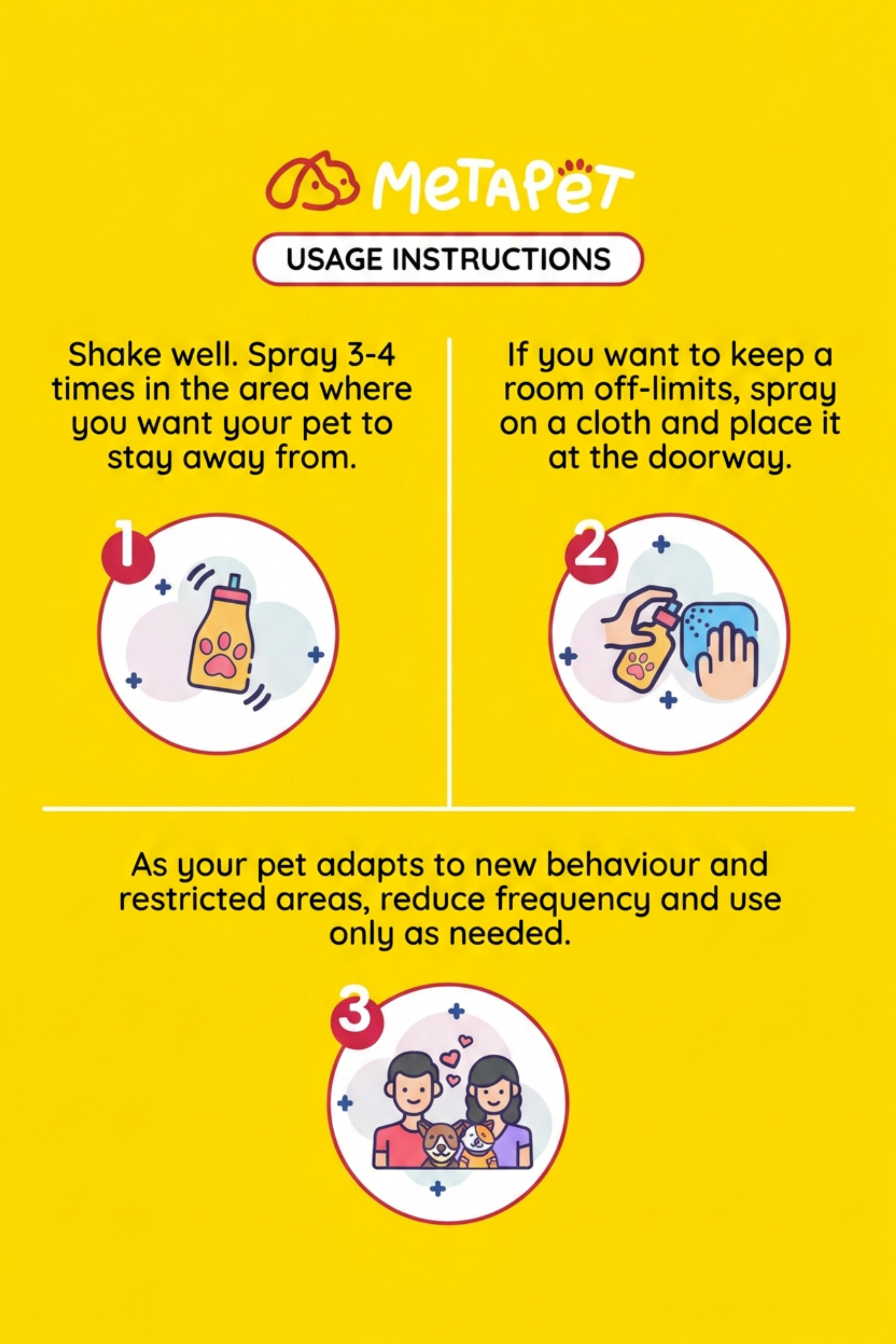
- Bitter-tasting deterrents. A supporting actor at best: some pets are undeterred, and deterrents never belong in open wounds. Use only products intended for pets and follow label directions.
Choose by wound location and pet personality, and confirm the choice with your veterinary team — they know how catastrophic a reopened incision would be in your specific case and can judge the risk trade-off.
How Long, and When Can It Come Off?
Typical skin incisions take roughly 10 to 14 days to reach reliable strength, which is why the classic instruction is cone-until-recheck. Other situations — eye conditions, hot spots, ear surgery, allergy flare-ups — have their own timelines. The rule that never fails: the cone comes off when the veterinarian says so, not when the wound 'looks fine' to the household.
Wounds look best right before pets destroy them — healing skin gets itchy precisely as it closes, so the final days are the highest-risk window for licking. Removing protection at day seven because things look tidy is how day-eight emergency visits happen.
Red Flags During Cone Recovery
- The pet still reaches the wound — any evidence of licking (wet fur, redness, removed stitches) means the setup has failed; call the clinic for a longer cone or different strategy.
- Not eating or drinking beyond the first day — hunger strikes past 24 hours need a veterinary call, especially in cats.
- Neck chafing, sores, or persistent scratching at the collar — fit needs adjusting or padding.
- Vomiting, lethargy, or breathing changes — unrelated to the cone; report promptly during any post-surgical period.
- Wound changes: spreading redness, swelling, discharge, odor, or gaps between staples or stitches — contact your veterinarian the same day.
- Extreme, unrelenting panic in the cone — rare, but real; ask your vet about alternatives rather than abandoning protection.
Frequently Asked Questions
My pet seems depressed in the cone. Is it cruel to keep it on?
The moping is real but shallow — pets read our reactions and quickly learn that dramatic stillness draws sympathy and cone removal. Kept on consistently and paired with treats, meals, and normal routines, nearly all pets adjust within 48 hours. Ten coned days that protect healing are far kinder than a reopened wound.
Can I take the cone off when I'm right there watching?
Only with true active supervision and ideally your vet's blessing — hands-free, eyes-on, within arm's reach. A pet can reach an incision in under three seconds, which is roughly the time it takes to read a text message.
The cone is scratched and cloudy. Does that matter?
Heavily scratched cones reduce an already-limited field of view. If the cone is badly clouded from wall encounters, a replacement is cheap and makes navigation noticeably easier.
My cat gets the cone off every night. How?
Cats are escape artists: usually the cone is too loose, or not anchored to a collar. Refit to the two-finger rule, thread it through a breakaway collar if the design allows, or ask your vet about a soft cone or recovery-suit alternative that suits the wound location.
The Bottom Line
Cone care is a short project with a simple goal: keep tongue and wound apart until healing wins. Fit the cone properly, train it with treats instead of pity, raise the food bowl, prop the pillow, and hold the line on consistency — the drama fades within a day or two, and recovery proceeds on schedule.
Where the classic cone genuinely fails, purpose-built alternatives — soft cones, inflatable collars, recovery suits — cover nearly every wound and personality, chosen best with your veterinary team's input. However you protect the healing, protect it fully and to the end of the prescribed time. In wound care, the boring finish is the happy ending.
- Fit: past the nose tip, two fingers at the neck, anchored to a collar.
- Feed: raised, shallow bowls pulled away from walls; supervised cone-off meals only if the vet agrees.
- Hold the line: itchiest days are the last days — keep protection on until the recheck.
- Call the vet: reached wounds, 24-hour hunger strikes, wound redness/swelling/discharge, or true cone panic.