Calming Aids for Dogs and Cats: What Helps and What to Expect

Every anxious pet has a trigger list: thunderstorms, fireworks, car rides, the vacuum, the carrier that only appears before vet visits, the suitcase that means someone is leaving. And every worried owner eventually meets the enormous market that promises to fix it — pheromone plugs, calming treats, drops, wraps, special music, supplements with impressive ingredient lists. Some of these genuinely help many pets. None of them are magic. Knowing which tool suits which problem, and what 'working' realistically looks like, saves money and — more importantly — gets your pet real relief sooner.
This guide sorts the major categories of calming aids for dogs and cats, explains how to use each well, sets honest expectations, and draws the line where home management should hand over to a veterinarian or behavior professional.
Important: This article shares general educational information for pet owners and is not a substitute for an in-person veterinary examination, diagnosis, or treatment. For any medical concern or emergency, contact your veterinarian promptly.
First, Understand What Calming Aids Can Do
Calming aids sit on a spectrum. At one end are true anti-anxiety medications — prescription tools for significant fear, panic, and phobia, prescribed by veterinarians. At the other end are environmental and behavioral strategies: predictable routines, safe hiding spots, gradual desensitization training. Over-the-counter calming aids live in the middle: they can take the edge off mild to moderate stress and make training easier, but they rarely transform severe anxiety on their own.
The most reliable results come from stacking: a well-chosen aid plus environmental management plus training beats any single product. Keep that frame, and every category below makes more sense — each is a layer, not a cure.
Pheromone Products: Speaking the Body's Own Language
Pheromone diffusers, sprays, and collars mimic naturally occurring chemical signals — the facial pheromone cats deposit when they rub on furniture, or the appeasing pheromone associated with nursing mothers in dogs. Because they are species-specific signals, your dog does not notice the cat's diffuser and vice versa, and humans smell nothing.
- Best uses: new-home transitions, multi-cat tension, carrier and travel stress, vet visits (spray in the carrier ahead of time), and general background support in the house.
- How to use well: plug diffusers into the room where the pet actually spends time, allow days to weeks to judge the effect, and refill on schedule — an empty diffuser is furniture.
- Honest expectations: research results are mixed; many owners report meaningful softening of stress behaviors, others see little. They are safe to try and shine most as one layer of a plan.
Calming Supplements and Drops
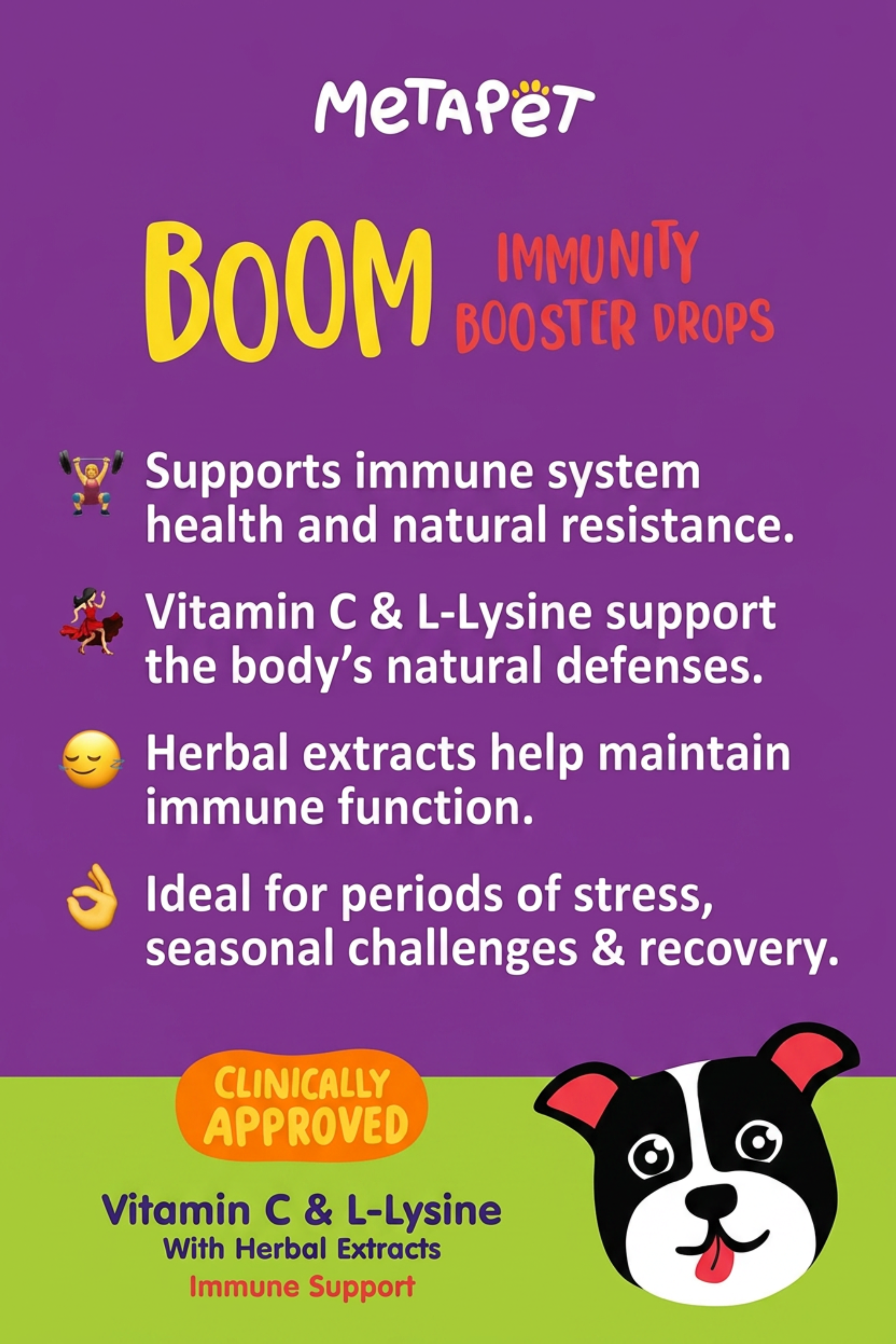
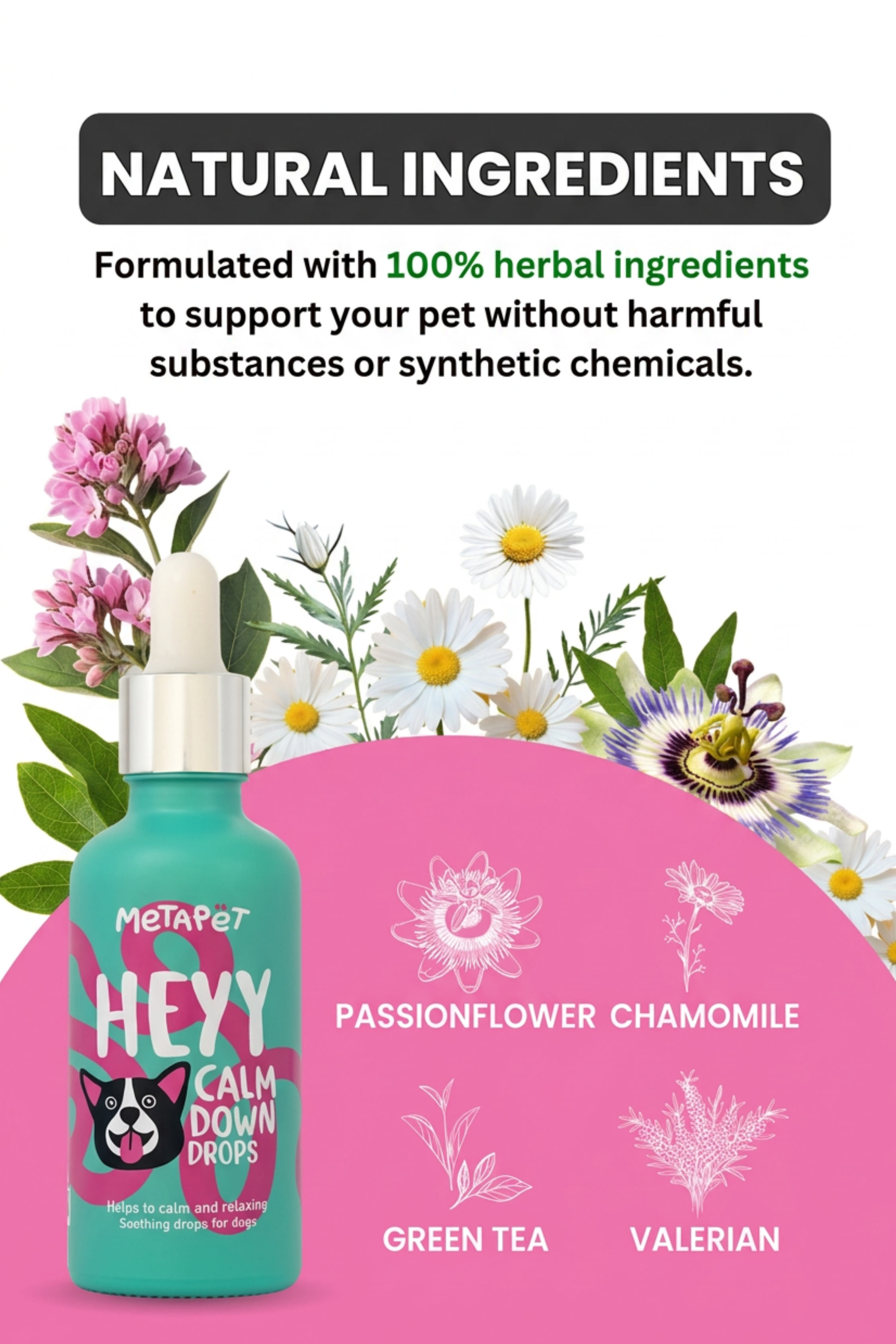
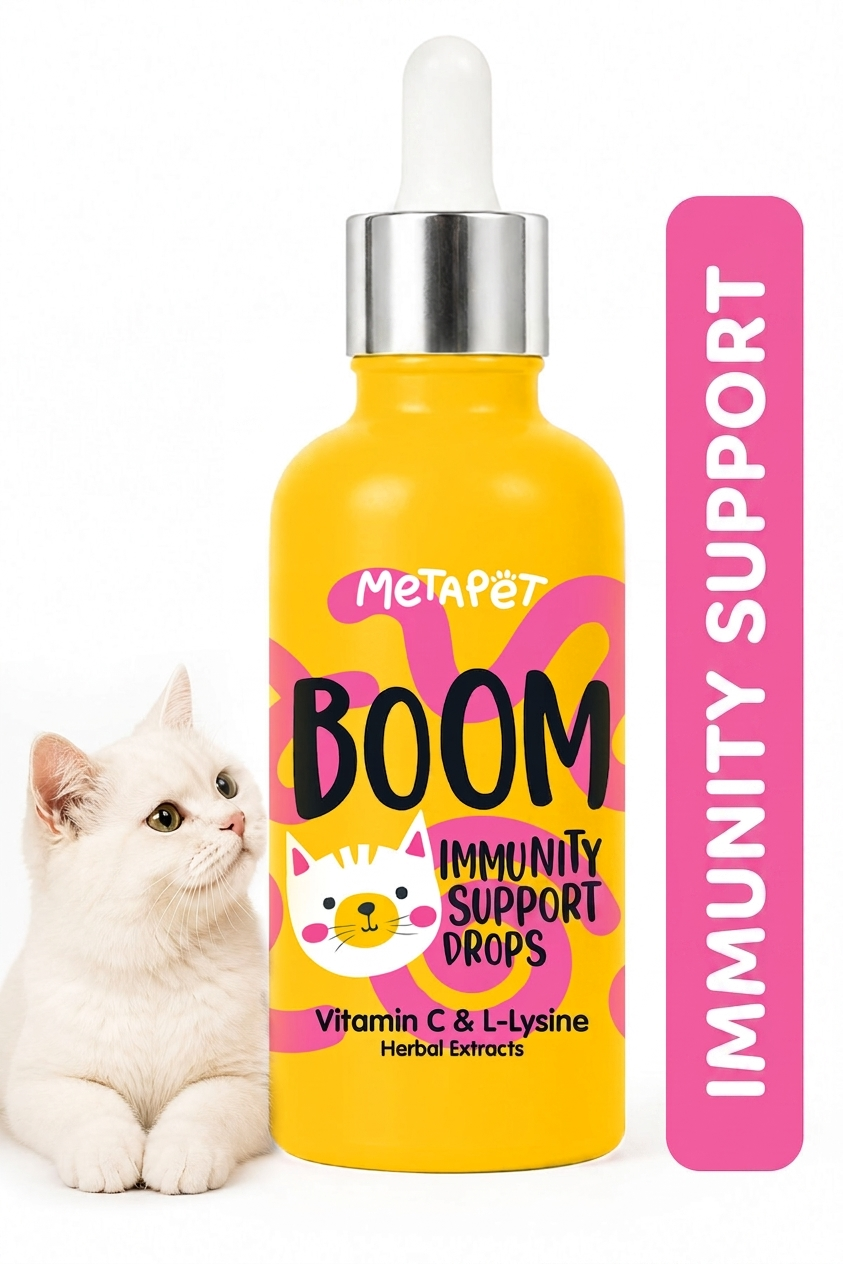
Calming supplements typically build on ingredients with calming reputations — among them L-theanine, tryptophan, milk-protein derivatives, chamomile, valerian, passionflower, and lemon balm — in treat, powder, paste, or drop form. Formulations vary enormously, which is why choosing products from transparent, quality-focused makers matters.
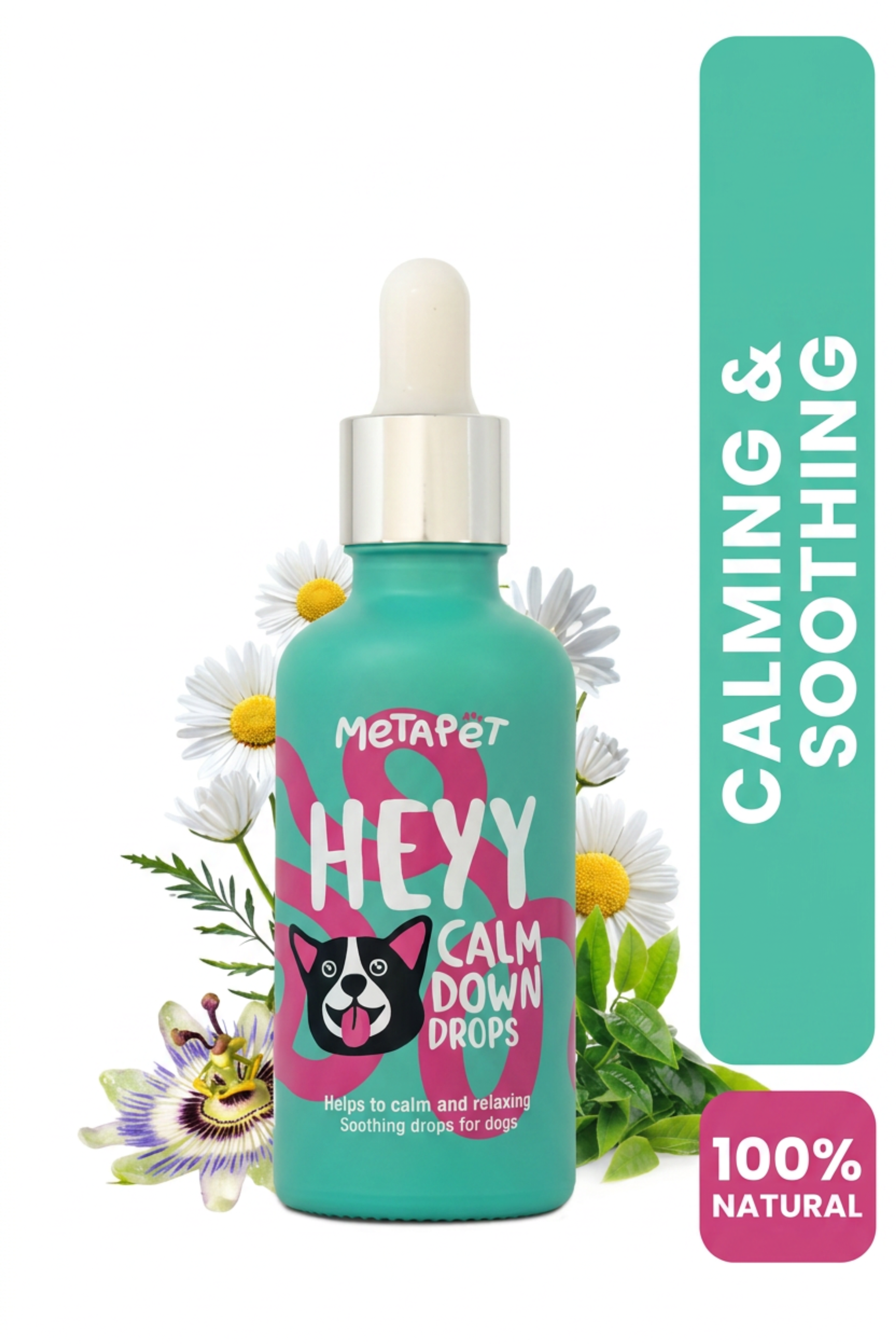
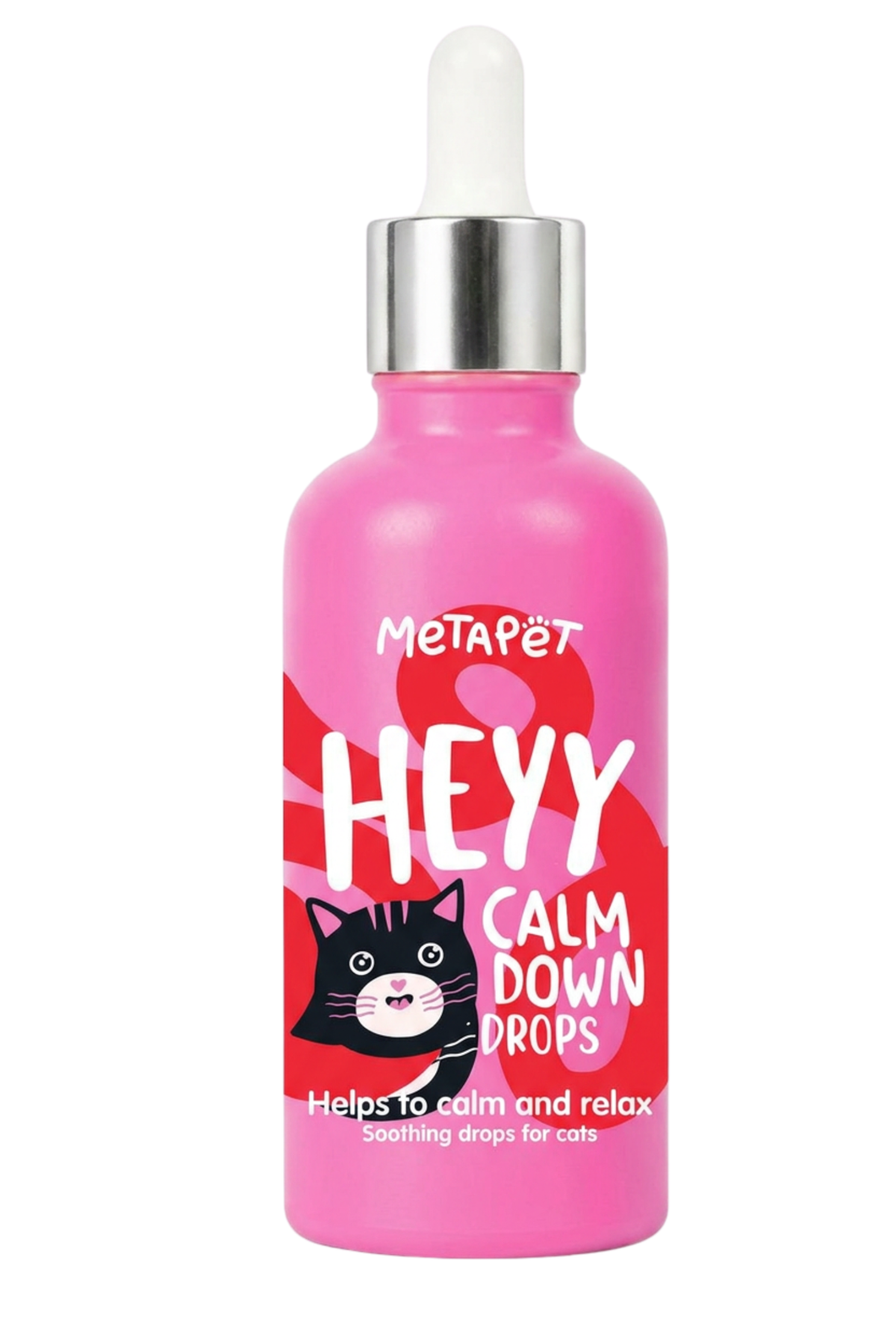
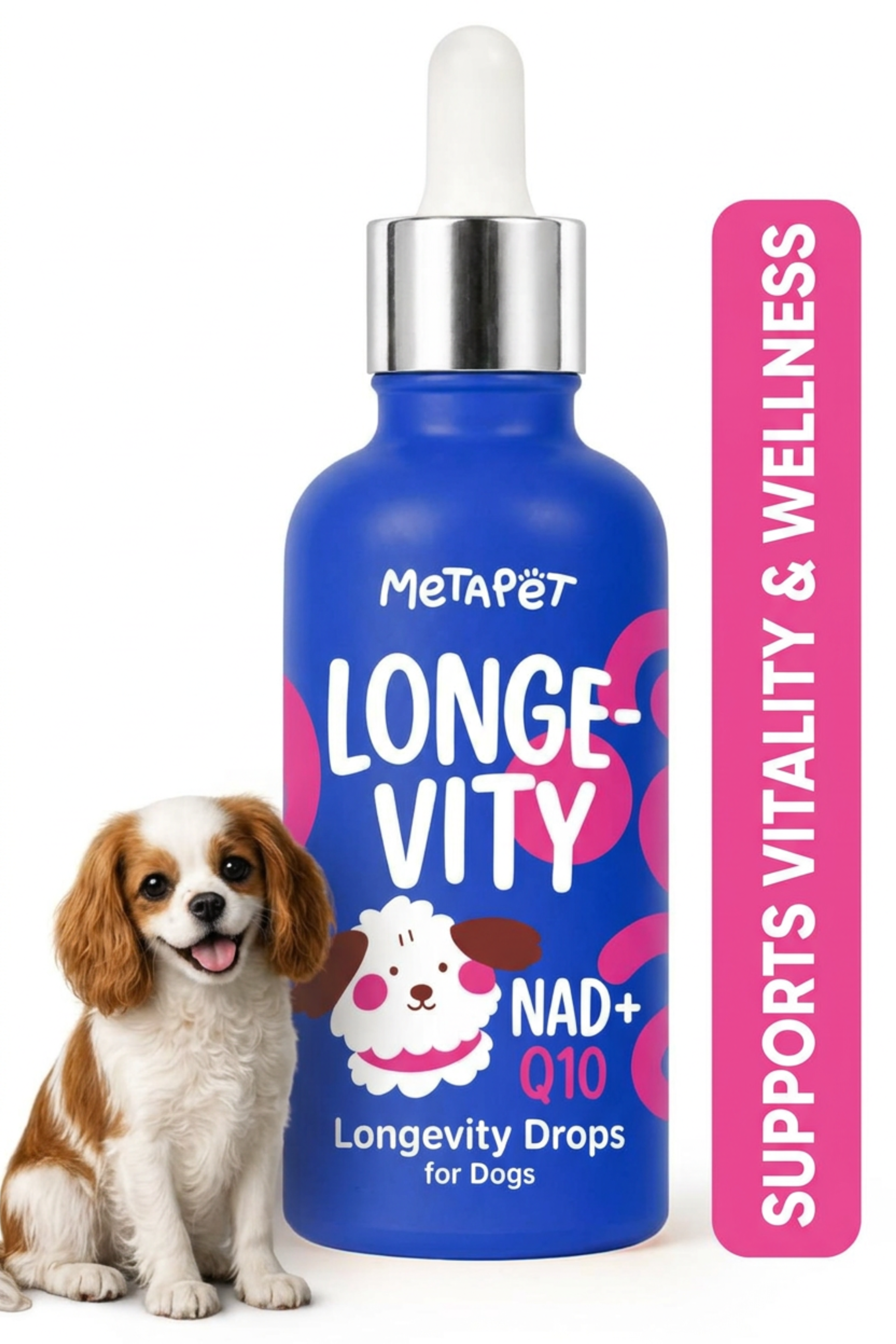
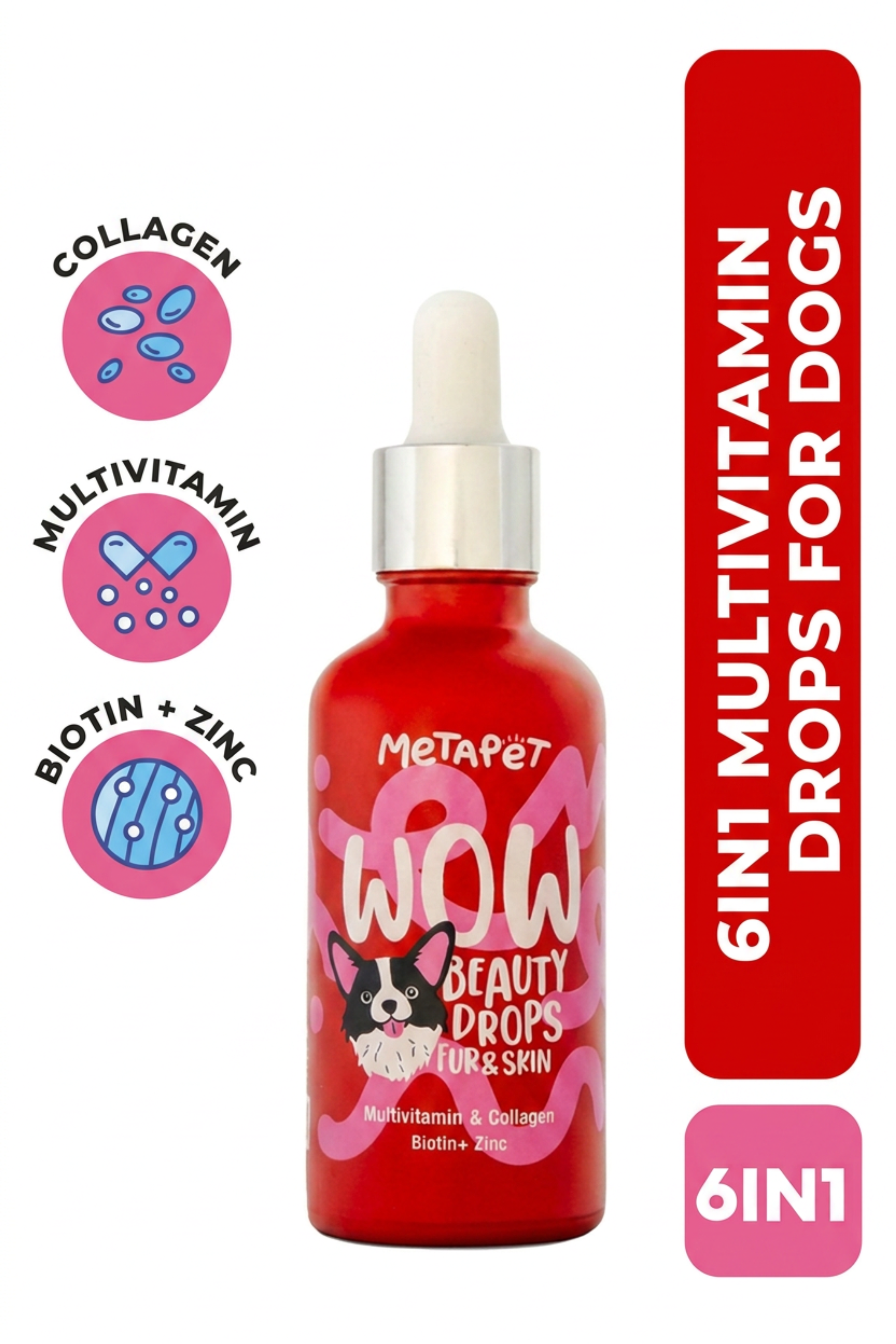
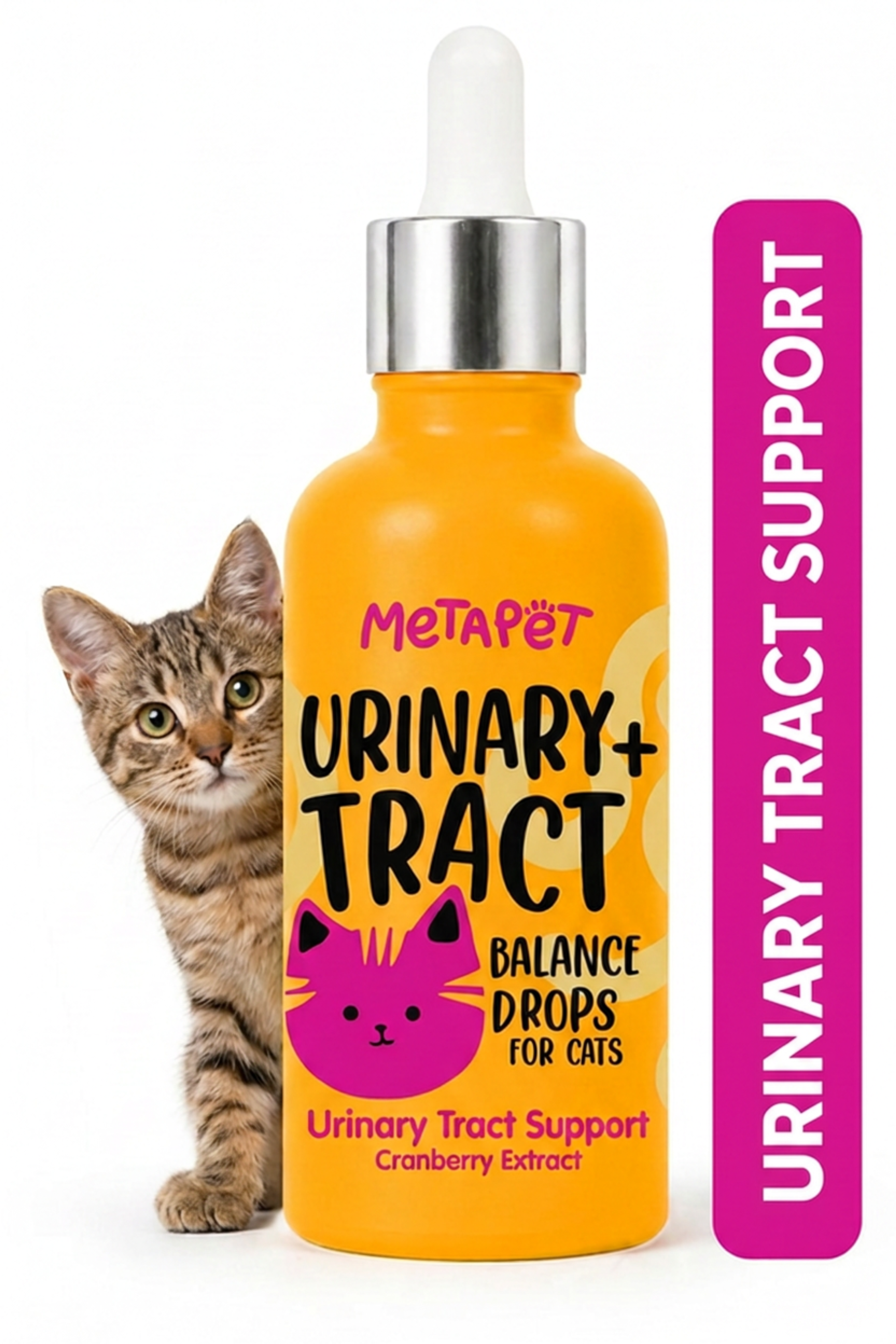
For everyday stressful moments — travel, houseguests, a new home, vet visits, loud events — MetaPet's Heyy Calm Down Natural Calming Drops for Dogs and Heyy Calm Down Natural Calming Drops for Cats are naturally derived formulas designed to help pets stay relaxed and comfortable during exactly these moments, as part of a gentle, everyday routine. Two rules apply to every calming supplement, including these: they are a complement to — not a substitute for — veterinary care and behavior training, and your veterinarian should know about anything you give, especially if your pet takes medication or has health conditions. Give supplements time and a fair test: start before the stressful event as directed on the label, and judge effects over multiple exposures rather than a single night.
Pressure Wraps and Calming Apparel
Snug-fitting wraps and vests apply gentle, constant pressure — the same principle as swaddling an infant — and some dogs visibly settle in them during storms and fireworks. They are drug-free, inexpensive, and easy to combine with everything else.
- Introduce early: first wearings should happen on calm days with treats, so the wrap predicts good things rather than becoming a storm warning.
- Fit snug, not tight: you should slide a hand under the wrap; watch for chafing on long-term wear.
- Best for: noise events, car rides, and general jitters in dogs that tolerate handling. Cats occasionally accept wraps, but most prefer hiding options instead.
- Expectations: some dogs relax noticeably, some show no change — a low-cost experiment worth running once.
Sound, Scent, and Environment
- Calming audio. Soft classical music, purpose-made pet playlists, or simply a steady TV murmur can mask trigger sounds; white noise machines blunt fireworks and thunder. Volume should soothe, not compete.
- Safe dens. An open crate padded with bedding for dogs, a covered hideout or high perch for cats — pets calm faster when flight to safety is always available. Never lock a panicking pet in a crate.
- Dim and dampen. Closing curtains during storms and fireworks reduces flashes; interior rooms buffer sound.
- Predictability itself. Fixed feeding times, walk schedules, and bedtime rituals are underrated anxiety medicine — anxious animals relax when the world runs on rails.
- Exercise and enrichment. A physically and mentally tired pet has less fuel for worry; sniff-heavy walks, puzzle feeders, and play sessions lower baseline arousal across the whole day.
Training: The Layer That Actually Changes the Brain
Products manage anxiety; training reduces it. Desensitization and counter-conditioning — exposing the pet to a faint version of its trigger while pairing it with wonderful things, then gradually increasing intensity — is the approach with the strongest track record for lasting change. Storm sounds at whisper volume with cheese; the carrier living in the living room stocked with treats; two-minute solo departures grown slowly into hours.
Calming aids and training are natural partners: an aid that lowers arousal makes the pet more able to learn. Go slowly, never force exposure, and end sessions before stress reappears. For anything beyond mild cases, a certified trainer or veterinary behaviorist compresses months of trial and error into a real plan.
Matching the Aid to the Situation
- Fireworks and storms: white noise plus curtains, safe den, pressure wrap, calming supplement started ahead of the event, and desensitization training in the off-season.
- Car travel: carrier or harness training first, pheromone spray in the vehicle, supplements as directed before departure, and short practice trips that end somewhere pleasant.
- Vet visits: carrier left out year-round, pheromone spray, treats in the carrier, calming drops beforehand for tense travelers, and 'happy visits' to the clinic lobby if your practice welcomes them.
- New home or new baby: diffusers running before the change, unchanged routines, safe rooms, and gradual introductions.
- Houseguests and parties: a stocked retreat room away from the noise, background audio, and freedom to opt out of greeting.
- Separation distress: enrichment at departure, low-key exits and returns, camera monitoring, gradual alone-time training — and early professional help, because true separation anxiety rarely resolves with products alone.
Safety Rules for All Calming Products
- Tell your veterinarian what you plan to give — essential for pets on medication, seniors, pregnant animals, and pets with health conditions.
- Species matters. Give dog products to dogs and cat products to cats; formulations and ingredients differ for good reasons.
- Never share human medications or human supplements. Several common human sleep and anxiety products are toxic to pets — and anything containing xylitol is dangerous to dogs.
- Essential oils are not casual calming aids. Many oils are irritating or toxic to pets, particularly cats; use only products specifically formulated for animals.
- Follow label directions on amount and timing, and introduce any new product on an ordinary day first — not during the crisis itself.
- Watch and record. Note what you tried, when, and what changed; this record is gold if you later consult a professional.
When Home Calming Is Not Enough
Some anxiety is beyond the over-the-counter aisle, and recognizing that early is kindness, not failure. See your veterinarian if your pet harms itself or destroys property in panic, cannot recover for hours after a trigger, stops eating, eliminates indoors from stress, shows aggression, or if fear is spreading to new situations over time. Sudden anxiety changes in a previously confident pet also deserve a medical check — pain and illness frequently masquerade as behavior problems, especially in cats.
Veterinarians can rule out medical drivers, prescribe genuinely effective anti-anxiety medication when warranted, and refer to veterinary behaviorists for structured plans. The combination of professional treatment plus the home layers in this guide is where the hardest cases finally improve.
Frequently Asked Questions
How fast do calming supplements work?
Most event-based products are given some time before the stressor, per their labels, while some routines build effect over days to weeks of daily use. Judge any product over several exposures, not one.
Can I combine a diffuser, supplement, and wrap?
Layering non-drug aids is common practice and often the point — but run the combination past your veterinarian first, especially alongside any medication, and introduce one new element at a time so you can tell what helps.
Are calming treats just placebos for owners?
The category is mixed: formulations, ingredient amounts, and evidence vary widely between products. Choose transparent manufacturers, use as directed, watch your actual pet's behavior — reduced pacing, faster settling, willingness to eat during stress — and keep what demonstrably helps.
My pet's anxiety is getting worse each year. More products?
No — escalation is the signal to change strategy. Progressive anxiety usually needs professional input: a veterinary work-up, possibly medication, and a structured behavior plan. Products then return as supporting players rather than the whole team.
The Bottom Line
Calming aids work best when you treat them as layers in a system: pheromones and supplements to lower the temperature, wraps and safe dens for the storm itself, sound and routine to steady the background, and training to shrink the fear permanently. Every layer earns its place by observable change in your pet — settling faster, eating during stress, choosing the den instead of the door.
Set honest expectations, introduce everything before the crisis rather than during it, keep your veterinarian informed, and escalate to professionals when panic, self-injury, or steady worsening enter the picture. Calm is built, not bought — but the right aids make the building much easier.
- Layer it: aid + environment + routine + training beats any single product.
- Test fairly: introduce on calm days, follow labels, judge over multiple events.
- Stay safe: vet informed, species-correct products, no human meds or casual essential oils.
- Escalate: self-injury, panic, or worsening anxiety = veterinary and behaviorist territory.