Dog Daycare: Is It the Right Choice for Your Dog?

Dog daycare has become a normal part of modern pet ownership, particularly for people working long hours or living with high-energy adolescents who need more than a walk around the block. Done well, it offers exercise, mental stimulation, structured social contact and a tired, satisfied dog at the end of the day.
Done badly, it can be overwhelming. Too many dogs, too little supervision, no rest periods, and mismatched play styles create stress rather than relieving it, and some dogs return home over-aroused rather than content. Daycare is a genuinely good option for many dogs and a poor fit for others — the honest answer depends on the individual animal.
This guide walks through which dogs tend to thrive, how to evaluate a facility properly, what questions to ask, how to prepare for a first visit, what to watch for afterwards, and what alternatives to consider if group daycare turns out not to suit your dog.
Important: This article shares general educational information for pet owners and is not a substitute for an in-person veterinary examination, diagnosis, or treatment. For any medical concern or emergency, contact your veterinarian promptly.
What Daycare Is Supposed to Provide
A well-run daycare is not simply a room full of dogs. It provides supervised group or small-group play with dogs matched by size, energy and play style, structured rest periods, mental enrichment, human interaction, and staff trained to read canine body language and interrupt trouble before it escalates.
The rest periods matter more than owners expect. Dogs who play continuously for eight hours become exhausted and over-aroused, which is when scuffles happen. Quality facilities build naps into the day, exactly as a good nursery does for toddlers, and the dogs come home pleasantly tired rather than frantic.
Which Dogs Tend to Do Well
Sociable, well-adjusted dogs who genuinely enjoy other dogs are the natural candidates. So are adolescents with more energy than their household can drain, dogs left alone for long working days, and dogs whose owners want structured activity in bad weather.
- Enjoys other dogs: actively seeks canine company, plays with loose body language, and recovers quickly from normal social friction.
- Handles novelty: copes with noise, movement and unfamiliar people without shutting down.
- Basically healthy: current on the preventive care the facility requires and physically able to handle activity.
- Responds to handling: allows staff to check collars, apply leashes and move them between areas.
- Neutral about food and toys: strong resource guarding needs to be assessed carefully before group play.
Which Dogs May Not Suit Group Daycare
Not every dog wants a room full of strangers, and there is nothing wrong with that. Dogs who are fearful of other dogs, highly reactive, or who have a bite history usually find group settings stressful, and forcing the issue tends to worsen the underlying problem rather than socialise it away.
Older dogs with arthritis or reduced hearing and vision, dogs recovering from illness or surgery, and unvaccinated puppies below the age the facility accepts are also poor candidates. Very young puppies benefit far more from carefully managed socialisation classes than from an open playroom, since one frightening experience at a sensitive age can have lasting effects.
Evaluating a Facility Properly
Insist on a tour of the actual play and rest areas during operating hours, not just the reception. If a facility will not show you where dogs spend their day, that answer is itself the information you needed.
- Supervision: staff should be physically present in play areas at all times, not watching a camera feed from an office.
- Ratios: ask how many dogs each staff member supervises and how groups are divided by size and play style.
- Rest: confirm that dogs get scheduled downtime in a quiet space during the day.
- Flooring and layout: non-slip surfaces, clear sightlines, and separate areas for time-outs and small dogs.
- Noise and stress: constant frantic barking suggests over-crowding or under-management.
- Cleanliness: waste removed promptly, sanitising protocols explained clearly, good ventilation.
- Health policy: written vaccination and parasite prevention requirements applied to every dog.
Staff Training Is the Deciding Factor
Equipment and floor space matter less than the people. Ask how staff are trained, what they know about canine body language, how they interrupt escalating play, and what their policy is on physical corrections. Modern, well-run facilities use management and redirection rather than punishment, and they can explain their approach without hesitating.
Ask directly what happens if a fight occurs — who separates the dogs, how injuries are assessed, whether owners are contacted immediately, and which veterinary practice they use. Scuffles occasionally happen anywhere dogs play together; the difference between facilities is how quickly they are prevented, managed and communicated.
Health Requirements and Shared-Space Risks
Any environment where dogs share air and surfaces carries some infectious risk. Reputable facilities require proof of core vaccinations and often kennel cough vaccination, along with current parasite prevention, and they exclude dogs showing signs of illness.
Talk with your veterinarian about which vaccines and preventives are appropriate for a dog who attends daycare, since recommendations depend on regional risk and your dog's individual health. If your dog develops coughing, nasal discharge, diarrhoea or lethargy after attending, contact your veterinarian and inform the facility so other clients can be alerted.
The Temperament Assessment
Any facility worth using will assess your dog before accepting them, usually with a gradual introduction to a small number of calm dogs while staff observe. Be suspicious of anywhere that takes a new dog straight into a large group on day one, and equally suspicious of a test that consists of a five-minute glance.
Be honest during intake about your dog's history, including any incidents, fears, guarding behaviour or medical issues. Withholding information does not help your dog get accepted; it sets them up to fail in an environment that was not prepared for them. Good facilities will sometimes say no, and that honesty is a mark of quality.
Preparing for the First Day
Start with a short trial — a half day or even a couple of hours — rather than a full working day. Bring the requested paperwork, use a flat collar with identification, and leave harnesses or gear the facility asks you to remove. Keep goodbyes brief and matter-of-fact; long emotional farewells raise arousal rather than lowering it.
Feed a light meal well before drop-off rather than immediately beforehand, and ask about their feeding policy for dogs staying all day. Send medication in clearly labelled original packaging with written instructions, and make sure the facility has both your phone number and your veterinary practice details on file.
Reading Your Dog Afterwards
A good daycare day usually produces a dog who is pleasantly tired, drinks well, settles quickly and is happy to return next time. Watch for the opposite pattern: reluctance at the door, extreme exhaustion for more than a day, increased reactivity at home, or new fearfulness around other dogs.
Frequency is worth considering too. Some dogs thrive on daily attendance; many do better with two or three days a week, balanced with quieter days of walks, training and rest. If your dog seems perpetually wound up, reducing days often helps more than adding them.
Understanding Costs and Contracts
Pricing models differ: full days, half days, discounted packages of pre-paid days, and monthly memberships are all common. Read the terms before buying a large package, particularly the cancellation policy, expiry dates on pre-paid days, and what happens if your dog is later assessed as unsuitable for group play.
Ask whether the quoted price includes everything or whether extras such as medication administration, individual walks, feeding, or late pick-up carry additional charges. Confirm insurance arrangements too, and whether the facility asks you to sign a waiver — a waiver is normal, but you should still understand what it covers and what the facility remains responsible for.
Alternatives Worth Considering
Group daycare is one option among several, and a dog who dislikes it is not doomed to boredom. Many owners build a better week from a mix of services and home routines tailored to their dog's temperament.
- Dog walkers: a midday walk breaks up the day without group play; some offer solo or two-dog outings.
- Small-group or in-home care: a sitter with a handful of dogs suits animals overwhelmed by large groups.
- Training classes: scent work, agility foundations and obedience provide mental fatigue that outlasts physical exercise.
- Enrichment at home: puzzle feeders, snuffle mats, frozen stuffed toys and scattered kibble turn meals into activity.
- Structured walks: varied routes with sniffing time are more tiring than repetitive fast walking.
- A trusted dog friend: one compatible playmate on a regular schedule beats a crowded playroom for many dogs.
Home Care After Busy Days
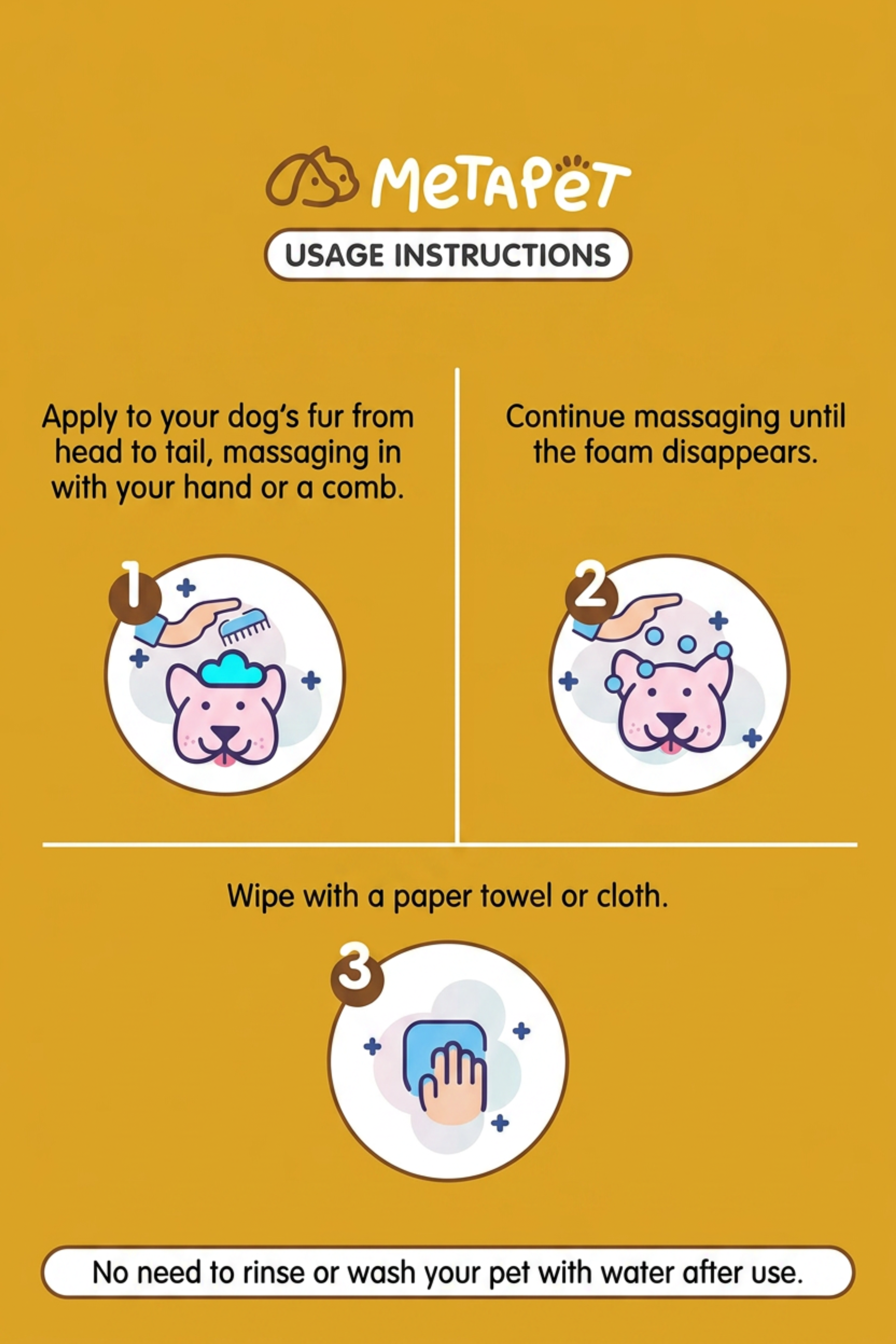
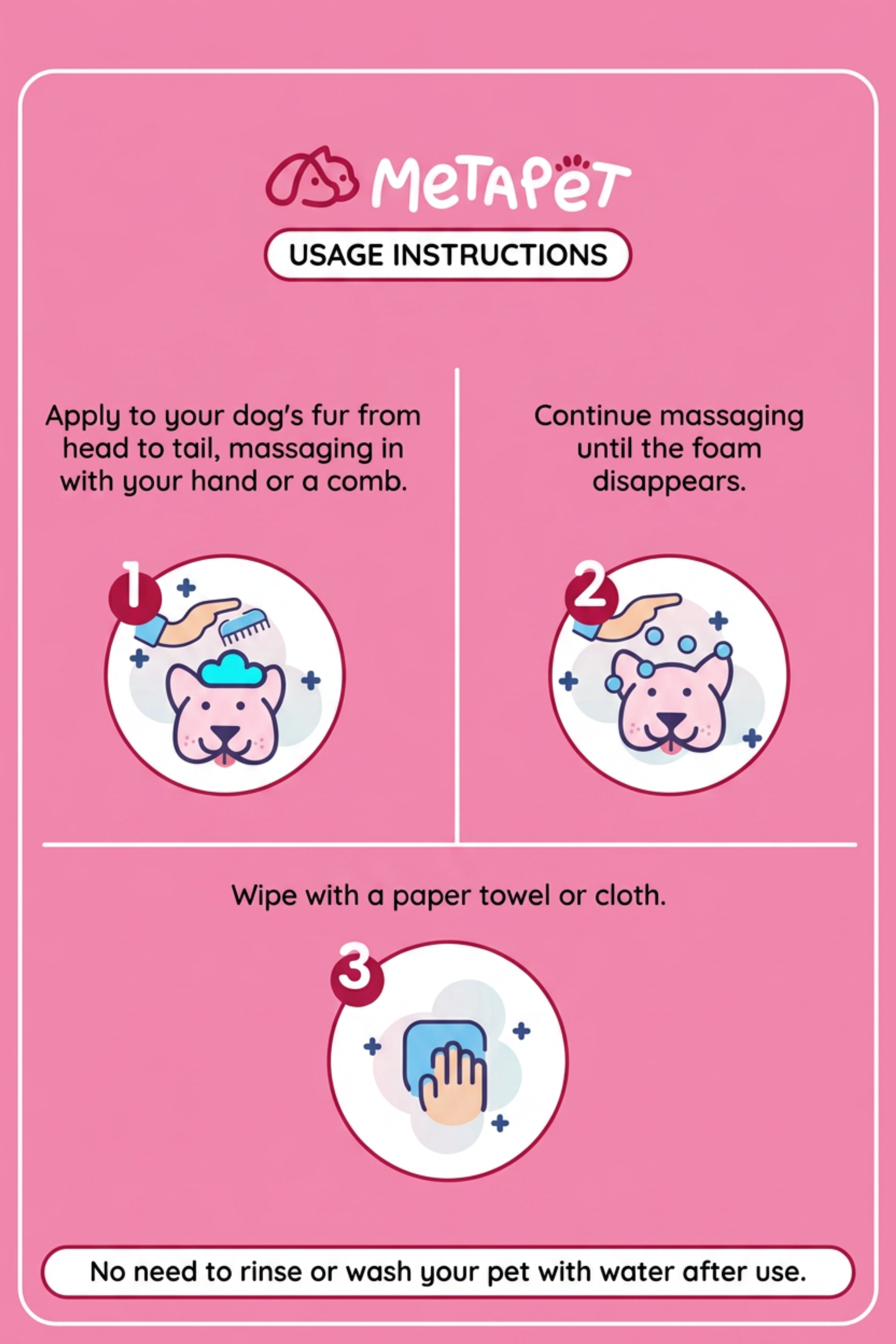
Dogs returning from active days come home dusty, damp or muddy, and a simple end-of-day routine keeps things comfortable. Wipe or wash paws, check between the toes and pads for debris or cuts, run your hands over the body for scratches, and give a quick brush to lift dirt from the coat. It takes two minutes and doubles as a daily health check.
Waterless foams, grooming wipes and paw-cleaning foams are convenient for freshening a coat between full baths. Products of this kind are everyday cosmetic care and a complement to veterinary attention, not a substitute for it — any wound, limp, persistent scratching or skin change should be assessed by your veterinarian rather than managed at home.
Frequently Asked Questions
Will daycare fix my dog's separation anxiety?
Not on its own. Daycare can reduce time spent alone, but true separation anxiety is a behavioural condition that benefits from a structured plan developed with your veterinarian or a qualified behaviour professional.
Is my dog too old for daycare?
Age alone is not the barrier — comfort and mobility are. Many older dogs prefer shorter visits, small calm groups, or a walker instead. Discuss joint comfort and stamina with your veterinarian.
How many days a week is best?
It varies by dog. Two or three days often provides social contact and exercise without chronic over-arousal, but some dogs genuinely thrive on more. Let your dog's behaviour at home guide the schedule.
My dog came home limping. What should I do?
Contact the facility for an account of the day and arrange a veterinary examination. Soft-tissue strains from enthusiastic play are common, but limping should always be assessed rather than watched indefinitely.