Coat Color and Texture Changes in Dogs and Cats

A coat is a surprisingly honest report on what is happening underneath it. Fur is built from protein, maintained by a steady blood supply, and coated by oils from the skin — so when nutrition, hormones, circulation, or skin health shift, the coat tends to show it before anything else does.
Most changes are entirely benign. Puppies grow out of their fluff, seasons turn, older dogs go gray around the face, and a black cat who suns himself on a windowsill can end up faintly rusty. But some changes are worth a conversation with your veterinarian. This guide sorts the normal from the notable, and covers practical grooming and general care habits that support coat condition.
Important: This article shares general educational information for pet owners and is not a substitute for an in-person veterinary examination, diagnosis, or treatment. For any medical concern or emergency, contact your veterinarian promptly.
How a Coat Is Built and Maintained
Each hair grows from a follicle in a repeating cycle: an active growth phase, a transitional phase, and a resting phase before the hair is shed and replaced. Dogs and cats do not grow hair continuously the way people do; most of their follicles sit in the resting phase at any given time, which is why their coat has a characteristic length rather than growing indefinitely.
Color comes from pigment deposited into the hair as it grows. Texture comes from the mix of coarse guard hairs and softer undercoat, and from the sebum — the natural oil produced by glands in the skin — that coats each strand. Change any input into that system and the output changes with it.
- Protein and amino acids: hair is largely protein, so growth depends on adequate dietary protein quality.
- Fatty acids: influence the skin's barrier and the sebum that gives a coat its shine.
- Hormones: thyroid and adrenal hormones have a strong effect on the hair cycle.
- Blood supply and general health: an unwell body reprioritizes away from coat growth.
- Daylight and temperature: the main drivers of seasonal coat turnover.
Changes That Are Completely Normal
Before worrying, it is worth knowing how much natural variation exists. These shifts are expected and generally need nothing more than a good brushing routine.
- Puppy and kitten coat to adult coat: the soft, fluffy first coat is replaced by a coarser adult coat, often with a different pattern or shade.
- Seasonal turnover: many dogs and cats shed heavily in spring and fall as daylight changes, and the incoming coat can feel and look different.
- Graying with age: usually starting at the muzzle and around the eyes, and unrelated to health in most pets.
- Sun bleaching: dark coats can develop a reddish or bronze cast with heavy sun exposure, particularly on the back and ears.
- Color-point cats changing shade: in Siamese-type cats, pigment develops in cooler areas of the body, so points can darken with age or in a cold home.
- Regrowth after clipping: shaved areas frequently grow back a slightly different shade or texture before settling.
Changes That Deserve a Veterinary Look
The pattern matters as much as the change itself. Symmetrical, gradual, and widespread changes tend to point toward internal causes; patchy, itchy, or asymmetric changes more often point to skin conditions or parasites.
- A dull, dry, brittle coat that develops over weeks: worth investigating rather than brushing away.
- Symmetrical thinning on both flanks or the tail: a pattern often associated with hormonal conditions.
- A greasy, sticky, or strong-smelling coat: may reflect a skin condition needing diagnosis.
- Hair that pulls out easily in clumps: abnormal, and different from seasonal shedding.
- Bald patches, crusting, or scaling: always worth a proper skin examination.
- Coat that stops regrowing after clipping: a recognized sign that prompts hormonal screening in some breeds.
- Sudden color change with skin redness or itch: suggests an active skin process rather than a cosmetic shift.
If any coat change is accompanied by itching, odor, weight change, increased thirst, low energy, or behavior changes, contact your veterinarian promptly. Those combinations move the conversation from cosmetic to medical.
What Veterinarians Look For
A coat complaint is a skin appointment. Expect a hands-on examination of the whole body rather than just the obvious patch, because distribution is a major clue.
Ruling out parasites and infection
Fleas, mites, and yeast or bacterial overgrowth are extremely common and easily confirmed with simple in-clinic tests such as skin scrapes, tape preparations, and coat combings. These are usually checked first because they are both frequent and straightforward to address.
Considering allergy
Environmental and food-related allergy are among the most common reasons for a chronically poor, itchy coat in dogs and cats. Diagnosis is a process rather than a single test, and your veterinarian will explain the approach that fits your pet.
Screening for internal disease
When the pattern suggests it, blood work may be recommended to assess thyroid and adrenal function, organ health, and nutritional status. Coat change is sometimes the first visible sign of a condition that has been developing quietly.
Nutrition and the Coat
A large proportion of a pet's daily protein goes into growing hair, which is why diet shows up so quickly in coat quality. The foundation is a complete, balanced diet appropriate to your pet's life stage — that single choice does more for a coat than anything else.
- Complete and balanced food: the base of coat health; ask your veterinarian which option suits your individual pet.
- Adequate quality protein: hair is built from it, and restriction shows up in the coat.
- Omega fatty acids: commonly included in skin and coat products; discuss with your veterinarian whether a supplement is appropriate for your pet.
- Consistent feeding: constant food switching can upset digestion, which indirectly affects condition.
- Fresh water always available: hydration supports skin as much as everything else.
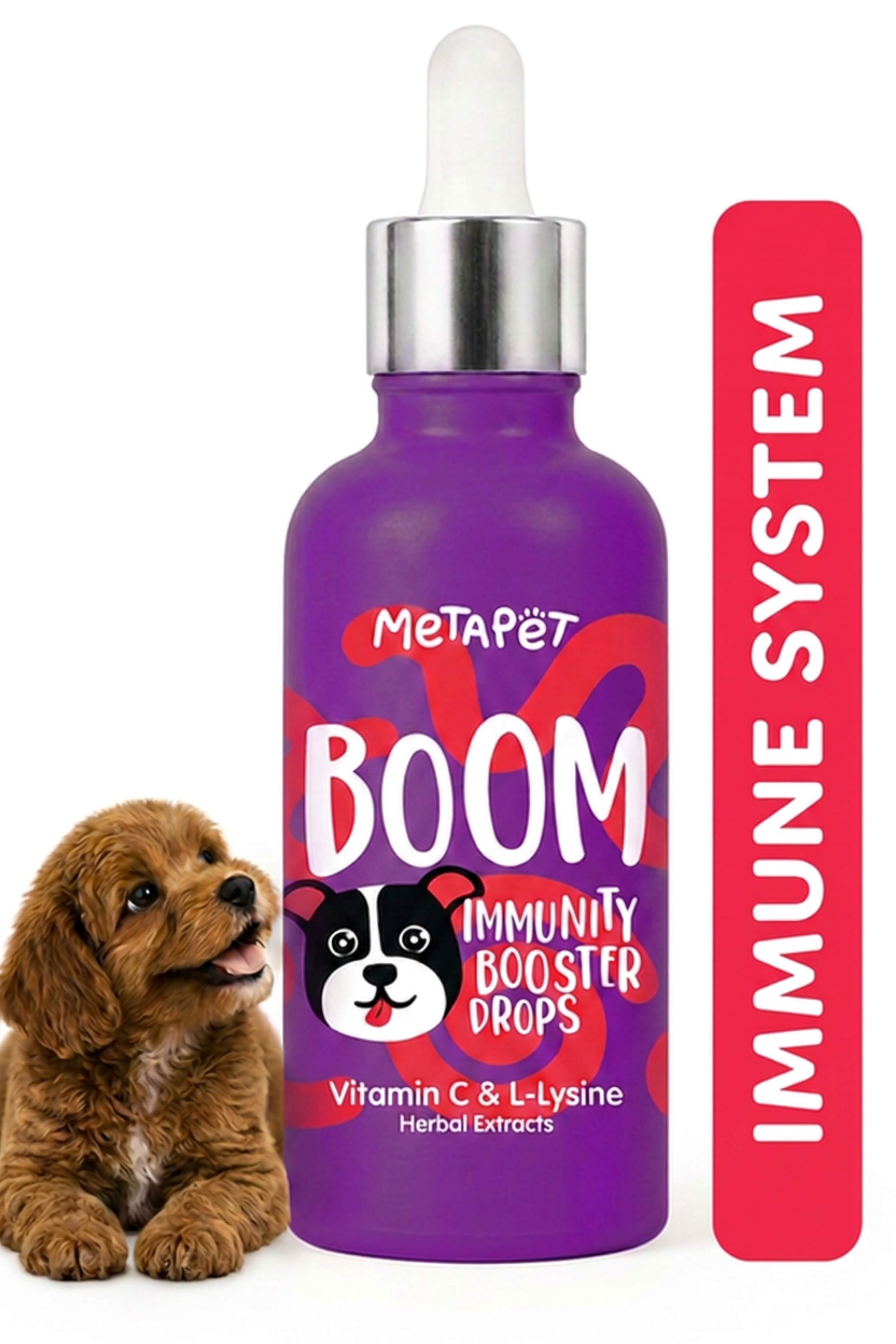
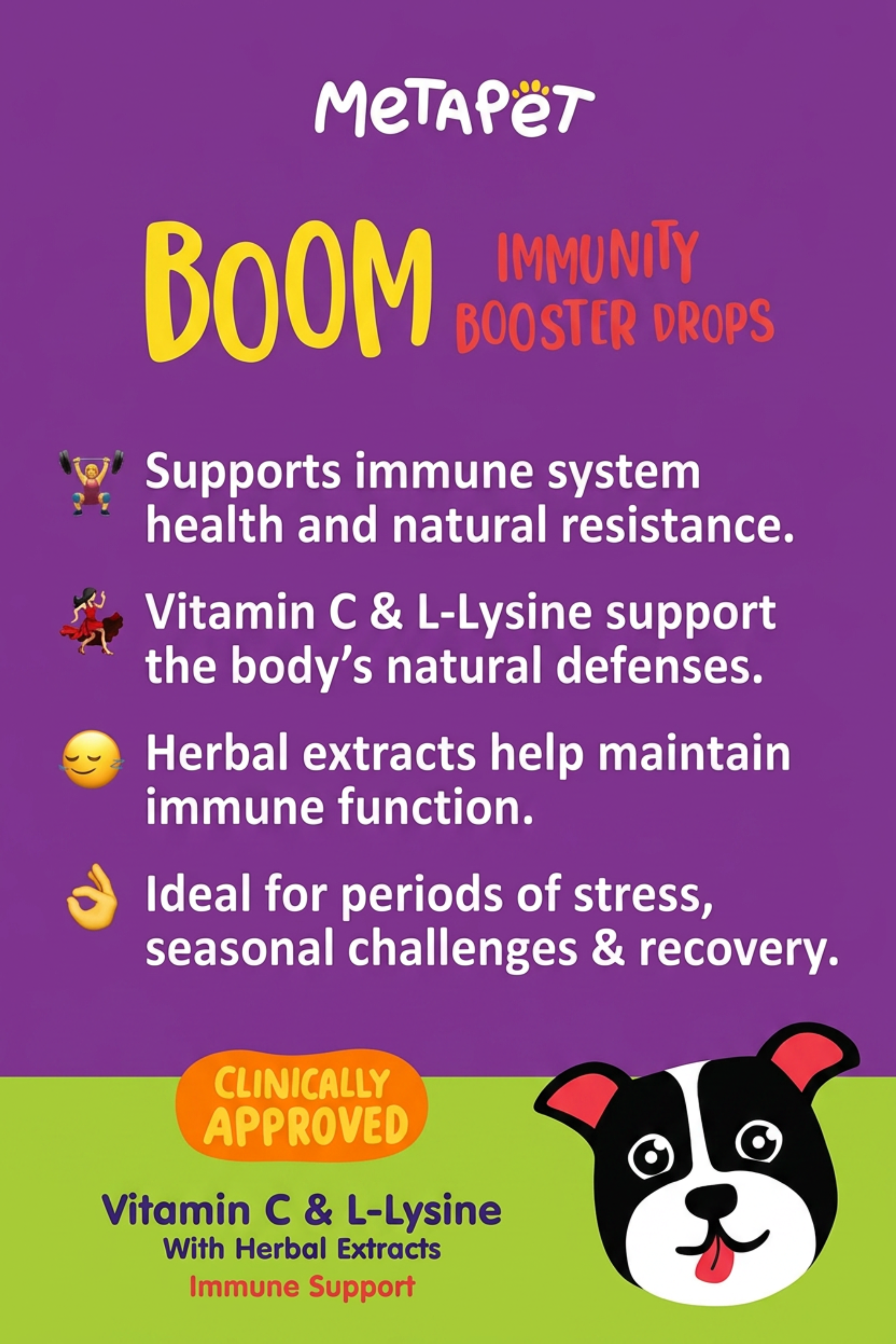
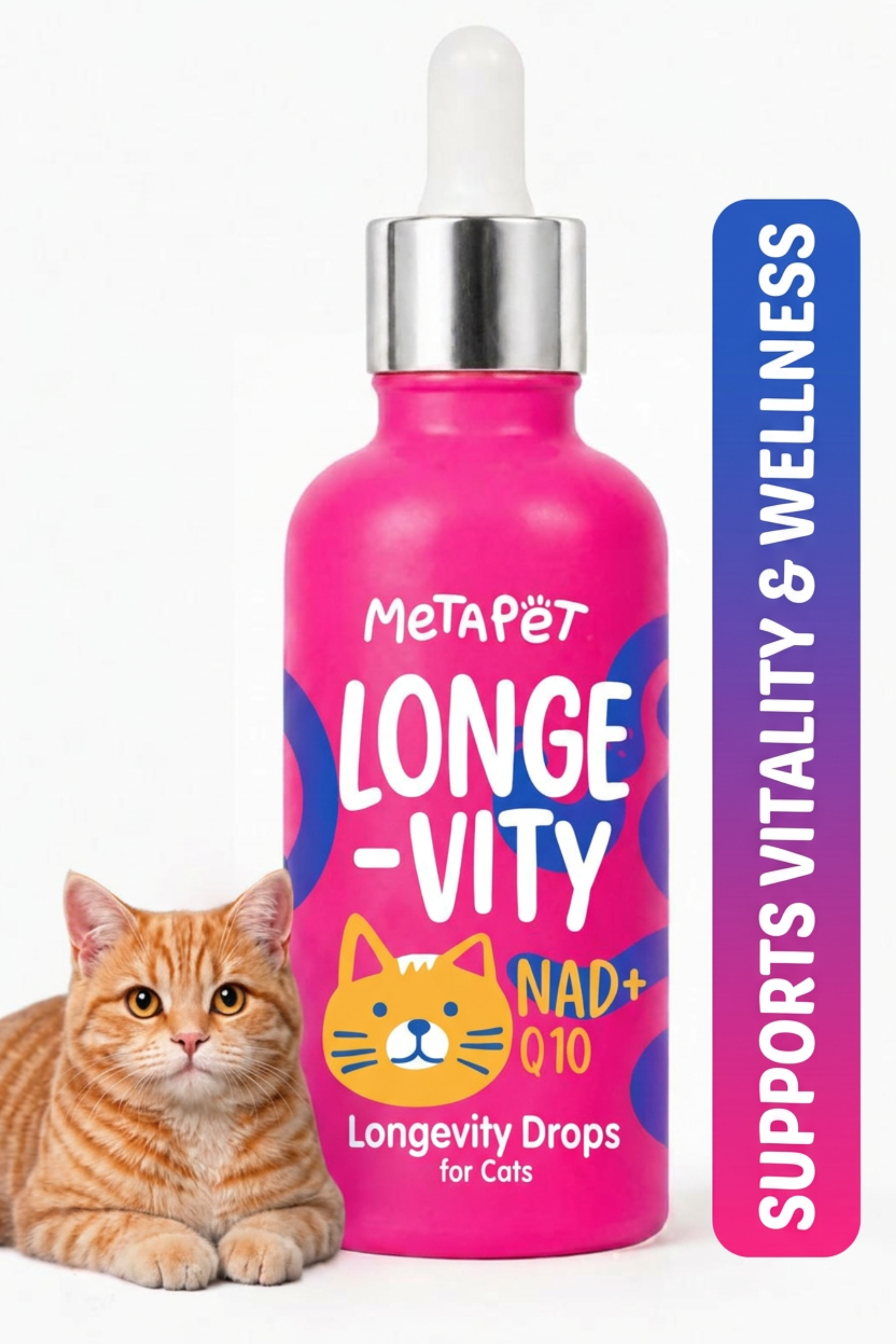
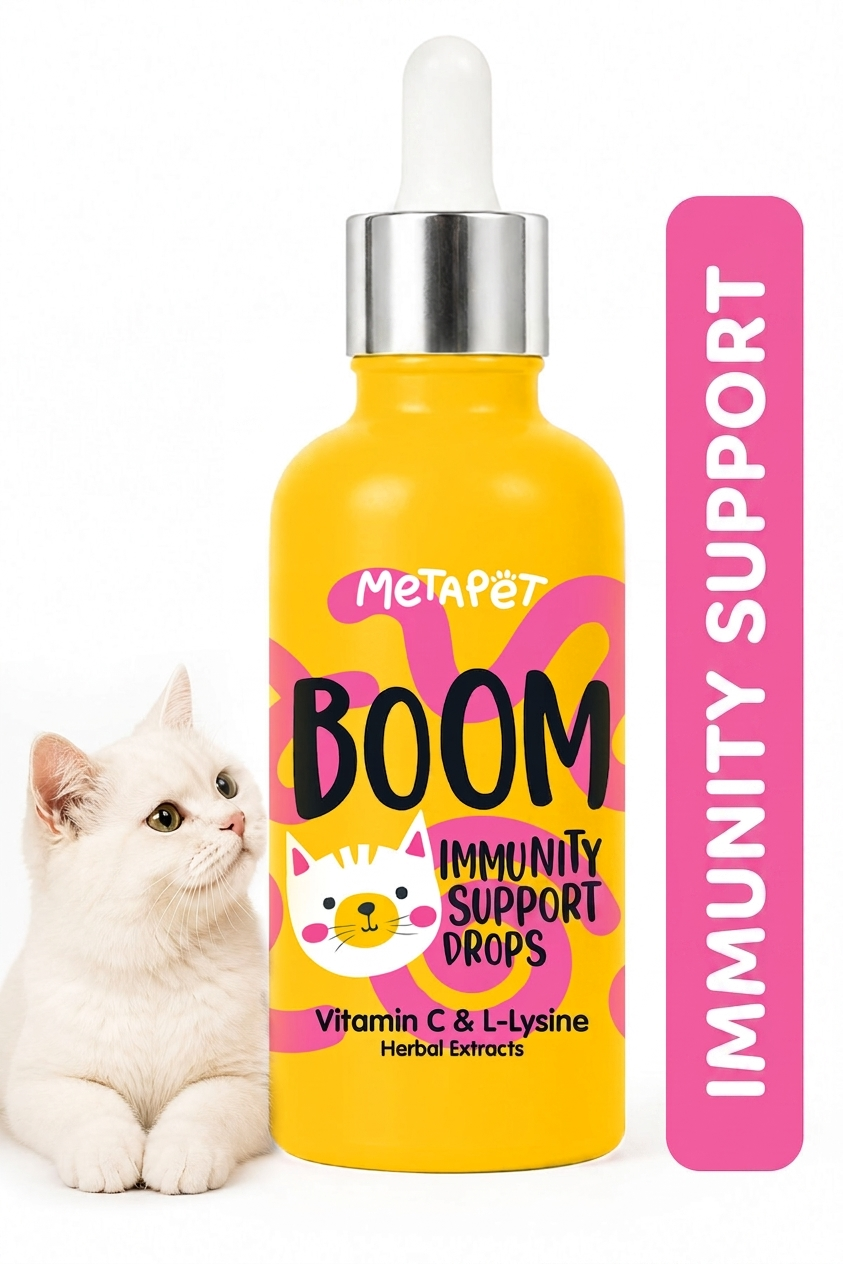
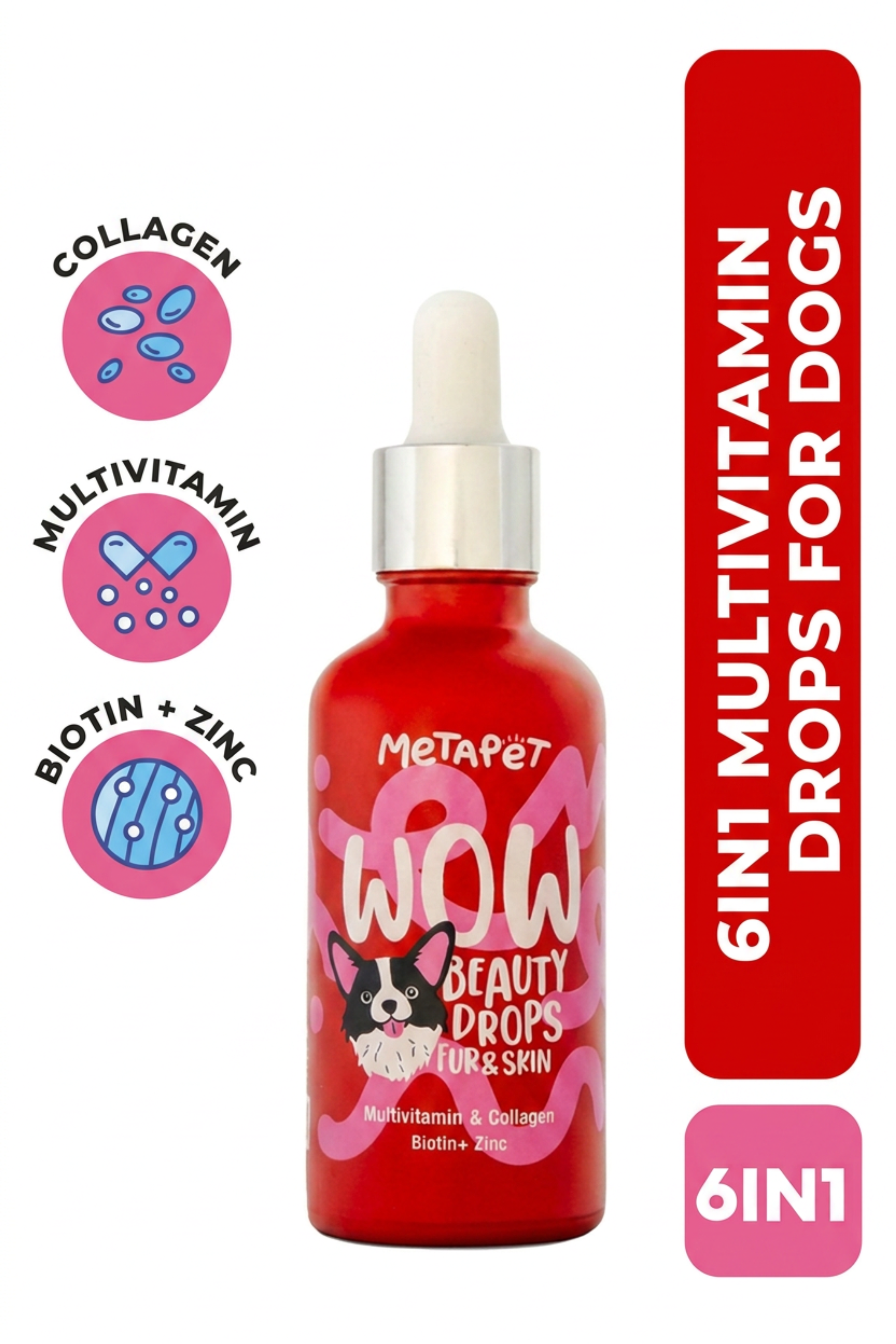
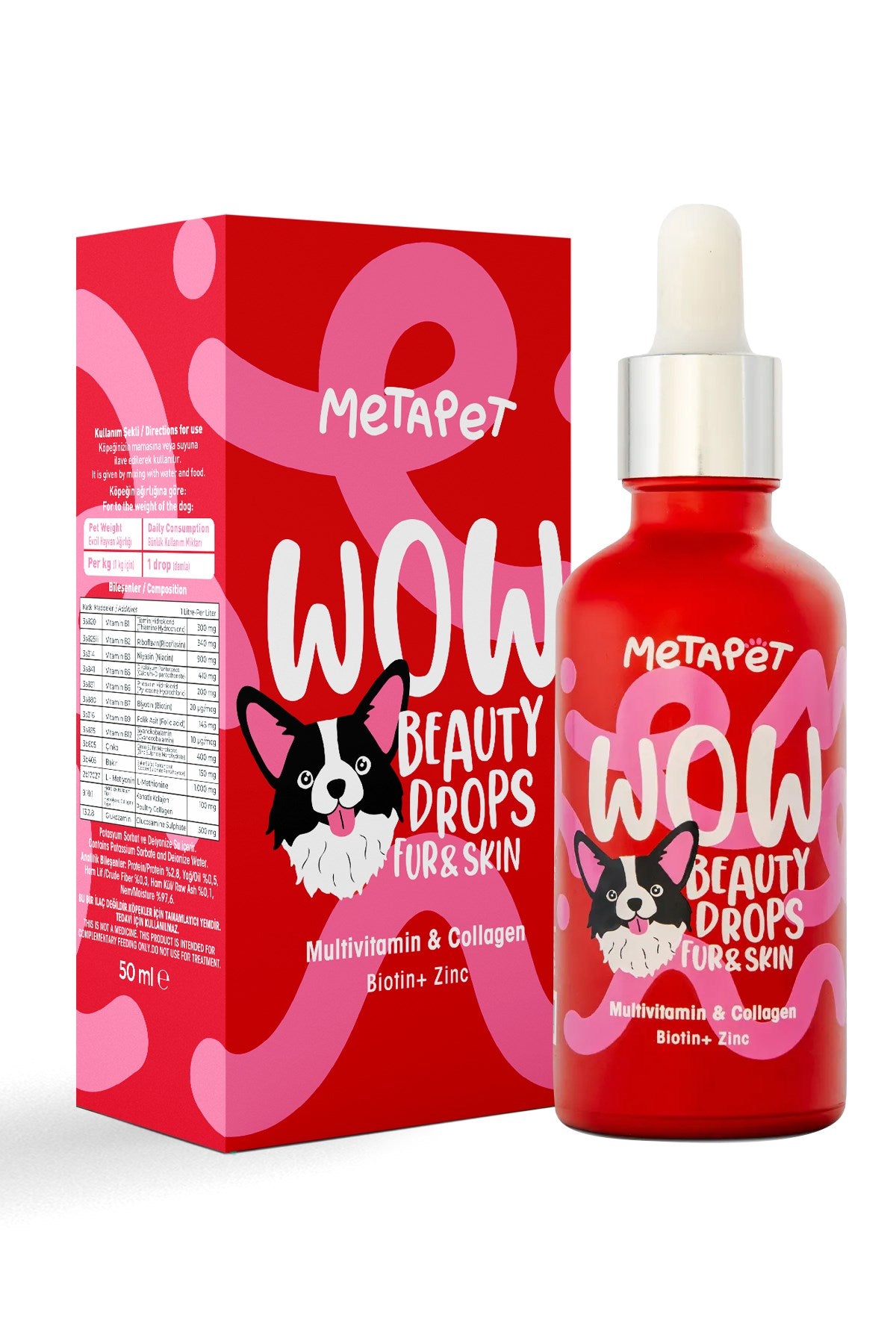
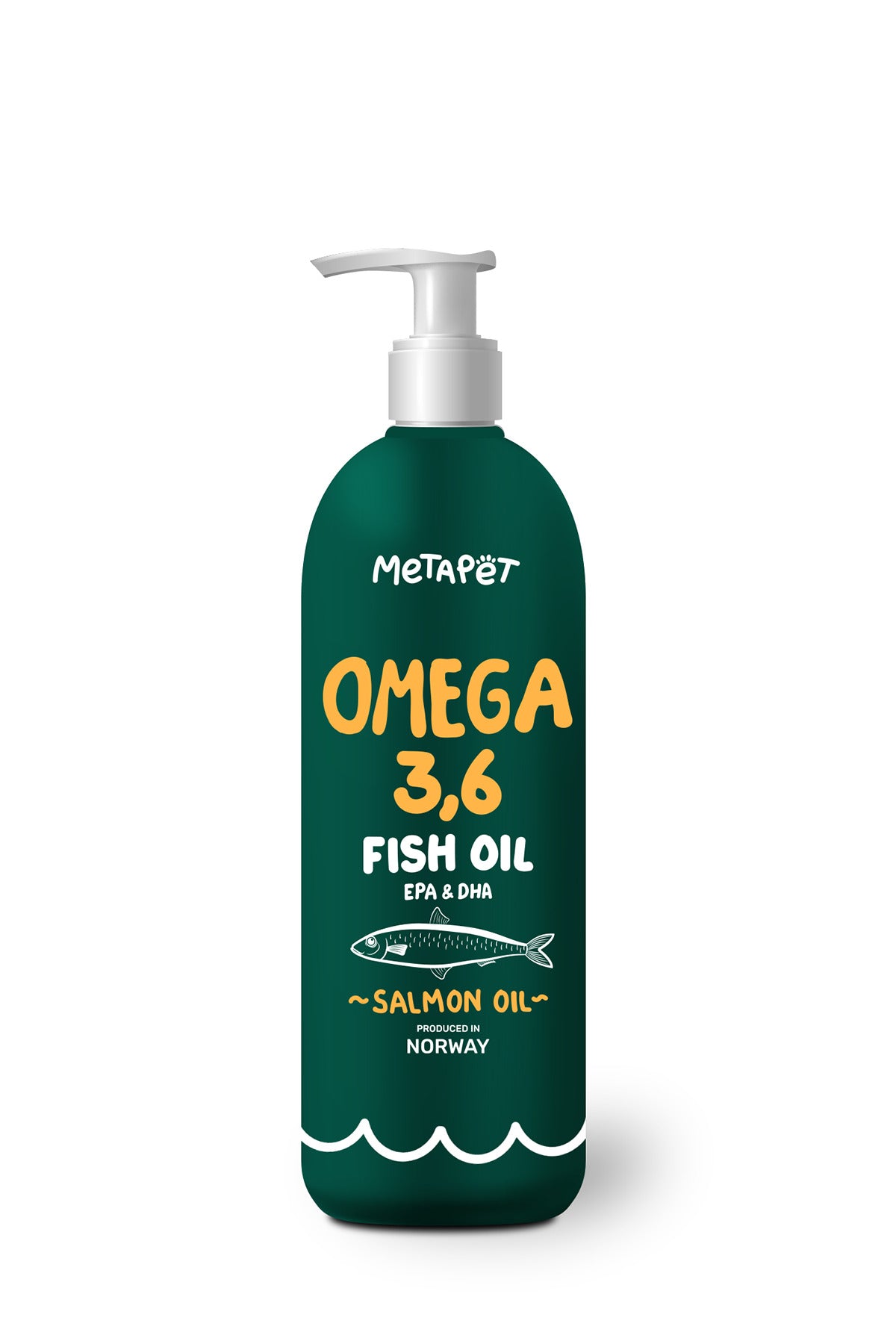
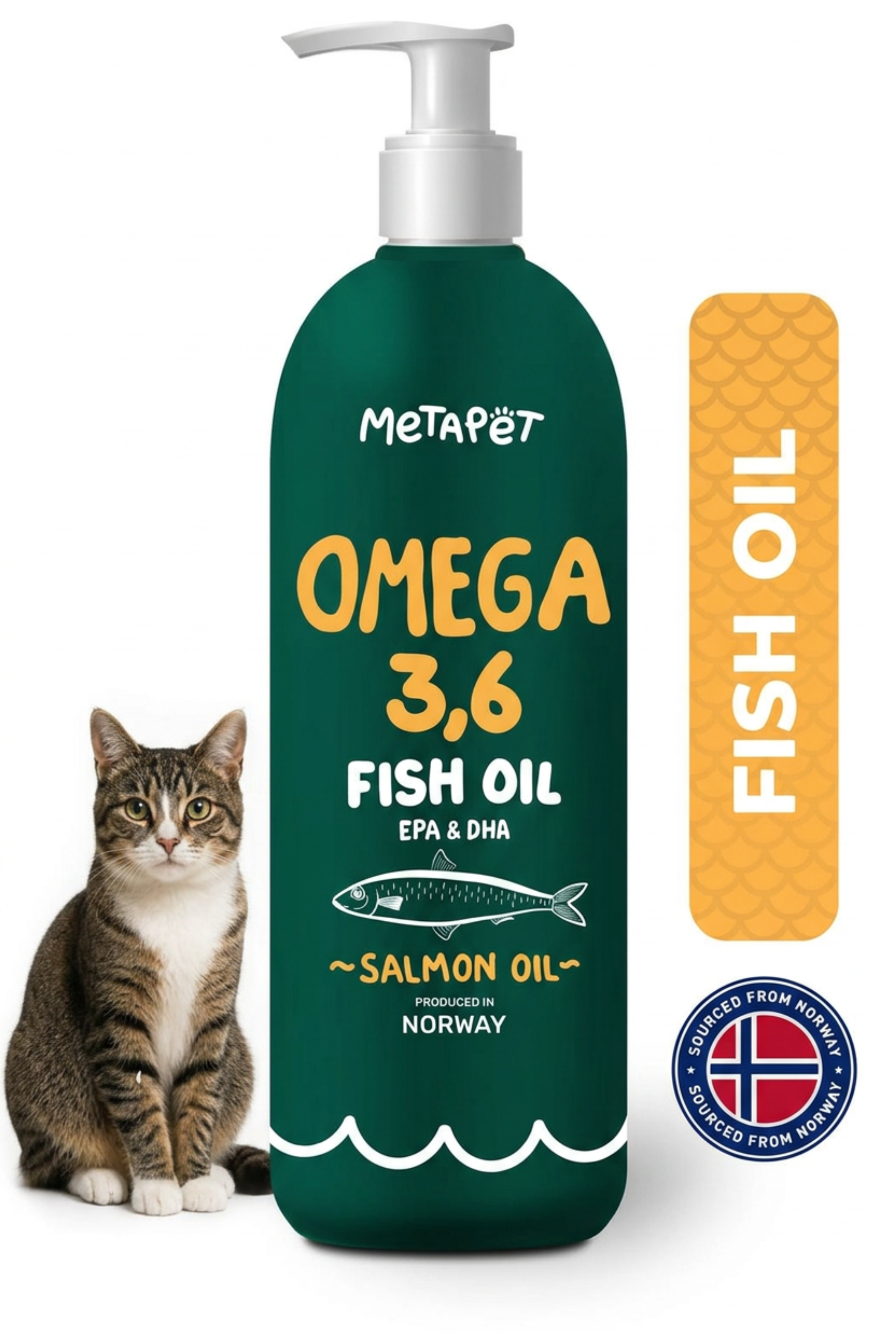
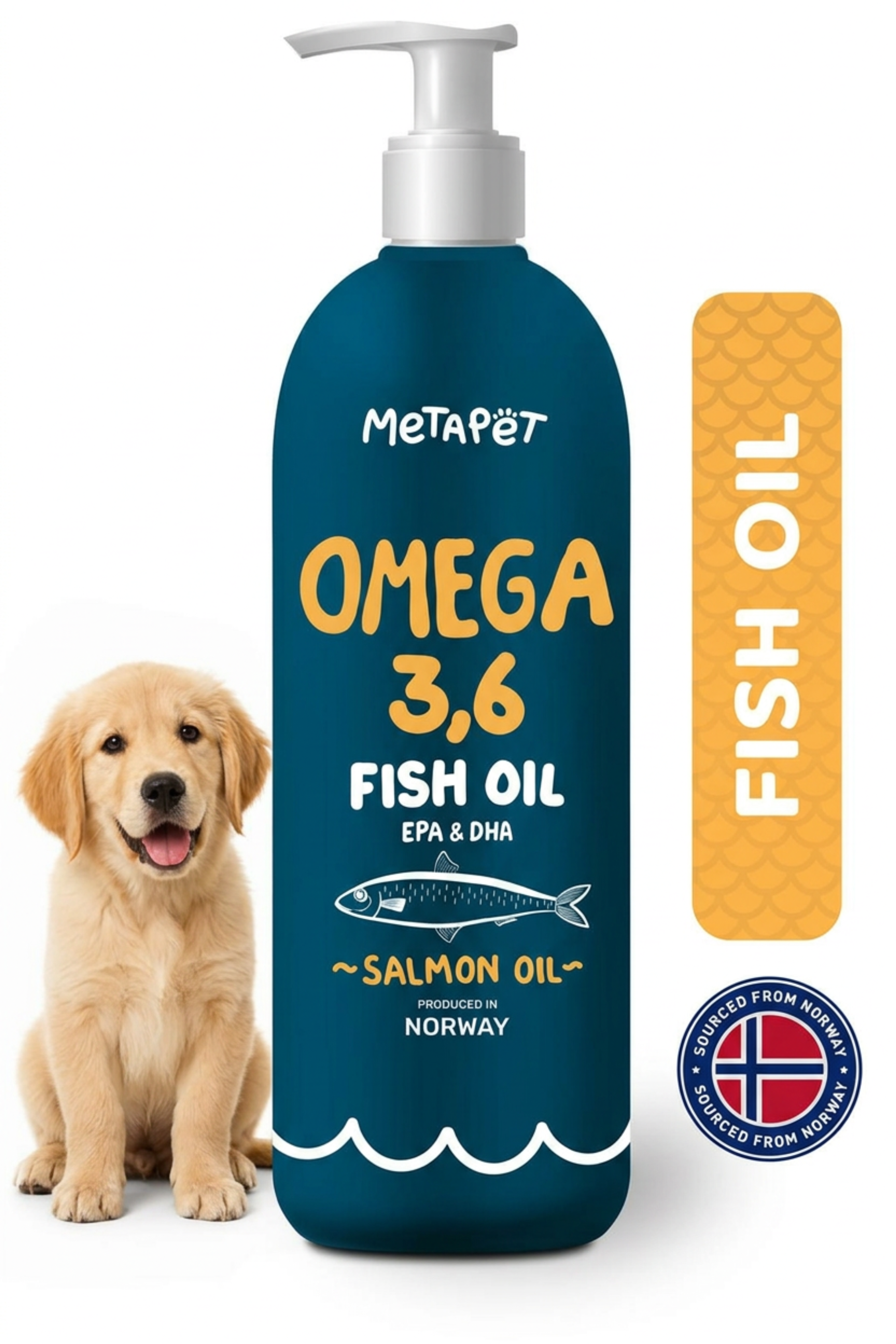
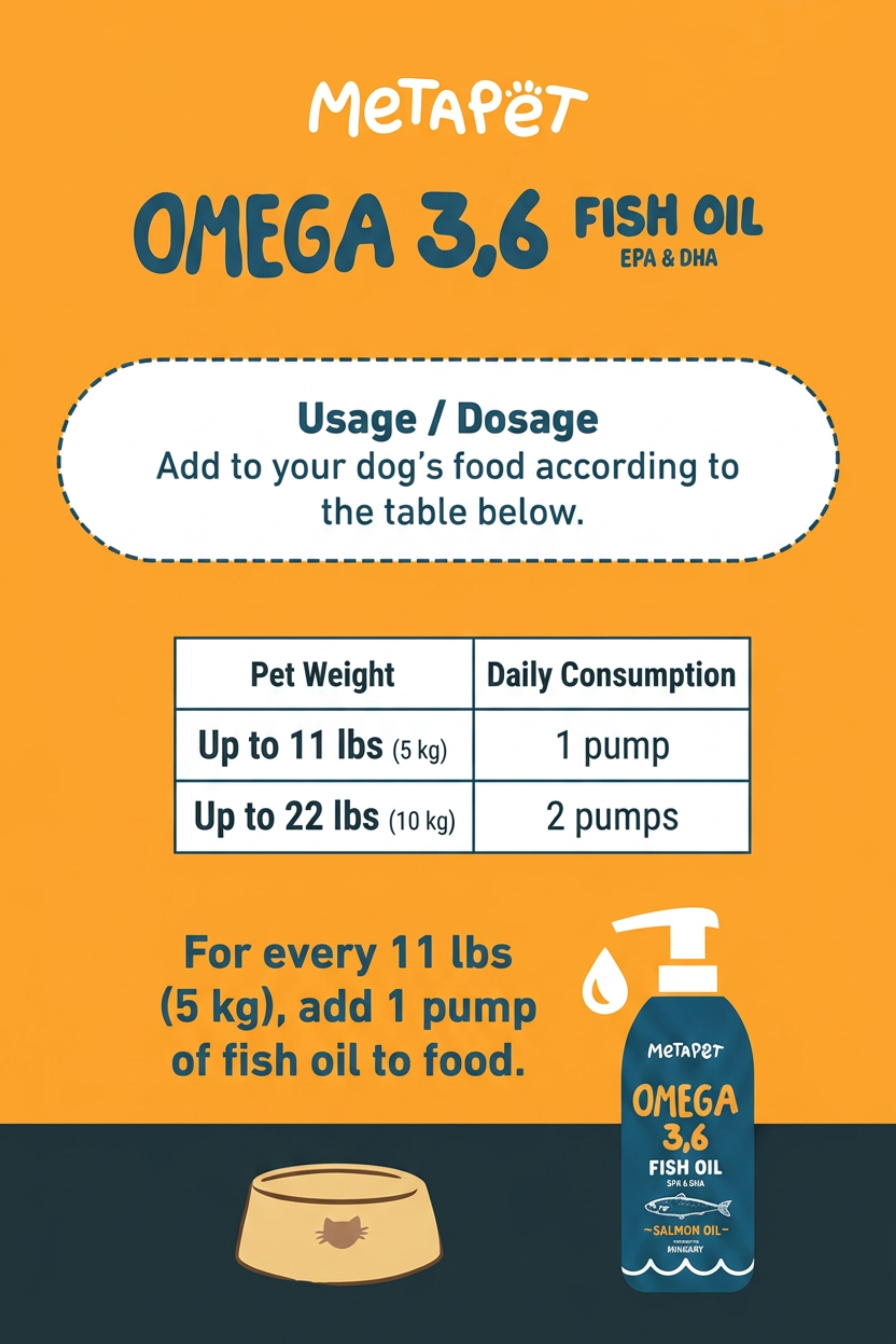
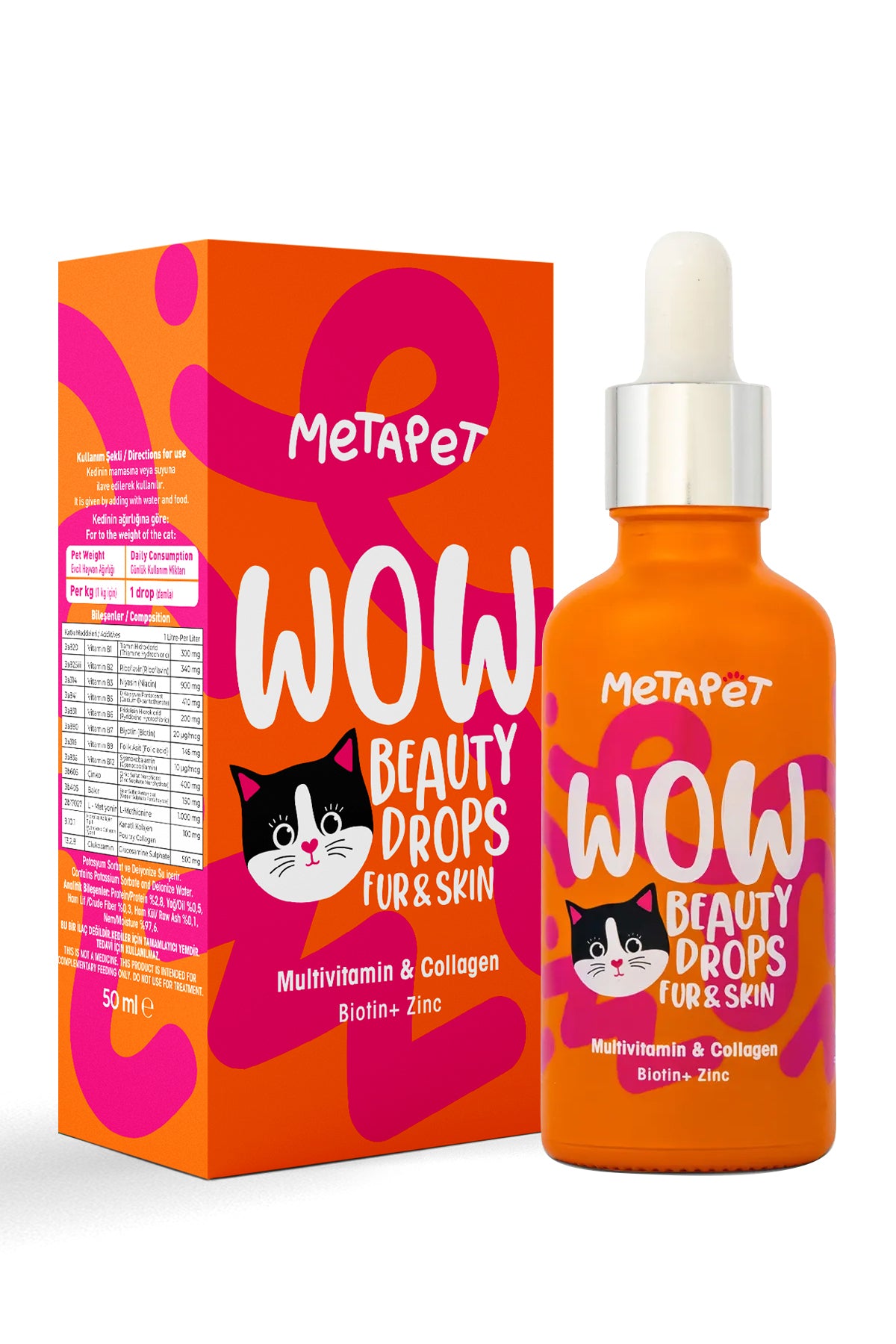
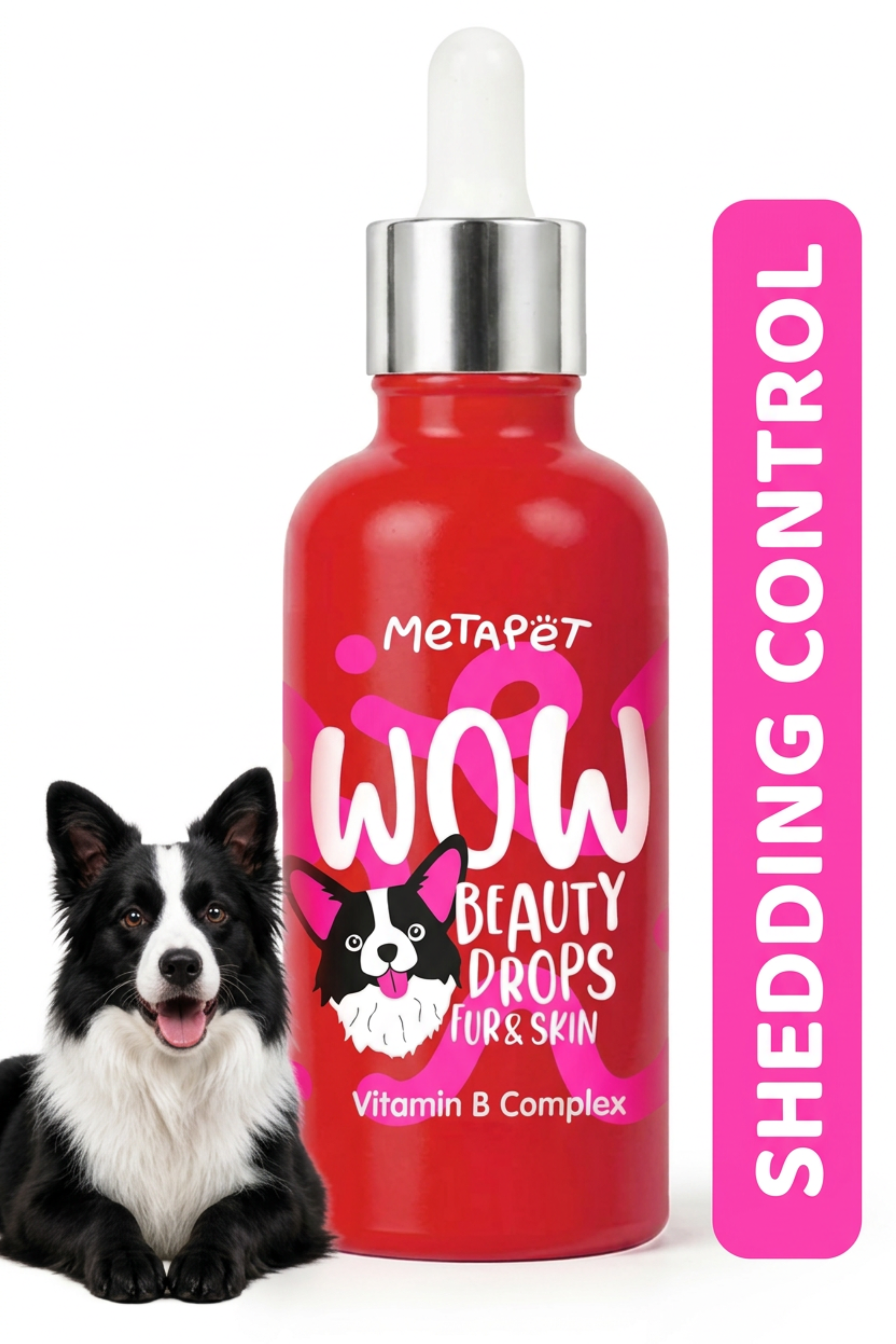
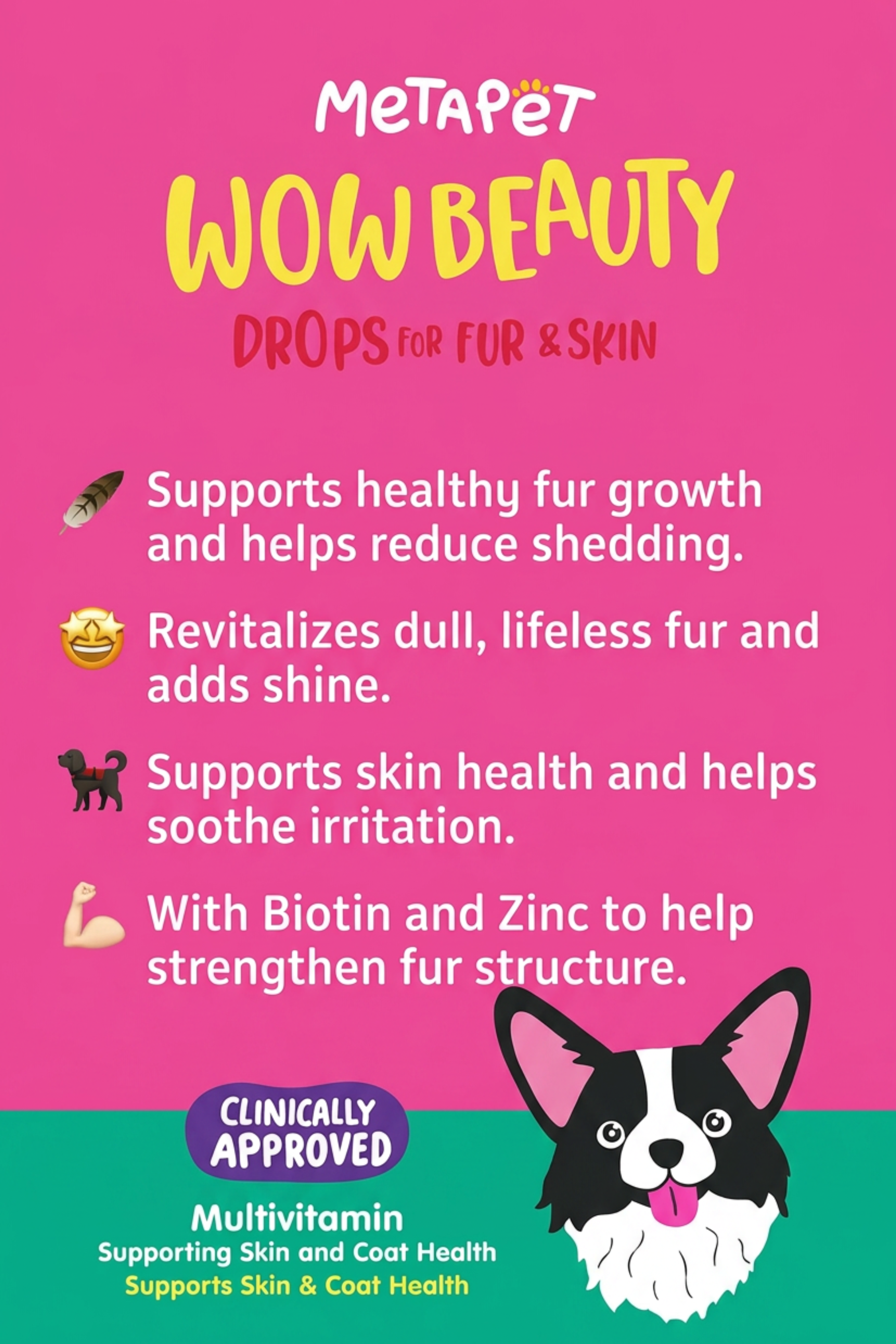
MetaPet's supplement range includes options formulated to support skin and coat condition as part of a normal care routine, such as the Wow Beauty Drops for dogs and the matching Wow Beauty Drops for cats, alongside Omega Salmon Oil for dogs and Omega Salmon Oil for cats. Supplements like these are designed to complement good nutrition and regular veterinary care — they are not a substitute for either, and they are not intended to diagnose or address any medical condition. If your pet's coat has changed, the first step is always a veterinary examination to find out why.
Grooming Habits That Genuinely Help
Brushing is not only cosmetic. It lifts dead hair out of the coat, distributes the skin's natural oils along the hair shaft, improves air flow to the skin, and gives you a weekly opportunity to notice lumps, parasites, and sore spots early.
- Match the tool to the coat: a slicker for dense undercoats, a pin brush for long silky coats, a rubber curry for short coats, and a metal comb to check your work.
- Brush little and often: short frequent sessions beat occasional marathons, especially for pets who dislike being handled.
- Work through mats gently: never cut a mat out with scissors — skin tents up into it far more easily than owners expect.
- Keep sessions positive: calm handling, treats, and stopping before your pet has had enough builds cooperation for life.
- Bathe appropriately: over-bathing strips natural oils; use a product formulated for dogs or cats and follow your veterinarian's advice for pets with skin conditions.
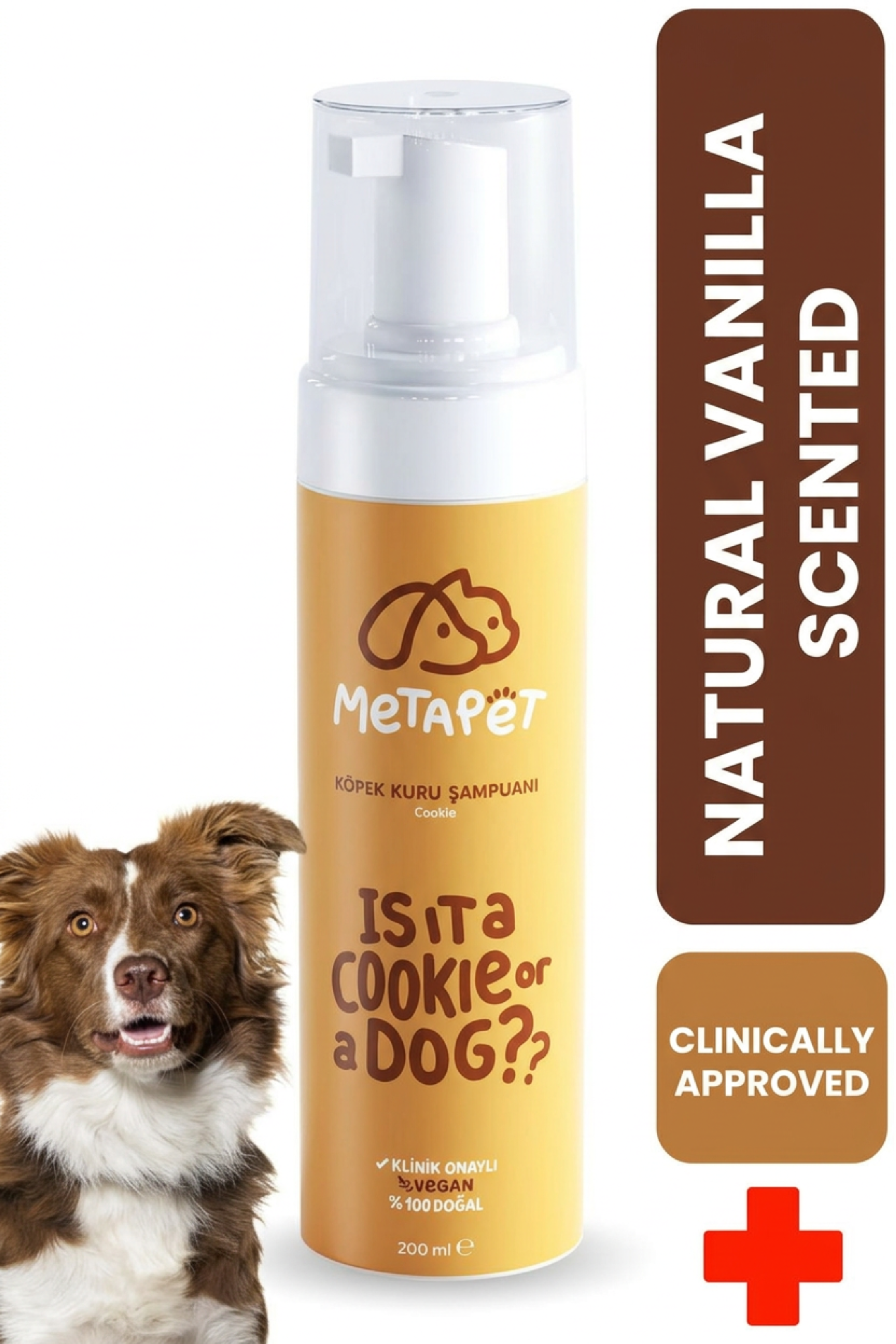
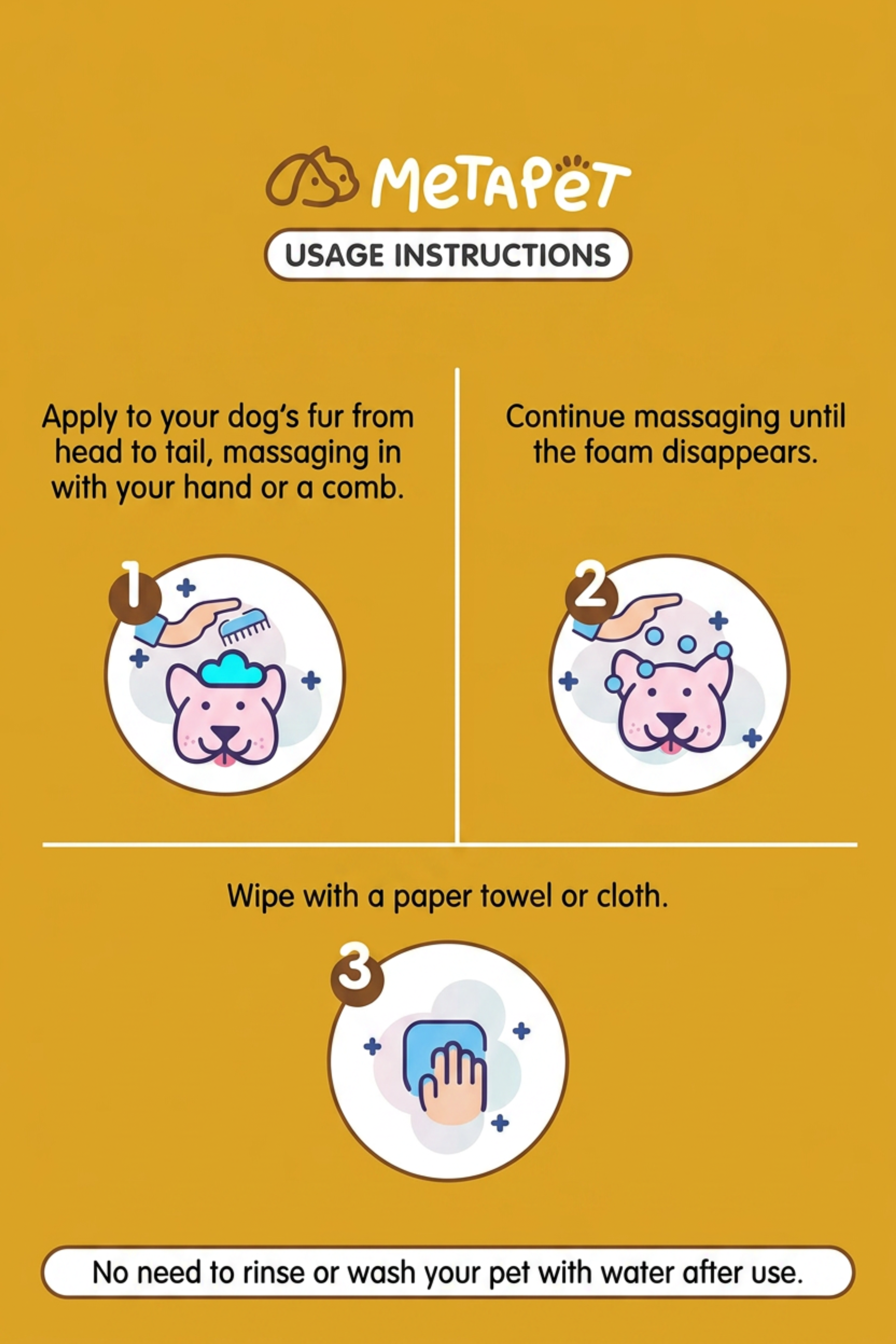
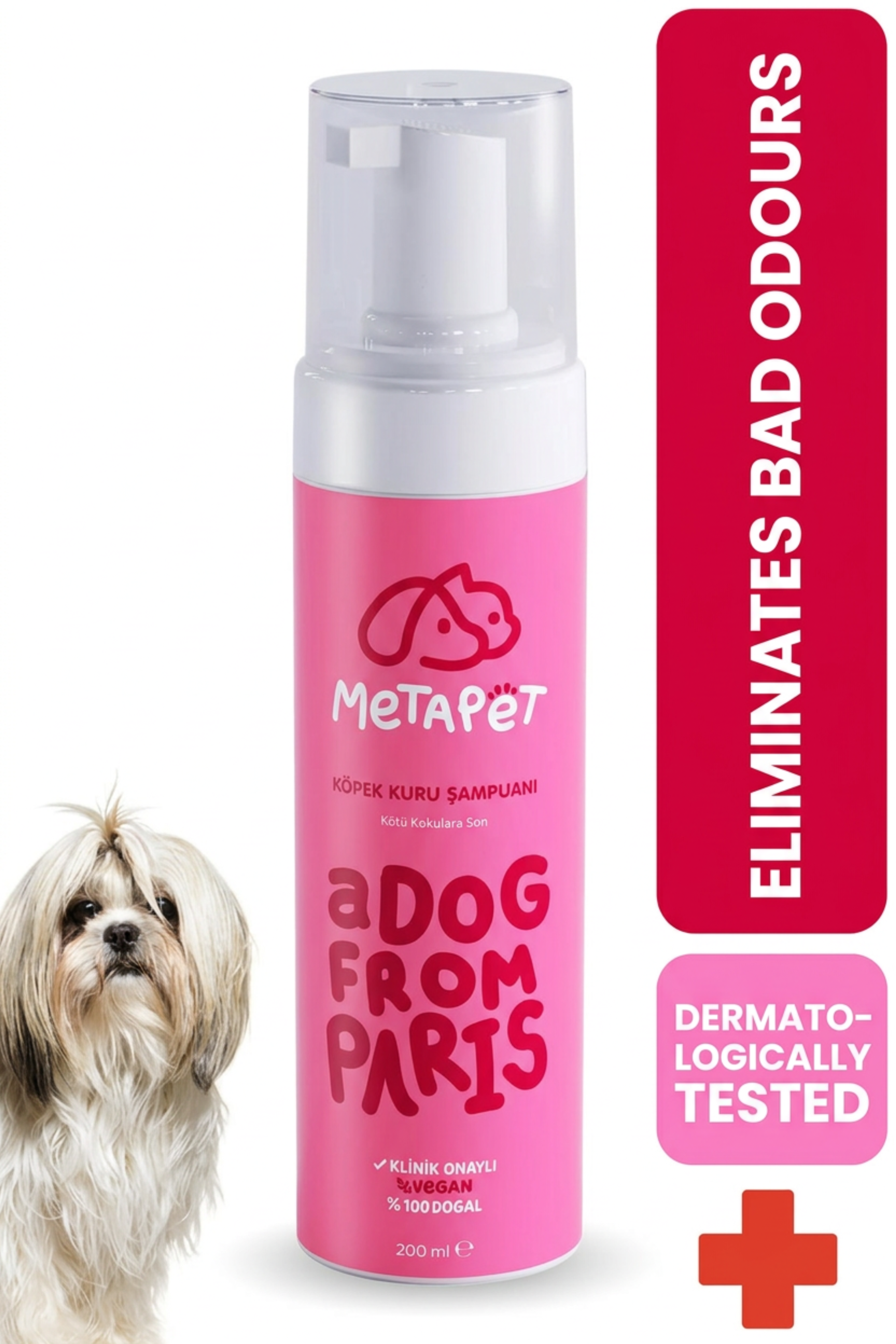
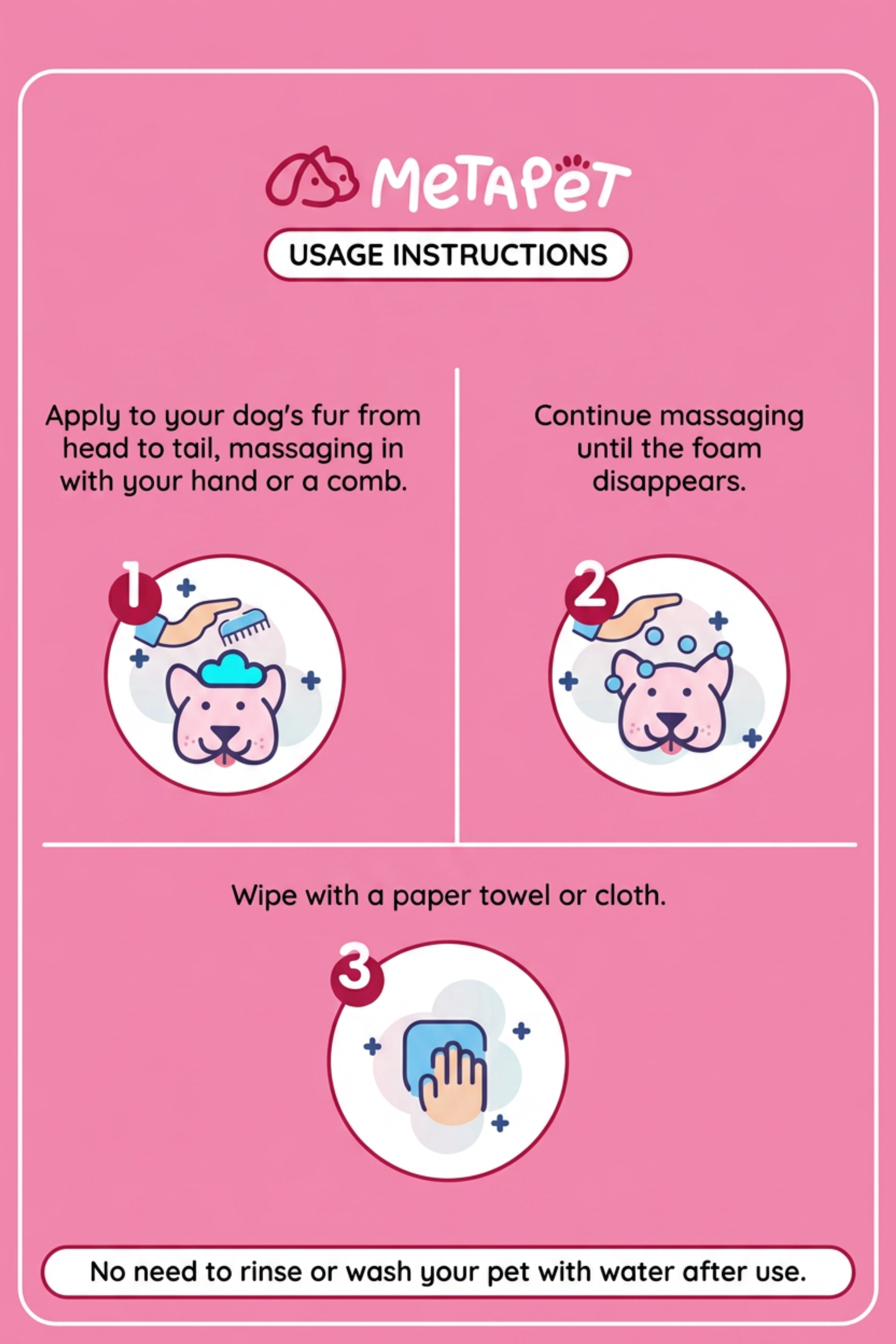
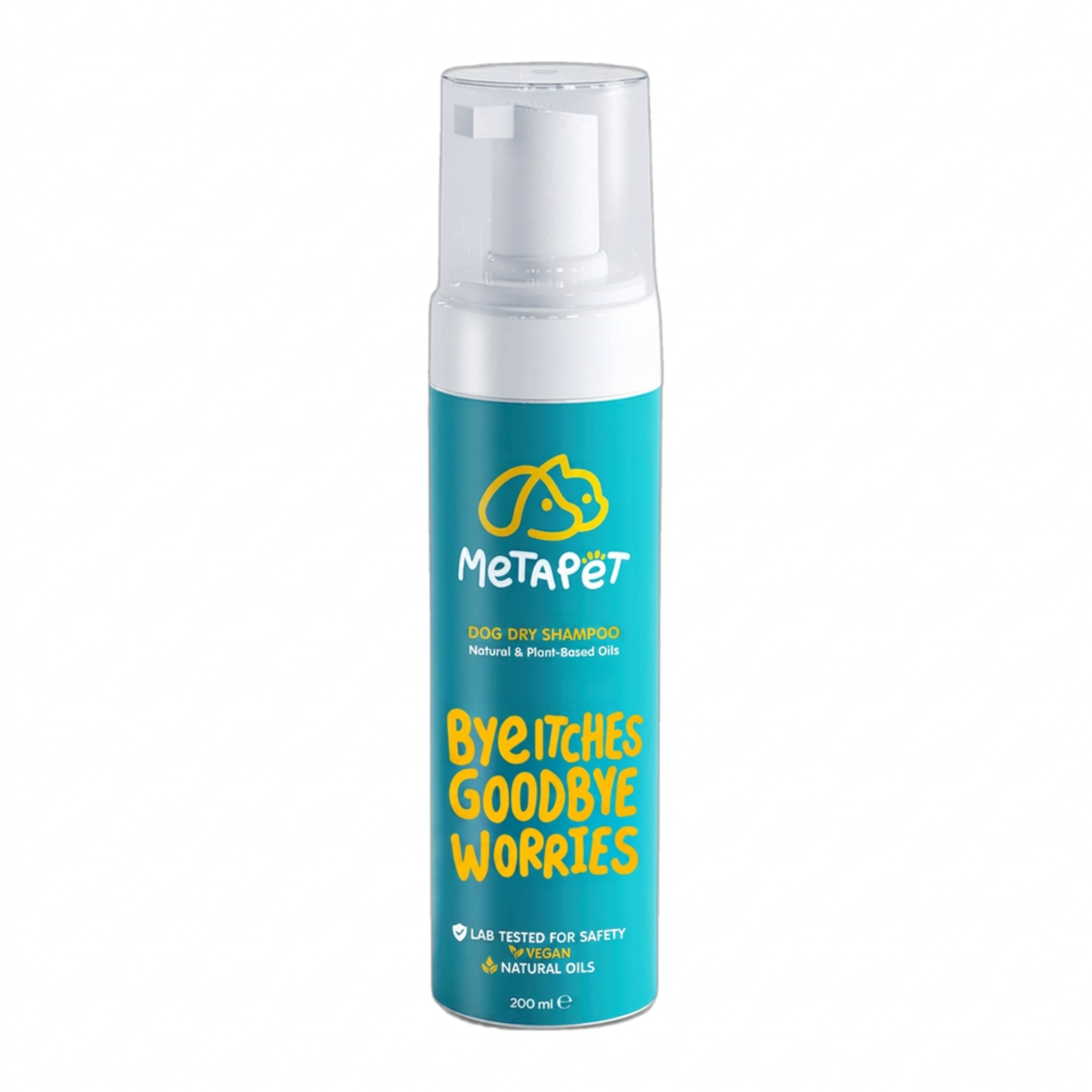
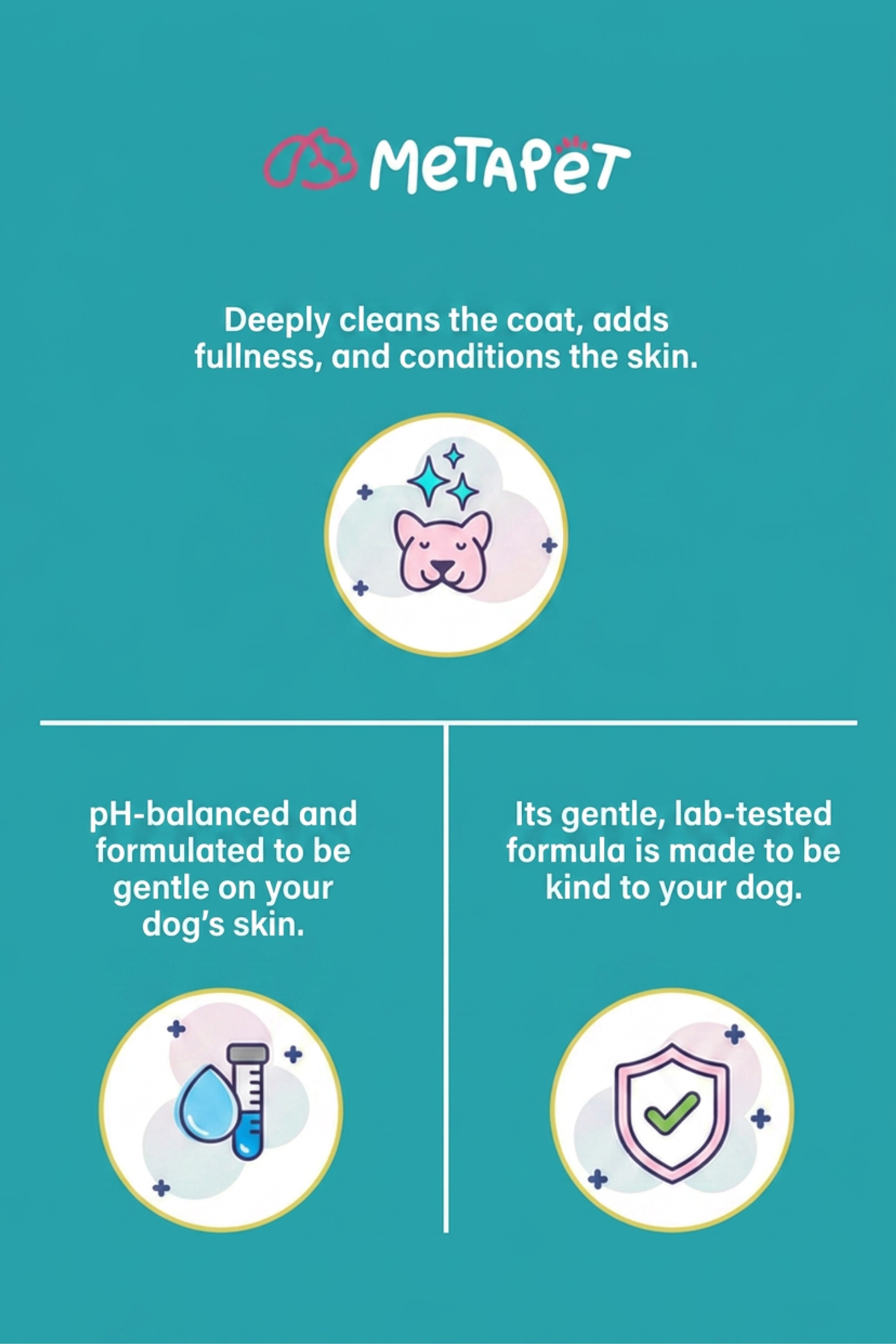
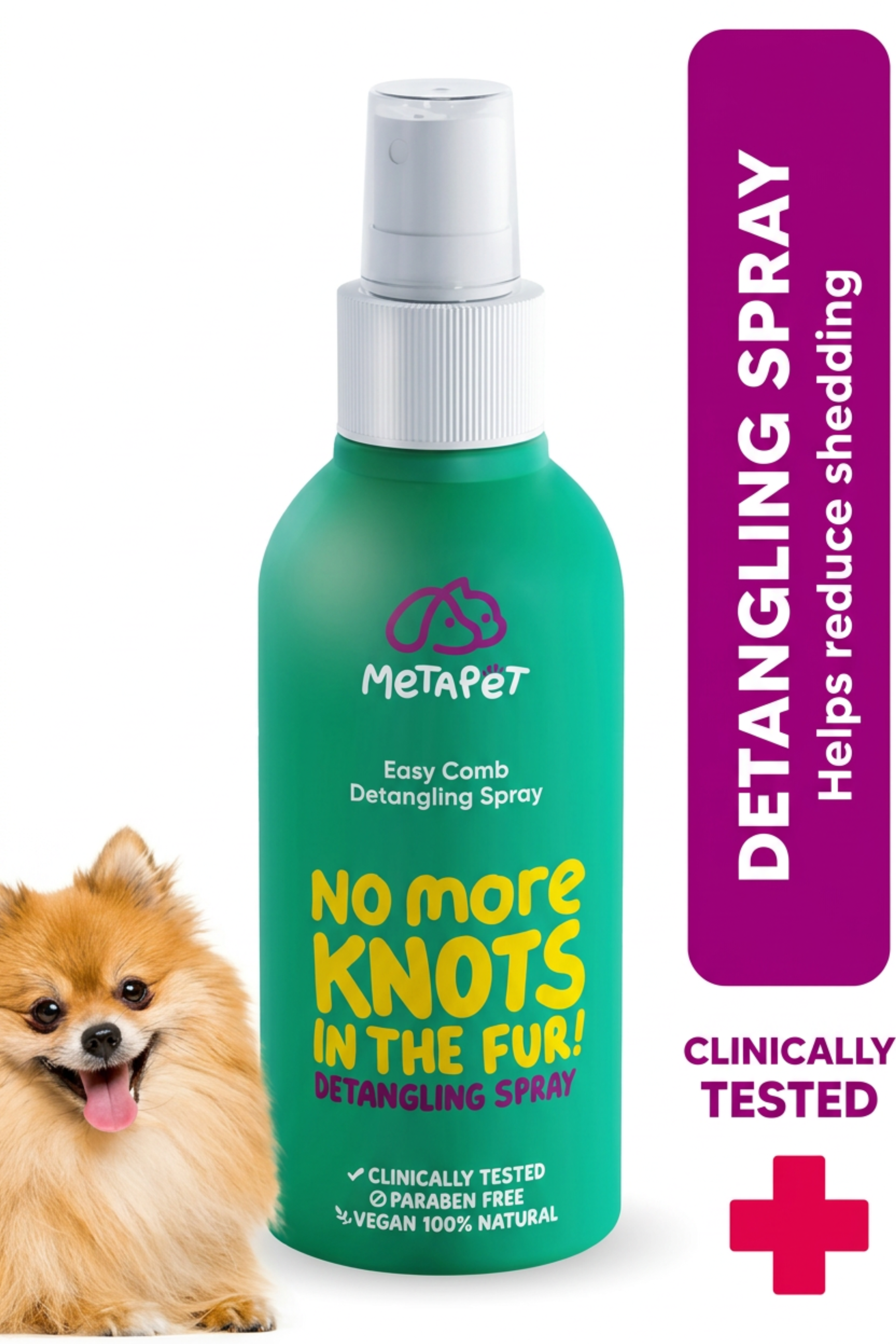
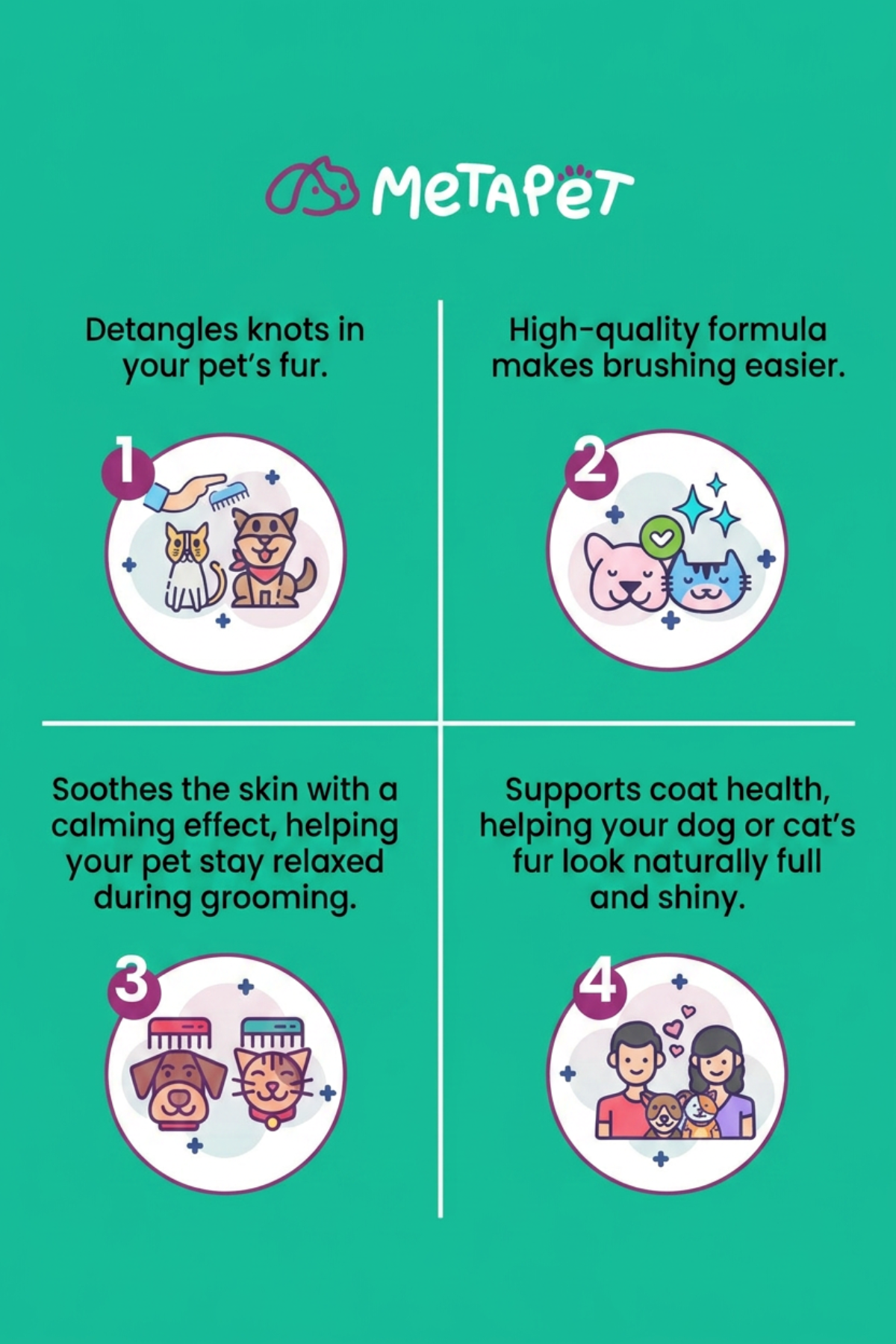
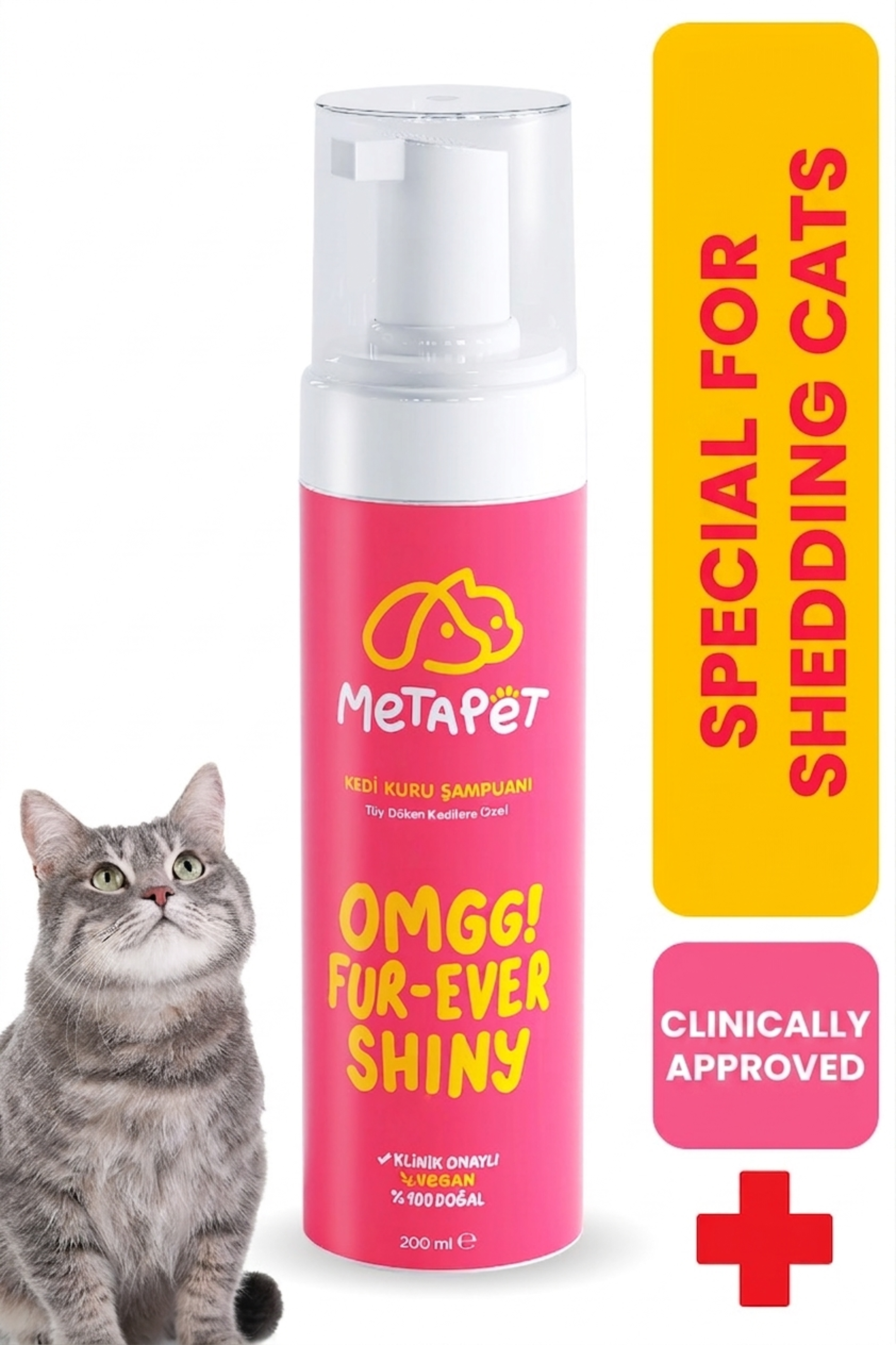
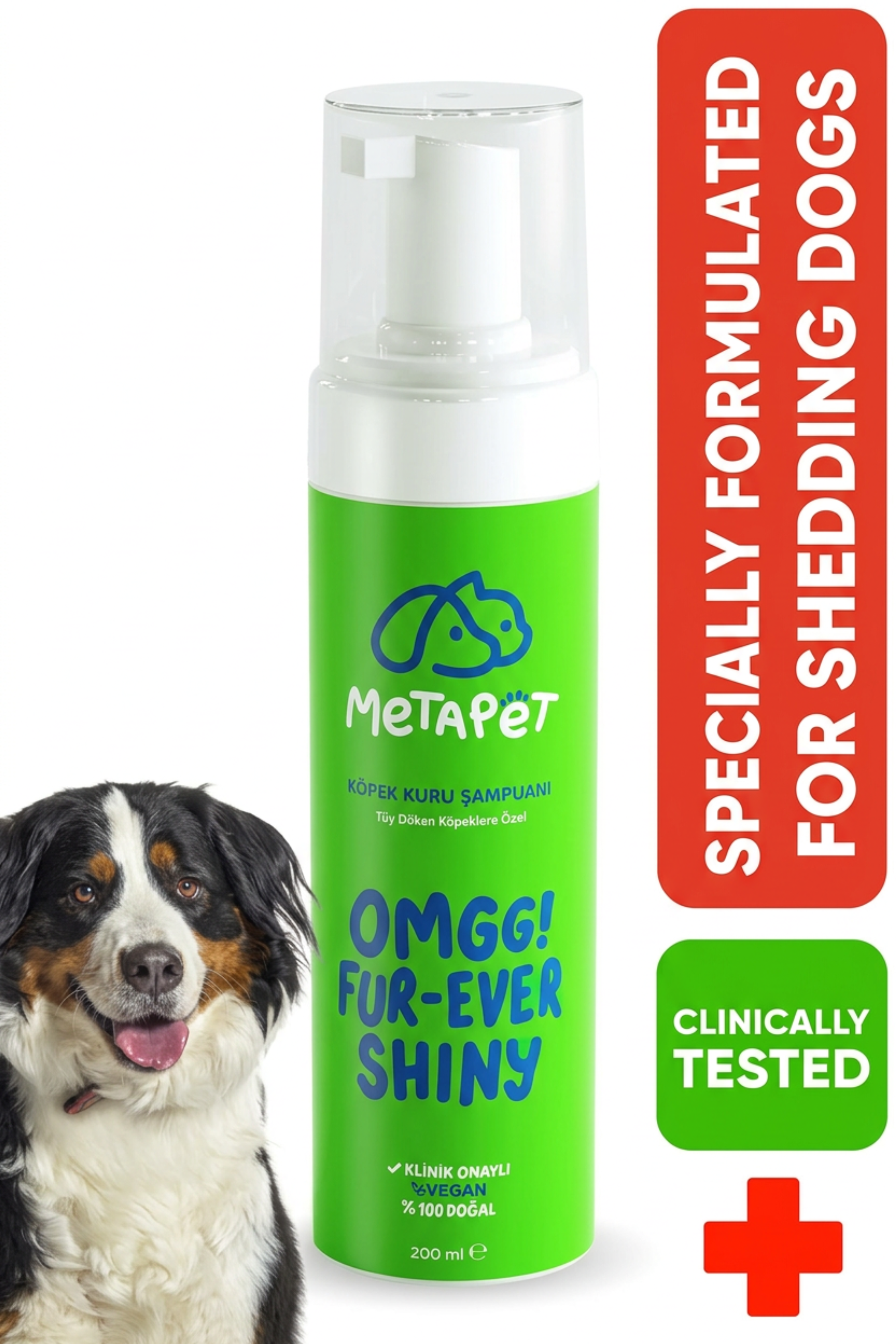
For coats that tangle easily, a detangling product used before combing reduces pulling and makes the session kinder — MetaPet's No More Knots detangling and easy-combing spray is formulated for that purpose. Between full baths, a gentle waterless option such as the OMGG! Fur-ever Shiny dry foam shampoo for dogs can help freshen the coat without a full wash. These are cosmetic grooming products; they are not intended to address skin disease, and they complement rather than replace veterinary care.
Life Stage Differences
Puppies and kittens
Expect change. The baby coat is replaced somewhere between a few months and a year depending on breed, and the adult coat may differ in color, density, and feel. Getting a young pet comfortable with brushing during this period pays dividends for the rest of their life.
Adults
The adult coat should be relatively stable year to year, aside from seasonal turnover. This is the life stage where an unexplained change is most meaningful, because there is no developmental explanation to fall back on.
Seniors
Graying, a slightly coarser texture, and reduced density are common. Older pets also groom themselves less thoroughly — arthritic cats in particular may stop reaching their lower back and tail base, which produces a dull, slightly clumped coat over the hindquarters. That specific pattern is worth mentioning to your veterinarian, since it can indicate discomfort rather than laziness.
Environment and Season
Coat is responsive to the environment in ways that surprise owners, particularly for indoor pets whose seasonal cues are blunted by artificial light and central heating.
- Indoor lighting: can extend shedding through the year rather than concentrating it into two seasons.
- Dry indoor air: winter heating reduces humidity and can leave skin and coat drier.
- Sun exposure: lightens dark coats and, on thinly covered skin, raises sunburn risk.
- Swimming and frequent rinsing: chlorine and repeated wetting affect coat feel; rinse with clean water afterward.
- Bedding and contact surfaces: friction points such as elbows and hips often show coat wear first.
Myths About Coat Changes
- "Shaving stops shedding." It shortens the hair that is shed but does not reduce turnover, and for double-coated breeds it can affect how the coat regrows.
- "A graying muzzle means illness." In most pets it is simply age, though a sudden widespread change is worth mentioning.
- "Raw egg makes a coat shiny." Coat quality comes from a complete balanced diet; adding random foods can unbalance it.
- "Dandruff is just dry air." Sometimes, but persistent flaking is a common sign of several skin conditions and deserves an examination.
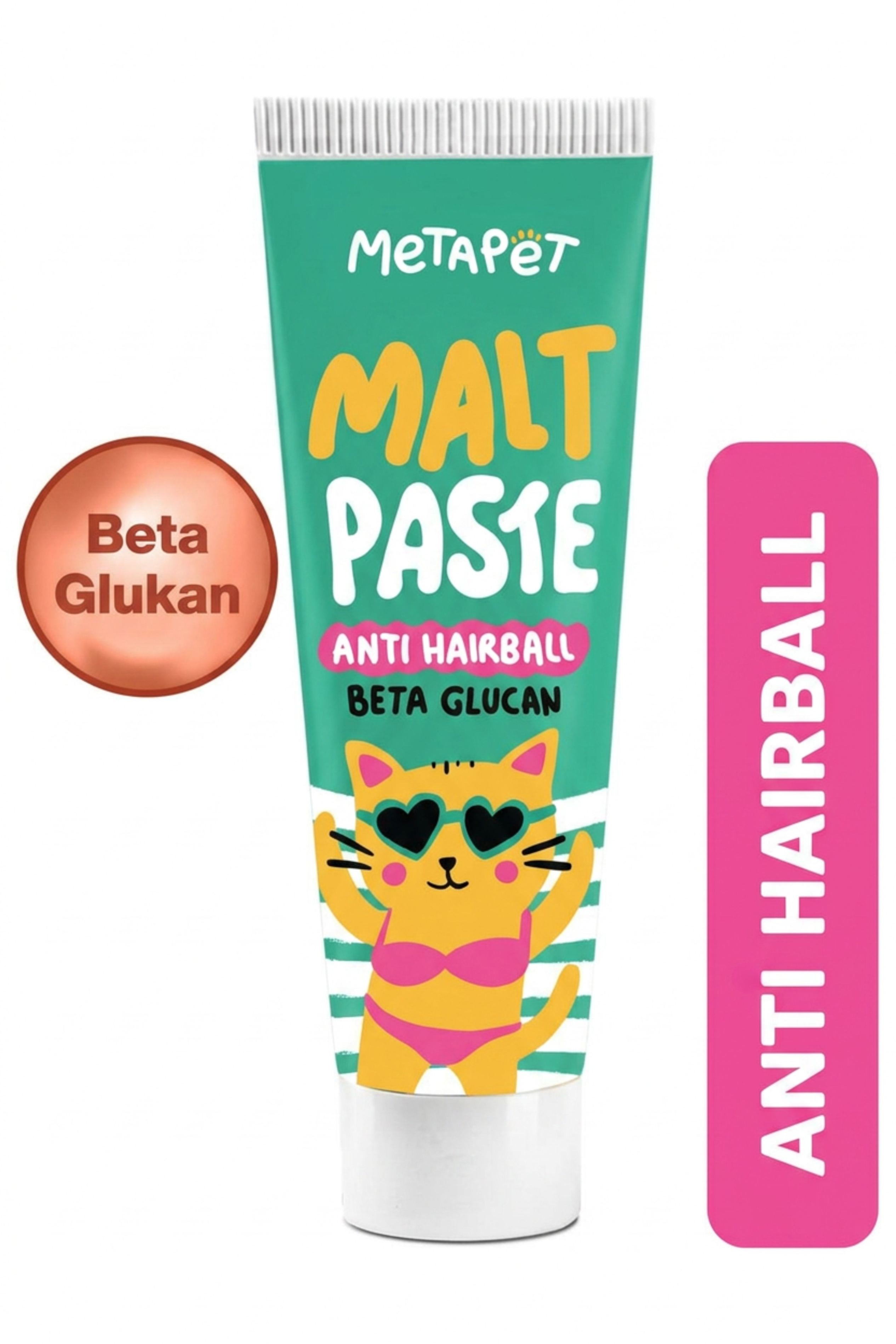
- "Cats groom themselves, so brushing is unnecessary." Brushing reduces hairballs, prevents mats, and — importantly — lets you spot problems early.
When to Book an Appointment
Use this as a simple filter. If a coat change is gradual, symmetrical with the season, limited to color, and your pet is otherwise thriving, it can usually wait for the next routine check-up. If it fits any of the following, call sooner.
- Itching, licking, or chewing: discomfort is never purely cosmetic.
- Bald patches or skin changes: redness, crusting, scaling, or odor.
- Coat change plus a systemic sign: thirst, weight change, appetite change, or lethargy.
- Hair not regrowing: particularly after clipping or over the flanks and tail.
- Any change that is worrying you: a five-minute examination is a reasonable price for peace of mind.
A coat that looks and feels good is usually a sign of a pet who is eating well, comfortable in their skin, and free of parasites. Keep up the brushing, feed a complete diet, and let your veterinarian interpret anything that changes in a way the seasons cannot explain.