Cerebellar Hypoplasia in Cats: Wobbly Cat Syndrome

Some kittens start walking and simply never quite get the hang of it. They sway, they overshoot, they plant their feet too wide, and their head bobs when they concentrate on a bowl of food. To an owner watching for the first time it looks alarming - as though the kitten is injured, dizzy or seriously unwell. In many of these cats, the explanation is a condition called cerebellar hypoplasia, widely known by the affectionate nickname wobbly cat syndrome.
The cerebellum is the part of the brain that coordinates movement. It does not decide to move; it refines and smooths the instructions, judging force, distance and balance so that a step lands where it was aimed. When the cerebellum does not develop fully before birth, the intention to move is intact but the fine tuning is missing. The cat wants to walk normally and tries to, but the result is unsteady and exaggerated.
The most important thing owners learn about this condition is reassuring: it is not painful, it is not progressive, and it is not contagious. Cats with cerebellar hypoplasia are neurologically stable for life and can be delightful, ordinary companions in a home that has been adapted a little. This guide explains the causes, the signs, how it is diagnosed, and how to set up a home so a wobbly cat can thrive.
Important: This article shares general educational information for pet owners and is not a substitute for an in-person veterinary examination, diagnosis, or treatment. For any medical concern or emergency, contact your veterinarian promptly.
What the Cerebellum Actually Does
Sitting at the back of the brain, the cerebellum acts as a coordination centre. It receives constant information about where the body is in space and what the muscles are doing, then adjusts movement in real time. It is the reason a healthy cat can land precisely on a narrow shelf, judge a leap, and lower its face to a bowl without bumping into it.
In cerebellar hypoplasia, this structure is underdeveloped. The cat's strength, sensation and awareness are typically normal - which is why affected cats are alert, playful and entirely themselves in personality. What is missing is the fine motor calibration, so movements become jerky, over-large and poorly damped.
Because the cerebellum finished developing before the kitten was born, the deficit is fixed. It does not worsen with age. Many owners report their cat appears to improve over the first year, and this is generally attributed to the cat learning compensatory strategies rather than to the brain changing.
What Causes It
The most commonly described cause is infection of the mother with feline panleukopenia virus during pregnancy, or exposure of very young kittens to the virus around the time of birth. The virus targets rapidly dividing cells, and the cerebellum happens to be developing at exactly that stage, so it is disproportionately affected.
This is one of many reasons routine vaccination of cats matters. Keeping a queen appropriately vaccinated before pregnancy, following the schedule your veterinarian recommends, is the practical route to reducing this risk. Vaccination protocols are a veterinary decision and should be discussed with your own clinic.
Less commonly, cerebellar underdevelopment can result from other prenatal insults, including certain toxins, malnutrition or trauma during pregnancy, and some inherited conditions. Where an entire litter is affected, an infectious or maternal cause is often suspected; where a single kitten is affected, the picture may be less clear.
The Signs Owners Notice
- A wide, high-stepping gait. Often described as marching or goose-stepping, with legs lifted higher than needed.
- Swaying and overbalancing. The cat may tip over, particularly when turning quickly or excited.
- Head tremors that worsen with concentration. Classically most obvious when the cat lowers its head to eat or drink. These are called intention tremors.
- Difficulty judging jumps. Overshooting or undershooting a target, or avoiding jumping altogether.
- A wide stance when standing still. Feet planted further apart for stability.
- Normal alertness, appetite and personality. This is a key point - the cat is mentally normal and engaged.
Signs are usually apparent as soon as the kitten begins walking, around three to four weeks of age, and stay broadly constant thereafter. Severity varies enormously, from a barely noticeable wobble to a cat who cannot walk more than a few steps without rolling.
How It Is Diagnosed
Diagnosis begins with history and a neurological examination. The combination of signs present from the moment the kitten started walking, a normal mental state, no pain, and no progression over time is highly characteristic. Your veterinarian will assess reflexes, posture and coordination to localize the problem to the cerebellum.
Because other conditions can cause unsteadiness, some testing is often done to exclude them. Infections, inner-ear disease, toxin exposure, low blood sugar, certain storage diseases and traumatic injury all sit on the differential list, and several of these are treatable, so ruling them out matters.
Advanced imaging such as MRI can demonstrate a small cerebellum and confirm the diagnosis definitively. Many owners do not pursue imaging when the clinical picture is classic, the cat is stable and no treatment would change as a result - but it remains a reasonable option, particularly if there is any doubt or if signs ever change.
What Cerebellar Hypoplasia Is Not
- Not painful. The condition itself causes no discomfort. Affected cats are not suffering.
- Not progressive. It does not get worse over time. Any deterioration means something else is going on and needs veterinary assessment.
- Not contagious. Your other pets cannot catch it from an affected cat.
- Not a reason for euthanasia on its own. Many cats with this condition live long, contented lives.
- Not a cognitive problem. Learning, play, affection and personality are unaffected.
If a cat with a stable wobble suddenly becomes worse, develops head tilt, circling, seizures or a change in mental state, contact your veterinarian promptly. New signs are not part of this condition.
Adapting the Home
Flooring and falls
Hard, slippery floors are the biggest practical obstacle. Runners, rugs, yoga mats and carpet tiles give traction and turn a frustrating slide into a manageable walk. Round off the layout so the cat has a soft landing in the places it moves most - beside beds, food stations and the litter box.
Heights and edges
Most cats with this condition should live entirely indoors. Block access to open stairwells with gates, and secure balconies and open windows, since misjudged jumps carry real risk. Where a cat loves height, provide low, wide platforms with raised edges rather than tall narrow perches, and add ramps or gentle steps instead of leaps.
Food and water
Raised, wide, heavy bowls that will not slide are easier to manage than shallow dishes on a slick floor. Some cats do better with a bowl set into a stable holder or placed in a corner so the cat can brace against a wall. Place a washable mat underneath, since head tremors mean a certain amount of mess is inevitable.
Litter boxes
Choose a large box with low entry on one side and high sides elsewhere for the cat to lean against. Some owners find a top-entry box unworkable for wobbly cats, while others find a shallow storage tub with a cut-down entrance works well. Non-clumping, non-dusty litter is often easier to clean up after spills. Place boxes on every level the cat uses, close to where it rests.
Grooming, Hygiene and Coat Care
Cats with significant coordination difficulty may groom less efficiently, particularly around the hindquarters, so gentle owner assistance often becomes part of the routine. Regular brushing keeps the coat comfortable and gives you a chance to check skin, weight and body condition.
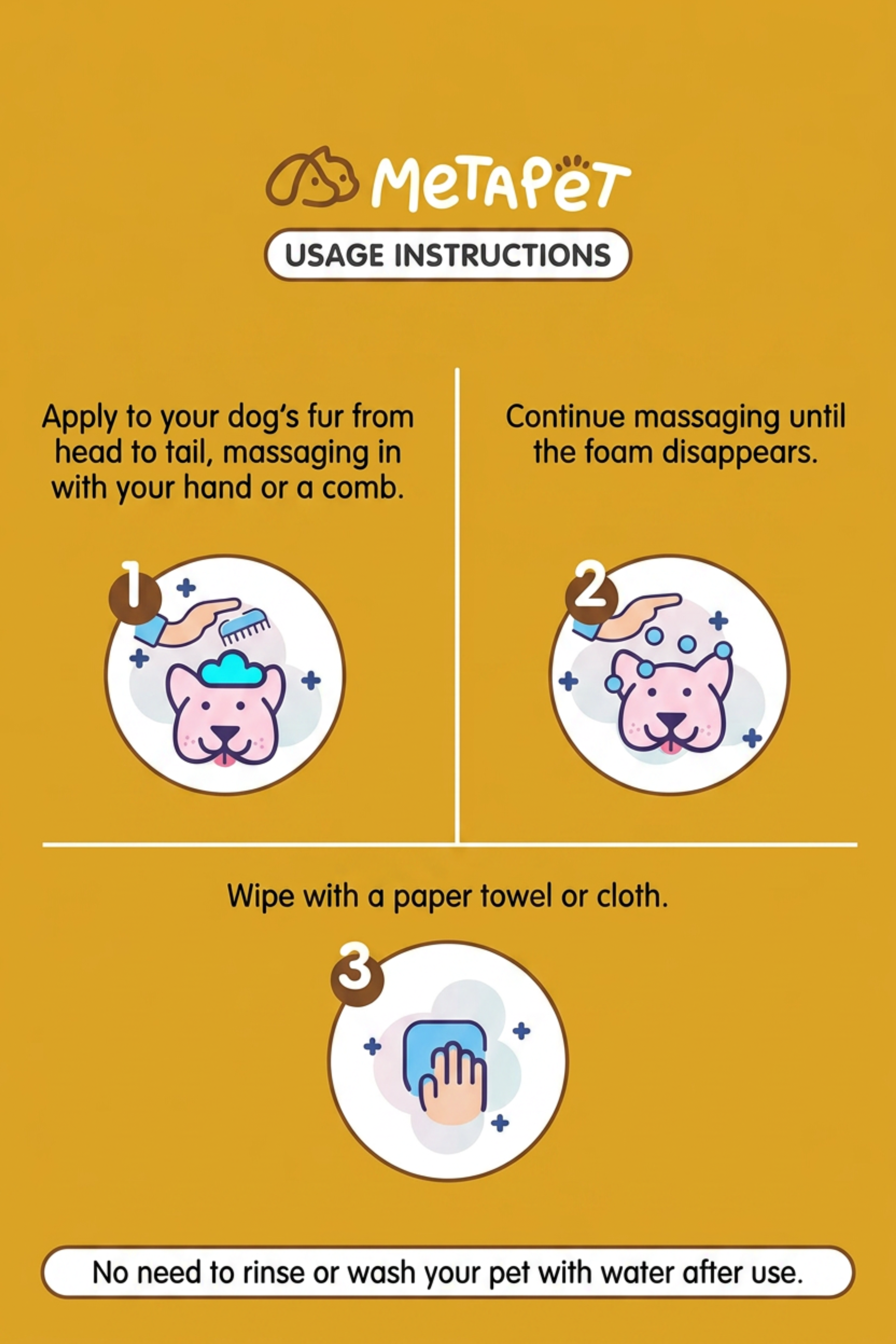
For cats who find full baths stressful or physically difficult to tolerate, a low-fuss spot-clean approach is often easier. Products such as MetaPet's Oh My Sensitive Baby! Waterless Dry Foam Shampoo for Cats or Nano-Series Hygiene & Care Towel Wipes are designed for freshening the coat between full washes, which some owners find more practical than lifting an unsteady cat into a tub.
These are cosmetic grooming aids and part of a general care routine only - they are a complement to proper veterinary care and are not intended to diagnose, treat, cure or prevent any condition. If your cat's coat becomes greasy, matted or flaky, or if there are skin changes, speak to your veterinarian rather than reaching for a product.
Keep nails trimmed on a schedule, since overgrown claws catch on rugs and make an unsteady cat more likely to fall. If nail trims are difficult, your veterinary team or a groomer experienced with special-needs cats can help.
Play, Enrichment and Quality of Life
Wobbly cats play. They may hunt a wand toy from a sitting position, bat at a ball while lying down, or pounce with more enthusiasm than accuracy. Adapting play means meeting them where they are: keep toys at floor level, use larger and slower-moving targets, and choose soft surfaces so tumbles are harmless.
Food puzzles and scent games work well because they engage the brain without requiring precise movement. Simple options include scattering a portion of dry food across a towel, hiding treats in an egg box, or using a flat puzzle mat rather than a tall dispenser that must be knocked over.
Quality of life for these cats is generally excellent, and that is worth saying plainly. They eat, play, purr, seek company and sleep in sunbeams like any other cat. The wobble is a mobility difference, not a measure of contentment.
Adopting a Cat With Cerebellar Hypoplasia
- Ask about severity honestly. Can the cat reach a litter box unaided? Can it eat without assistance? These practical answers matter more than a label.
- Plan for indoor-only life. Outdoor access is generally unsafe, so ensure your home can meet the cat's enrichment needs indoors.
- Budget for routine veterinary care. The condition itself needs no treatment, but these cats still need vaccinations, parasite prevention, dental care and wellness checks like any other.
- Prepare the space before arrival. Rugs down, gates up, litter boxes chosen, bowls stabilized.
- Consider household traffic. A busy home with running children and open staircases needs more adaptation than a quiet one.
- Think about companions. Many CH cats live happily with other pets, but introductions should be slow and supervised, and a boisterous playmate may knock an unsteady cat over.
Rescue organizations often have wobbly cats waiting far longer than they should. Owners who take them on frequently describe them as among the most rewarding cats they have shared a home with.
When to Contact Your Veterinarian
Because this condition is stable, any change is meaningful. Contact your veterinarian if your cat's coordination suddenly worsens, if a head tilt or circling appears, if there are seizures, if the cat becomes dull or disoriented, or if appetite drops away.
Also seek advice for the ordinary problems that any cat can develop - urinary difficulty, vomiting, weight loss, breathing changes - and mention the cerebellar condition so it is factored into handling and hospitalization plans. Many clinics will happily adapt kenneling with extra padding and low-sided litter trays.
For any medical emergency, contact your veterinarian or the nearest emergency clinic immediately. A cat with cerebellar hypoplasia is not more fragile medically, but its normal baseline is unusual, so your description of what has changed is especially valuable to the team assessing it.