Squamous Cell Carcinoma in Cats: A Skin Cancer Guide

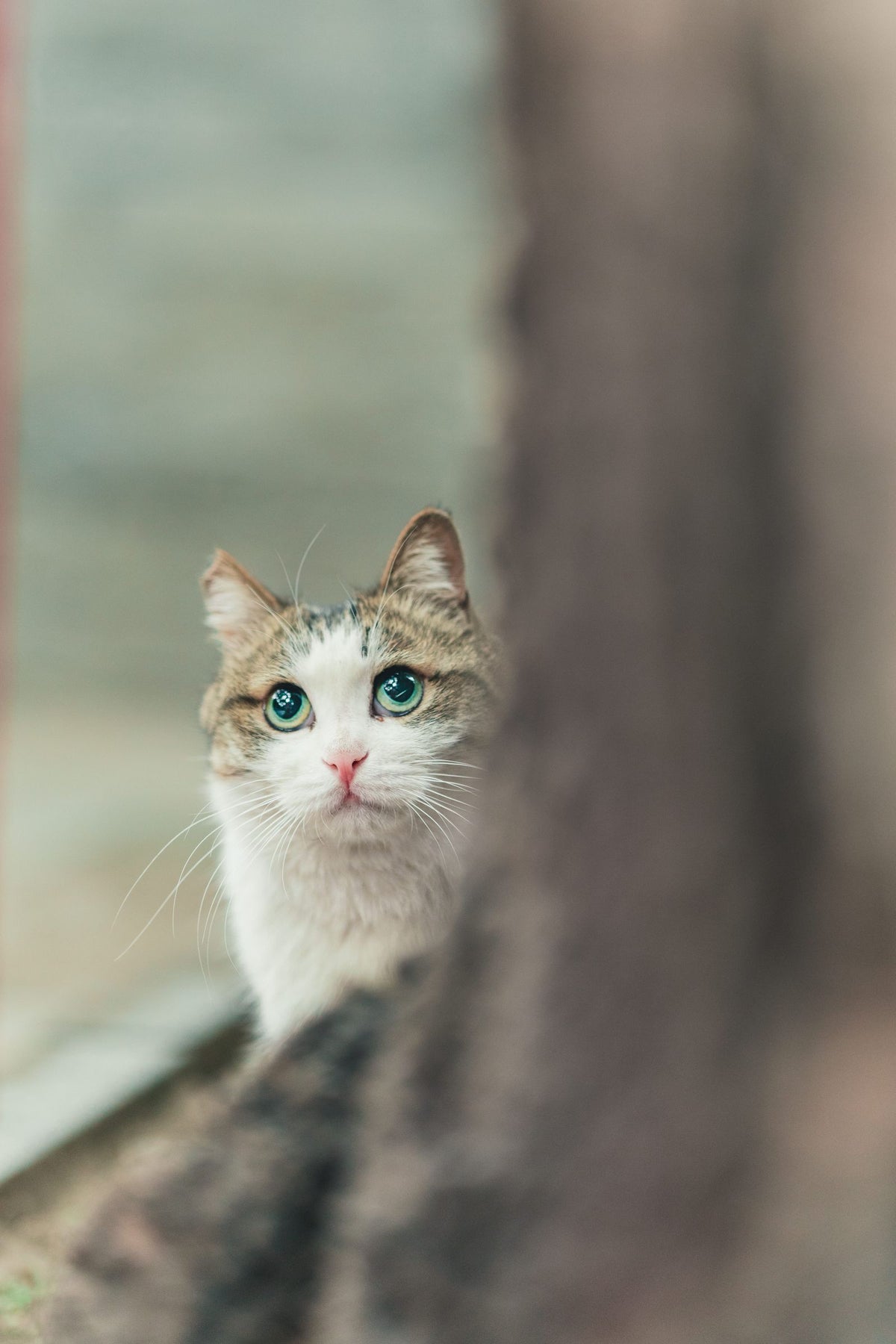
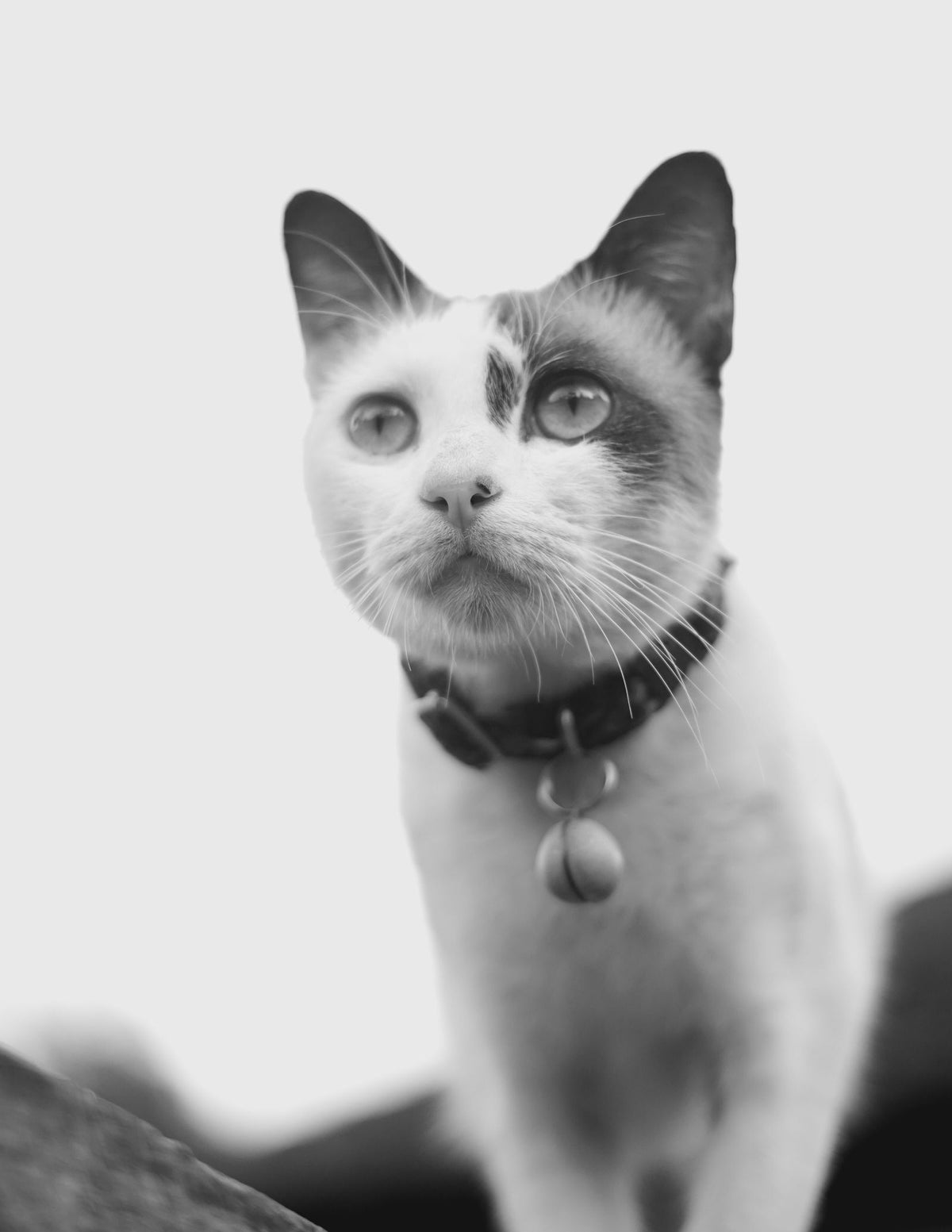
If you share your home with a white cat, or a cat with white ears and a pink nose, this is a condition worth knowing about. Squamous cell carcinoma is one of the more common skin cancers in cats, and the version affecting ear tips, eyelids, and noses is strongly linked to cumulative sun exposure over years.
The encouraging part is that it usually starts small and superficial, in places an owner can see. The discouraging part is that those early changes look exactly like a scab that will heal on its own — so they are often watched for months. This guide covers what to look for, when to act, and how sun management fits into everyday life with a cat.
Important: This article shares general educational information for pet owners and is not a substitute for an in-person veterinary examination, diagnosis, or treatment. For any medical concern or emergency, contact your veterinarian promptly.
What Squamous Cell Carcinoma Is
Squamous cells make up the outer layer of the skin and line several other surfaces, including the mouth. Squamous cell carcinoma is a malignant tumor arising from these cells. In cats it appears in two broadly different situations that are worth separating, because they behave and present differently.
- Cutaneous (skin) form: typically on lightly pigmented, thinly haired, sun-exposed sites — ear tips, nose, eyelids, and lips. Often slow to spread but locally destructive.
- Oral form: arising inside the mouth, frequently under the tongue or in the jaw. This form is aggressive and is usually advanced by the time it is noticed.
The skin form is the one where owner vigilance changes outcomes most, because it is visible from the outside and progresses through a recognizable sequence before it becomes invasive.
The Sun Connection
Ultraviolet light damages skin cells over time. Pigment offers protection, hair offers protection, and cats who have neither on their ear tips and nose accumulate damage year after year. This is why the condition clusters so strongly in white and white-faced cats, and in sunnier climates and higher altitudes.
- White or white-marked cats: clearly over-represented, particularly those with white ears and a pink nose.
- Outdoor and sun-seeking cats: more cumulative exposure.
- Indoor cats are not exempt: cats who sunbathe by a window still accumulate exposure, as ordinary window glass does not block all ultraviolet wavelengths.
- Older cats: because damage is cumulative, cases are concentrated in middle-aged and senior cats.
- Sunny regions and altitude: higher ultraviolet intensity increases risk.
Sun exposure is not the whole story — the oral form is not sun-related, and other factors are under investigation — but for the ear-and-nose form it is the dominant and most modifiable factor.
How It Progresses on the Skin
The skin form typically moves through stages, and recognizing the early ones is the whole point of this article.
- Solar dermatitis: mild redness and slight scaling on ear tips or nose, often intermittent and easy to dismiss.
- Persistent crusting: a scab that forms, comes off, and forms again in the same spot over weeks or months.
- Pre-cancerous change: thickened, roughened skin that no longer looks like ordinary irritation.
- Carcinoma in situ: cancerous cells confined to the surface layer — still the best point to intervene.
- Invasive carcinoma: an ulcerated, eroded lesion that destroys the ear margin or nasal tissue and no longer resolves at all.
The critical clinical rule for owners is simple: any scab, sore, or crust on a cat's ear tip or nose that is not healing normally, or that keeps returning to the same spot, should be seen by a veterinarian. Repeated healing and recurring in the same site is just as significant as a sore that never heals.
Signs of the Oral Form
Oral squamous cell carcinoma is far harder to catch early because cats hide mouth pain exceptionally well. The signs are usually indirect and easily attributed to dental disease or aging.
- Drooling: particularly if new, or blood-tinged.
- Reduced appetite or approaching food then walking away: a classic mouth-pain pattern.
- Dropping food or chewing on one side: or swallowing food whole when they normally chew.
- Marked bad breath: beyond ordinary dental odor.
- Facial or jaw swelling: or asymmetry when viewed from the front.
- Loose teeth in a cat without severe dental disease: worth investigating.
- Weight loss: often the first thing owners actually notice.
- Reduced grooming: leading to a scruffy, unkempt coat.
Any of these warrant a veterinary appointment. They are not specific to cancer — dental disease and several other conditions produce the same picture — but they all need a proper oral examination, which in cats usually means sedation to see everything properly.
How It Is Diagnosed
As with any lump or non-healing lesion, appearance suggests but tissue confirms.
Biopsy
A tissue sample examined by a pathologist is the definitive step. For small ear-tip lesions, the biopsy and the treatment can sometimes be the same procedure, since removing the affected tissue with a margin both diagnoses and addresses it.
Staging
Depending on the site and how advanced it is, your veterinarian may recommend sampling local lymph nodes and imaging the chest. For oral disease, advanced imaging such as CT is commonly used to assess how far the tumor extends into bone.
General health workup
Blood work and, in many cats, screening for viral status help build the overall picture and assess anesthetic suitability, particularly in older patients.
General Treatment Approaches
Your veterinarian will design the plan; the following describes the approaches used in general terms so the conversation is easier to follow.
- Surgical removal: the mainstay for skin lesions. For ear tips this means removing the affected pinna margin — cats tolerate this very well and adapt quickly, and hearing is not meaningfully affected.
- Nasal planum surgery: for nose lesions, more extensive surgery may be needed. It changes appearance noticeably, but cats generally cope far better than owners expect.
- Radiation therapy: an option for certain sites and stages, sometimes alongside surgery.
- Other local therapies: for very superficial disease, specialists may discuss options such as cryotherapy or photodynamic approaches depending on availability.
- Palliative and comfort care: always a legitimate path, focused on pain control and eating well, particularly for advanced oral disease in a frail cat.
For skin lesions caught while still superficial, complete surgical removal often gives an excellent long-term result. This is the strongest practical argument for not watching an ear-tip scab through a whole summer.
Reducing Sun Exposure in Practice
For an at-risk cat, sun management is genuinely worthwhile and mostly a matter of routine rather than restriction.
- Keep at-risk cats in during peak sun: roughly late morning to mid-afternoon is when ultraviolet intensity is highest.
- Move sunbathing spots: a favorite window shelf can be relocated, or the window fitted with ultraviolet-filtering film.
- Provide shaded outdoor options: a covered catio or shaded run lets a cat enjoy outside air with far less direct exposure.
- Ask about pet-safe sun products: only ever use a product your veterinarian specifically recommends for cats, as many human sunscreen ingredients are unsafe for them and cats groom whatever is applied.
- Check ears and nose monthly: a quick look in good light, noting anything new.
- Photograph any lesion with a date: so change is measurable rather than remembered.
Never apply a human sunscreen, essential oil, or home remedy to a cat's skin without veterinary guidance. Cats are unusually sensitive to a number of common ingredients and will ingest anything applied to a reachable surface.
Aftercare Following Surgery
Ear tip and nose surgery has a straightforward recovery, but the first two weeks need attention.
- Keep the protective collar on: scratching at a healing ear can undo the repair in seconds.
- Follow medication instructions exactly: pain relief supports eating and normal behavior.
- Check the site daily: and report increasing redness, swelling, discharge, or odor to your veterinarian.
- Keep them indoors until cleared: healing tissue and outdoor life do not mix.
- Attend the follow-up: the pathology report guides whether anything further is recommended.
- Continue sun management afterward: a cat who developed one sun-related lesion remains at risk of developing others.
Supporting a Cat Through Treatment at Home
Whether your cat is recovering from surgery or being managed for advanced disease, the practical priorities at home are the same: comfortable eating, effective pain relief, and a low-stress environment. Cats hide discomfort well, so this is a situation where routine observation beats waiting for obvious signs.
- Track eating carefully: weigh out food rather than eyeballing it, and note what is actually consumed. A cat who stops eating needs veterinary attention promptly, because cats develop serious secondary liver problems when they go without food.
- Make food easy to reach and appealing: shallow wide bowls, food warmed slightly to release aroma, and soft textures if the mouth is sore.
- Keep pain relief on schedule: prescribed medication works best given consistently rather than only when a cat looks uncomfortable.
- Never improvise medication: many human painkillers are severely toxic to cats, including some available without prescription.
- Weigh weekly: a kitchen scale and a carrier gives an objective trend that catches decline earlier than appearance does.
- Reduce stress: quiet resting places, predictable routine, and minimal disruption support both appetite and recovery.
Keep a short daily note of appetite, energy, grooming, and interaction. Reviewed over two weeks it gives you and your veterinarian a far clearer picture of direction than any single day can.
Common Misconceptions
- "Indoor cats can't get sun damage." Window sunbathing still delivers some exposure, because ordinary glass blocks most of one part of the ultraviolet spectrum but lets another part through. Cats who sunbathe indoors are not risk-free, even though outdoor cats accumulate the most damage.
- "It's just a scab from fighting." Possibly — but a scab that recurs in the same spot on an ear tip for months is not a wound.
- "He's too old for surgery." Age is not a disease. Modern anesthetic protocols and pre-anesthetic screening make careful surgery possible in many senior cats; ask rather than assume.
- "Only pure white cats are at risk." Any cat with white ears, white eyelids, or a pink nose is at risk, whatever the rest of the coat looks like.
- "Removing an ear tip is cruel." Cats adapt extremely quickly and the alternative — progressive destruction of the ear — is far worse.
When to Book an Appointment
- Any sore, scab, or crust that is not healing normally: especially on ear tips or nose.
- A lesion that keeps recurring in the same place: even if it heals in between.
- Persistent redness or thickening on the ear margins: the early stage worth catching.
- Drooling, dropping food, or a change in eating: a mouth examination is needed.
- Unexplained weight loss in an older cat: always worth investigating.
- Bleeding from the nose or mouth: contact your veterinarian promptly.
If you have a white-eared, pink-nosed cat, make an ear and nose check part of your monthly routine and manage the peak-sun hours. It is a small habit that addresses the most preventable risk factor for one of the more common skin cancers in cats — and anything you do find will be found at the stage where it is most manageable.