Trick Training for Dogs and Cats: A Beginner's Guide
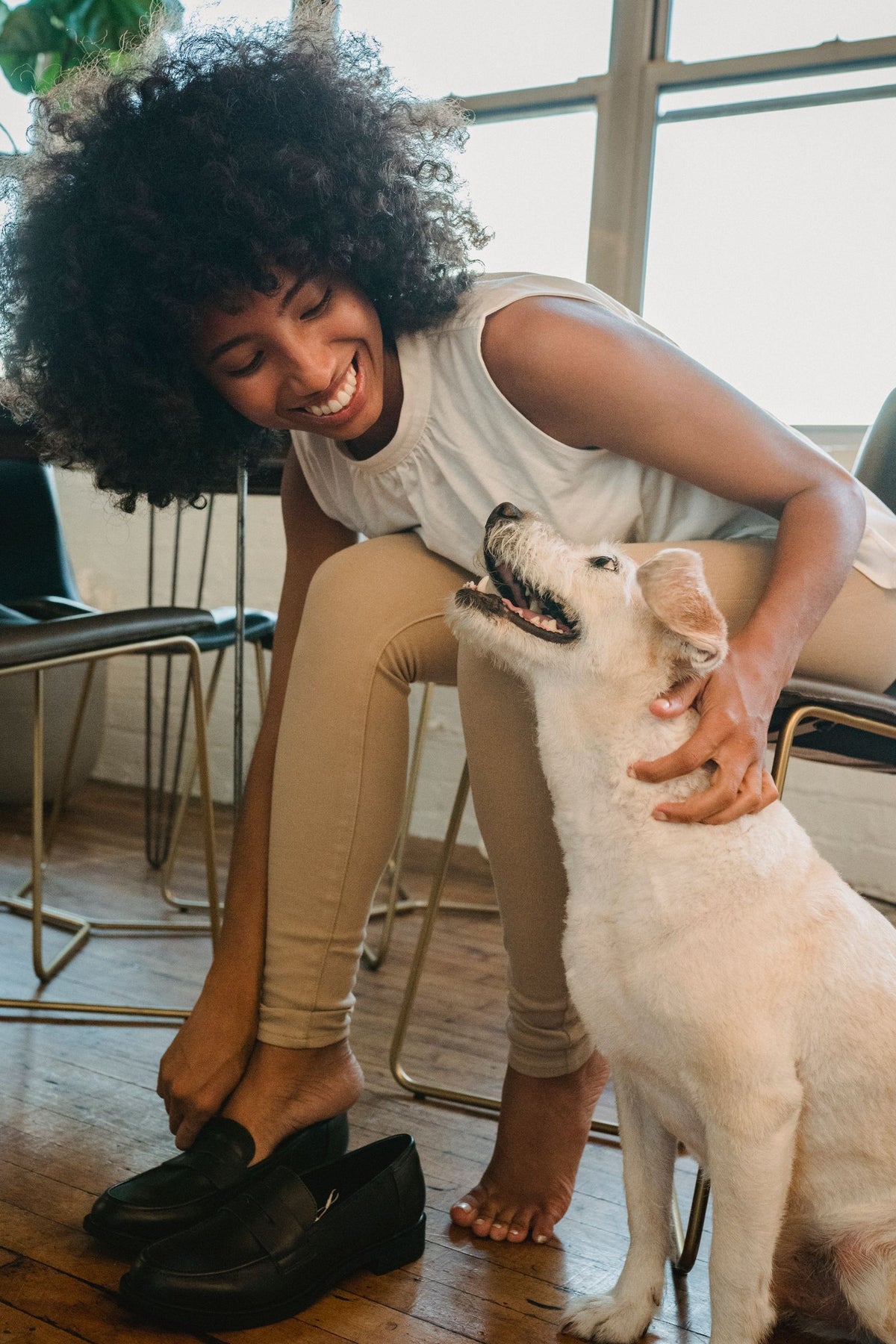
Trick training has an image problem. It sounds like something for show dogs and social media, a frivolous extra once the serious obedience is done. In practice it is one of the most useful things an ordinary owner can do with an ordinary pet, and the tricks themselves are almost beside the point. What matters is the process: short bursts of focused problem-solving, built on rewards, that leave a pet mentally tired and a person considerably better at communicating with their animal.
It also works on cats, which surprises people. Cats are not less trainable than dogs; they are differently motivated. A cat will not work for social approval the way many dogs will, but a cat that is genuinely interested in a food reward and given short, low-pressure sessions will learn a paw target or a sit as readily as any terrier.
This guide covers the mechanics — markers, timing, luring, shaping — and then walks through a handful of first tricks that suit both species. It also covers session length, common mistakes, and how to keep a trained behavior from fading once you stop actively practicing it.
Important: This article shares general educational information for pet owners and is not a substitute for an in-person veterinary examination, diagnosis, or treatment. For any medical concern or emergency, contact your veterinarian promptly.
Why Bother With Tricks
The most immediate benefit is mental exercise. Ten minutes of concentrated learning tires many pets more effectively than a considerably longer walk, because thinking is metabolically demanding and unfamiliar tasks require sustained attention. For dogs on restricted exercise, indoor cats, and pets in small homes, this is genuinely valuable.
The second benefit is the relationship. Trick training is a cooperative activity with a clear reward structure, and pets that do it regularly tend to offer more attention and engage more readily with their owners generally. The third benefit is that it makes you a better trainer. Timing, criteria setting, and reward delivery are the same skills used in serious behavior work, and tricks are a low-stakes place to practice them.
- Mental tiredness: concentrated learning is genuinely fatiguing in a useful way.
- Better communication: both parties get faster at reading each other.
- Transferable skills: the same mechanics underpin recall, settle, and handling training.
- Practical spin-offs: many tricks double as useful behaviors for grooming and vet visits.
The Marker: The Single Most Important Tool
A marker is a short, distinct signal that means one thing: what you just did earns a reward. It can be a clicker, or a single spoken word used consistently — yes or good works well, provided it is said the same way every time and is not used casually in conversation.
The marker matters because it solves a timing problem. Rewards are slow; by the time you have reached into a pouch and delivered a treat, your pet has usually done three other things. The marker fires at the exact instant of the correct behavior and buys you the seconds needed to deliver the food. Without one, most beginners accidentally reward the wrong thing.
- Charge the marker first: click or say the word, then immediately deliver a treat, ten to fifteen times, asking nothing of your pet.
- Repeat over two or three short sessions until your pet visibly looks to you for food when it hears the marker.
- Only then begin using it to mark behaviors.
- Always follow the marker with a reward, even if you marked by mistake — otherwise the signal loses its meaning.
- Keep the marker crisp and identical every time; a drawn-out or varied version is much less useful.
Luring, Capturing, and Shaping
There are three basic ways to get a behavior to happen so you can reward it, and most training uses a combination of all three.
- Luring: using a treat held near the nose to guide the pet into a position. Fast and intuitive, but the lure has to be faded early or the pet becomes dependent on seeing food first.
- Capturing: waiting for the pet to do something naturally — a stretch, a yawn, a head tilt — and marking it. Slower to set up but produces very natural-looking behaviors.
- Shaping: rewarding successive approximations toward a goal. Marking a glance at an object, then a step toward it, then a touch. This is the most powerful method and the one that best develops a pet's problem-solving.
Fade lures within the first handful of repetitions. The usual sequence is: lure with food in the hand, then make the same hand movement without food, then shrink the movement into a small hand signal, then add a spoken cue. Skipping this progression is the most common reason a trick works in the kitchen and falls apart everywhere else.
Session Length and Reward Choice
Short and frequent beats long and occasional. Two or three sessions a day of two to five minutes each will outpace one twenty-minute session, because attention degrades quickly and a pet that gets frustrated learns to disengage. Always stop while your pet still wants more.
- Dogs: three to five minutes per session, one to three sessions a day, is plenty for most.
- Cats: one to three minutes is often the realistic ceiling, and that is fine.
- Reward size: tiny. A pea-sized piece for a medium dog, smaller for a cat. Many repetitions need small rewards.
- Reward value: use something genuinely exciting for new behaviors and ordinary food for well-known ones.
- Daily allowance: subtract training food from the daily ration to avoid unwanted weight gain over time.
If your pet is on a prescribed or restricted diet, ask your veterinarian which foods are suitable to use as training rewards and how to account for them within the daily total. For pets who are less food-motivated, a favorite toy or a few seconds of a preferred game can work as the reward instead.
Five First Tricks That Work for Dogs and Cats
1. Hand target (touch)
Hold a flat palm a few inches from your pet's nose. Most animals investigate it. The instant the nose touches, mark and reward. Repeat, then add the cue word. This is the most useful trick on the list, because it gives you a way to move your pet without touching them — helpful at the vet, on stairs, or getting a cat off a counter.
2. Sit
Lure a treat slowly up and slightly back over the head. As the nose rises, the rear tends to lower. Mark the moment the rear touches the ground. Cats sit readily with this method, often faster than owners expect.
3. Paw or high five
Hold a treat in a closed fist near the floor. Most pets paw at the hand eventually. Mark the paw contact, then shape toward an open palm at increasing heights. This one also makes routine paw handling and nail care noticeably easier.
4. Spin
Lure in a slow circle at nose height. Mark the completed turn, then fade the lure into a small circular finger motion. Good physical warm-up and easy for both species, though check with your veterinarian first for pets with joint or back concerns.
5. Go to mat
Place a mat down and mark any interaction with it, building from a glance to a step to standing on it to lying down. Genuinely useful as well as a trick — it gives you somewhere to send your pet during meals or when visitors arrive.
Training Cats: What Is Different
The mechanics are identical. The management around them needs adjusting, because cats disengage rather than argue when a session is not working, and a cat that has disengaged is difficult to re-recruit that day.
- Timing matters more: train shortly before a meal when food interest is highest.
- Keep it very short: end after a handful of successful repetitions, not when the cat gets bored.
- Reduce distractions: a quiet room with the door closed and no other pets present.
- Never physically place a cat: pushing a cat into position reliably ends the session.
- Use a target stick or hand: many cats take to targeting more readily than to position-based tricks.
- Let the cat leave: a cat that can walk away at any time is far more likely to come back tomorrow.
Clicker training is particularly well suited to cats, because the sharp sound is easy for them to discriminate and the marker-then-reward structure suits an animal that likes predictable rules.
Common Mistakes
Beginners tend to make the same handful of errors, and recognizing them shortens the learning curve considerably.
- Sessions that run too long: stop before the pet loses interest, not after.
- Adding the cue too early: name the behavior only once the pet is performing it reliably, or the cue attaches to something else.
- Raising criteria too fast: if success drops below roughly four in five attempts, go back a step.
- Repeating the cue: saying sit five times teaches your pet that the cue is the whole phrase.
- Keeping the lure forever: fade food from the hand within the first few sessions.
- Training in a distracting environment: start somewhere quiet and add difficulty deliberately, not accidentally.
- Training a stressed or unwell pet: a pet that is uncomfortable will not learn well, and pushing on damages the association.
Keeping Tricks From Fading
Behaviors that are never practiced weaken. That does not mean daily drilling — a well-established trick needs only occasional maintenance — but it does mean building a few into everyday life so they get rehearsed naturally.
- Ask for a hand target before putting the lead on, so it gets practiced daily.
- Ask for a sit before meals, which reinforces it several times a week with no extra effort.
- Use go-to-mat whenever you eat or someone comes to the door.
- Run a short refresher of older tricks once a week rather than only ever training new ones.
- Occasionally practice in new locations, since behaviors that are only trained in one room often do not transfer.
Health and Safety Considerations
Trick training is low risk, but a few sensible precautions apply, particularly for physical tricks and for pets that are not young and healthy.
- Check with your veterinarian first: for senior pets, pets with known joint or back conditions, or any pet recovering from illness or surgery.
- Avoid jumping and standing tricks: in growing puppies and kittens, and in pets with any mobility concern.
- Train on non-slip surfaces: hard floors and rugs that slide are a common cause of minor strains.
- Watch for fatigue: stop if your pet slows, pants heavily, or seems reluctant.
- Stop for pain: any yelp, limp, or reluctance to use a limb means stopping and contacting your veterinarian.
- Account for treats: training food should come out of the daily ration, especially for pets managing their weight.
If your pet shows a sudden reluctance to perform a behavior it previously enjoyed, treat that as possible discomfort rather than stubbornness and arrange a veterinary examination.
Getting Started This Week
Pick one trick, ideally the hand target, and one marker word. Spend two short sessions charging the marker, then three or four days building the target. Keep the sessions under five minutes, keep the treats small, and stop while your pet is still keen. That is the entire starting protocol, and most owners are surprised how quickly the first behavior comes together.
After that, the pattern repeats for everything else: get the behavior to happen, mark it precisely, reward it immediately, fade the lure, add the cue, then practice in new places. The tricks are the visible output, but the real result is a pet that has learned how to learn and an owner who has learned how to teach.
This is general educational information for healthy pets. Before starting any physical training with a senior pet, a growing puppy or kitten, or an animal with a known health condition, check with your veterinarian, who can advise what is appropriate for your individual pet.