Double-Coated Dogs: Brushing, Bathing, and Coat Blow Care

Siberian Huskies, German Shepherds, Golden Retrievers, Corgis, Pomeranians, and Samoyeds look very different, yet they share one feature that shapes their grooming needs: a double coat. Two layers of hair insulate the body and shield the skin, and they shed on a seasonal rhythm that can fill a vacuum in an afternoon. Caring for this coat is less about frequent baths or haircuts and more about moving loose undercoat out before it packs down. This guide explains how a double coat works, how to brush and bathe it well, and which coat changes deserve a veterinary exam.
Important: This article shares general educational information for pet owners and is not a substitute for an in-person veterinary examination, diagnosis, or treatment. For any medical concern or emergency, contact your veterinarian promptly.
What a Double Coat Is and What It Does
A double coat has two distinct layers, and each has its own job.
- Undercoat: short, soft, and dense. It traps a layer of air close to the body and provides most of the insulation.
- Guard hairs: longer, coarser outer hairs that lie over the undercoat. They shed water and dirt, give the coat its color, and shield the skin from sun and scrapes.
In cold weather the undercoat holds warm air against the skin. In warm weather the dog sheds much of that undercoat, and a clean, well-brushed coat lets air move between the guard hairs while still shading the skin. Dogs cool themselves mainly by panting, so the coat is a buffer, and it works best when loose undercoat is not trapped inside it.
Coat Blow: What to Expect and How Often to Brush
Double-coated dogs shed some hair year-round, but most also go through a heavier seasonal shed called blowing coat. Changing day length is the main trigger, with temperature playing a part, so the classic timing is spring and fall.
During a coat blow, the undercoat loosens in soft tufts, often starting around the hindquarters, flanks, and neck ruff. The coat can look patchy for a few weeks because clumps release at different times. This is normal as long as the skin underneath looks healthy.
- Most of the year: a thorough brushing at least once a week suits most double coats. Longer, denser coats such as a Samoyed's often need more than a Corgi's.
- During a coat blow: switch to short sessions every day or every other day. A bath and thorough drying near the start of the shed loosens a great deal of undercoat at once.
For the broader picture of why pets shed, see our guides to shedding and a healthy coat and managing shedding and coat health.
The Right Tools for a Double Coat
A short-bristle brush skims the top of a thick coat. These tools reach the layer that matters:
- Undercoat rake: widely spaced teeth that reach through the guard hairs and lift out loose undercoat. Choose rounded tips.
- Slicker brush: fine, bent wire pins that gather loosened hair and smooth feathering on the legs and tail. Use a light hand; pressing can scratch the skin.
- Wide-tooth comb: the honesty check. If a comb glides from skin to tip, that area is done.
- High-velocity dryer: a forced-air dryer that pushes water and loose undercoat out of the coat.
Our grooming tools guide compares brush types.
Line Brushing, Step by Step
Line brushing is how groomers make sure a coat is brushed down to the skin, not just across the surface.
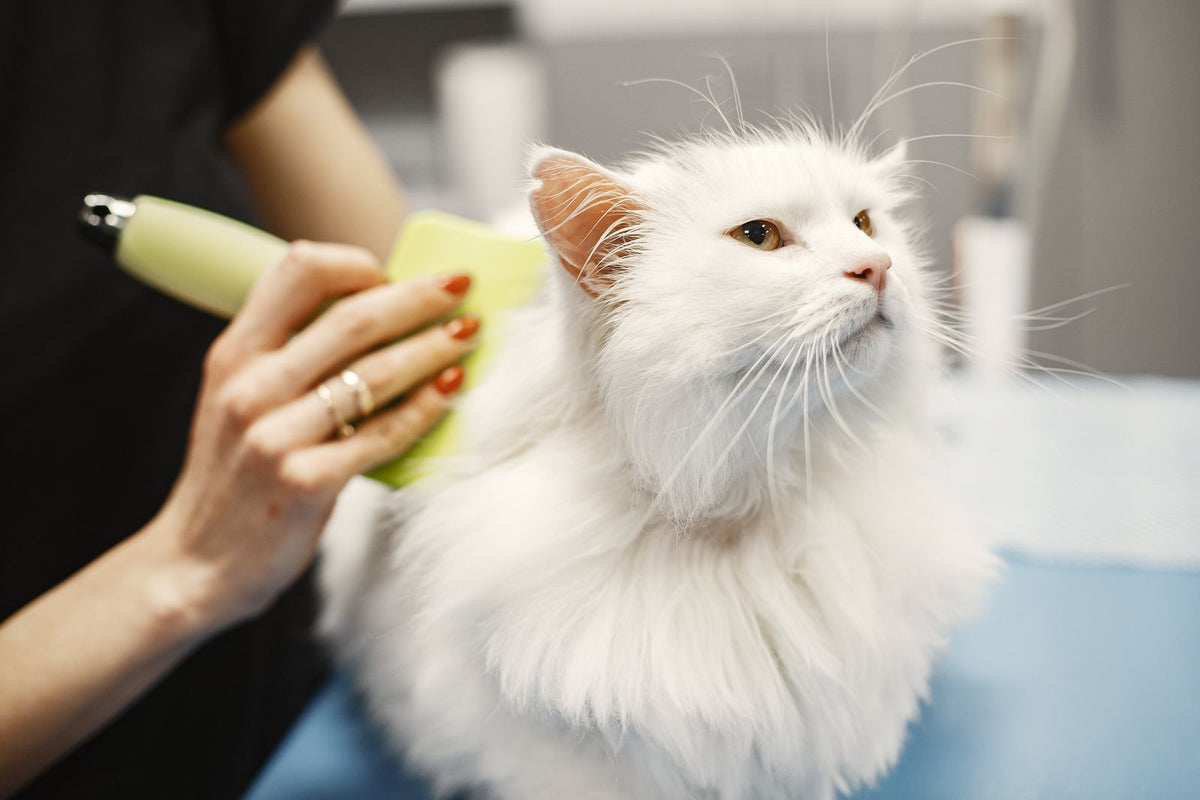
- Settle your dog on a non-slip surface, lying on one side if comfortable, and give the coat a light mist of water or grooming spray, since brushing a completely dry coat creates static and can snap guard hairs.
- Start low on the body, at the back leg or belly edge. With your free hand, push the coat up against the direction of growth until you see a line of skin.
- Brush a thin layer of hair down from that line, working from the skin outward with short, gentle strokes.
- Move your hand up slightly to release the next thin layer and brush it down over the first, keeping the skin line visible.
- Work in rows toward the spine, then repeat on the chest, neck ruff, the feathering on the back legs, and tail. Turn your dog and do the other side.
- Finish with the wide-tooth comb. Anywhere it snags, go back and line brush again.
During a coat blow, lift out the bulk with the undercoat rake first. Pay extra attention to friction zones behind the ears, in the armpits, and under the collar, and look at the skin as you go, because thick coats hide parasites, lumps, and sore spots.
Bathing and Drying a Double Coat Well
Double-coated dogs rarely need frequent baths, but each one must be thorough.
- Brush out first: always line brush before the bath. Water tightens tangles and felts loose undercoat.
- Wet to the skin: the coat is built to shed water, so soak with lukewarm water and work it in with your fingers until the skin itself is wet.
- Work shampoo through the layers: scrubbing the surface in circles creates tangles.
- Rinse, then rinse again: residue trapped in dense undercoat can irritate the skin and dull the coat. Rinse until the water runs clear.
- Squeeze and blot: press water out with your hands and towels; vigorous rubbing causes tangles.
- Dry completely to the skin: part the coat and feel the base of the hair on the chest, belly, armpits, and tail base before you call it done.
Undercoat that stays damp next to warm skin creates the moist conditions in which skin trouble such as hot spots can develop.
Using a high-velocity dryer carefully
Introduce the dryer gradually, starting on the lowest setting at a distance and rewarding calm behavior. Never aim it at the eyes, ears, or rear end, and stop if your dog panics. Dry the head with a towel. If you use a household hair dryer, choose a cool or low setting and keep it moving, because hot air held in one spot can burn skin. Our guide to drying after a bath has more detail.
Grooming Helpers from MetaPet
A few grooming products can make this routine easier. They are cosmetic grooming conveniences, not medicines, and they complement veterinary care without substituting for it.
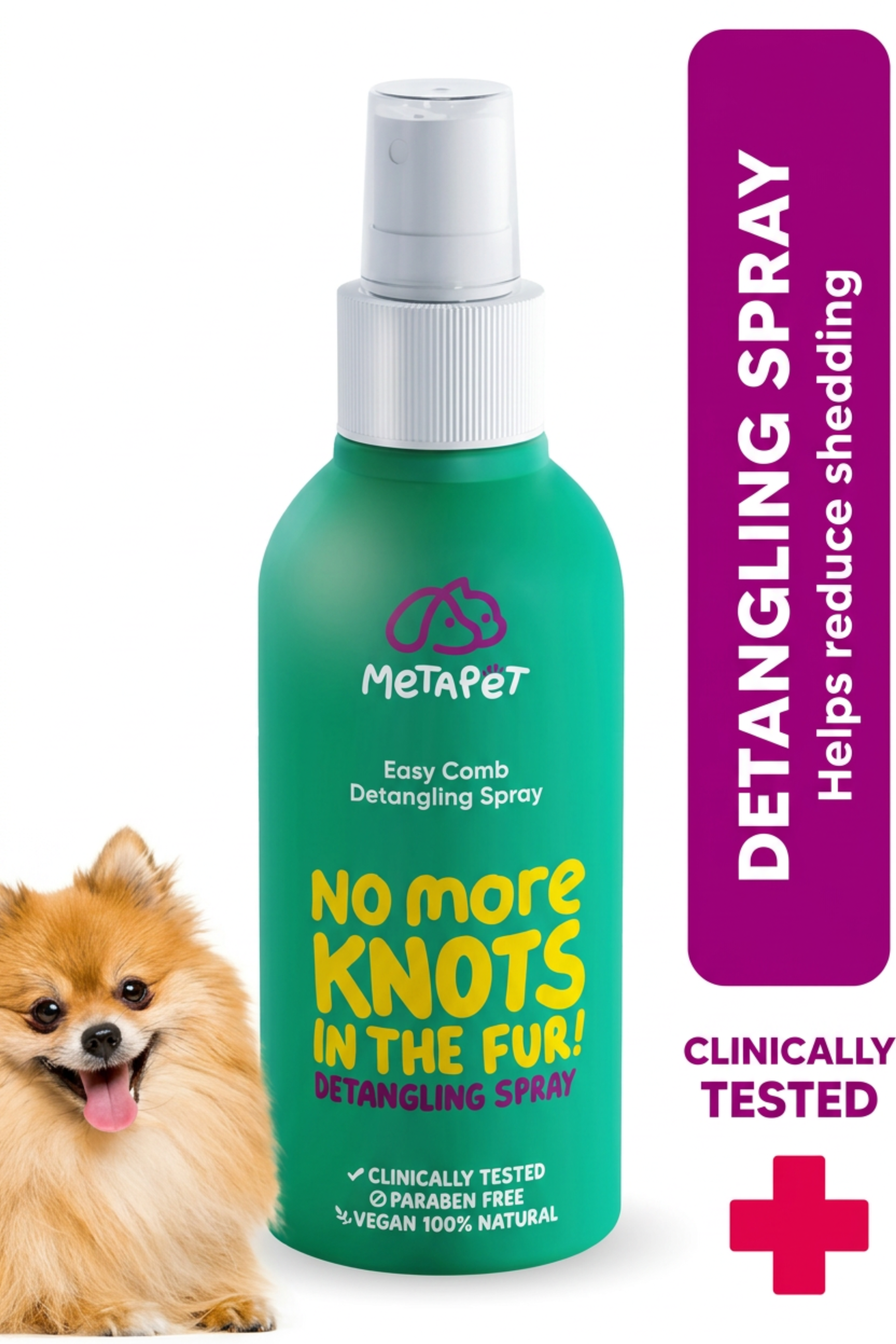
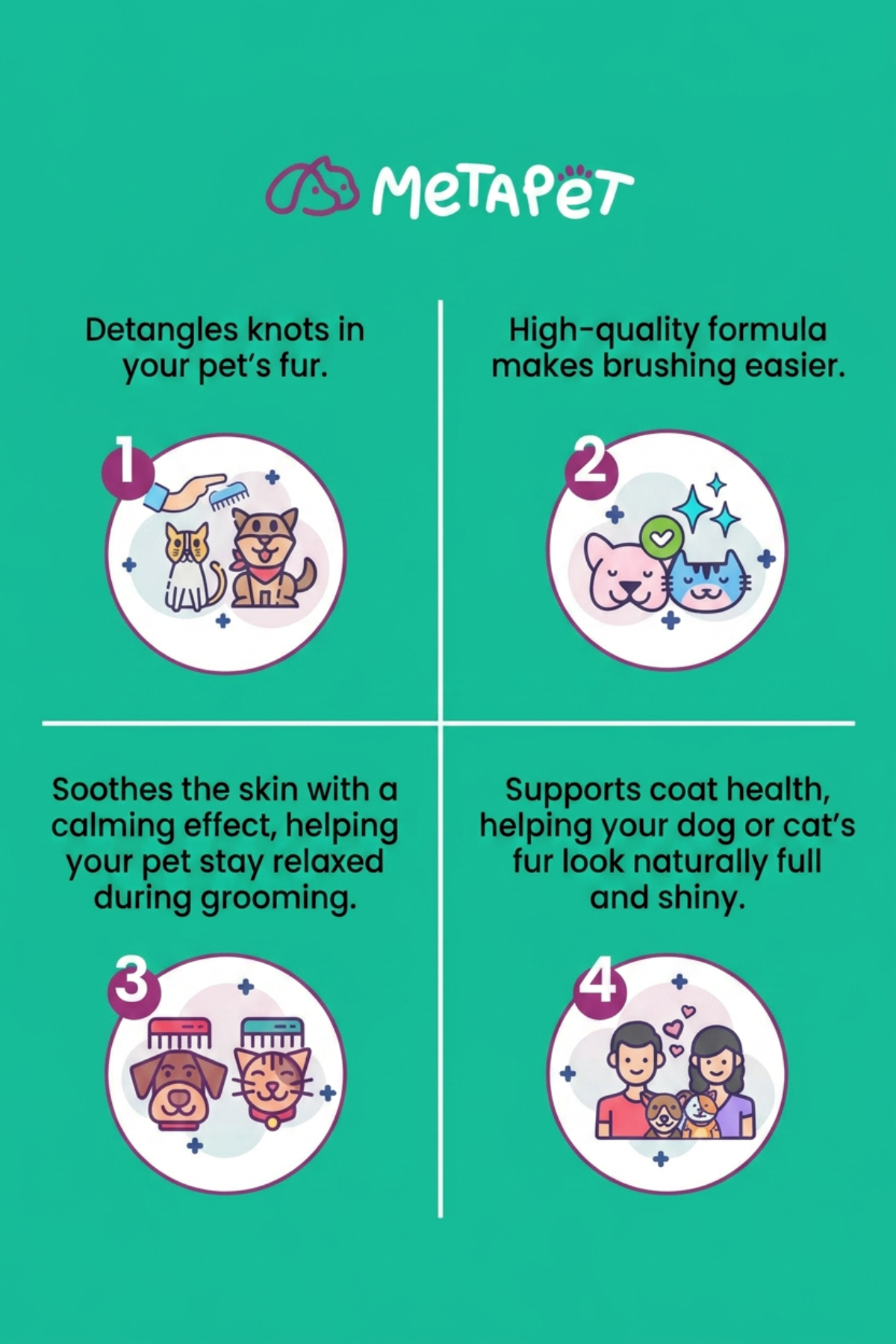
- For brushing: MetaPet No More Knots in the Fur is a detangling and easy-combing spray for cats and dogs. It helps loosen knots, makes brushing easier and more comfortable, and supports a full, shiny-looking coat. The formula is paraben-free and pH-balanced. Shake, spray onto damp or dry fur, and comb through.
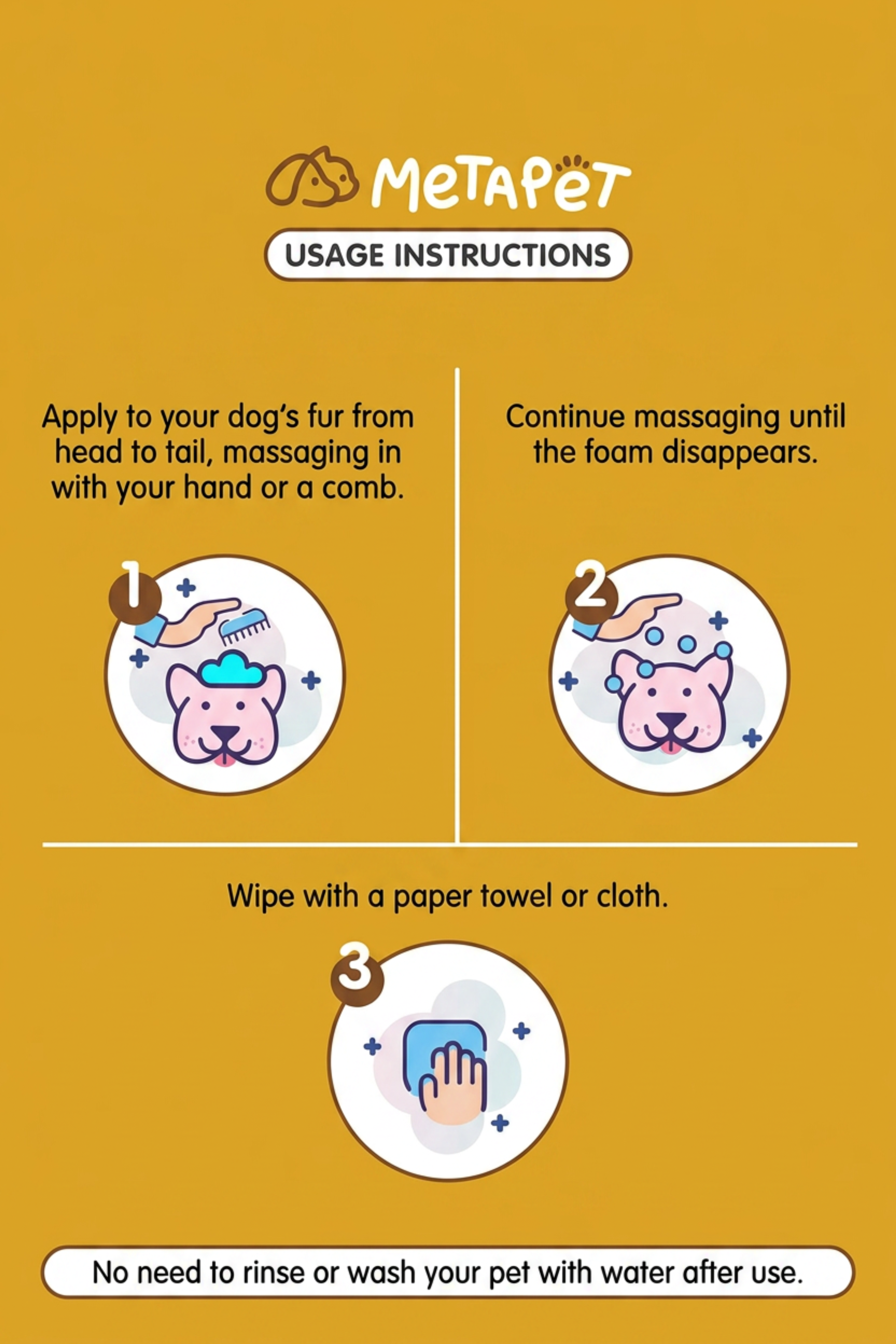
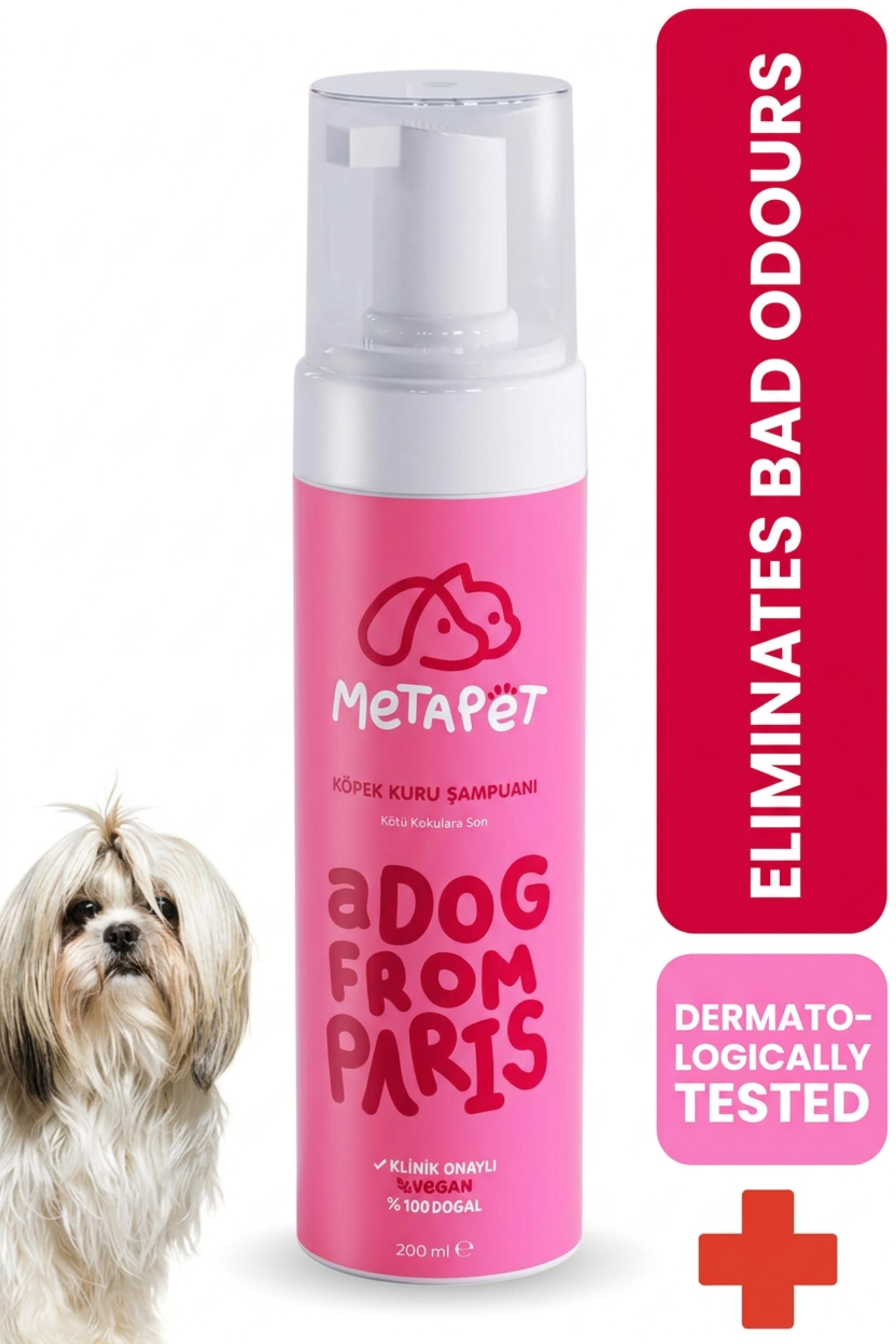
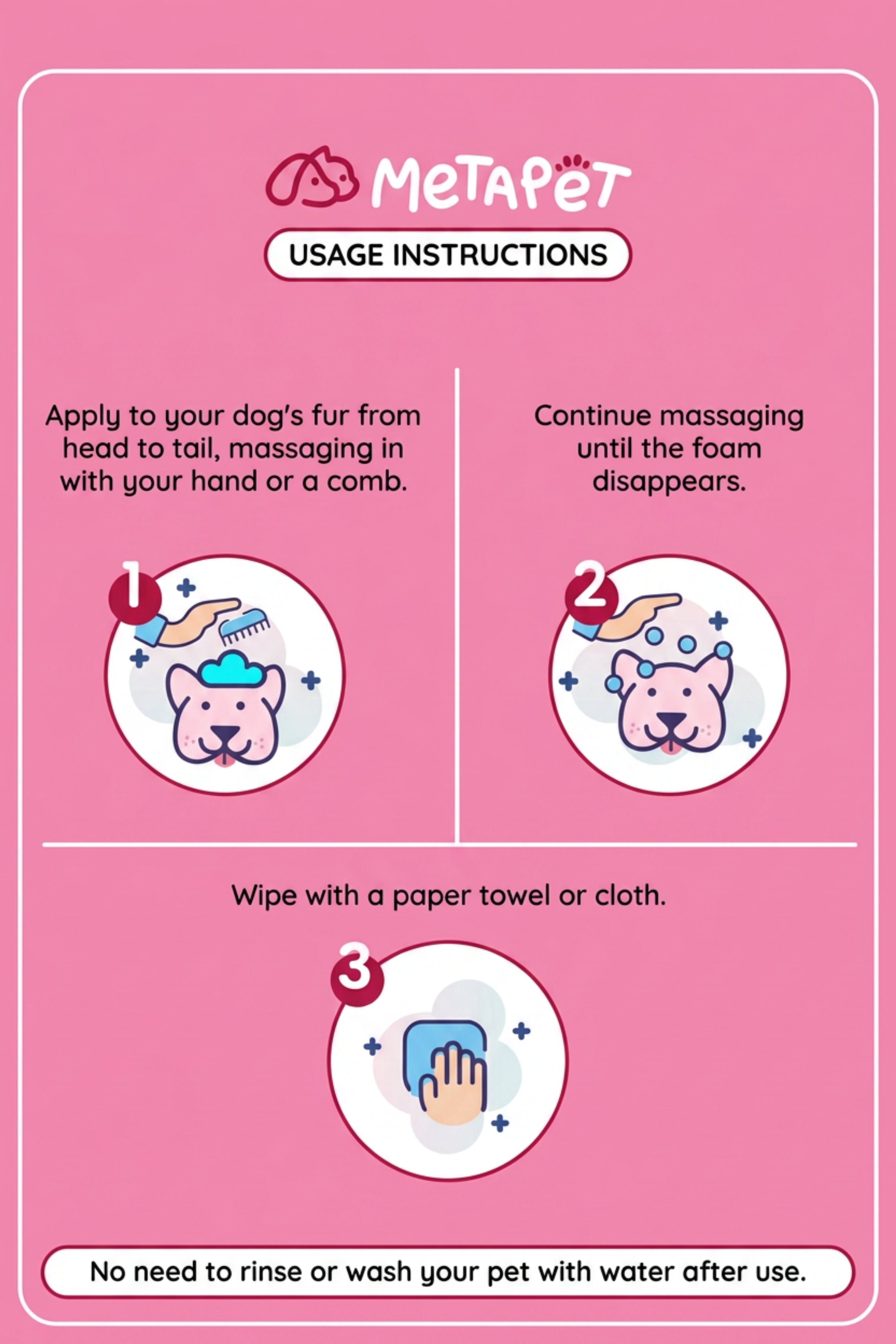
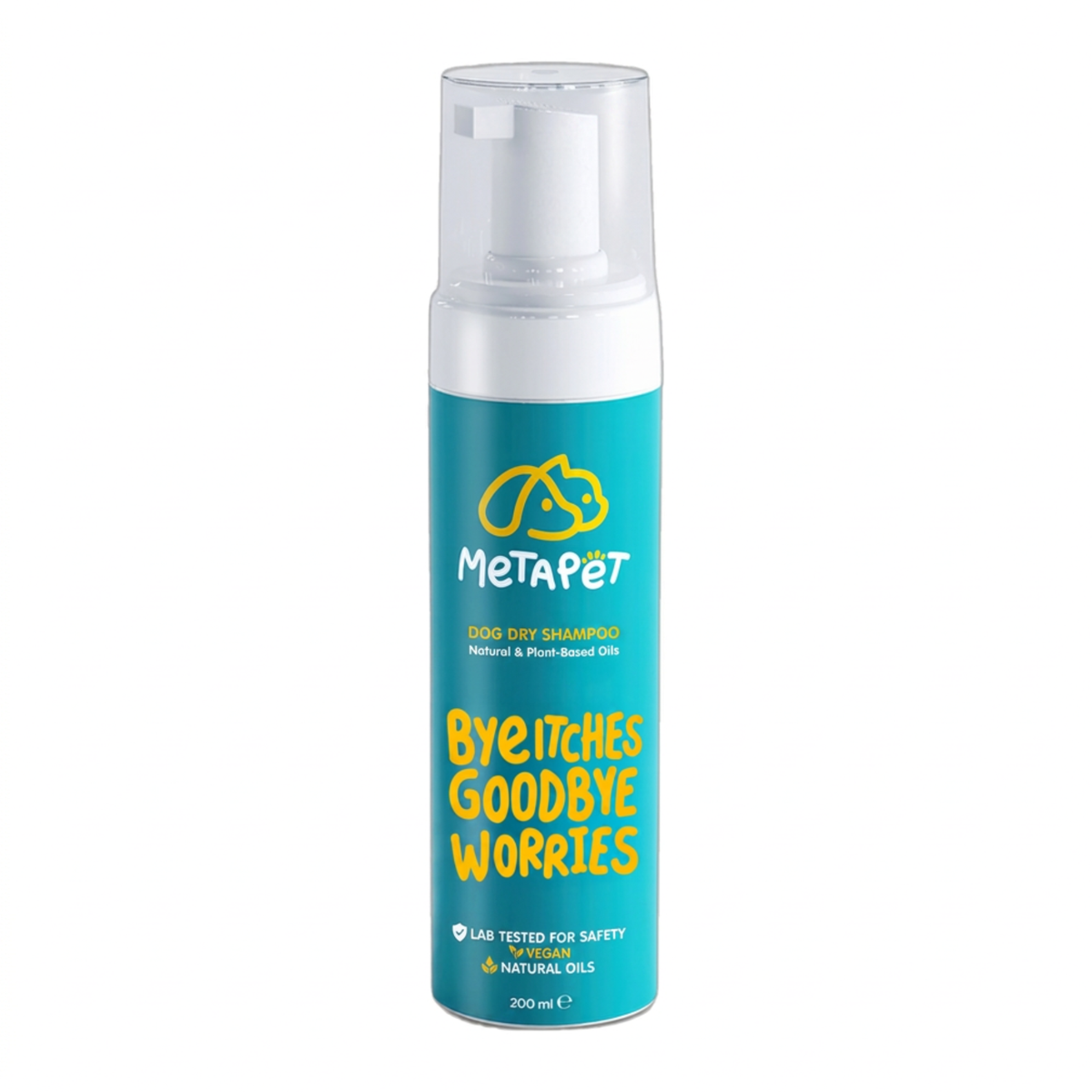
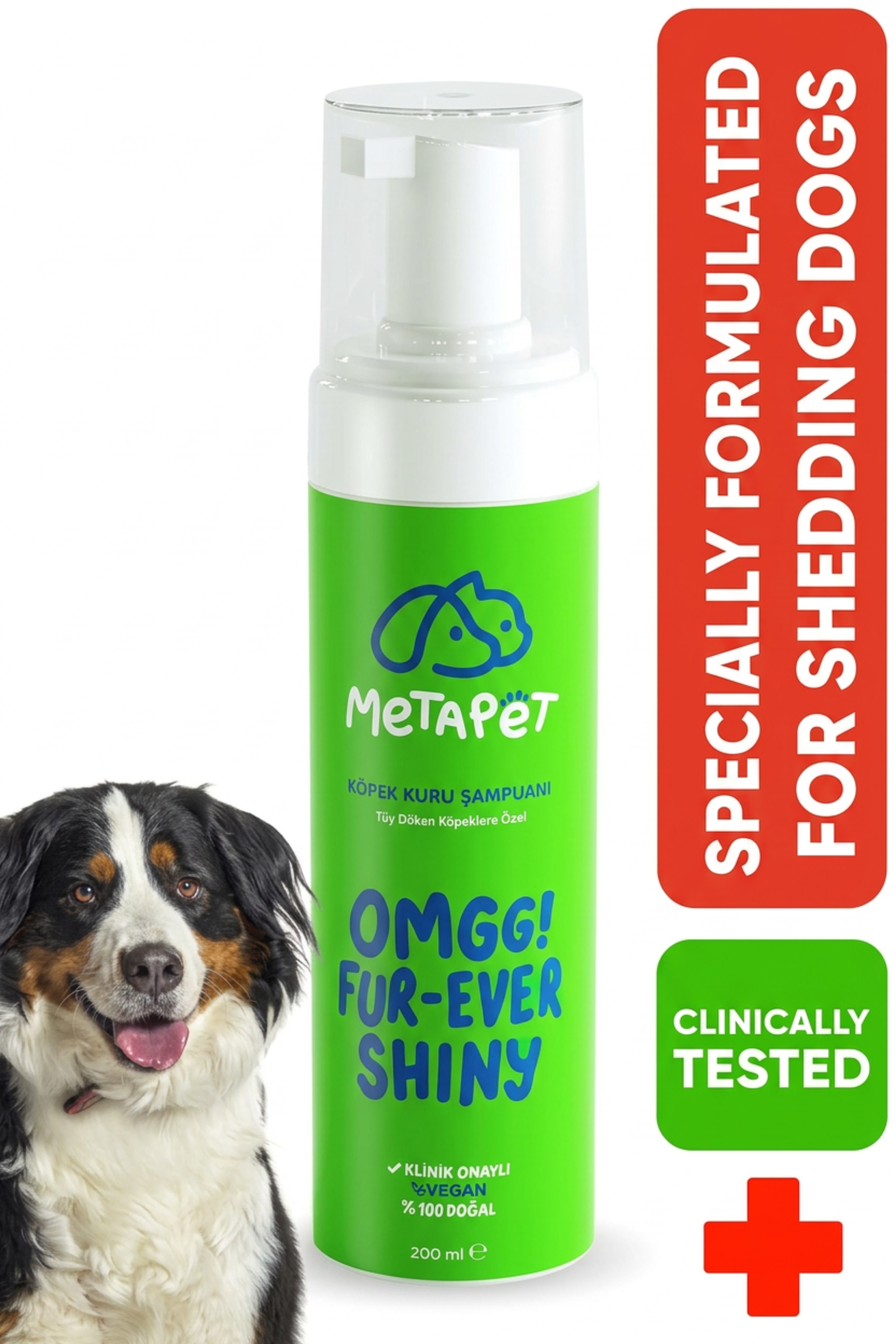
- Between baths: MetaPet OMGG! Fur-ever Shiny is a no-rinse dry foam shampoo for dogs, enriched with vitamin E and argan oil to leave the coat soft, shiny, and easy to comb. It helps make brushing and combing easier; it does not change how much a dog sheds. On a dense coat, use it sparingly on the outer coat, towel off well, and make sure the coat is dry afterward. The naturally derived, vegan formula has no parabens or added dyes. Shake, massage into the coat from head to tail while avoiding the eyes, then wipe off with a towel.
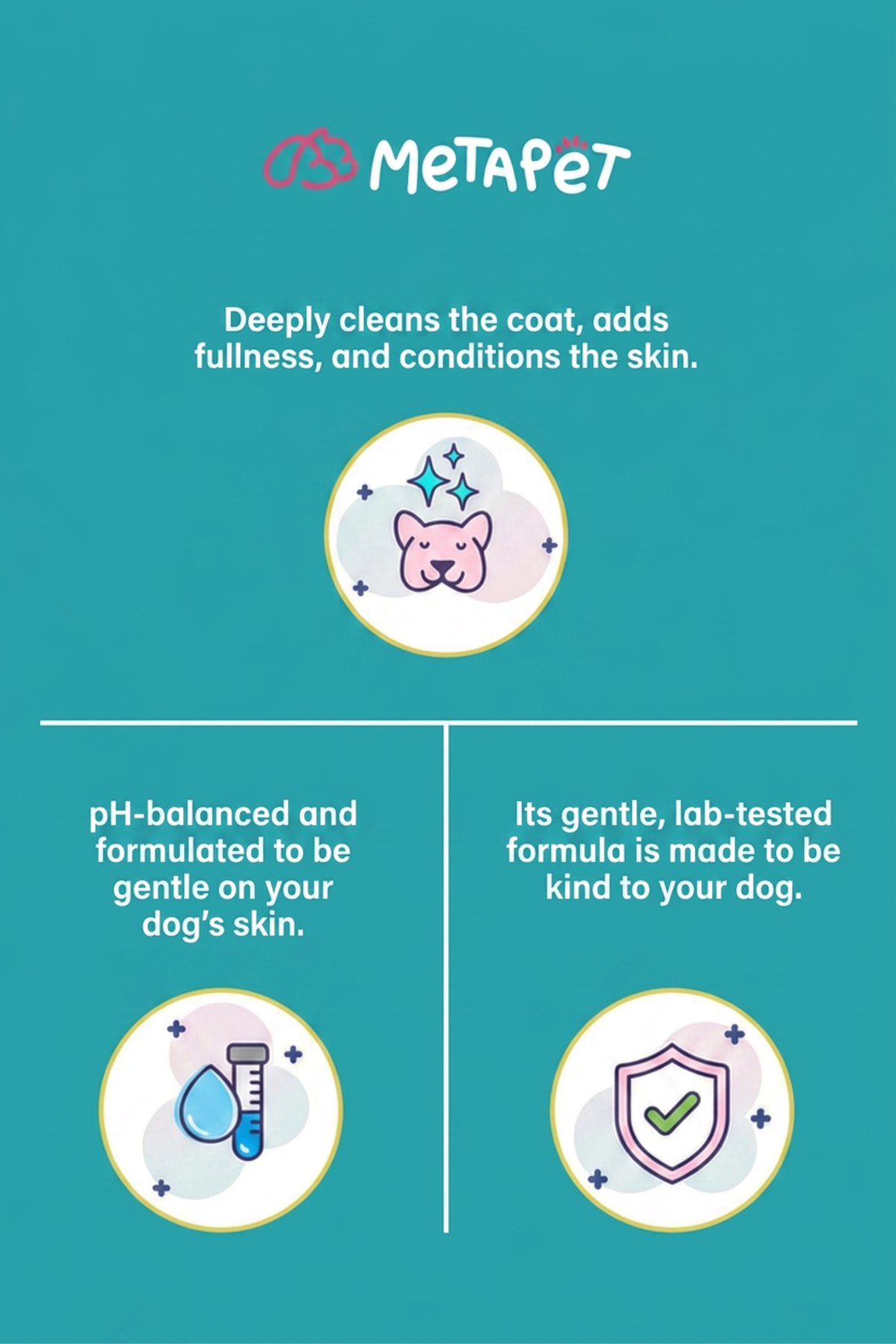
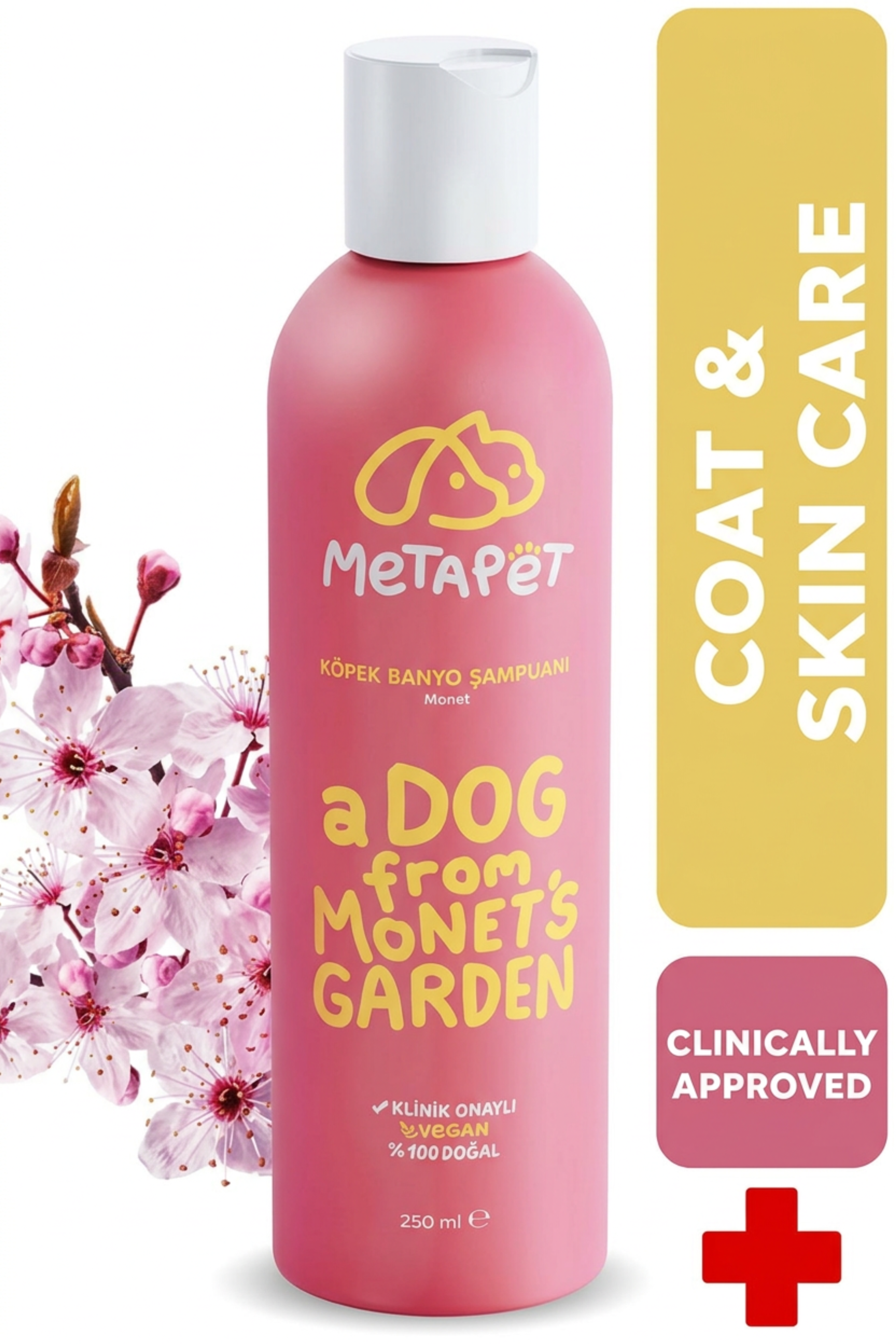
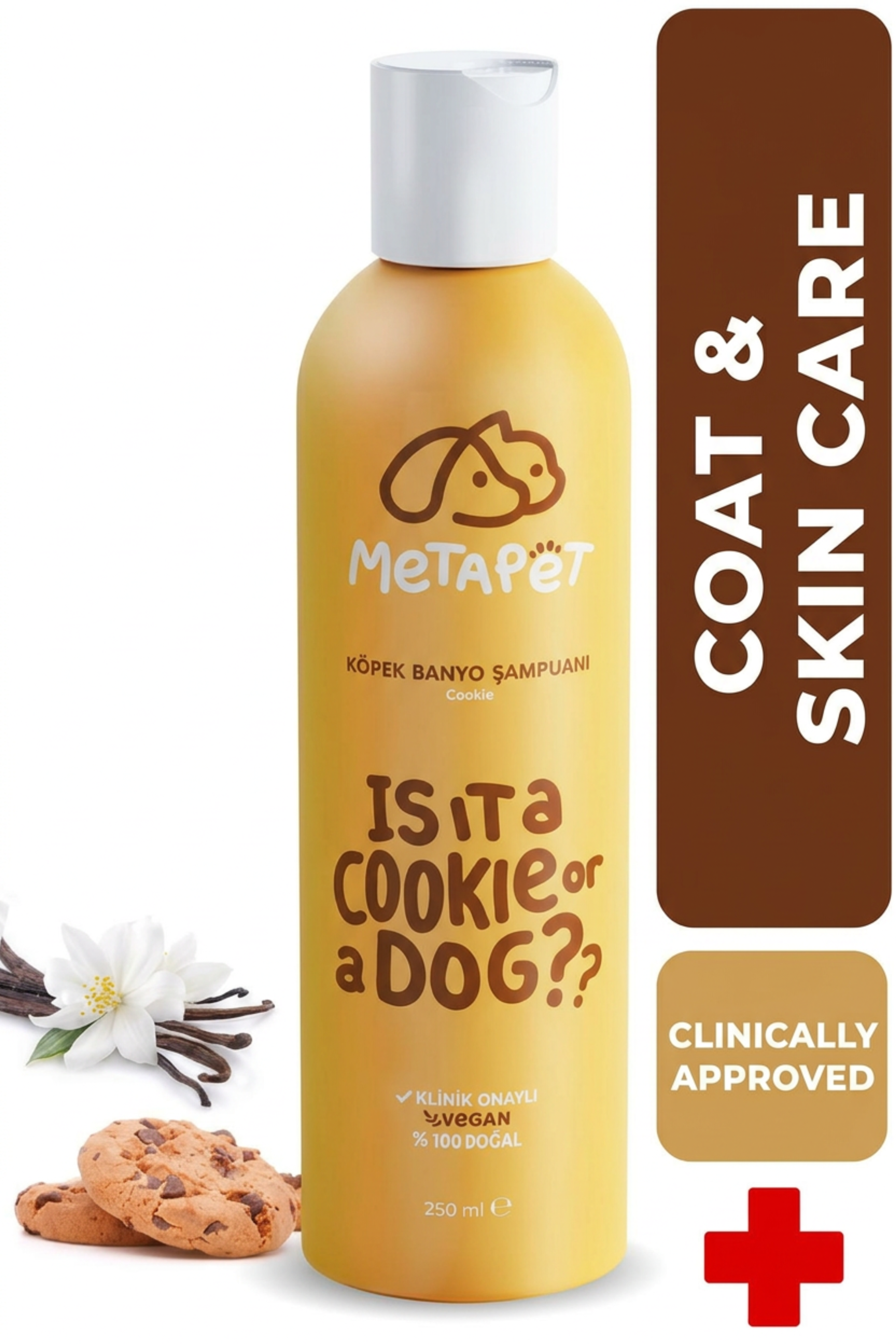
- On bath day: MetaPet pH-Balanced Bath Shampoo for Dogs is a rinse-out shampoo that deep-cleans the coat while caring for sensitive skin. It leaves a fresh, long-lasting natural scent, adds fullness, and conditions. It is made without harsh chemicals, sulfates, or parabens and is pH-balanced for a dog's skin.
If your dog has a skin condition, ask your veterinarian which grooming products are suitable.
Shaving, Packed Undercoat, and Mats
Why shaving is generally discouraged
Shaving is not a reliable way to keep a double-coated dog cool, and it has real downsides. Thick-coated dogs can overheat with or without a clip, so shade, water, and avoiding exercise in the heat matter far more than coat length. Shaving removes the guard hairs that shade the skin and exposes it to sunburn, bites, and scrapes. The coat may also grow back slowly, unevenly, or with a woolier texture.
There are exceptions. A veterinarian may clip an area for surgery, wound care, or a skin problem, and a groomer may advise clipping when a coat is so matted that brushing it out would be painful. Our article on whether to shave in summer covers the question in depth.
When undercoat packs down
Shed undercoat that is not brushed out stays caught under the guard hairs and compresses into a dense, felt-like layer. Packed undercoat blocks air from reaching the skin, holds moisture, and can hide parasites and sores.
Mild packing usually responds to patient line brushing in small sections over several days. Never cut mats out with scissors, because skin is easily cut. If mats are tight, widespread, or sore, book a professional groomer or ask your veterinarian. Our guide to mat prevention and detangling explains the technique.
Nutrition and Coat Condition
Hair is built largely from protein. A complete and balanced food appropriate for your dog's life stage supplies the protein, essential fatty acids, vitamins, and minerals that skin and hair need.
Food cannot switch off seasonal shedding. If the coat looks poor despite a good diet and regular grooming, see your veterinarian before changing foods or adding anything to the bowl.
Common Mistakes with Double Coats
- Brushing only the top layer: the surface looks tidy while undercoat packs down beneath it.
- Bathing before brushing: water sets tangles and tightens packed undercoat.
- Leaving the coat damp: a dense coat left to air-dry can stay wet at the base for hours.
- Shaving to stop shedding: a shaved dog still sheds; the hairs are simply shorter.
- Assuming every heavy shed is seasonal: hair loss with skin changes is a different matter, as described below.
When to Call Your Veterinarian
Normal shedding leaves healthy skin and a full coat behind. Arrange a veterinary exam if you notice:
- Bald patches, or thinning that exposes the skin
- Hair loss that is symmetrical on both sides of the body, which can be associated with hormonal conditions
- Persistent itching, scratching, chewing, or licking
- Redness, scabs, bumps, flaking, or greasy skin
- An unusual or strong odor from the skin or coat
- A dull, dry, brittle coat, or a coat that does not regrow after clipping
- Coat changes with weight change, low energy, or increased thirst
Your veterinarian will usually ask about diet, parasite control, and timing, examine the skin and coat, and may recommend tests such as skin scrapings, microscope examination of samples, or blood work. Our overview of hair loss patterns and causes explains what veterinarians look for.
Contact your veterinarian or an emergency clinic right away if your dog has a rapidly spreading, moist, painful skin lesion; sudden facial swelling or hives; a wound or sore found under matted hair; or signs of overheating such as heavy panting, drooling, weakness, vomiting, or collapse.
Frequently Asked Questions
How often should I bathe a double-coated dog?
There is no single schedule. Many do well with a bath every few months plus one around each coat blow, with extras when they are dirty.
Is my dog shedding too much?
The amount of hair alone is a poor guide, because a healthy coat blow can be dramatic. Look at the skin instead. Bare areas, itching, redness, or odor warrant an exam.
Can a professional groomer handle a coat blow?
Yes. Many groomers offer a bath, blow-out, and brush-out that removes a large amount of loose undercoat in one visit.
Do puppies need the same routine?
Puppy coats are simpler, but short, gentle, rewarded sessions prepare a puppy for the adult coat to come.
Key Takeaways
- A double coat pairs an insulating undercoat with protective guard hairs, and it works best when loose undercoat is brushed out.
- Seasonal coat blow is normal; brush at least weekly most of the year and every day or two while the coat is blowing.
- Line brush down to the skin and confirm with a wide-tooth comb.
- Brush before every bath, wet and rinse to the skin, and dry completely.
- Avoid shaving unless your veterinarian or groomer advises it for medical or matting reasons.
- Bald patches, itching, redness, odor, a brittle coat, or symmetrical hair loss warrant a veterinary exam.