Winter Coats and Sweaters for Dogs: When They Help

Every fall the same debate resurfaces at dog parks: does a dog actually need a coat, or is that a human projecting their own goosebumps onto an animal already wearing fur? It depends on the dog. A thick-coated northern breed in dry snow and a nine-pound smooth-coated senior in freezing drizzle are having completely different experiences at the same thermometer reading.
A garment does one useful thing: it slows heat loss from the trunk, and a shell keeps insulating fur from soaking through. Here is which dogs benefit, how to fit one safely, and when to call your veterinarian.
Important: This article shares general educational information for pet owners and is not a substitute for an in-person veterinary examination, diagnosis, or treatment. For any medical concern or emergency, contact your veterinarian promptly.
How Dogs Lose and Conserve Heat
Heat leaves a dog by four routes, and a garment addresses only some of them.
- Conduction: frozen ground, wet concrete, or a metal truck bed pulls heat straight out.
- Convection: wind strips warmth from the skin, so a still cold morning can feel milder than a gusty warmer one.
- Radiation: heat leaves the body surface into cold surroundings, so thin, sparsely furred dogs cool fastest.
- Evaporation: a wet coat carries heat away as it dries.
Dogs also shunt blood to the core, fluff the coat to trap air, curl up, and shiver. A coat supports only that insulation step, and does nothing for paws, ears, or tail tips.
Which Dogs Benefit Most: Coat, Size, Age, and Health
The coat a dog was born with is the best predictor.
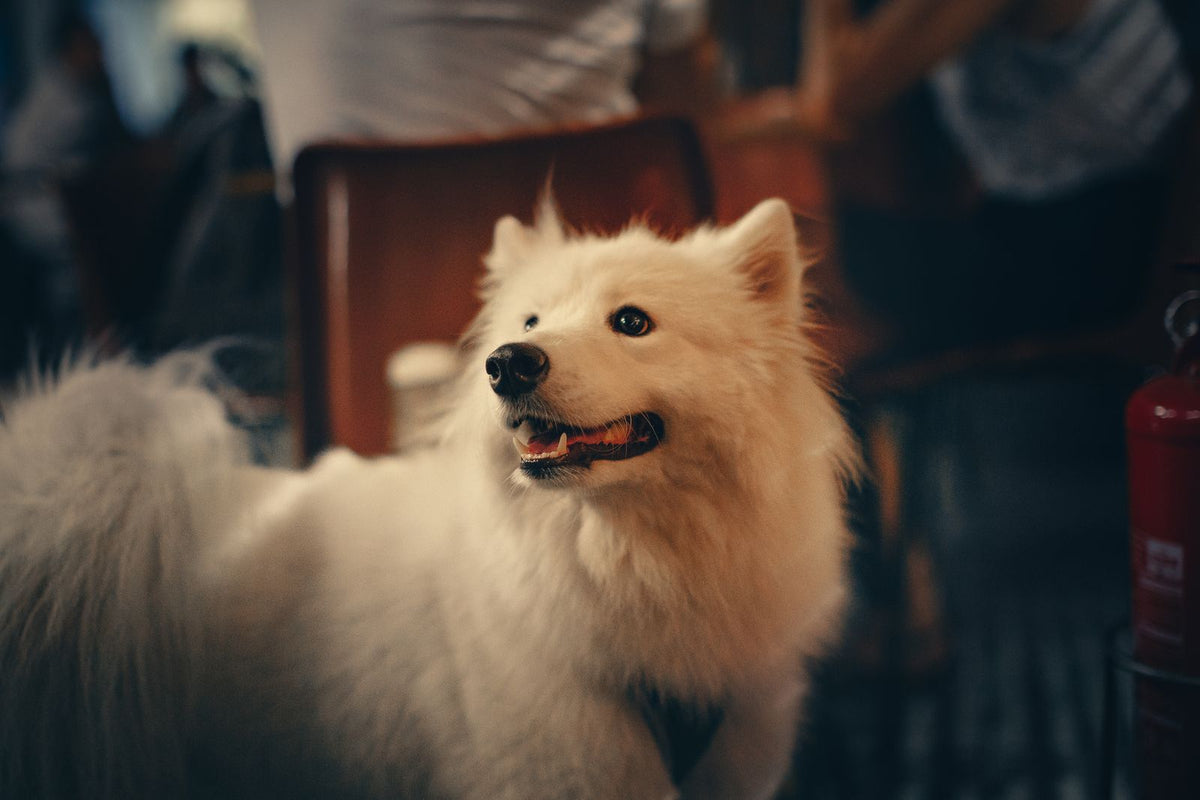
- Double-coated breeds: huskies, malamutes, Samoyeds, Newfoundlands, Great Pyrenees, and many herding dogs carry a woolly undercoat under coarse guard hairs, rarely need a garment, and can overheat in one.
- Single-coated and thin-coated dogs: terriers, poodles in short trims, boxers, and smooth-coated breeds have little trapped air and benefit in cold, wet, or windy weather.
- Sighthounds and hairless breeds: greyhounds, whippets, and Italian greyhounds pair very short coats with low body fat, and hairless breeds such as the Chinese crested have almost no coat at all, so a garment is equipment rather than decoration.
- Puppy and clipped coats: judge the coat you can feel today, not the breed label.
Small dogs lose heat faster, because surface area shrinks more slowly than mass, and they stand closer to cold ground. Lean muscle makes heat, so underweight, frail, or recently ill dogs chill sooner; overweight dogs overheat under a garment.
- Young puppies: immature temperature regulation and limited reserves.
- Senior dogs: less muscle, thinner coats, weaker circulation, stiffness.
- Arthritis or mobility limits: slow walking means more exposure, less heat from movement.
- Heart or respiratory conditions: less exercise capacity means less heat production.
- Hormonal or metabolic conditions: some affect coat quality and heat regulation.
- Recovery from surgery or illness: clipped fur and low activity lower tolerance.
Wet Cold, Wind, and Activity Level
Air temperature alone is a poor guide: a dry, still, sunny 20-degree Fahrenheit afternoon can beat a raw 38-degree day with sleet and wind. Water is the bigger problem, because it displaces the trapped air that insulates, so a shell beats a knit sweater in rain or wet snow. Wind drives cold air down along the flanks and underside.
Activity matters too. A running dog makes far more heat than one on a leash, so a garment that suits a potty break can overheat a dog minutes into a brisk trot. Thin-coated dogs benefit most on short, slow outings; double-coated dogs usually do better bare once moving hard. A warm, damp dog chills fast when it stops.
Reading Your Dog: Too Cold Versus Too Warm
Your dog's behavior beats any temperature chart.
Getting too cold
- Shivering that starts outdoors and continues.
- Hunching, tucking the tail, holding the body low.
- Lifting paws alternately or refusing to put a foot down.
- Slowing down, lagging, or turning back home.
- Parking on a warm surface the moment you get inside.
Too warm in a garment
- Heavy panting that does not match the effort.
- Drooling, or bright red gums and tongue.
- Rubbing, rolling, or chewing at the garment.
- Lying down and refusing to continue.
Indoor overheating is easy to miss, so take garments off when you come in.
Measuring, Fitting, and Choosing Materials
A poorly fitted garment chafes, restricts movement, or leaves the areas that need covering exposed. Measure with a soft tape while your dog stands squarely on all four feet.
- Back length: base of the neck to base of the tail, which sets the size.
- Chest girth: the widest part of the ribcage behind the front legs, snug but not compressing.
- Neck circumference: where a collar sits, with two fingers' room under the tape.
- Compare all three to that brand's chart, sizing up when straps are adjustable.
- Watch your dog walk, sit, squat to eliminate, and shake off before deciding.
A good fit reaches the base of the tail without interfering with elimination, does not gap at the chest or bunch at the armpits, leaves clearance underneath for male dogs, and allows two flat fingers under any strap.
- Knit sweaters: warm in dry cold, but useless once soaked.
- Fleece: light and quick-drying, good indoors or as a liner.
- Water-resistant shells: block wind and shed moisture, often the most practical choice in wet climates.
- Insulated parkas: warm fill under a weather-resistant face, best for cold, low-activity outings.
Safety Issues Owners Overlook
- Harness access: choose a leash port, or a garment that fits around the harness without shifting it. Never clip a leash to a garment.
- Chafing points: check armpits, chest, and neck after each use; redness means the fit is wrong.
- Ingestion risk: buttons, zippers, and pom-poms get chewed off and swallowed.
- Supervision: remove garments when your dog is crated or home alone, because fabric snags on hardware.
- Never leave a wet garment on: it holds cold against the skin. Dry your dog and swap in something dry.
- Watch the skin underneath: part the fur weekly for matting, moisture, or irritation.
- Visibility: reflective trim and a collar light matter on dark winter walks.
Introducing a Garment and Keeping It Clean
Many dogs freeze the first time something is draped over their back. That fades with a patient introduction, while forcing a garment onto a struggling dog creates a lasting aversion and risks a defensive bite.
- Leave the garment on the floor to investigate, rewarding calm interest.
- Hold it near the shoulder for a second, remove it, and reward, until your dog is indifferent.
- Drape it over the back unfastened, reward, and remove; then fasten one closure loosely and build to all of them over several sessions.
- Add a minute indoors during play, then short indoor walks, a trip into the yard, and a normal walk.
- If your dog freezes or shows fear, back up a step.
Some dogs never accept clothing. Respect that and manage cold weather with shorter outings, brisk pacing, and dry bedding.
Garments collect salt, grime, and skin oils that irritate skin. Wash them per the care instructions with a mild unscented detergent and dry them fully, air-drying shells rather than using heat that damages water-resistant finishes. Retire anything coming apart.
Boots, Paw Protection, and a Note on Cats
Paws are the part a coat does not address. Winter sidewalks bring ice, snow that balls up between the toes, and de-icing products that irritate skin and are unsafe if licked off.
Boots help on salted routes and in deep snow, but only if they fit and stay on, and most dogs need the same slow, treat-based introduction. Check that they do not restrict circulation, and remove them indoors. Either way, wipe paws after walks, keep the fur between the pads trimmed, and keep nails short, which is the foundation of good winter paw care.
Cats and clothing
Most cats do not tolerate garments: they rely on free skin and coat movement, navigate by whiskers and body contact, and groom constantly. A dressed cat may freeze, panic, or thrash, risking injury and scratches.
For indoor cats the answer is environmental: warm, draft-free resting spots, elevated or covered beds away from cold floors, and sunny windows. Hairless and thinly coated cats need extra bedding and a warmer room. Follow veterinary instructions for any prescribed recovery suit.
Myths Versus Facts
- Myth: Fur is always enough. Fact: a dense double coat insulates well, but a short single coat on a lean, small dog offers little, and any wet coat loses much of its value.
- Myth: Sweaters make dogs unable to handle cold. Fact: coat growth follows genetics, daylight, and season, not a fleece.
- Myth: If I am comfortable, my dog is comfortable. Fact: humans and dogs differ in insulation and heat production. Judge by behavior.
- Myth: Big dogs never need coats. Fact: a large short-coated dog in cold rain still loses heat quickly.
- Myth: Shivering always means cold. Fact: dogs also shiver from fear, excitement, pain, and illness. Shivering that persists once a dog is warm and dry deserves a veterinary call.
Frequently Asked Questions
Is there a temperature at which every dog needs a coat?
No single number works, because coat type, size, age, health, wind, moisture, and activity all change the answer.
Should my dog sleep in a sweater?
Generally no. Unsupervised wear carries snag and chewing risks, and warm bedding in a draft-free spot beats overnight clothing.
My double-coated dog seems cold. Should I add a coat?
Usually not. A healthy double-coated dog does not need a coat in ordinary cold. A coat does help when the dog is wet, in wind, recently clipped, older, unwell, or standing still rather than working. Genuine shivering or reluctance that persists in weather your dog used to handle is a reason for a veterinary conversation rather than just a warmer garment.
Can I shave my long-coated dog and use a coat instead?
Shaving a double coat is generally discouraged, because it regulates temperature in both directions and may not regrow the same way. Ask your groomer and veterinarian first.
How long can my dog be outside in winter?
There is no single time limit, and no number that fits every dog. It depends on cold, wind, and wet, and then on your dog's coat type, size, body condition, age, health, and activity. A working dog trotting through dry snow tolerates far more exposure than a small thin-coated dog standing still in cold drizzle, and the same dog handles less on a bad day than a good one. Watch the dog rather than the clock, and head inside at the first signs of cold. Then ask your veterinarian what is reasonable for your individual dog in your climate.
Fitting and Daily-Use Checklist
- Before you buy: measure back length, chest girth, and neck against that brand's chart.
- Check the fit: two fingers under straps, no gaping chest, clearance for elimination.
- Inspect the garment: no chewed edges, loose trim, or failing closures.
- Monitor during the walk: panting past the effort, or damp skin underneath, means take it off.
- Remove indoors: then towel the coat, wipe paws and belly to remove salt, and check between the toes.
When to Call Your Veterinarian
Clothing is a management tool, not a substitute for medical care.
Call your veterinarian promptly if
- Shivering that does not stop: trembling that continues after your dog is indoors, dry, and warm.
- Paw problems: limping, bleeding, cracked pads, swelling, or persistent licking.
- Skin issues under a garment: raw spots, sores, hair loss, or persistent irritation.
- Suspected ingestion: any sign your dog swallowed a button, zipper pull, or fabric. Do not try to make your dog vomit at home unless your veterinarian specifically tells you to do it.
- New cold intolerance: a change in how well your dog handles familiar weather.
Seek emergency veterinary care immediately if
- Weakness or collapse: stumbling or unwillingness to move after cold exposure.
- Lethargy or altered awareness: unusual dullness, unresponsiveness, or confusion.
- Suspected hypothermia: cold skin and extremities, sluggishness, slow or shallow breathing, or shivering that has stopped in a dog still clearly cold. This is an emergency. While you are getting hold of your veterinarian, move your dog somewhere warm and dry and wrap the body in dry blankets. Do not use direct heat such as hot water bottles, heating pads, or a hair dryer against the skin.
- Suspected frostbite: skin on the ear tips, tail tip, scrotum, or paws that looks pale, gray, or blue, or later turns red, swollen, or painful. Do not rub or apply direct heat.
When you call, describe how long your dog was outside, the conditions, whether the dog got wet, what you saw and when it started, and any medications.