Thanksgiving Safety for Dogs and Cats: Food, Guests, and Calm

Thanksgiving fills the house with rich food, busy kitchens, ringing doorbells, and lots of people. For a dog or cat, that means tempting smells at nose level, scraps offered by well-meaning guests, open doors, and a routine turned upside down. The good news is that most of these problems are avoidable with a little planning. This guide walks through the foods that cause the most trouble, how to manage guests and doors, how to keep stress low, which simple snacks are reasonable to share, and exactly what to do if your pet eats something they should not.
Important: This article shares general educational information for pet owners and is not a substitute for an in-person veterinary examination, diagnosis, or treatment. For any medical concern or emergency, contact your veterinarian promptly.
Why Holiday Meals Are Risky for Pets
- Rich, unfamiliar food: dogs and cats are used to a consistent diet. A sudden helping of fatty, salty, heavily seasoned food can upset the digestive tract even when nothing in it is toxic.
- More opportunities: counters are loaded, plates sit on low coffee tables, and the trash fills quickly. A dog that never steals food may suddenly find it within reach.
- More hands feeding: guests, especially children, may slip scraps under the table without knowing what is unsafe.
Our broader guide to holiday safety for pets covers decorations and seasonal plants as well.
Bones, Skin, and Drippings: The Fatty Food Problem
Cooked bones
Cooked poultry bones, including those from the holiday turkey, are brittle and can splinter. Pieces may lodge in the mouth or throat, damage the lining of the digestive tract, or cause a blockage that may need surgery.
Skin, fat trimmings, gravy, and pan drippings
Fatty foods are a common trigger for vomiting and diarrhea, and in some pets a large, fatty meal is associated with pancreatitis, a painful inflammation of the pancreas that can become serious. Turkey skin, butter-heavy sides, gravy, and the fat poured off a roasting pan are the usual culprits.
Learn more in our guide to pancreatitis in dogs and cats, including the signs that warrant a veterinary exam.
Toxic Ingredients Hiding in Holiday Dishes
Some of the most dangerous items on the table are not obvious, because they are mixed into other foods.
- Onions, garlic, leeks, and chives: all members of the allium family can damage red blood cells in dogs and cats, and cats are especially sensitive. They hide in stuffing, gravy, and seasoning blends, raw, cooked, or powdered. See our onion and garlic toxicity guide.
- Grapes and raisins: these can cause serious kidney injury in dogs, and the amount that causes a problem is unpredictable.
- Xylitol: this sugar substitute appears in some sugar-free desserts, baking blends, gum, candy, and certain peanut butters. In dogs it can cause a rapid drop in blood sugar and has been linked to liver damage. Our article on xylitol and dogs explains where it hides.
- Chocolate: chocolate pies, brownies, and candy dishes contain compounds that dogs and cats cannot process well.
- Raw yeast dough: unbaked bread or roll dough can keep rising in the warm stomach, causing painful bloating, and the fermenting yeast produces alcohol.
- Alcohol: wine, beer, spiked punch, and rum-soaked desserts can cause dangerous intoxication in pets, which are far smaller than people and more sensitive.
String, Roasting Bags, Foil, and the Trash Can
Some of the most serious Thanksgiving emergencies involve things that are not food at all, but smell like it.
- Kitchen twine and string: string used to truss a roast is soaked in meat juices. Cats in particular are drawn to string, and a swallowed length can bunch up the intestines, which can quickly become a surgical emergency. Never pull on a string you see coming from a pet's mouth or rear end; call your veterinarian.
- Roasting bags, foil, and plastic wrap: these can be swallowed along with the drippings they hold and may cause choking or a blockage.
- The trash can: a full holiday trash bag holds bones, fat, foil, string, and spoiled leftovers all in one place.
Use a lidded or locked trash can, or take bags straight outside to a secure bin.
Sharing Safely: Pet-Friendly Holiday Snacks
You do not have to leave your pet out of the celebration. A small portion of a plain food is a far safer way to share than scraps from your plate.
- Plain lean meat: a few small pieces of cooked white meat with no skin, no bones, no seasoning, no butter, and no gravy.
- Plain pumpkin: a spoonful of plain, cooked or canned pumpkin, not pie filling, which contains sugar and spices.
- Their own food: a portion of your pet's regular food or familiar snacks in a puzzle feeder or food toy can keep them happily busy during the meal.
Keep shared portions small so the total stays within your pet's normal daily intake. If your pet has a medical condition, a sensitive stomach, or eats a prescription or special diet, check with your veterinarian before offering anything new, including these simple options.
Agree on a house rule with guests: only one person gives the pet food, and only from a designated bowl. That simple step keeps a stream of well-meant scraps from adding up.
Guests, Open Doors, and Escape Risks
Arrivals and departures are when pets most often slip outside. A frightened dog or cat may run far and hide, so plan before the doorbell starts ringing.
- ID tags: make sure your pet wears a collar with a current ID tag showing your phone number.
- Microchip: confirm your pet is microchipped and that your contact details are up to date with the registry.
- Safe room: set up a quiet room with water, bedding, familiar toys, and a litter box for cats. Close the door and add a sign so guests do not open it.
- Door plan: use a baby gate, a leash, or the safe room during arrivals and departures, and ask guests to close doors behind them.
- Recent photo: keep a current photo of your pet on your phone in case you need to search.
- Children: show young guests how to greet pets calmly, never to chase or pick them up, and to leave pets alone while they eat or rest.
Keeping Stress Low: Visitors, Noise, and Travel
Signs a pet is overwhelmed
Stress can look like hiding, pacing, panting, trembling, lip licking, yawning, tucked tail, flattened ears, growling, hissing, or refusing food.
Protecting the routine
Keep meals, walks, play, and litter box cleaning as close to the usual schedule as you can. Leave hiding spots and high perches available for cats, and keep the litter box in a quiet, accessible spot.
Travel and boarding
If you are traveling, secure pets in a well-ventilated carrier or a crash-tested harness in the car, and pack their regular food and any medications. If your pet is boarding or staying with a sitter, book early, confirm vaccination requirements, and leave written instructions plus your veterinarian's contact details.
If your pet becomes very fearful around holidays, travel, or noise, talk with your veterinarian ahead of time. They can discuss behavior strategies and, when appropriate, medication as prescribed by your veterinarian.
Helpful Extras from MetaPet
A few supportive products can fit into a well-planned holiday routine. They complement, and never substitute for, supervision, training, and veterinary care.
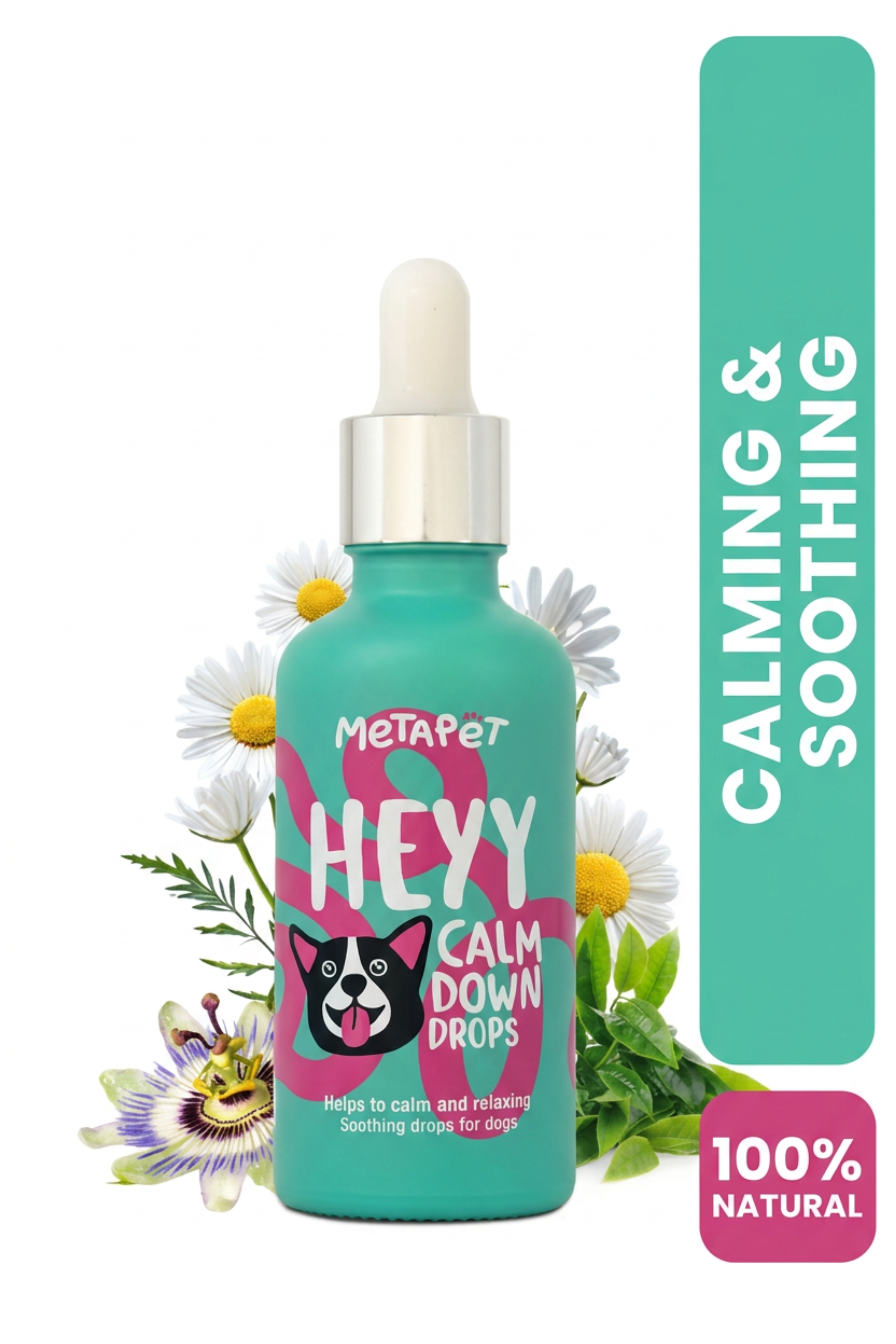
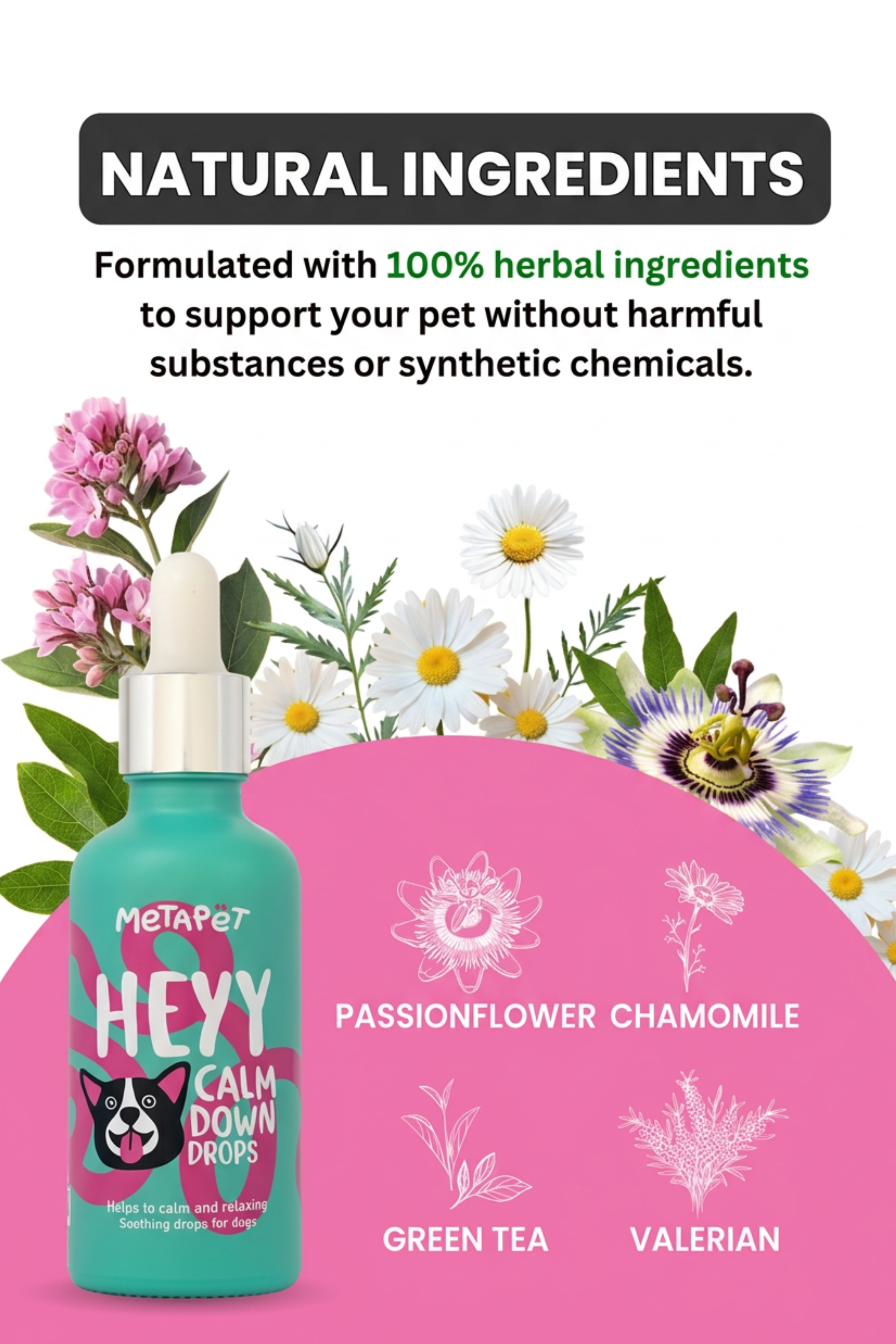
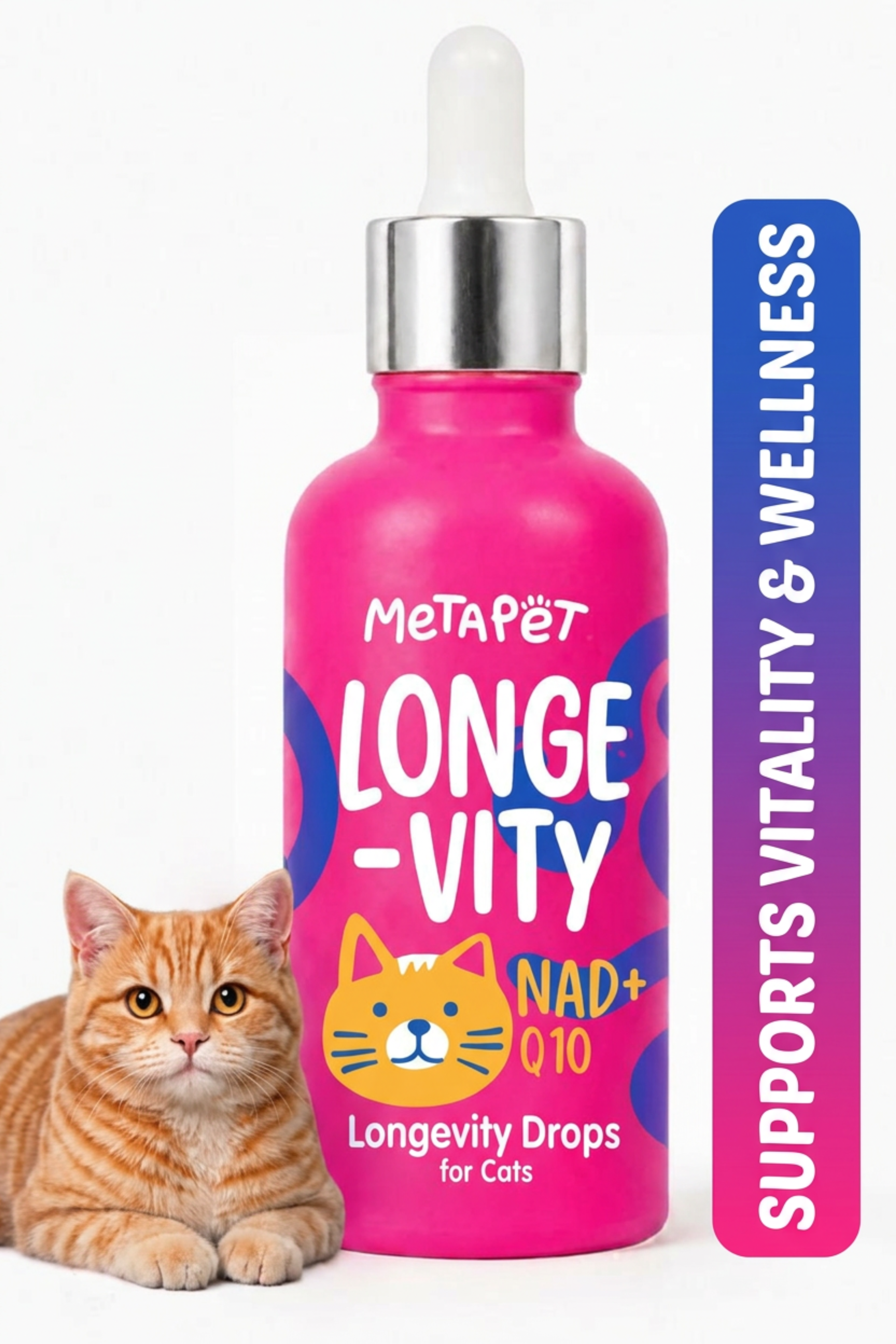
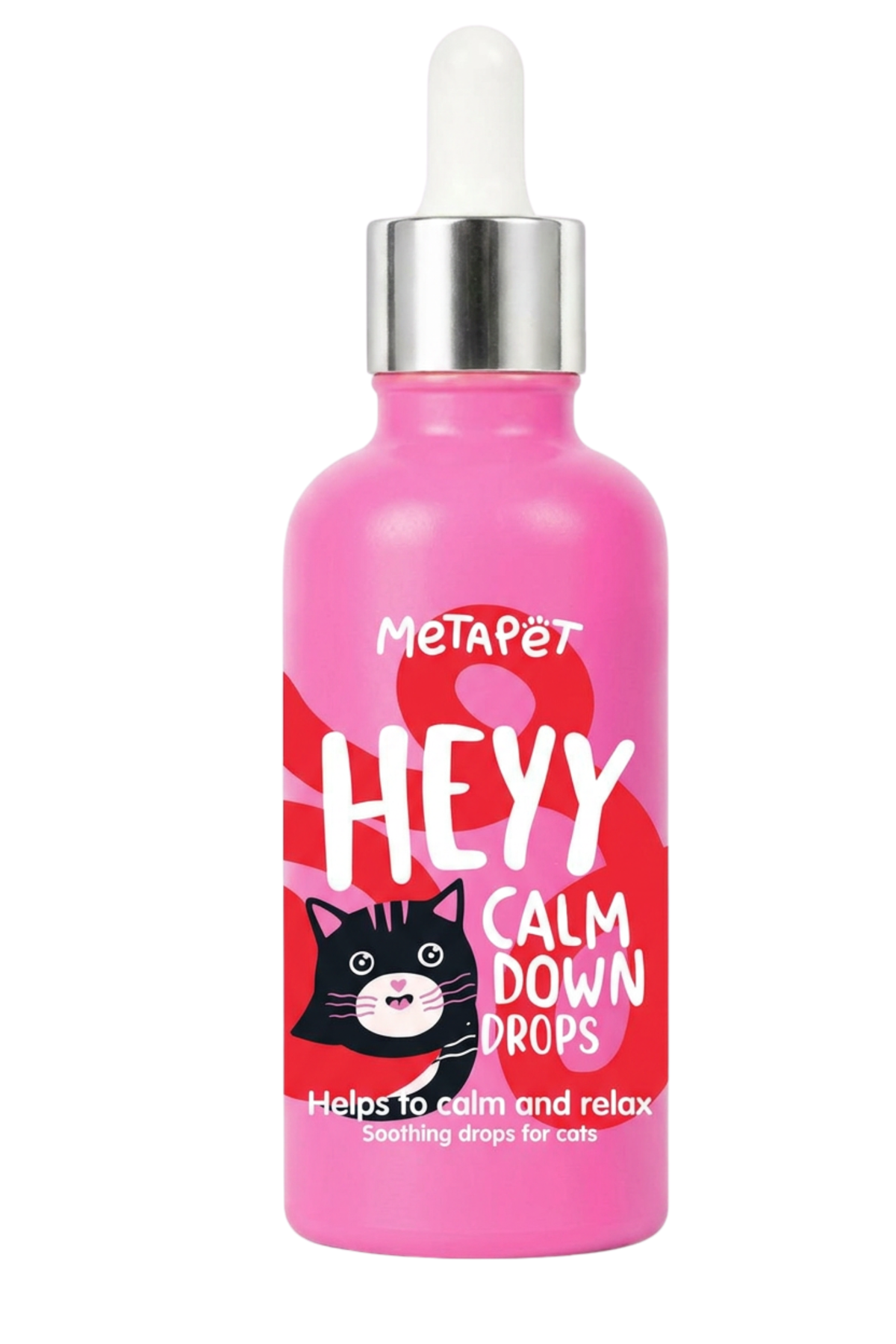
- For calm moments: MetaPet Heyy Calm Down calming drops come in versions for dogs and cats. They are a complementary pet supplement in a carefully formulated recipe, designed to help pets stay relaxed and comfortable during stressful moments such as travel, houseguests, and vet visits, and they may help support a sense of calm as part of daily use. They can be given by mouth or added to food or water; follow the label directions. They are not intended to diagnose or address any disease and are not a substitute for veterinary care.
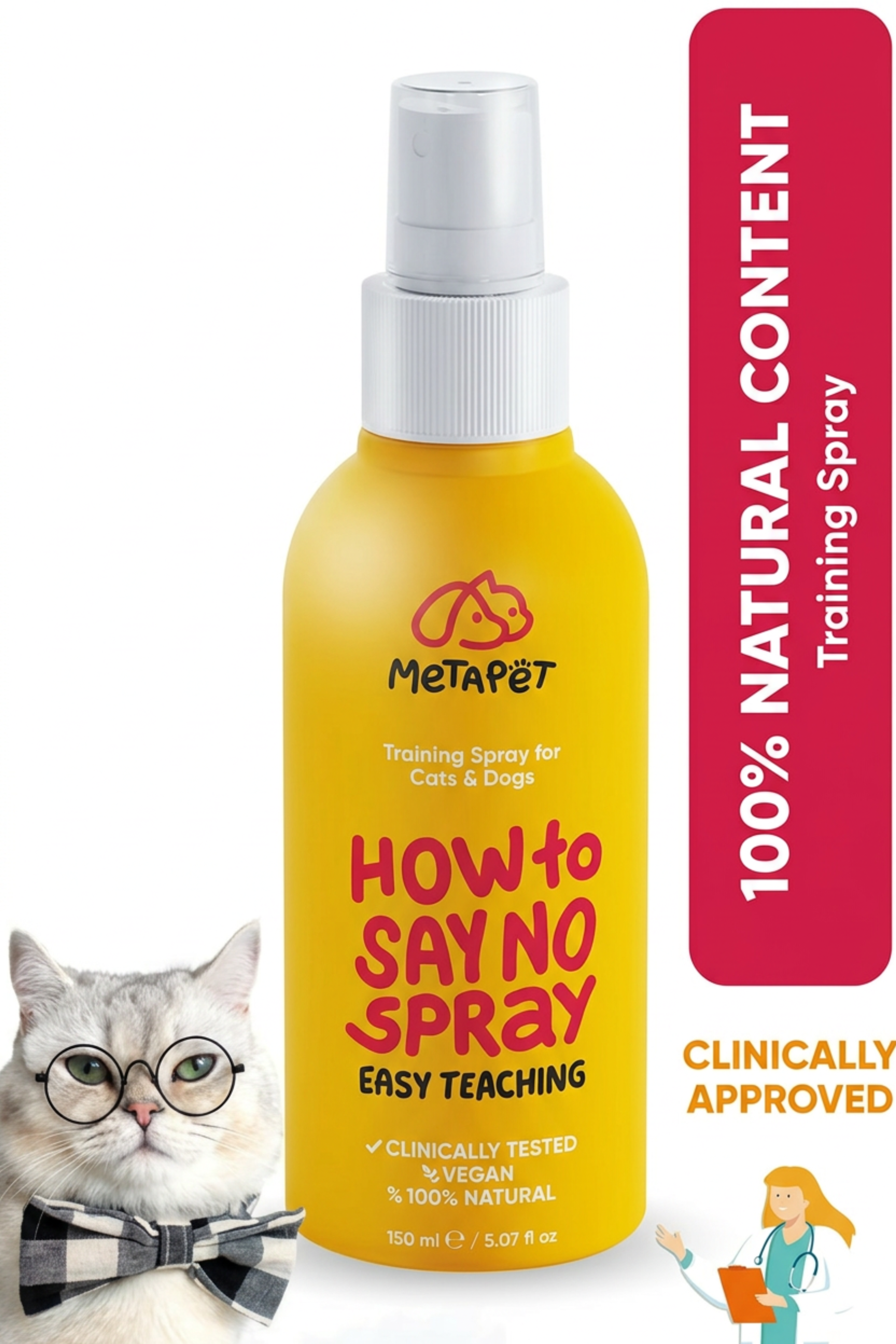
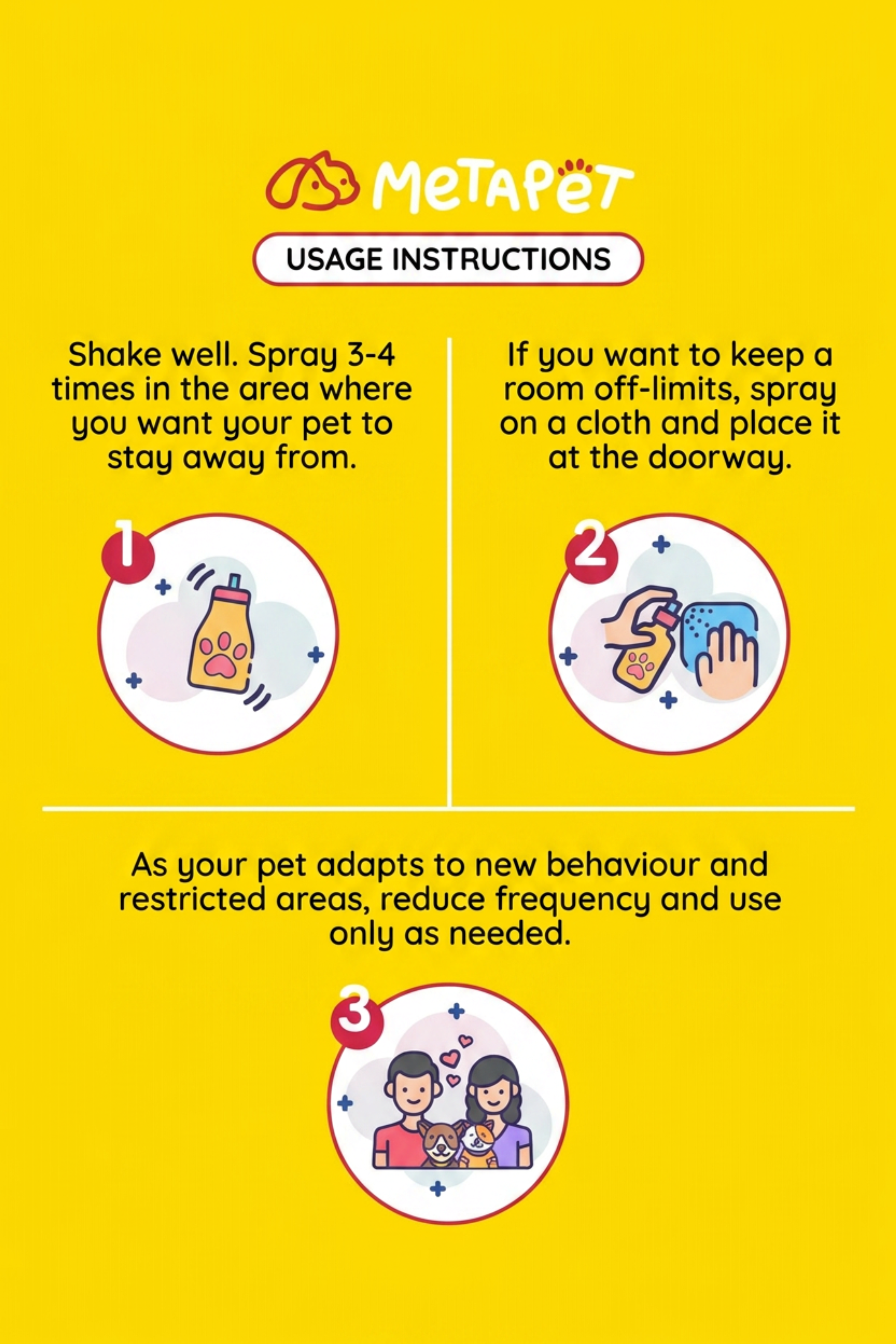
- For off-limits areas: MetaPet How to Say No is an assistive training spray for cats and dogs made with naturally derived ingredients. It acts as a gentle signal to help guide pets away from areas you would like to keep off-limits. To help keep a pet out of a room such as the kitchen, the label suggests spraying a cloth and placing it at the doorway. Use it as part of training, ahead of the holiday, and never spray it on food, dishes, or serving surfaces.
Always ask your veterinarian before giving any supplement, especially if your pet takes medication, is pregnant, or has a health condition. If your pet shows marked fear or distress, a veterinary visit is the right first step.
When to Call Your Veterinarian
If you think your pet has eaten something harmful, act quickly, even if they seem fine. Some toxins cause signs hours later.
- Move your pet away from the source and remove any remaining food or packaging.
- Call your veterinarian, an emergency clinic, or an animal poison control hotline right away.
- Tell them what was eaten, roughly how much, when, and your pet's weight.
- Do not induce vomiting at home or give home remedies unless a veterinarian specifically instructs you to.
- Follow their advice, and bring the packaging with you if you are asked to come in.
Contact your veterinarian or an emergency clinic right away if your pet has repeated vomiting, retching without producing anything, a swollen or painful belly, diarrhea with blood, weakness, collapse, trembling or seizures, pale gums, difficulty breathing, wobbliness, or string visible from the mouth or rear end. A hunched posture, restlessness, or loss of appetite after a fatty meal also warrants a veterinary exam.
Common Mistakes at Thanksgiving
- Giving the bone as a reward: cooked bones splinter. A plain piece of lean meat is the safer gesture.
- Assuming a small taste is harmless: a little stuffing or gravy can carry onion or garlic, and a few raisins can matter for some dogs.
- Leaving the carcass or roasting pan on the counter: this is a classic target for food stealing.
- Letting everyone feed the pet: many small scraps add up to a large, fatty meal.
Frequently Asked Questions
Can my dog or cat eat turkey?
A few small pieces of plain, boneless, skinless, unseasoned cooked white meat are generally fine for most healthy pets. Skin, bones, gravy, and seasoned meat are not. Check with your veterinarian first if your pet has a medical condition or special diet.
My dog ate a cooked bone. What should I do?
Call your veterinarian for advice. Do not try to make your dog vomit at home. Watch for gagging, vomiting, a painful belly, straining, or loss of appetite, which warrant a prompt exam.
Is a little mashed potato or stuffing okay?
Most holiday versions contain butter, cream, onion, garlic, or chives, so it is best to skip them. Offer a pet-safe option instead.
Are cats really at risk at Thanksgiving?
Yes. Cats are especially sensitive to onions and garlic, are drawn to string and twine, and can be stressed by visitors and noise.
Key Takeaways
- Keep bones, turkey skin, fatty drippings, and gravy away from pets; fatty meals can lead to digestive upset and are associated with pancreatitis.
- Onions, garlic, leeks, chives, grapes, raisins, xylitol, chocolate, raw yeast dough, and alcohol are all dangerous.
- Secure string, roasting bags, foil, and the trash.
- Share only small amounts of plain lean meat or plain pumpkin, and check with your veterinarian for pets on special diets.
- Use ID tags, an up-to-date microchip, and a safe room to manage guests and open doors.
- If your pet eats something harmful, call your veterinarian or animal poison control right away and do not induce vomiting at home.