Salivary Mucocele in Dogs and Cats: A Swelling Guide

Owners find lumps by accident. A hand runs along a dog's neck during a normal fuss, and there is something soft there that was not there last week. It does not seem to hurt. The dog is bright, eating, and behaving completely normally. That combination — a noticeable swelling with a pet who is entirely well — is exactly the picture a salivary mucocele tends to produce.
A salivary mucocele, sometimes called a sialocele, is a collection of saliva that has leaked out of a damaged salivary gland or duct and pooled in the surrounding tissue. It is not a tumour and it is not an abscess, though it can be mistaken for both, and the distinction can only be made by a veterinarian.
This guide covers what a mucocele is and how one forms, the different locations they appear in, which of those are genuinely dangerous, how veterinarians tell a mucocele apart from the other things that cause swellings in the same area, and what owners can expect from treatment and recovery.
Important: This article shares general educational information for pet owners and is not a substitute for an in-person veterinary examination, diagnosis, or treatment. For any medical concern or emergency, contact your veterinarian promptly.
What a Salivary Mucocele Is
Dogs and cats have several pairs of salivary glands positioned around the jaw, cheek, and under the tongue, each draining through a small duct into the mouth. Saliva made by the gland travels along the duct and arrives where it is needed.
A mucocele forms when that pathway is disrupted. If the gland or its duct is damaged, saliva escapes into the surrounding soft tissue instead of reaching the mouth. The body cannot easily reabsorb it, so it accumulates and the tissue responds by walling the collection off with a lining of inflammatory tissue.
This is why a mucocele is not technically a cyst — a true cyst has a proper epithelial lining, while a mucocele is a pocket of leaked saliva contained by reactive tissue. The distinction sounds academic but explains a great deal about behaviour: mucoceles tend to be soft, slowly enlarging, and not painful, and they refill if the underlying leak is not addressed.
- Not cancerous: a mucocele is a mechanical problem, not a tumour, though only testing confirms this.
- Usually painless: unless it becomes infected or presses on something important.
- Slowly enlarging: they typically grow over days to weeks rather than appearing overnight.
- Prone to refilling: draining a mucocele empties it, but it returns unless the source is dealt with.
- More common in dogs: recognised in cats but considerably less often.
Why Mucoceles Form
In a large proportion of cases the specific trigger is never identified. The gland or duct was damaged at some point, and the owner has no idea when.
- Blunt trauma: a knock to the head or neck, a collision during play, or rough handling of the collar area.
- Penetrating injury: chewing sticks or hard objects, or a bite wound from another animal.
- Foreign material: a grass seed, splinter, or similar object tracking through tissue.
- Choke chains and tight collars: pressure or sudden jerking around the neck has been implicated.
- Sialoliths: small mineralised stones forming within a duct and obstructing flow.
- Inflammation: of the gland or duct from various causes.
- Idiopathic: no cause identified, which is a common and legitimate outcome.
Some breeds appear over-represented, and dogs of any age can be affected, though young to middle-aged animals make up the bulk of cases. There is no reliable way for an owner to prevent most mucoceles, which can be frustrating but is worth knowing: this is generally not a condition caused by something you did or failed to do.
One practical takeaway does emerge from the list. Neck pressure has been repeatedly implicated, which is one of several good reasons to walk dogs on a well-fitted harness rather than relying on pressure at the throat.
Where Mucoceles Appear
Location determines almost everything about how serious a mucocele is, and it is the first thing your veterinarian will assess.
Cervical mucocele
The most common type. A soft swelling appears under the jaw or along the upper neck, sometimes in the midline and sometimes to one side. It is typically painless and often noticed by chance during grooming or petting. These are uncomfortable-looking rather than dangerous, though they still need treating because they enlarge.
Ranula
A mucocele that forms under the tongue, visible as a fluid-filled swelling on the floor of the mouth. Owners may notice difficulty eating, altered chewing, blood-tinged saliva, or increased drooling. Some ranulas are found only when a veterinarian looks inside the mouth for another reason.
Pharyngeal mucocele
The one that matters most. Here the saliva collects in the wall of the throat, where a growing swelling can narrow the airway. This is a genuine emergency, because breathing can be compromised. Noisy breathing, gagging, coughing, or any respiratory difficulty in a pet with a known or suspected mucocele needs immediate veterinary attention.
Zygomatic mucocele
An uncommon form involving the gland below the eye. It can cause the eye to protrude, swelling around the eye socket, discomfort when opening the mouth, or apparent vision problems.
What Owners Notice
Presentation varies enormously with location, which is why the same diagnosis can produce a dog with a cosmetic bulge and a dog struggling to breathe.
- A soft, fluid-feeling swelling: under the jaw, in the neck, or under the tongue, that yields under gentle pressure.
- Gradual enlargement: over days or weeks rather than hours.
- No obvious pain: most pets are unbothered by the swelling itself.
- Increased drooling: particularly with mucoceles inside the mouth.
- Blood-tinged saliva: where a swelling under the tongue is being traumatised by chewing.
- Difficulty eating: dropping food, chewing on one side, or reluctance to take hard food.
- Noisy breathing or gagging: a red-flag sign suggesting throat involvement.
- Eye changes: protrusion or swelling around the eye with the zygomatic form.
- Sudden change in size: a mucocele that ruptures may shrink abruptly, then gradually refill.
Owners sometimes report that the swelling seemed to come and go. That usually reflects a mucocele rupturing internally and reforming, and it is not a sign that the problem is resolving on its own.
How Veterinarians Diagnose It
The critical job at the first appointment is not confirming a mucocele — it is ruling out the alternatives. A soft swelling in that region could be an abscess, an enlarged lymph node, a cyst, a haematoma, or a tumour, and those have very different implications.
Fine needle aspiration is the usual first step. A fine needle is introduced into the swelling and a small sample withdrawn. Saliva from a mucocele has a distinctive appearance — thick, stringy, often straw-coloured or blood-tinged — and examining the sample under a microscope generally distinguishes it from pus, blood, or tumour cells quickly and reliably.
Identifying which gland is responsible is a separate and harder question, and it matters because surgery must target the correct gland. A cervical swelling in the midline gives no direct clue as to which side the leak came from, since saliva travels. Your veterinarian may use careful positioning, oral examination, imaging, or findings at the time of surgery to establish the source.
Advanced imaging is sometimes recommended for atypical cases, recurrent mucoceles, or when a pharyngeal or zygomatic location needs precise assessment. Where the airway is involved, examination under anaesthesia may be needed both to assess and to secure breathing.
- Bring to the appointment: a note of when you first felt the swelling and how quickly it has changed.
- Be ready to describe: any recent trauma, fights, stick-chewing, collar type, and whether eating or breathing has altered.
- Seek urgent care instead of waiting if: breathing is noisy or laboured, or your pet is gagging or distressed.
What Treatment Involves
Draining a mucocele with a needle empties it and can provide temporary relief, but as a standalone treatment it disappoints almost every time. The gland continues producing saliva, the leak continues leaking, and the swelling returns — often within days. Repeated drainage also carries a risk of introducing infection.
Definitive treatment is surgical removal of the affected salivary gland and its duct. Removing the source stops the leak permanently, and the remaining salivary glands compensate without difficulty, so pets are not left with a dry mouth or any noticeable change in saliva production.
This is a well-established procedure in veterinary surgery, though the anatomy in that region includes important nerves and blood vessels, so it is not a trivial operation. Your veterinarian will discuss whether it is performed in-house or referred, depending on the location and complexity.
Ranulas are sometimes managed with a technique that creates a permanent drainage opening into the mouth rather than removing the gland, depending on the individual case. Pharyngeal mucoceles causing airway compromise are treated as emergencies, with the immediate priority being to secure breathing before definitive surgery.
Recurrence after correctly performed surgery is uncommon, and when it does happen it usually means a different gland was the source or that some gland tissue remained. This is another reason identifying the correct gland matters so much.
Recovery and Aftercare at Home
Recovery from salivary gland surgery is usually straightforward, and most pets are noticeably brighter within a few days. Your veterinary team will give specific instructions, and those instructions take precedence over anything general written here.
- Follow the prescribed medication schedule exactly, particularly pain relief — a comfortable patient recovers faster and interferes with the wound less.
- Keep the protective collar on continuously rather than only when supervised; wounds in the neck region are easy for a pet to reach.
- Restrict activity for the period your veterinarian specifies, avoiding running, jumping, rough play, and other pets who like to wrestle.
- Use a harness rather than a neck collar for walks until the surgical site has fully healed.
- If a surgical drain has been placed, keep it clean and dry exactly as instructed and monitor the volume of discharge.
- Offer soft food if chewing seems uncomfortable, and check that your pet is drinking normally.
- Inspect the wound daily for excessive swelling, redness, discharge, or gaping, and photograph anything that concerns you.
- Attend every recheck and suture removal appointment as scheduled.
Some swelling and bruising around the surgical site in the first days is normal. Swelling that increases rather than decreases after the first couple of days, a wound that opens, discharge that smells, a pet who will not eat, or any breathing difficulty all warrant a phone call rather than a wait.
Everyday Care and Reducing Risk
Most mucoceles cannot be prevented, but a few sensible habits reduce trauma to the head and neck region generally.
Walk dogs on a well-fitted harness rather than applying pressure through the throat, and avoid choke chains entirely. Supervise chewing and discourage sticks, which cause a surprising number of mouth and throat injuries. Check the mouth periodically as part of routine care so that changes under the tongue are found early rather than by accident.
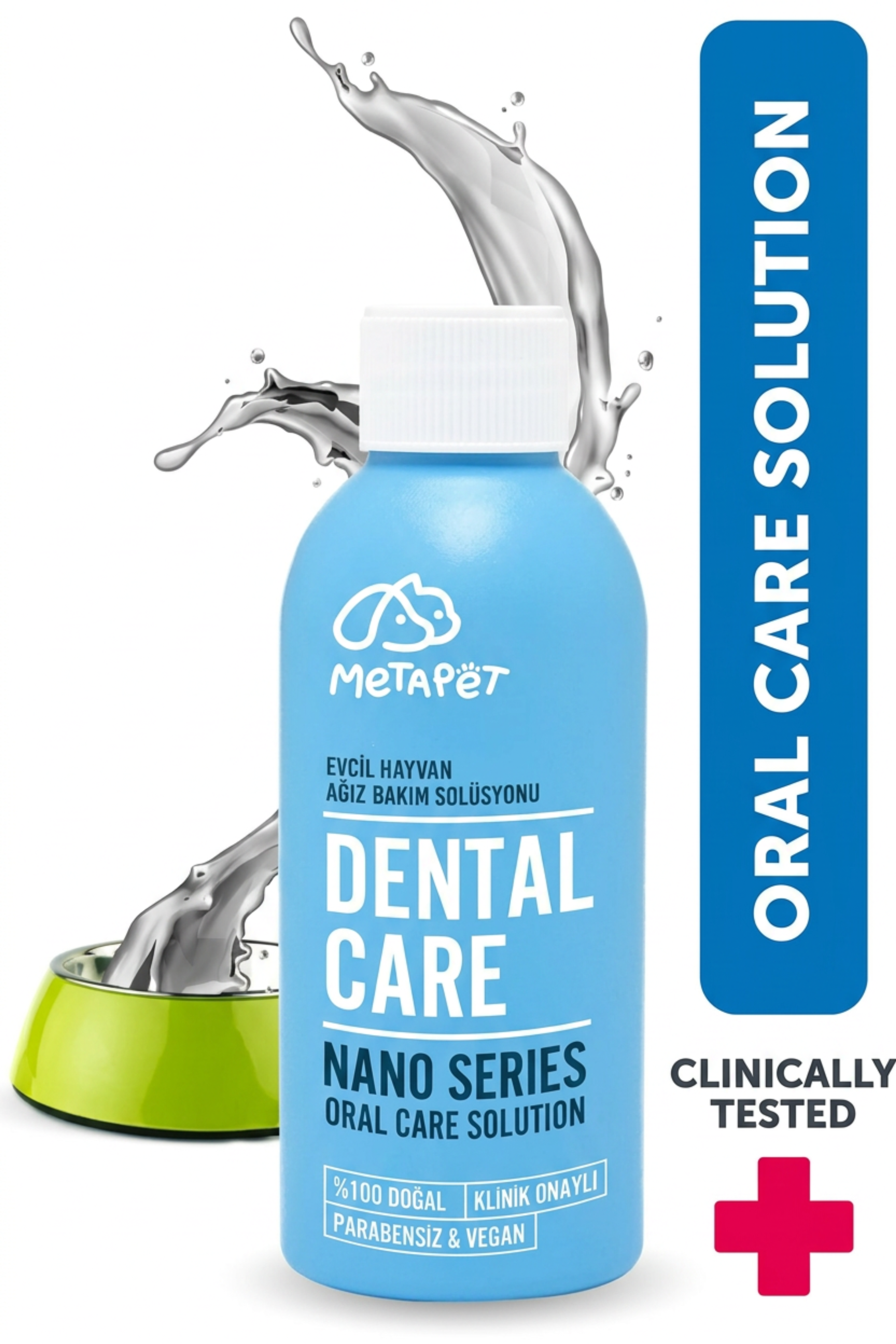
Routine oral care is worth building into normal life for reasons far broader than mucoceles. Regular tooth brushing where your pet tolerates it, dental checks at wellness visits, and looking inside the mouth once a week all help you notice change. Some owners also use a daily water additive such as the MetaPet Nano-Series Dental Care Water Additive as part of a general mouth-freshening routine. Products like this are cosmetic oral care aids designed to help keep the mouth fresh; they are a complement to veterinary dental care rather than a substitute for it, and they do not treat or prevent any disease.
Above all, get lumps checked. Owners frequently monitor a new swelling for weeks to see whether it goes away, and while a mucocele found late is still very treatable, the same wait applied to a different kind of lump can matter a great deal.
Myths and Facts
- Myth: a soft painless lump is nothing to worry about. Softness and lack of pain do not reliably distinguish harmless from serious; testing does.
- Myth: draining it at home would help. Home drainage risks infection and does nothing about the underlying leak.
- Myth: removing a salivary gland leaves a dry mouth. Remaining glands compensate comfortably; pets show no functional change.
- Myth: if it shrank on its own, it has resolved. Mucoceles that rupture internally shrink temporarily and then refill.
- Myth: it must be from a recent injury. Most owners never identify a triggering event.
- Fact: location determines urgency. A neck swelling is usually non-urgent; a throat swelling can be life-threatening.
- Fact: a needle sample often gives an answer the same day. Aspiration is quick, low-impact, and highly informative.
When to Contact Your Veterinarian
Any new swelling deserves an appointment, and a small number of presentations deserve an immediate one.
- Book an appointment for: any new lump or swelling around the jaw, neck, face, or inside the mouth, however soft and painless it feels.
- Call promptly for: a swelling that is enlarging quickly, becoming painful or warm, or interfering with eating.
- Seek emergency care for: noisy or laboured breathing, gagging, distress, collapse, or a swelling in the throat region that is growing.
For any medical emergency, particularly anything affecting breathing, contact your veterinarian or your nearest emergency veterinary hospital immediately rather than waiting for an appointment.
The Practical Takeaway
A salivary mucocele is one of the more reassuring answers a lump can produce. It is not cancer, it is not an infection, and it is definitively fixable with a well-established surgical procedure after which recurrence is uncommon.
But that reassurance only exists after the diagnosis. From the outside, a mucocele looks much like several other things, and the only way to tell them apart is a veterinary examination and usually a needle sample. Watching a lump for a few weeks to see what it does is the one approach that has no upside.
The other point worth carrying away is that location changes urgency completely. Most mucoceles are a nuisance to be dealt with in due course. A mucocele in the throat is an airway emergency. If a pet with a neck or throat swelling starts breathing noisily, that is not a wait-and-see moment — it is a phone call, immediately.