Safe Exercise for Puppies: Protecting Growing Joints
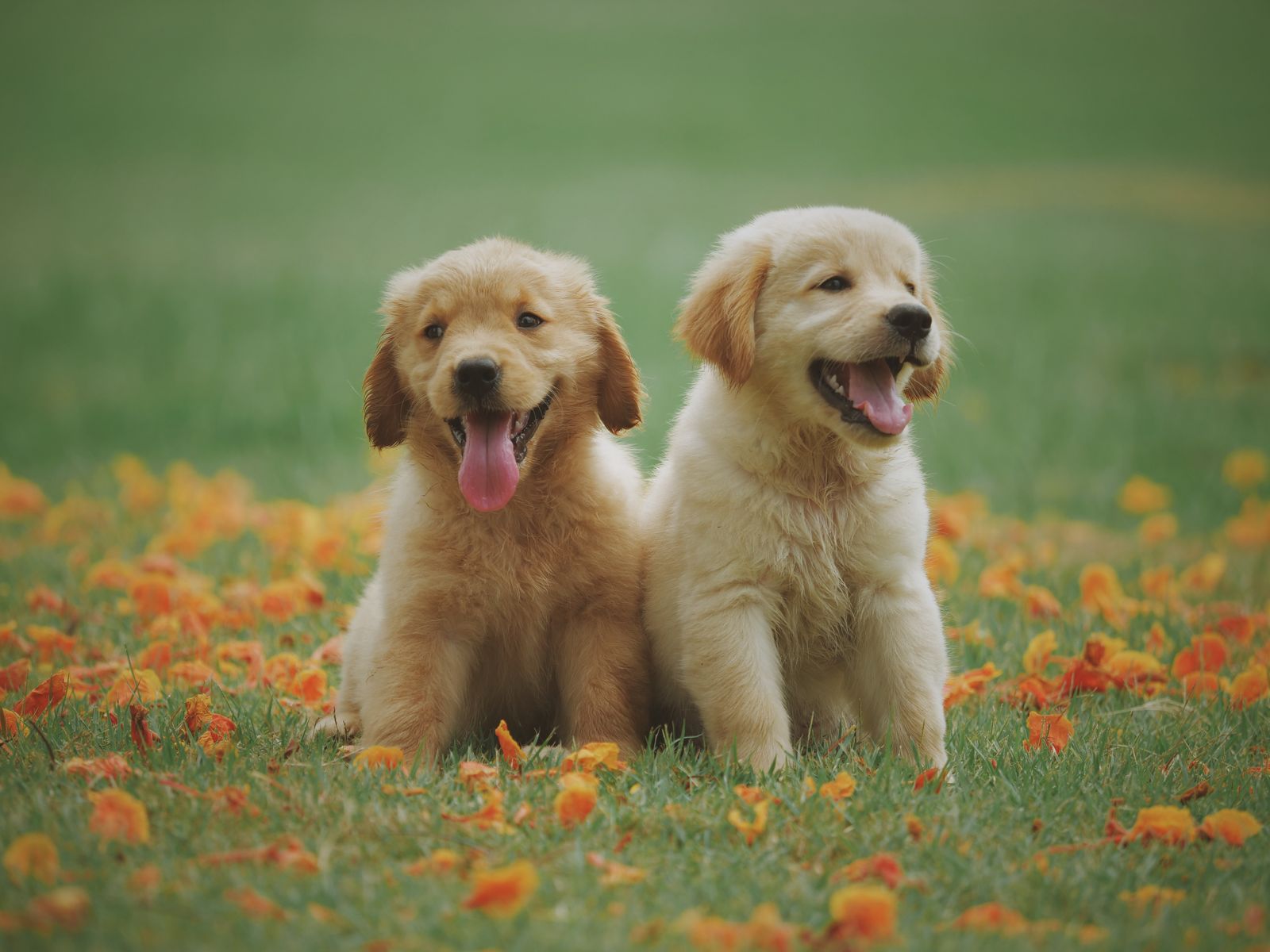
Puppies seem to run on infinite batteries — zooming through the house, wrestling for hours, collapsing mid-play into instant sleep. It is tempting to assume that a creature with that much energy can handle any amount of exercise. In fact, the opposite is true: a puppy's skeleton is a construction site, and the wrong kind of activity at the wrong age can leave marks that last a lifetime.
The key concept is the growth plate — soft cartilage zones near the ends of every long bone where growth actually happens. Until these close and harden, which occurs at different ages in different sized dogs, they are the weakest point in the skeleton and vulnerable to injury from repetitive impact and overexertion.
This guide explains how growing joints work, how much and what kind of exercise suits each stage of puppyhood, which activities to postpone, and how to satisfy a busy puppy brain without overloading a developing body.
Important: This article shares general educational information for pet owners and is not a substitute for an in-person veterinary examination, diagnosis, or treatment. For any medical concern or emergency, contact your veterinarian promptly.
Growth Plates: The Construction Zones of the Skeleton
Every long bone in a puppy's body lengthens from soft cartilage regions near its ends called growth plates. Because cartilage is weaker than bone, tendon, or ligament, the growth plate is the most fragile link in a young dog's musculoskeletal chain — an awkward landing that would bruise an adult can fracture a growth plate in a puppy, and damage there can disturb how the bone grows from that point on.
Growth plates close gradually as puppies mature, roughly by 9 to 12 months in small breeds and as late as 18 to 24 months in large and giant breeds. This is why exercise advice is always age- and size-dependent: a one-year-old terrier may be skeletally mature while a one-year-old Great Dane is still very much under construction.
Why Overexercise Is a Real Problem
Puppies rarely self-limit. Their enthusiasm outruns their endurance, and adrenaline masks fatigue — a puppy chasing a ball will keep chasing long past the point its joints and muscles are protected by good form. Fatigued muscles stabilize joints poorly, and that is when awkward twists and impacts do damage.
Repetitive, forced exercise is the bigger long-term concern: long jogs on pavement, endless ball-throwing sessions, and repeated jumping load the same growth plates and joint surfaces over and over. Veterinary orthopedic specialists generally advise keeping impact low and repetition moderate while the skeleton matures, particularly in breeds predisposed to hip and elbow problems. Genetics, nutrition, and body weight all contribute to joint health too — exercise is one lever among several, but it is the one owners control most directly day to day.
The Golden Rules of Puppy Exercise
- Little and often beats long and hard: several short activity sessions spread across the day suit puppies far better than one marathon outing.
- Free play over forced pace: self-directed sniffing, exploring, and play let a puppy stop when tired; leashed jogging and bike-running force a pace and are best postponed until skeletal maturity.
- Soft surfaces first: grass, dirt, and carpet are kinder to joints than pavement and slick floors.
- Watch the puppy, not the clock: lagging behind, lying down, heavy panting, or next-day stiffness all mean the session was too much.
- Big puppies need extra caution: large and giant breeds mature latest and carry the most weight on their soft joints.
A widely used starting guideline is roughly five minutes of structured, on-leash exercise per month of age, up to twice a day — so about fifteen minutes for a three-month-old — on top of ordinary free play at home. Treat this as a compass rather than a law, and adjust to your individual puppy with your veterinarian's input.
Exercise by Age: A Practical Roadmap
8 to 12 weeks
The priority is socialization, not fitness. Short garden explorations, gentle indoor play, and carrying your puppy to see the world are plenty. Follow your veterinarian's advice on where it is safe to walk before the vaccine series finishes.
3 to 6 months
Introduce short, sniff-heavy neighborhood walks, basic training games, and supervised play with well-matched, gentle dogs. Keep sessions short and end before exhaustion; carry a small puppy home rather than pushing through fatigue.
6 to 12 months
Walks can lengthen gradually, and adolescents enjoy hiking on easy terrain, swimming, and structured games. Continue avoiding repetitive high-impact activities — this is the age when owners are most tempted, because the puppy looks adult while its growth plates are not.
12 to 24 months
Small breeds are typically cleared for full activity around their first birthday; large and giant breeds later, sometimes closer to two years. Ask your veterinarian to confirm maturity before starting running, agility jumps at full height, or other demanding sports.
Activities to Postpone Until Maturity
- Forced running: jogging or cycling with a leashed puppy sets a pace the puppy cannot opt out of.
- Repetitive fetch marathons: sprint-stop-twist cycles, especially on hard ground, concentrate stress on shoulders, elbows, and knees.
- Jumping: on and off furniture, out of vehicles, over agility obstacles at height — teach ramps and lift larger puppies instead.
- Long stair sessions: occasional supervised stairs are fine for coordination; daily forced flights are not, particularly for long-backed and large breeds.
- Rough play with much larger dogs: body-slams from adult dogs are a classic cause of puppy limb injuries.
- Slippery floor chase games: splaying legs on tile or hardwood strains hips and elbows; add rugs where puppies play.
Great Low-Impact Alternatives
Sniffing is gloriously tiring. A slow 'sniffari' walk where the puppy chooses the route and investigates every bush provides more genuine fatigue than a fast march of twice the distance, with almost no joint load. Scatter-feeding meals in grass, snuffle mats, and beginner nose-work games all channel the same instinct indoors.
Swimming — introduced gently, in warm shallow water, always supervised — builds muscle with minimal impact and suits water-loving breeds beautifully. Balance and body-awareness games such as walking over poles laid flat on the ground, stepping onto low stable platforms, and slow figure-eights build the coordination that protects joints later, and five minutes of training games works a puppy's brain as hard as an hour of running.
Mental Exercise Counts Double
Much of what owners read as boundless physical energy is actually under-stimulated brain. Puzzle feeders, chew items appropriate to age, short training sessions several times daily, novel objects to investigate, and calm exposure to new places satisfy a puppy's need for engagement without adding a single high-impact stride.
A useful daily rhythm alternates activity with enforced rest: play, then a nap in a quiet crate or pen; a walk, then a chew session. Puppies need enormous amounts of sleep — often 18 hours or more per day — and overtired puppies behave much like overtired toddlers: frantic, bitey, and unable to settle. Rest is not a gap in the schedule; it is part of the program.
Signs You Have Overdone It
- During exercise: lagging, sitting or lying down, heavy panting, seeking shade — stop and rest, then head home gently.
- Afterward: stiffness on rising, reluctance to use stairs, unusually long or restless sleep.
- Lameness: any limp that persists beyond a brief moment deserves attention; growth plate injuries can look like ordinary sprains at first.
- Behavior changes: a normally happy puppy that avoids play or resents handling of a limb may be sore.
Persistent limping, swelling, obvious pain, or a limb that looks angled or abnormal warrants a veterinary visit promptly — with any suspected fracture or severe pain treated as urgent. Early evaluation of growth plate injuries makes a real difference to outcomes.
Surfaces, Weather, and Equipment Details
Small practical choices add up over hundreds of puppy outings. Favor grass, dirt trails, and sand over concrete when you can choose; add rugs or runners to slick indoor floors where the puppy plays; and keep nails trimmed, since long nails change footfall mechanics. A well-fitted flat harness spreads leash pressure kindly across the chest while a growing dog learns not to pull.
Weather deserves respect as well. Puppies regulate temperature less efficiently than adults: in heat, exercise early or late, test pavement with your palm, and carry water; in cold, keep sessions shorter for small or thin-coated puppies. Wet, icy, or muddy footing multiplies slip injuries — on those days, trade the walk for indoor games and call it even.
Exercise After Vaccines, Illness, or Surgery
Expect quiet days occasionally. Mild sleepiness after a vaccine visit is common, and pushing exercise that evening gains nothing — let the puppy rest and resume normal activity as your veterinarian advises. The same logic applies after any illness: return to activity gradually, at half the previous level, and build back over several days while watching for relapse.
After spay or neuter surgery, follow your clinic's activity restrictions exactly, even when the puppy feels fine well before the recheck. Incisions heal on their own schedule, and a single wild zoomie session can undo careful surgical work. Leash walks, food puzzles, and training games are your best friends during recovery windows.
Building Toward an Athletic Adulthood
Protecting joints in puppyhood is not about wrapping your dog in cotton wool; moderate, varied, self-paced activity actually strengthens developing bone, muscle, and coordination. The goal is simply to match the workload to the construction schedule — plenty of movement, minimal repetitive impact — so the adult dog inherits sound joints.
If you have sporting ambitions such as agility, flyball, or canicross, use the puppy months for foundations that involve no jumping or sprinting: focus work, flatwork, body awareness, and confidence on equipment set at ground level. Dogs introduced this way typically enter formal training at maturity ahead of their peers, with bodies ready for the work. Your veterinarian can advise when your individual dog is ready to progress, and keeping your puppy lean throughout growth is one of the most protective habits of all.
Frequently Asked Questions
When can my puppy go jogging with me?
Generally after growth plates close — around 12 months for small breeds and up to 18 to 24 months for large ones. Confirm with your veterinarian, then build distance gradually on forgiving surfaces.
Is it okay for my puppy to play until it drops?
Brief zoomies are normal and fine. What you want to avoid is prolonged forced activity past fatigue — enforced rest breaks and structured naps protect puppies from their own enthusiasm.
Do supplements protect my puppy's joints?
No supplement substitutes for appropriate exercise, a complete balanced diet, and a lean body condition. If you are considering joint support products, discuss them with your veterinarian first, especially for large-breed puppies whose nutrition needs careful balancing.