Panting in Dogs: What's Normal and When to Worry

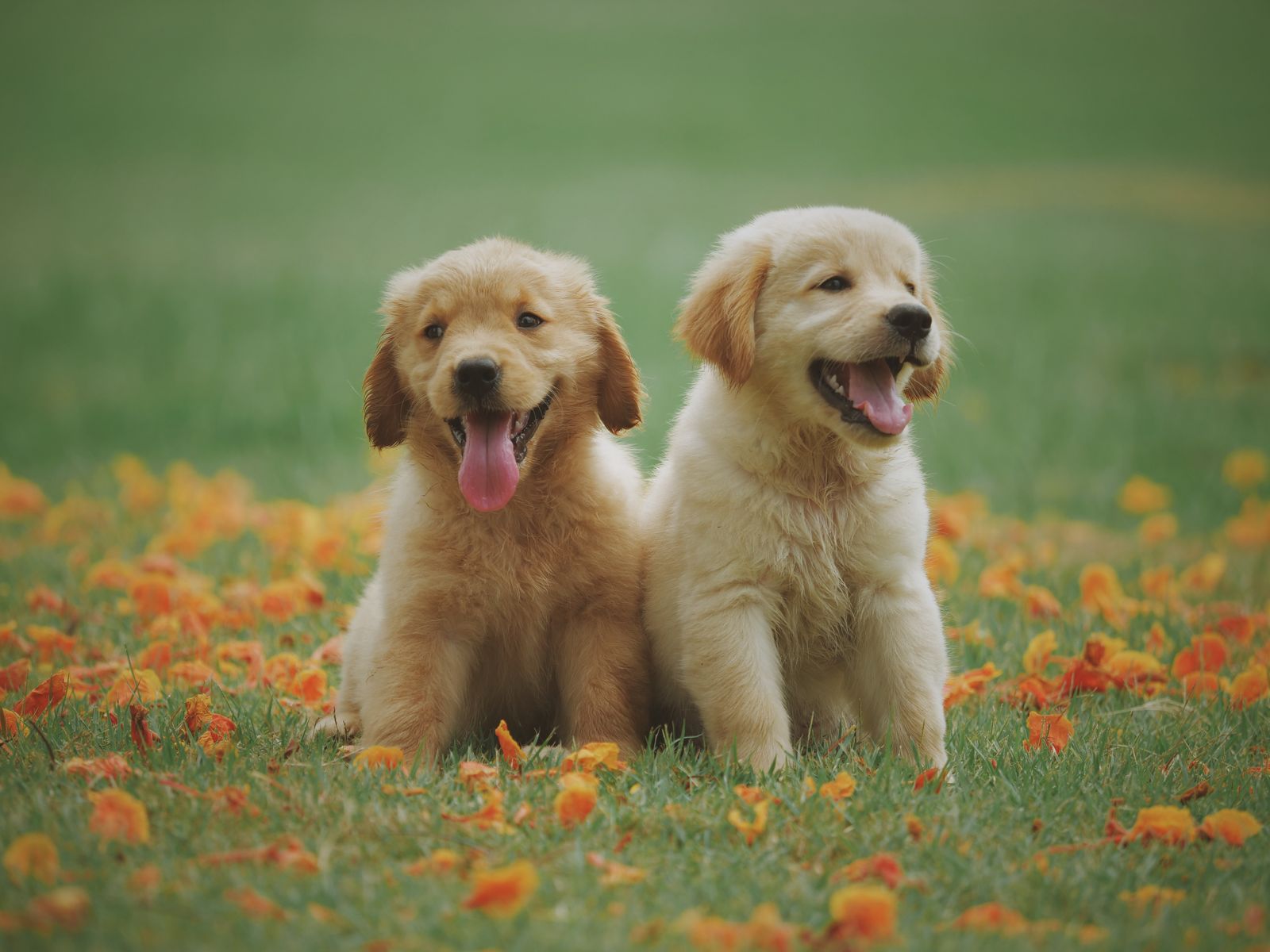
Panting is such a familiar part of having a dog that most owners stop noticing it. A dog comes in from the garden, flops down, and pants happily with a wide grin — the picture of contentment. But panting is also one of the most important pieces of information a dog gives us, and knowing how to read it separates ordinary cooling-down from a genuine warning sign.
The difficulty is that the same behavior means very different things depending on context. Panting after a game of fetch on a warm afternoon is physiology working exactly as it should. Panting at three in the morning, in a cool room, in a dog who has not moved, is something else entirely. This guide covers how panting works, what shifts it from normal to concerning, and the situations that call for an immediate veterinary conversation.
Important: This article shares general educational information for pet owners and is not a substitute for an in-person veterinary examination, diagnosis, or treatment. For any medical concern or emergency, contact your veterinarian promptly.
Why Dogs Pant
Dogs cannot sweat efficiently the way humans do. They have some sweat glands in the paw pads, but these contribute very little to cooling. Instead, dogs rely primarily on evaporation from the moist surfaces of the tongue, mouth and upper airway. Rapid, shallow breathing moves large volumes of air over these surfaces, evaporating moisture and carrying heat away with it.
It is a remarkably effective system in most circumstances, but it has limits. Evaporative cooling works poorly in humid air, because the air is already close to saturated and can absorb less moisture. It also works poorly if the airway is narrow or obstructed, which is why flat-faced breeds struggle disproportionately. And it does not work at all if a dog is enclosed in a hot space with no airflow — which is why a parked car is so lethal, and why it kills so quickly.
What Normal Panting Looks Like
Normal panting has a recognizable character. It is open-mouthed, relatively rhythmic, and the dog looks relaxed rather than distressed. The tongue may hang out, but its color stays a healthy pink. Most importantly, normal panting has an obvious cause and it settles. When the dog cools down, rests, or the excitement passes, the panting eases and breathing returns to a quiet, steady pattern.
- After exercise: a run, a walk, a play session — panting rises and then gradually settles with rest.
- In warm weather: especially in the sun, in thick-coated dogs, or during humid conditions.
- With excitement: greeting you at the door, anticipating a walk, meeting a friend.
- Briefly after stress: a car ride or a vet visit; it should resolve once the dog settles.
- During sleep, occasionally: a brief dream-related flurry that passes.
The two questions worth asking every time are simple: is there an obvious reason for this, and does it stop when the reason stops? If the answer to either is no, look closer.
When Panting Is a Warning Sign
Panting that has no clear trigger — or that continues long after the trigger has passed — deserves attention. So does panting that has changed in character. Owners often describe abnormal panting as sounding different: harsher, more effortful, noisier, or accompanied by a dog who simply cannot get comfortable.
- Panting at rest in a cool room: no exercise, no heat, no excitement — and it does not settle.
- Panting with visible effort: chest and abdomen heaving, elbows held out, neck extended.
- Noisy or harsh breathing: raspy, honking, wheezing or a sudden change in the sound of breathing.
- Pale, blue, grey or brick-red gums: an emergency in every case.
- Restlessness and inability to settle: pacing, repeatedly changing position, unable to lie down comfortably.
- Panting plus collapse, weakness or vomiting: seek care immediately.
- A new pattern in a senior dog: new persistent panting in an older dog should always be checked.
If you see any of the above, contact your veterinarian without delay. If gums are pale, blue or grey, or the dog is struggling to breathe, treat it as an emergency and go straight to a clinic.
Panting as a Sign of Pain
This is the cause owners most frequently miss. Dogs in pain often pant. It is not accompanied by whining or limping in every case, and a stoic dog may show almost nothing else. Persistent panting — particularly at night, particularly in an older dog, particularly with restlessness or an unwillingness to lie down in the usual way — is one of the more common early signals of discomfort from joint disease, abdominal pain, dental pain or injury.
Because dogs are so good at masking pain, this signal is easy to rationalize away as 'he's just getting old' or 'she's a bit warm'. If your dog is panting persistently without a heat or exercise explanation, please have them examined. Pain is manageable, but only once it is recognized — and never with human painkillers, which are dangerous to dogs and must never be given without veterinary direction.
Panting from Stress and Anxiety
Fear and anxiety trigger a physiological stress response that includes rapid breathing. A dog panting during a thunderstorm, fireworks, a car journey, a vet visit or the arrival of unfamiliar guests is often not too warm — they are frightened. Look at the whole body: tucked tail, lowered posture, lip licking, yawning, whale eye showing the whites, pinned ears and an inability to settle all point toward anxiety rather than heat.
Anxiety-related panting is real distress and deserves a real response. Provide a safe, quiet retreat where your dog can withdraw, keep your own energy calm and matter-of-fact, and avoid forcing your dog to face the trigger. For dogs with significant or recurrent anxiety, work with your veterinarian on a proper plan; behavioral support, environmental management and, where appropriate, veterinary intervention can make a substantial difference. A gentle daily routine and a calm environment are the foundation — no product substitutes for that or for professional guidance.
Heat and the Panting That Does Not Help
The most urgent form of panting is the panting of a dog whose cooling system is failing. In overheating, panting becomes frantic, deep and desperate rather than rhythmic. The dog may drool heavily, appear disoriented, stagger, have very red gums, vomit or collapse. This is an emergency in the truest sense and progresses within minutes, not hours.
- Move to shade or air conditioning immediately: get the dog out of the heat first.
- Offer cool — not ice-cold — water: if the dog is conscious and able to drink; never force water into the mouth.
- Wet the coat with cool water: especially the belly, groin, armpits and paws, and use airflow from a fan.
- Do not use ice or ice water: extremely cold water can constrict surface blood vessels and impede heat loss.
- Call your veterinarian immediately: and go, even if the dog seems to improve — internal damage can be ongoing and invisible.
Prevention is far better than any emergency response. Walk in the cooler parts of the day, carry water, avoid hot pavement that can burn paw pads, provide shade and never, under any circumstances, leave a dog in a parked car.
Breeds That Need Extra Care
Brachycephalic — flat-faced — breeds such as Bulldogs, French Bulldogs, Pugs, Boxers and Boston Terriers have compressed airways that make evaporative cooling substantially less efficient. These dogs frequently pant more, more noisily, and with less benefit. They are at markedly higher risk of overheating and can deteriorate very quickly in conditions other dogs handle comfortably.
If you share your home with a flat-faced dog, treat heat with real seriousness: short walks in cool hours, rigorous avoidance of hot or humid conditions, careful weight management to reduce the load on the airway, and a low threshold for veterinary advice. Discuss your dog's individual airway with your veterinarian, since some flat-faced dogs benefit from specific assessment. Overweight dogs of any breed, thick-coated northern breeds, senior dogs and dogs with heart or airway disease also need extra caution.
Learning Your Dog's Resting Breathing Rate
One of the most practical skills an owner can develop is counting a resting breathing rate. It is easy, it takes thirty seconds, and it gives your veterinarian objective data. Do it when your dog is genuinely asleep or fully relaxed, not immediately after activity.
- Wait until your dog is settled, sleeping or resting calmly and cool.
- Watch the chest rise and fall. One rise plus one fall equals one breath.
- Count the breaths over a set period using a timer and write the number down.
- Repeat on a few different days to establish what is typical for your dog.
- Keep the log, and share it with your veterinarian — particularly if your dog has any known heart or airway condition.
Your veterinarian can tell you what range is appropriate for your individual dog and what change would warrant a call. The value lies in the baseline: a rate that has clearly climbed above your dog's own normal is meaningful, and you cannot detect that without knowing where you started.
Panting in Cats Is Different
This deserves stating plainly, because it is one of the most important pieces of information in feline care: cats do not routinely pant. A cat who is panting or breathing with an open mouth should be treated as an urgent problem, not a warm cat cooling down. While a cat may briefly pant after intense play, extreme stress or a distressing car journey, it should resolve almost immediately with rest.
Open-mouth breathing in a cat, or breathing that looks effortful, rapid or accompanied by belly movement, warrants an immediate veterinary call. Do not stress the cat further trying to investigate at home — keep them calm and quiet and get them seen. This is one of those situations where erring on the side of caution is always correct.
Frequently Asked Questions
My dog pants in the car every single time. Is that a problem?
It may reflect anxiety, motion sickness or excitement rather than temperature. Look at the wider body language and whether it stops once the journey ends. Persistent travel distress is worth addressing with your veterinarian, because a frightened dog in a car is unhappy and can also be a safety hazard. There are established behavioral approaches for building a better travel experience.
Is it normal for my old dog to pant more than she used to?
It is common, but common is not the same as normal or acceptable. New or increased panting in a senior dog is frequently linked to pain, reduced fitness, weight gain, or heart and airway changes — all of which deserve assessment. Please do not accept it as inevitable ageing without having your veterinarian check.
Can I give my panting dog something to calm them down?
Never give human medication to a dog. If your dog experiences recurrent anxiety, speak to your veterinarian about a plan built on behavioral management and environmental support. Any supplement or product should be regarded as an optional complement to that plan and to proper veterinary care — never a treatment for a medical or behavioral condition, and never a substitute for professional assessment.
How can I tell overheating from anxiety?
Context is the best guide. Overheating has a heat source — sun, exercise, a warm room, a car — and is accompanied by heavy drooling, very red gums, weakness or disorientation. Anxiety has a trigger — noise, a stranger, a journey — and is accompanied by fearful body language. If you cannot tell, and the dog is distressed, treat it as the more serious possibility and call your veterinarian.