Managing Pet Hair at Home: Furniture, Clothes, and Car

Anyone who shares a home with a dog or a cat learns quickly that hair travels. It appears on black trousers minutes before a meeting, woven into the weave of the sofa, drifting in corners as tumbleweed, and pressed into the passenger seat of the car. Most owners respond by cleaning harder. The households that actually stay on top of it do something slightly different: they intercept the hair before it leaves the animal.
Shedding itself is normal and healthy. Hair grows, rests and is released in cycles, and every dog and cat sheds to some degree — including breeds marketed as low-shedding, whose hair tends to stay caught in the coat rather than falling free. The volume varies enormously with coat type, daylight hours, indoor heating, nutrition and overall health.
This guide covers what drives shedding, how to capture hair at the source with a realistic grooming routine, how to clean the places that hold it most stubbornly, and — importantly — how to recognise the kind of hair loss that is not ordinary shedding and needs a veterinary opinion.
Important: This article shares general educational information for pet owners and is not a substitute for an in-person veterinary examination, diagnosis, or treatment. For any medical concern or emergency, contact your veterinarian promptly.
Shedding Is Normal, But the Pattern Tells You Things
A healthy coat is in constant, gradual turnover. Dogs and cats with double coats typically go through heavier seasonal transitions, often in spring and autumn, when a large volume of dense undercoat is released over a few weeks. Single-coated and continuously growing coats shed less obviously but need more frequent trimming and combing.
Indoor living blurs the seasons. Artificial light and year-round central heating mean many house pets shed moderately all year rather than in two clear bursts. That is not a problem in itself; it simply means the grooming routine needs to be steady rather than seasonal.
What matters is that shedding stays even and the skin underneath stays healthy. Hair thinning in patches, bald areas, broken hair, redness or scaling is not normal shedding. That distinction is covered in more detail further down, and it is worth reading before investing in equipment.
Brushing Is the Whole Strategy
Every hair captured in a brush is a hair that never reaches the sofa. This is the single highest-return habit available, and short frequent sessions beat long occasional ones by a wide margin. A short session most days does more than an occasional long one, and it is far more pleasant for the animal.
Brush in the direction the hair grows, with light pressure, and work in sections so you actually cover the whole body rather than the easy top half. The areas owners miss most often are behind the ears, under the collar, the armpits, the trousers of the hind legs, the belly and the base of the tail — which are also, unhelpfully, the places mats form first.
Do the brushing where cleanup is easy. Outdoors, in a utility room, or on a washable mat turns a shedding session into a contained event instead of redistributing the hair across the living room.
Choosing Tools That Match the Coat
The right tool depends entirely on coat structure, and using the wrong one is both ineffective and uncomfortable.
- Double coats — an undercoat rake reaches the dense layer that a surface brush never touches, followed by a slicker to lift what has been loosened.
- Short smooth coats — a rubber curry brush or grooming mitt lifts loose hair efficiently and most dogs enjoy the sensation.
- Long silky coats — a wide-toothed metal comb worked through in sections, finishing with a pin brush.
- Curly and continuously growing coats — a slicker plus a comb to check your work, since these coats hide mats rather than shed them.
- Cats — a soft slicker or fine comb; many cats prefer short sessions along the back and sides before anything near the belly.
Whatever the tool, clean it as you go. A loaded brush stops collecting hair and starts dragging. Tools with retractable blades or aggressive edges should be used sparingly and gently — over-enthusiastic stripping can damage the coat and irritate the skin underneath.
Make Grooming Something Your Pet Tolerates
A pet who dislikes being brushed will be brushed less, and the hair ends up in the house instead. Time spent building tolerance pays back many times over. Start with very short sessions, work on areas the animal already enjoys being touched, and stop before they become restless rather than after.
Pair the session with something genuinely good: a favourite treat, a lick mat, or simply quiet praise and a scratch in the right spot. For cats especially, the goal is to end while they are still relaxed, because a cat who has been pushed too far remembers it clearly next time.
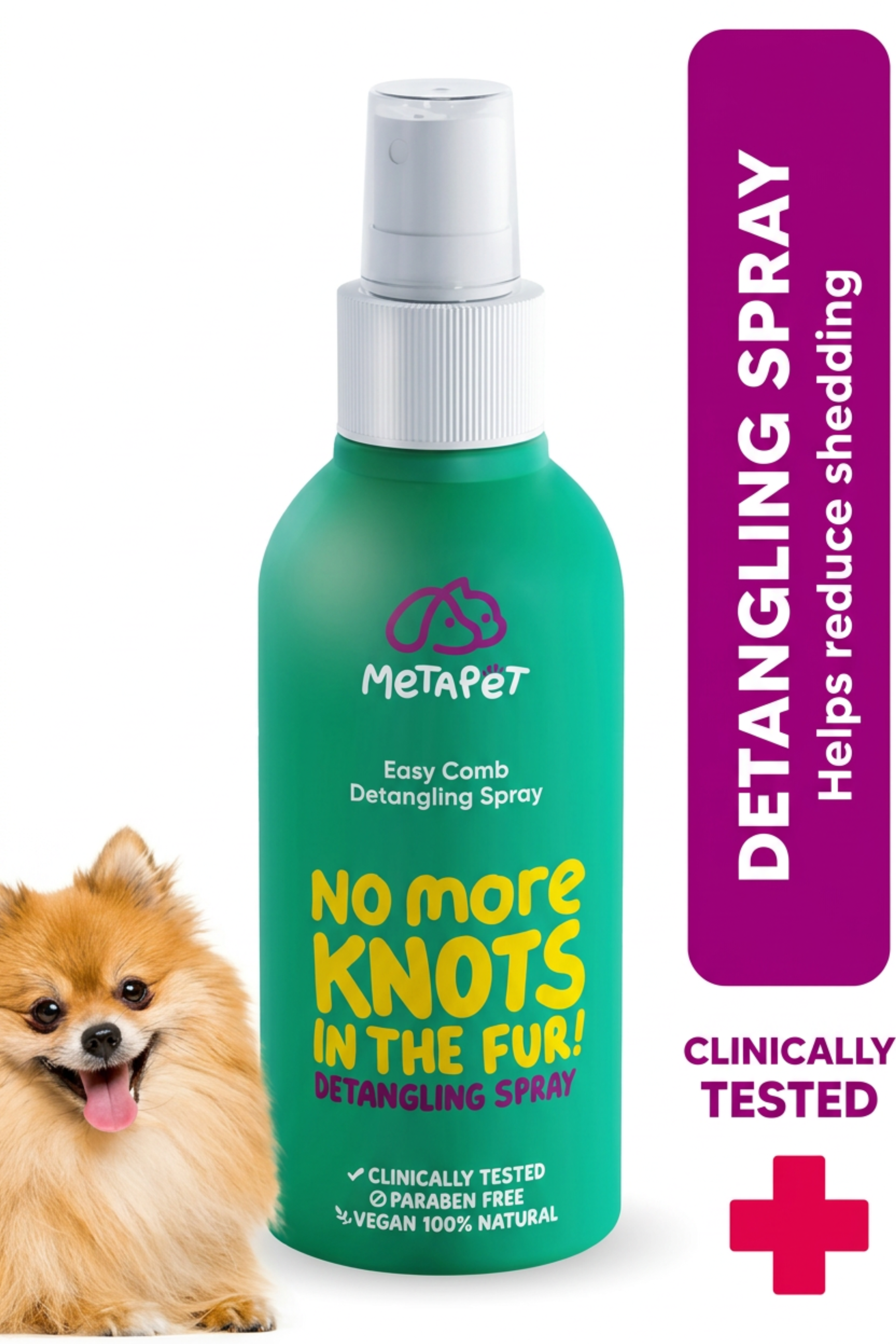
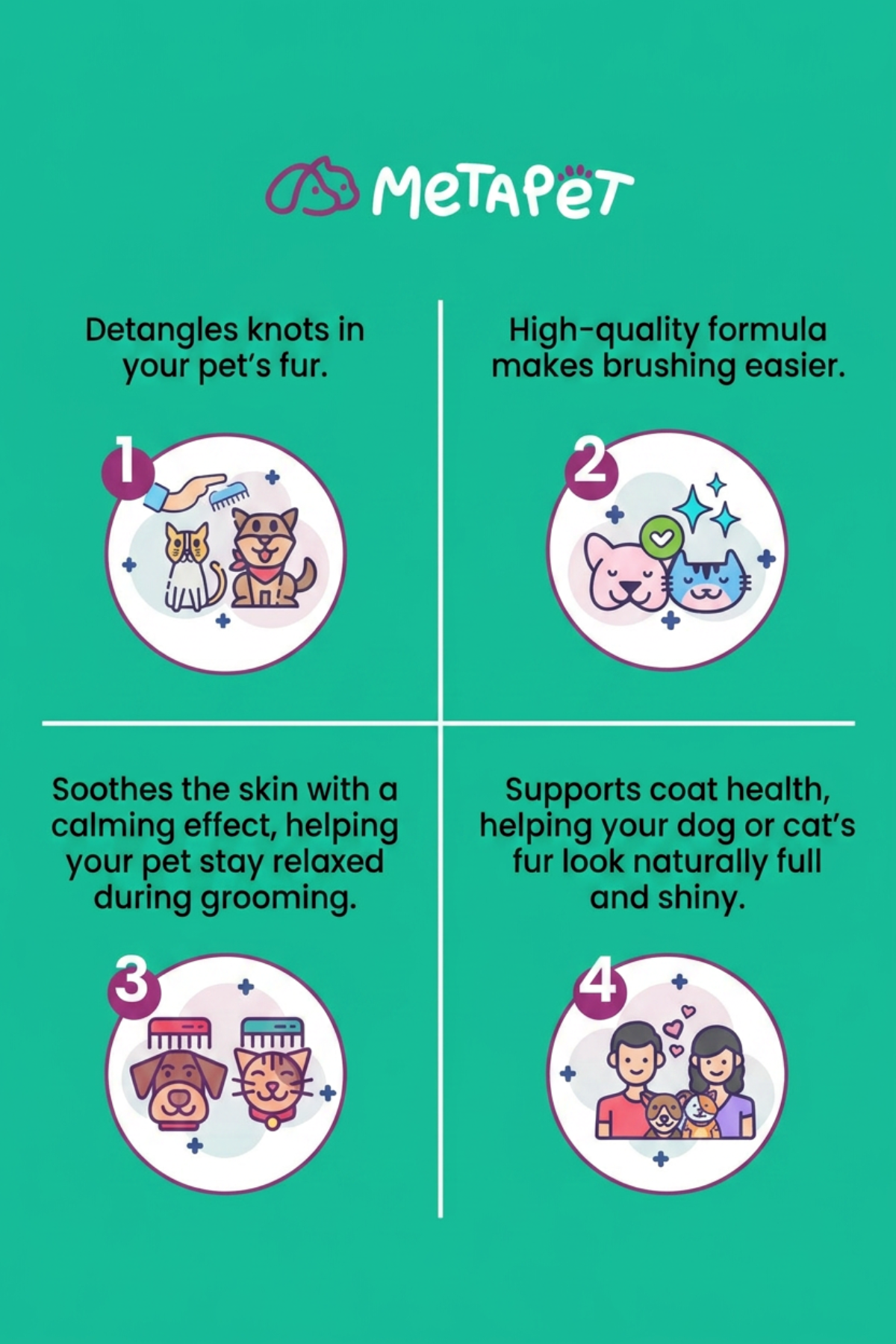
Tangles make grooming unpleasant fast, and dry coats tangle more. A detangling product applied before combing helps the comb glide through rather than pull; MetaPet's No More Knots in the Fur detangling and easy-combing spray is formulated to make combing easier on tangle-prone coats. Tight mats sitting against the skin should be handled by a professional groomer or your veterinarian, never cut out with scissors at home.
Bathing, Drying and Coat Products
A proper bath with thorough drying releases a large amount of loose hair at once, which is why many groomers bathe before they brush out a heavy shedder. The key is the drying stage: loose hair that is combed out while the coat is drying goes into your hand, not onto the furniture.
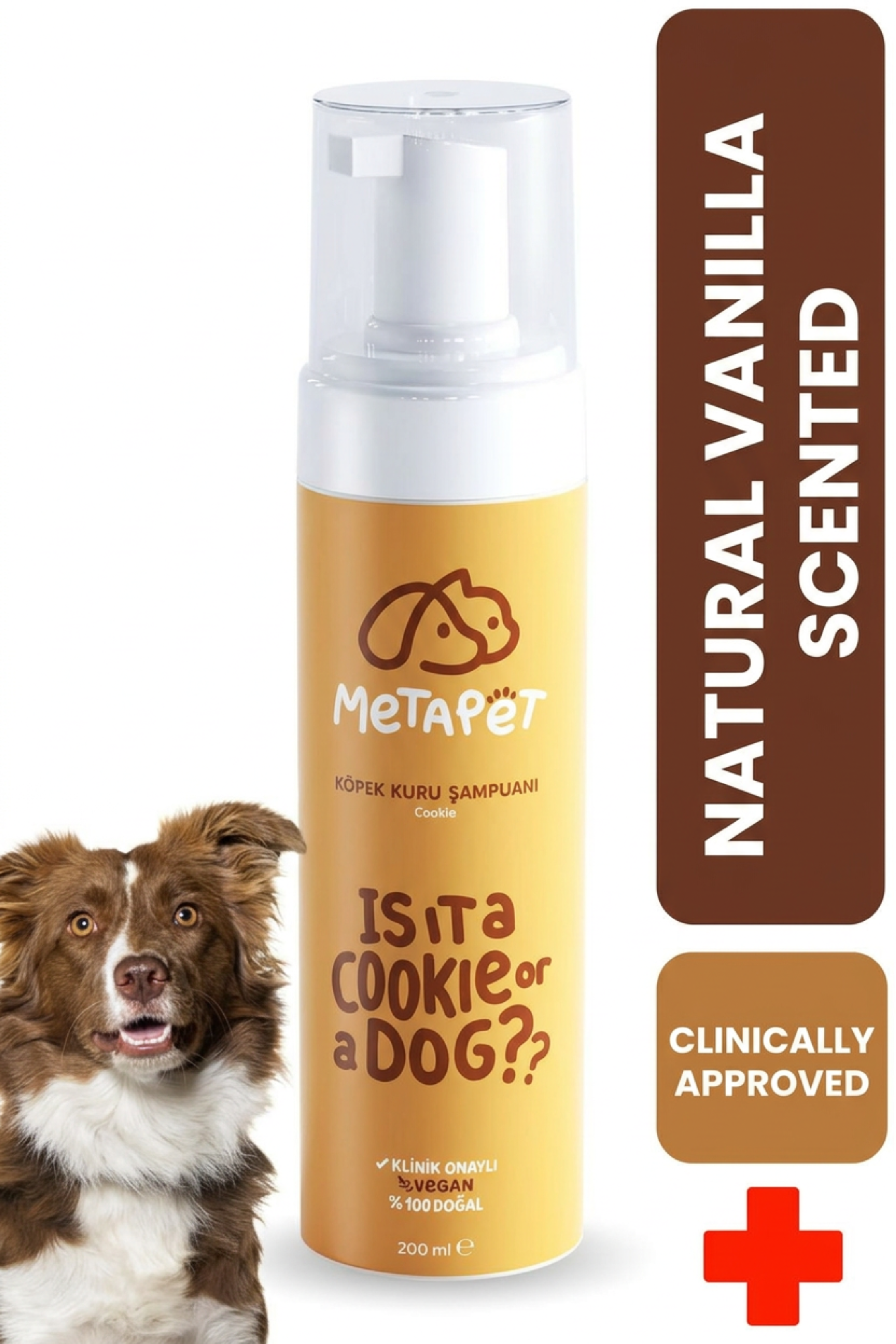
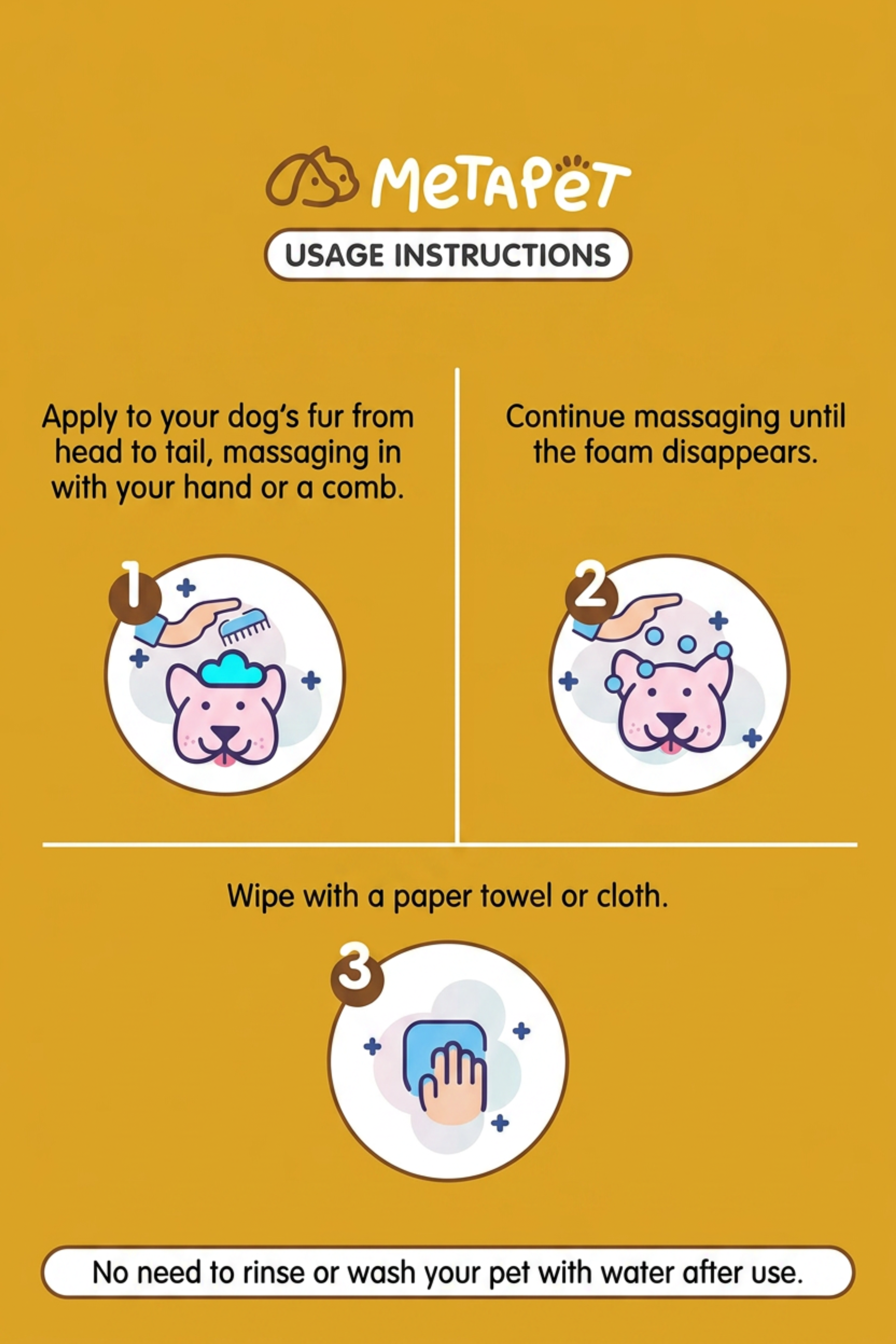
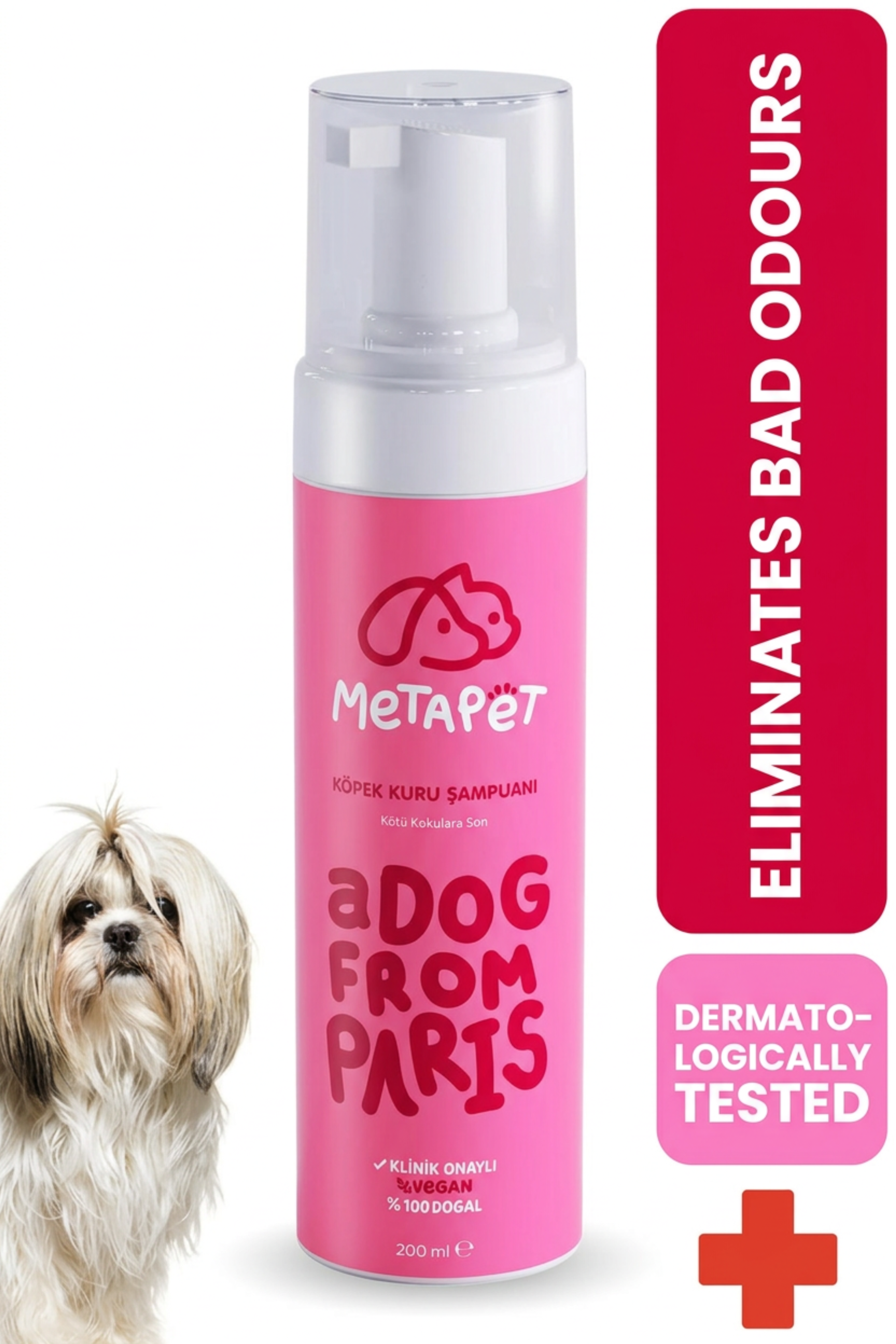
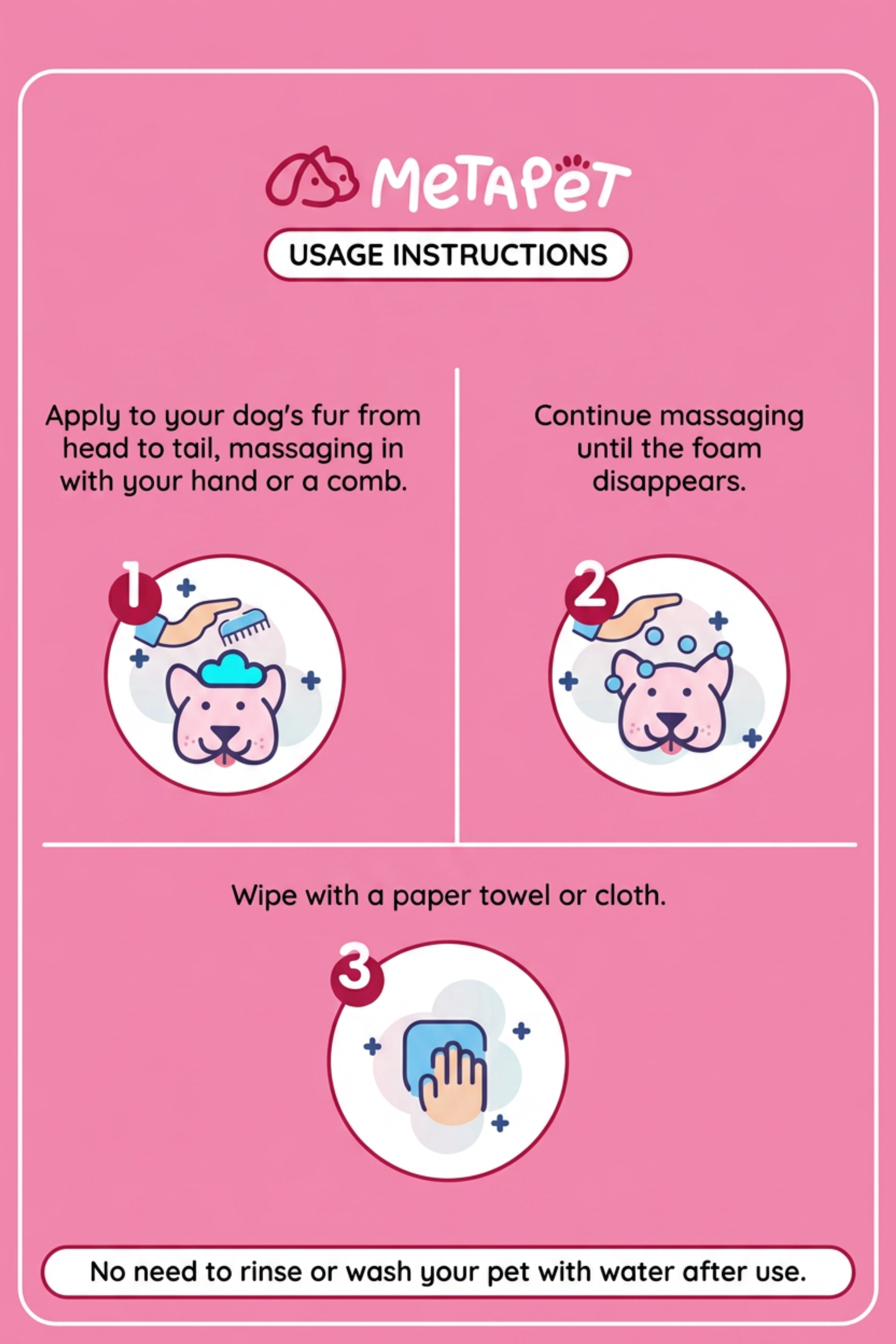
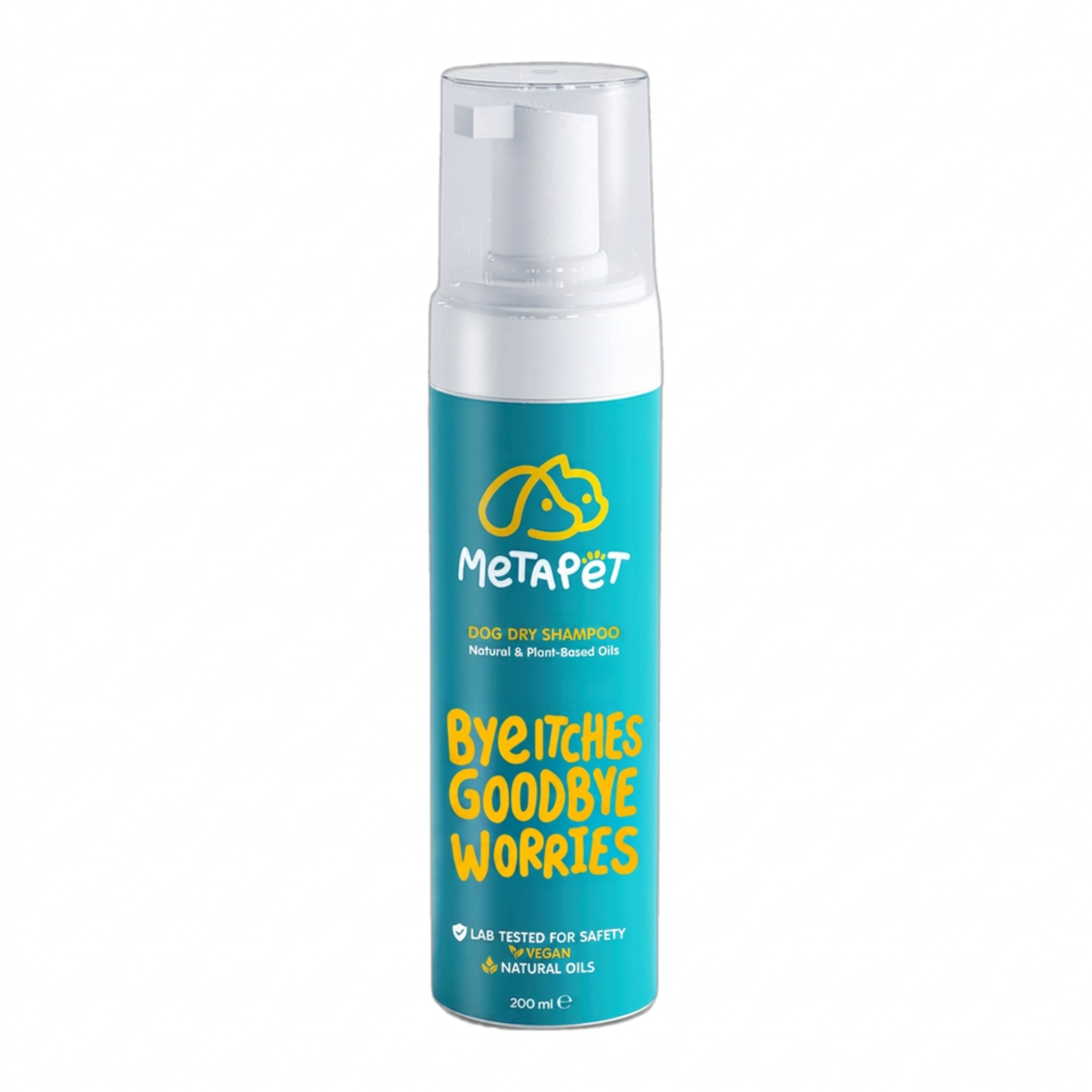
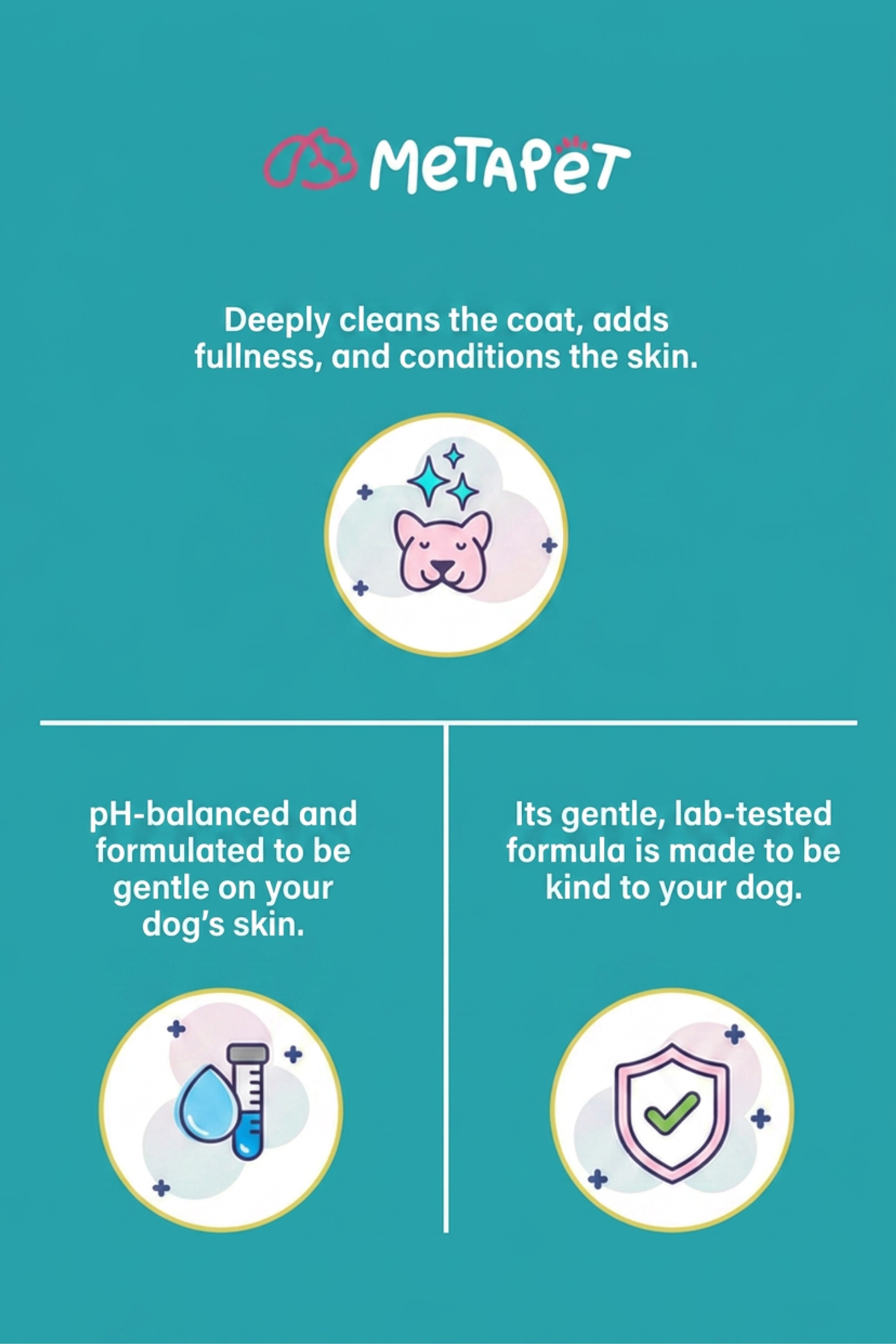
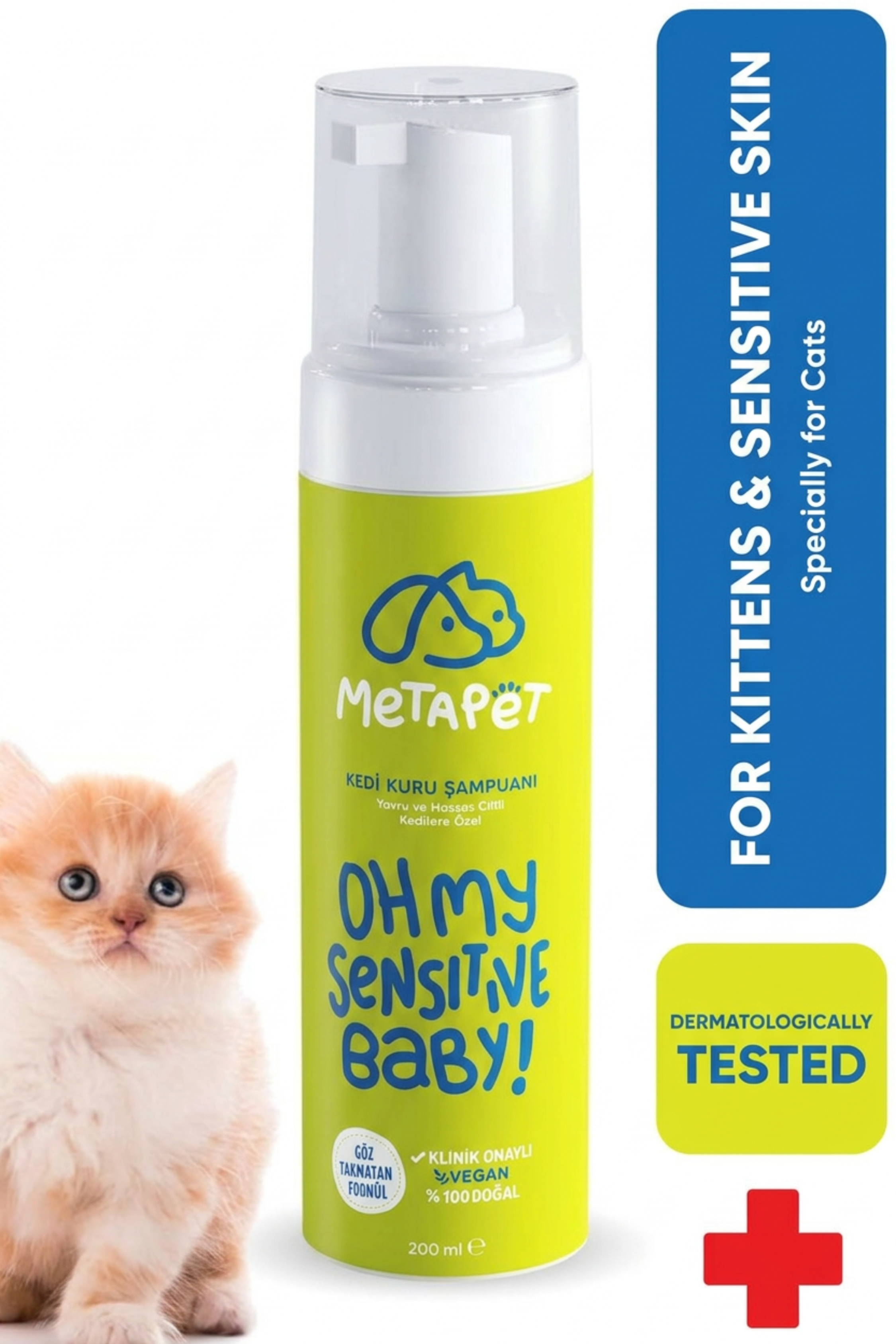
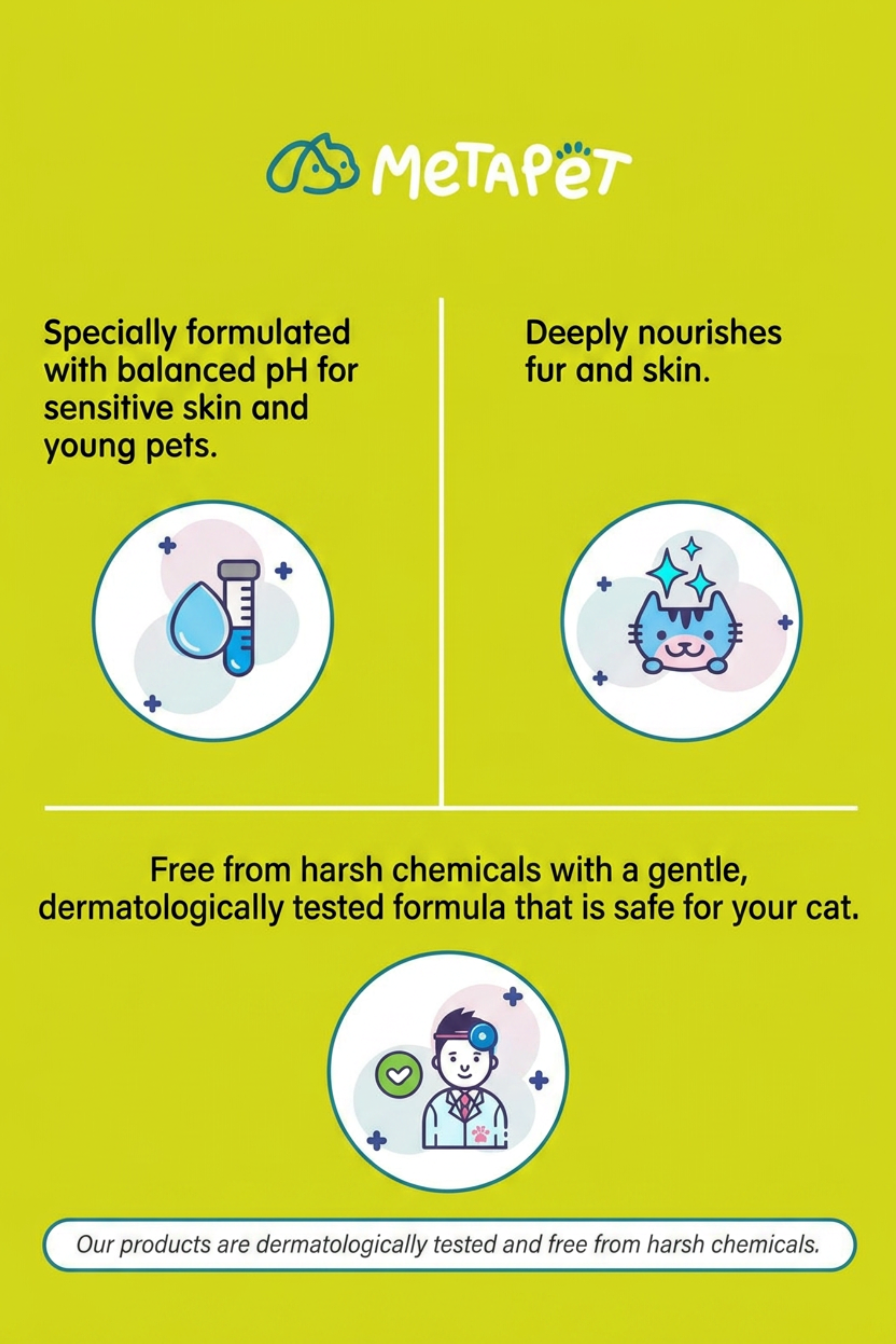
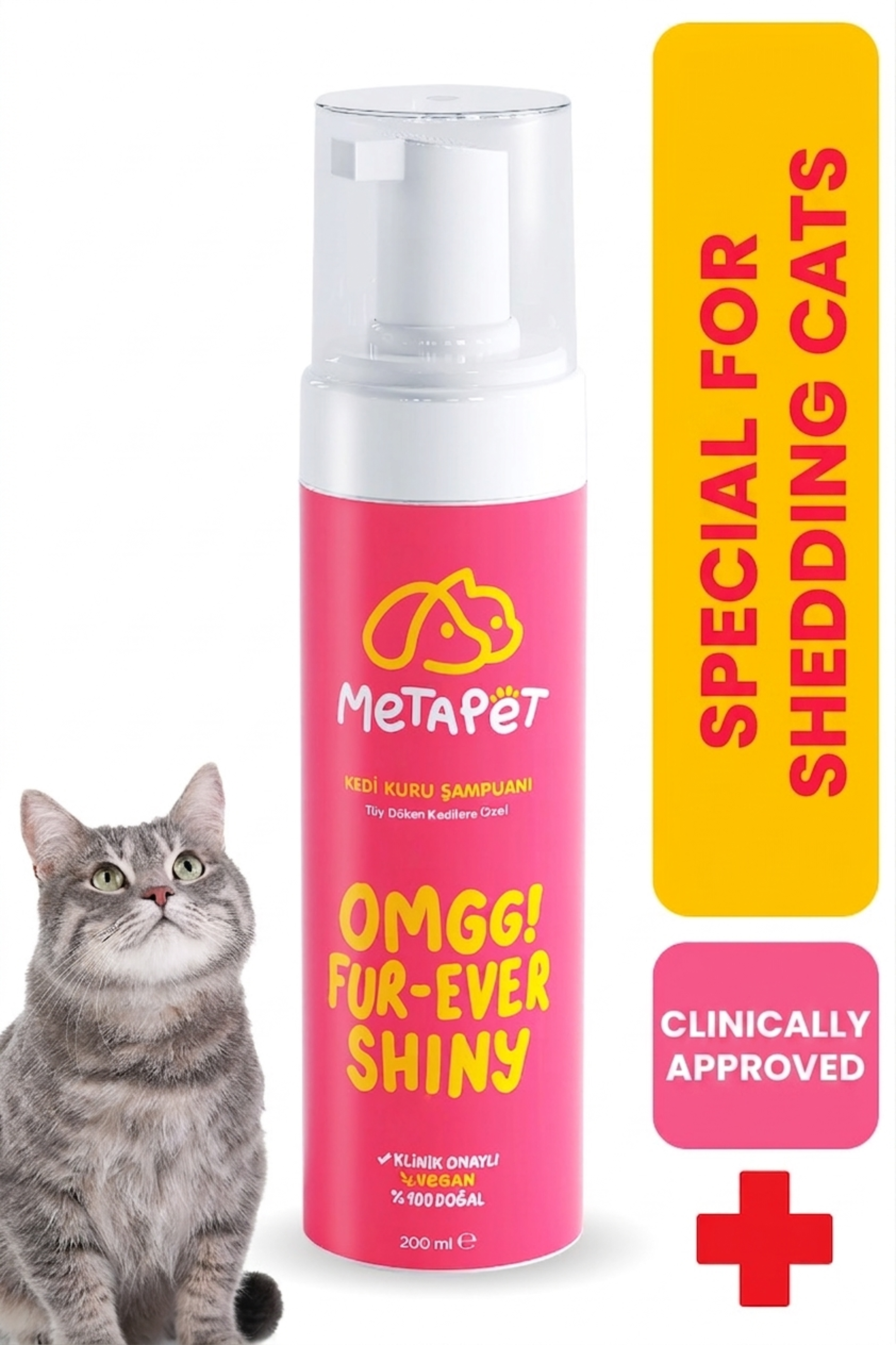
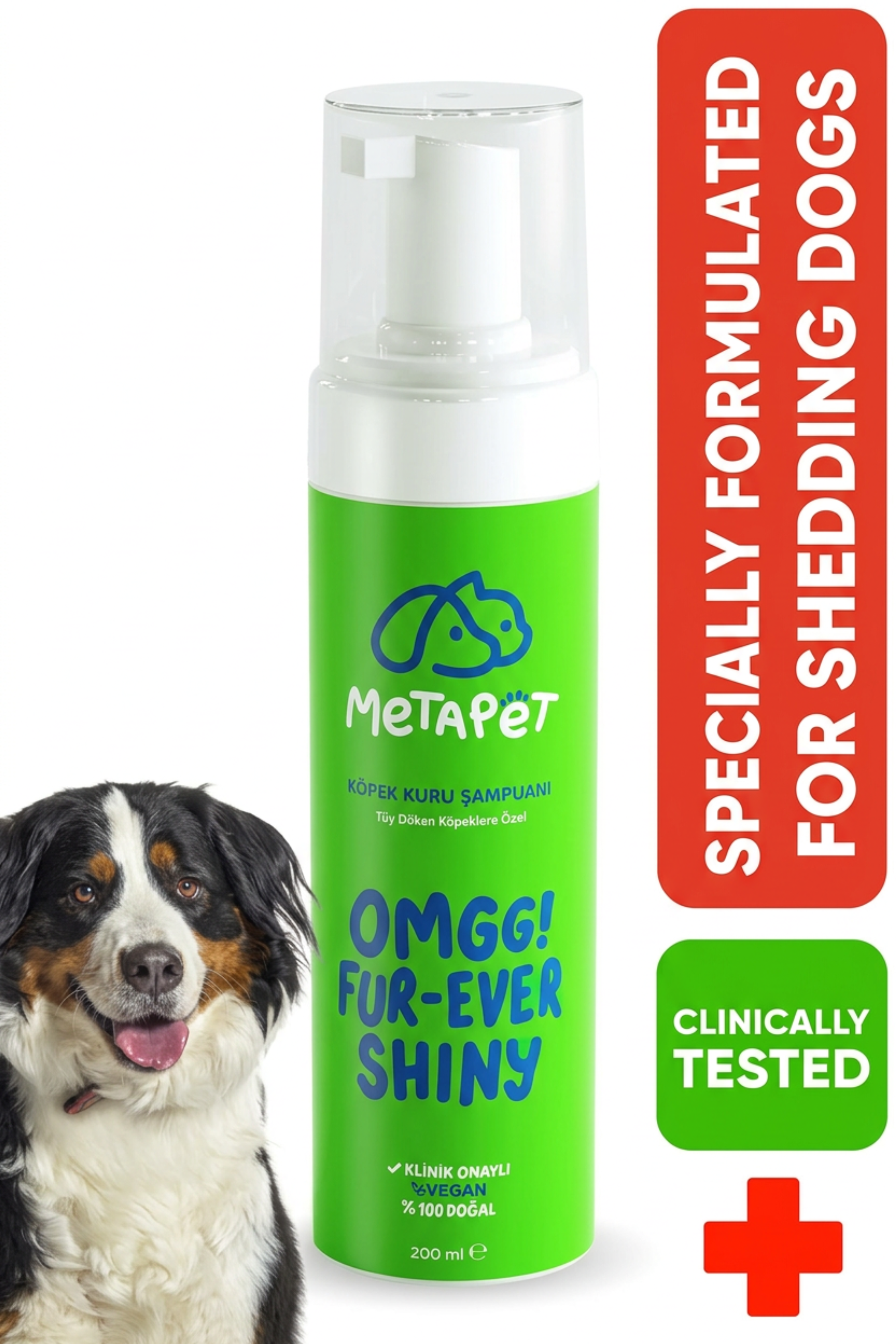
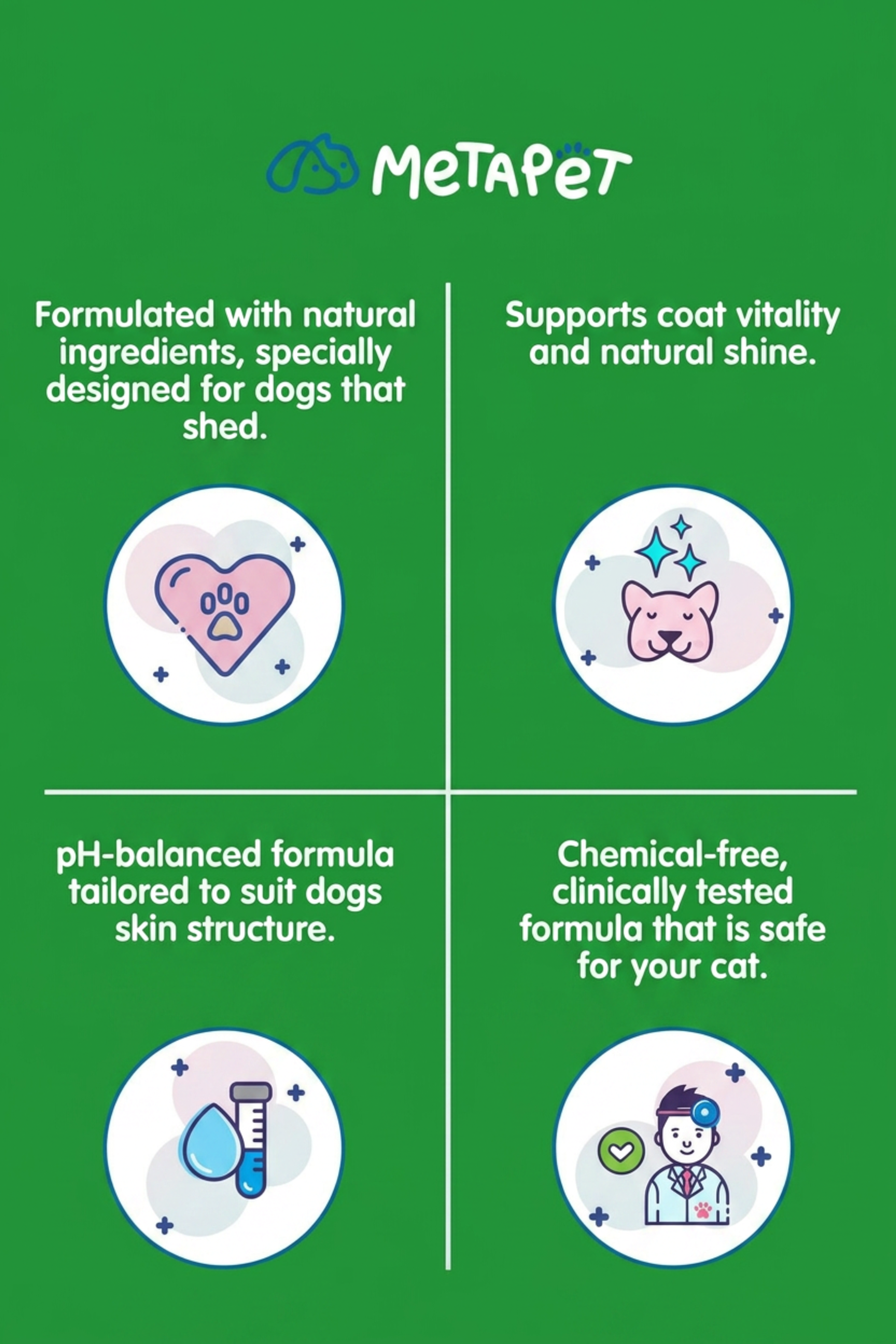
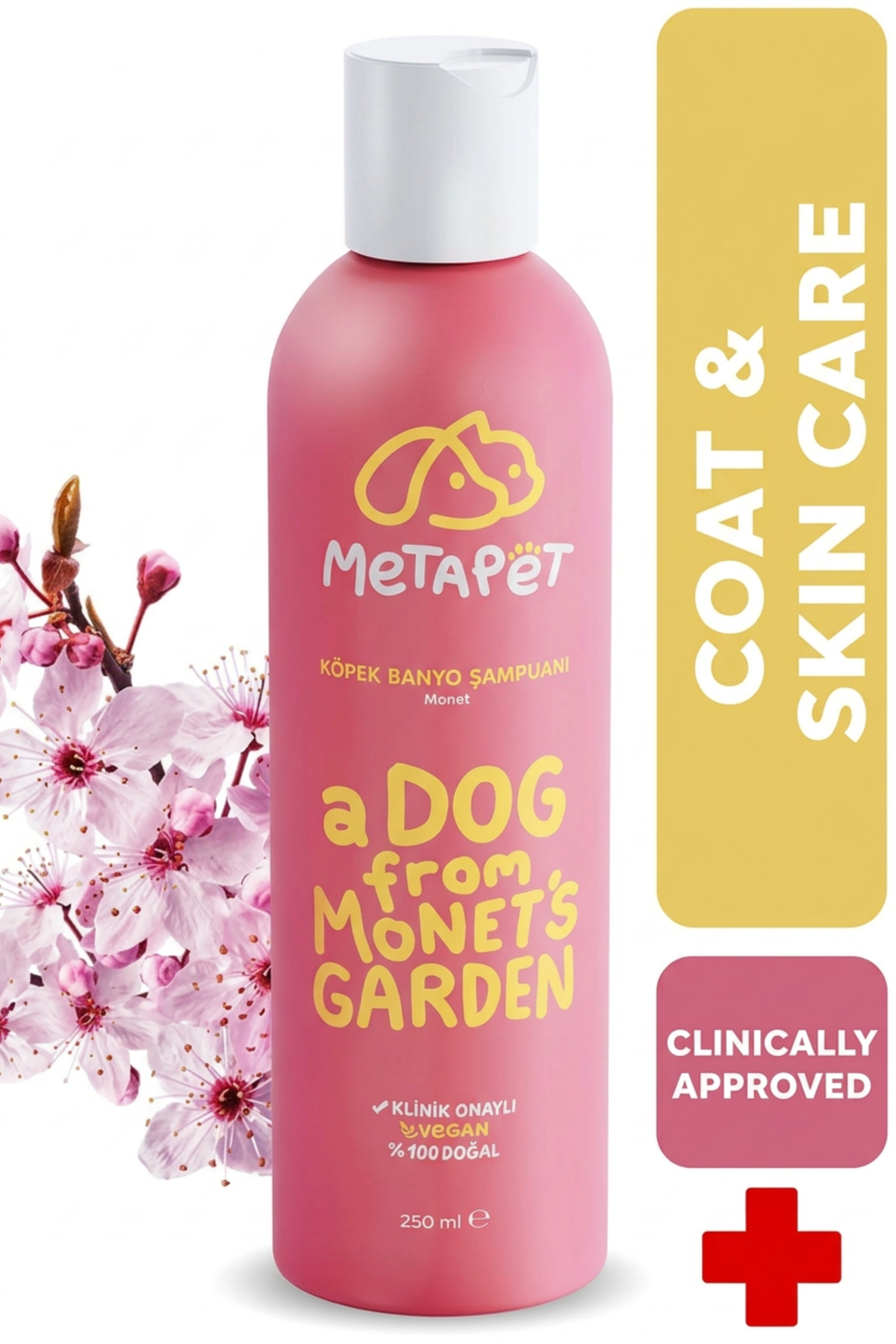
Use a shampoo made for the species. MetaPet's pH-Balanced Bath Shampoo for Dogs is designed for routine canine bathing, and rinsing completely matters more than most owners realise, since residue trapped in a dense coat causes irritation. For pets who find full baths stressful — most cats included — waterless grooming foams offer a between-bath option; MetaPet's anti-shedding dry foam shampoos for cats and dogs are designed to be used as part of a regular grooming and coat-care routine.
These are cosmetic grooming products. They can help with coat condition, cleanliness and ease of brushing, and they may help reduce how much loose hair is left behind in the home when used alongside regular brushing. They are not treatments for skin or coat disease, and a pet with abnormal hair loss needs a veterinary diagnosis rather than a different product.
Diet, Hydration and Coat Turnover
Hair is built from nutrients, and coat quality reflects the diet over weeks rather than days. A complete, balanced food appropriate to your pet's life stage covers the requirements for most animals. If the coat has changed noticeably, discuss the current diet at the next veterinary visit before changing food independently.
Adequate water intake supports skin condition generally. Cats in particular are modest drinkers; multiple clean water stations away from food and litter trays, and a proportion of wet food, both help.
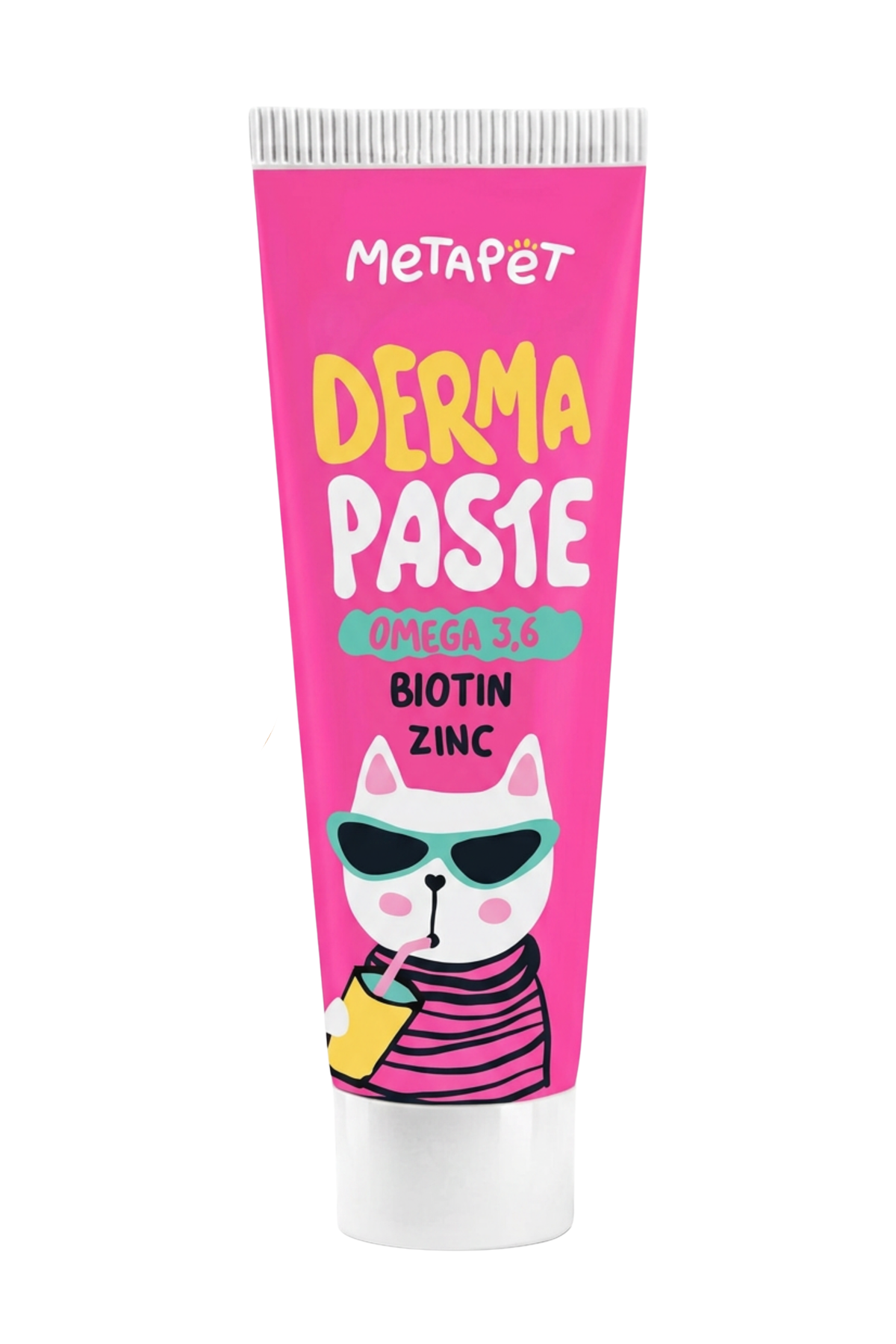
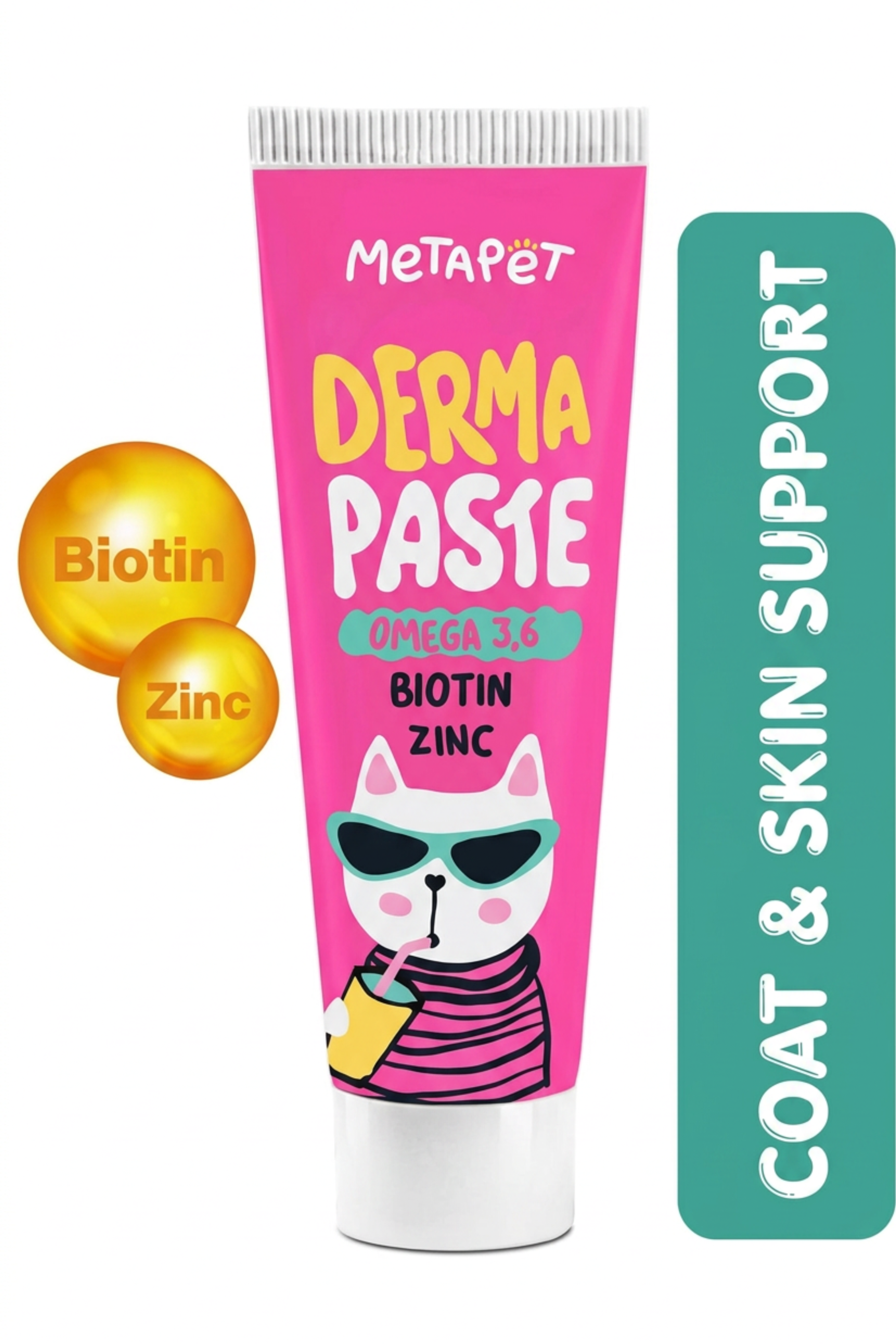
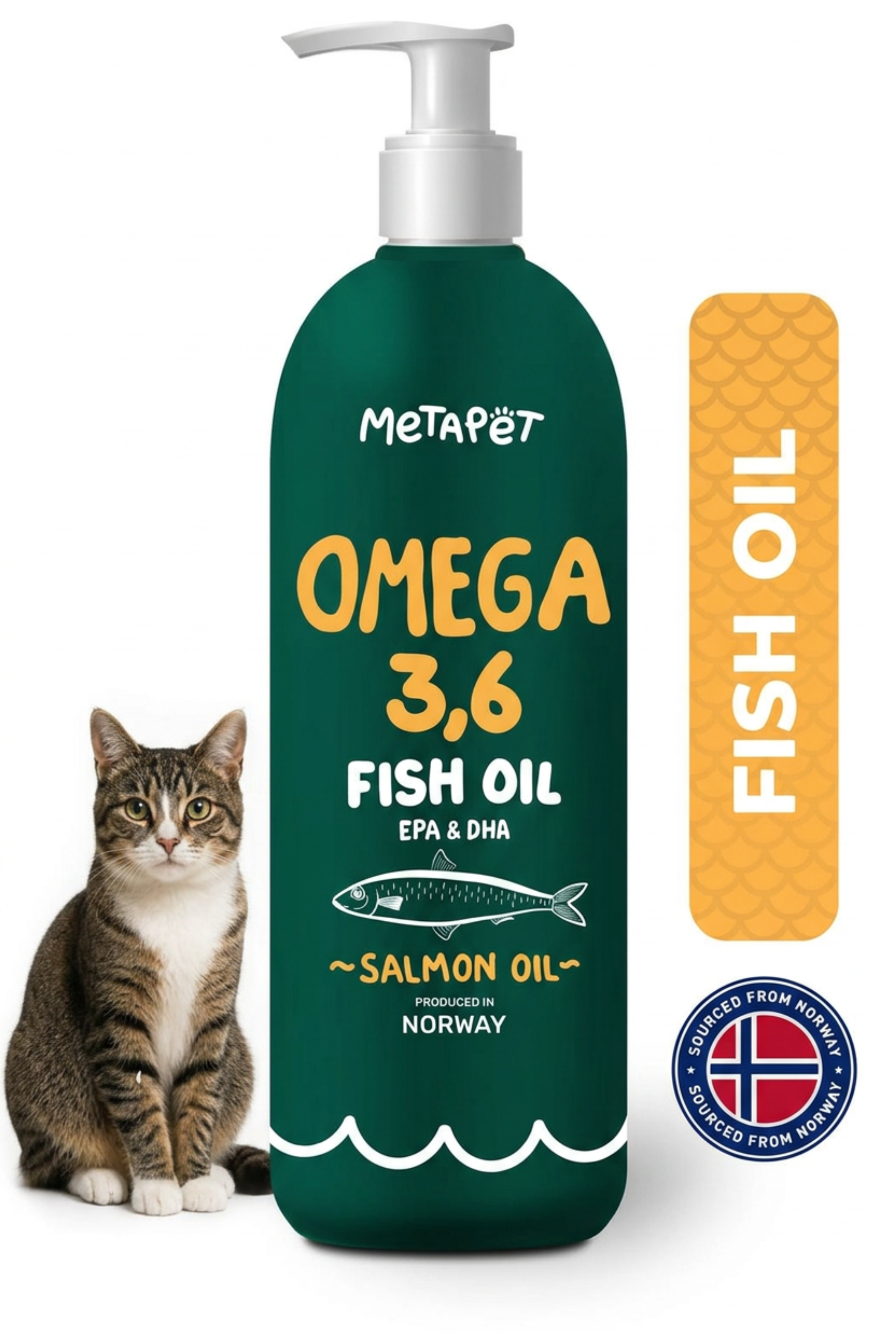
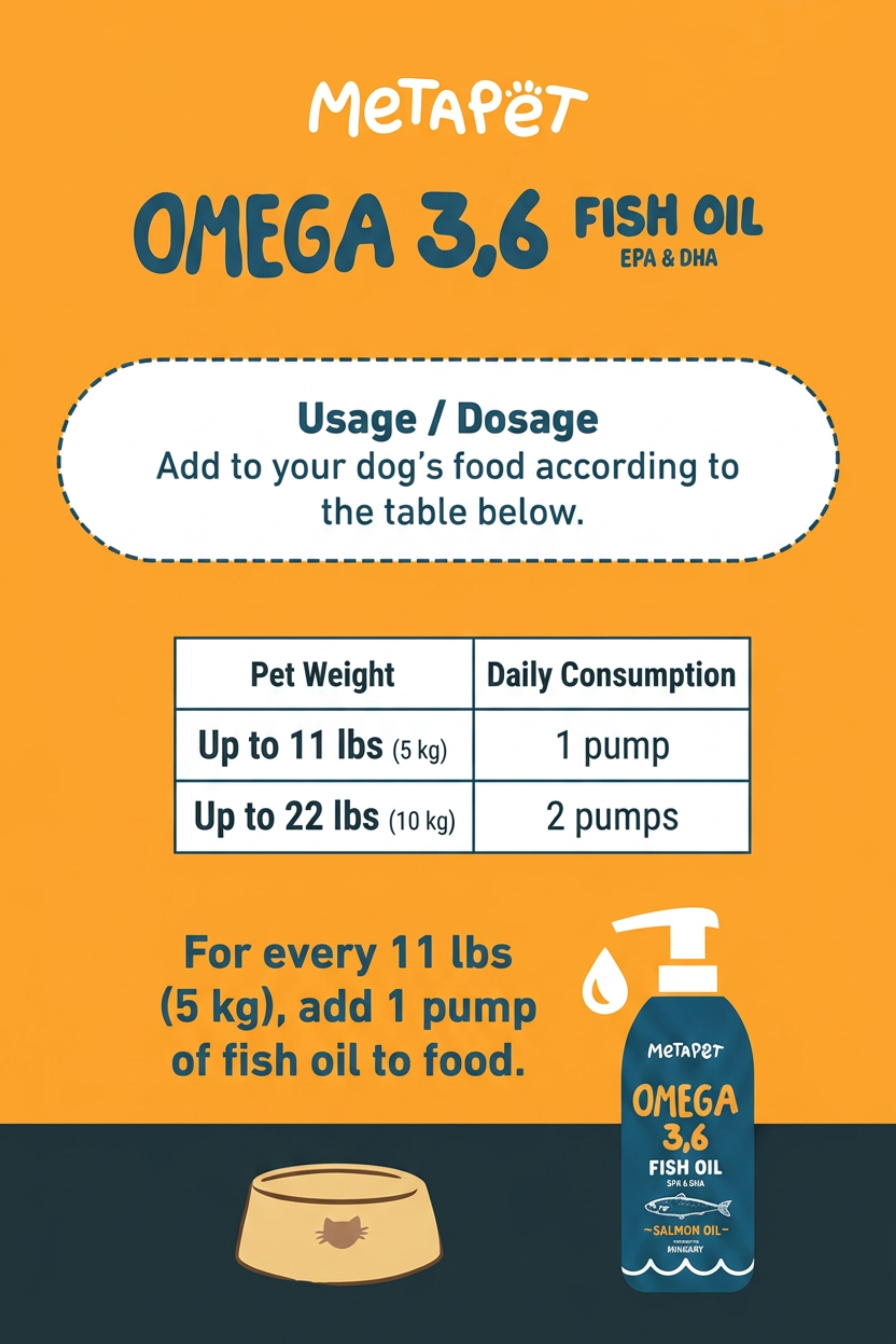
Omega fatty acids are commonly used as part of general skin and coat support. MetaPet's Derma Paste Omega anti-shedding lickable malt for cats and Omega Salmon Oil for Dogs are formulated to support normal skin and coat condition as part of a daily routine. Supplements complement veterinary care and never replace it — check with your veterinarian before starting one, particularly for a pet on medication or with a known health condition.
Furniture and Soft Furnishings
Once hair is in the house, the goal is to concentrate it in places that are easy to clean. Washable throws over the spots your pet actually favours are the most effective single change most households can make: the hair collects on the throw, and the throw goes in the machine.
What works on upholstery
- Rubber gloves — dampen a rubber glove and wipe the surface; hair balls up and lifts off far better than with a lint roller.
- Squeegee or rubber broom — excellent on carpet and woven upholstery, where hair works down into the fibres.
- Vacuum slowly — a slow pass with a motorised or rubber-bladed upholstery tool beats several quick sweeps.
- Fabric choice — tightly woven fabrics and leather release hair easily; loose weaves, velvet and chenille grip it.
Wash pet bedding on a regular schedule rather than when it looks dirty. Bedding is where hair, dander and skin debris concentrate most heavily, and keeping it clean makes every other cleaning task easier.
Clothes, Laundry and the Hair That Follows You Out
Hair transfers to clothing mostly through static and friction. The most reliable fix is to keep a dedicated brushing spot away from where you dress, and to brush your pet before, not after, you put on the outfit you care about.
In the laundry, a short tumble on a no-heat or air cycle before washing shifts a surprising amount of hair into the dryer filter, so it never reaches the washing machine drum. Clean the lint filter each time. Avoid overloading the machine, since crowded laundry cannot release hair into the water to be drained away.
A damp rubber glove or a slightly damp cloth works better on most fabrics than a dry lint roller, and costs nothing. For delicate items, wiping in one direction lifts hair without abrading the surface.
The Car: Small Space, Big Problem
Car interiors hold hair unusually well because upholstery is textured, the space is confined and the air circulates it constantly. The most effective approach is containment: a washable seat cover, hammock or fitted boot liner takes the hair and goes in the wash, leaving the actual seats largely clean.
For the hair that does get through, a rubber squeegee dragged firmly across the seats gathers it into rolls that can be lifted by hand or vacuumed. Work the seams and the gap where the backrest meets the base, which is where hair accumulates out of sight.
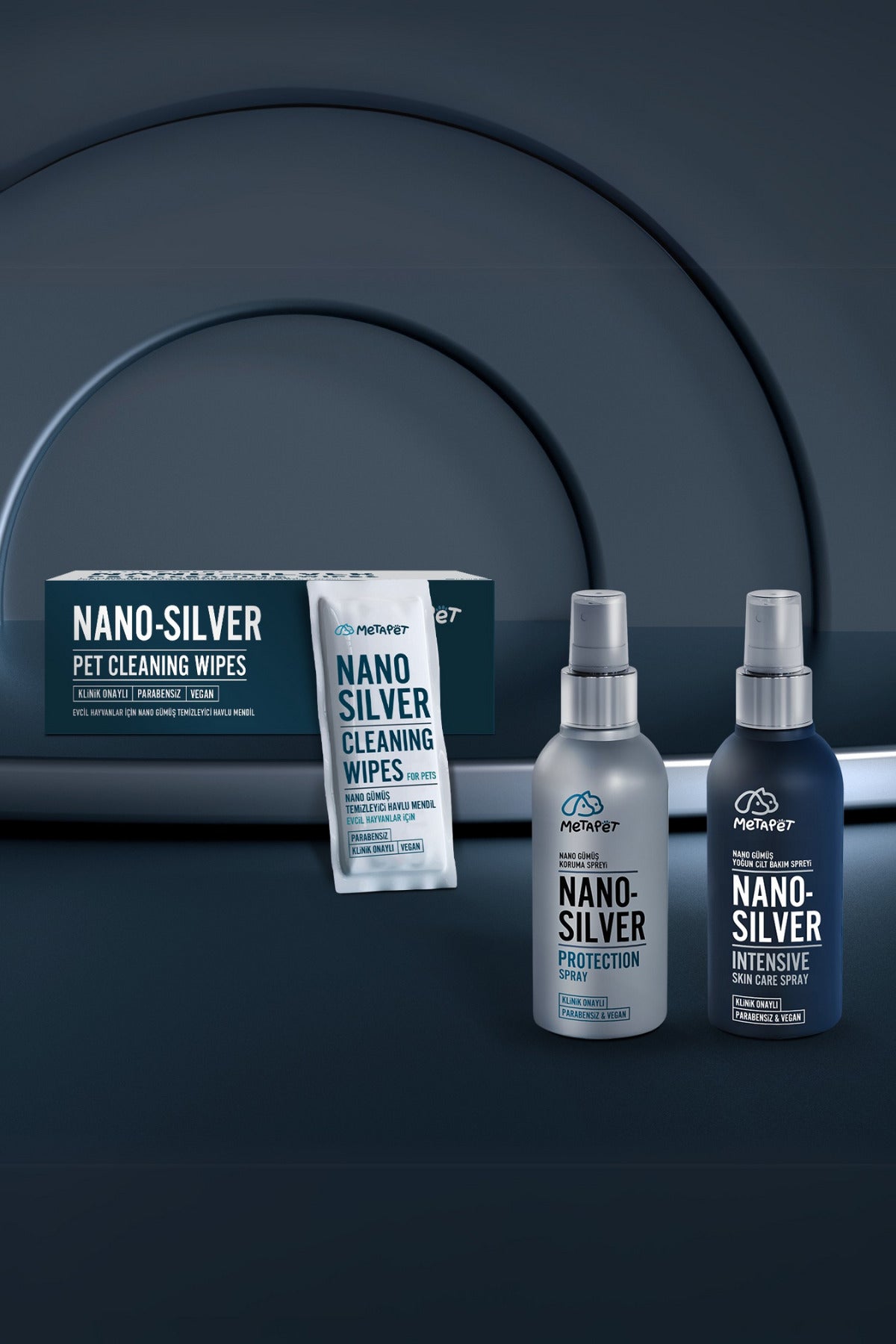
Regular travel is also a good reason to keep a wipe or two in the car for muddy paws before they reach the fabric. MetaPet's Nano-Series Hygiene & Care Towel Wipes are made for this kind of quick, routine cleaning between proper grooming sessions.
Air, Dander and Allergy-Aware Households
What bothers allergy sufferers is usually not the hair itself but the dander, saliva proteins and skin debris that hair carries. Reducing loose hair therefore helps, but so does reducing what circulates in the air.
Practical measures include running a well-maintained air filter in the main living space, changing vacuum and HVAC filters on schedule, keeping at least one pet-free room such as a bedroom, and washing hands after handling the pet. Hard flooring with washable rugs is easier to keep clear than fitted carpet.
If someone in the household has significant allergy symptoms, that is a conversation for a human healthcare professional. Nothing in a grooming routine should be presented as a medical solution for allergies in people.
When Hair Loss Is Not Normal Shedding
This is the point at which cleaning advice stops and veterinary advice starts. Ordinary shedding is diffuse and leaves healthy skin behind. Anything else deserves examination.
- Bald patches or thinning areas — especially if symmetrical, spreading, or over the flanks and tail.
- Red, scabby, greasy or smelly skin — signs of inflammation or infection rather than turnover.
- Persistent scratching, licking or chewing — over-grooming is a common hidden cause of hair loss, particularly in cats.
- Sudden dramatic increase in shedding — a marked change over days to weeks is worth investigating.
- Hair that pulls out easily or breaks — fragile hair points to a skin or systemic problem.
- Shedding plus other changes — thirst, appetite, weight, energy or behaviour changes make this a priority appointment.
Several treatable conditions — parasites, allergic skin disease, bacterial or yeast overgrowth, and hormonal disorders among them — present first as a coat that has 'started shedding badly'. Getting a diagnosis early is easier on the pet and usually simpler to manage.
A Routine That Keeps It Under Control
The households that cope best run something like this: brush most days in a contained spot with the right tool for the coat; wash pet bedding and throws on a fixed weekly schedule; vacuum the two or three rooms the pet actually uses more often than the rest of the house; keep a washable cover in the car; and bathe on a sensible interval with thorough drying and a brush-out.
None of that is dramatic, and that is rather the point. Pet hair is a maintenance problem, not a one-off cleaning project, and small consistent habits beat occasional heroic efforts every time.
Build in a weekly look at the skin while you brush — part the coat in a few places and check colour, texture and any lumps or scabs. It takes seconds, it is how coat problems get caught early, and it turns a chore into something genuinely useful for your pet's health.