Legg-Calve-Perthes Disease in Small Dogs: Signs and Care

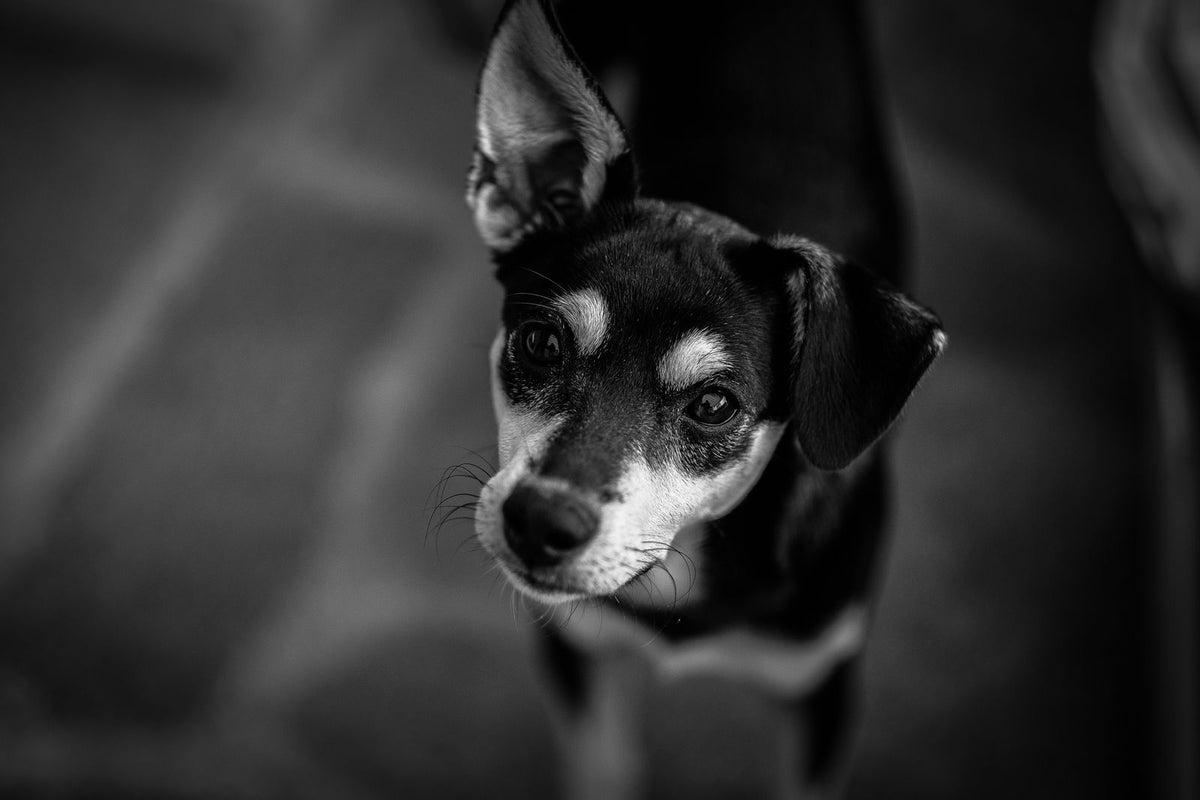
When a young toy or small-breed dog starts limping on a back leg, owners often assume a sprain or a kneecap problem. One less familiar but well-recognised possibility is Legg-Calvé-Perthes disease, often shortened to Perthes disease. It affects the ball at the top of the thigh bone, the part that sits inside the hip socket, and it can cause real, persistent pain.
The good news is that Perthes disease is usually very manageable once it is identified, and most dogs go on to live active, comfortable lives. This guide explains what the condition is, which dogs are most at risk, the signs to look for, how veterinarians diagnose it, the main care options, and what recovery looks like at home.
Important: This article shares general educational information for pet owners and is not a substitute for an in-person veterinary examination, diagnosis, or treatment. For any medical concern or emergency, contact your veterinarian promptly.
What Is Legg-Calve-Perthes Disease?
The hip is a ball-and-socket joint. The ball, called the femoral head, sits at the top of the thigh bone (femur) and fits into a cup-shaped socket in the pelvis. In Perthes disease, the blood supply to the femoral head is disrupted. Without enough blood flow, the bone in the femoral head begins to weaken and die, a process vets call avascular or aseptic necrosis.
As the body tries to repair the damaged bone, the weakened femoral head can collapse and lose its smooth, round shape. The joint surface becomes irregular, the hip becomes inflamed, and arthritis develops. The result is pain and lameness that usually worsen over several weeks.
The exact reason the blood supply is interrupted is not fully understood. A hereditary component is strongly suspected in several breeds, which is why veterinarians and breed organisations generally advise against breeding affected dogs.
Which Dogs Are Most at Risk?
Perthes disease is overwhelmingly a condition of small and toy breeds, and it typically appears in young dogs, most often during the first year of life while the skeleton is still maturing.
- Terriers: including Yorkshire Terriers, West Highland White Terriers, Jack Russell Terriers, Cairn Terriers, and Manchester Terriers.
- Toy breeds: such as Miniature and Toy Poodles, Chihuahuas, Miniature Pinschers, and Pugs.
- Other small breeds: a range of other small dogs and small mixed breeds can be affected.
Both male and female dogs can develop the condition. In most dogs only one hip is affected, although both hips can be involved in a minority of cases. Perthes disease is rare in medium and large breeds, where a young dog with hip pain is more likely to have a different problem such as hip dysplasia.
Signs to Watch For
Signs often start subtly and progress gradually. Many owners first notice an occasional skip or hop that becomes more frequent over weeks.
- Hind-leg limping: often mild at first, then steadily more obvious.
- Carrying the leg: holding one back leg off the ground, especially after exercise.
- Pain when the hip is moved: yelping, pulling away, or turning to look when the hip is handled or extended.
- Thinner thigh muscles: the affected leg may look slimmer because the dog uses it less.
- Reduced activity: reluctance to jump, climb stairs, or play as usual.
- Irritability: some dogs become grumpy when picked up or touched near the hip.
- Licking or chewing near the hip or flank: occasionally seen in dogs with chronic discomfort.
Limping in a young small-breed dog should never be dismissed as growing pains. Several conditions cause similar signs, and early assessment helps your dog get comfortable sooner.
Conditions That Can Look Similar
A veterinarian will consider other causes of hind-leg lameness in small dogs, and it is common for more than one issue to be present.
- Luxating patella: a kneecap that slips out of place, very common in small breeds and sometimes present alongside Perthes disease.
- Soft-tissue injuries: sprains and strains from jumping or rough play.
- Fractures: small dogs can break bones from falls or from being dropped.
- Hip dysplasia: less typical in toy breeds but possible.
- Cruciate ligament injury: less common in very young dogs but still considered.
This is why a physical exam and imaging are important. Treating the wrong joint can delay comfort and recovery.
How Veterinarians Diagnose Perthes Disease
Diagnosis starts with a history and a thorough orthopaedic examination. Your veterinarian will watch your dog walk, feel the muscles of both legs, and gently move each joint to find where the pain is coming from. Pain on extending the hip and reduced thigh muscle on one side are important clues.
X-rays of the hips, usually taken under sedation so your dog is relaxed and positioned correctly, are the key test. They may show a femoral head with a mottled, uneven appearance, flattening or collapse of the ball, widening of the joint space, and signs of arthritis. In very early disease, changes can be subtle, and repeat X-rays after a few weeks may be recommended if signs continue.
X-rays of both hips are typically taken so the other side can be checked as well.
Care Options
The right plan depends on how advanced the changes are, your dog's pain level, and your veterinarian's assessment. Treatment decisions should always be made together with your veterinary team.
Surgery: femoral head and neck excision
The most commonly recommended option is a surgery called femoral head and neck excision, often called FHO (femoral head ostectomy). The surgeon removes the damaged ball and neck of the femur. Over the following weeks, scar tissue forms a supportive false joint. Because small dogs are light, they usually adapt very well, and most regain good, comfortable use of the leg.
Hip replacement
Total hip replacement using very small implants is available at some specialist centres. It aims to recreate a more normal joint. Whether it is suitable depends on your dog's size, bone quality, and the availability of a surgeon experienced in the technique.
Conservative management
In very early or mild cases, a period of strict rest and veterinary-directed pain relief may occasionally be tried. However, many dogs managed this way continue to have discomfort, and surgery is often recommended if signs persist. Never give human pain medicines to dogs; several common ones are dangerous to them.
Recovery After Surgery
Recovery after FHO is an active process. Unlike some surgeries where strict rest is the priority throughout, dogs recovering from FHO usually benefit from being encouraged to use the leg once their veterinarian says it is time. Muscle strength and joint movement are what build a good false joint.
- Early days: pain relief as prescribed, incision checks, and short, controlled toilet trips on a lead.
- Gentle movement: your veterinarian or a rehabilitation professional may show you passive range-of-motion exercises, gently moving the hip through its natural range.
- Controlled walking: gradually longer lead walks on non-slippery surfaces to encourage the dog to put weight on the leg.
- Strengthening: slow walks up gentle slopes, sit-to-stand exercises, and, where available, underwater treadmill sessions.
- Return to normal activity: a gradual return to play once your veterinarian is happy with progress.
Recovery timelines vary. Many dogs start using the leg within a couple of weeks and continue to improve over the following months. Follow your veterinarian's specific schedule, and ask about referral to a veterinary physiotherapist if progress seems slow.
Supporting Your Dog at Home
- Keep your dog lean: extra weight places more load on healing joints. Ask your veterinarian for a target weight.
- Use non-slip flooring: rugs, runners, or mats help prevent slips on hard floors.
- Limit jumping: use ramps or steps for sofas and beds, and lift your dog carefully while supporting the back end.
- Prevent licking the incision: use a cone or recovery suit as advised.
- Offer mental enrichment: sniffing games, food puzzles, and gentle training keep a resting dog content.
- Track progress: short videos of your dog walking every week or two help you and your veterinarian see improvement.
Long-Term Outlook
The outlook for dogs with Perthes disease is generally good, particularly after surgery and a well-supported rehabilitation period. Most dogs return to walking, running, and playing comfortably. Some may show a slight gait difference or a little stiffness after heavy exercise, especially as they age, but quality of life is usually very good.
Because arthritis can develop in any joint that has been damaged, keeping your dog at a healthy weight, maintaining regular moderate exercise, and attending routine wellness checks all support long-term comfort. Tell your veterinarian if you notice any return of limping.
Questions to Ask Your Veterinarian
A diagnosis like this can feel overwhelming, and it is easy to forget questions in the consulting room. Writing a short list beforehand helps you leave with a clear plan.
- How advanced are the changes on the X-rays? This helps you understand why a particular option is being recommended.
- Is the other hip healthy? Knowing this early helps you plan for the future.
- Which surgical option suits my dog, and who would perform it? Ask about experience with the procedure and whether referral is worthwhile.
- What will pain management look like before and after surgery? Ask which signs of discomfort to report.
- What does the rehabilitation plan involve week by week? Ask whether a veterinary physiotherapist could help.
- When should my dog be using the leg well? Having a rough timeline helps you spot slower-than-expected progress early.
Myths and Facts
- Myth: It is just growing pains and will pass. Fact: persistent limping in a young small-breed dog needs veterinary assessment; Perthes disease usually worsens without appropriate care.
- Myth: Removing the femoral head leaves a dog unable to walk. Fact: small dogs typically adapt very well after FHO and regain good leg use with rehabilitation.
- Myth: Only one breed gets it. Fact: many small and toy breeds and small mixed breeds can be affected.
- Myth: Rest alone always resolves it. Fact: rest may help in some mild cases, but many dogs need surgery for lasting comfort.
Frequently Asked Questions
Is Perthes disease painful?
Yes. The collapsing femoral head and resulting arthritis are painful, which is why prompt veterinary assessment and appropriate pain management are important.
Can both hips be affected?
Yes, although most dogs have only one affected hip. Your veterinarian will usually check both hips on X-rays.
Should I breed my dog if the condition was treated?
Because a hereditary component is suspected, affected dogs are generally not recommended for breeding. Discuss this with your veterinarian and, if relevant, your breeder.
Can cats get it?
Perthes disease is recognised mainly in dogs. Young cats with hip pain can have other femoral head problems, so any limping cat should also see a veterinarian.
The Takeaway
Legg-Calvé-Perthes disease is a hip condition of young small and toy-breed dogs in which the femoral head loses its blood supply and collapses, causing pain and limping. X-rays confirm the diagnosis, and surgery, most commonly femoral head and neck excision, followed by active rehabilitation, gives most dogs an excellent quality of life. If your young small dog is limping on a back leg, book a veterinary examination rather than waiting for it to pass.