How to Choose the Right Shampoo for Your Dog or Cat

Standing in front of a wall of pet shampoos — oatmeal this, deshedding that, foams, sprays, and bottles promising showroom shine — it is fair to wonder whether any of it matters. Could you not just use a squirt of your own shampoo? (Short answer: better not.) And does a cat who has never willingly touched water really need a bathing product at all? (Sometimes, yes — just not the kind you are imagining.)
Choosing a shampoo well is mostly about matching the product to the animal: species, coat type, skin sensitivity, and how your particular pet feels about water. This guide covers why pet-specific formulas exist, the main product types and when each shines, how to read a label, and the bathing habits that keep skin and coat at their best between professional grooms.
Important: This article shares general educational information for pet owners and is not a substitute for an in-person veterinary examination, diagnosis, or treatment. For any medical concern or emergency, contact your veterinarian promptly.
Why Human Shampoo Is the Wrong Tool
The skin is an organism's largest organ, and its outer layer is protected by a thin film often called the acid mantle. Dog and cat skin differs from human skin in some meaningful ways — including its typical surface pH and the thickness of its outer layer. Products formulated for human hair and scalp are designed around human skin chemistry, and many are also more heavily fragranced than is ideal for an animal that grooms itself with its tongue.
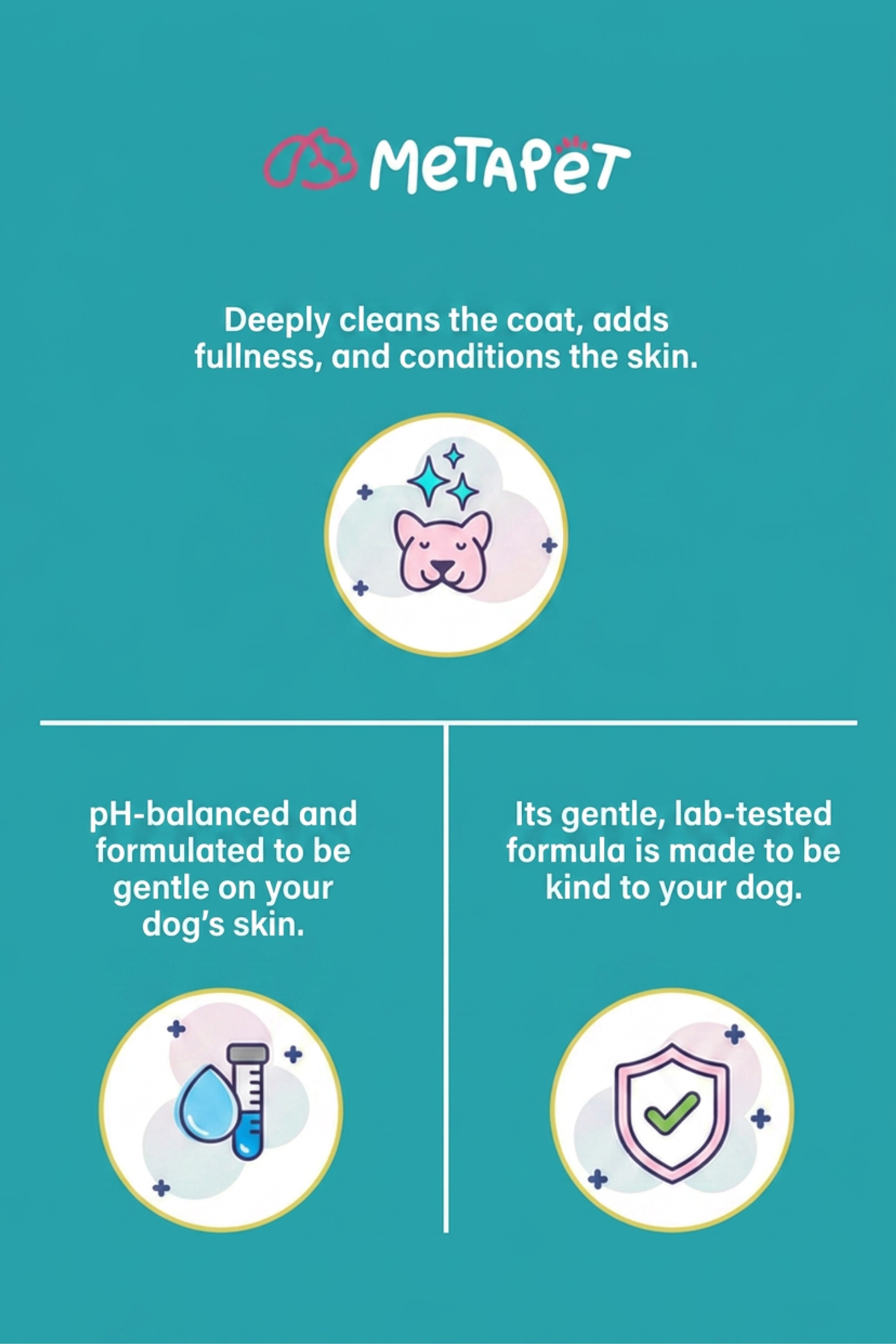
Using a human shampoo once in an emergency mud situation is unlikely to cause disaster, but as a routine it can leave a pet's skin dry, flaky, or irritated. Pet shampoos are formulated with animal skin in mind — typically milder, closer to a pet-appropriate pH, and designed to rinse cleanly from dense fur. When a product describes itself as pH-balanced for dogs or cats, that is the difference it is pointing to.
One more species note: never use a dog-only product on a cat. Cats groom ingested residue off their coats and metabolize some ingredients differently, so cat products carry their own formulations. When in doubt, choose products labeled for the species — and ask your veterinarian about anything you are unsure of.
Know Your Pet Before You Shop
- Coat type. Short, smooth coats need little more than a gentle cleanser. Double coats (Huskies, German Shepherds, many cats) benefit from formulas and conditioners that help loosen undercoat during seasonal shedding. Long, silky, or curly coats tangle, so detangling support matters as much as washing.
- Skin sensitivity. Pets that get itchy, flaky, or red after baths need the mildest formula available — fragrance-light, soap-free cleansers designed for sensitive skin.
- Age. Puppies and kittens have delicate skin; choose products explicitly labeled as safe for young animals and follow the age guidance on the label.
- Lifestyle. A pond-diving retriever needs full baths regularly; an indoor cat may only ever need spot cleaning and the occasional waterless refresh.
- Water tolerance. Be honest. If a full bath means panic for the animal and stitches for you, waterless options exist precisely for your household.
If your pet has a diagnosed skin condition, your veterinarian may prescribe or recommend a specific medicated shampoo. Medicated products are chosen for the individual condition — use them exactly as directed, and do not substitute a cosmetic shampoo for prescribed care.
The Main Types of Pet Shampoo, Explained
General-Purpose Cleansing Shampoos
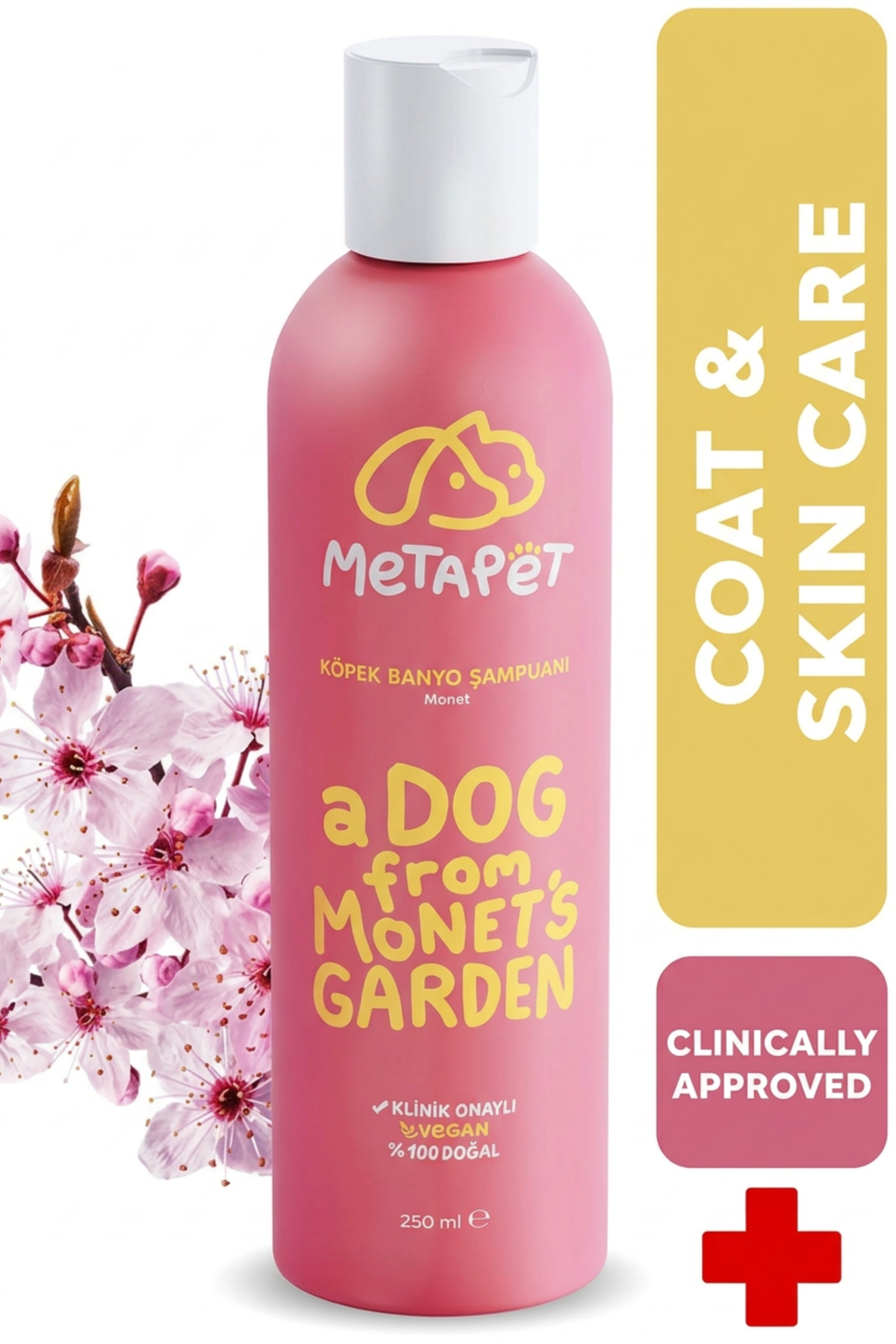
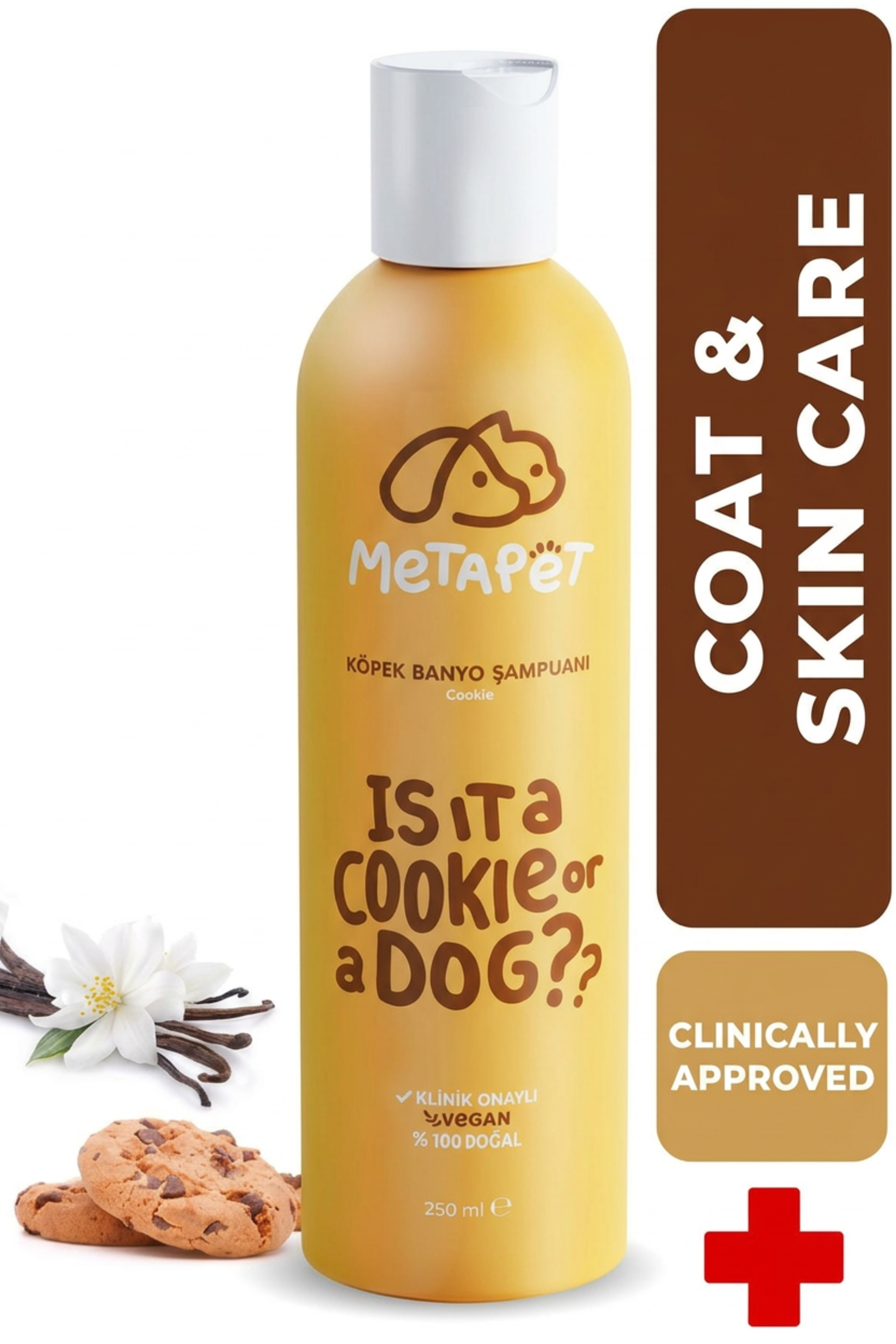
The workhorse category: rinse-out shampoos that remove dirt, oil, and odor. Look for gentle, soap-free surfactants and a formula labeled for your pet's species. For dogs that get regular full baths, a mild pH-balanced formula such as the MetaPet pH-Balanced Bath Shampoo for Dogs is designed to clean thoroughly while supporting the coat's natural feel — a sensible everyday choice for most healthy coats.
Waterless and Dry Foam Shampoos
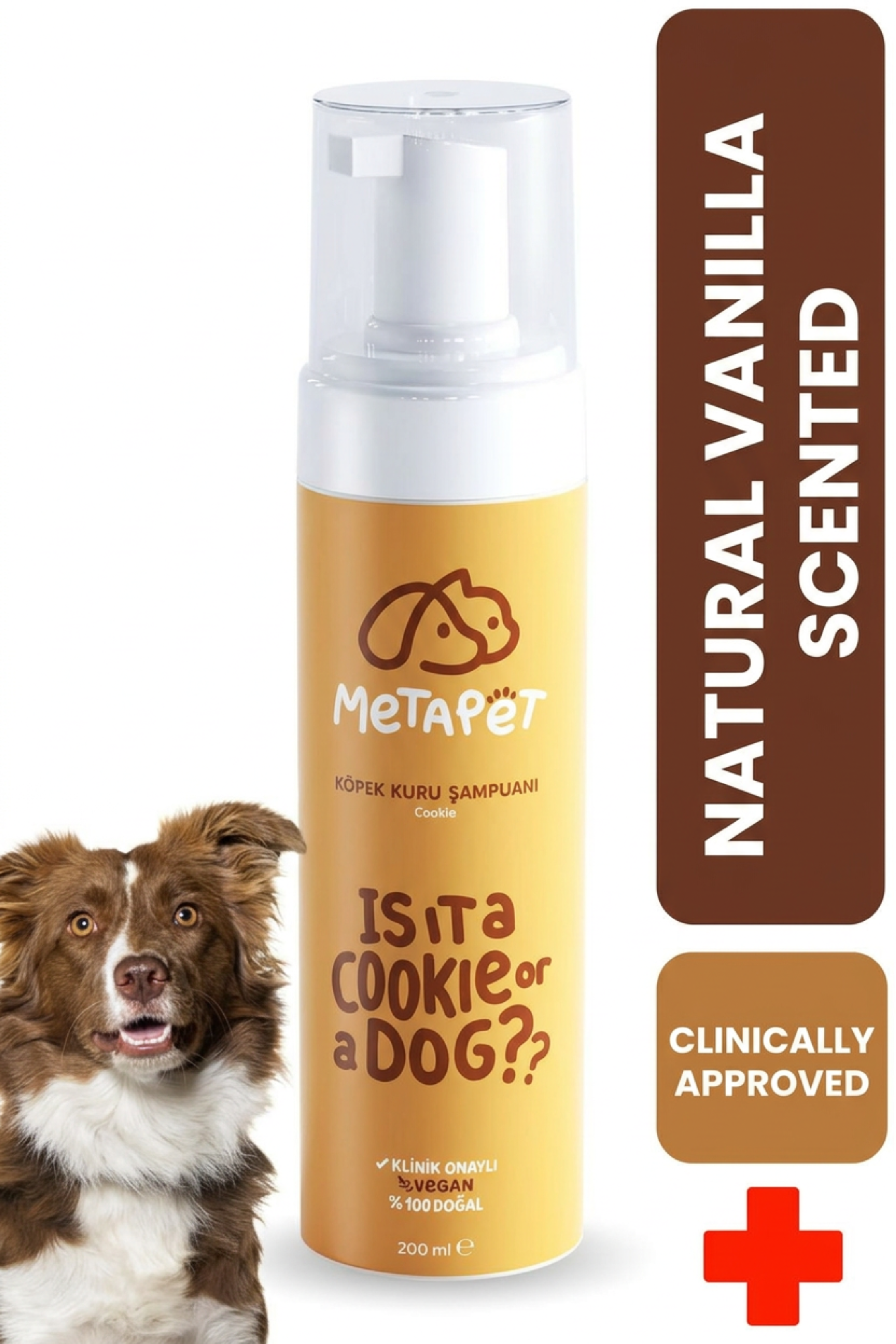
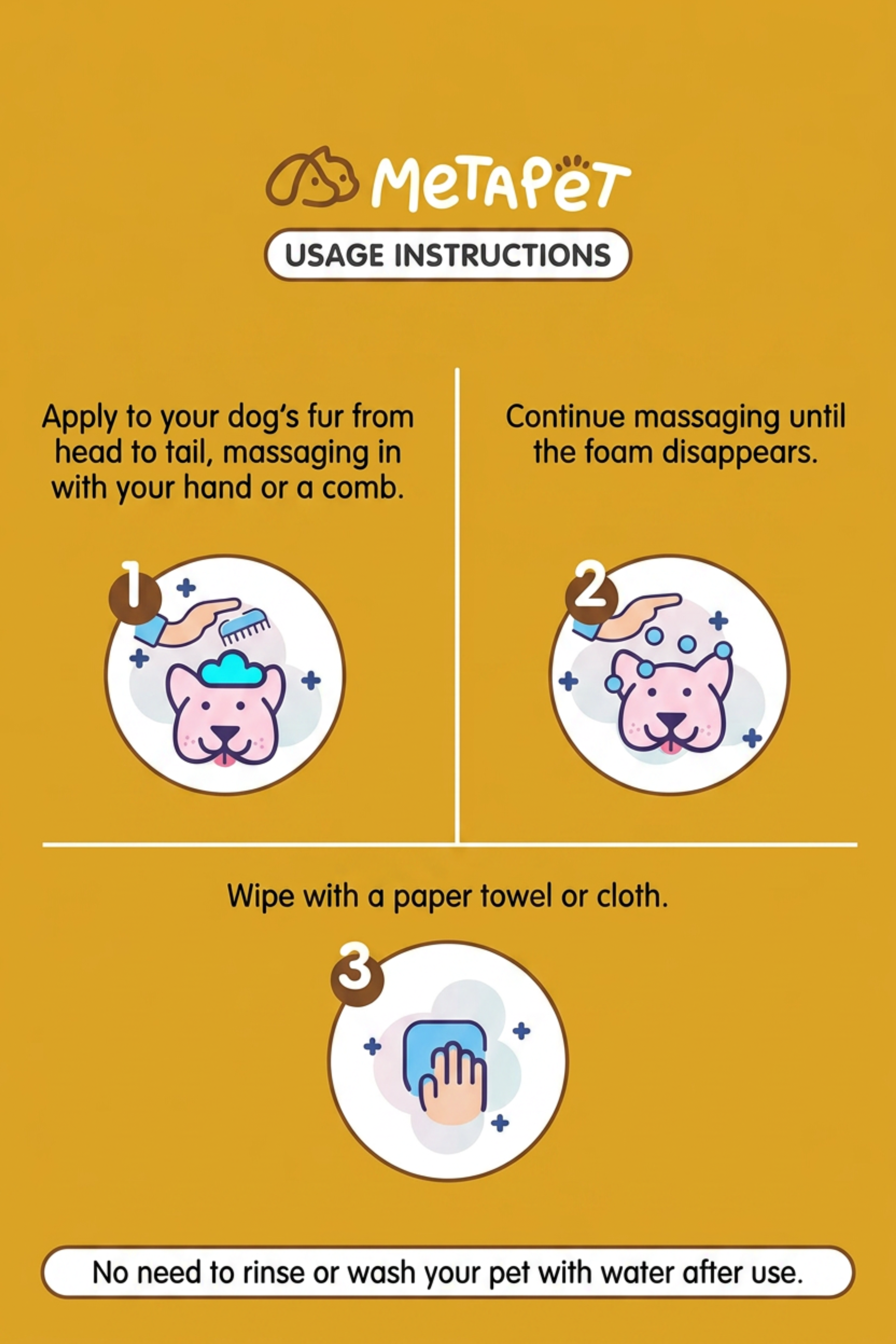
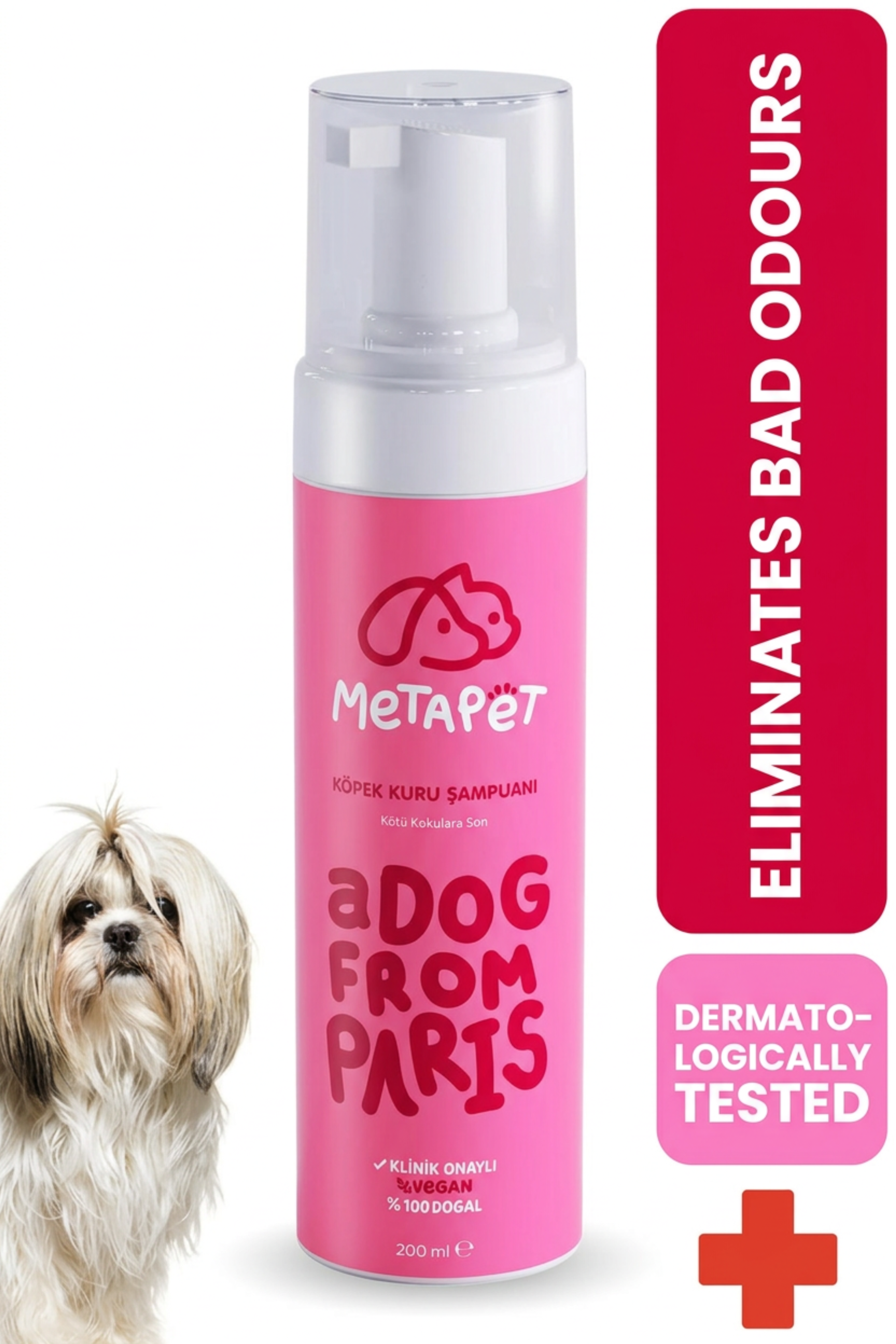
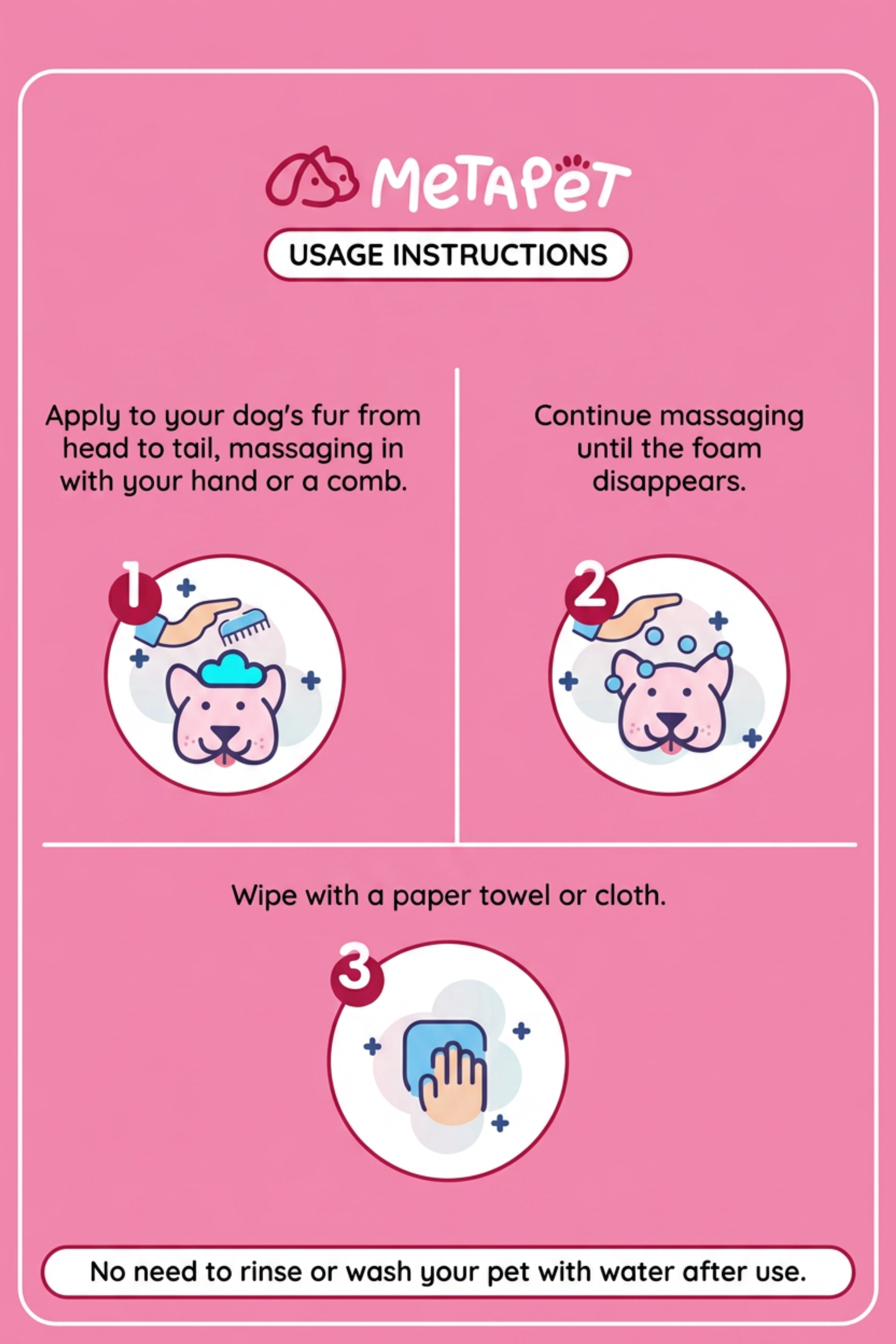
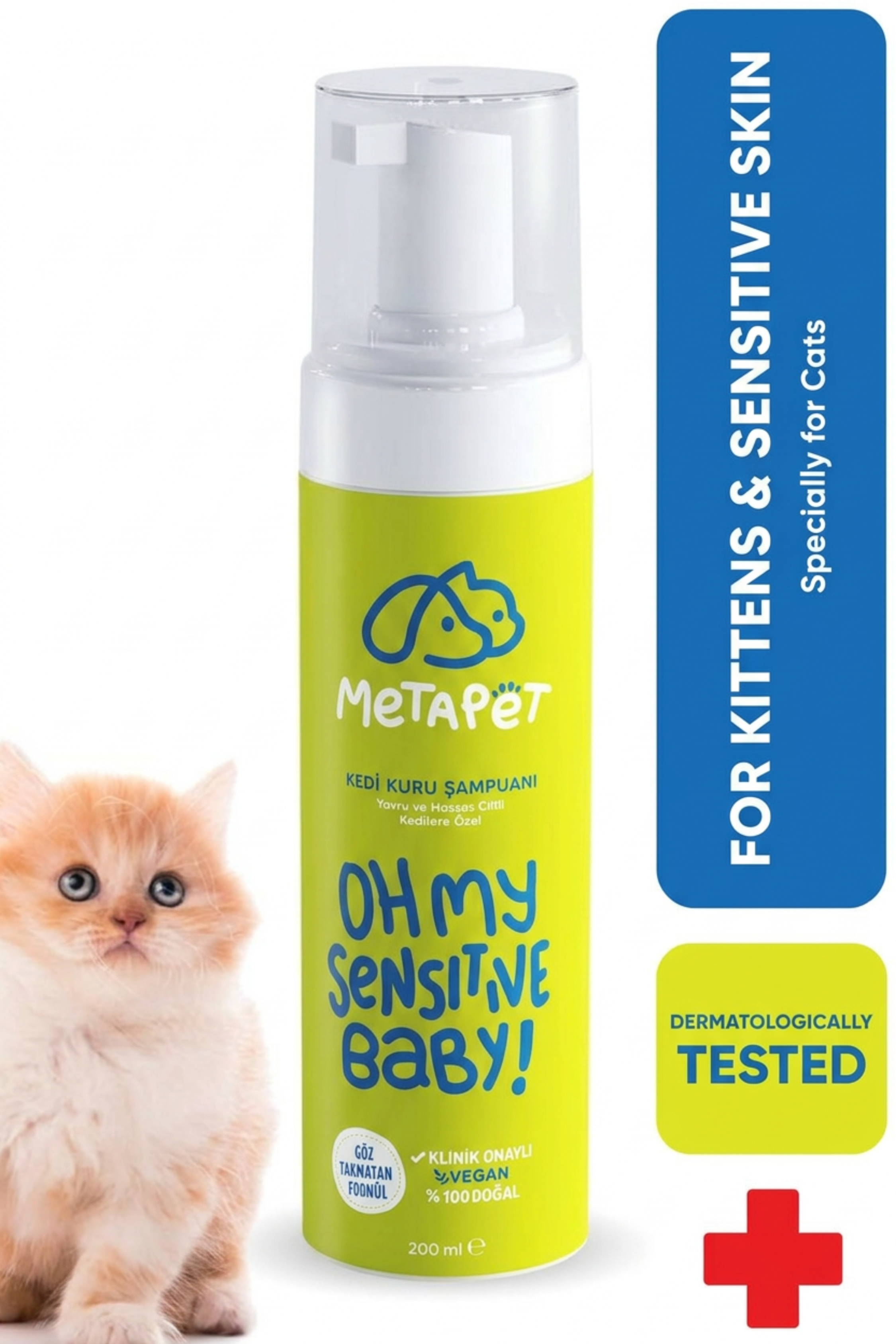
Waterless foams are massaged into the coat and toweled or brushed out — no tub, no rinsing, no soaked bathroom. They shine in three situations: cats who find baths genuinely distressing, quick refreshes between full baths, and pets recovering from procedures where the veterinary team has asked you to keep an area dry (always follow your vet's aftercare instructions first). For cats, a feline-specific option such as MetaPet Oh My Sensitive Baby! Waterless Dry Foam Shampoo for Cats is formulated to freshen the coat without water stress, and dogs have their own counterpart in MetaPet A Dog From Paris Waterless Dry Foam Shampoo. These are complements to, not substitutes for, whatever skin care your veterinarian recommends.
Coat-Support and Anti-Shedding Formulas
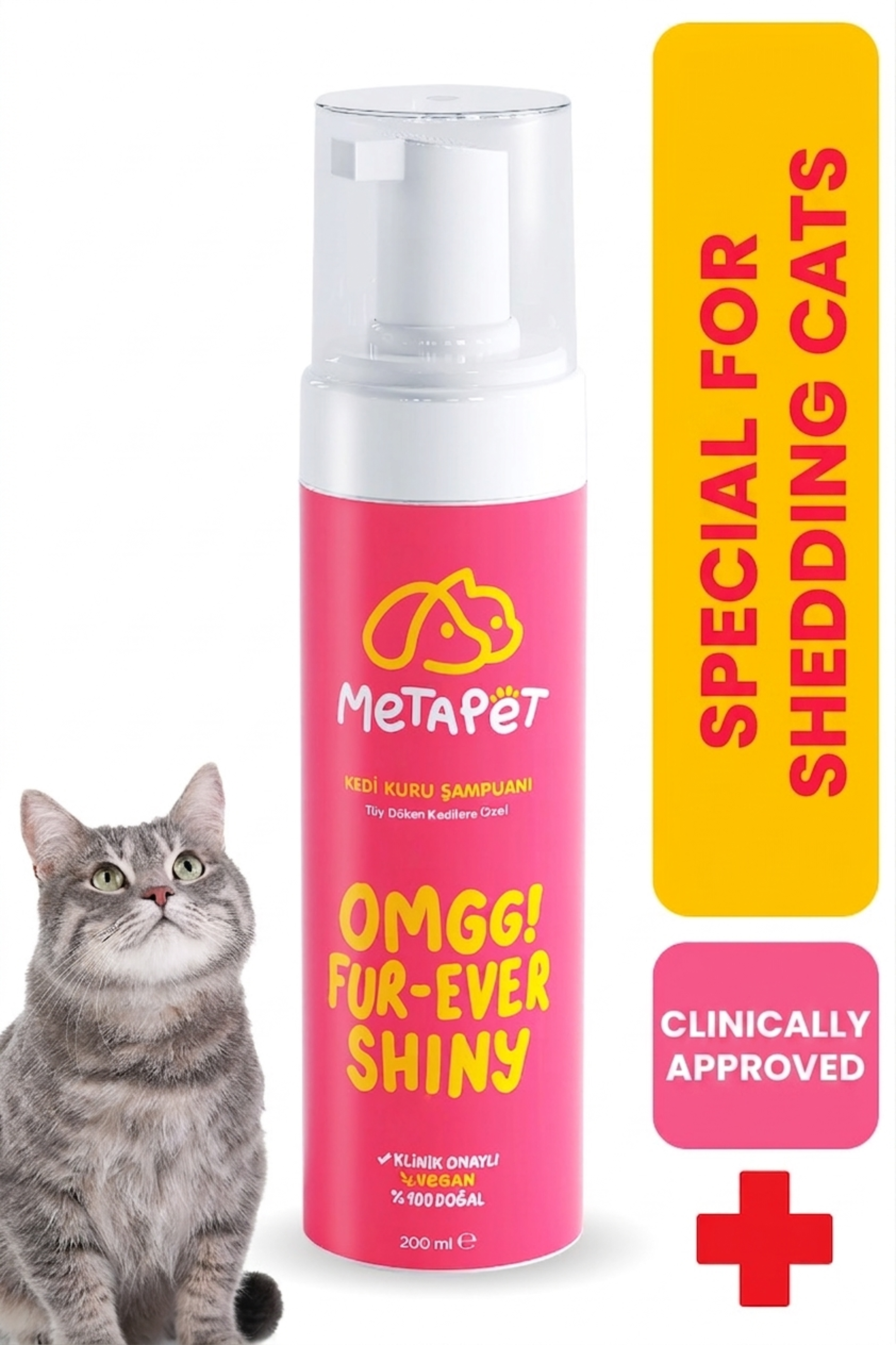
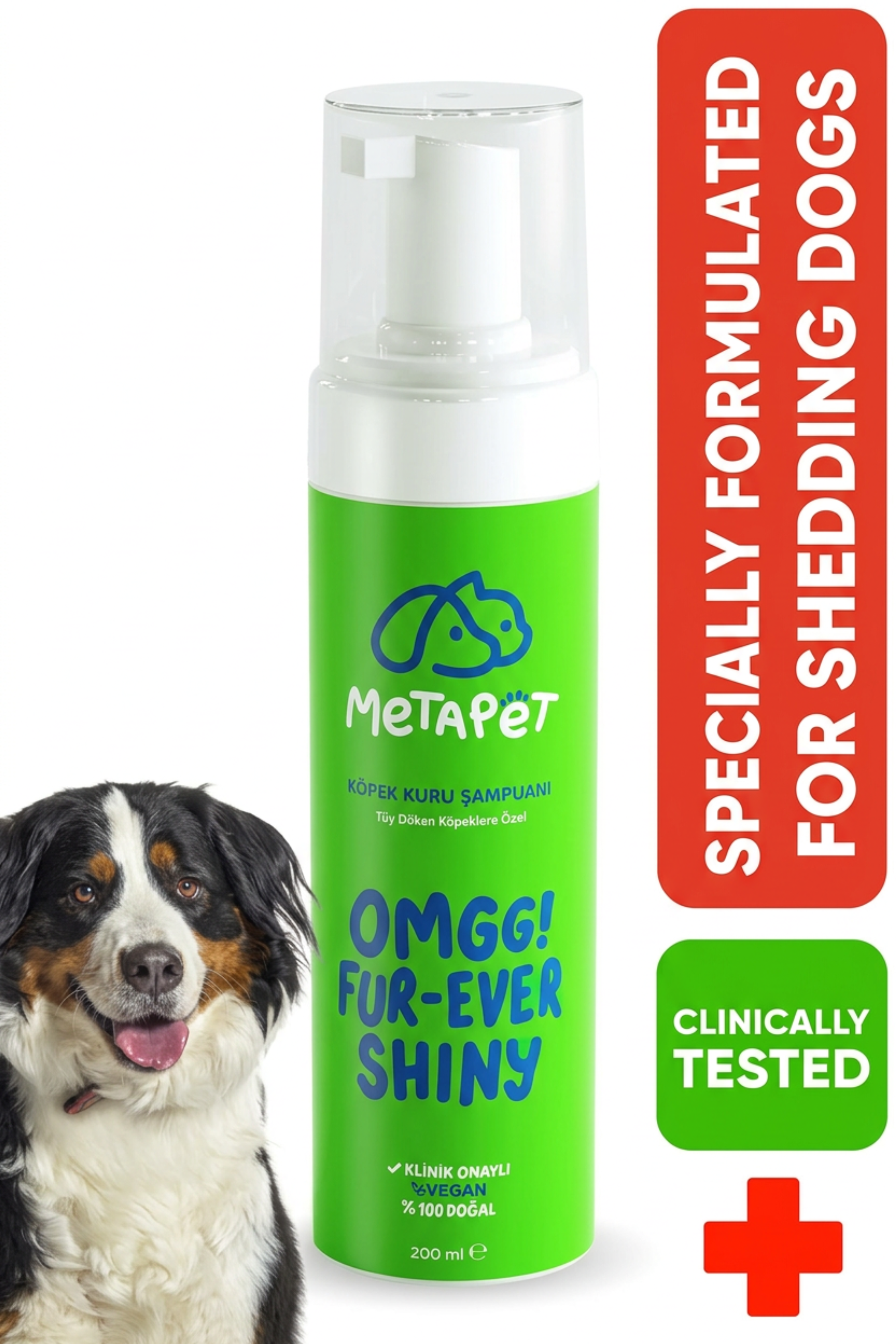
Shedding is natural and cannot be switched off, but regular washing and brushing remove loose undercoat before it lands on your sofa. Products in this category — for example, MetaPet OMGG! Fur-ever Shiny Anti-Shedding Dry Foam Shampoo, available in cat and dog versions — are designed to help support a smooth, shiny coat and make loose-hair removal during grooming easier. Pair them with a good brush; the mechanical work of brushing does much of the real lifting.
Sensitive-Skin and Soothing Formulas
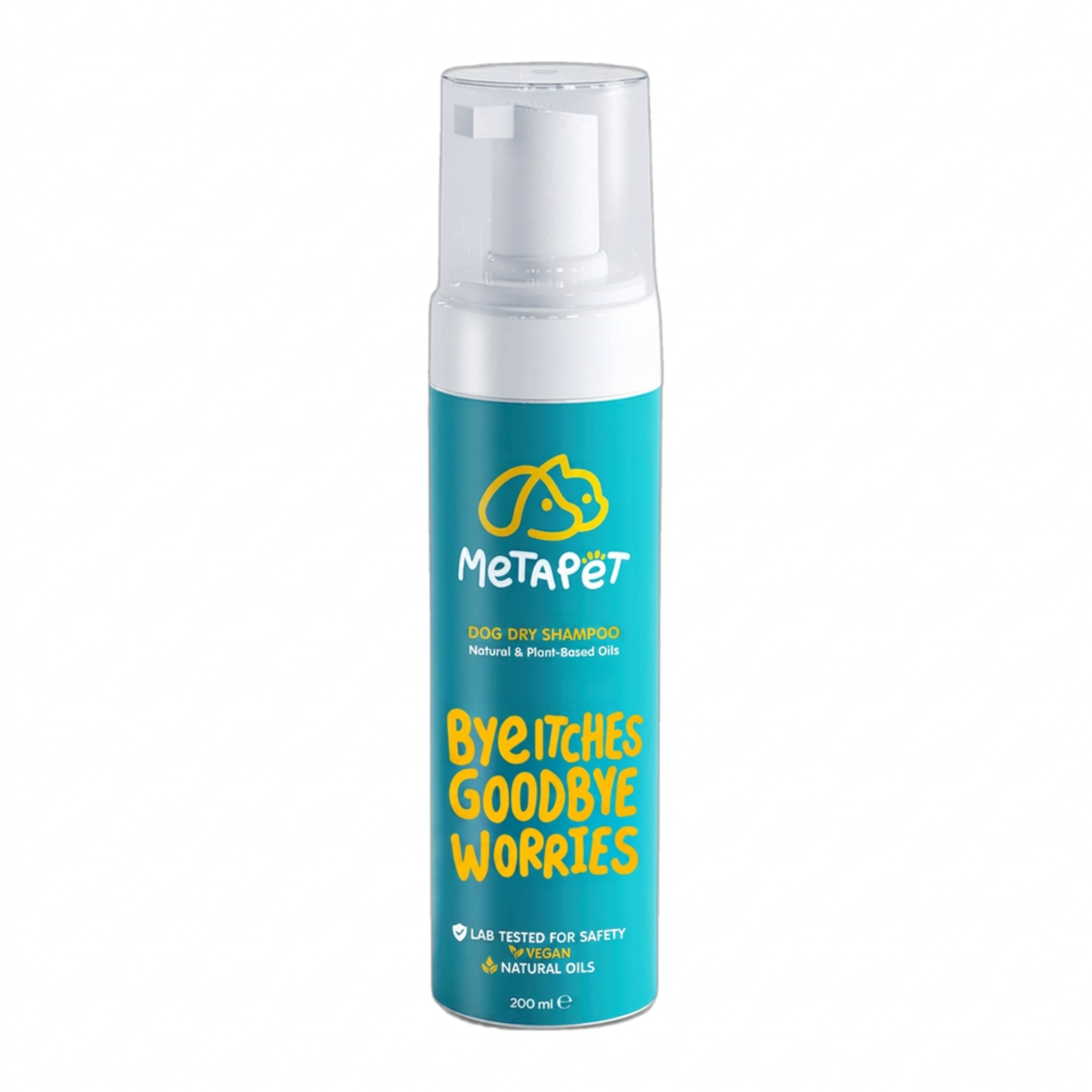
For pets prone to dryness or mild post-bath itchiness, fragrance-light formulas designed for sensitive skin are the gentler route — for instance, MetaPet Bye Itches Goodbye Worries Dry Foam Shampoo, made in versions for cats and for dogs, is formulated to be part of a gentle coat-care routine. Important: persistent itching, redness, sores, or hair loss are medical symptoms, not shampoo problems. A cosmetic product may help a pet feel fresher, but diagnosing and treating skin disease is your veterinarian's territory — see the vet first.
Detangling and Finishing Products
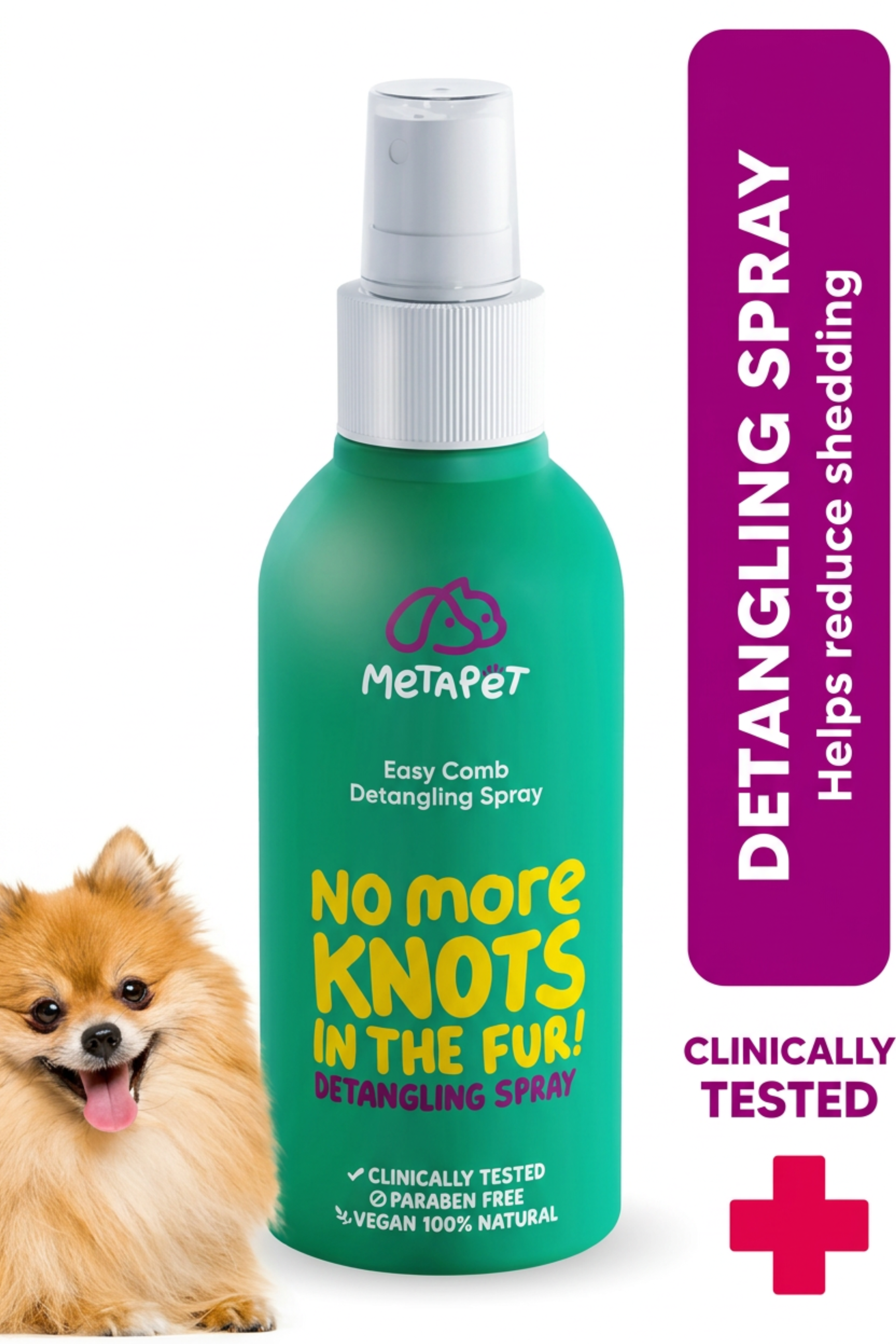
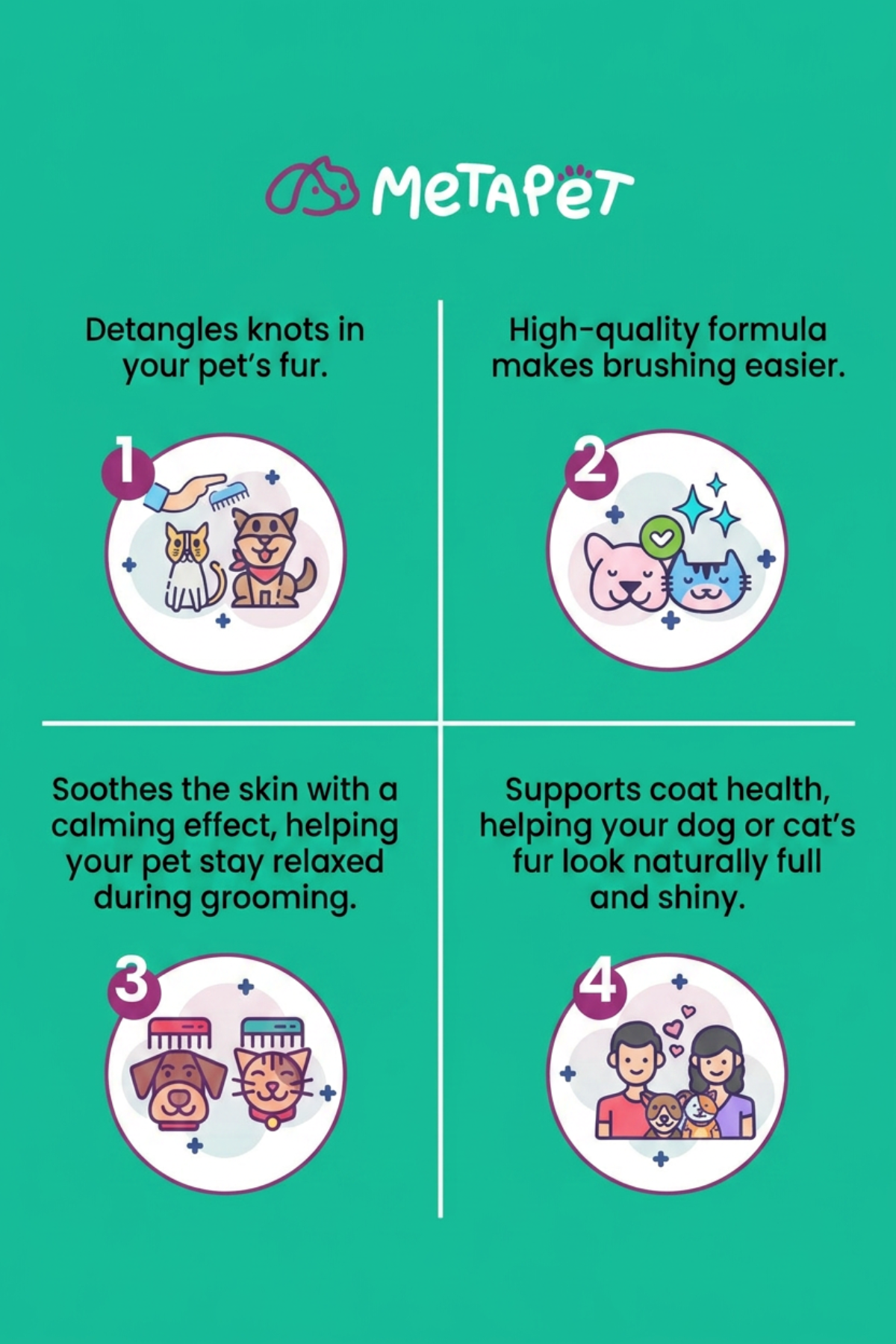
Long-coated pets benefit from leave-in detangling sprays that help combs glide through knots — such as MetaPet No More Knots in the Fur Detangling and Easy-Combing Spray for cats and dogs — used on towel-dried or dry coats before brushing. Regular detangling prevents mats, and preventing mats prevents the skin problems that grow underneath them.
Reading a Pet Shampoo Label Like a Pro
- Species and age statement. Confirm the product is intended for your animal — dog, cat, or both — and appropriate for puppies or kittens if yours is young.
- pH-balanced claim. Signals the formula was designed around pet skin rather than human skin.
- Soap-free or mild surfactants. Gentler cleansing that is less likely to strip the coat.
- Fragrance level. Lighter is generally better, especially for cats, who both smell more keenly than we do and lick their coats.
- Clear usage directions. Reputable products state how to apply, how long to leave on, and how to remove.
- Realistic language. Cosmetic grooming products clean, freshen, and support coat appearance. Treat sweeping medical promises — cure this, prevent that — as a red flag, and rely on your veterinarian for anything therapeutic.
How Often Should You Actually Bathe?
There is no single correct interval — it depends on coat, lifestyle, and skin. As a broad guide, many healthy dogs do well with a full bath somewhere between every few weeks and every couple of months, plus spot cleaning as adventures demand. Bathing too frequently with harsh products can dry the skin; too rarely, and oil and odor build up. Your veterinarian or groomer can suggest a rhythm for your individual dog.
Most healthy cats never need routine full baths — their tongue-and-teeth grooming system is genuinely excellent. Exceptions include hairless breeds, cats who get into something sticky or unsafe to lick, seniors or overweight cats who cannot groom thoroughly, and long-haired cats whose coats need more maintenance help. For those situations, waterless foams and pet wipes handle most jobs; save full baths for when they are truly necessary — and if a substance on the coat might be toxic, call your veterinarian before the cat licks it or you wash it.
Bath-Day Technique That Makes Everything Easier
- Brush first, always. Wetting a tangle turns it into a felt mat. Brush the coat through before any water or foam touches it.
- Use comfortable water and a calm pace. Lukewarm water, a non-slip mat in the tub, and an unhurried attitude prevent most bath drama.
- Dilute and lather methodically. Work shampoo through the coat from neck to tail, keeping suds well away from the eyes and out of the ear canals.
- Rinse more than you think you need. Leftover residue is a common cause of post-bath flaking and itching. Rinse until the water runs completely clear, then rinse once more.
- Dry thoroughly. Towel well; for thick coats, follow with a dryer on a cool or low-warm setting if your pet tolerates it. Damp undercoat can stay wet for hours.
- Make it pleasant. Treats before, during, and after. A pet that expects good things at bath time is a pet you can actually bathe.
Special Cases Worth a Vet Conversation First
- Itching, scratching, or overgrooming. Could be parasites, allergies, or infection — all diagnosable and manageable with veterinary care. Shampoo choice comes second.
- Flaking, greasiness, or odor that returns fast. Recurring skin symptoms have underlying causes worth identifying rather than masking.
- Wounds, rashes, lumps, or sore spots. Do not bathe over broken or painful skin without veterinary advice.
- Puppies and kittens under the label age. Very young animals chill easily and need extra-gentle handling; ask your vet about timing.
- Known allergies. If your pet has reacted to grooming products before, review ingredient lists with your veterinary team before trying new ones.
A good rule: shampoos keep healthy skin and coat clean and fresh. Anything beyond that — treating, curing, fixing — is a job for your veterinarian.
Quick Shampoo FAQs
Can I use dish soap or baby shampoo in a pinch?
As a one-off for something greasy, a mild cleanser is not a catastrophe — but neither is designed for pet skin, and routine use can leave coats dry and skin unhappy. Keep a proper pet shampoo on hand instead, and note that some situations (unknown substances, anything potentially toxic on the coat) call for a veterinarian's advice before any washing at all.
When can a puppy or kitten have its first bath?
Follow the age guidance on a product made for young animals, keep the first experiences short, warm, and treat-filled, and dry the baby thoroughly — young animals chill quickly. If in doubt about timing for your particular puppy or kitten, ask your veterinary team at a routine visit; a waterless foam or damp cloth handles most early messes without a full bath.
A Simple Decision Path
- Healthy dog, regular baths. A mild, pH-balanced dog shampoo, used at a sensible interval with thorough rinsing.
- Cat who hates water, or quick refresh needed. A species-appropriate waterless dry foam, massaged in and brushed out.
- Heavy seasonal shedding. An anti-shedding formula plus committed brushing sessions several times a week.
- Sensitive or easily dried skin. Fragrance-light sensitive-skin formula — and a vet visit if any symptom persists.
- Long coat that tangles. Detangling spray before every brushing session, and mats addressed early.
- Any actual skin problem. Veterinarian first; products second, chosen with their input.
Choose by species, coat, and skin rather than by the prettiest bottle, introduce new products one at a time, and keep your veterinarian in the loop about anything skin-related. Do that, and bath day becomes what it should be: a short, slightly damp interruption in an otherwise excellent nap schedule.
Your reward is the best kind of pet-owner victory — a clean, fresh-smelling companion who has already forgiven you by dinnertime.