Heatstroke and Summer Safety for Dogs and Cats
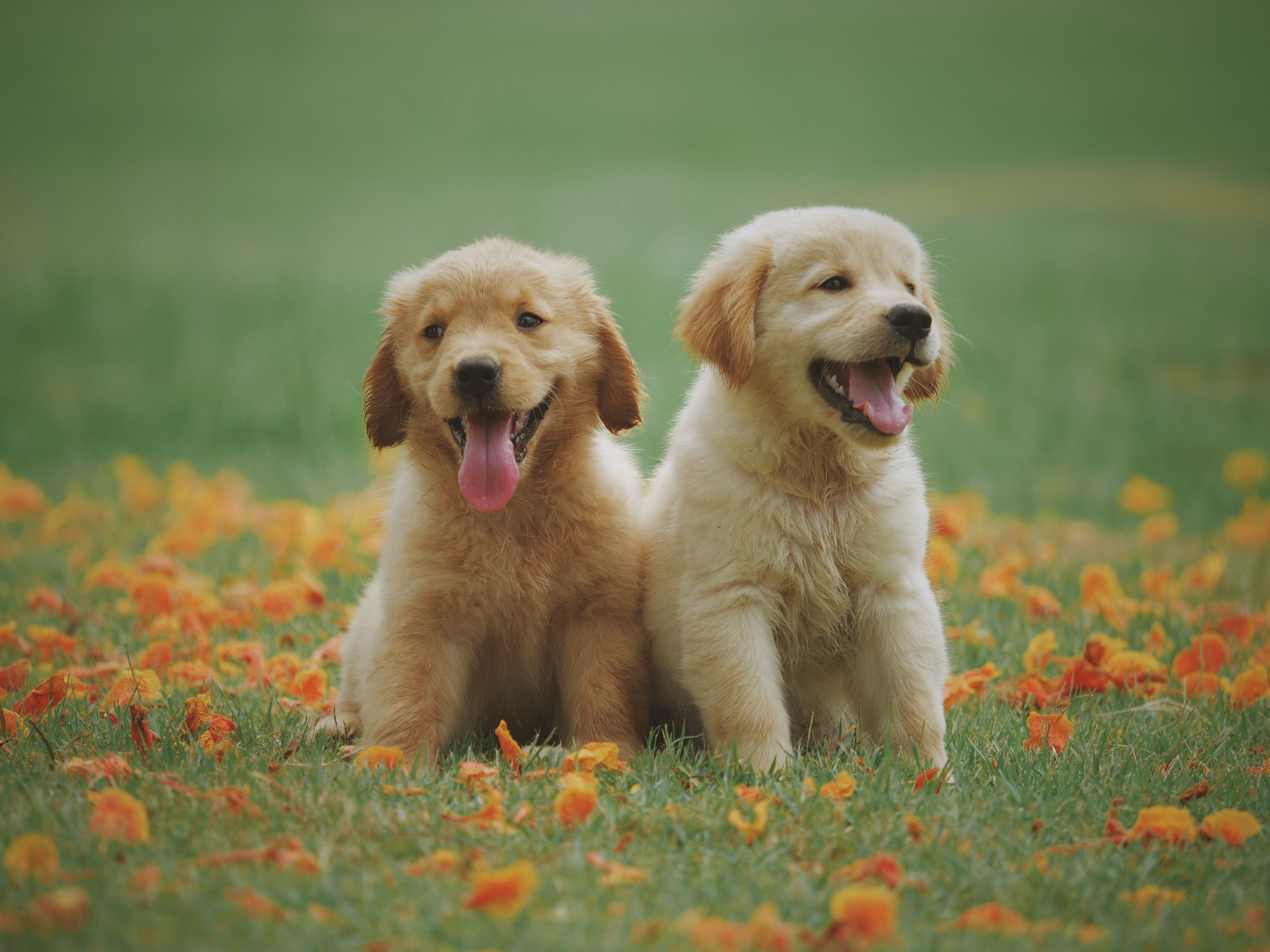
Warm weather brings welcome opportunities for outdoor activity with our pets, but it also brings real risks. Dogs and cats do not regulate heat the way people do, which makes them vulnerable to overheating and heatstroke, a serious and potentially life-threatening condition. Every summer, pets are affected by heat-related emergencies that are often preventable.
This guide explains how pets manage heat, how to recognize the warning signs of overheating, and the practical steps you can take to keep your dog or cat safe during hot weather. Because heatstroke is a true emergency, we also cover what to do if you suspect it. Knowing this information in advance can make a critical difference for your pet.
Important: This article is general educational information and is not a substitute for an in-person veterinary examination. Heatstroke is a life-threatening emergency; if you suspect it, contact your veterinarian or an emergency clinic immediately while beginning cooling measures.
Why Pets Are Vulnerable to Heat
Unlike people, dogs and cats cannot cool themselves effectively through sweating across their skin. Dogs rely heavily on panting to release heat, along with limited sweating through their paw pads. Cats also pant in extreme circumstances and groom to help cool down, but their cooling mechanisms are likewise limited. These methods can be overwhelmed when temperatures and humidity climb.
Because of this, pets can heat up faster than we might expect, and they depend on us to keep them safe in warm conditions. Their fur coats, inability to remove layers, and reliance on limited cooling methods all contribute to their vulnerability. Understanding this helps owners take heat seriously and plan ahead during hot weather.
What Is Heatstroke?
Heatstroke occurs when a pet's body temperature rises to a dangerous level that the body cannot bring back down on its own. It is a medical emergency that can affect multiple organ systems and can become life-threatening quickly. Heatstroke can develop when pets are exposed to high temperatures, left in hot environments, or overexerted in the heat.
The condition can progress rapidly, which is why prevention and early recognition are so important. Once a pet is overheating, the situation can deteriorate within minutes. Treating heat seriously and acting quickly at the first signs of trouble are the keys to keeping pets safe, since heatstroke requires immediate veterinary care.
Recognizing the Warning Signs
Knowing the signs of overheating and heatstroke allows you to act fast. If you notice these signs, take immediate action to cool your pet and contact a veterinarian.
- Excessive panting: Heavy, rapid, or distressed panting, especially if it does not settle with rest.
- Drooling: Increased or thick drooling.
- Weakness or collapse: Lethargy, stumbling, or inability to stand.
- Bright red or pale gums: Changes in gum color.
- Vomiting or diarrhea: Sometimes with blood in severe cases.
- Confusion or distress: Disorientation, agitation, or unresponsiveness.
These signs indicate a potential emergency. Heatstroke can be fatal, so do not wait to see if your pet improves on its own; begin cooling measures and seek veterinary care immediately.
The Danger of Hot Cars
One of the most important summer safety messages is also one of the most urgent: never leave a pet in a parked vehicle, even for a few minutes. The temperature inside a car can rise to dangerous levels remarkably quickly, even on a day that does not feel extremely hot and even with windows cracked.
A parked car can become a deadly environment for a pet in a very short time. There is no safe amount of time to leave a pet in a hot car. If you cannot bring your pet with you into your destination, it is safer to leave them at home. If you ever see a pet in distress in a hot car, contact local authorities or emergency services right away.
Pets at Higher Risk
While all pets are vulnerable to heat, some are at particularly high risk and need extra precautions. Knowing whether your pet falls into one of these groups helps you take appropriate care.
- Flat-faced (brachycephalic) breeds: Dogs and cats with short muzzles, such as certain popular breeds, often have a harder time cooling through panting.
- Senior pets: Older animals may be less able to cope with heat stress.
- Young pets: Puppies and kittens can be more vulnerable.
- Overweight pets: Excess weight can make cooling more difficult.
- Pets with health conditions: Certain conditions can reduce heat tolerance.
If your pet is in a higher-risk group, be especially cautious during warm weather and discuss heat safety with your veterinarian. Extra vigilance can prevent dangerous situations.
Preventing Overheating at Home
Keeping your home environment comfortable during hot weather is a key part of heat safety. A few measures help your pet stay cool indoors.
- Provide shade and cool spots: Ensure access to cool, shaded areas away from direct sun.
- Fresh water always available: Offer plenty of clean water, and consider multiple stations.
- Air circulation: Use fans or air conditioning to keep indoor temperatures comfortable.
- Avoid trapped heat: Make sure pets cannot become confined in hot rooms, sunrooms, or enclosed spaces.
- Cooling aids: Cooling mats or damp towels to lie on can help some pets stay comfortable.
Pay attention to how your pet responds to the heat and adjust their environment accordingly. Indoor comfort is especially important during heat waves.
Safe Outdoor Activity in Warm Weather
Exercise and outdoor time are still possible in summer, but they require thoughtful planning to keep pets safe. Adjusting when and how you go out makes a big difference.
- Time it right: Walk and play during cooler parts of the day, such as early morning or evening.
- Check the pavement: Hot pavement can burn paw pads; if it is too hot for your hand, it is too hot for paws.
- Bring water: Carry water and a portable bowl, and offer frequent drinks.
- Take breaks and seek shade: Allow rest in shaded areas and watch for signs of tiring.
- Reduce intensity: Scale back strenuous activity on hot, humid days.
Always watch your pet for signs of overheating during activity, and head home and cool down if you notice any. When in doubt, choose a shorter, gentler outing.
Keeping Cats Cool
Cats need heat safety too, even though they are often indoors. Cats may seek out warm spots by habit, so it is worth ensuring they also have access to cool areas during hot weather.
- Cool retreats: Provide access to shaded, well-ventilated, or air-conditioned spaces.
- Fresh water: Encourage drinking with clean water and consider a fountain.
- Avoid trapped spaces: Ensure cats cannot get shut into hot rooms, closets, or sheds.
- Grooming support: Regular brushing helps manage coat, especially for long-haired cats.
Watch indoor cats for signs of overheating during heat waves, particularly if your home gets warm. Cats can suffer from heat stress, so do not assume an indoor lifestyle eliminates the risk.
What to Do If You Suspect Heatstroke
If you suspect your pet is suffering from heatstroke, act immediately, as every minute matters. Begin cooling measures while arranging to get your pet to a veterinarian without delay.
- Move to a cooler area: Get your pet out of the heat and into shade or air conditioning.
- Offer water: Provide small amounts of cool water to drink if your pet is able.
- Begin gradual cooling: Apply cool (not ice-cold) water to the body, especially the belly and paws, and use airflow from a fan.
- Avoid extreme cold: Do not use ice-cold water or ice, which can be counterproductive.
- Contact a veterinarian immediately: Call your vet or an emergency clinic and head there right away, even if your pet seems to improve.
Heatstroke requires professional veterinary care even when a pet appears to recover, because internal effects may not be visible. Always seek veterinary attention promptly.
Travel and Summer Outings
Summer often means trips and outings, which require extra planning when pets come along. Heat safety should be part of your preparation.
- Never leave pets in vehicles: This applies to every trip, no matter how brief.
- Plan for water and shade: Bring supplies and ensure access to cool, shaded rest spots.
- Know your destination: Confirm that places you visit are pet-friendly and offer protection from heat.
- Watch for fatigue: Pets can tire quickly in the heat, so build in rest.
With preparation, summer outings can be safe and enjoyable for pets. The key is to anticipate heat and have a plan to keep your pet cool and hydrated throughout.
Building Good Summer Habits
Heat safety becomes second nature with a few consistent habits. Building these into your summer routine helps protect your pet all season long.
- Check the weather: Plan activities around temperature and humidity.
- Prioritize hydration: Keep water available at home and on the go.
- Choose cooler times: Schedule exercise for early or late in the day.
- Provide cool spaces: Ensure shaded, ventilated retreats at all times.
- Stay observant: Watch for early signs of overheating and act quickly.
These simple practices, applied consistently, greatly reduce the risk of heat-related problems. A little planning goes a long way toward a safe, comfortable summer for your pet.
Other Summer Hazards to Keep in Mind
Heat is the headline summer risk, but warm weather brings a few other hazards worth a quick mention so you can keep your pet safe on every front.
- Sunburn: Pets with thin coats, light skin, or exposed areas can get sunburned; provide shade and ask your vet about pet-safe options.
- Paw protection: Hot sand and pavement can injure paw pads, so check surfaces before walking.
- Water safety: Not all pets are strong swimmers; supervise around pools and open water.
- Parasites: Warm months often bring more fleas, ticks, and mosquitoes, so keep up with vet-recommended parasite prevention.
Staying mindful of these additional risks rounds out your summer safety plan. As always, your veterinarian can offer guidance tailored to your pet and your local conditions.
Frequently Asked Questions
How quickly can heatstroke develop?
Heatstroke can develop rapidly, sometimes within minutes in hot conditions or a hot car. This is why prevention and quick action at the first signs are essential.
Can indoor cats get heatstroke?
Yes. Cats can suffer heat stress, especially in warm homes or if confined to hot spaces. Provide cool retreats and fresh water during hot weather.
Is it safe to walk my dog in summer?
Yes, with precautions. Walk during cooler times, avoid hot pavement, bring water, and watch for signs of overheating, scaling back on very hot or humid days.
Should I see a vet if my pet seems to recover from overheating?
Yes. Heatstroke can cause internal effects that are not immediately visible, so always seek veterinary care even if your pet appears to improve.