Giardia in Dogs and Cats: Signs and Prevention

Giardia is one of the more common intestinal parasites found in dogs and cats, and it is a frequent reason for stubborn or recurring diarrhea, especially in puppies and kittens. It is a microscopic organism that lives in the intestines and spreads through contaminated stool, water, and environments.
The good news is that giardia is well understood and manageable with veterinary care and good hygiene. This guide explains how pets pick it up, what signs to watch for, why testing matters, and the everyday steps that reduce the risk of infection and reinfection.
Important: This article shares general educational information for pet owners and is not a substitute for an in-person veterinary examination, diagnosis, or treatment. For any medical concern or emergency, contact your veterinarian promptly.
What Giardia Is
Giardia is a single-celled parasite (a protozoan) that attaches to the lining of the small intestine and can interfere with normal digestion and nutrient absorption. Infected animals shed cysts — the hardy, infective stage — in their stool. Those cysts can survive in the environment, particularly in damp conditions, and go on to infect other animals.
Not every pet that carries giardia looks sick. Some shed the parasite without obvious symptoms, which is one reason it can circulate quietly in households, kennels, and shelters.
How Pets Get Giardia
Giardia spreads by the fecal-oral route, meaning a pet ingests cysts that came from infected stool. This happens more easily than many owners realize.
- Contaminated water: puddles, ponds, streams, and other standing water can harbor cysts.
- Contaminated ground and surfaces: sniffing or licking areas soiled by infected stool.
- Grooming: cysts can cling to fur and be swallowed during self-cleaning.
- Shared spaces: multi-pet homes, kennels, dog parks, and shelters increase exposure.
Recognizing the Signs
The hallmark of giardia is diarrhea, though its presence and severity vary. Symptoms are often more noticeable in young, older, or otherwise vulnerable animals.
Common signs
- Soft, loose, or watery stool, sometimes with a greasy appearance or strong odor
- Diarrhea that comes and goes or does not fully resolve
- Mucus in the stool
- Weight loss or poor growth in young animals despite a normal appetite
- Occasional vomiting or a dull coat in some pets
Sometimes no signs at all
Some infected pets appear perfectly healthy while still shedding cysts. This is why a pet in a multi-animal home may need evaluation even if it seems fine.
Why Diagnosis Requires Your Veterinarian
Giardia cannot be diagnosed by looking at your pet. It requires laboratory testing of a stool sample, and because shedding can be intermittent, your veterinarian may recommend specific testing approaches or repeat samples. Diarrhea has many possible causes — dietary issues, other parasites, infections, and more — so proper testing ensures your pet is treated for the right problem.
Never assume a diarrhea case is "just giardia" or reach for leftover medications. Let your veterinarian confirm the diagnosis and recommend an appropriate, up-to-date treatment plan for your individual pet.
Treatment: What to Expect
Treatment is directed by your veterinarian and typically combines prescribed medication with a strong emphasis on hygiene and environmental cleanup to prevent reinfection. Because pets can re-ingest cysts from their own fur or environment, cleaning is not optional — it is part of the treatment.
- Follow your veterinarian's medication instructions exactly and complete the full course.
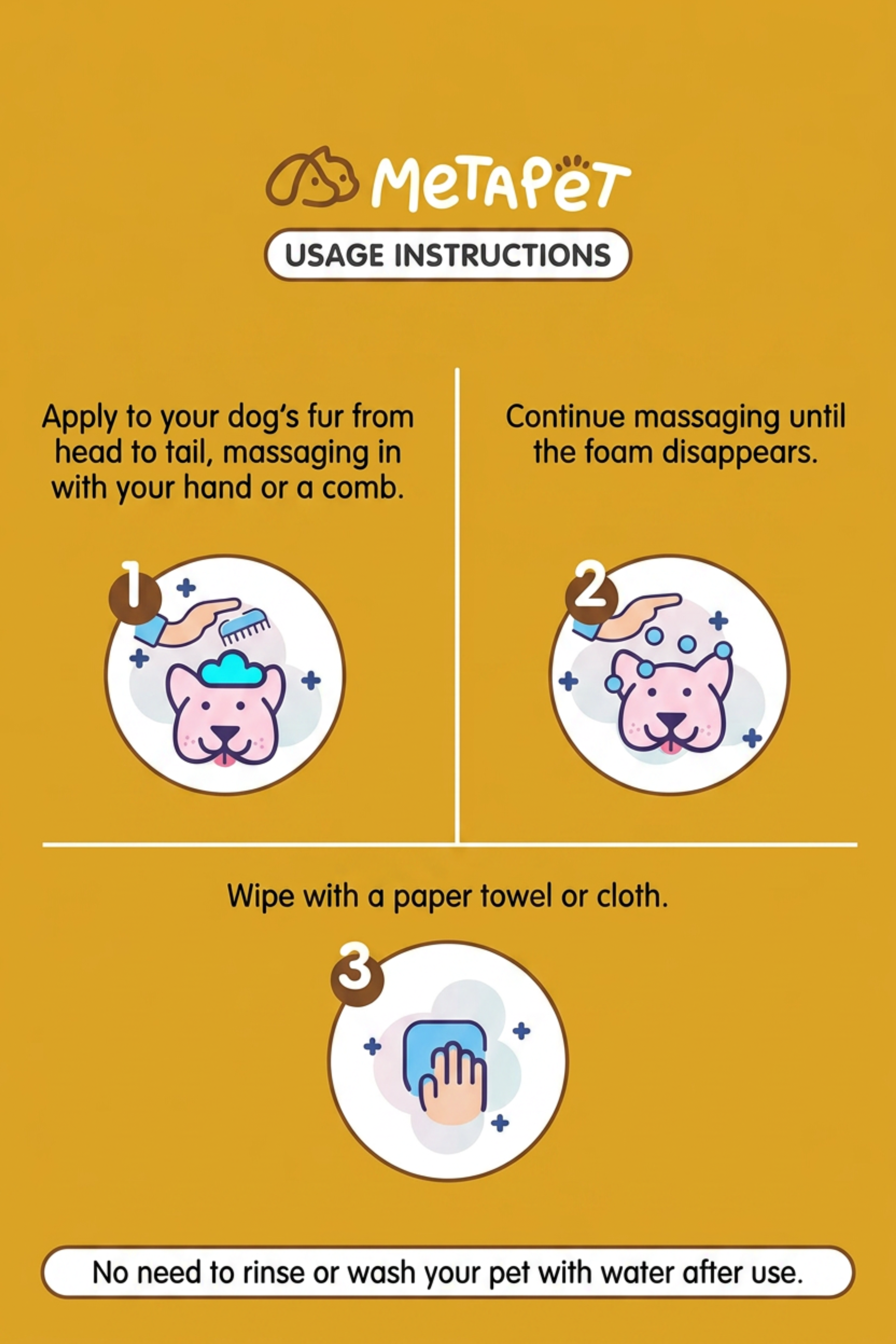
- Bathe the pet as advised to remove cysts from the coat, especially around the rear.
- Clean and disinfect the environment and promptly remove stool.
- Return for any recommended follow-up testing to confirm the infection has cleared.
Cleaning and Environmental Control
Because cysts persist in the environment, thorough and consistent cleanup is central to breaking the cycle.
- Pick up stool promptly: remove feces from the yard and litter boxes right away.
- Clean hard surfaces: wash and disinfect floors, crates, and bowls regularly.
- Launder bedding: wash bedding and washable toys in hot water and dry thoroughly.
- Bathe the pet: a bath, especially of the hindquarters, helps remove clinging cysts.
- Keep areas dry: cysts favor moisture, so good drainage and drying help.
Prevention in Everyday Life
You cannot eliminate every risk, but sensible habits meaningfully lower the odds of infection and reinfection.
- Provide clean water: discourage drinking from puddles, ponds, and communal bowls of unknown cleanliness.
- Practice good hygiene: wash your hands after handling stool and clean up promptly.
- Maintain routine parasite care: follow your veterinarian's recommendations for parasite screening and prevention.
- Be cautious in high-traffic areas: dog parks and boarding facilities carry higher exposure; choose reputable, clean facilities.
Can People Get Giardia From Pets?
Giardia can infect people, though the strains that most commonly affect humans often differ from those in pets, and pet-to-human transmission is generally considered low-risk. Still, good hygiene is wise: wash your hands after cleaning up after your pet, and keep children from contact with stool. People with weakened immune systems should be especially careful and may wish to consult their own physician with questions.
Special Considerations for Puppies and Kittens
Young animals are more likely to show significant signs because their immune systems are still developing and dehydration can set in faster. Persistent diarrhea in a puppy or kitten always deserves prompt veterinary attention, both to identify giardia or other causes and to keep the young animal safely hydrated and nourished during recovery. Do not wait to see if it resolves on its own.
The Giardia Life Cycle, Simply Explained
Understanding how giardia moves through the world makes prevention make sense. The parasite exists in two main forms. Inside the intestine, active giardia feed and multiply. As they pass down the digestive tract, many transform into cysts — a tough, dormant form protected by a resistant wall. These cysts leave the body in the stool and can survive for extended periods in the environment, particularly where it is cool and damp.
When another animal swallows those cysts — from contaminated water, ground, or its own fur — the cysts open in the new host's intestine, releasing active parasites that attach and begin the cycle again. The key practical takeaways are that cysts are hardy and environmental, that infection requires swallowing them, and that even tiny amounts of contaminated material can carry enough cysts to infect a pet. That is exactly why hygiene, prompt stool removal, and clean water are the backbone of prevention.
Reinfection: Why It Keeps Coming Back
One of the most frustrating experiences for owners is a giardia infection that seems to clear and then returns. Usually this is not treatment failure in the medication itself but reinfection from a contaminated environment or coat. Because cysts cling to fur — especially around the hindquarters — a pet can swallow them again while grooming, restarting the cycle even after medication.
This is why your veterinarian typically pairs medication with bathing and environmental cleanup, and it is why finishing the full protocol matters. Breaking the cycle means treating the pet, cleaning the environment, and removing cysts from the coat at the same time. In multi-pet homes, all animals may need evaluation, since a symptom-free carrier can keep reintroducing the parasite. Patience and thoroughness during this phase prevent the exhausting loop of repeated infections.
Myths and Facts About Giardia
Misinformation about giardia is common, so it helps to separate the two.
- Myth: A clean-looking dog can't have giardia. Fact: Perfectly healthy-appearing pets can carry and shed the parasite without obvious signs.
- Myth: You can diagnose it by the smell or look of the stool. Fact: Diagnosis requires laboratory testing; stool appearance alone is not reliable.
- Myth: Once treated, a pet is immune. Fact: Recovery does not prevent future infection, so ongoing prevention still matters.
- Myth: It only comes from dirty water. Fact: Contaminated ground, surfaces, and grooming are also common routes.
Everyday Life in a Multi-Pet Home
Households with several pets need a slightly more systematic approach, because the parasite can quietly circulate. Keep litter boxes scrupulously clean and scooped, pick up dog stool from the yard promptly and daily, and wash shared bedding and bowls regularly. If one pet is diagnosed, follow your veterinarian's advice on whether others should be tested or treated, rather than assuming the unaffected-looking animals are in the clear.
Good routine hygiene not only helps with giardia but reduces the spread of many other intestinal parasites and infections. Establishing simple daily habits — prompt cleanup, clean water, and regular washing of shared items — pays off across your pets' overall health, not just for this one parasite.
Boarding, Daycare, and Travel Precautions
Shared environments raise the risk of exposure, so a little diligence around boarding, daycare, grooming, and travel pays off. Choose facilities that are visibly clean, that manage waste promptly, and that have sensible hygiene and vaccination policies. Ask how they handle cleaning between animals and how they separate pets. A reputable facility will welcome these questions.
When traveling or visiting new outdoor areas, discourage your pet from drinking from puddles, ponds, and communal water bowls of unknown cleanliness, and bring your own clean water and bowl. After outings to high-traffic pet areas, basic hygiene — wiping paws, prompt cleanup, and keeping your pet's own space clean — helps limit the chance of bringing parasites home. None of this needs to be burdensome; it is simply about being mindful in the settings where intestinal parasites most easily spread.
Supporting Recovery and Gut Comfort
While your veterinarian directs treatment, supportive home care helps your pet feel better during recovery. Make sure fresh water is always available, since diarrhea can lead to fluid loss, and watch for signs of dehydration. Follow any dietary guidance your veterinarian provides; some pets benefit from an easily digestible diet for a short period while the gut settles, but you should follow professional advice rather than making dramatic diet changes on your own.
Keep your pet's resting and toileting areas clean and calm, and give it time to recover fully. If diarrhea persists despite treatment, returns after seeming to resolve, or is accompanied by lethargy, poor appetite, or other concerning signs, check back with your veterinarian. Completing any recommended follow-up testing confirms the infection has genuinely cleared, which is more reliable than judging by symptoms alone and helps prevent an unnoticed lingering infection.
When to Contact Your Veterinarian
Reach out to your veterinarian if your pet has diarrhea that lasts more than a day or two, recurs, or is accompanied by other concerning signs.
- Diarrhea lasting more than 24 to 48 hours, or that keeps returning
- Blood or significant mucus in the stool
- Vomiting, lethargy, or loss of appetite
- Signs of dehydration such as reduced energy or poor skin elasticity
- Any diarrhea in a very young, senior, or already-ill pet
For a young animal that seems weak, is vomiting, or cannot keep water down, treat it as urgent and contact your veterinarian promptly.