Bad Breath in Dogs and Cats: Causes and Fresh Tips

A quick "dog breath" joke is common, but persistent bad breath in a dog or cat is not something to shrug off. In the large majority of pets, ongoing halitosis is the most noticeable early sign of dental disease — a problem that is extremely common and, importantly, largely preventable with consistent care.
This guide explains what causes that odor, how to build a realistic home dental routine, and when bad breath signals something that needs veterinary attention. Fresh breath is a nice bonus; a comfortable, healthy mouth is the real goal.
Important: This article shares general educational information for pet owners and is not a substitute for an in-person veterinary examination, diagnosis, or treatment. For any medical concern or emergency, contact your veterinarian promptly.
Why Bad Breath Matters More Than You Think
Odor from the mouth usually comes from bacteria. As food particles and saliva combine, a sticky film called plaque forms on the teeth. If it is not removed, plaque hardens into tartar and works its way under the gumline, where bacteria multiply and produce the smell owners notice. Left unchecked, this process can lead to inflamed gums, discomfort, and dental disease over time.
Because pets cannot tell us their mouth hurts, breath is one of the few early clues we get. Treating persistent halitosis as a useful signal — rather than a cosmetic nuisance — helps you catch problems earlier.
The Most Common Cause: Dental Disease
Periodontal (gum) disease is by far the leading reason for chronic bad breath in both dogs and cats. It develops in stages, from mild plaque and gum irritation to more advanced changes affecting the tissues that support the teeth.
- Plaque buildup: a soft bacterial film that forms daily on the teeth.
- Tartar (calculus): hardened plaque that a toothbrush can no longer remove.
- Gingivitis: red, inflamed gums that may bleed slightly.
- Advanced periodontal disease: deeper involvement that can affect comfort and the teeth themselves.
Other Causes to Keep in Mind
While dental disease tops the list, bad breath can occasionally point elsewhere. If your pet's oral care is good but the odor persists or has an unusual character, mention it to your veterinarian.
- Something stuck in the mouth: food debris, a bit of bone, or a foreign object lodged between teeth.
- Diet and eating habits: certain foods or habits (including some pets' taste for unpleasant items) can affect breath temporarily.
- Metabolic or organ-related changes: in some cases, a distinctive breath odor can accompany broader health issues, which is why a veterinary exam matters when odor is new or unusual.
- Oral growths or injuries: less common, but worth ruling out with a professional look.
Building a Simple Home Dental Routine
The single most effective home habit is brushing, because it physically removes plaque before it hardens. It sounds daunting, but most pets can learn to accept it with a gradual, patient approach.
- Start slow: let your pet lick a pet-safe toothpaste off your finger for a few days so the experience is positive.
- Introduce a soft pet toothbrush or finger brush, touching just a few teeth at first.
- Build up to gently brushing the outer surfaces, where plaque accumulates most.
- Aim for daily if possible; even several times a week is far better than nothing.
- Keep sessions short, calm, and rewarding so your pet looks forward to them.
Never use human toothpaste, which can contain ingredients unsuitable for pets. Choose products made specifically for cats and dogs.
Helpful Additions to a Dental Routine
Brushing is the foundation, but a few extras can support everyday oral hygiene as part of a complete routine. Think of these as complements to brushing and veterinary care, not replacements for them.
- Dental-friendly chews and toys: appropriate chewing can help reduce plaque through mechanical action; choose items suited to your pet's size and chewing style.
- Water additives: a dental water additive can be mixed into drinking water to help support daily oral freshness between brushings.
- Routine professional care: your veterinarian can advise on professional cleanings, which reach areas home care cannot.
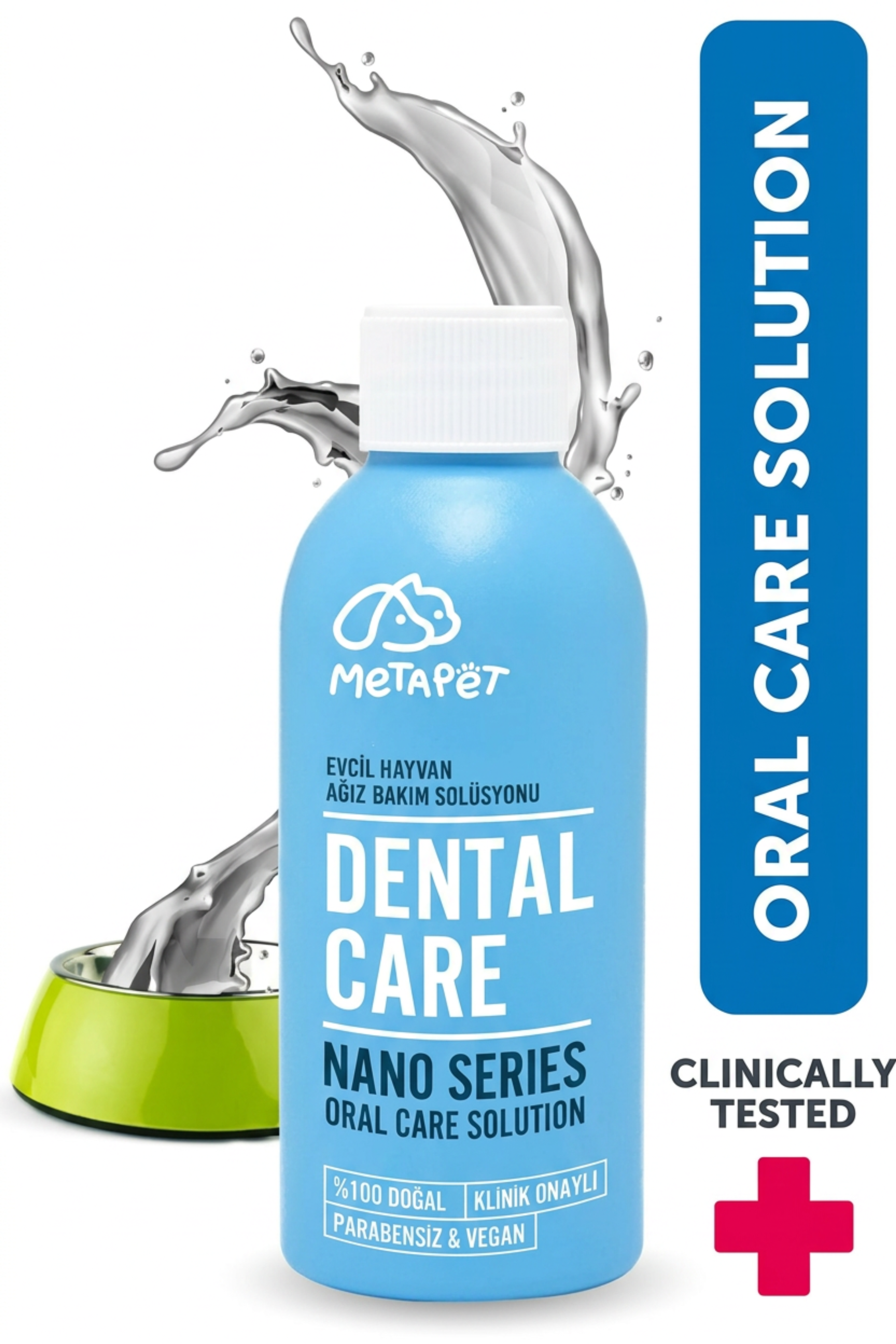
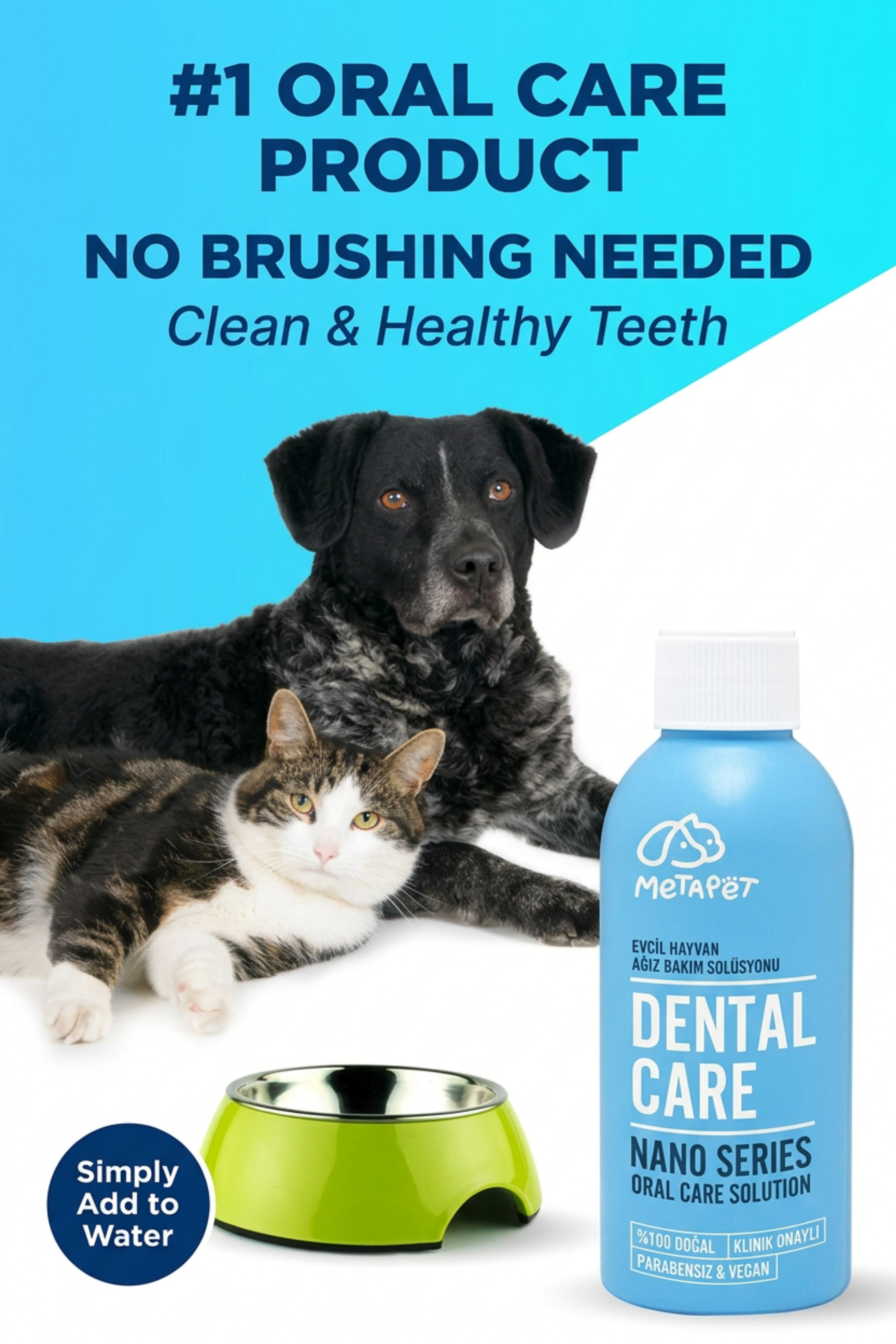
MetaPet's Nano-Series Dental Care Water Additive is one example of a water additive designed to be mixed into your pet's drinking water to help support everyday oral freshness. It is intended as a convenient complement to regular brushing and veterinary dental care — not a substitute for them, and not a treatment for dental disease. If your pet already has significant tartar or sore gums, start with a veterinary visit rather than an additive.
Special Notes for Cats
Cats are experts at hiding oral discomfort, so owners may not notice a problem until breath changes or eating habits shift. Some cats develop painful conditions affecting the teeth and gums that specifically need veterinary care. Because feline mouths are small and sensitive, introduce any home dental care slowly and gently, and lean on your veterinarian for guidance tailored to your cat.
Watch for subtle cues such as dropping food, chewing on one side, pawing at the mouth, or drooling — these deserve a checkup even if the teeth look fine from the outside.
Warning Signs That Need the Vet
Some findings mean home care alone is not enough and a professional exam is the right next step.
- Breath that is strongly foul, or suddenly different in character
- Red, swollen, or bleeding gums
- Visible tartar, loose or discolored teeth
- Drooling, pawing at the mouth, or dropping food
- Reluctance to eat, or chewing on only one side
- Facial swelling or signs of pain
If you notice any of these, contact your veterinarian. Dental problems tend to progress, and earlier care is usually simpler and more comfortable for your pet.
Prevention Is the Long Game
Consistent, low-effort habits beat occasional intensive efforts. A pet whose teeth are brushed regularly, who has appropriate chews, and who sees the veterinarian for routine checkups is far less likely to develop the odor and discomfort of advanced dental disease.
- Brush regularly: the most effective home step you can take.
- Schedule checkups: let your veterinarian assess the mouth at routine visits.
- Support between brushings: dental chews or a water additive can help maintain freshness.
- Act on changes: new or worsening breath is a reason to look closer.
Plaque, Tartar, and the Gumline
To care for the mouth effectively, it helps to understand the enemy. Plaque is a soft, sticky film of bacteria that forms on the teeth continuously, every single day. When brushing or chewing does not remove it, minerals in the saliva cause it to harden into tartar (also called calculus) within a matter of days. Tartar is rough and firmly attached, and it can no longer be brushed away — it typically requires professional removal.
The most important zone is the gumline, where the tooth meets the gum. Bacteria that accumulate here can inflame the gums and, over time, affect the deeper tissues that support the teeth. This is why the odor of dental disease comes from the gumline area and why home care focuses on cleaning right where the tooth meets the gum, rather than just the visible tooth surface. Understanding this makes it clear why a quick wipe of the front teeth is not enough — the goal is disrupting plaque along the gumline before it hardens.
Making Dental Care a Lasting Habit
The reason home dental care so often fails is not that it does not work — it is that owners stop doing it. The trick is to make it small, positive, and routine. Attach brushing to an existing daily habit, keep sessions short, and always end on a good note so your pet associates it with attention and reward rather than restraint.
Start where your pet is comfortable and build slowly over days and weeks; there is no prize for rushing. For pets that strongly resist brushing, focus on what you can do consistently — appropriate dental chews, a water additive, and regular veterinary checkups — while continuing to work patiently toward accepting a brush. Consistency, even if imperfect, beats an ambitious routine you abandon after a week. A calm, predictable ritual is far more valuable than an occasional thorough scrub.
Diet and Chewing Habits
Diet plays a supporting role in oral health. Some pet foods and treats are specifically designed with dental benefits in mind, using texture or shape to help reduce plaque as the pet chews. Your veterinarian can point you toward options that carry recognized dental credentials if that suits your pet. Appropriate chewing in general provides natural mechanical cleaning, so safe, size-appropriate chew items can be a useful complement to brushing.
A word of caution: chews that are too hard can risk damaging teeth, and any chew should be matched to your pet's size and chewing style and given under supervision. Avoid overly hard items and anything small enough to be swallowed whole. As with all dental aids, chews and dental diets support a routine — they do not replace brushing or professional care, and they are not a cure for existing dental disease.
A Note on Professional Cleanings
Home care is powerful, but it cannot reach beneath the gumline or remove hardened tartar. That is where professional veterinary dental cleanings come in. Performed under veterinary supervision, a thorough cleaning allows the whole mouth — including areas hidden below the gumline — to be cleaned and assessed properly, something no toothbrush or additive can accomplish at home.
You may encounter offers for anesthesia-free cleanings that only scrape visible tartar from the tooth surface. While these can make teeth look cleaner, they generally do not address the critical area below the gumline where disease actually develops, and they do not allow a full evaluation. Talk with your veterinarian about what kind of dental care your individual pet needs and how often. Combining regular professional care with consistent home brushing, appropriate chews, and supportive aids is the most complete approach to a healthy, comfortable, fresher-smelling mouth.
Frequently Asked Questions
Is bad breath in pets ever normal?
Mild, transient odor can happen, but strong or persistent bad breath is not normal and usually points to dental disease that deserves attention.
Do dental treats replace brushing?
No. Chews and additives can support oral hygiene, but they do not replace the mechanical plaque removal of brushing or the thoroughness of professional care.
How often should I brush?
Daily is ideal because plaque re-forms quickly. If daily is not realistic, aim for as often as you can — consistency matters more than perfection.
My pet won't let me brush. What now?
Go slower, keep sessions positive, and ask your veterinary team for hands-on tips. Water additives and appropriate chews can help in the meantime, and a checkup ensures there is not an underlying painful problem making your pet resist.