Frostbite in Dogs and Cats: A Cold-Weather First-Aid Guide

Frostbite in pets is less common than hypothermia, but it is frequently missed, because the damage is not obvious in the first hours and the animal often gives no clear signal that anything is wrong. By the time a discolored ear tip becomes apparent, injury has already occurred.
This guide covers how cold injury happens in dogs and cats, which body parts are most vulnerable, what to do and what never to do while warming a pet, how frostbite differs from hypothermia, and the practical winter routine that prevents most of it in the first place.
Important: This article shares general educational information for pet owners and is not a substitute for an in-person veterinary examination, diagnosis, or treatment. For any medical concern or emergency, contact your veterinarian promptly.
What Frostbite Actually Does
When a body gets cold, blood vessels in the extremities constrict to shunt warm blood toward the core organs. This is a sensible survival trade-off, but it means the ears, tail, paws and other peripheral tissue receive less blood, cool faster, and can eventually freeze.
Ice crystals forming in and around cells damage them directly, and the reduced blood flow starves the tissue of oxygen. A further wave of injury often occurs on rewarming, when circulation returns to damaged vessels. This is why the initial appearance can be misleading and why the full extent of frostbite may not be apparent for several days.
- Extremities cool first because blood is diverted to the core
- Ice crystal formation damages cells directly
- Reduced blood flow deprives tissue of oxygen
- Additional damage can occur during rewarming
- The final extent may take days to become visible
Which Body Parts Are Most at Risk
Frostbite concentrates on thinly furred, poorly insulated tissue at the edges of the body — the parts furthest from the core and with the least protection.
- Ear tips: especially in dogs and cats with erect, thinly furred ears.
- The tail tip: particularly in short-coated breeds and outdoor cats.
- Paw pads and between the toes: in contact with frozen ground for the entire walk.
- The scrotum: in intact male dogs, which sits exposed and thinly covered.
- The nose and lip margins: thinly furred and directly exposed to wind.
Some animals are considerably more vulnerable than others: very young and very old pets, thin animals with little body fat, short-coated and hairless breeds, small dogs whose bodies sit close to frozen ground, and any pet with heart disease, kidney disease, diabetes or reduced mobility. Wet fur and wind dramatically accelerate heat loss in all of them.
The Signs to Look For
Early frostbite is subtle, and many owners only notice it during a routine check after a walk. Deliberately looking at ears, tail and paws when you come in from the cold is the practical habit that catches it.
- Pale, gray or bluish skin: the affected area may look drained of color.
- Cold and firm to the touch: the tissue feels colder and harder than surrounding skin.
- Pain on handling: or, worryingly, complete numbness with no response at all.
- Redness and swelling on rewarming: as circulation returns.
- Blisters or ulceration: developing over the following days.
- Blackened, dry tissue: a late sign indicating tissue death, which may take a week or more to declare itself.
A pet with frostbite frequently also has hypothermia, and hypothermia is the more immediately dangerous of the two. Shivering, lethargy, stiffness, slow breathing, weakness or difficulty standing all point to a dangerously low body temperature and require urgent veterinary attention.
First Aid: What to Do
The order of the steps matters
Move the animal somewhere warm and dry first, and warm the core before the extremities. Contact your veterinarian as you begin, since they can advise on the specific case and prepare for your arrival.
This order matters. If your pet is shivering hard, dull, stiff or weak — the signs of hypothermia — wrap the body in warm dry towels and go straight to the veterinarian without soaking the frozen areas. Rewarming ears, tail or paws before the core is warmed can push cold blood back toward the heart and cause collapse. The rewarming steps below are for an otherwise alert, normally behaving animal.
- Get indoors and dry: remove wet coats, harnesses and collars, and towel the coat dry.
- Wrap the body in warm, dry towels: warmed in a dryer if possible, and change them as they cool.
- Rewarm affected areas with lukewarm water: comfortably warm to your own wrist, never hot. Soaking or gentle application for around fifteen to twenty minutes is typical.
- Pat dry gently: do not rub.
- Offer warm fluids if fully alert: never force fluids into a drowsy or unresponsive animal.
- Prevent licking and chewing: of the affected area on the way to the clinic.
Then go to the veterinarian. Even mild-looking frostbite warrants assessment, because the true extent is not visible early, secondary infection is a real risk, and pain relief is often needed. Do not attempt to assess the damage yourself and wait.
What Never to Do
Several instinctive responses actively worsen cold injury. These are worth knowing before the moment arrives, because they are exactly what a worried person reaches for.
- Never rub or massage the area: friction on frozen tissue causes additional mechanical damage to already damaged cells.
- Never use direct or high heat: hair dryers, heating pads, radiators, hot water bottles and heat lamps can burn tissue that has no sensation to warn the animal.
- Never use hot water: lukewarm only.
- Never rewarm if refreezing is possible: a thaw-refreeze cycle is worse than staying frozen, so if you cannot keep the animal warm, get to a clinic instead.
- Never give human pain medication: common human pain relievers are toxic to dogs and cats.
- Never apply ointments, creams, salves or antiseptics: they trap dirt against damaged tissue and make the veterinary assessment harder.
- Never break blisters or cut away tissue at home.
Frostbite Versus Hypothermia
These often occur together but are different problems, and telling them apart helps you communicate clearly with your veterinary team.
Frostbite is localized freezing injury to a specific area of tissue. Hypothermia is a whole-body drop in core temperature and is a more immediate threat to life. A pet can have one, the other, or both, and in a pet who has been out in severe cold, hypothermia should be assumed until ruled out.
- Frostbite signs: pale, cold, firm areas at extremities; later swelling, blistering or blackening.
- Hypothermia signs: shivering that may stop as it worsens, lethargy, muscle stiffness, slow shallow breathing, weakness, confusion, collapse.
- Priority: hypothermia is treated as the more urgent problem.
- Both: warrant prompt veterinary attention rather than home management alone.
What Treatment Usually Involves
Veterinary care depends entirely on severity and on the individual patient, and decisions belong with your veterinarian. Broadly, care centers on controlled rewarming, pain management, protecting the damaged tissue, and time.
Time matters more than owners expect. Because the boundary between viable and non-viable tissue can take days to a couple of weeks to declare itself, veterinarians typically avoid rushing to remove tissue that may yet recover. That can mean a period of bandaging, monitoring and rechecks before any decision about surgery is made.
Pain relief is a significant part of care, since rewarming injured tissue is genuinely painful. Antibiotics may be prescribed if infection develops in damaged skin. Follow the prescribed plan precisely, and never substitute human medication.
Winter Walks: Preventing the Problem
Frostbite is far easier to prevent than to treat, and sensible limits on time outdoors do most of the work. The general principle is simple: if it is too cold for you to stand outside comfortably, it is too cold for extended time outdoors for most pets, and considerably too cold for small, thin, very young, very old or short-coated ones.
- Shorten walks in extreme cold: several brief outings beat one long one.
- Use a coat for pets that need one: short-coated, small, thin, senior and clipped dogs benefit most.
- Consider boots: if your dog tolerates them, they protect pads from both cold and de-icing chemicals.
- Avoid wind and wet: wind chill and damp fur accelerate heat loss dramatically.
- Never leave a pet in a parked car in winter: an unheated car offers almost no insulation and quickly falls to the outside temperature, so it becomes a cold box rather than a shelter.
- Bring outdoor cats in: and check under car hoods before starting the engine, since cats shelter in warm engine bays.
Paws After a Winter Walk
Paws deserve specific attention, because they take the most contact with frozen ground and with the chemicals spread on it. De-icing salts and ice melt products irritate skin and are unpleasant if licked off, and packed snow between the toes forms hard balls that press painfully and hold cold against the skin.
The routine that solves nearly all of this takes two minutes. Rinse or wipe the paws when you come in, work snow out from between the toes, dry thoroughly including between the pads, and take a look at the pads and web spaces for cracks, redness or embedded grit. Keeping the fur between the pads trimmed short over winter reduces snowball formation considerably.
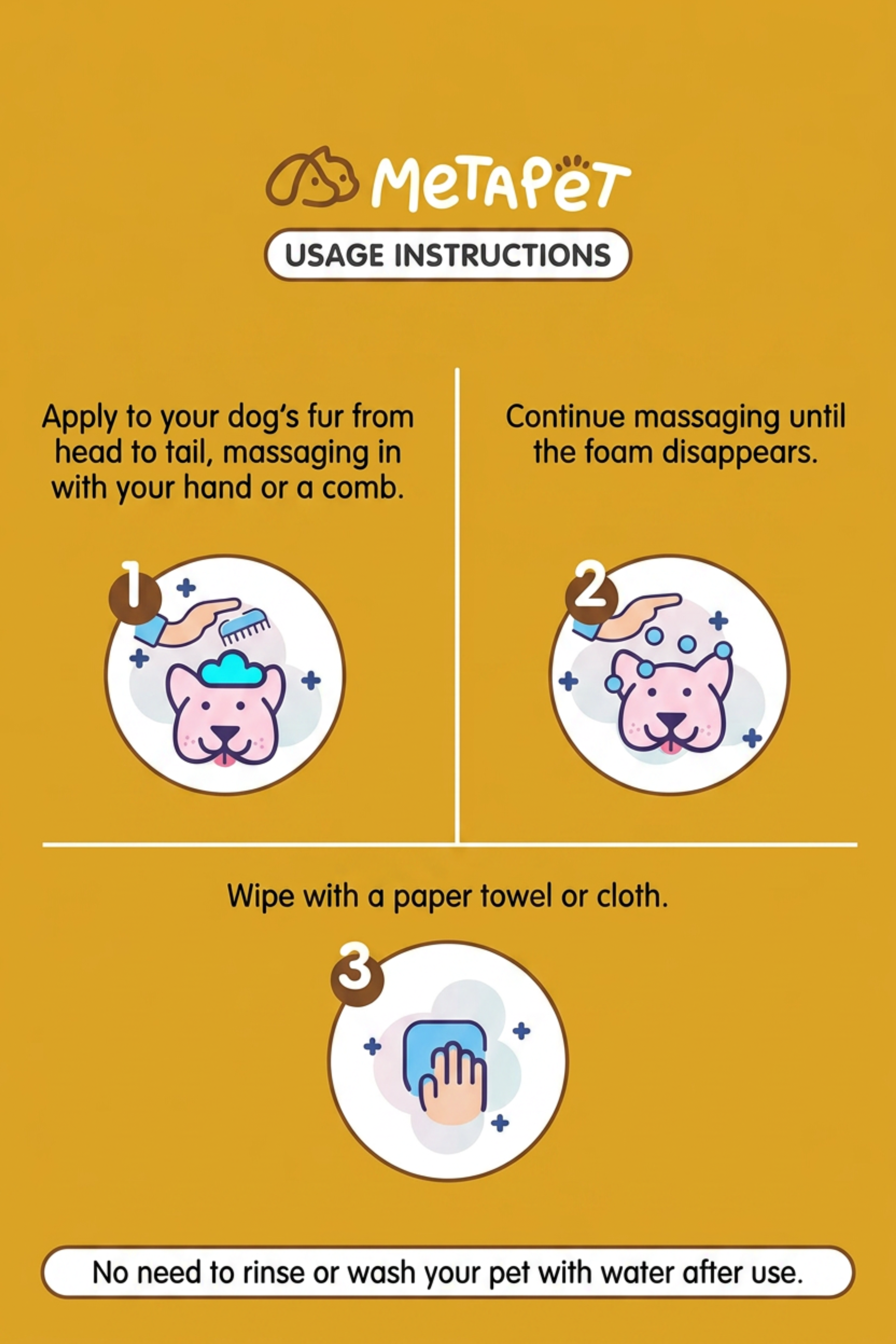
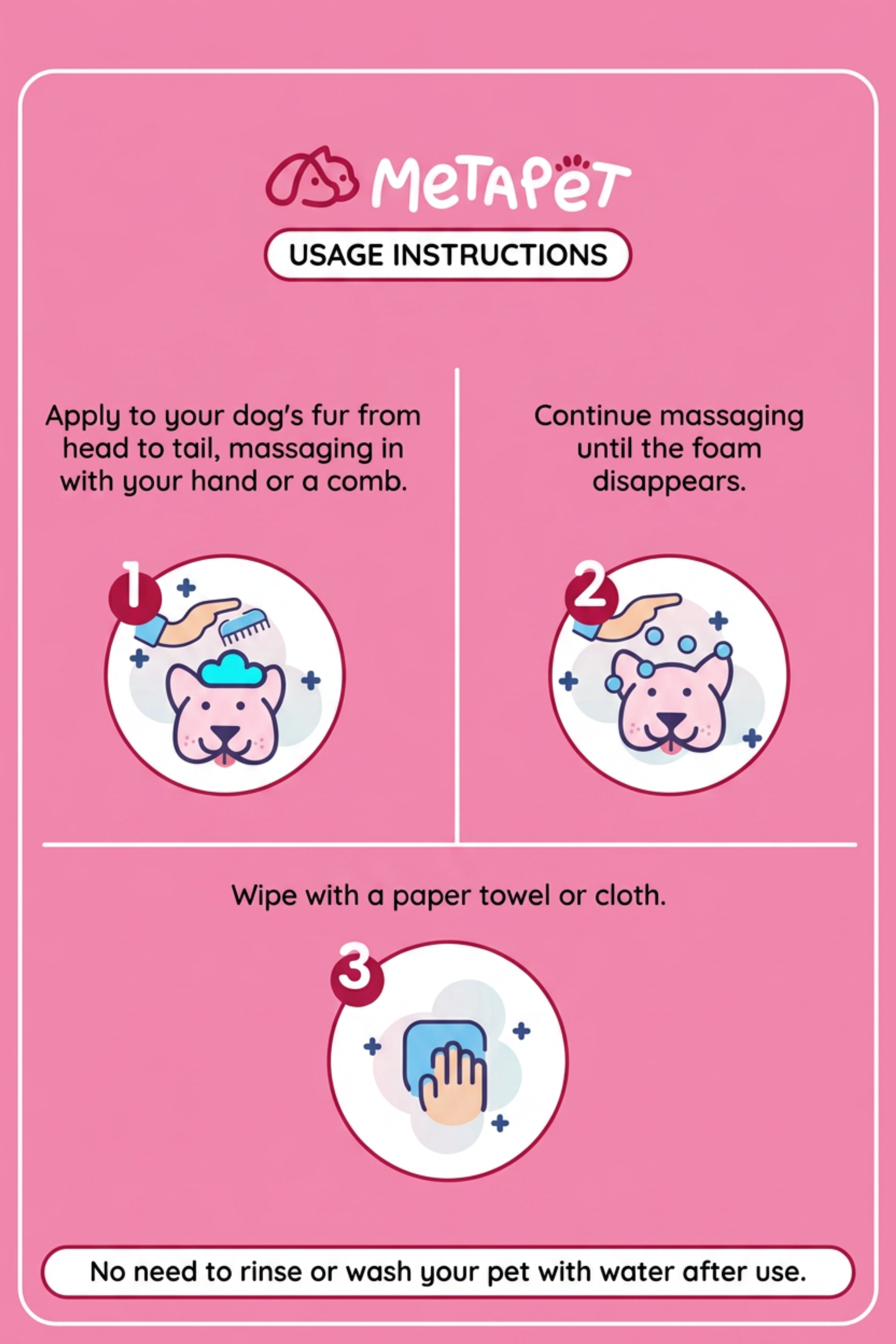
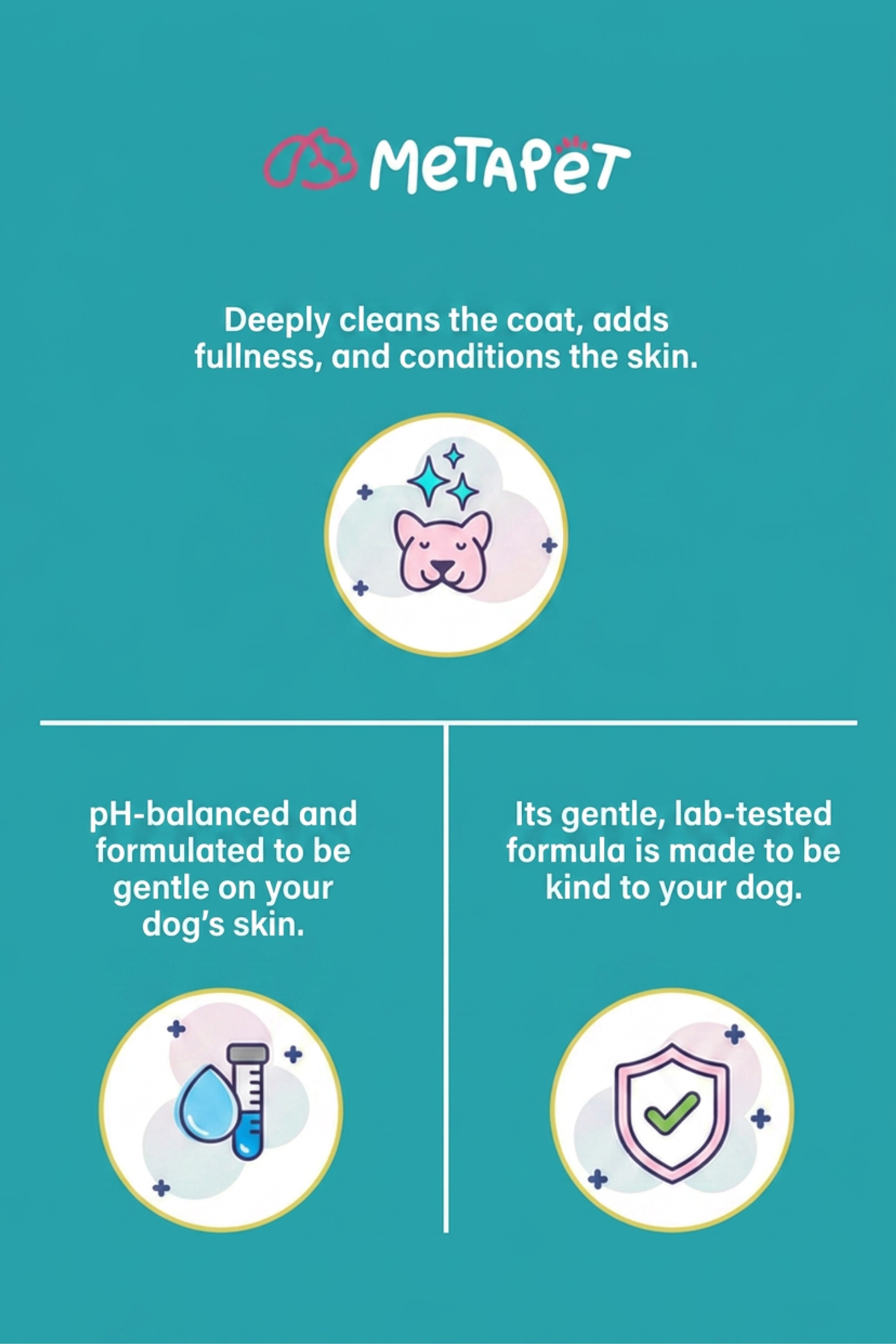
A dedicated paw cleaning product makes this quicker in a cold hallway than a bowl of water does. MetaPet Nano-Series Pawsome Paw Cleaning Foam with Brush is designed for cleaning paws after outdoor time, and MetaPet Nano-Series Hygiene & Care Towel Wipes are made for quick wipe-downs of paws and coat when you come in.
These are cosmetic cleaning products for routine hygiene. They help remove grit, salt residue and dirt from healthy paws; they do not treat, prevent or heal frostbite, cracked pads, dermatitis or any other medical condition, and they are a complement to, never a substitute for, veterinary examination. If a paw pad is cracked, bleeding, discolored, swollen or painful, that needs a veterinarian rather than a cleaning product.
Outdoor and Community Cats
Cats living wholly or partly outdoors are at high risk of frostbite, and ear tips and tail tips are the usual casualties. Many colony caretakers see the results every spring, once the season's damage has declared itself.
- Provide an insulated, dry shelter raised off the ground with a small entrance
- Use straw rather than blankets or hay, since straw resists dampness and holds warmth
- Position the entrance away from prevailing wind
- Check water frequently, as it freezes faster than most people expect
- Increase food, since maintaining body heat in cold weather costs energy
- Tap the hood of your car before starting it in cold weather
If you care for community cats and notice ear or tail damage, contact a veterinarian or a local rescue organization. Damaged tissue can become infected, and these cats often need pain relief and treatment even when the injury looks old.
When to Call Your Veterinarian
Do not wait to see how it develops. Cold injury is one of those problems where early assessment is genuinely valuable, and where the appearance in the first hours understates the damage.
- Call promptly if you see: pale, gray, blue or blackened skin; areas cold and hard to the touch; swelling, blistering or ulceration after warming; or any area your pet will not let you touch.
- Treat as an emergency: shivering that has stopped, marked lethargy, stiffness, weakness, collapse, or difficulty breathing after cold exposure.
- Also call if: your pet has been outdoors in extreme cold for an unknown length of time, even if they appear normal.
Winter care for pets comes down to a handful of habits: shorter outings when it is genuinely cold, protection for the animals that need it, a two-minute paw check at the door, and a low threshold for calling. Frostbite is far easier to prevent than to treat, and the damage it leaves is often permanent.