Fly Strike in Dogs and Cats: Signs, Risks, and Prevention

Warm weather brings long walks, open windows, and afternoons in the yard. It also brings flies, and for some dogs and cats that creates a serious but little-known risk called fly strike. Known medically as myiasis, fly strike happens when flies lay eggs on a pet's skin or coat and the hatching larvae, commonly called maggots, begin feeding on the tissue underneath.
Fly strike can progress surprisingly fast, and it is always a reason to contact your veterinarian. The good news is that it is also one of the more avoidable skin emergencies. This guide explains how fly strike develops, which pets are most vulnerable, the signs to look for, what veterinary care involves, and the simple daily habits that help keep your dog or cat safe through the warmer months.
Important: This article shares general educational information for pet owners and is not a substitute for an in-person veterinary examination, diagnosis, or treatment. For any medical concern or emergency, contact your veterinarian promptly.
What Is Fly Strike?
Certain flies, including blowflies, flesh flies, and some house flies, are attracted to warm, moist, or damaged skin and to the smell of urine, feces, blood, or infection. When a fly lands on these areas, it can lay clusters of tiny eggs within the fur or in a wound.
In warm conditions, those eggs can hatch within hours to about a day. The larvae then feed on dead and damaged tissue and may move into healthy tissue, creating holes and tunnels in the skin. Their activity causes pain, releases toxins, and invites bacterial infection. Without prompt care, an affected pet can become seriously ill.
Fly strike is sometimes associated with farm animals, but it occurs in dogs and cats too, especially those with conditions that leave the skin soiled, wet, or broken.
Which Dogs and Cats Are Most at Risk?
Any pet can be affected, but certain situations make fly strike much more likely. Knowing whether your pet fits any of these risk categories helps you decide how closely to monitor them.
- Senior and less mobile pets: older dogs and cats, or pets recovering from surgery, may not be able to groom themselves or move away from flies.
- Incontinent pets: urine or fecal soiling around the rear end creates exactly the conditions flies seek.
- Pets with diarrhea: even a short bout can leave the fur around the tail soiled and attractive to flies.
- Long-haired or matted coats: thick, tangled fur traps moisture, dirt, and waste against the skin and hides problems.
- Pets with wounds or skin infections: cuts, bite wounds, hot spots, surgical incisions, and infected ears can all attract flies.
- Overweight pets: extra body folds and difficulty grooming the back end increase risk.
- Pets spending long periods outdoors: especially those left outside unsupervised in warm, humid weather.
Cats generally groom themselves thoroughly, so fly strike in cats is often a clue that something else is wrong, such as illness, arthritis, obesity, or dental pain that stops normal grooming.
Warning Signs of Fly Strike
Fly strike often starts in hidden areas, such as under the tail, around the genitals, in skin folds, or beneath matted fur. That is why regular hands-on checks are so important. Signs can include:
- Visible eggs or maggots: small, pale grains stuck to the fur, or moving cream-colored larvae in the coat or a wound.
- A strong, unpleasant odor: often described as rotten or unusually foul.
- Wet, discolored, or matted fur: particularly around the rear end or a known wound.
- Holes or pits in the skin: sometimes with discharge or bleeding.
- Restlessness or agitation: licking, biting, or turning to look at one area of the body.
- Lethargy and weakness: as the condition progresses, pets may become quiet, stop eating, and seem unwell.
- Pale gums or collapse: signs of severe illness that need emergency care.
If you notice maggots, however few, treat it as urgent and contact your veterinarian straight away.
What to Do If You Find Maggots
Finding maggots on your pet is distressing, but staying calm helps you act quickly and safely.
- Call your veterinarian or an emergency clinic immediately: explain what you have found so they can prepare for your arrival.
- Keep your pet calm and contained: a quiet room or a secure carrier reduces stress and prevents more flies from reaching the area.
- Protect the area lightly: if advised, loosely cover the area with a clean, damp cloth for the journey.
- Avoid home insecticides: do not apply flea sprays, household insect killers, or other chemicals to the skin. Many are toxic to pets, especially to cats, and may worsen damaged tissue.
- Do not delay for home removal: you may be able to see only a fraction of the larvae present, since many may be deeper in the tissue.
- Emergency reminder: fly strike can cause shock and serious infection. Veterinary care should never wait until the next day.
How Veterinarians Manage Fly Strike
Veterinary care focuses on removing the larvae, cleaning the damaged tissue, controlling pain and infection, and supporting the pet's overall health. The exact approach depends on how extensive the problem is and how unwell the pet has become.
- Clipping the coat: hair around the area is clipped so the full extent of the damage can be seen.
- Removing larvae: maggots are removed carefully, often under sedation or anesthesia if the area is large or painful.
- Cleaning the wounds: the skin is flushed and damaged tissue is cleaned so it can recover.
- Pain relief and medications: your veterinarian may prescribe pain relief and, when appropriate, antibiotics or other medications.
- Supportive care: pets that are dehydrated or in shock may need intravenous fluids and hospitalization.
- Finding the underlying cause: diarrhea, incontinence, arthritis, dental disease, or skin problems that set the stage for fly strike are investigated and addressed.
Pets usually need follow-up visits to check that the wounds are healing well and that no larvae remain. Recovery time varies widely with the severity of the tissue damage.
Botflies: A Different Kind of Myiasis
In some regions, dogs and especially outdoor cats can be affected by a different type of fly larva known as Cuterebra, or the rodent botfly. Pets usually pick up the tiny larvae from areas near rodent or wildlife burrows, and a single larva develops under the skin, most often around the head, neck, or chest.
Owners typically notice a lump with a small breathing hole in the center, sometimes with discharge. It is very important not to squeeze the lump or try to pull the larva out, because rupturing it can trigger a severe reaction and leave fragments behind. Your veterinarian can remove it safely. Rarely, these larvae migrate to unusual locations such as the nose, eyes, or brain, which can cause more serious signs, so any unusual lump or sudden neurological change warrants prompt veterinary attention.
Daily Habits That Lower the Risk
Most cases of fly strike can be avoided with attentive, routine care during warm months. A few minutes a day makes a real difference.
- Check at-risk pets at least once or twice daily: lift the tail, part the fur, and look closely at the rear end, skin folds, and any wounds.
- Keep the back end clean and dry: gently clean soiled fur promptly and dry it thoroughly afterward.
- Ask about sanitary trims: a groomer or veterinary team can keep fur short around the rear end of long-haired pets.
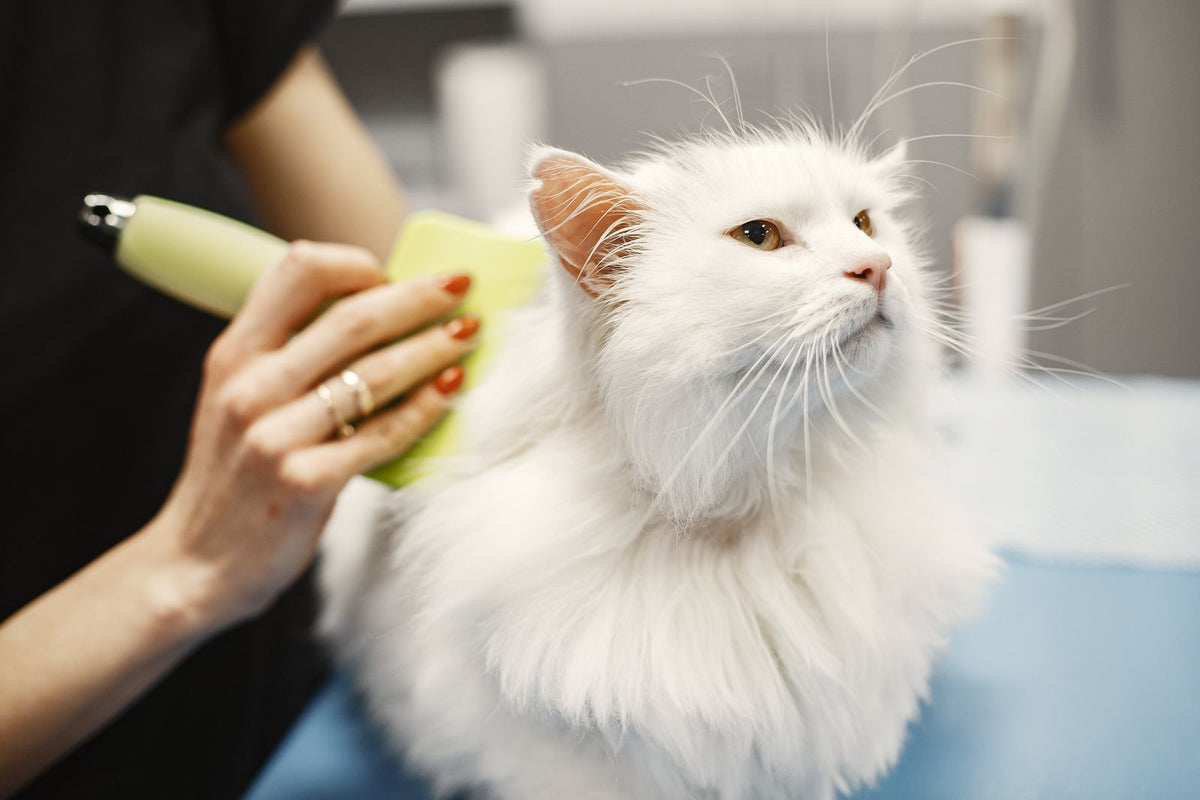
- Prevent matting: brush regularly and address tangles before they become tight mats against the skin.
- Care for wounds properly: follow your veterinarian's instructions for any cut or incision, and keep dressings clean and dry.
- Address diarrhea and incontinence early: these problems deserve veterinary attention in their own right and increase fly strike risk.
- Limit unsupervised outdoor time: especially for elderly, immobile, or unwell pets during hot, humid weather.
Making Your Home and Yard Less Attractive to Flies
Reducing the number of flies around your pet is another important layer of protection.
- Pick up feces promptly: clear the yard daily and keep dog waste bins sealed.
- Scoop litter boxes often: at least once or twice a day, and keep boxes in well-ventilated areas.
- Store food and garbage securely: use lidded bins and do not leave uneaten wet food out for long periods.
- Wash bedding regularly: especially for pets with incontinence or skin problems.
- Use window and door screens: to keep flies out of rooms where pets rest.
- Ask about pet-safe fly control: your veterinarian can advise on suitable products for your pet's species and health. Never use dog products on cats, as some ingredients are toxic to them.
Special Care for Senior and Recovering Pets
Older pets and those recovering from surgery or illness deserve extra attention in summer. Arthritis can make it hard for them to posture normally to urinate or defecate, and reduced mobility can leave them lying in one spot for long periods.
Provide soft, washable bedding that is easy to clean, and consider absorbent pads for pets with occasional leaks. Help them outside frequently for toilet breaks. Keep them indoors in a cool, screened room during the hottest part of the day. If your senior pet has trouble keeping clean, talk with your veterinarian about managing the underlying cause, whether that is joint pain, weight, urinary issues, or digestive upset.
Common Questions About Fly Strike
Can indoor cats get fly strike?
It is less common, but flies can enter homes. Indoor cats with wounds, soiled fur, or mobility problems can still be affected.
How quickly can fly strike develop?
In warm weather, eggs can hatch within hours to around a day, so a problem can develop between one morning check and the next. That is why at-risk pets benefit from checks at least once or twice daily.
Is fly strike contagious?
It does not spread from pet to pet like an infection. However, the same environmental conditions can put other pets in the household at risk, so check all of them.
Can a pet fully recover?
Many pets recover well when fly strike is caught early and treated promptly. Severe cases carry greater risks, which is why early detection matters so much.
Key Points to Remember
- Fly strike is an emergency: if you see maggots or fly eggs on your pet, contact your veterinarian immediately.
- Know the risk factors: age, soiling, matted coats, wounds, obesity, and limited mobility increase the risk.
- Check daily in warm weather: look under the tail, in skin folds, and around any wounds.
- Keep pets clean and dry: and keep coats trimmed and tangle-free.
- Reduce flies at home: clean up waste, scoop litter, screen windows, and ask your veterinarian about pet-safe fly control.
With consistent daily checks and good hygiene, fly strike is a risk most owners can keep well under control, allowing dogs and cats to enjoy the warmer seasons comfortably and safely.