
Choosing Healthy Treats for Dogs and Cats
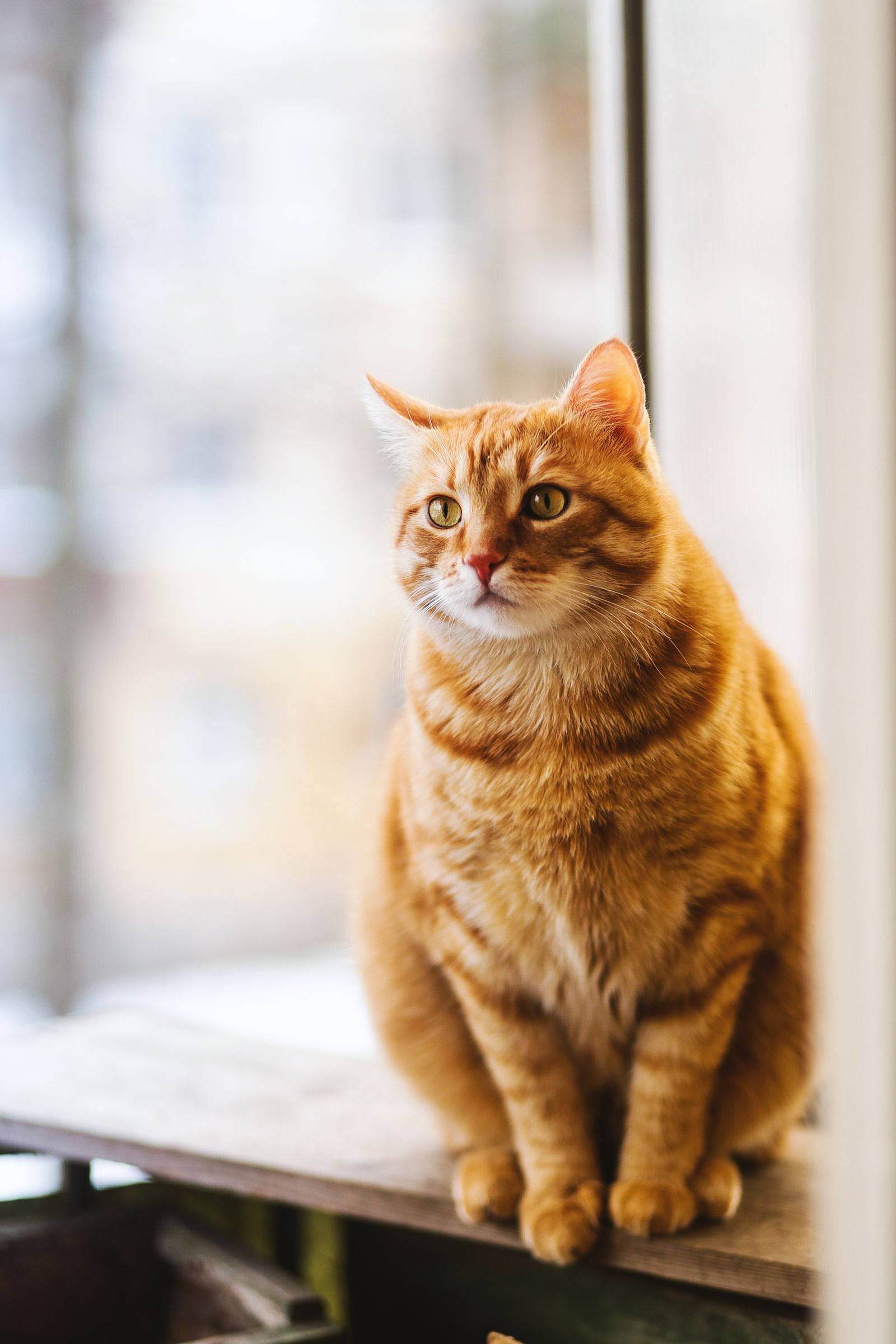
Few things light up a pet like the rustle of a treat bag. Treats are wonderful tools for training, bonding, and simply showing affection, but they are also an easy way to unbalance a diet or add unwanted weight when used carelessly. Choosing the right treats and using them wisely lets you enjoy the good parts without the downsides.
This guide explains how to choose healthy treats for dogs and cats, how to keep treats in proportion to the overall diet, how to read labels, and how to make the most of treats for training and enrichment. Because individual pets have different needs, use this alongside guidance from your veterinarian, especially for pets with health conditions or weight concerns.
Important: This article shares general educational information for pet owners and is not a substitute for an in-person veterinary examination, diagnosis, or treatment. For any medical concern or emergency, contact your veterinarian promptly.
The Role of Treats in a Pet's Diet
Treats are extras, not a foundation. A pet's core nutrition should come from a complete and balanced food designed for its life stage, with treats layered on top in small amounts. Kept in that role, treats are a positive part of life; allowed to take over, they can crowd out balanced nutrition and pile on calories.
It helps to think of treats primarily as tools, for teaching new behaviors, rewarding good manners, and strengthening your bond, rather than as a constant snack. Used with intention, even a small treat carries plenty of value to your pet.
Keeping this perspective makes the practical guidelines that follow much easier to apply, because you are treating treats as a meaningful supplement rather than an all-day habit.
The Ten Percent Guideline
A widely used rule of thumb is that treats should make up no more than about ten percent of a pet's daily calorie intake, with the remaining ninety percent or so coming from complete and balanced food. This simple guideline helps keep treats from unbalancing the diet or driving weight gain.
To apply it, be aware of how many treats you are actually giving across the whole day, including small training rewards and any table scraps, which add up faster than people expect. If you use many small rewards during training, use especially tiny pieces so the calories stay modest.
Because calorie needs vary widely by size and species, your veterinarian can help you translate this guideline into practical amounts for your particular pet, especially if weight is a concern.
Reading Treat Labels
Treat packaging carries useful information if you know where to look. Check that the treat is intended for your pet's species, note any feeding guidance, and look at the ingredient list, which is ordered by weight. Simpler ingredient lists with recognizable items are often a reasonable starting point.
- Right species: choose treats made for dogs or for cats specifically, not interchangeable.
- Appropriate size: match treat size to your pet so it is easy to portion and chew.
- Sensible ingredients: recognizable ingredients and clear labeling are generally preferable.
- Feeding guidance: follow any suggested limits, and count treats within the daily total.
Be a little skeptical of marketing language and focus on the practical questions: is this treat appropriate for my pet, is it easy to portion, and does it fit within the daily calorie budget? Your veterinarian can help you evaluate options if you are unsure.
Healthy Everyday Options
Healthy treats do not have to be fancy. For many dogs, small pieces of certain plain vegetables or a portion of their own kibble set aside for training can serve as low-key rewards. For cats, tiny pieces of a suitable meat-based treat often work well, matching their carnivorous nature.
Some fresh foods can be offered in moderation as treats, but only ones known to be safe for pets and always in small amounts. When you want to try a new food as a treat, check first that it is safe for your species and introduce it in a small quantity to see how your pet tolerates it.
Foods to Avoid as Treats
Some common human foods are unsafe for pets and should never be used as treats. This is not a complete list, but it covers items to keep well away from curious dogs and cats.
- Chocolate, coffee, and caffeine: toxic to pets.
- Grapes and raisins: associated with serious harm, especially in dogs.
- Onions, garlic, and chives: can damage red blood cells.
- Xylitol: a sweetener in some gums and baked goods that is very dangerous.
- Very fatty, salty, or seasoned foods: can upset the stomach or worse.
If your pet eats something potentially toxic, contact your veterinarian or an animal poison helpline promptly. When you are unsure whether a food is safe, the safest choice is to skip it and ask your veterinarian.
Treats for Training
Training is where treats truly shine. Small, quickly eaten, high-value rewards let you mark and reinforce good behavior in the moment, which is how pets learn most effectively. For training, the size of each reward matters more than its richness; tiny pieces keep your pet engaged without overloading calories.
Reserve especially enticing treats for harder lessons or distracting environments, and use plainer rewards, or even praise and play, for easy wins. Varying the reward keeps training interesting. As your pet masters a behavior, you can gradually reduce food rewards and lean more on praise, so treats do not become a permanent crutch.
Dental and Functional Treats
Some treats are marketed as supporting specific aspects of care, such as dental chews designed to help reduce buildup through chewing action as part of an oral-care routine. These can be a reasonable addition for some pets, but they still count toward the daily calorie total and are not a replacement for other care.
Keep claims in perspective and keep language honest: a chew or functional treat is a complement to a complete routine, not a treatment for disease. For dental health specifically, treats work best alongside toothbrushing where possible and professional veterinary dental care. Your veterinarian can advise which functional treats, if any, suit your pet.
Treats and Weight Management
For pets watching their weight, treats deserve special attention, since they are often a hidden source of extra calories. That does not mean eliminating treats entirely; it means being deliberate. Use very small pieces, favor lower-calorie options, and subtract treat calories from the daily food allowance so the total stays on target.
Involving the whole household helps, since weight-management efforts can be undone by well-meaning extra snacks from different family members. Agreeing on a shared treat plan keeps everyone consistent. If your pet needs to lose weight, your veterinarian can help design a plan that still leaves room for the joy of the occasional treat.
Making Treats More Than Food
Treats can do double duty as enrichment. Hiding small treats around a room, using puzzle feeders, or freezing a treat inside a suitable toy turns a snack into mental stimulation that engages your pet's natural foraging and problem-solving instincts. This stretches the value of each treat while keeping calories modest.
Enrichment like this is especially valuable for indoor pets and those that spend time alone, providing healthy outlets for energy and curiosity. A little creativity turns treats into a tool for a happier, more engaged pet rather than just extra calories.
Treats for Cats: Special Considerations
Cats bring their own quirks to treating. As obligate carnivores, they usually appreciate small, meat-based treats far more than starchy or sweet ones, and many cats are highly food-motivated in short bursts. Because cats are typically smaller than dogs, it takes very little to add up to a meaningful share of their daily calories, so portions should be tiny.
Cats can also be creatures of habit, sometimes fixating on one treat and refusing others. Offering variety in moderation, and not overusing any single treat, keeps things balanced and prevents a cat from holding out for snacks over its regular food. Skip cow's milk as a treat, since many cats do not digest it well despite the stereotype.
Treats can be a valuable way to interact with a cat that is otherwise independent, doubling as gentle training rewards or enrichment through puzzle feeders. Used thoughtfully and sparingly, they enrich a cat's day without unbalancing its careful nutritional needs.
Common Questions About Treats
How many treats a day is too many?
Rather than a fixed number, think in terms of calories: treats should stay around ten percent of daily intake. For a small pet, that can mean just a few tiny pieces. Your veterinarian can help you translate this into a practical daily amount.
Are grain-free or specialty treats better?
Not necessarily. Marketing terms do not automatically mean healthier. Focus on whether a treat is appropriate for your pet, sensibly made, and fits the calorie budget, and ask your veterinarian if you are weighing specialty options for a specific reason.
My pet begs constantly. Should I give in?
Begging is often learned, and giving in reinforces it. You can redirect with attention, play, or a scheduled treat time rather than constant snacks, keeping treats meaningful and your pet's waistline in check.
The Bottom Line
Healthy treating is about proportion and intention. Choose treats made for your pet's species, keep them to roughly ten percent of daily calories, avoid unsafe foods, and use treats thoughtfully for training, enrichment, and bonding rather than as an all-day habit.
Read labels with a practical eye, keep functional treats in perspective as complements rather than cures, and pay special attention to treats if your pet is managing its weight. With a little planning and input from your veterinarian, treats can stay exactly what they should be: a small, joyful part of a healthy life.




















































































