Caring for a Neutered Cat: Weight, Hydration, and Urinary Health

Spaying and neutering are among the most common and beneficial procedures for pet cats. They stop unplanned litters, reduce roaming and many hormone-driven behaviors such as urine spraying and yowling, and offer important health benefits. Once your cat has recovered from surgery, though, it is worth knowing that their everyday needs can shift a little.
Neutered and spayed cats often have lower energy requirements and may gain weight more easily, and a calmer, more indoor lifestyle can mean less exercise and less drinking. With a few thoughtful adjustments to feeding, hydration, activity, and litter box monitoring, you can help your cat stay lean, comfortable, and healthy for years. This guide explains what changes after neutering and how to support your cat at home.
Important: This article shares general educational information for pet owners and is not a substitute for an in-person veterinary examination, diagnosis, or treatment. For any medical concern or emergency, contact your veterinarian promptly.
What Changes After Spaying or Neutering?
Removing the ovaries or testicles changes a cat's hormone levels. That is what reduces mating behaviors, but it also has knock-on effects on metabolism and appetite. Many cats:
- Need fewer calories: energy requirements are often lower after the procedure.
- Feel hungrier: some cats show increased interest in food.
- Become less active: less roaming and calmer behavior can mean fewer calories burned.
None of these changes are a reason to avoid spaying or neutering, which your veterinarian can discuss in detail. Our spaying and neutering basics guide covers the benefits. They simply mean that feeding and lifestyle deserve a fresh look once your cat has healed.
The First Two Weeks: Recovery Basics
Before thinking about long-term care, your cat needs a smooth recovery from surgery. Your veterinarian will give you specific discharge instructions, and following them closely is the most important thing you can do. General recovery tips include:
- Rest and restriction: keep your cat indoors and limit jumping and rough play for the period your veterinarian recommends.
- Check the incision daily: look for redness, swelling, discharge, gaping, or a bad smell, and call your veterinarian if you see any of these.
- Prevent licking: use a cone or recovery suit if advised. Our cone care guide can help.
- Litter choice: some veterinarians suggest a paper-based or dust-free litter for a few days to keep the incision clean; follow your clinic's advice.
- Appetite and energy: a little grogginess on the first evening is common, but a cat who will not eat, vomits repeatedly, or seems very lethargic should be checked.
Our general guide to post-surgery recovery at home covers more detail. Once your veterinarian confirms that healing is complete, you can turn your attention to the longer-term habits below.
Managing Weight: The Most Important Step
Excess weight is one of the most common health concerns in neutered indoor cats, and it is associated with problems such as diabetes, arthritis, and difficulty grooming. The good news is that weight gain is much easier to prevent than to reverse.
- Ask about calorie needs: at the post-surgery check or next wellness visit, ask your veterinarian how much your cat should eat and whether a food formulated for neutered cats suits them.
- Measure every meal: use a kitchen scale or a proper measuring cup rather than guessing or topping up the bowl. See our portion measuring guide.
- Count the treats: treats should make up only a small part of the daily calories; subtract them from meals.
- Weigh regularly: a monthly weigh-in at home helps catch gradual gain early.
- Learn body condition scoring: you should be able to feel the ribs easily under a light layer of fat and see a waist from above. Our body condition score guide shows how.
If your cat is already overweight, do not cut food drastically on your own. Rapid weight loss can be dangerous for cats. Your veterinarian can design a safe, gradual weight-loss plan.
Keeping Indoor Cats Active
Exercise burns calories and also provides mental stimulation that reduces boredom-related eating. Short, frequent play sessions fit a cat's natural hunting rhythm.
- Wand toys: two or three short sessions a day that mimic stalking, chasing, and pouncing.
- Puzzle feeders: make part of each meal a foraging activity.
- Vertical space: cat trees and shelves encourage climbing and jumping. See our guide to cat trees and vertical space.
- Rotate toys: keep toys novel by swapping them every few days.
- End with a 'catch': let your cat catch the toy at the end of play, then offer a small meal to complete the hunt-eat-rest cycle.
Why Hydration Matters
Cats evolved from desert-dwelling ancestors and often have a low drive to drink, getting much of their water from prey. Many modern cats on dry food drink relatively little, which can lead to more concentrated urine. Concentrated urine is one of several factors that veterinarians consider in feline urinary health.
- Add moisture to the diet: wet food, or a mix of wet and dry, increases total water intake, if suitable for your cat.
- Offer several water stations: in quiet spots away from food bowls and litter boxes.
- Try different bowls: wide, shallow ceramic or stainless steel bowls are often preferred.
- Consider a fountain: moving water tempts some cats to drink more.
- Keep water fresh: clean and refill bowls daily.
- Add a little water to wet food: if your veterinarian agrees, this can boost intake further.
More ideas are in our hydration guide.
Supporting Urinary Health
Lower urinary tract problems are a common reason cats visit the veterinarian. Risk factors that have been associated with these problems include being overweight, low activity, low water intake, an indoor lifestyle, and stress. Male cats are of particular concern because their narrow urethra can become blocked.
Practical steps that support normal urinary health include maintaining a healthy weight, encouraging water intake, keeping litter boxes clean and accessible, and reducing stress at home. Our guide to feline lower urinary tract disease explains the condition in detail.
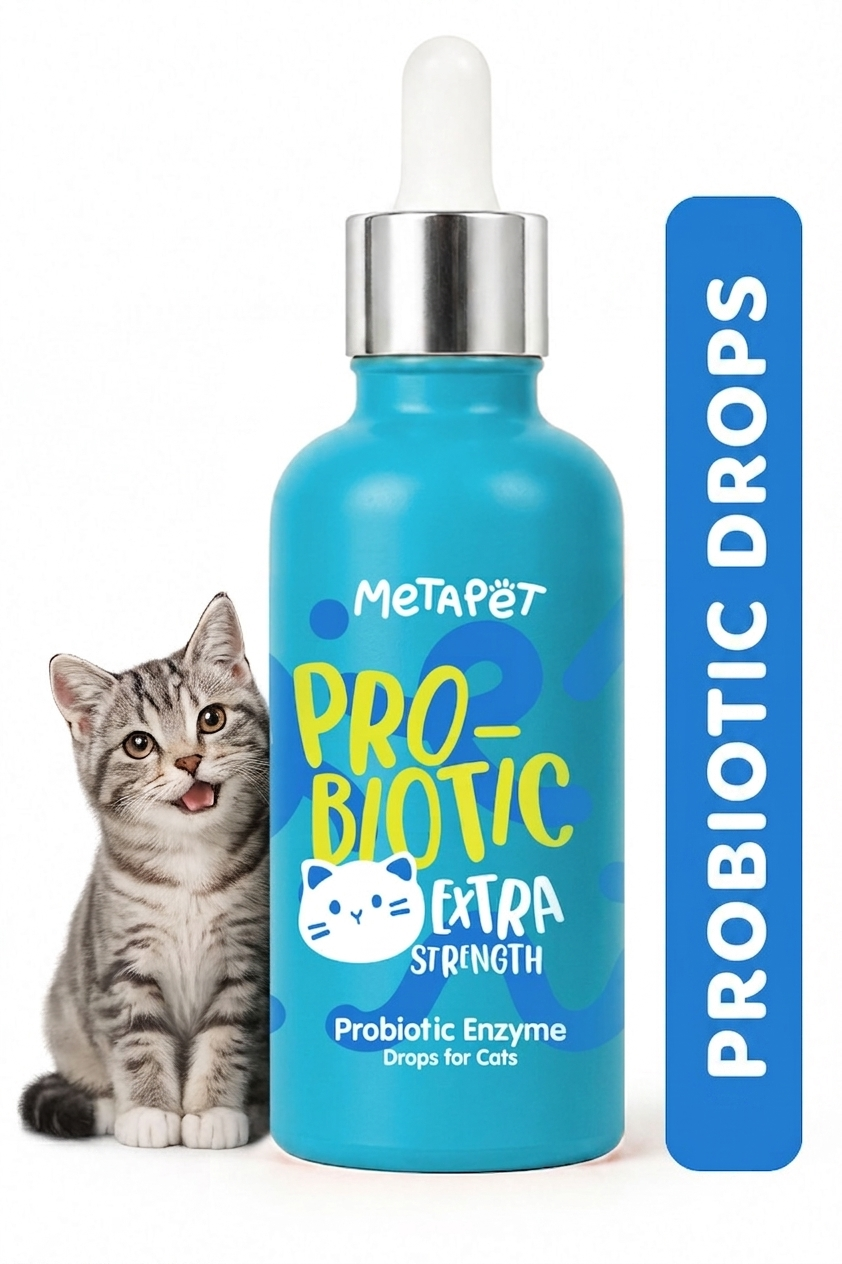
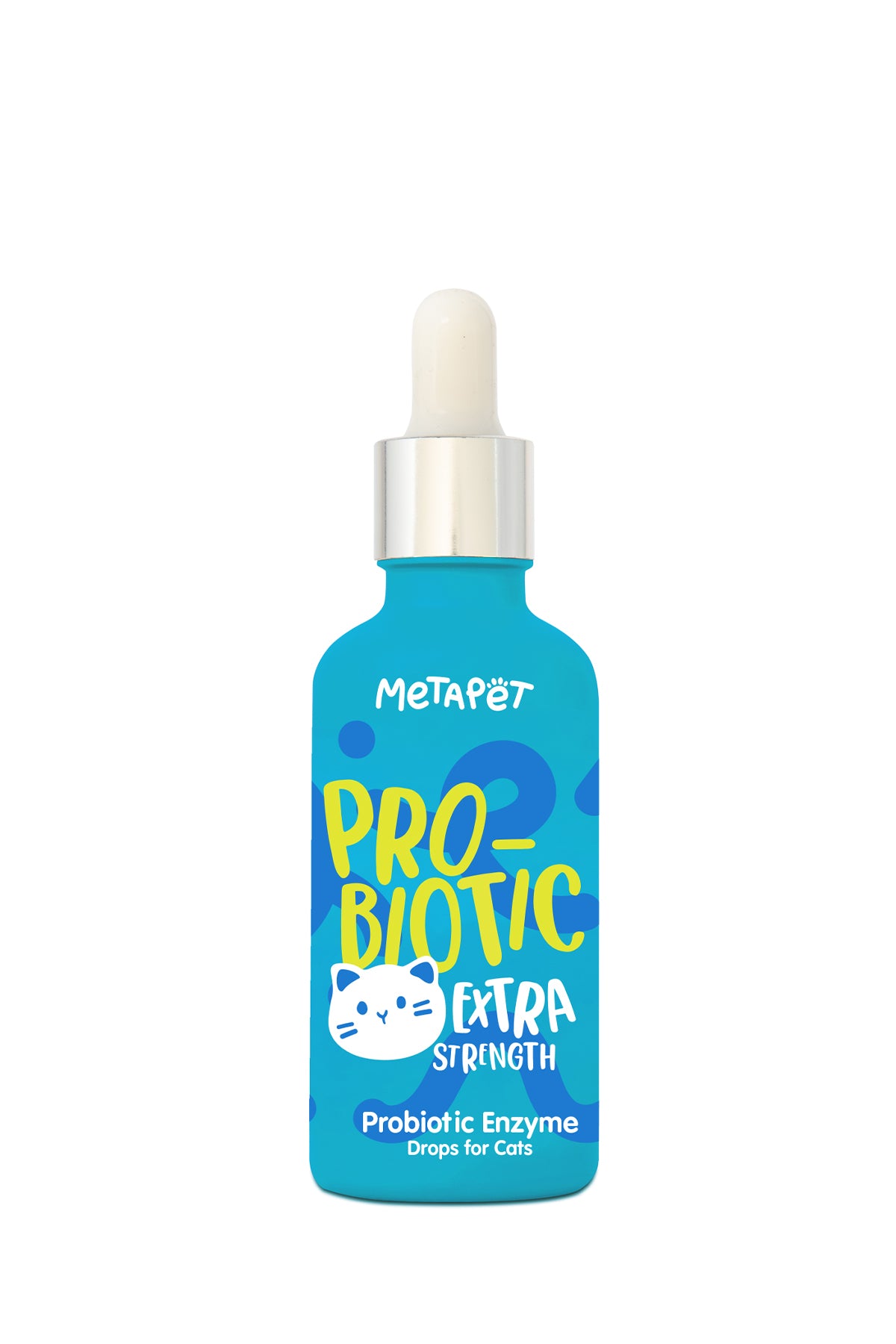
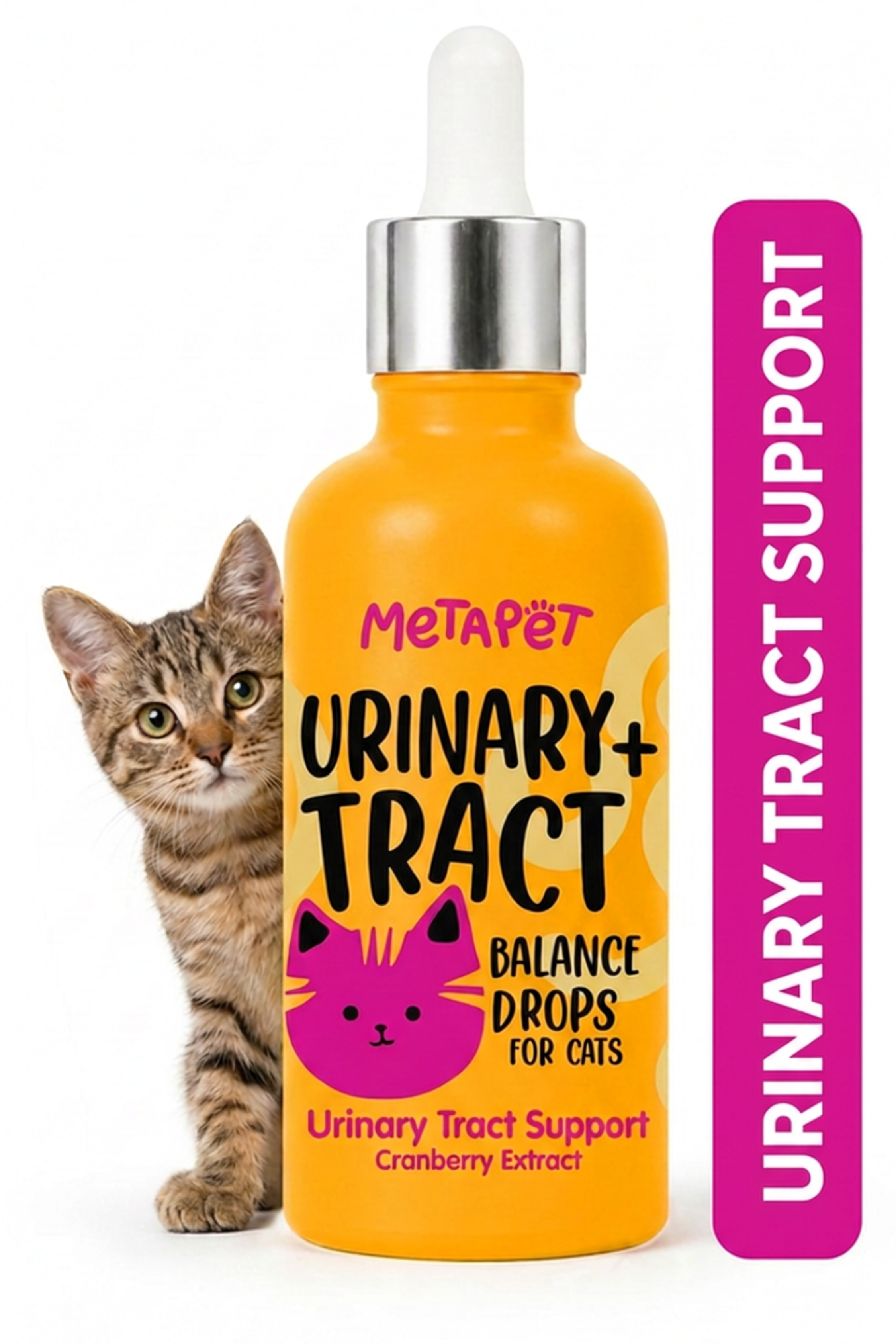
Optional daily supplements
Some owners choose to add a complementary supplement to their sterilized cat's routine.
Complementary supplements are not intended to diagnose, treat, cure, or prevent any disease and are not a substitute for veterinary care, a prescribed diet, or prompt treatment of urinary signs. Check with your veterinarian before starting any supplement, particularly if your cat has a urinary or kidney condition, takes medication, or eats a prescription urinary diet, since some ingredients may not be appropriate alongside certain diets.
The Litter Box: Your Early Warning System
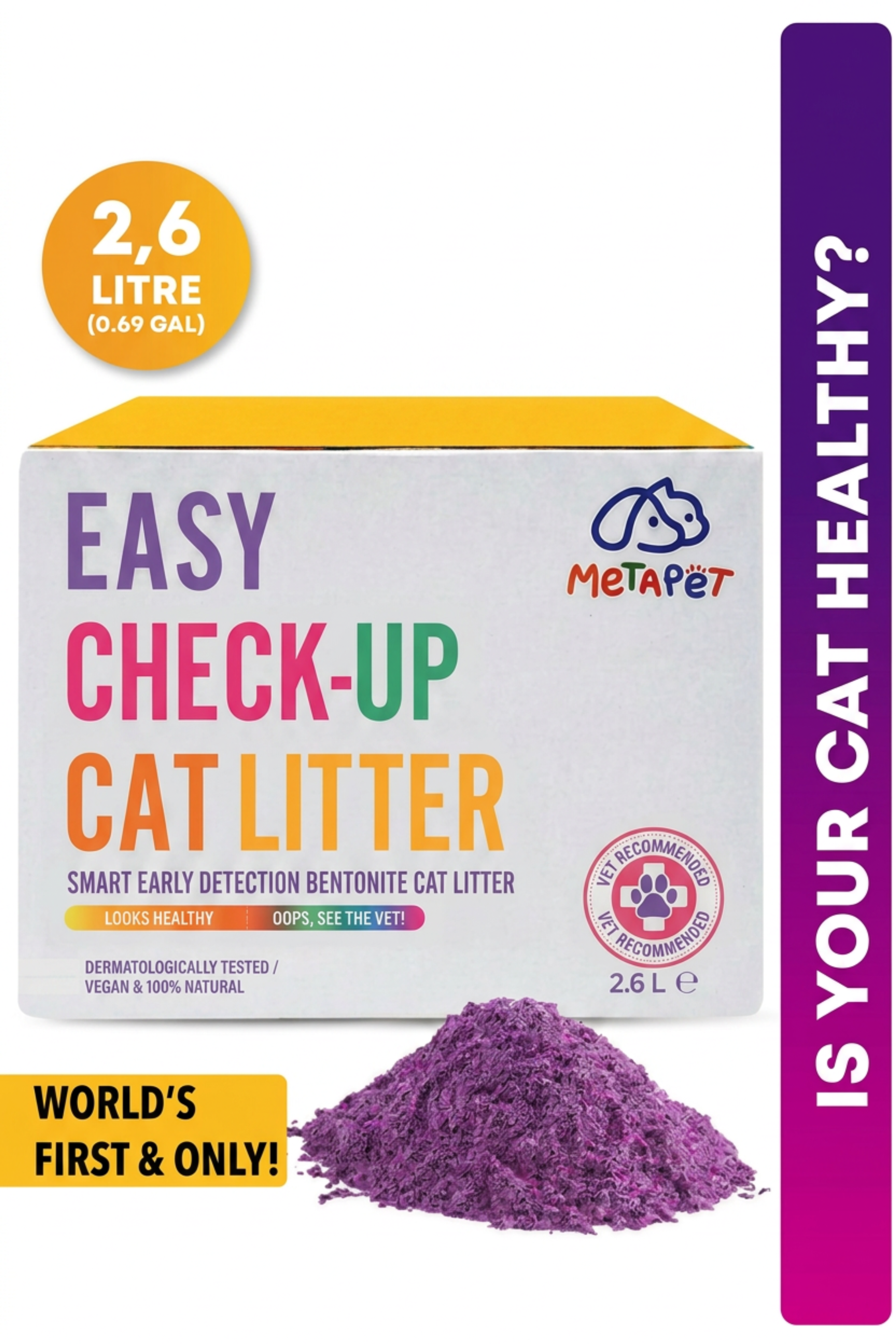
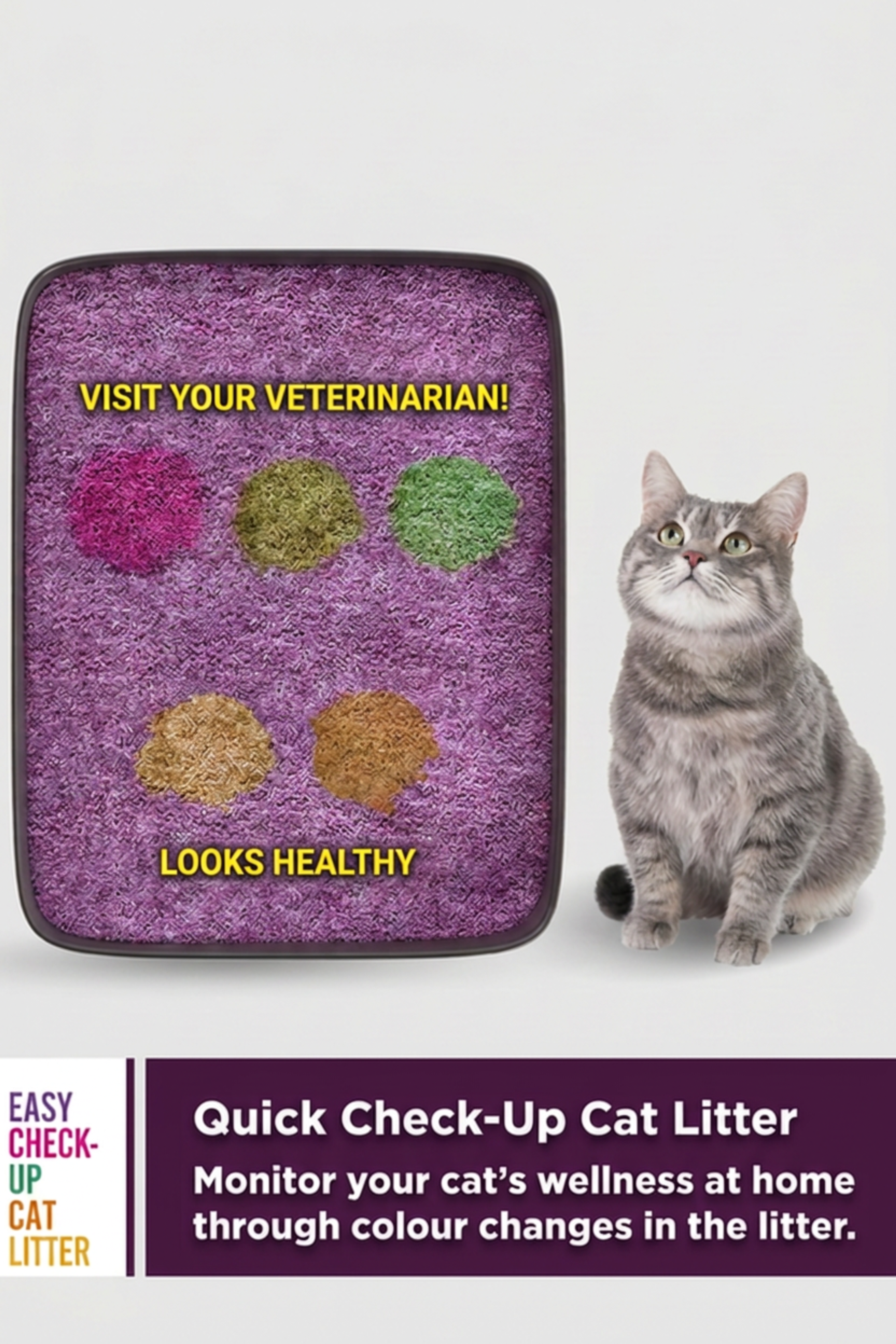
The litter box tells you a great deal about your cat's health. Scoop at least daily and take a moment to notice what you find.
- Number and size of urine clumps: a sudden increase or decrease is worth noting.
- Straining or frequent trips: with little urine produced.
- Blood in the urine: pink or red clumps or spots.
- Urinating outside the box: can signal discomfort, not just a behavior issue.
- Box setup: follow the general guideline of one box per cat plus one, in quiet, accessible locations. See our guide to litter box problems.
Emergency Warning Signs
A cat, especially a male cat, who is straining to urinate and producing little or no urine may have a urinary blockage. This is a life-threatening emergency that needs immediate veterinary care, day or night. Other urgent signs include:
- Crying or vocalizing in the litter box or repeatedly entering and leaving it.
- Licking the genital area excessively along with restlessness.
- Vomiting, lethargy, or hiding in combination with urinary signs.
- A painful, tense belly or reluctance to be picked up.
Do not wait to see if it resolves. Call your veterinarian or emergency clinic immediately.
Reducing Stress at Home
Stress can affect a cat's eating, drinking, and litter box habits, and it is recognized as a factor in some urinary problems. Simple steps help indoor cats feel secure:
- Predictable routines: feed, play, and clean litter boxes at consistent times.
- Safe retreats: covered beds, high perches, and quiet rooms.
- Enough resources: multiple food, water, litter, and resting spots in multi-cat homes. Our multi-cat household guide has tips.
- Gradual changes: introduce new pets, furniture, or schedules slowly.
Myths and Facts About Neutered Cats
Myth: Neutering makes cats lazy and fat.
Fact: neutering can lower energy needs, but weight gain comes from eating more calories than the body uses. Measured portions and regular play keep most neutered cats in excellent shape.
Myth: A female cat should have one litter first.
Fact: there is no recognized health or behavioral benefit to letting a cat have a litter before spaying. Your veterinarian can advise on the best timing for your cat.
Myth: Indoor neutered cats do not need checkups.
Fact: indoor cats still benefit from regular wellness exams, weight checks, dental care, and vaccinations appropriate to their lifestyle. Many problems, including weight gain and early urinary or kidney changes, are easier to address when caught early.
Myth: Dry food alone gives a cat all the water it needs.
Fact: cats eating only dry food rely on drinking to meet their water needs, and many do not drink much. Adding moisture through wet food and encouraging drinking can help keep urine more dilute.
Frequently Asked Questions
Do all neutered cats gain weight?
No. Many stay lean with measured meals and regular play. The key is adjusting portions to your cat's needs and monitoring weight.
Should I switch to a food for neutered cats?
Foods formulated for neutered cats are designed with their changing energy needs in mind and can be helpful. Ask your veterinarian which option suits your cat, and transition gradually over about a week.
Are female cats at risk of urinary problems too?
Yes. Both male and female cats can develop lower urinary tract problems, although blockages are far more common in males.
Key Takeaways
Spaying or neutering is a responsible choice that benefits your cat and the wider cat population. Afterwards, focus on measured meals, daily play, plenty of moisture and fresh water, clean litter boxes, and a calm home. Keep regular wellness visits, ask your veterinarian before adding any supplement, and never ignore straining in the litter box. These everyday habits help your neutered cat stay healthy, happy, and comfortable for life.