Allergic to Your Pet? Living Well with Dogs and Cats

It is one of the crueler jokes biology plays: millions of devoted animal lovers spend time around dogs and cats while their eyes itch, their noses run, and their chests tighten. Pet allergy is common — and for many affected households, the standard advice of 'rehome the pet' feels less like medicine and more like amputation.
Here is the more useful truth: while no honest guide can promise an allergy-free life with animals, a well-run combination of home management, grooming routines, and medical guidance from your own doctor allows many allergic people to live comfortably with the pets they love. Success is built from a dozen small reductions rather than one dramatic cure.
This guide explains what actually triggers pet allergies — it is not the hair — where allergens accumulate, the home and grooming strategies with the best evidence behind them, the truth about 'hypoallergenic' breeds, and how to think clearly if a new baby, a new diagnosis, or a new partner brings allergy into a pet-owning home. For your own symptoms and treatment, always work with your physician or an allergist; this article covers the pet-and-home side of the equation.
Important: This article shares general educational information for pet owners and is not a substitute for an in-person veterinary examination, diagnosis, or treatment. For any medical concern or emergency, contact your veterinarian promptly.
What You're Actually Allergic To
The villain is not fur. Pet-allergic people react to specific proteins found in an animal's skin flakes (dander), saliva, and urine. Cats' most famous allergen — the protein researchers call Fel d 1 — is produced in skin and salivary glands and spread across the coat every time a cat grooms; dogs carry their own set of allergy-triggering proteins that vary between individuals. Hair itself is mostly a delivery vehicle: a raft that carries dried saliva and dander around your home.
These allergen particles are small, light, and sticky. They ride air currents for hours, settle into carpet, upholstery, and bedding, cling to walls and clothing, and hitchhike to pet-free places — which is why studies find pet allergens in schools and offices, and why visiting a 'no-pets' house does not always mean escaping symptoms. Understanding this changes strategy: managing pet allergy means managing a house-wide dust of protein, not just managing an animal.
The Hypoallergenic Breed Question, Answered Honestly
No dog or cat breed is reliably allergen-free — the proteins are made by skin and saliva, which every animal has. Low-shedding breeds may spread allergen-carrying hair less liberally around the home, and individual animals genuinely vary a great deal in how much allergen they produce; some allergic people do notice easier coexistence with particular pets. But breed labels cannot promise that, and 'hypoallergenic' marketing has outrun the evidence.
The practical version: if you are allergic and considering a pet, spend real, repeated time with the specific animal before committing — reactions are individual on both sides of the leash. And if you already love a pet who makes you sneeze, take heart: the individual-variation lottery you already drew matters less than the management program you run from here, which is the rest of this article.
Zone Defense: The Allergen-Managed Home
The single most effective home strategy, recommended consistently by allergy organizations, is establishing the bedroom as a pet-free sanctuary. You spend roughly a third of your life there, immobile, face-down in fabric; keeping dander out of that one room lowers your total daily exposure more than any gadget. Keep the door closed, wash bedding frequently in hot water, and consider allergen-barrier covers for mattress and pillows.
- Filter the air. HEPA air purifiers in the bedroom and main living areas measurably reduce airborne dander; run them continuously, sized to the room.
- Starve the reservoirs. Carpet, heavy drapes, and plush furniture are allergen warehouses. Favor hard floors, washable rugs, and wipeable surfaces where you can; vacuum with a HEPA-equipped machine, slowly, at least twice weekly.
- Wash the soft things. Pet beds, blankets, throws, and sofa covers on a hot-wash rotation.
- Wipe the walls down occasionally. Sticky allergens coat vertical surfaces too — damp-wiping helps in heavy-exposure homes.
- Mind the HVAC. Quality furnace filters, changed on schedule, keep the house's lungs cleaner alongside your own.
Grooming: Managing Allergens at the Source
Regular grooming reduces the loose hair and dander a pet sheds into your shared environment, and it is one of the few levers that works at the source. The classic advice: have the non-allergic member of the household do the brushing, outdoors when possible, several times a week for shedding-prone pets. Bathing dogs regularly can temporarily reduce the allergen load a dog carries; for cats — most of whom regard bathing as a declaration of war — gentler routes matter more.
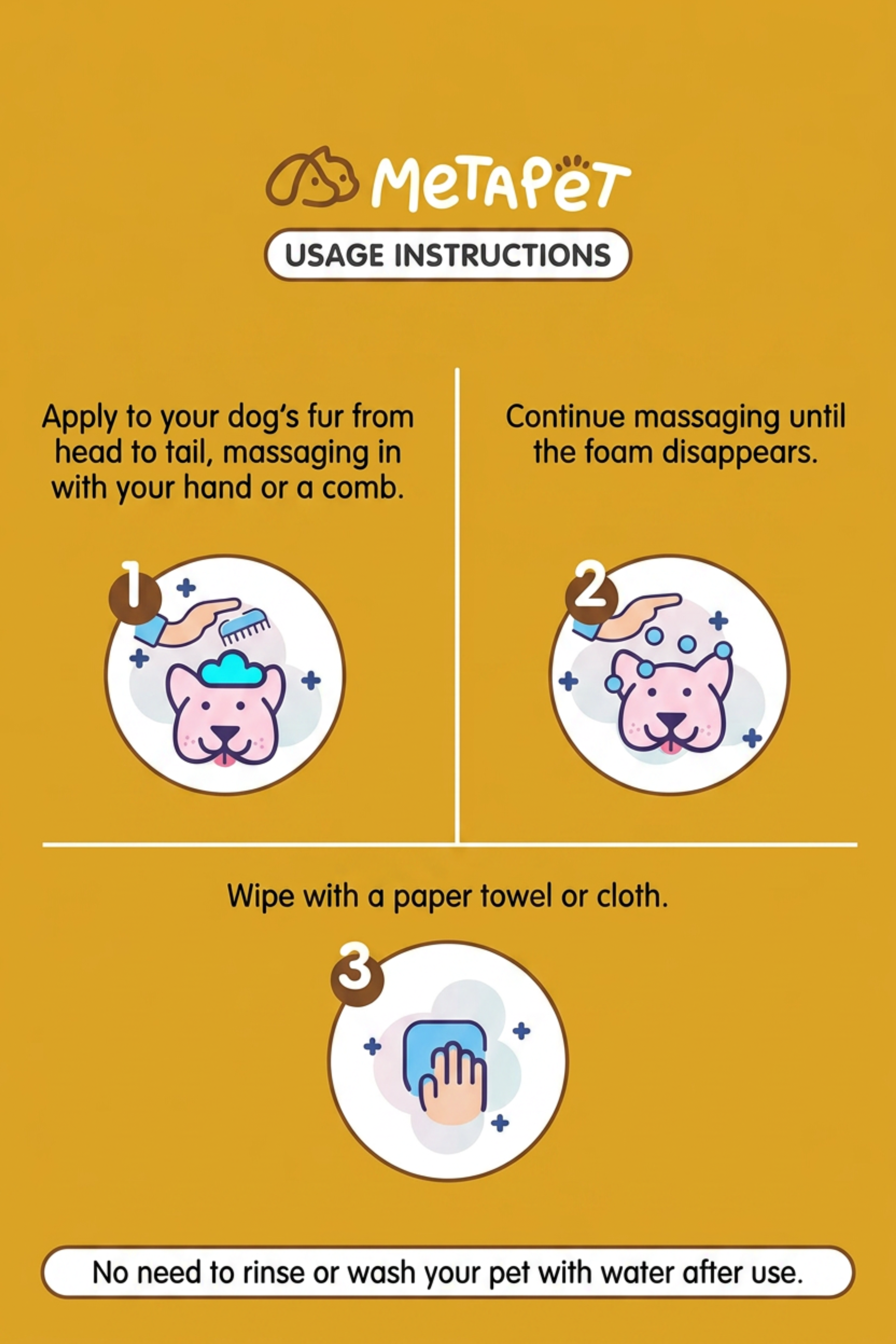
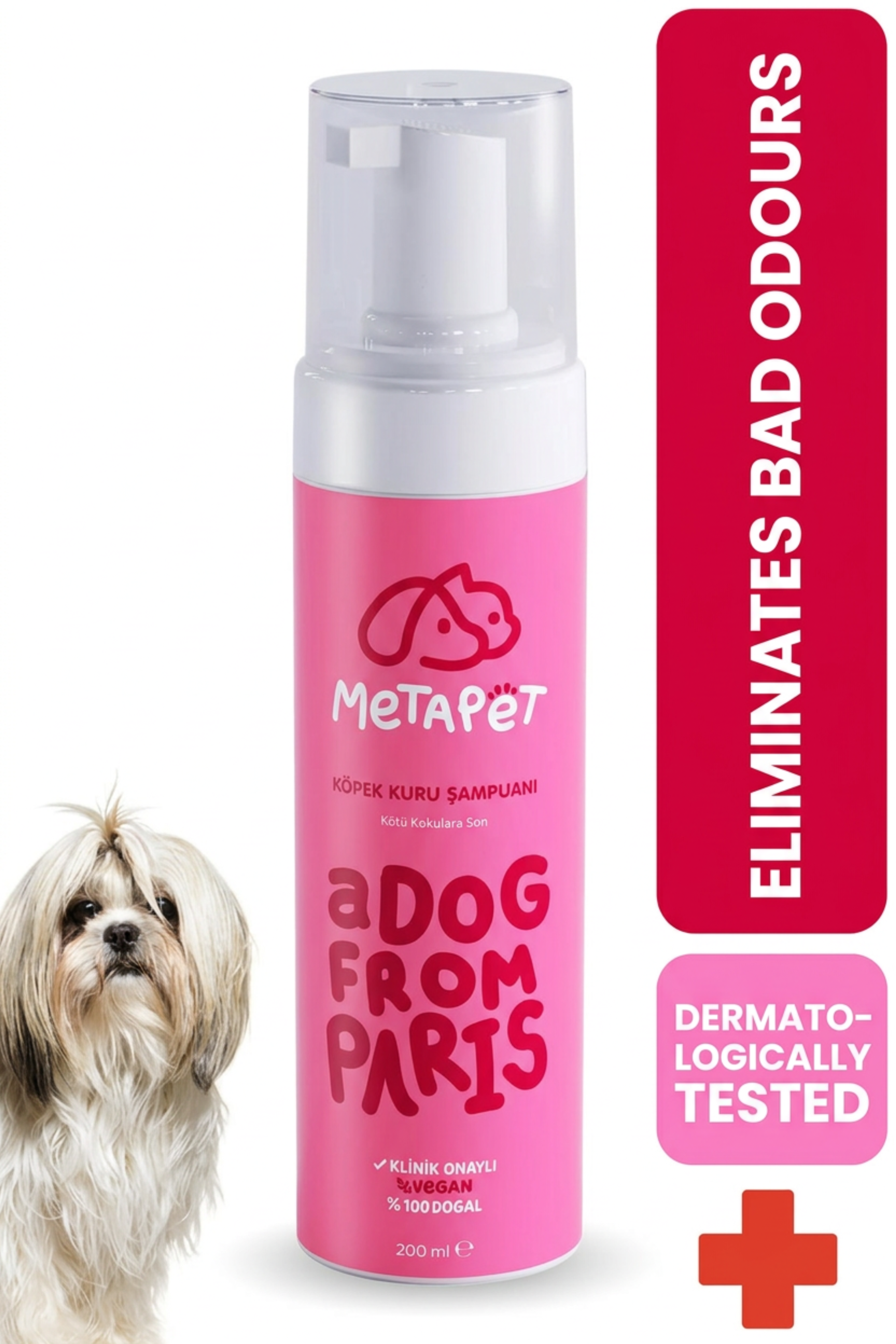
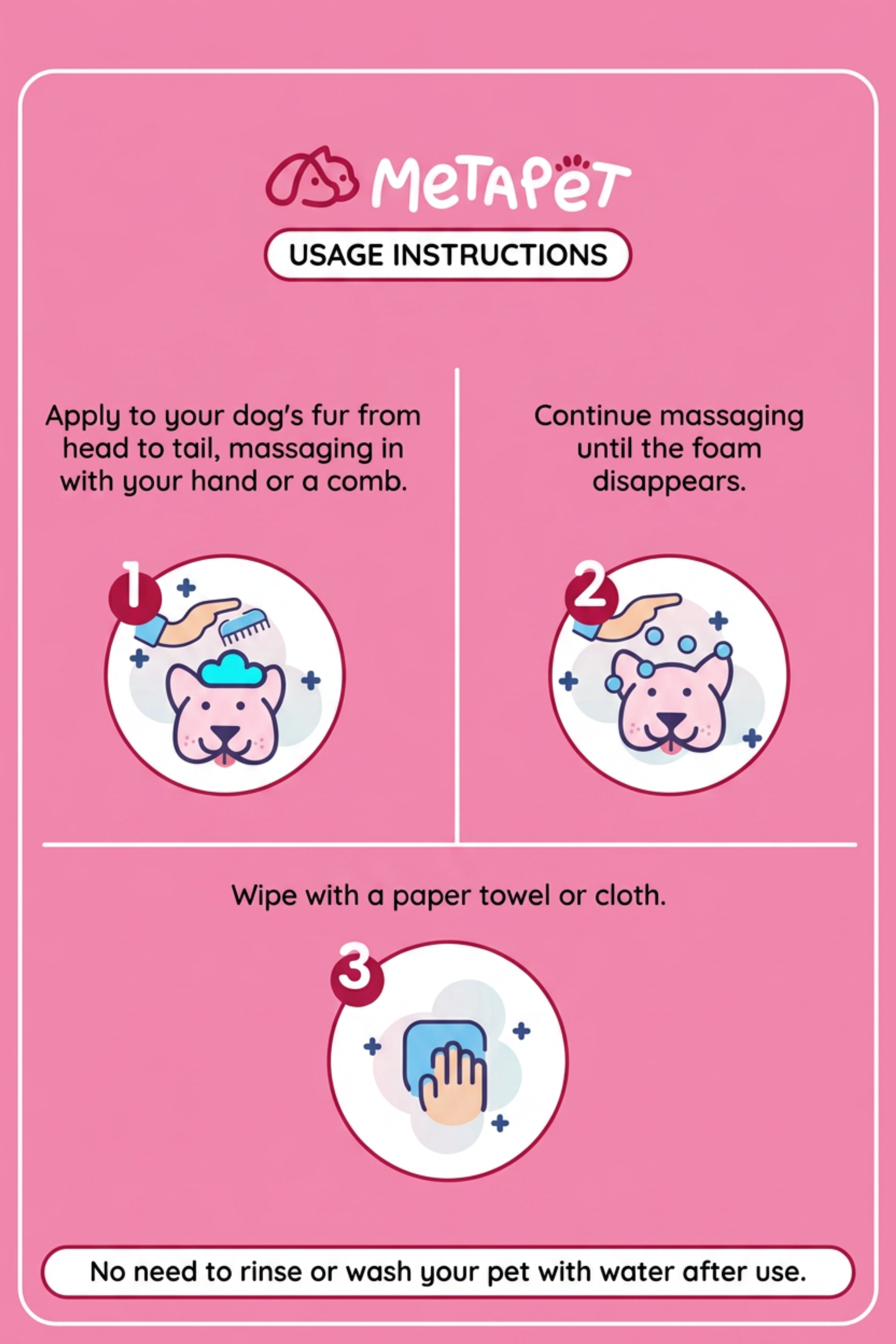
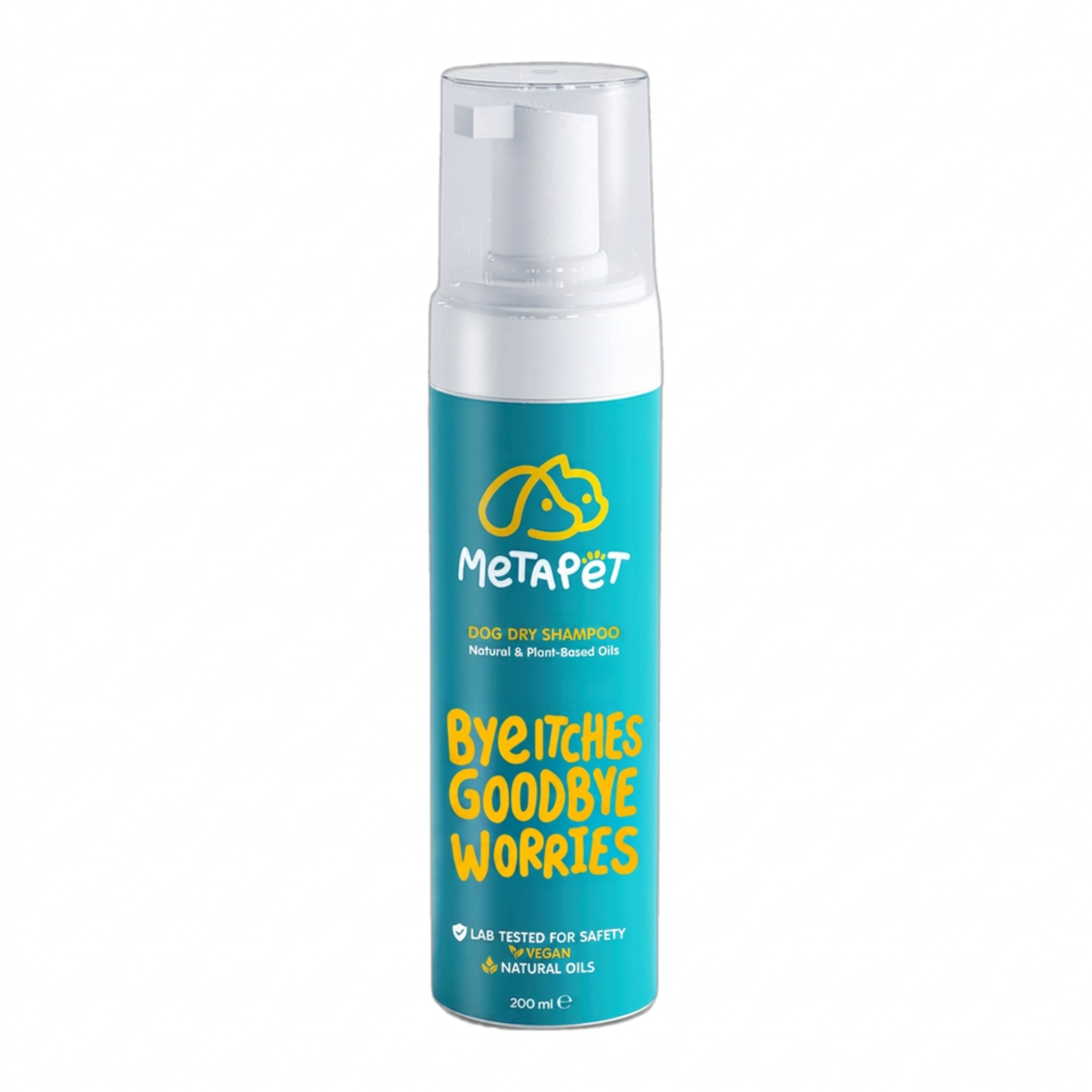
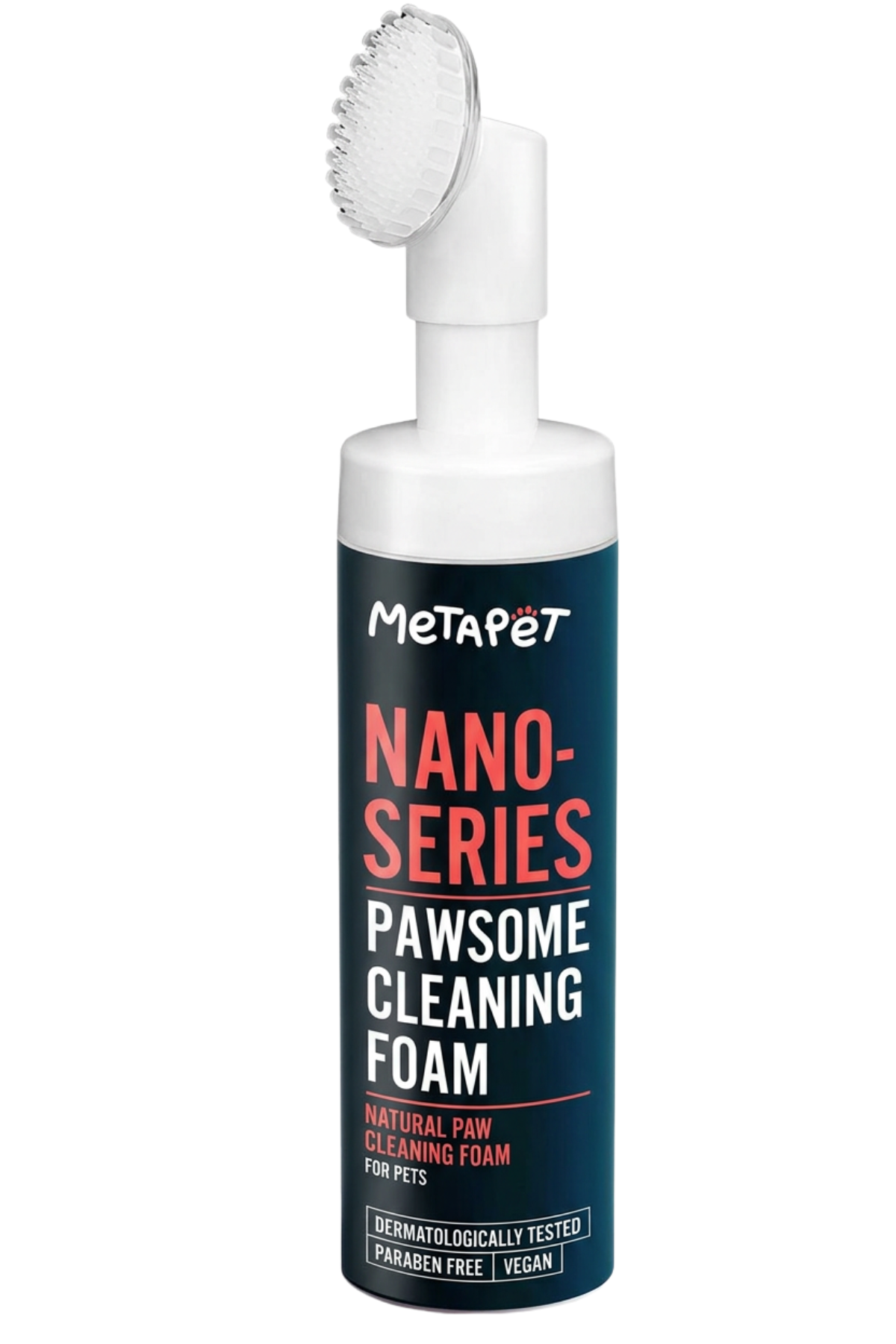
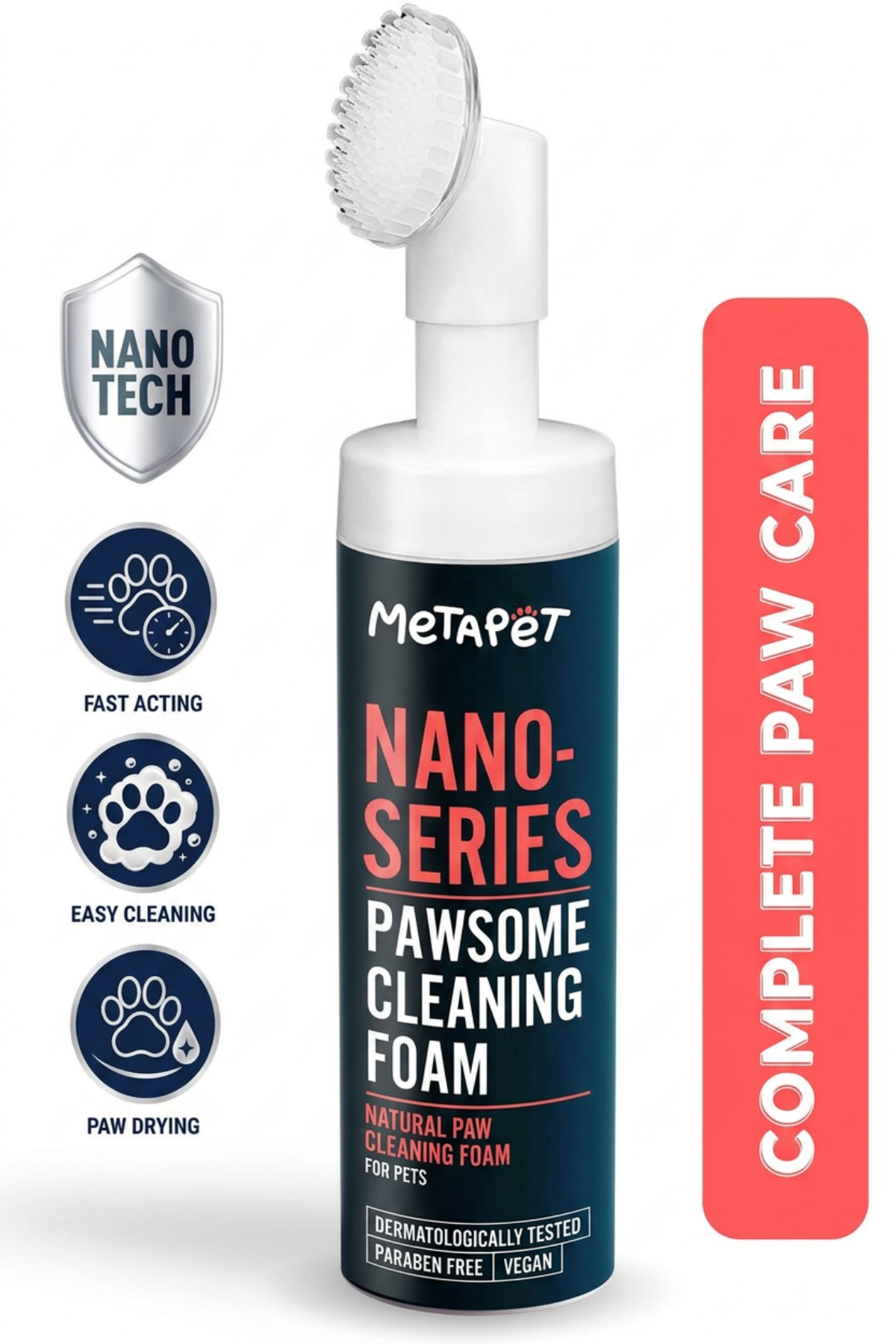
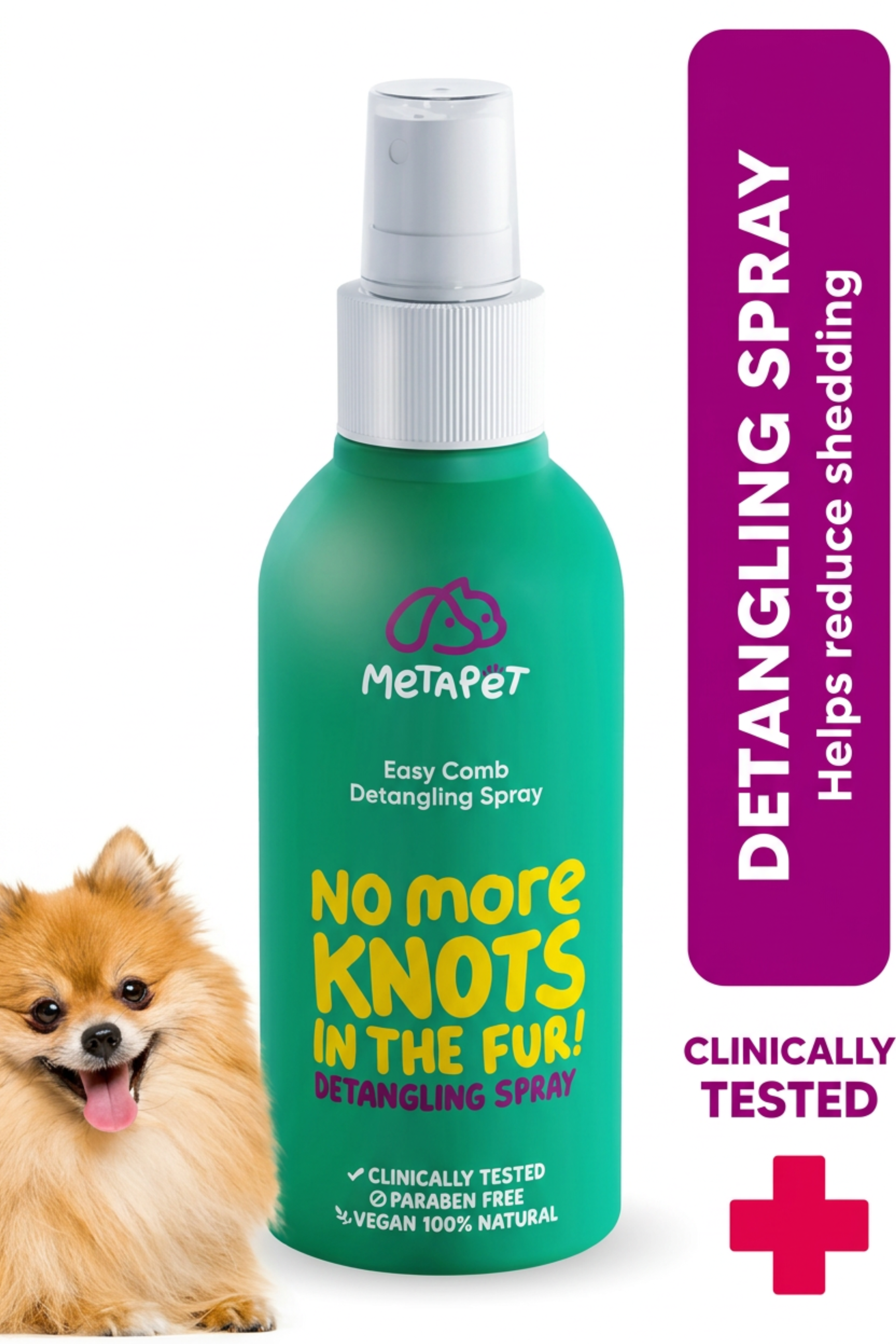
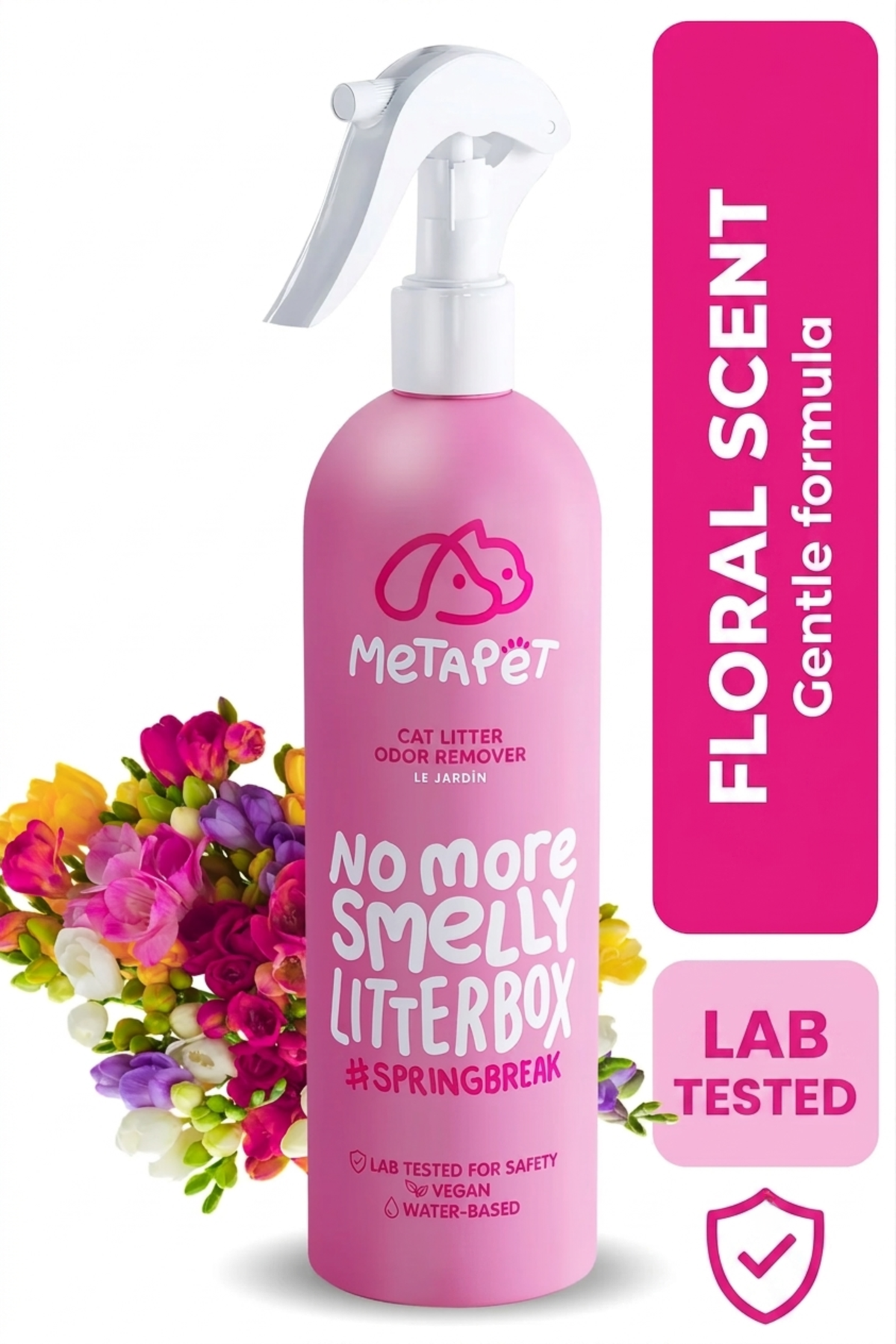
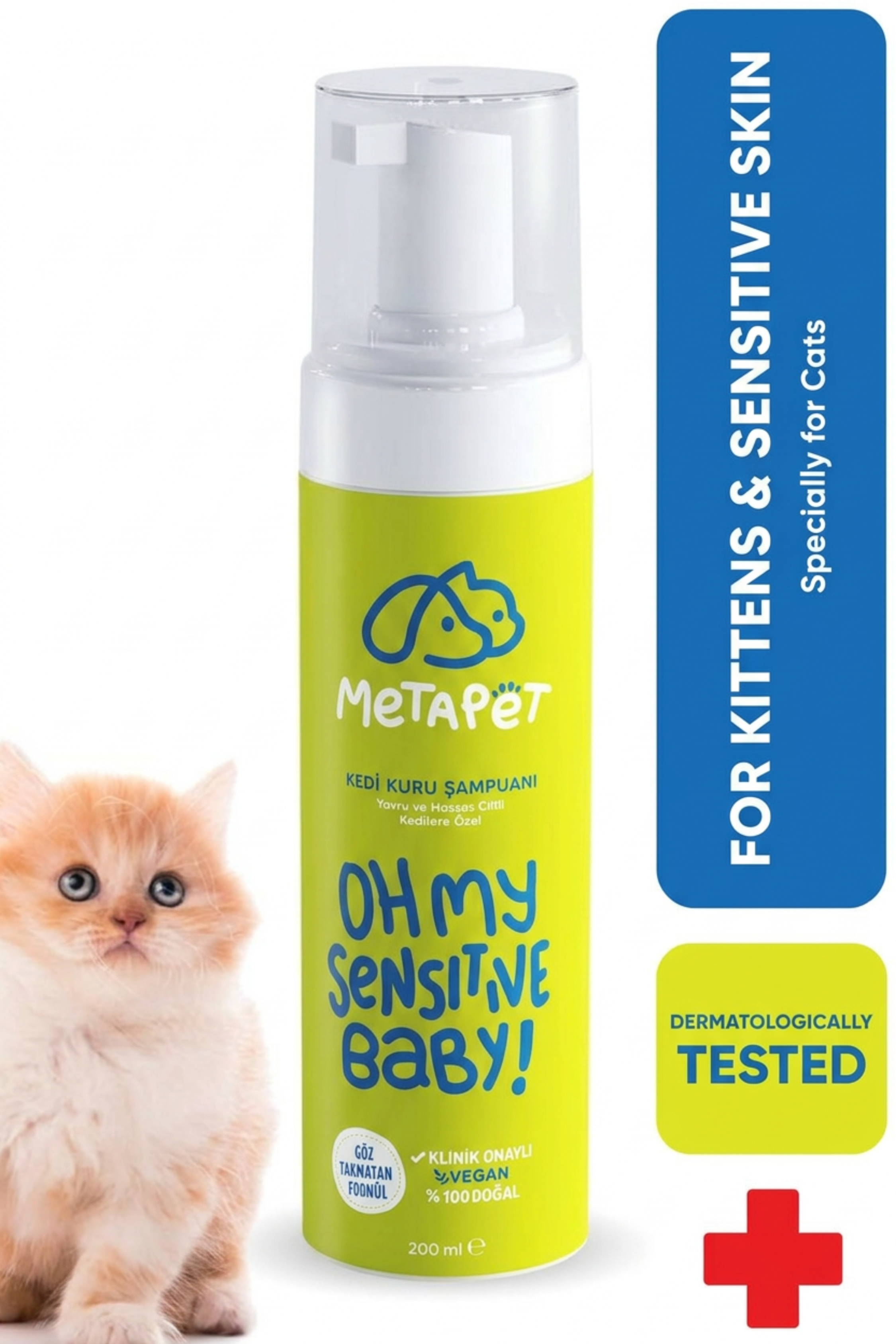
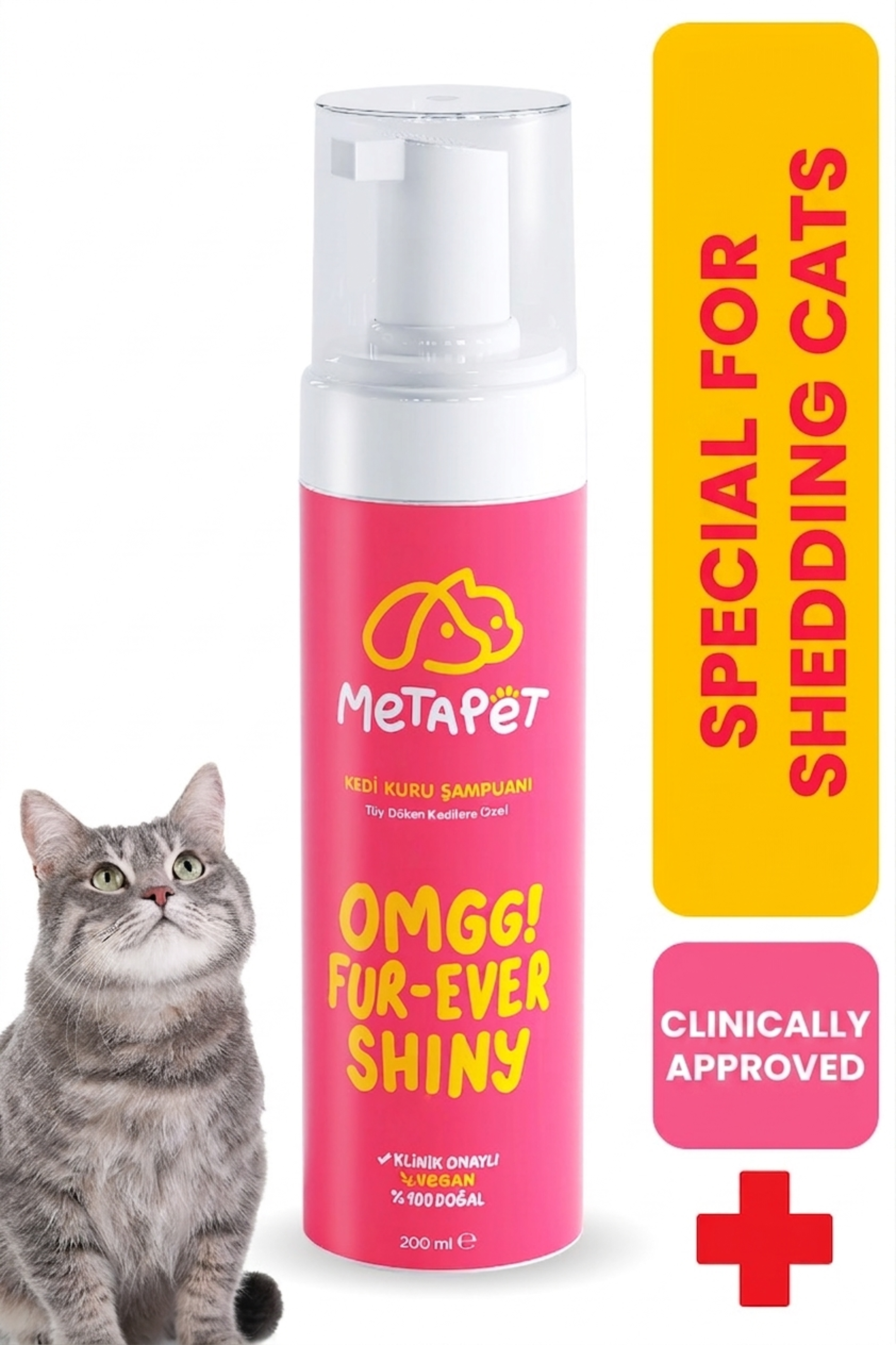
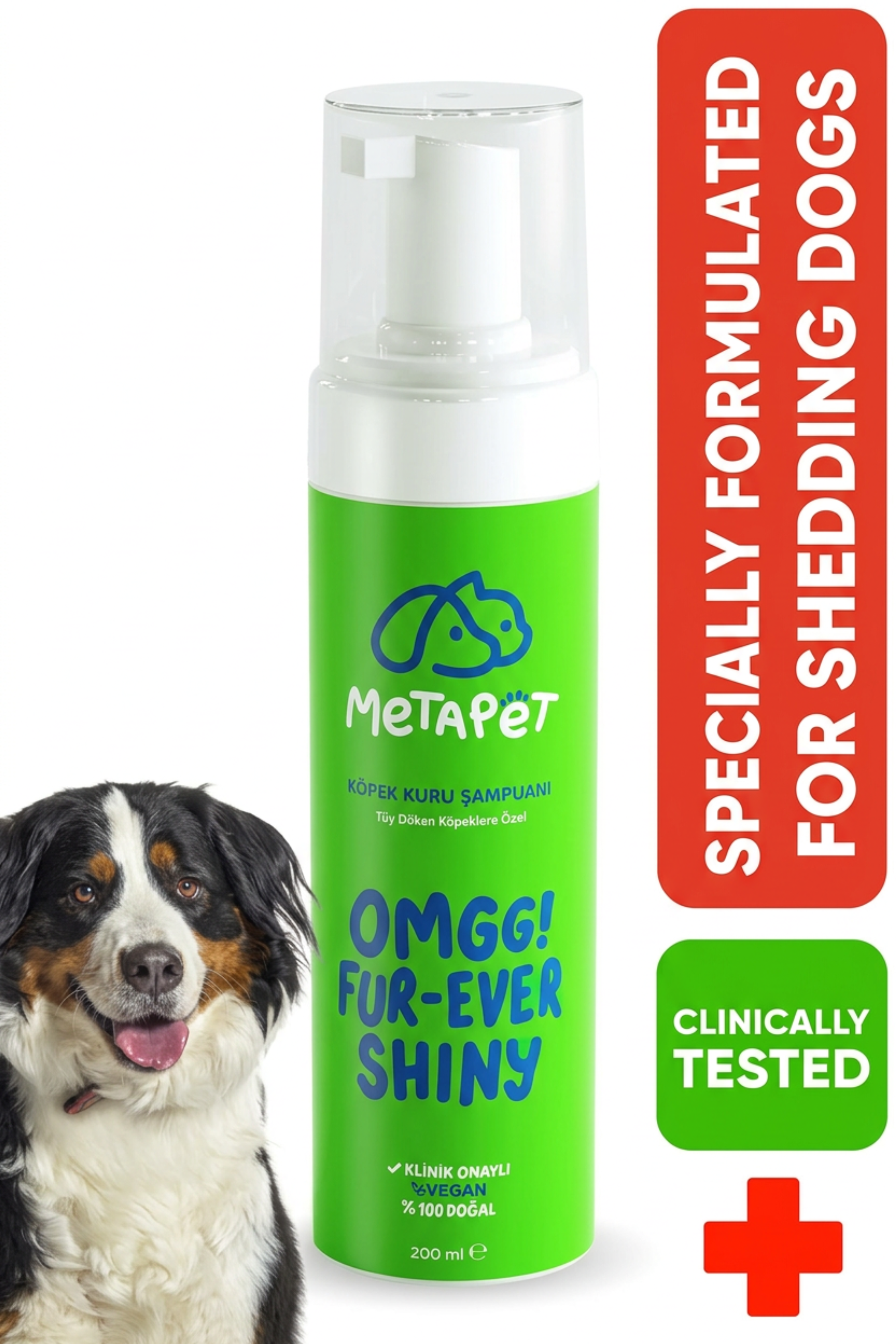
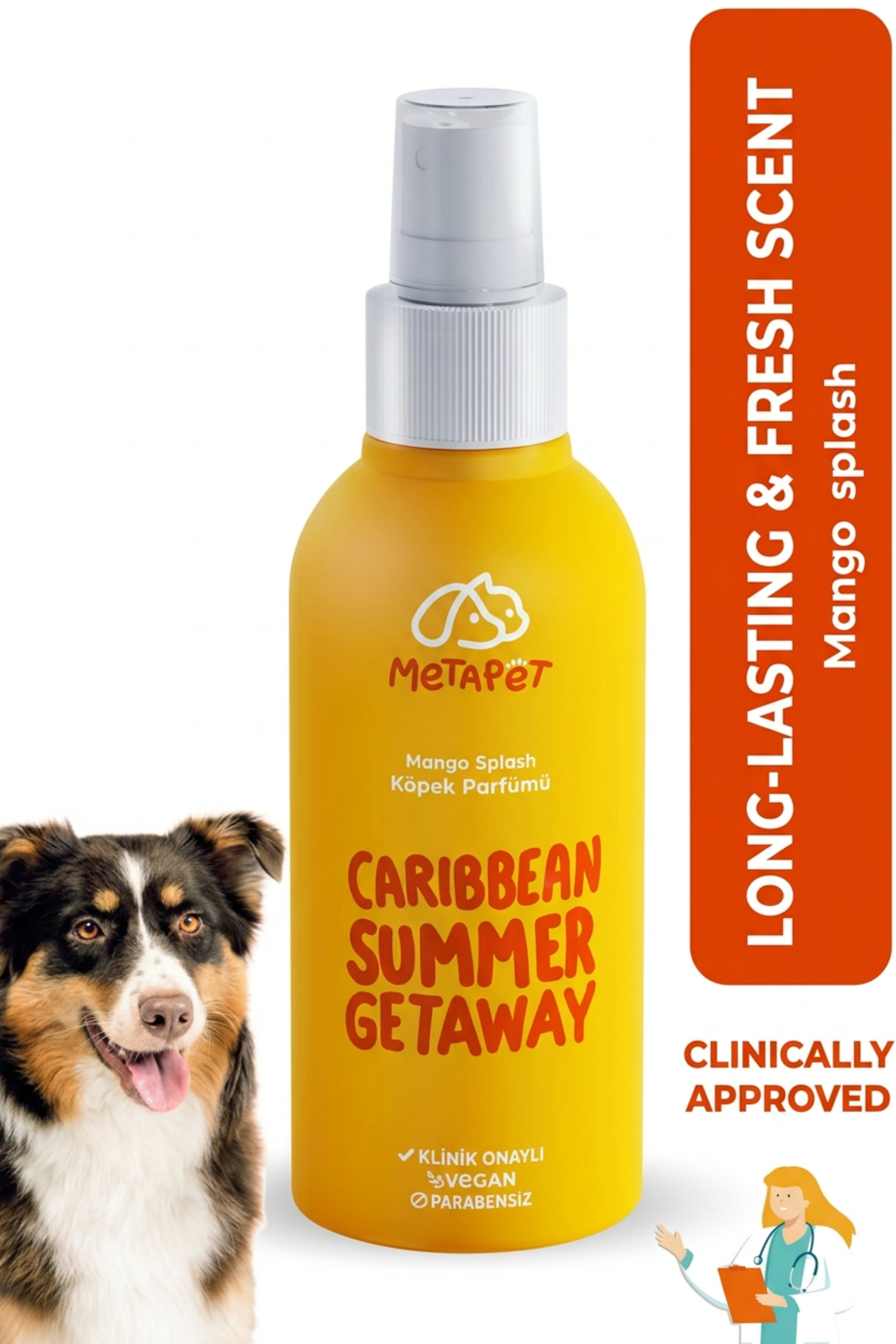
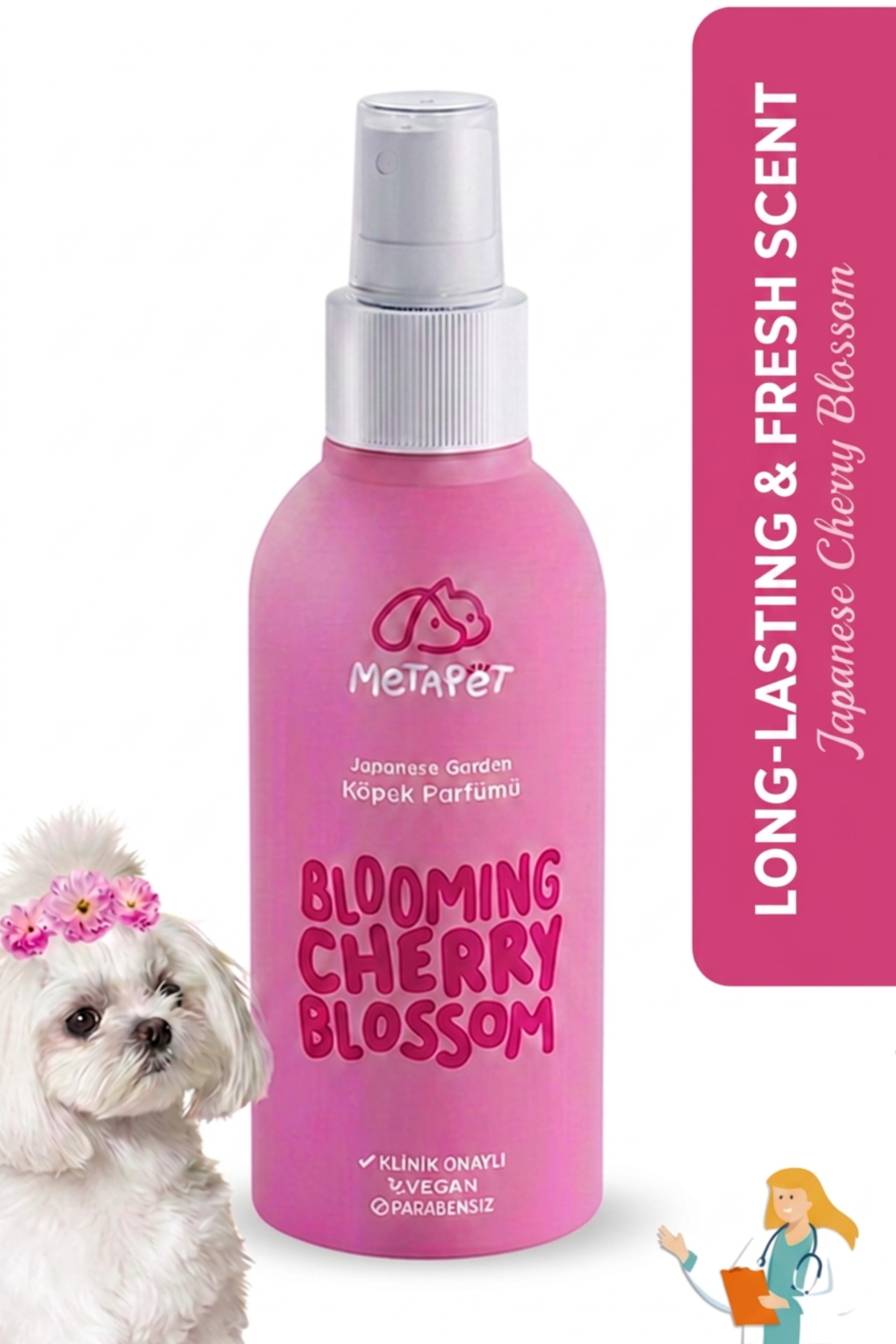
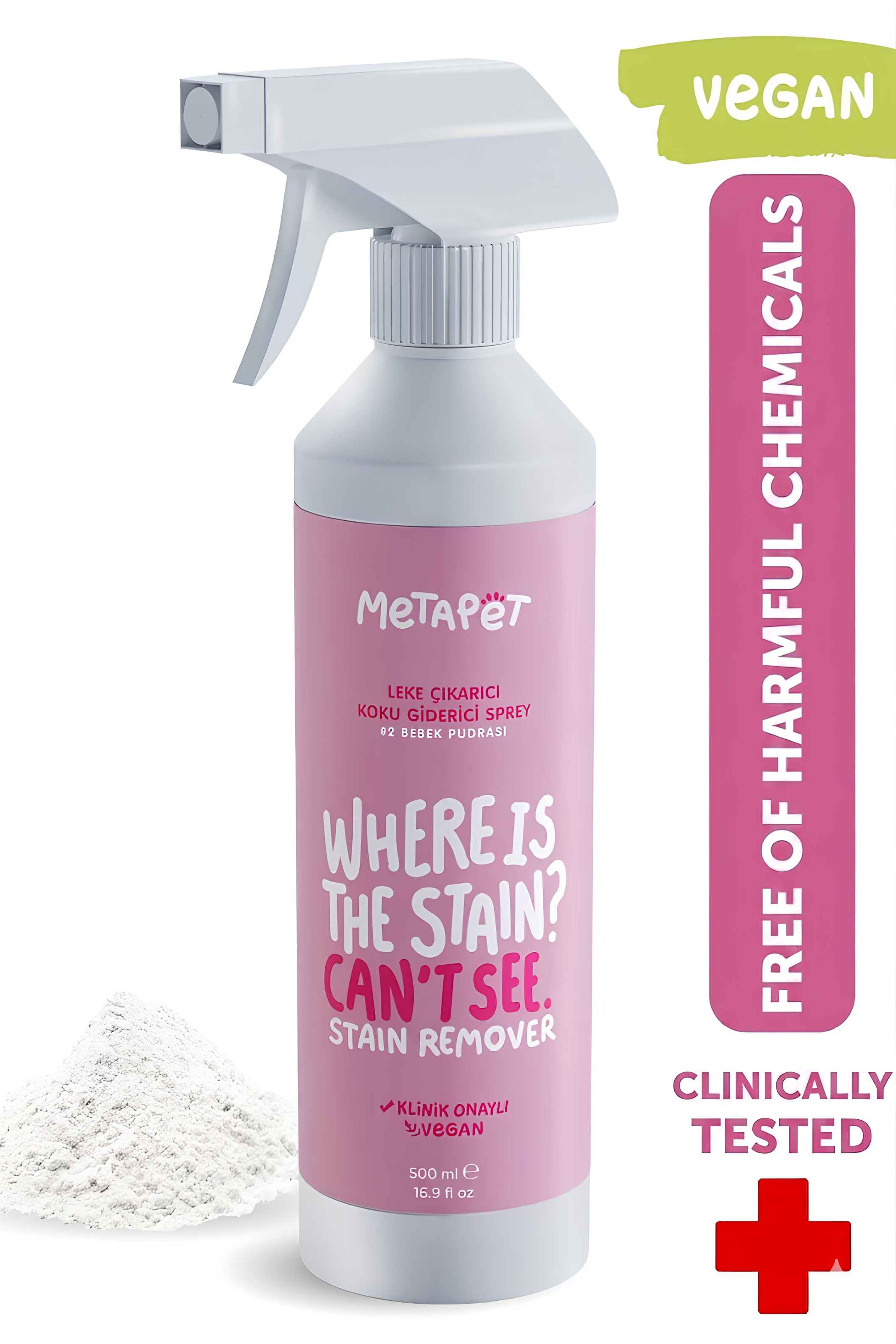
Waterless grooming helps make the routine sustainable. Rinse-free foams such as MetaPet's A Dog From Paris dry foam shampoo for dogs and Oh My Sensitive Baby for cats let you clean and refresh the coat between (or instead of) stressful full baths, wiping away dust and loose debris with a towel. Anti-shedding formulas like OMGG! Fur-ever Shiny are designed to make brushing easier so more loose hair ends up on the brush than on the sofa, and hygiene towel wipes offer a quick daily coat wipe-down. These are cosmetic grooming aids — helpful housekeeping at the source, not allergy treatments, and no grooming product can make a pet allergen-free. Your own symptoms belong in your doctor's hands.
Habits That Quietly Lower Your Dose
- Wash hands after handling. Especially before touching your face or rubbing your eyes — the highway most allergen takes to symptoms.
- Change clothes strategically. After heavy cuddle sessions or grooming duty, a shirt change keeps allergen out of your evening.
- Train alternatives to face-licking. Affectionate dogs can learn hand-targeting instead; saliva is a primary allergen source.
- Keep pets off your pillow. If the pet-free bedroom is a bridge too far, the pillow rule alone is worth having.
- Let someone else clean the litter box. Urine-borne allergen and dust both spike at scooping time; if it must be you, choose low-dust litter and consider a mask.
- Groom on a schedule, not on a crisis. Steady weekly routines beat heroic monthly deep-cleans for keeping ambient levels down.
Work With Your Doctor — Not Just Your Vacuum
Environmental control is half the game; the other half belongs to human medicine, and this article will not practice it. Allergists can confirm precisely what you are allergic to — sometimes 'the cat' turns out to be dust mites, pollen carried in on fur, or mold, which completely changes the plan — and can discuss the full menu of modern management options with you, including whether immunotherapy makes sense for your situation.
Two pieces of general wisdom are safe to pass along. First, allergies are cumulative: people react when their total load — pollen plus dust plus dander plus irritants like smoke — crosses a threshold, so lowering every input, not just the furry one, buys comfort. Second, symptoms that include wheezing, chest tightness, or asthma flare-ups deserve prompt, proper medical attention rather than home experimentation. Breathing is not a DIY project.
New Baby, New Partner, New Diagnosis: Decision Points
Allergy questions usually arrive at life's junctions. A new partner who sneezes, a child's new diagnosis, a baby on the way — each brings the 'should the pet go?' conversation into the room. It deserves better than panic. Discuss the specific situation with the humans' doctors, implement the full management program described here, and give it an honest trial period with symptoms tracked; many households discover that a well-run program changes the answer.
On children specifically, you may encounter the intriguing research suggesting that early-life exposure to pets is associated in some studies with lower rates of later allergy — the science is genuinely interesting but individual, and no article can tell you what is right for your child; that is a pediatrician conversation. What this article can say confidently: rehoming is not the automatic first step it was once assumed to be, and when it is truly medically necessary, it will be a decision you reached with doctors, not with guilt.
A Realistic Weekly Rhythm
- Daily. Air purifiers running; hands washed after cuddles; pets off pillows; quick coat wipe-down if you're in a heavy-symptom season.
- Twice weekly. HEPA vacuum of floors and upholstery; brushing session by the least-allergic human, outdoors when weather allows.
- Weekly. Hot-wash pet bedding and throws; waterless foam or bath for the pet per your routine; bedroom linens washed.
- Monthly. HVAC filter check; damp-wipe of neglected surfaces; honest review — are symptoms trending better or worse?
- Ongoing. Physician appointments kept, medication plans followed, and the trial period judged on recorded symptoms rather than single bad days.
Frequently Asked Questions
Will my allergy fade as I'm exposed to my own pet?
Some people report becoming less reactive to their own animal over time, and individual tolerance does vary — but this is unpredictable, and rising exposure can also worsen symptoms. Track your reality honestly with your doctor rather than waiting on folklore.
Do air purifiers really help, or is it marketing?
Quality HEPA units genuinely reduce airborne allergen in the rooms they serve — they are among the better-supported tools, especially for bedrooms. They cannot remove allergen already embedded in fabrics, which is why filtration works only as part of the full program.
Is there anything I can feed or apply to my cat to stop allergen production?
Research into reducing cat allergen at the source — including specialized diets — is an active and genuinely promising field; ask your veterinarian what current options exist and whether any suit your cat. Be wary of products promising allergen elimination: managing expectations is part of managing allergy.
Living allergic among animals you love is a solvable engineering problem for many households: reduce production where you can, capture what escapes, protect the spaces where you sleep, and let doctors handle the human side. Thousands of itchy-eyed pet lovers make it work every day — with a good vacuum, a better routine, and a warm animal asleep somewhere it is technically not allowed.