Slow Feeders and Lick Mats for Dogs and Cats: A Guide

Mealtime is one of the few moments of the day that almost every dog and cat looks forward to, and for many pets it is over in seconds. A bowl of food goes down in a rush, the pet looks up expectantly for more, and the most stimulating part of the day has passed before it really began. Slow feeders and lick mats are two simple, inexpensive tools that stretch that moment out, giving pets something to work on and turning a plain bowl of kibble or wet food into a small mental exercise.
These tools are not gadgets for their own sake. Eating very quickly is uncomfortable for some pets, and a meal that takes a few minutes rather than a few seconds tends to feel more satisfying. Slow feeders use molded ridges, mazes, or raised pillars to make food less accessible, so the pet has to nose around and pick pieces out. Lick mats use a textured rubber or silicone surface that holds soft food in its grooves, so the pet works with its tongue rather than its jaws.
This guide explains how each tool works, which pets tend to benefit most, how to introduce them without frustration, what to look for when choosing one, and how to keep them clean. It also covers the situations where a fast eater needs a veterinary conversation rather than a new bowl, because a change in appetite or eating style is sometimes a signal worth investigating.
Important: This article shares general educational information for pet owners and is not a substitute for an in-person veterinary examination, diagnosis, or treatment. For any medical concern or emergency, contact your veterinarian promptly.
What a Slow Feeder Actually Does
A slow feeder is a bowl with obstacles built into it. Instead of a smooth basin holding a pile of food, the surface is broken up by raised ridges, spirals, mazes, or columns. Kibble settles into the channels between these shapes, and the pet has to use its nose, tongue, and paws to extract a few pieces at a time. The physical design does all the work, so no training, batteries, or supervision are required beyond the usual.
The effect is mainly one of pacing. A dog that empties a plain bowl in fifteen seconds may take three to five minutes with a moderately challenging slow feeder, and cats often show a similar slowdown. That extra time changes the character of the meal. Rather than a single gulp, the pet gets a sequence of small successes, which many owners notice is followed by a calmer, more settled pet afterwards.
- Pacing: the primary function — food comes out in small portions rather than all at once.
- Engagement: the pet uses its nose and problem-solving rather than simply swallowing.
- No extra food: the same daily ration is used, just presented differently.
- Low effort for owners: fill it, put it down, wash it — the bowl provides the challenge.
How Lick Mats Work and Why Pets Like Them
A lick mat is a flat sheet of food-safe silicone or rubber with a raised pattern pressed into its surface — grooves, pyramids, honeycombs, or paw shapes. Soft food is spread across the mat and pushed into the texture with a spoon or spatula. Because the food sits inside the pattern rather than on top of it, the pet cannot simply scoop it up; it has to lick methodically across the surface to get every last bit.
Licking is a naturally repetitive, rhythmic behavior, and many dogs and cats settle into it readily. A mat spread with a thin layer of wet food can occupy a pet for several minutes, which is why owners often reach for one during nail trims, grooming sessions, or quiet time when they want the pet to focus on something pleasant. It is a distraction technique rather than a medical intervention, and it works because the activity itself is absorbing.
- Suitable spreads: wet food, plain canned pumpkin, or a lickable paste your veterinarian is comfortable with.
- Thin is better: a thin layer across the whole mat lasts longer than a thick blob in one corner.
- Portion aware: whatever goes on the mat should come out of the day's total food allowance.
- Supervise: mats are for licking, not chewing — take it away if your pet starts biting pieces off.
Which Pets Tend to Benefit Most
Not every pet needs a slow feeder. A cat that grazes politely through the day and a dog that eats at a moderate pace are already doing fine with an ordinary bowl. The pets that tend to get the most out of these tools fall into a few recognizable groups, and it is worth thinking about which, if any, describes your own animal before buying anything.
- Fast, gulping eaters: pets that inhale a meal without pausing are the most obvious candidates.
- Bored indoor cats: a food puzzle adds a hunting-style task to an otherwise predictable day.
- High-energy dogs: working breeds often need mental outlets, and mealtime is an easy one to use.
- Multi-pet homes: separate slow feeders can help slow down the pet that would otherwise finish first and go looking for a housemate's bowl.
- Pets on a measured ration: a smaller portion feels longer and more substantial when it takes time to eat.
There are also pets for whom these tools are a poor fit. Very young puppies and kittens, pets recovering from dental procedures, brachycephalic breeds with flat faces that already struggle to pick food out of deep bowls, and any animal that becomes visibly frustrated or gives up rather than working at the puzzle are better served by a straightforward bowl. Your veterinarian can advise if you are unsure whether a particular pet is a good candidate.
Introducing a Slow Feeder Without Frustration
The most common mistake is going straight to the most complex feeder available. A pet that has always eaten from a plain bowl and is suddenly presented with a deep maze may push it around, tip it over, or simply walk away hungry. The goal is a pet that finds the task interesting and achievable, not one that finds it defeating.
- Start with the feeder unfilled and let your pet sniff it while you praise calmly, so the object itself is not alarming.
- For the first few meals, scatter food loosely across the top of the ridges rather than pressing it deep into the channels.
- Once your pet is eating comfortably, begin filling the deeper sections so the puzzle becomes gradually more demanding.
- Watch the first several meals from a distance to make sure your pet is getting the food rather than giving up.
- If your pet stalls, make it easier again for a few days and build back up more slowly.
Cats often need a gentler ramp than dogs. A shallow, wide slow feeder or a flat puzzle with low walls is usually a better first step for a cat than a deep maze, partly because whiskers make deep narrow bowls uncomfortable for some cats. If your cat backs away from a feeder repeatedly, the shape may be the problem rather than the concept.
Choosing a Slow Feeder: What to Look For
Slow feeders vary widely in material, depth, and difficulty, and the differences matter more than the marketing. A well-chosen feeder gets used every day for years; a poorly chosen one ends up in a cupboard after a week. Consider the following before buying.
- Material: food-grade silicone, stainless steel, and hard plastic are all common. Silicone and steel are easy to keep clean; plastic can scratch over time, and scratches hold residue.
- Depth and spacing: the channels should be wide enough for your pet's muzzle or tongue to reach the bottom comfortably. Flat-faced breeds need shallow, open designs.
- Stability: a non-slip base or enough weight to stay put stops the bowl from sliding across the floor and turning the meal into a chase.
- Size: the feeder should hold a full meal without overflowing over the ridges, which would defeat the purpose.
- Dishwasher safe: this single feature determines whether the bowl actually gets cleaned properly on busy days.
If you are buying your first one, a moderate difficulty level in a stable, dishwasher-safe material is a safer choice than the most complex design on the shelf. You can always move up in difficulty later; a pet that has been frustrated by a hard puzzle can be reluctant to try again.
Everyday Ways to Use a Lick Mat
Lick mats are more flexible than slow feeders because they can be used outside mealtimes as well as during them. Owners typically find a handful of situations where a mat becomes part of the routine, and it is worth experimenting to see which ones suit your household.
- During grooming: a mat stuck to a wall or the side of a tub can hold a dog's attention while you brush, wipe paws, or work through a coat.
- Nail trims: for pets that tolerate handling but get restless, a mat gives them something to do with their attention.
- Quiet time: a mat before a period of rest can help a busy pet transition into settling down.
- Slow-down for wet food: for cats that bolt canned food, a mat turns a thirty-second meal into a several-minute one.
- Warm weather treat: a mat spread and frozen lasts considerably longer than one served at room temperature.
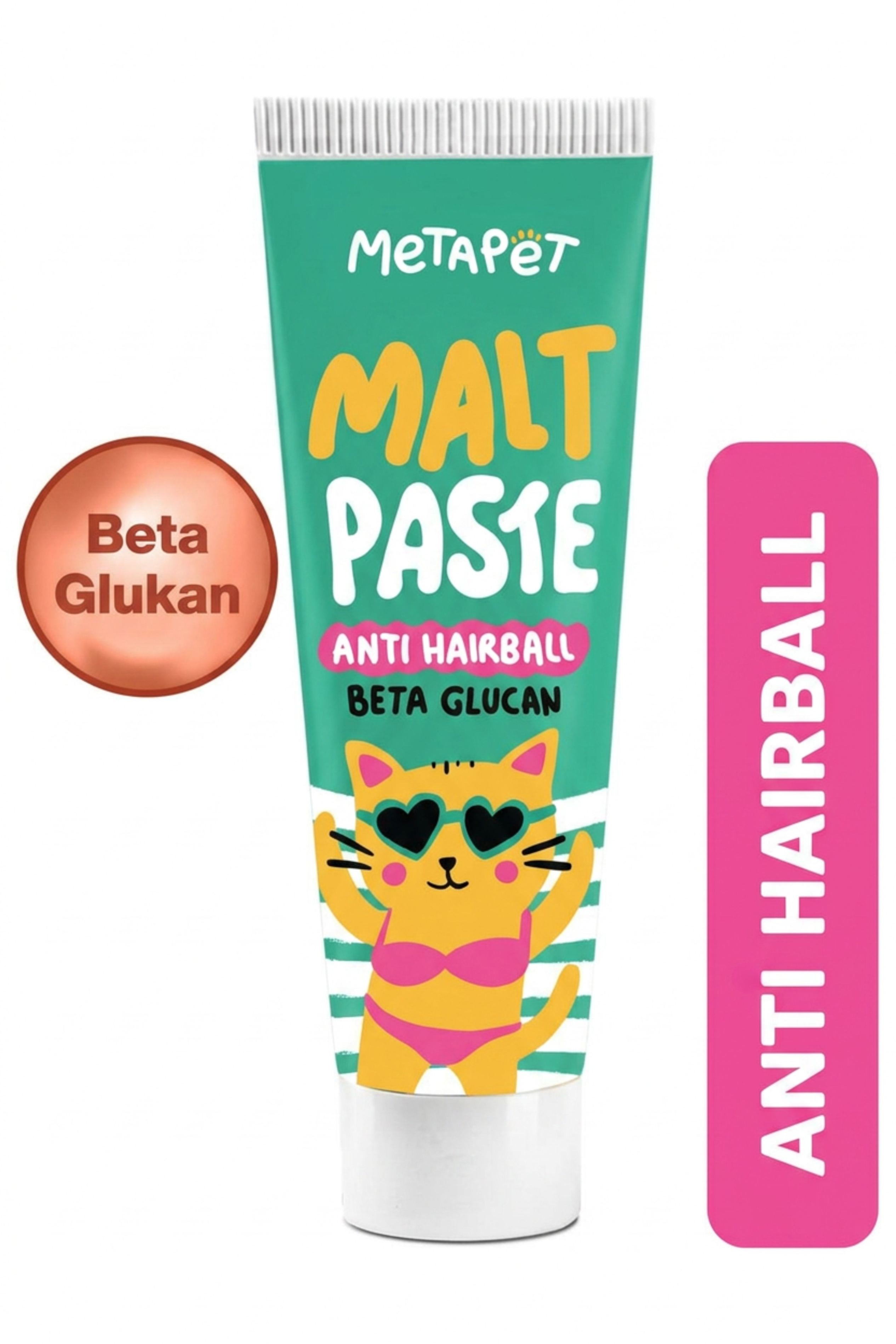
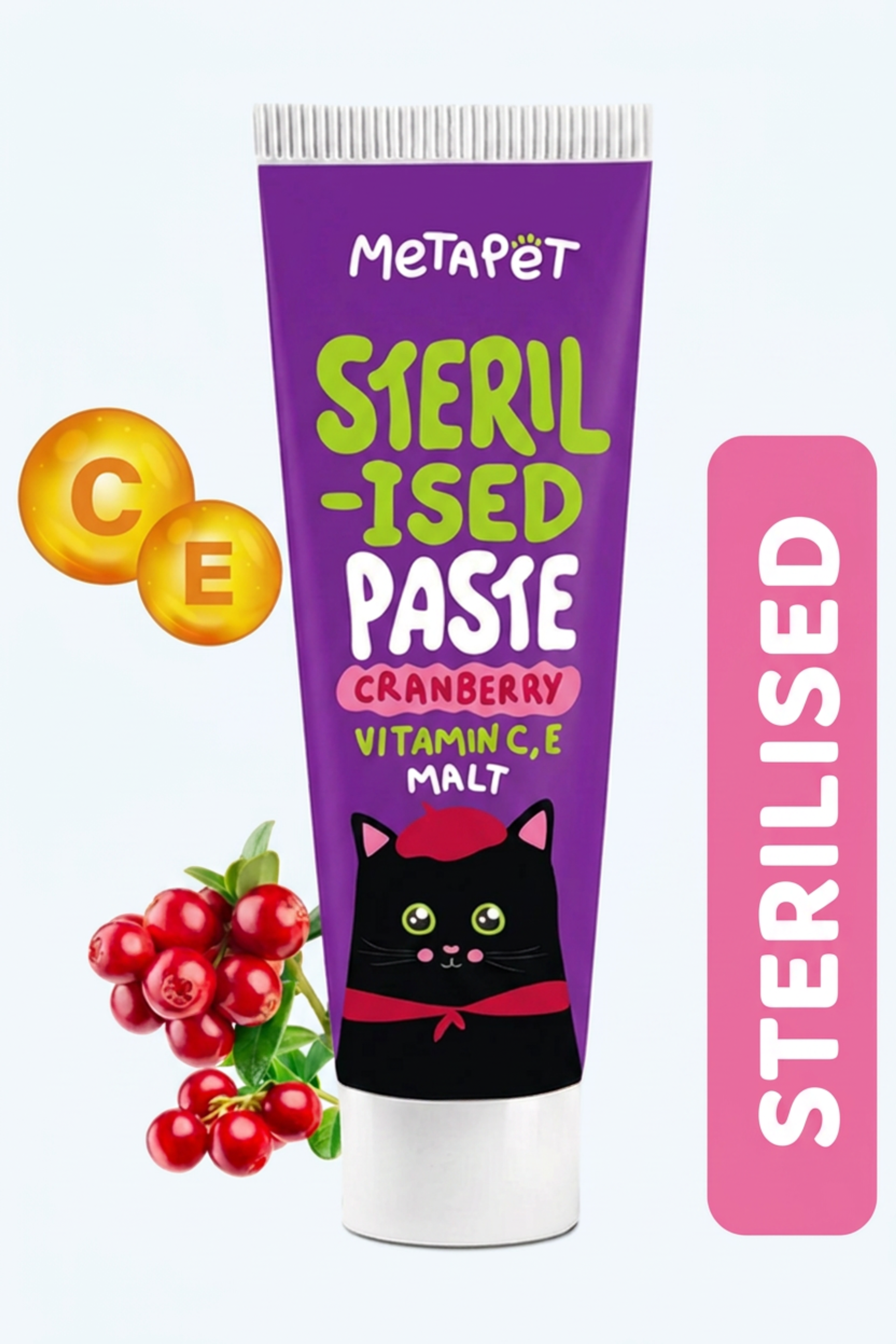
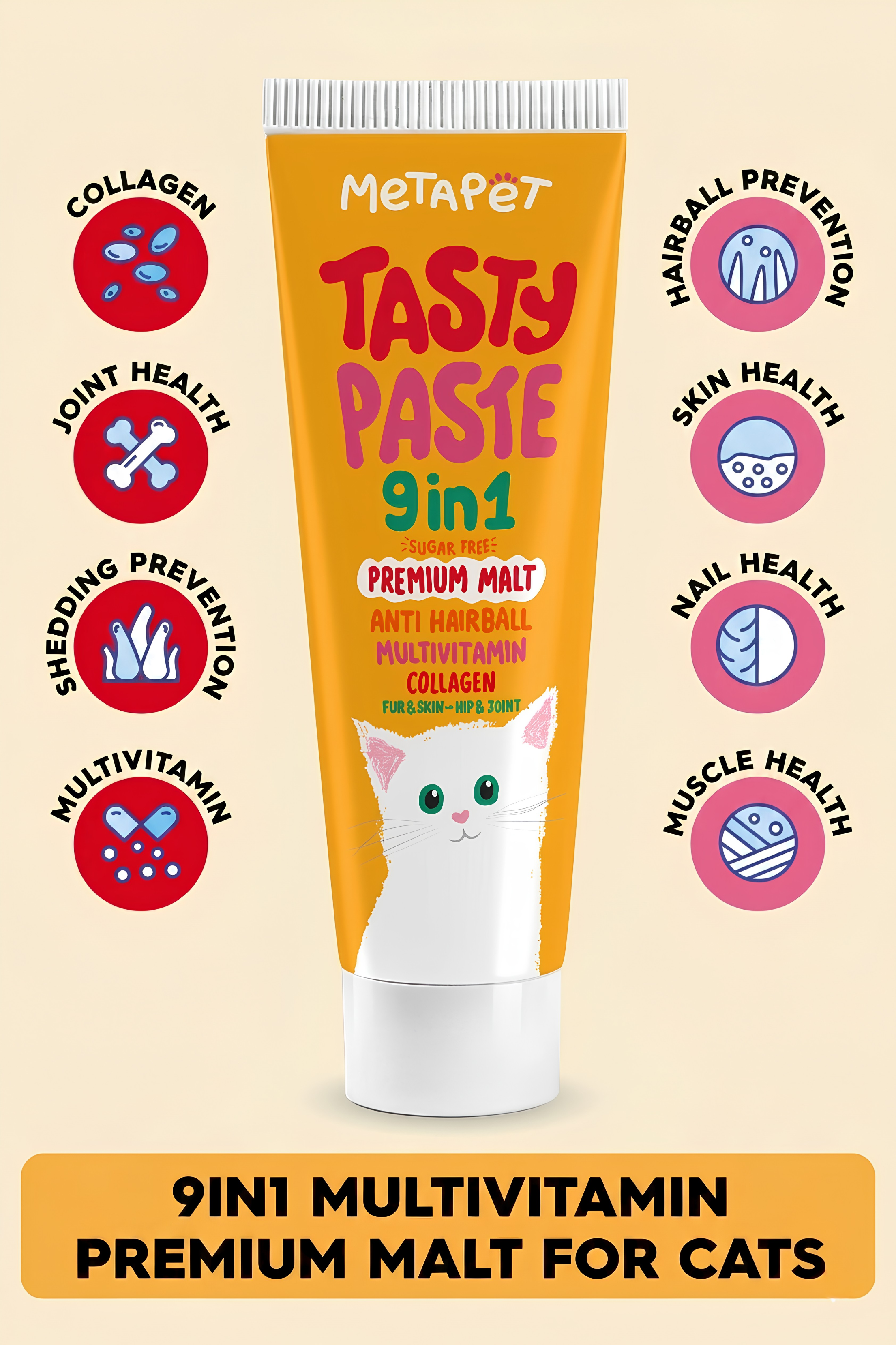
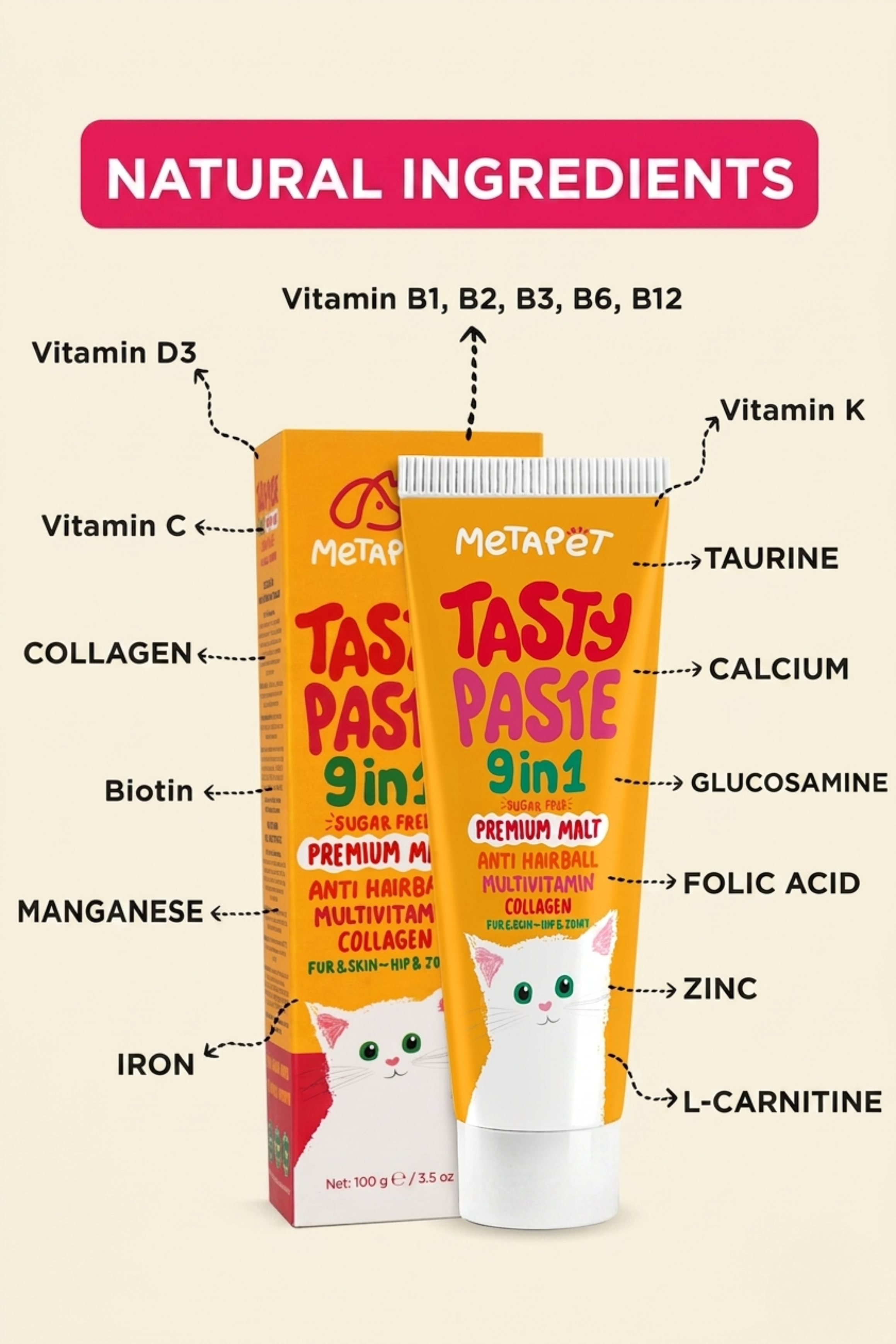
MetaPet's lickable malt pastes for cats, such as the Anti-Hairball Malt Paste and Tasty Pasty 9-in-1 Premium Malt Paste, are designed to be given as a lickable supplement and can be spread thinly on a mat as part of a calm grooming or wind-down routine. Products like these are complements to good daily care and veterinary guidance, never a substitute for them, and any amount used should be counted within your cat's overall daily intake. Check with your veterinarian before adding any new supplement, particularly for pets on a prescribed diet.
Portion Control Still Comes First
A slow feeder changes how quickly food is eaten, not how much. It is easy to feel that a pet working hard at a puzzle deserves a little extra, but the daily ration should stay the same as it would in a plain bowl. If anything, the tool makes portion control easier, because a modest measured amount now takes several minutes and feels more substantial to the pet.
Measure meals with a proper scoop or, better, a kitchen scale rather than estimating by eye. Everything that goes onto a lick mat — wet food, paste, spreads — counts toward the daily total, as do training treats and anything shared from the table. If your pet's weight is a concern, your veterinarian can help you set a target daily amount and body condition goal, and can reassess it as your pet's needs change with age and activity.
- Weigh, do not guess: a scale removes most of the drift that creeps into daily feeding.
- Count everything: mat spreads, treats, and chews all come out of the daily allowance.
- Recheck periodically: portion needs change with age, neuter status, season, and activity level.
Keeping Feeders and Mats Clean
This is the part that gets skipped, and it matters. Textured surfaces have far more nooks than a smooth bowl, and soft food pressed into grooves does not rinse away under a quick pass of the tap. Residue left in a warm kitchen becomes an unpleasant film, and pets are quick to reject a bowl that smells stale.
- Rinse the feeder or mat straight after use, before food has a chance to dry into the pattern.
- Wash with hot water and a mild dish detergent, using a soft brush to get into the grooves.
- Rinse thoroughly so no detergent taste remains — this is a common reason pets refuse a clean bowl.
- Let it dry completely; standing moisture in deep channels is worth avoiding.
- Run dishwasher-safe items through the machine regularly if you have one.
Inspect the surface every few weeks. Deep scratches in plastic, torn silicone, or chewed edges mean it is time to replace the item. A damaged feeder is harder to clean and, in the case of a chewed mat, can become a hazard if a pet swallows a piece.
Common Mistakes to Avoid
Most problems with slow feeders and lick mats come down to a handful of avoidable errors. Recognizing them early saves both the tool and your pet's willingness to use it.
- Starting too hard: the most complex feeder is rarely the right first purchase.
- Adding extra food: a puzzle is not a reason to increase the daily ration.
- Leaving mats unsupervised: a determined chewer can tear pieces off a silicone mat.
- Ignoring frustration: pawing, whining, tipping the bowl, or walking away means the challenge is too high.
- Skipping cleaning: a sticky, stale feeder will be refused, and rightly so.
- Using them in a competitive multi-pet setting: feed pets separately if there is any tension around food.
When Fast Eating Deserves a Veterinary Conversation
Most fast eaters are simply enthusiastic, but a change in eating behavior is worth attention. A pet that has always eaten calmly and suddenly starts bolting food, or one that seems hungry all the time despite eating a full ration, may have something going on that a bowl cannot address.
- A sudden change: a shift in appetite or eating speed that appears over days or weeks rather than being lifelong.
- Weight changes: losing or gaining weight without a change in feeding.
- Vomiting or regurgitation: especially if it happens shortly after meals or repeatedly.
- Coughing, retching, or difficulty swallowing: any of these warrant prompt veterinary attention.
- Bloating, restlessness, or unproductive retching in a dog: contact your veterinarian immediately, as this can indicate an emergency.
- Guarding or aggression around food: this is a behavior issue that benefits from professional guidance rather than equipment alone.
Deep-chested large-breed dogs in particular should be discussed with your veterinarian, who can advise on feeding practices appropriate for that body type. A slow feeder is a reasonable management tool in many households, but it is not a medical treatment and should not delay a veterinary examination when something seems wrong.
Frequently Asked Questions
Can I use a slow feeder for wet food?
Some are designed for it and some are not. Deep narrow mazes are difficult to clean with wet food and hard for pets to clear. A shallow, wide-channelled feeder or a lick mat is usually the better choice for canned or raw-style diets.
Will a slow feeder work for a cat?
Often, yes, but cats generally prefer shallow, wide designs to deep ones. Whisker contact with narrow walls bothers some cats, so if your cat refuses a feeder, try a flatter model before concluding the idea does not suit them.
How long should a meal take?
There is no single right answer. A meal that goes from fifteen seconds to two or three minutes is a meaningful change. If your pet takes so long that food is left uneaten or they lose interest, the puzzle is too difficult.
Are lick mats safe to freeze?
Most silicone mats tolerate freezing well, but check the manufacturer's guidance for your specific product. Frozen spreads last longer and can be a useful option in warm weather, provided the portion is still counted in the daily ration.
Putting It Together
Slow feeders and lick mats are among the simplest changes an owner can make to a daily routine, and they ask very little in return: choose a design that suits your pet's face shape and confidence level, introduce it gradually, keep the portion the same, and wash it properly. For a fast-eating dog or an under-stimulated indoor cat, that small change can make the most anticipated part of the day last longer and feel more rewarding.
They are enrichment tools, not medical devices. They can make mealtimes calmer and more interesting, but they do not diagnose, treat, or prevent any condition, and they do not replace a proper diet, routine veterinary care, or professional advice on a behavior problem. If your pet's eating habits change noticeably, if weight is drifting in either direction, or if you are unsure whether a slow feeder suits your particular pet, your veterinarian is the right person to ask before you make a change.