Skunk Spray and Wildlife Encounters: What Owners Do Next

It usually happens at the worst hour. You open the back door before bed and a wall of odor arrives before the dog does, or the cat slips in smelling like burnt rubber. The first instinct is to grab a towel and start scrubbing, and that is the wrong first move.
A skunk encounter is a wildlife contact, not only an odor problem: there may be a bite, a puncture, or irritation of the eyes. This guide follows the order a real evening actually takes, from assessment to the calls that should not wait.
Important: This article shares general educational information for pet owners and is not a substitute for an in-person veterinary examination, diagnosis, or treatment. For any medical concern or emergency, contact your veterinarian promptly.
First Two Minutes: Look Before You Touch
Before any water or towel, look your pet over in good light, with a flashlight if needed. Skunks spray as a last resort, so a sprayed pet often got close enough for something worse, and injuries are easier to find on a dry coat.
What to scan for
- Face and muzzle: squinting, tearing, pawing at the eyes or mouth, drooling.
- Punctures: part the coat over neck, chest, flanks, and legs.
- Bleeding: press a clean cloth on it and call your veterinarian.
- Limping or guarding: flinching at one spot, or holding a limb up.
- Demeanor: labored breathing or disorientation, all emergencies.
If your pet is panicked, do not wrestle. A frightened, stinging animal can bite even if it never has before.
Why Any Wildlife Wound Needs a Veterinary Call Right Away
Any bite, scratch, or puncture from a wild animal is time-sensitive. Skunks, raccoons, foxes, bats, and coyotes are all associated with rabies in parts of the United States, and rabies is fatal once signs appear. Vaccination status is central, because a vaccinated pet and an overdue one are handled very differently, so find the records first. Punctures matter beyond rabies too, driving mouth bacteria deep through an opening that seals fast.
- Emergency now: any bite or puncture wound, any scratch or wound of unknown origin that could have come from a wild animal, or contact with a bat or an animal acting strangely; rabies exposure is time-sensitive, and the right response depends on your pet's vaccination status.
- Call promptly: a minor wound whose cause you know for certain and that involved no wildlife.
- Have ready: the rabies vaccination date, the species, and what you saw.
If you were bitten or scratched, contact your own physician; human exposures follow a separate process.
Contain the Mess, and Why the Odor Clings
- Keep the pet outside, in a garage, or on a hard washable floor, away from carpet and beds.
- Close the door to the rest of the house and ventilate with a window or fan.
- Gather supplies: sacrificial towels, gloves, a cup or sprayer, and the ingredients described below.
Skunk spray is an oily secretion of sulfur compounds called thiols. Oil and water do not mix, so a garden hose spreads the oil toward the skin instead of lifting it, and moisture later makes the residue volatile again, which is why the smell returns on a damp morning.
Washing: The De-Skunking Mixture, Head to Tail
Shampoo alone does not lift the oil. Veterinary sources have recommended for decades a solution you mix yourself from three ordinary things: 3% hydrogen peroxide, the plain drugstore kind; baking soda; and a small amount of grease-cutting liquid dish detergent (ordinary liquid dish soap only, not an automotive, industrial, or household degreaser). The peroxide and baking soda chemically alter the sulfur compounds, while the detergent lifts the oil holding them on the coat.
Proportions are given in general terms rather than as a measured recipe: the peroxide is the bulk of the volume, the baking soda a much smaller amount stirred into it, the detergent only a squirt. For exact amounts follow a veterinary source, such as your own clinic or an animal poison control line, and scale the batch to your pet's size.
- Mix it fresh, in an open container: make it when you are ready to use it and use it immediately; never mix it ahead or store it in a sealed or closed container, because it releases gas and the container can burst.
- Keep it away from the face: none of it in the eyes, ears, nose, or mouth; use a plain damp cloth there instead.
- Expect possible lightening: peroxide can bleach or lighten a dark coat.
- Rinse it out thoroughly: give it the few minutes of contact time described below, rinse until the water runs clear, and never let it dry on the skin.
- Call before you bathe a cat: for cats, and for any pet with broken skin, wounds, or eye involvement, phone first.
Work it into a dry coat, not a wet one, since water dilutes the mixture. Skunks aim for the face, so work from the head downward and keep runoff out of the eyes.
- Blot the heaviest oily residue off with paper towels you will discard.
- Work the freshly mixed solution down to the skin from neck to tail, and give it a few minutes of contact time before rinsing.
- Rinse until the water runs clear, since under-rinsing traps odor and itches.
- Repeat once if needed.
Do not reach for human shampoos or harsh household chemicals such as bleach, solvents, or degreasers; they are not made for pet skin and can burn or poison. Any shampoo you use afterward should be labeled for the species.
Then dry thoroughly, since a wet pet loses heat fast. Press and squeeze with towels rather than rubbing, keep the room warm until the undercoat is dry, use cool dryer settings only, and check the skin again for redness or punctures.
Any MetaPet grooming product named here is a cosmetic freshening aid used after decontamination is finished; none is the decontamination step or a substitute for it. Wipes such as the MetaPet Nano-Series Hygiene & Care Towel Wipes for Cats & Dogs are designed to help wipe down paws and coat, a cosmetic convenience only.
Eye, Mouth, and Airway Exposure
Eye contact is common and genuinely irritating: expect squinting, tearing, redness, and pawing. Flush gently with lukewarm water or sterile saline eye rinse, keep soap and the de-skunking mixture away, and never use leftover medicated drops. Then call your veterinarian, because rubbing turns irritation into a surface injury; an eye that is not improving after flushing needs emergency care.
Mouth exposure is common too, since dogs often take spray while barking. Expect drooling, gagging, and retching; offer fresh water rather than forcing liquids. Repeated vomiting, pale gums, or weakness is an emergency.
Airway irritation is the part owners overlook. A close spray to the face can leave a pet coughing, wheezing, gagging, or sneezing repeatedly, and cats are especially sensitive to inhaled irritants. Move your pet into fresh air and ventilate the room. Any labored or noisy breathing after a spray is an emergency.
Getting the Odor Out of the House, Car, and Bedding
Trace your pet's path and treat what it touched.
- Bedding, clothes, and towels: wash apart from family laundry on the warmest setting allowed.
- Carpet and upholstery: blot rather than rub, then use an enzymatic pet cleaner.
- Hard surfaces: wipe doors, thresholds, baseboards, and the pet door.
- Car and gear: wash seat covers and fabric collars, vacuum, and keep fans running.
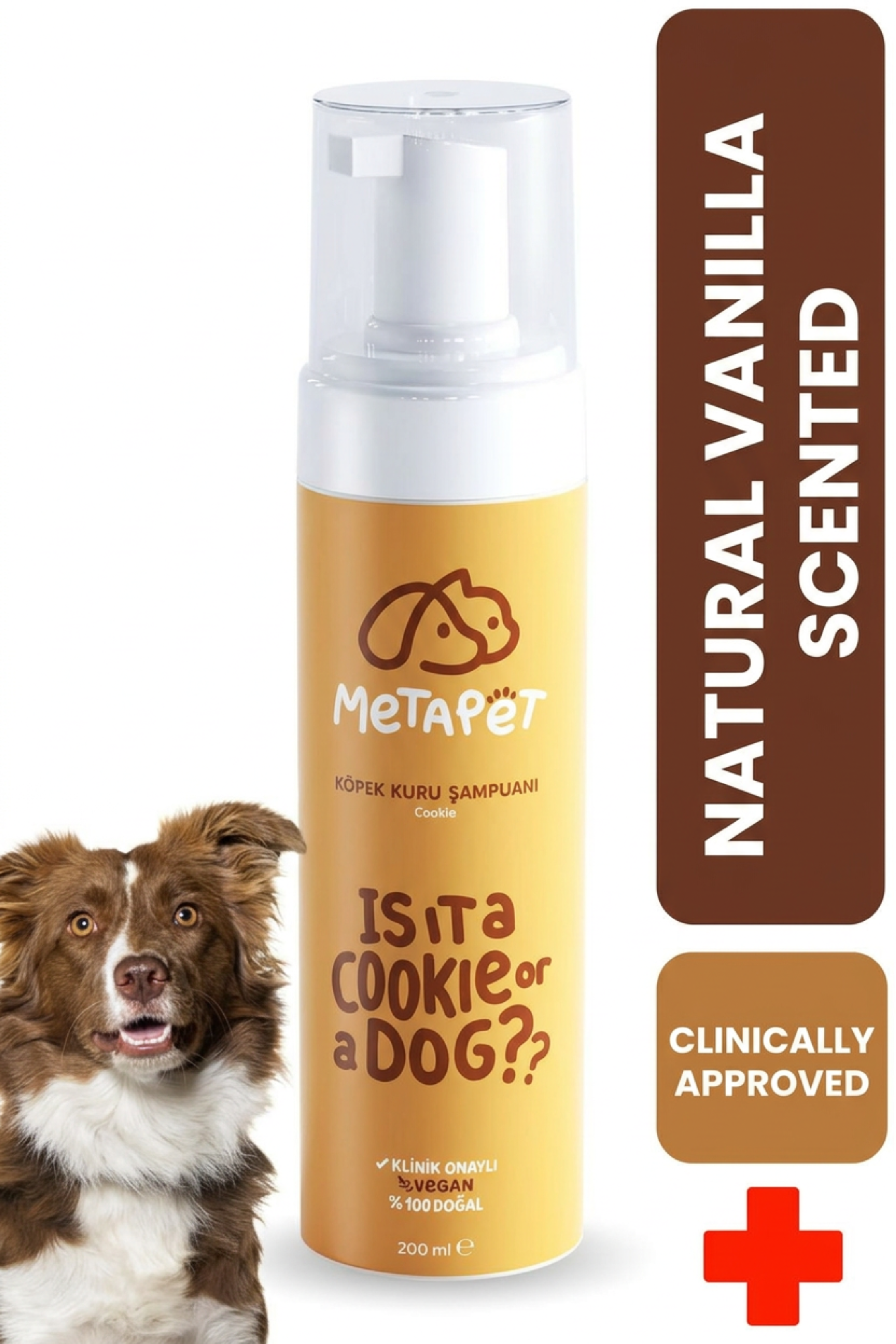
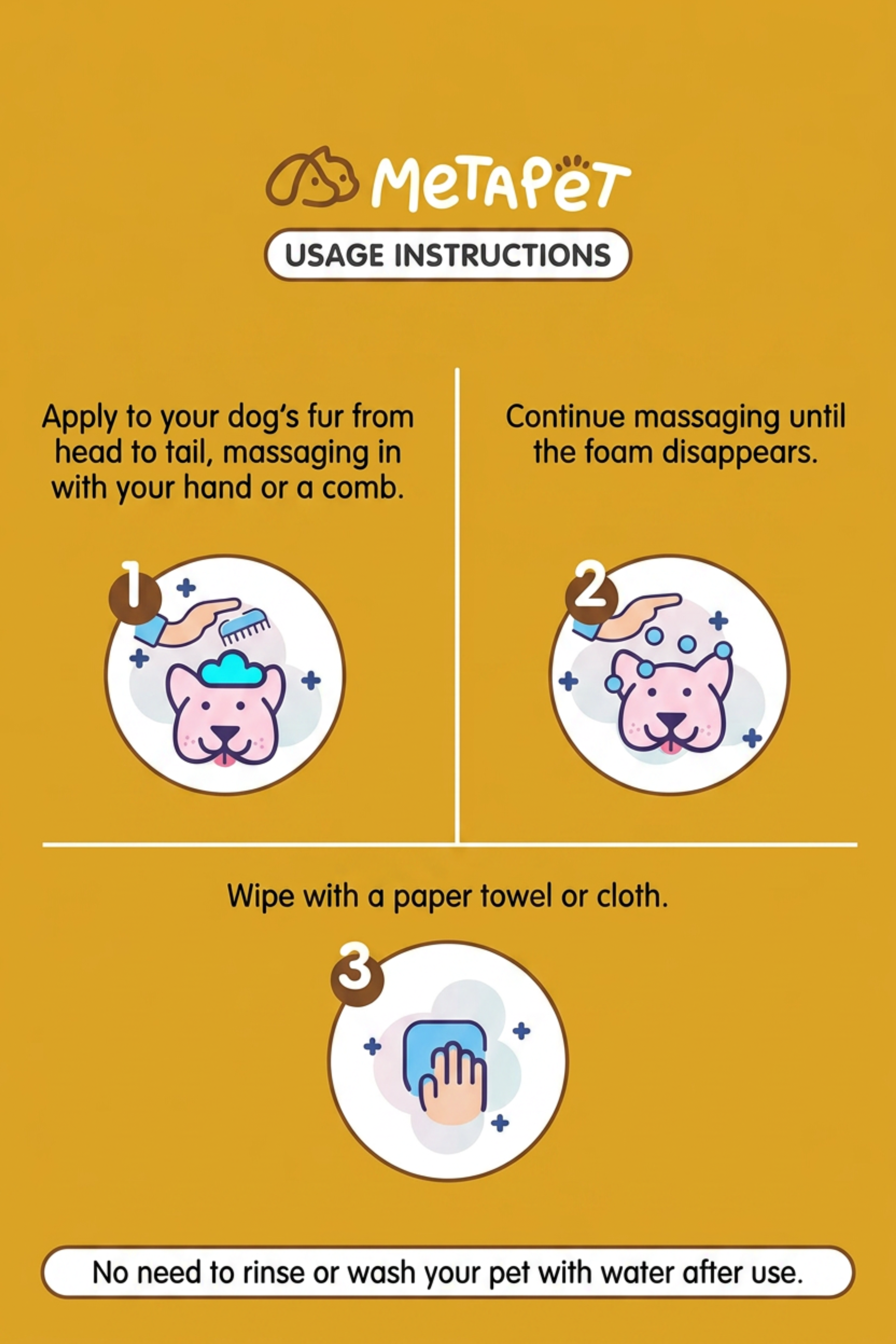
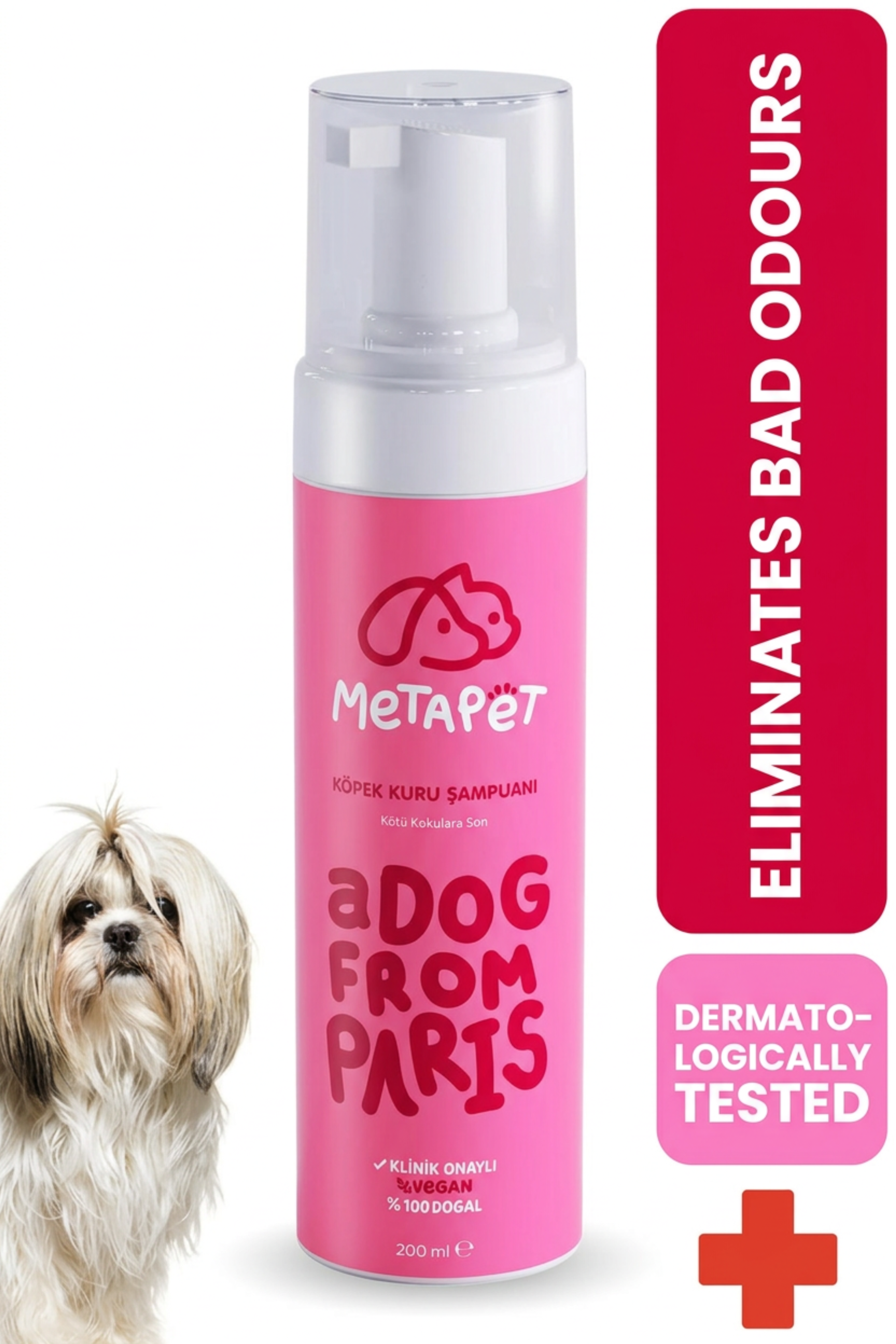
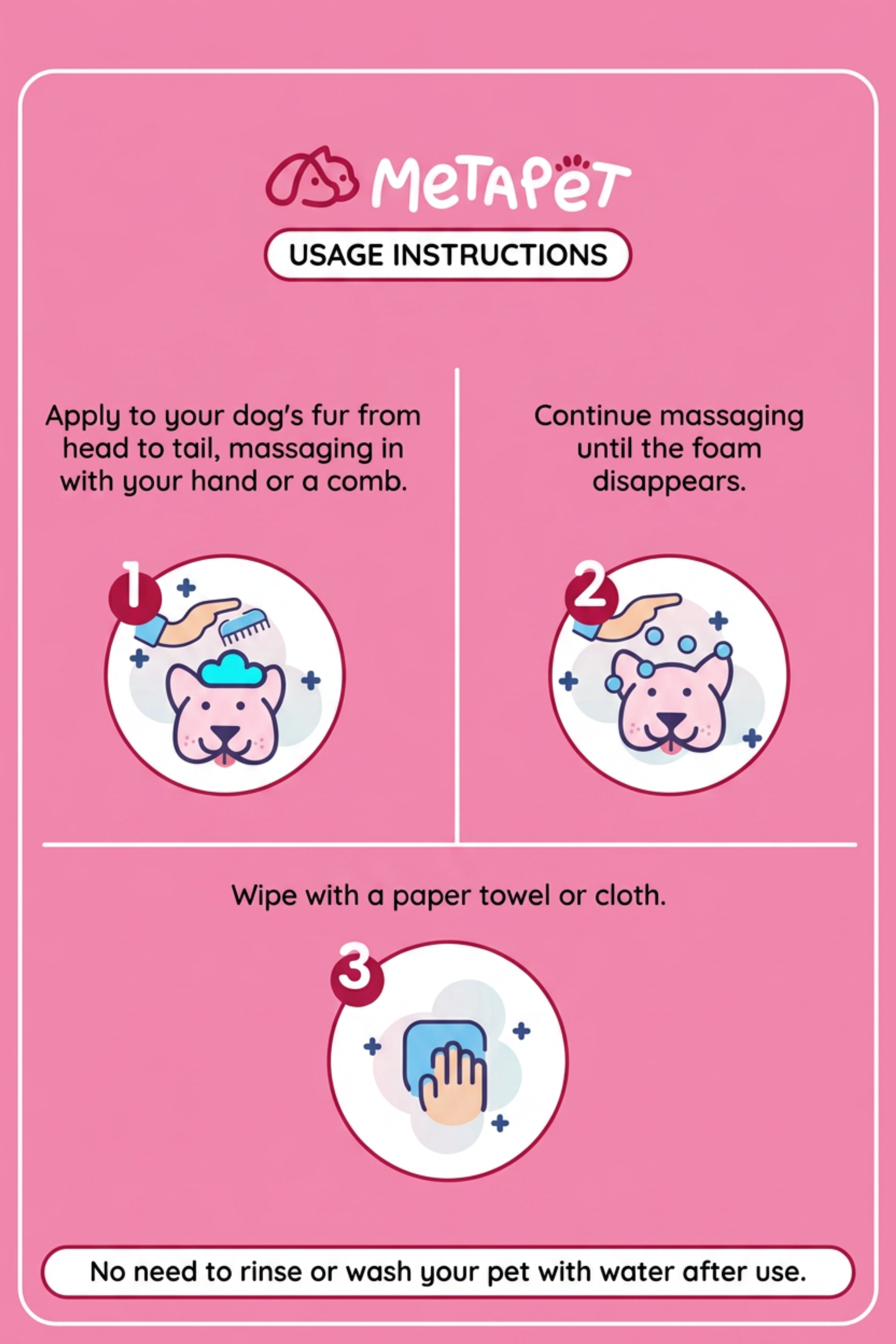
Once the pet has been decontaminated and rinsed, a grooming mist such as the MetaPet Nano-Series Refreshing Grooming Mist for Cats & Dogs is designed to help freshen the coat between baths as a cosmetic finishing step; it does not remove or neutralize anything medically. When a full bath is not practical, waterless bathing options such as the MetaPet A Dog From Paris Waterless Dry Foam Shampoo for Dogs fit a routine grooming plan for dogs. All grooming products complement proper veterinary care, never replace it.
Other Wildlife Encounters Owners Face
Other encounters have their own rules.
- Porcupine quills: never pull them at home; they are barbed, migrate inward, and removal usually needs sedation.
- Snakes: a suspected bite is an emergency, with no tourniquet, cutting, ice, or suction; keep your pet still.
- Rodents and bait: a pet that catches a rodent may have bite wounds, and a poisoned rodent or reachable bait is an emergency.
- Unafraid wildlife: an animal that will not flee warrants distance and a call to animal control.
- Ticks and brush debris: check ears, collar line, armpits, groin, toes, and tail.
Prevention: Fewer Encounters in the First Place
- Mind the clock: wildlife is most active at dusk, overnight, and near dawn.
- Leash on trails: a leashed dog cannot chase something under a deck.
- Light the yard first: let wildlife leave before you open the door.
- Secure food sources: latch trash cans and bring in bowls, fruit, and birdseed.
- Close the openings: seal gaps under decks and sheds once nothing lives inside.
- Cats indoors or supervised: indoor living, a catio, or harness time.
- Stay current: keep rabies vaccination and parasite prevention up to date.
- Train recall: a dog that turns back on the first call avoids much of this.
Myths and Facts
- Myth: Tomato juice removes skunk odor. Fact: it masks briefly and stains light coats.
- Myth: If the smell fades, all is fine. Fact: a sealed puncture is the bigger problem.
- Myth: Cats are too fast to get sprayed. Fact: cats are often involved, and their size makes punctures worse.
Frequently Asked Questions
How long does the odor last?
Washed promptly with the solution above, the worst often goes in the first round or two, and for many pets the sharp edge is gone the same evening, with a faint trace fading over the following week or two. Rinsed with water alone, it tends to linger far longer.
Should I bathe first or call first?
Injuries first. Washing an unexamined wound delays time-sensitive care.
Is skunk spray dangerous or just unpleasant?
For most healthy pets it means strong irritation, sometimes with stomach upset. Rarely, though, a heavy dose, especially to the face and mouth, can set off a serious reaction that damages the red blood cells. Pale, gray, yellowish, or brownish gums, weakness, or dark urine in the hours to days afterward is an emergency: get to a veterinarian immediately.
Can I treat my cat like my dog?
The principles match, the handling does not: many cats refuse baths, so phone your veterinarian first.
After-Encounter Checklist
- Assess before touching: good light, full-body scan, eyes included.
- Call for any wound: vaccination records in hand.
- Mix only what you will use now: open container, never sealed or stored.
- Blot, then wash head to tail: fresh mixture, real contact time, rinse clear, dry warm.
- Flush an irritated eye: lukewarm water or sterile saline, then phone the clinic.
- Watch in the hours to days after: appetite, energy, breathing, gum color, limping.
When to Call Your Veterinarian
The first list below means call your veterinarian; the second means an emergency veterinary hospital.
Call your veterinarian promptly if
- A minor wound with a cause you know for certain: one that involved no wildlife, such as a scrape on a fence.
- Porcupine quills: never pull them at home.
- A residual cough or gag with easy, quiet breathing: or repeated sneezing that persists after fresh air.
- Eye exposure: flush, then phone the clinic even if it looks better.
- Retching or refusing food: an upset stomach with no other signs.
- Skin that worsens later: swelling, heat, or discharge days afterward.
Seek emergency veterinary care immediately if
- Any bite or puncture from another animal: wild or domestic; a small puncture looks minor, is contaminated, and runs deeper than it appears.
- Any scratch or wound of unknown origin: including one found later under the coat; a scratch from a rabies-vector species is a possible exposure.
- Contact with a bat, or with any animal acting strangely: go now, even with no visible wound.
- Overdue rabies vaccination after any wildlife contact: an encounter matters far more when coverage has lapsed.
- Disorientation, confusion, stumbling, or altered awareness: however brief.
- Labored, noisy, or wheezing breathing, or open-mouth breathing: open-mouth breathing in a cat is an emergency.
- Repeated vomiting: especially with pale gums or weakness.
- Bleeding you cannot control: steady pressure does not stop it.
- Pale, gray, yellowish, or brownish gums: or weakness, collapse, dark urine, or tremors.
- Suspected snakebite: keep your pet still and go now.
- An eye not improving after flushing: or any eye injury.
- Poison or bait contact: including a rodent that may have been poisoned.
On the phone, name the species involved.