Secondhand Smoke and Vaping Around Dogs and Cats

Anyone who smokes or vapes and lives with a dog or cat has probably wondered, at least once, whether it affects the animal. It is a fair question and it deserves a straight, non-judgemental answer, because the people asking it are usually the ones most willing to make practical changes.
There are really two separate issues. The first is long-term exposure: pets share our indoor air, spend far more hours at home than we do, and — in the case of cats — clean their entire coat with their tongue. The second is acute poisoning: nicotine-containing products, particularly concentrated e-liquid, are genuinely dangerous if a pet chews or swallows them. This guide covers both, along with realistic steps that meaningfully reduce risk even for people who are not ready to quit.
Important: This article shares general educational information for pet owners and is not a substitute for an in-person veterinary examination, diagnosis, or treatment. For any medical concern or emergency, contact your veterinarian promptly.
Why Pets Are More Exposed Than People
Household pets are, in exposure terms, in a different position from the adults they live with. Most dogs and cats spend the great majority of their lives indoors in one or two rooms, and they are there while the household is out at work or school. Their exposure hours are simply higher.
They also live lower down. Many airborne particles and settled residues concentrate near floor level, on carpets, on rugs, and on soft furnishings — exactly the surfaces pets lie on, walk across, and press their faces into. A dog sleeping on a rug and a person standing in the same room are not breathing the same air.
Body size matters as well. A given amount of an inhaled or ingested substance represents a much larger dose relative to body weight in a four-kilogram cat than in an adult human. This is a general principle across all household exposures, and it is one reason veterinarians treat pet exposure separately rather than assuming what is tolerable for people is tolerable for animals.
Thirdhand Residue and the Grooming Problem
Secondhand smoke is what is exhaled or drifts from a burning cigarette. Thirdhand residue is what stays behind afterwards: material deposited on curtains, sofas, carpets, bedding, walls, car interiors, clothing — and fur.
This is where cats occupy a special position. Cats groom meticulously, spending a substantial portion of their waking hours licking their coat. Anything that settles on the fur is therefore transferred directly into the mouth. Long-haired cats, with more surface area, and cats that are groomed by other cats in the household, are exposed still further.
Dogs groom less, but they lie on treated surfaces, chew their paws, and sniff at close range — a dog's investigation of the world involves putting its nose directly against carpets and furniture. Both species end up with routes of exposure that people do not have.
Why an open window is not a solution
Residue is not primarily an air-freshness problem; it accumulates on surfaces and persists long after the smell fades. Ventilation helps with immediate air quality but does very little about what has already settled into a sofa or a rug. Reducing deposition in the first place is far more effective than trying to air it out afterwards.
What Long-Term Exposure Is Associated With
Veterinary and public-health researchers have looked at pets in smoking households for many years. It is fair to summarise the general picture without overstating any single finding: environmental tobacco smoke is widely regarded as an avoidable respiratory irritant for companion animals, and reducing exposure is consistently recommended.
- Airway irritation. Smoke is an irritant, and pets with existing airway sensitivity often do worse in smoky environments.
- Coughing and reduced exercise tolerance. Commonly reported by owners in households where smoking occurs indoors.
- Eye and nose irritation. Watery eyes and sneezing can have many causes, but irritant exposure is one contributor.
- Aggravation of existing conditions. Cats with asthma-type airway disease and dogs with chronic bronchitis are frequently advised to live in smoke-free air.
- Coat and skin residue. A practical, visible consequence that also drives ingestion in cats.
If your pet already has a diagnosed respiratory condition, this is worth raising directly with your veterinarian. Environmental changes are often one of the first recommendations in managing chronic airway disease, alongside whatever treatment has been prescribed.
Vaping: Different, Not Automatically Safe for Pets
Vaping produces aerosol rather than combustion smoke, and the two are not chemically identical. It would be inaccurate to claim they carry the same risks. It would be equally inaccurate to treat vapour indoors as though it were simply water.
Aerosol also settles on surfaces and fur, and it can be an irritant for sensitive airways. From a purely practical standpoint, a pet with a cough or a diagnosed airway condition should not be sharing a small room with any aerosolised product, and most veterinarians will advise the same caution they apply to smoke.
The bigger and better-established risk with vaping, however, is not what is exhaled. It is the equipment and the liquid.
Nicotine Poisoning: The Acute Emergency
Nicotine is toxic to dogs and cats, and several household items contain it in concentrated form. E-liquid refill bottles are the most concerning, because they hold nicotine dissolved in a flavoured, often sweet-smelling liquid that a dog may find appealing and can drink quickly.
- E-liquid and refill pods. The highest-risk items in a vaping household.
- Cigarettes, cigars and loose tobacco. Including packets left in bags on the floor.
- Used cigarette butts. Frequently retrieved from bins, ashtrays, and outdoors.
- Nicotine gum, lozenges and patches. Including used patches discarded in an open bin.
- Snus, pouches and chewing tobacco. Small, sweetened, and easy for a dog to swallow whole.
- Vape devices with residual liquid. A chewed device can release its contents.
Signs of nicotine ingestion can develop quickly — often within a short time of swallowing — and may include vomiting, drooling, agitation or hyperactivity, tremors, rapid breathing, a racing heart, weakness, or collapse. Any of these after suspected access to a nicotine product is an emergency.
If you think your pet has eaten any nicotine-containing product, contact your veterinarian or the nearest emergency veterinary hospital immediately. Take the packaging with you so the clinician can see the product and the nicotine concentration. Do not attempt to make your pet vomit at home unless a veterinary professional specifically instructs you to do so.
Cannabis and Other Inhaled Products
The same two-part logic applies to other smoked or vaporised substances. Ambient exposure in an enclosed room is not harmless to an animal that cannot leave, and ingestion of the raw product or of edible forms is a separate and often more serious problem.
The practical advice is identical: keep products, devices and residues securely stored and out of reach, do not smoke or vaporise anything in an enclosed space a pet shares, and treat any suspected ingestion as an urgent veterinary matter.
One point worth stressing: if your pet has ingested something and you are worried about being judged, tell your veterinarian anyway. Veterinary teams are focused on treating the animal, and withholding the information makes their job much harder and your pet's outcome worse. An accurate history is the most valuable thing you can provide.
Practical Steps That Genuinely Help
Quitting entirely is the single most effective change, and it benefits everyone in the household. But meaningful risk reduction is available even without quitting, and doing several of these is far better than doing none.
- Smoke or vape outdoors only, away from doors and open windows, and never in the car with a pet.
- Store all nicotine products — bottles, pods, gum, patches, pouches — in a closed cupboard your pet cannot open, not in a handbag on the floor.
- Use a bin with a secure lid for butts, used patches and empty pods, and empty it regularly.
- Wash your hands and consider changing or covering outer clothing before handling your pet, especially a cat.
- Wash pet bedding, blankets and soft toys frequently on a suitable hot wash.
- Vacuum carpets, rugs and upholstery regularly, and clean hard floors with a suitable household cleaner.
- Keep at least one room, ideally where your pet sleeps, entirely free of smoking and vaping.
- Ventilate well, while recognising that ventilation alone does not remove settled residue.
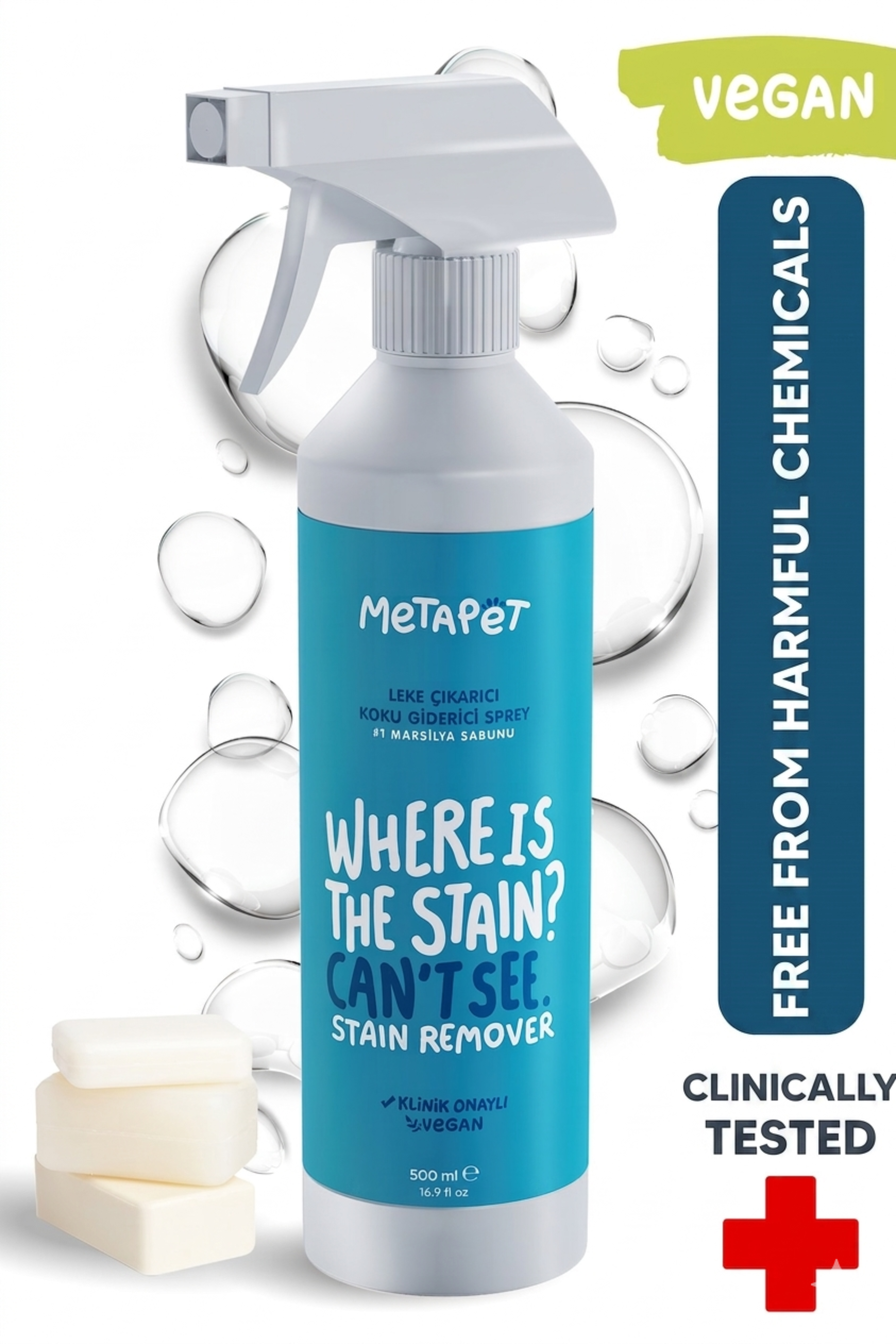
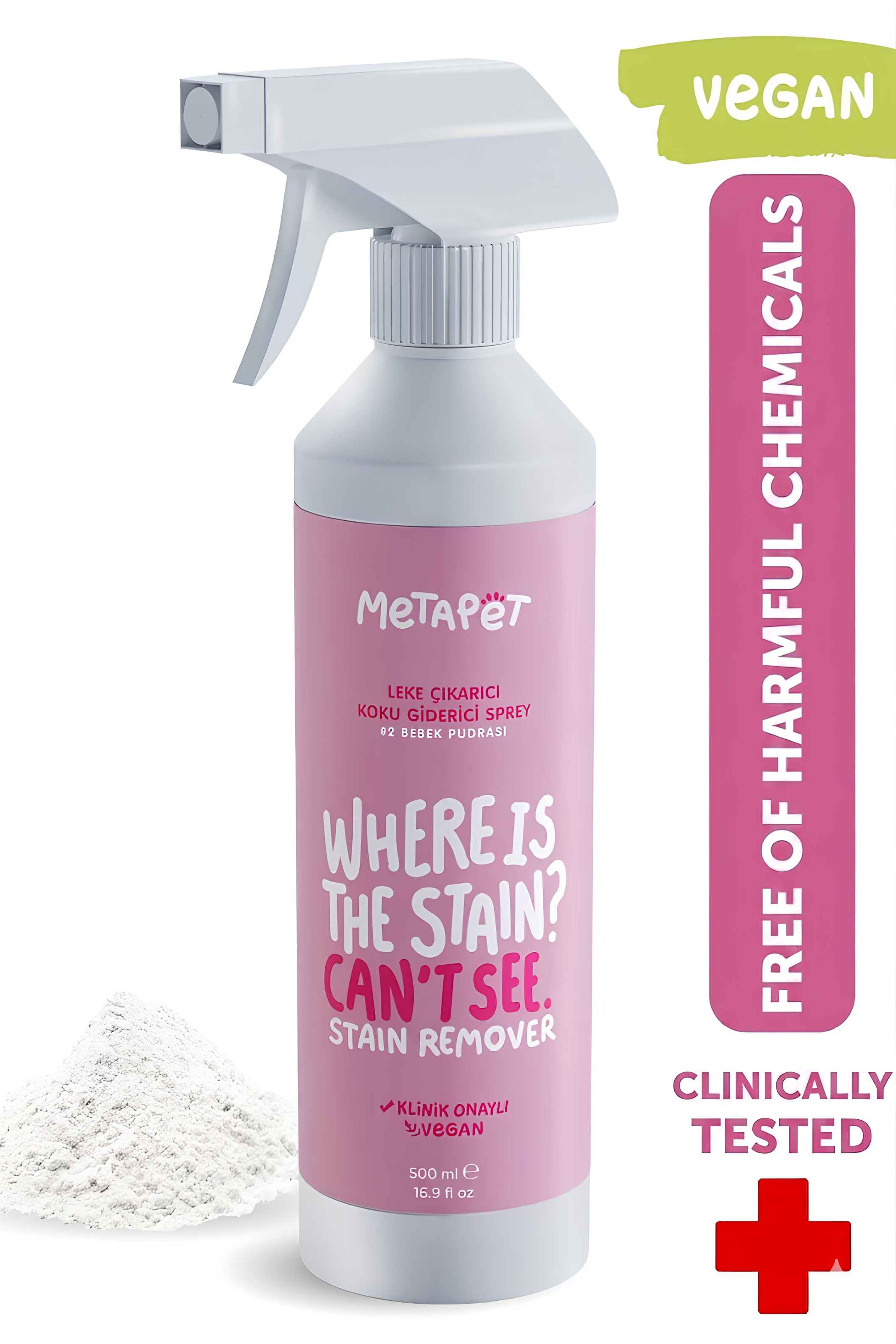
For fabric and floor cleaning, a general household surface product such as MetaPet Where Is The Stain I Can't See? Pet Stain Remover & Deodorizer Spray is intended for washable surfaces including carpets, sofas, clothing and hard floors, and helps lift marks while absorbing odours. It is a cleaning product for surfaces rather than a treatment for any medical condition, is not a medicine, and is not applied to the animal. Keep pets away during use, allow treated areas to dry fully, and always spot-test a hidden area first.
Coat Care for Pets in Smoking Households
Because residue lands on fur, routine grooming does more than keep a pet looking tidy — it physically removes material from the coat before a cat swallows it. Regular brushing is the simplest and most useful habit here.
- Brush frequently and thoroughly. Especially for long-haired cats and dogs with dense coats.
- Groom in a well-ventilated room. Rather than the room where smoking happens.
- Wash your hands before and after. A small habit that reduces transfer.
- Keep bedding on a regular wash cycle. Bedding is a major residue reservoir.
- Ask your veterinarian about bathing frequency. Over-bathing can affect skin and coat condition, so get species- and coat-specific advice.
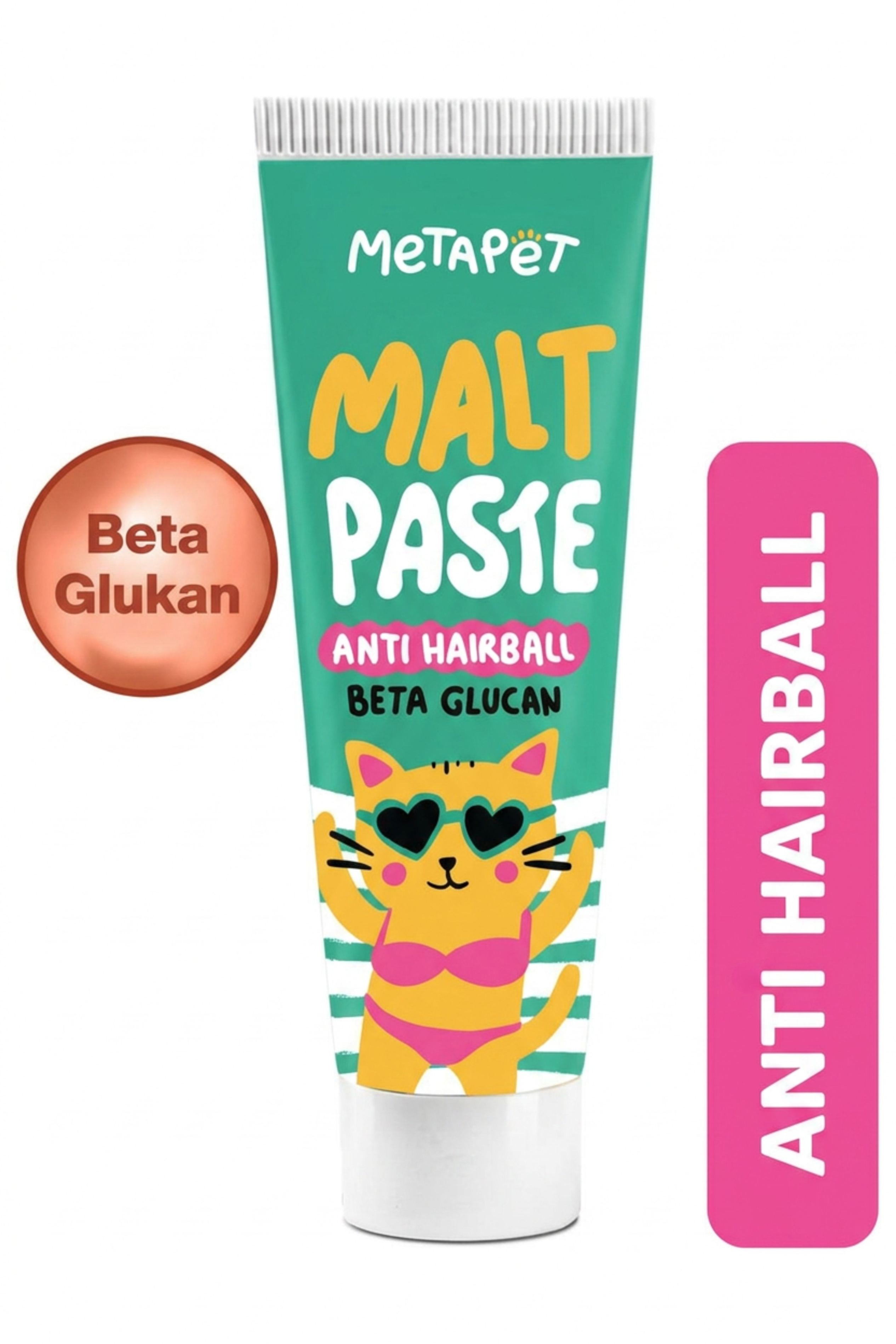
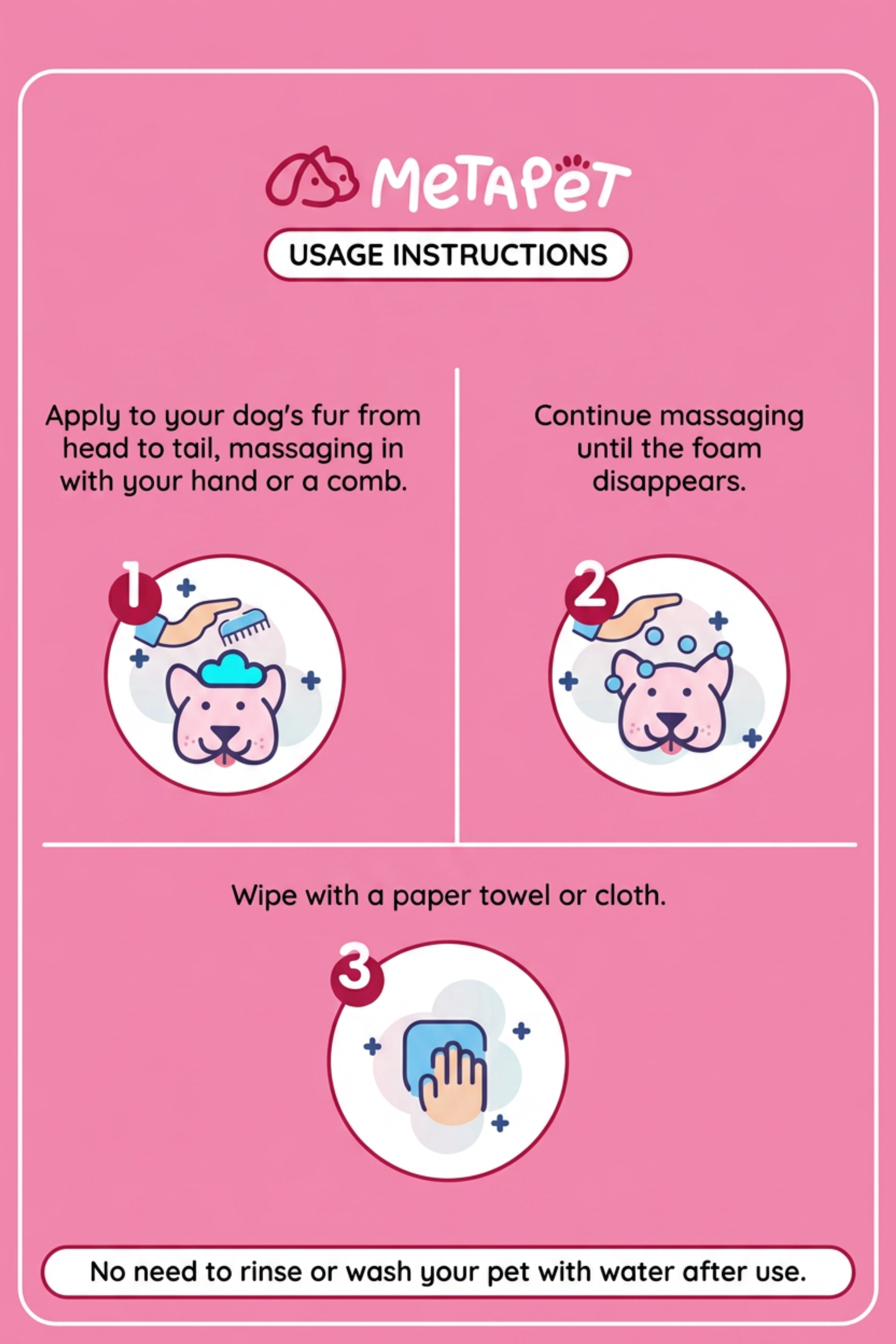
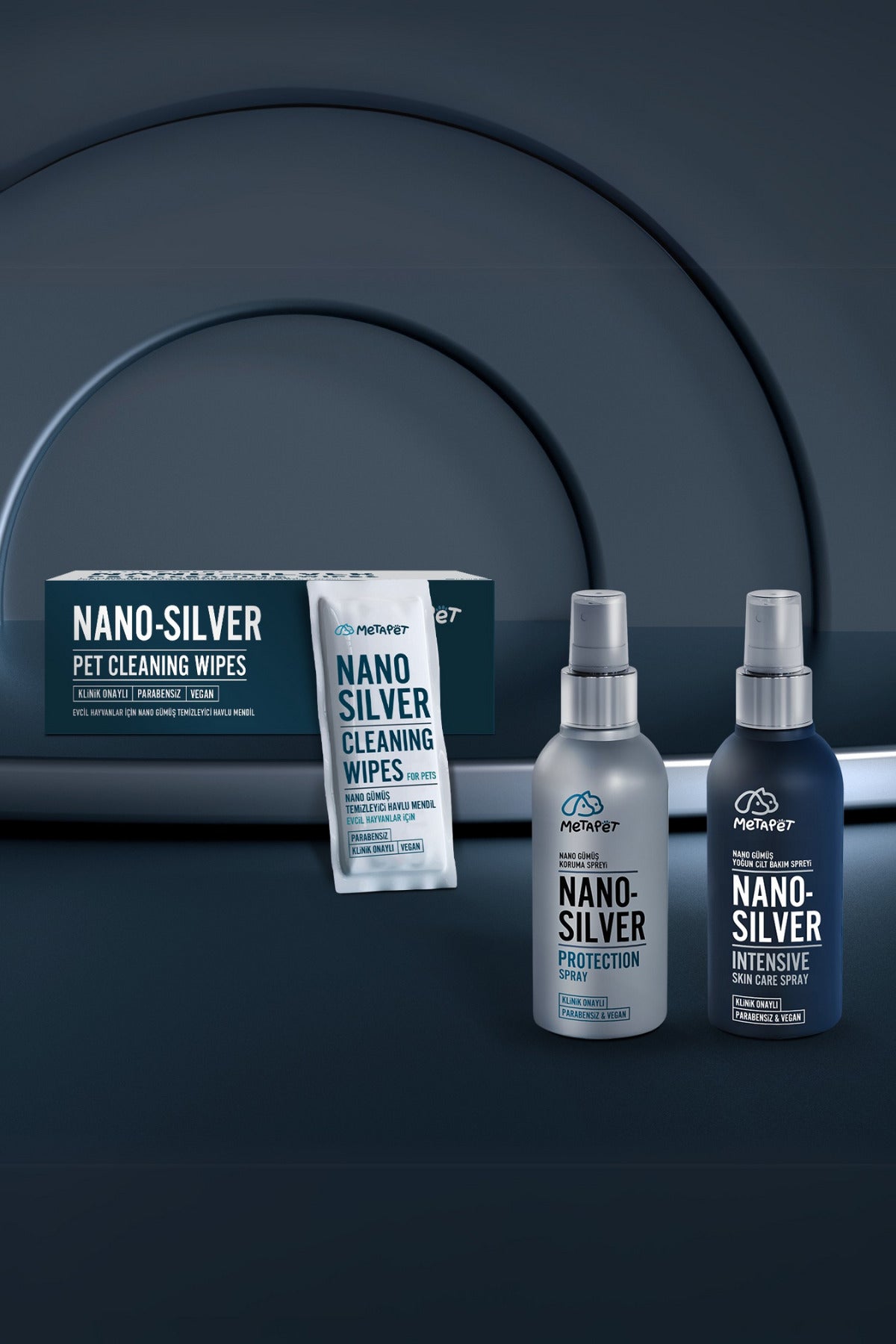
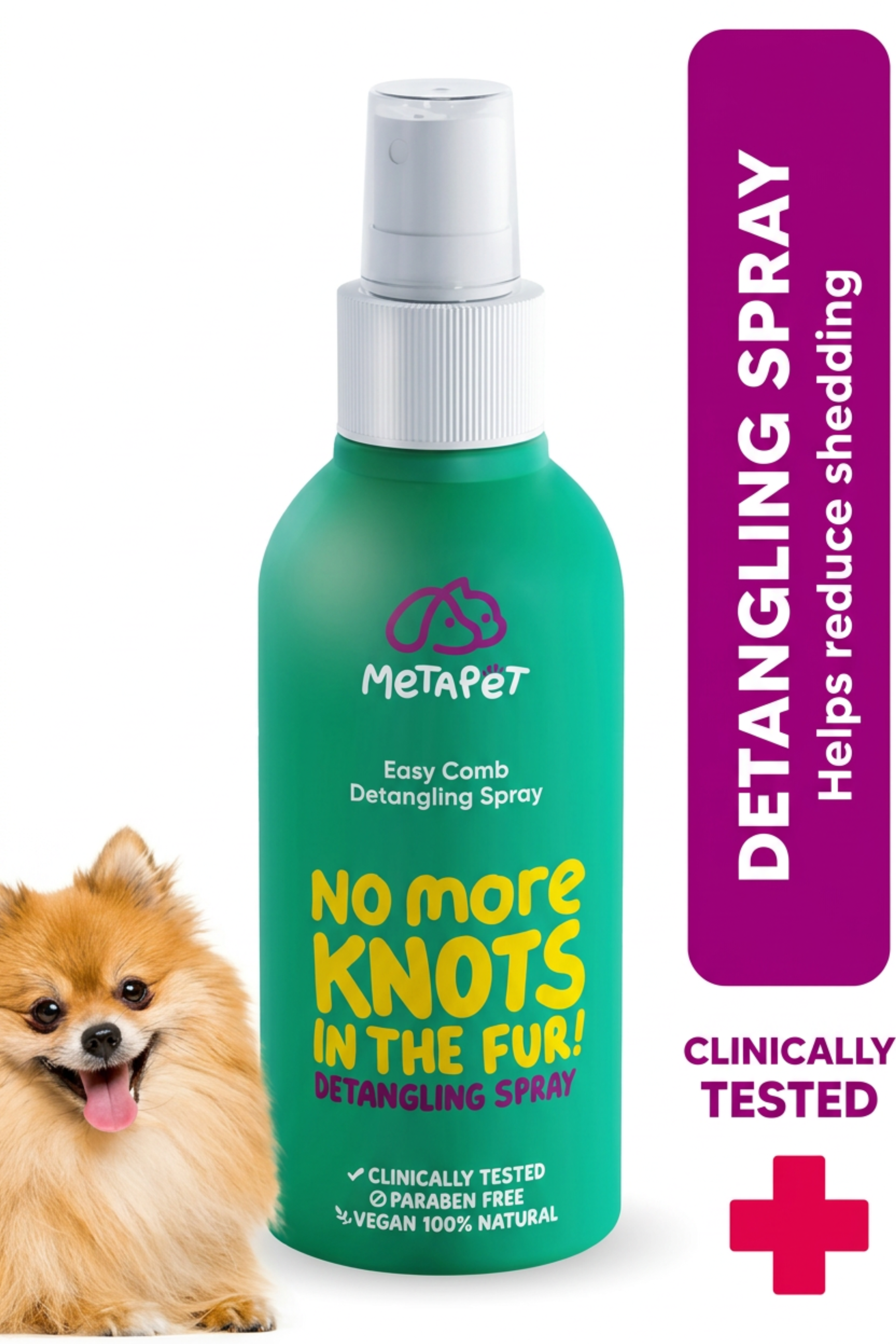
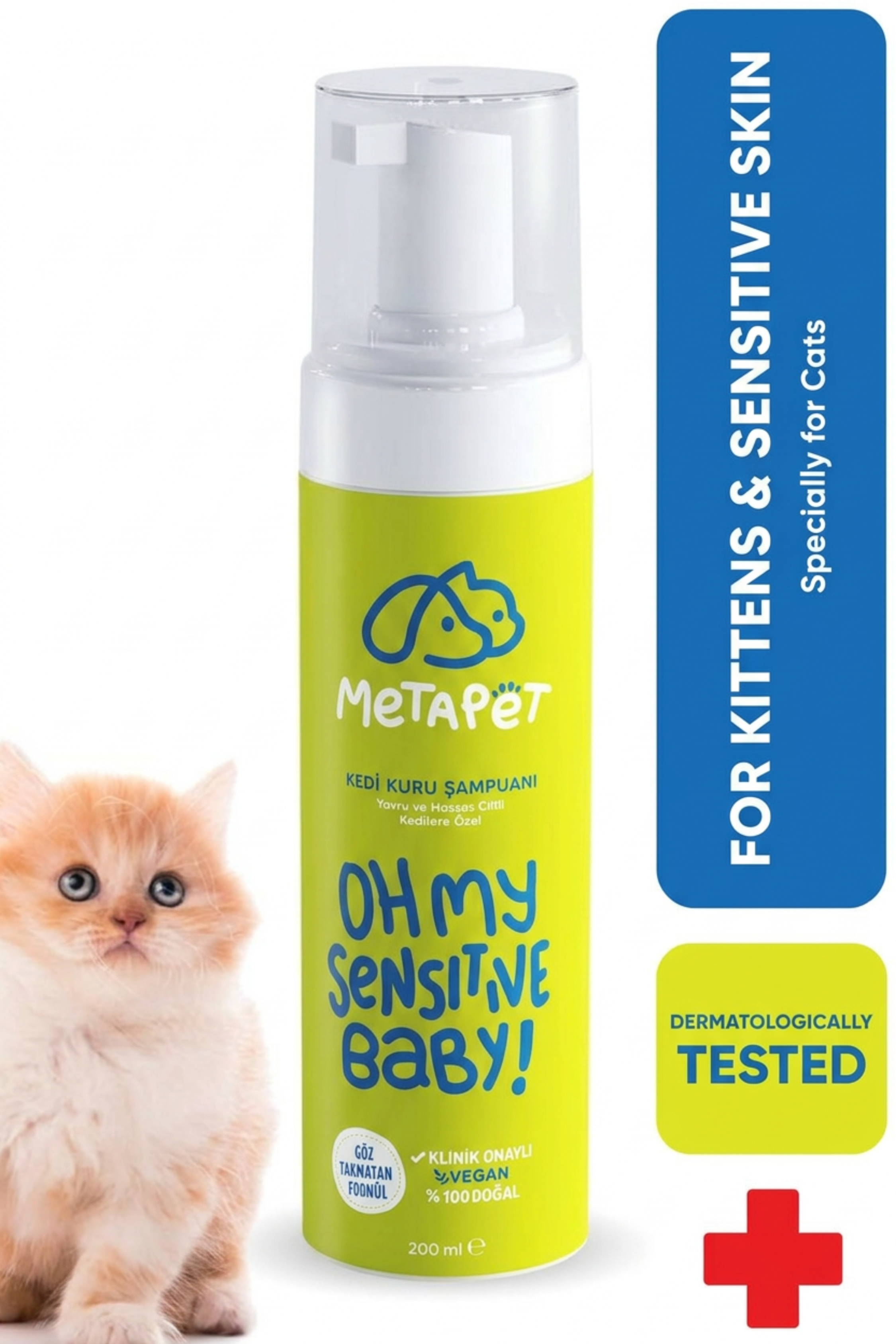
Between baths, external cleansing products can be part of a normal grooming routine. Options such as MetaPet Nano-Series Hygiene & Care Towel Wipes are designed for quick, gentle external cleaning of the coat, paws and body between baths, and MetaPet No More Knots in the Fur detangling spray is designed to make combing easier. These are cosmetic grooming products, not medicines. They do not treat, prevent or reduce any disease, and they are not a substitute for removing the source of exposure or for veterinary care if your pet has respiratory signs.
When to See Your Veterinarian
Some signs should never be attributed to smoke exposure without a proper examination, because many serious conditions share them.
- Any persistent cough. In either species, a cough that lasts more than a few days needs assessment.
- Open-mouth breathing in a cat. Always urgent, regardless of the suspected cause.
- Increased effort or rate of breathing at rest. Report the same day.
- Wheezing or noisy breathing. Particularly if it is new or worsening.
- Reduced exercise tolerance. A dog that tires much sooner than it used to.
- Any suspected nicotine ingestion. An emergency, even if your pet currently seems well.
- New lumps, sores, or persistent mouth or nose irritation. Have these examined rather than monitored indefinitely.
Tell your veterinarian honestly whether there is smoking or vaping in the home. It is relevant clinical information, not a moral question, and it may change the advice you receive.
Frequently Asked Questions
Is smoking in another room enough?
It is better than smoking in the same room, but smoke and residue move between rooms and settle on shared surfaces. Smoking outdoors is considerably more effective.
Does an air purifier solve the problem?
Air filtration can help with airborne particles, but it does not remove residue already deposited on furnishings and fur. Treat it as one measure among several, not a complete solution.
Are cats really more affected than dogs?
Cats have an additional exposure route through intensive grooming of a contaminated coat, which is why they receive particular attention in this context. Both species benefit from a smoke-free home.
My pet seems completely fine. Do I need to change anything?
Absence of visible signs does not confirm absence of exposure, and irritant effects can be gradual. Reducing exposure is a low-cost precaution.
What should I do if my dog eats a cigarette butt?
Contact your veterinarian or an emergency veterinary hospital straight away and describe what and how much was eaten. Do not wait for signs to appear.
Is vaping indoors acceptable if my pet has no breathing problems?
The safer approach is to keep any aerosolised product out of shared indoor air and to store liquids and devices securely. The ingestion risk from e-liquid is the more pressing concern in most homes.
The Bottom Line
Pets cannot leave the room, cannot ask for a window to be opened, and — in the case of cats — swallow whatever lands on their coat. That combination is why veterinary advice consistently favours keeping indoor air free of smoke and aerosol, and why grooming and cleaning routines matter in households where exposure occurs.
Separate from the long-term picture, remember the acute one. Nicotine products, and especially concentrated e-liquid, are a real poisoning hazard. Secure storage and a lidded bin are simple, immediate protections.
If you are not ready to quit, do not let that stop you making the other changes. Moving smoking outdoors, locking away liquids and pods, washing bedding regularly, brushing your pet often, and keeping at least the sleeping area completely clear are all genuine improvements. And if your pet develops a cough or any breathing change, book a veterinary appointment rather than assuming you already know the cause.